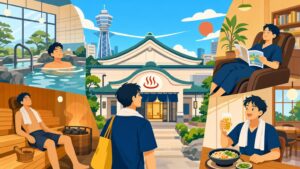
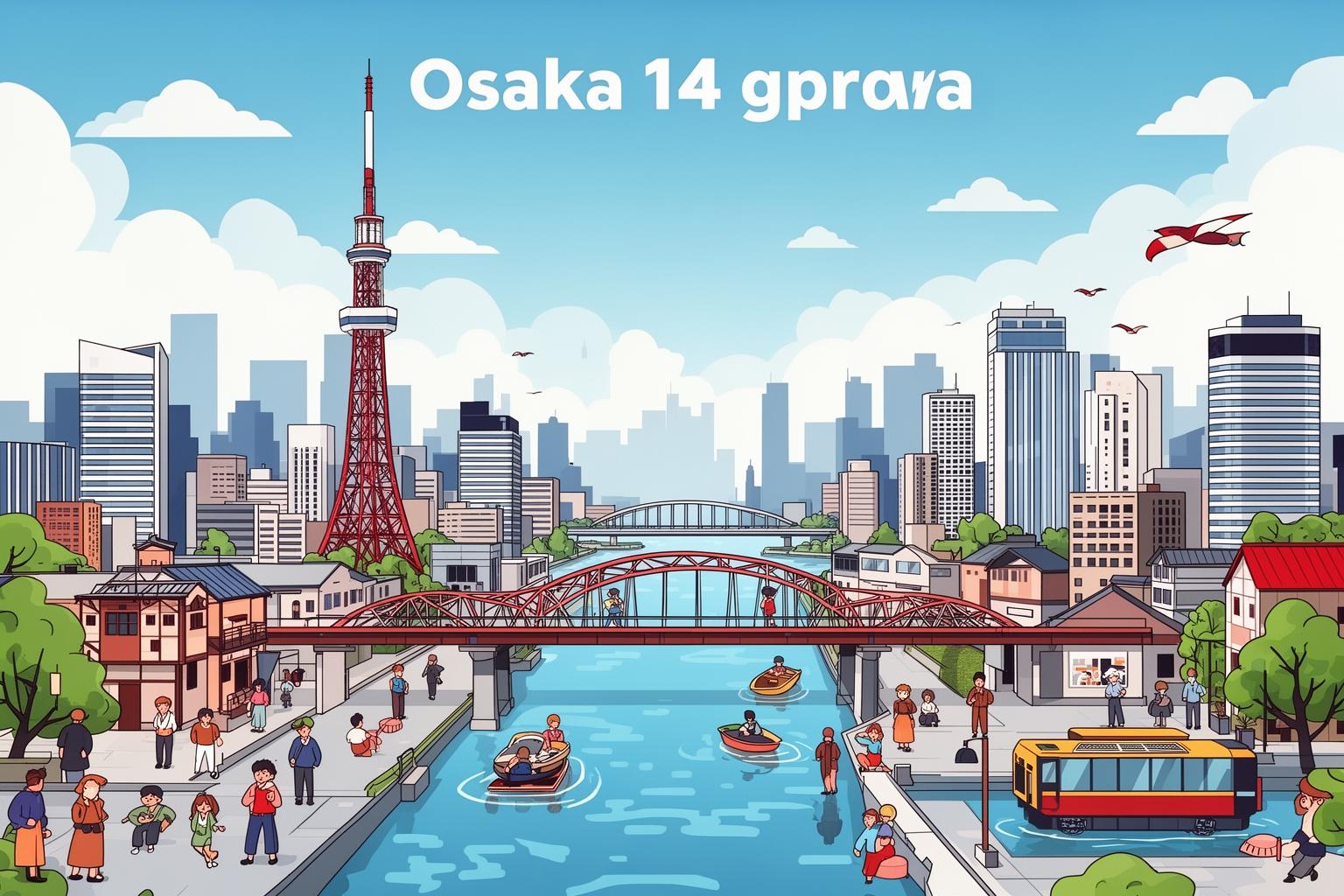
The air in Osaka hangs thick and heavy on a summer evening, a familiar cocktail of humidity, grilled takoyaki, and the faint, metallic scent of the city’s tram lines. As you walk home through the winding backstreets of a neighborhood like Tennoji or Nakazakicho, you’ll see it: a soft, warm light spilling from a doorway covered by a short, cloth curtain—a noren—emblazoned with the unmistakable hiragana character for hot water: ゆ (yu). You’ll see a tall, slender chimney rising stoically against the neon-flecked sky. This isn’t a tourist trap or a fancy spa. This is a sento, the neighborhood public bath, and it is one of the most authentic, unfiltered windows into the heart of daily life in Osaka. For many foreigners, Japan is synonymous with the onsen, the serene hot spring resorts nestled in misty mountains. But for the average Osakan, wellness isn’t a weekend getaway; it’s a daily ritual woven into the urban fabric. It’s a 500-yen coin, a small towel, and a half-hour of soaking away the day’s fatigue next to your neighbors. The sento is where the city washes off its makeup, drops the formalities, and gets real. It’s where community is built, not in grand halls, but in the steam-filled, tile-lined rooms of a local bathhouse. Understanding the sento is understanding the city’s rhythm—a rhythm that’s less about performative politeness and more about shared, practical comfort.
After immersing yourself in the authentic zen of a neighborhood sento, you might also enjoy exploring Osaka by bike to uncover another facet of the city’s vibrant, everyday rhythm.
Sento vs. Onsen: More Than Just Hot Water
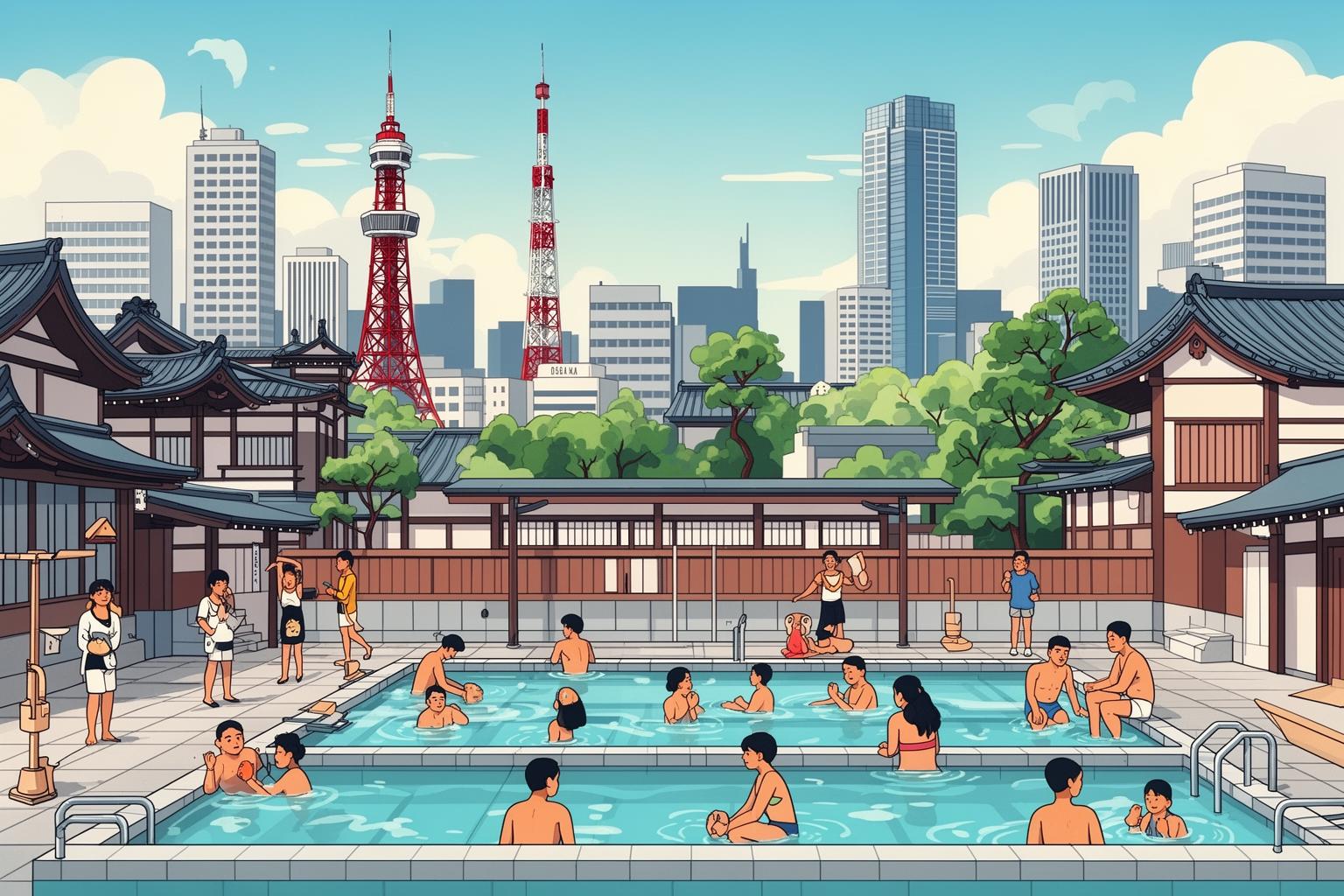
Before passing through that noren, it’s important to adjust your expectations. The biggest misunderstanding among newcomers is confusing the local sento with the famous onsen. They are fundamentally different entities, serving distinct purposes. An onsen is defined by its water source: naturally geothermal hot spring water, often mineral-rich, as designated by Japan’s Onsen Law. It’s a natural phenomenon and a destination. People travel to onsen towns like Arima or Kinosaki for the unique quality of the water, for the getaway, and for the beautiful ryokan (traditional inn) and multi-course kaiseki meal that come with it. It’s a vacation, a special indulgence.
A sento, in contrast, is a utility. Its water is regular tap water, heated in a boiler behind the scenes. The sento is a creature of the city. Its roots trace back to a time when most urban homes, especially in densely packed working-class cities like Osaka, lacked private bathing facilities. The sento served as the neighborhood’s communal bathhouse, essential for daily hygiene. This history shapes its entire character. It’s not about luxury; it’s about practicality, community, and routine. While a Tokyo sento might embrace a sleek, minimalist design, many of Osaka’s most cherished sento are wonderful, stubborn relics of the Showa era (1926-1989). They are unpretentious, often a bit worn around the edges, and alive with a genuine, local energy. You don’t go to a sento to escape the city; you go to a sento to engage with it more deeply.
The Unspoken Rules of the Osaka Sento
Stepping into a sento for the first time can feel daunting. It’s a personal space governed by a clear set of unwritten rules. But don’t worry; the system is straightforward, logical, and once you understand it, you’ll navigate like a local. The Osaka mindset helps here—people tend to be more focused on their own routine than on a foreigner making a minor mistake. They appreciate the effort.
Before You Even Get Wet: The Entrance and Changing Room
Your journey starts at the entrance. First, remove your shoes and place them in one of the small shoe lockers. Then, head to the bandai, a raised platform or counter where an attendant—often a friendly grandmother or grandfather whose family has operated the place for generations—will collect your fee. The cost is usually uniform across the prefecture, a wonderfully egalitarian system. You’ll receive a plastic locker key attached to an elastic band, which you’ll wear on your wrist or ankle.
Next, you’ll face the two noren curtains: blue or purple for men (男), red or pink for women (女). This is the point of no return. Inside, you’ll find the datsuijo, the changing room. Locate the locker matching your key. Now, the part that tends to cause the most anxiety for beginners: getting completely naked. There’s no alternative. Bathing suits are prohibited. But here’s the secret: nobody minds. Seriously. The sento is the great equalizer. In the steam, everyone is the same. The Osaka attitude is quite blunt about this. People come to get clean and relax, not to judge your body. Trying to awkwardly cover up with a towel actually draws more attention than simply getting on with it.
The Main Event: Washing and Soaking
Once your clothes and large towel are stored in the locker, enter the bathing area with only your small wash towel. The first and most important sento rule is kakeyu. Before you even think about stepping into the main bathwater, take a basin and pour warm water over your body from the designated faucets or a small pre-bath tub. This is for hygiene—to rinse off surface dirt—and to help your body adjust to the heat.
Next, find an empty washing station. Each station includes a small plastic stool and a bucket. Sit down—it’s considered rude to wash standing up, as you might splash your neighbors. Use the faucet or shower hose to wash yourself completely. Lather with soap, shampoo your hair, scrub thoroughly. You must be spotless before entering the communal tubs. This is the cardinal rule. The tubs are for soaking, not cleaning.
Now, about the small towel. This is your multi-purpose tool. You can use it to scrub your body. When walking around the bathing area, you can use it for modesty. But under no circumstances should this sudsy little towel go into the bathwater. That’s a major faux pas. Osakans will gently place it on the side of the tub or, in a classic pro move, fold it and balance it on their head. It keeps the towel clean and helps cool you down.
The Social Bath: Eavesdropping on Osaka-ben
The true charm of the Osaka sento unfolds in the water. While some sento in more reserved cities may be quiet, meditative spaces, an Osaka sento often buzzes with conversation. You’ll hear thick, fast-paced Osaka-ben—the local dialect—echoing off the tiled walls. Grandmothers gossip about neighborhood events. Middle-aged men passionately analyze the latest Hanshin Tigers baseball game. This is what the Japanese call hadaka no tsukiai, or “naked communion.” With clothes and status stripped away, communication becomes more direct and honest.
You’re not obliged to speak with anyone. It’s perfectly fine to soak in silence and enjoy the ambient chatter. But don’t be surprised if a curious obachan (auntie) strikes up a conversation, asking where you’re from or complimenting your Japanese. This kind of friendly, direct interaction is quintessentially Osaka. It’s not the formal, distant politeness of Tokyo; it’s a genuine, sometimes nosy warmth and curiosity. This is your free, immersive language lesson and a crash course in local culture, all while soaking in 42-degree Celsius water.
Finding Your Sento: A Tour Through Osaka’s Bathing Landscape
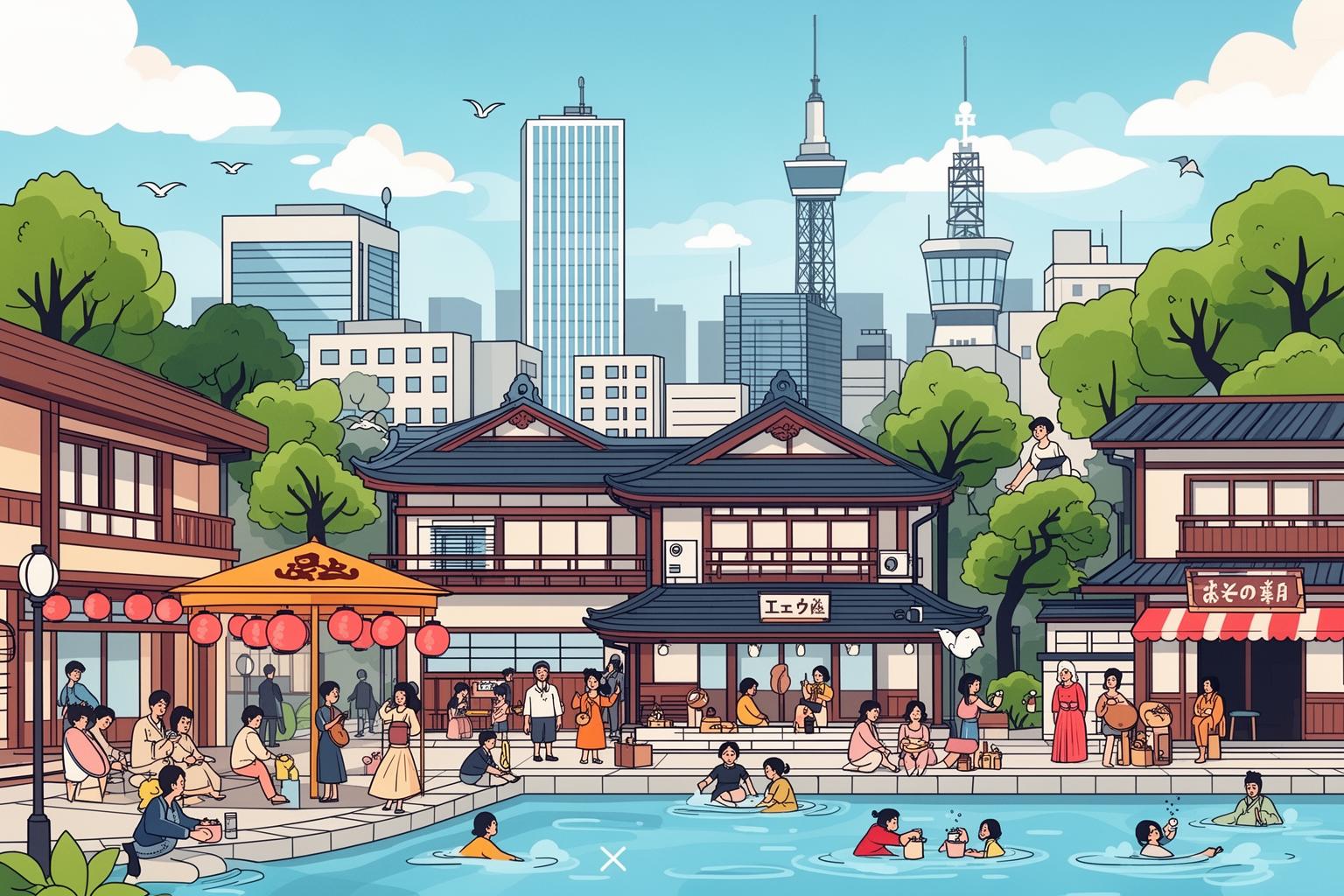
Osaka’s sento are far from uniform. They vary in shape and size, each providing a slightly different experience. Part of the fun lies in learning how to recognize them and knowing what to look for.
The Classic Showa Retro Sento
These form the core of Osaka’s sento culture. Look for buildings featuring a traditional karahafu gabled roof, a style commonly seen in temples and castles. Inside, the design is highly functional: a tall, vaulted ceiling lets steam escape, preventing the space from feeling cramped. Often, the centerpiece is a grand mural painted on tiles above the main bath, typically depicting Mt. Fuji—a comforting, idealized symbol of Japan visible even in a bathhouse in the heart of Osaka. The tilework is often intricate, with beautiful designs of koi fish or flowers. These baths are steeped in nostalgia, from the rattling wooden lockers to the vintage massage chairs and analog scales in the changing room. Run by the same families for decades, they serve as living museums and offer the most authentic neighborhood experience.
The “Designer” Sento and Super Sento
As times evolve, so do sento. Some older bathhouses have been refurbished by younger generations into “designer sento” featuring modern aesthetics, minimalist concrete walls, stylish lighting, and distinctive features. You might encounter baths infused with seasonal herbs, wine, or coffee. A common aspect of many Osaka sento, old and new, is the denki-buro, or electric bath. This small tub passes a low-voltage current between two plates on opposite sides, causing your muscles to tingle and contract. It’s an unusual but surprisingly pleasant sensation that many locals swear by for muscle pain relief.
The “super sento” represents another trend. These large, modern complexes, often located in suburbs, resemble wellness theme parks with dozens of different baths (both indoor and outdoor), multiple saunas, cold plunge pools, restaurants, massage services, and relaxation rooms stocked with manga libraries. While they lack the cozy, neighborhood feel of classic sento, they are popular weekend destinations for families and provide a full day of relaxation at a reasonable price.
What to Bring and What to Expect to Pay
One of the wonderful things about sento is their accessibility. The standard adult entry fee in Osaka is set by the public bath association and is currently under 500 yen. It’s an incredibly affordable luxury. Many regular visitors bring their own customized bath kits in small baskets, including favorite shampoo, special soap, and a scrubbing towel. But if you decide to visit spontaneously, you can always go tebura, or “empty-handed.” Every sento offers the basics: a small rental towel, single-use packets of shampoo and conditioner, and soap for around a hundred yen. Just bring some coins, and you’re ready to go. This low barrier to entry is exactly what keeps sento a part of everyday life, not merely a special occasion.
The Post-Sento Ritual: The Real Wellness Routine
The sento experience doesn’t suddenly end the moment you step out of the bath. The post-sento ritual is equally important as the soak itself. It’s a gentle, intentional cooldown that completes the cycle of wellness.
The Chilled Drink Epiphany
After drying off and getting dressed in the changing room, you’ll notice a row of vintage-style refrigerators humming quietly in the lobby. Inside are small glass bottles containing various kinds of milk. For many sento enthusiasts, this step is essential. The holy trinity of post-bath drinks includes furuutsu gyunyu (a sweet, mixed-fruit milk), coffee milk, or plain, cold milk. Popping the paper cap and drinking the chilled bottle after your body has been warmed to the core is a moment of pure, unfiltered bliss. The contrast of hot and cold is invigorating. For adults, a cold can of Asahi or Kirin beer fulfills the same wonderful purpose. This simple act of rehydration and reward is a vital part of the culture.
Lingering in the Lobby
Unlike a gym where people rush in and out, the sento lobby encourages you to stay a while. This space often acts as the neighborhood’s informal living room. You’ll see regulars sitting on vinyl benches, fanning themselves while watching a baseball game on a small television. Others might be reading the sports pages of a newspaper or casually chatting with the owner. This is the social cooldown. It’s a space for unstructured community interaction, for idle moments. This appreciation for the “in-between” times feels particularly meaningful in a fast-paced country. In Osaka, a city that treasures its human connections, this final shared moment of relaxation is what firmly establishes the sento’s role as more than just a place to wash—it’s a place to belong.
Why the Sento Explains Osaka
When you really think about it, the unassuming neighborhood sento perfectly encapsulates the essence of Osaka itself. It reflects the city’s core traits in a way that no museum or landmark ever could.
First, there’s the pragmatism. The sento exists because it fulfills a practical need, and it endures because it continues to provide incredible value. For the price of a coffee, you receive hygiene, relaxation, and social connection. Osaka is a merchant city at heart, and its residents have an innate sense for good value, or kosupa (cost performance). The sento offers the ultimate kosupa experience.
Second, it highlights the city’s preference for community over formality. The act of communal bathing, hadaka no tsukiai, breaks down the rigid social hierarchies that often shape life in Japan. In the sento, the company president bathes alongside the construction worker. There’s a raw, unfiltered honesty in these interactions that reflects the city’s well-known directness. It’s about honne (your true feelings) over tatemae (your public face).
Finally, the sento stands as a living tradition. In an era of unceasing modernization, the survival of these Showa-era bathhouses is a quiet act of resistance. They haven’t been overly sanitized or commercialized for tourists. They are maintained by and for the local community. They are resilient, somewhat stubborn, and deeply treasured—much like the spirit of Osaka itself. So next time you spot that ゆ sign, don’t just pass by. Step inside. You won’t only get clean; you’ll gain a profound and deeply human understanding of what makes this city tick.