
Your first encounter with Super Tamade is a full-body experience. You’ll probably hear it before you see it, a tinny, upbeat J-pop tune blasting out onto the street. Then, the light hits you. A brilliant, almost radioactive yellow building, plastered with red signs and flashing lights like a pachinko parlor that’s had way too much caffeine. You step inside, and the sensory assault intensifies. The music gets louder, the lights flicker, and a chaotic jumble of products piled high in cardboard boxes fills every available space. Your brain, conditioned by the serene, orderly aisles of a typical Japanese supermarket, struggles to compute. Is this a store? A festival? A fever dream? Welcome to Super Tamade. This is not just a grocery store; it’s a masterclass in the Osaka mindset, a neon-lit temple to the city’s core values of pragmatism, frugality, and a complete, unapologetic disregard for pretension.
For anyone trying to understand what makes Osaka tick, to get under the skin of this city and see how it differs from the polished perfection of Tokyo, a trip to Tamade is more insightful than a visit to a dozen temples. It’s where the abstract concept of “Osaka’s merchant culture” becomes a tangible reality, ringing up right before your eyes at the cash register. This is the real, unvarnished, everyday life of the city, a place that prizes a good deal over a good look every single time. It’s a world away from the curated aesthetics you might be used to, and that’s precisely why it’s so important. To live here, to thrive here, you have to decode places like this. You have to learn to see the genius in the chaos. And trust me, there’s a whole lot of genius hiding behind those flashing lights.
Moreover, the vibrant energy of Osaka is further revealed through the practical perspective of living on Osaka’s JR line, which highlights the seamless integration of transit and daily life.
What in the World is Super Tamade?
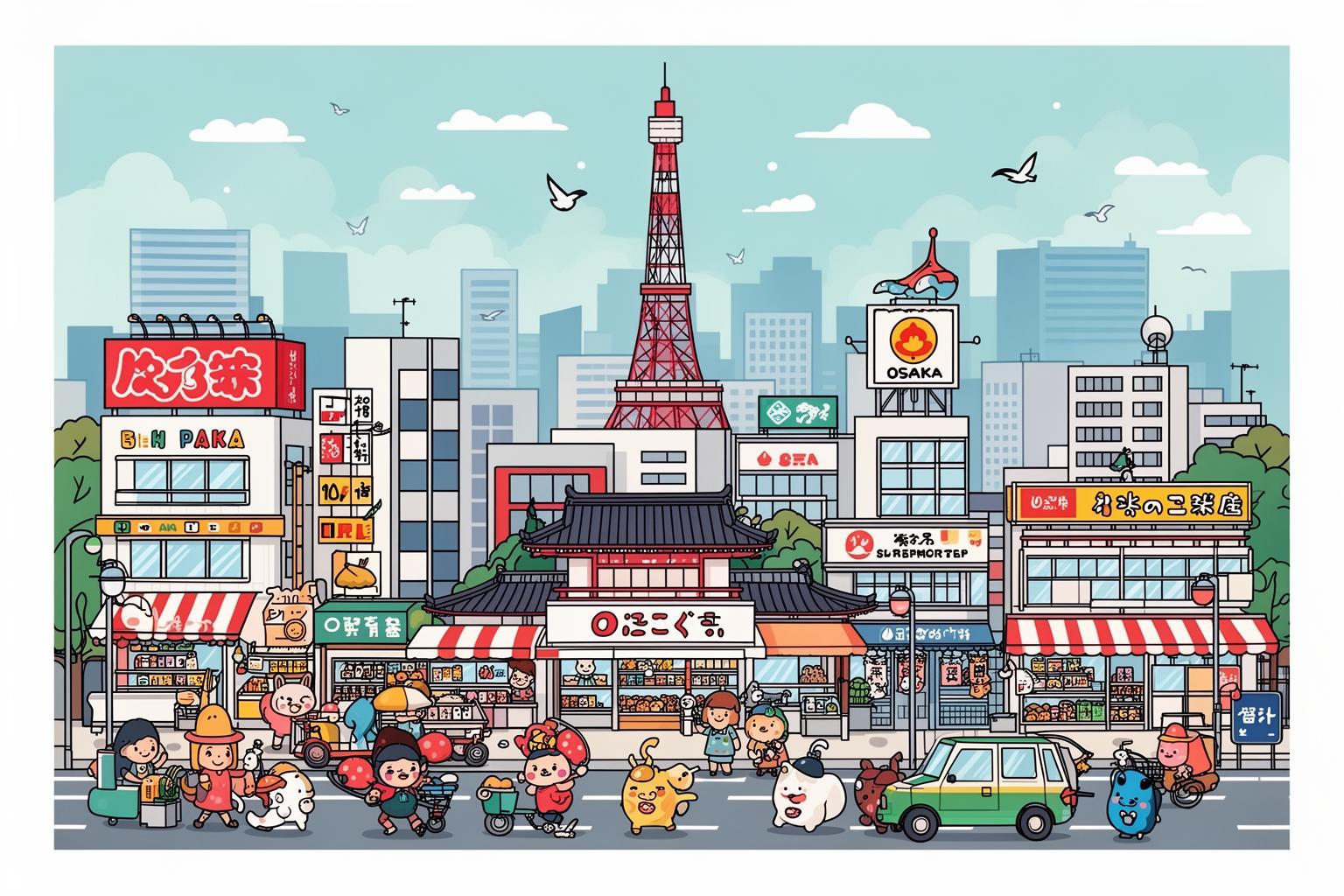
First things first, let’s talk about the aesthetic—or rather, the remarkable absence of one. Super Tamade is the opposite of a carefully curated shopping experience. The lighting is harsh and fluorescent, the floors are purely functional, and the displays look hastily put together by someone who sees shelving as an unnecessary extravagance. Items are frequently sold straight from the cardboard boxes they arrived in, stacked in precarious, leaning towers. This isn’t accidental; it’s a statement of intent. Every yen NOT spent on interior design, fancy lighting, or tidy arrangements is a yen that reduces the final price. This mindset is quintessentially Osaka.
In Tokyo, a city driven by presentation and perfection, a store like Tamade would stand out as unusual. Tokyo’s retail culture often values the experience—beautiful packaging, attentive staff, and a calm atmosphere. Shopping is meant to be pleasant and almost therapeutic. Osaka’s merchant spirit, shaped in the rough-and-tumble port city of Sakai, puts different priorities first: the deal, the transaction, the bottom line. Tamade’s entire approach embodies this spirit physically. It shouts, “We’re not here to look good; we’re here to be cheap. Grab what you need and go.” There’s a raw honesty here that can feel jarring at first, but you quickly grow to respect its straightforwardness. The store isn’t trying to seduce you with mood lighting into thinking a 300-yen apple is a luxury; it’s proudly offering a 50-yen apple and challenging you to find a better price.
The Soundtrack to Savings
The relentless, high-energy music plays a key role in this experience. It’s more than background noise—it’s a psychological tactic. The fast pace and upbeat energy create urgency, making it feel like you’re in the midst of a frenzied bargain festival. It discourages lingering and promotes quick, decisive shopping. Grab that discounted tofu! Snatch that cheap cabbage! It turns an ordinary errand into a high-stakes challenge. This atmosphere can be intense, but it perfectly suits the Osaka shopper’s aim: to find the best deals with maximum efficiency. It’s a uniquely Osakan form of retail theater, and once you get into its rhythm, it’s oddly exhilarating.
The Tamade Pricing Strategy: How Low Can You Go?
Tamade’s reputation is built on its extraordinarily low prices, achieved through a series of ingenious, almost aggressive marketing strategies. The most famous of these is the 1-Yen Sale. This is no urban legend. You can, and often will, leave Tamade having purchased an item—a carton of eggs, a block of tofu, a bag of bean sprouts—for just one yen. The catch, naturally, is that you usually need to spend a minimum amount, typically 1,000 yen, to qualify for the offer. It’s a classic loss-leader tactic, but Tamade carries it out with such panache that it feels less like a marketing ploy and more like a city-wide game. Shoppers plan their trips around the daily 1-yen item, which is prominently advertised on flyers and at the store entrance. It turns shopping into a strategic pursuit, with customers aiming for the ultimate bargain.
Beyond the headline-grabbing 1-yen deals, the entire store is a shifting landscape of bargains. Prices aren’t fixed; they adjust based on supply, demand, and how close a product is to its expiration date. This is especially evident in the prepared foods, or sozai, section. As evening falls, a magical change takes place. Staff wielding sticker guns swoop in on the bento boxes, fried chicken, and sushi packs, marking them with bright red and yellow discount stickers. Thirty percent off becomes fifty percent off (hangaku), and sometimes even more. This nightly ritual sparks a feeding frenzy as office workers, students, and savvy homemakers converge to snatch up an affordable and satisfying dinner. It’s a lively, chaotic dance of supply-and-demand economics unfolding in real time.
The Quality Question
Naturally, these prices raise an important question: is the food any good? The answer is subtle, reflecting the core of the Osaka mindset. If you’re after perfectly shaped, blemish-free, cosmetically flawless produce, Tamade is not your store. The carrots might be a bit crooked, the bell peppers somewhat misshapen, the apples slightly bruised. Here, the cultural divide between Osaka and other parts of Japan becomes strikingly clear. Much of Japan, especially Tokyo, values aesthetic perfection highly. A peach is not just a peach; it’s a work of art—perfectly round, unblemished, and often priced accordingly.
Osaka’s perspective is far more practical. The prevailing philosophy is, “Does it taste good? Will it work in the dish I’m preparing?” A crooked carrot tastes the same as a straight one when chopped into a curry. A slightly bruised apple is just fine for a pie. Osakans have a natural talent for looking past surface imperfections to the true value of an item. This isn’t about tolerating low quality; it’s about rejecting the idea that aesthetic perfection equals greater worth. It’s a form of financial savvy, a refusal to pay extra for appearance. Shopping at Tamade teaches you to become a smarter buyer, inspecting produce to find the hidden gems. It’s a skill that proves useful throughout life in the city.
Tamade Shoppers: A Cross-Section of Osaka Society
Spend ten minutes in a Super Tamade, and you’ll witness the full spectrum of Osaka life passing by. You’ll see elderly grandmothers, seasoned bargain hunters, carefully examining vegetables and comparing prices with the precision of a chess grandmaster. You’ll spot university students in tracksuits, filling their baskets with instant noodles, inexpensive cuts of meat, and large bottles of green tea. You’ll notice young mothers with children in tow, skillfully maneuvering through crowded aisles to gather family essentials. Salarymen in suits will be heading straight for the half-price bento section after a long day at work. And you’ll encounter people like me, foreigners drawn to the store not only for its prices but for its lively, unapologetic energy.
What brings this diverse group together is a shared mindset: there’s no shame in saving money. On the contrary, it’s a virtue to be proud of. This is a striking contrast to the consumer culture in many Western countries, and even in Tokyo, where there can be social pressure to shop at more upscale, fashionable stores. In Osaka, boasting about a good deal is a common topic of conversation. Telling a friend you scored ten eggs for one yen at Tamade will earn approval and respect, not judgment. It signals that you’re savvy, practical, and in tune with the city’s rhythm. This collective appreciation for frugality fosters a special sense of camaraderie in the aisles of Tamade. You’re all united in the pursuit of value, breaking down social barriers in a way that more polished, hierarchical retail spaces never could.
Tamade vs. The Rest: What It Tells You About Osaka vs. Tokyo
Comparing a Super Tamade to a high-end Tokyo supermarket like Seijo Ishii or Queen’s Isetan is like contrasting a lively street festival with a quiet art gallery. Both provide food, but their methods, priorities, and cultural significance are worlds apart. A Tokyo supermarket is a sanctuary of calm. The lighting is gentle, the music soft, and the products arranged with the precision of an artist. The experience is designed to be smooth, pleasant, and reassuring, conveying a message of quality, luxury, and order. This perfectly reflects Tokyo’s image as Japan’s refined, buttoned-up capital—a city that values form and presentation as much as function.
Super Tamade, conversely, embodies Osaka’s historical identity as a city of merchants, artisans, and entertainers. It’s loud, straightforward, and relentlessly results-driven. The atmosphere is far from calm; it’s vibrant and energetic. The displays aren’t crafted for beauty; they’re purely functional. Customer service isn’t overly attentive; it’s quick and efficient. This reflects a city that has always needed to be resourceful, innovative, and a little louder to thrive. Osaka could not depend on the political power of the capital; instead, it relied on its cleverness, business savvy, and ability to deliver what people wanted at an affordable price. Tamade is the modern heir to this legacy.
Foreigners often misinterpret this. They enter Tamade and see a tacky, chaotic, low-quality scene. They miss the brilliant, highly efficient system working behind the scenes. They confuse the absence of pretension with a lack of standards. But Tamade’s standard is simply different. The primary criterion is price. Everything else—appearance, atmosphere, and even a certain level of product uniformity—is secondary. Grasping this distinction is crucial to understanding Osaka. The city’s genius lies in its pragmatism, its knack for eliminating the unnecessary and focusing on what truly matters. This mindset extends far beyond grocery shopping, shaping how people conduct business, communicate, and build relationships.
Your Survival Guide to Shopping at Super Tamade
Ready to dive in? Embracing the Tamade experience means slightly shifting your shopping approach. Picture yourself not as a passive shopper, but as an active seeker. Here are some tips to help make your initial trips successful.
Master the Timing
Timing is crucial at Tamade. For the best deals on prepared foods, bentos, and sushi, aim to visit in the evening, usually after 7 PM, when discount stickers start appearing. The later you go, the bigger the discounts, though the selection becomes more limited. It’s an exciting balance of risk and reward.
Know the Daily Specials
Before entering, check the flyers posted at the entrance or view them online. These highlight the day’s top bargains, including the prized 1-yen item and other limited-time deals. Planning your shopping list around these specials is essential for maximizing savings.
Bring Your Own Bag (and Cash)
Tamade has charged for plastic bags long before it became a nationwide rule. This simple, cost-saving practice is perfectly in line with their brand. Always bring your own eco-bag. While many locations now accept credit cards and electronic payments, the checkout process emphasizes speed. Having cash ready is often the quickest way to pay and keep the line moving.
Embrace the Inspection
Don’t just grab the first item you find, especially when it comes to fresh produce and meat. Take a moment to examine the products carefully. The best quality might not always be front and center. Part of the art of shopping at Tamade is learning to spot the best value among less-than-perfect options. Think of it as a treasure hunt.
Beyond the Price Tag: The Soul of a City
Ultimately, Super Tamade is far more than just a budget supermarket. It stands as a cultural institution—a living, breathing embodiment of Osaka’s distinctive character. It’s loud, slightly gaudy, relentlessly practical, and carries a delightful sense of humor about itself. The flashing lights and blaring music are not mere gimmicks; they celebrate a unique mindset and a different set of priorities.
This is a city built by merchants who knew that true value doesn’t always come in a polished package. It’s a city of people who prefer sharing a laugh over an inexpensive plate of takoyaki rather than speaking quietly in a Michelin-starred restaurant. It’s a city that has always forged its own path, resisting the standards imposed by the capital. Super Tamade is the grocery store that city deserves. Shopping there is a daily ritual that reinforces these core values. It teaches you to seek substance over style, to be clever and resourceful with your money, and to never, ever feel ashamed of a good bargain. For anyone eager to truly understand what living in Osaka feels like, my advice is simple: skip the tourist traps for an afternoon and immerse yourself in the brilliant, chaotic, and wonderfully authentic aisles of Super Tamade. You’ll leave with more than just cheap groceries; you’ll leave with a genuine piece of the city’s soul.