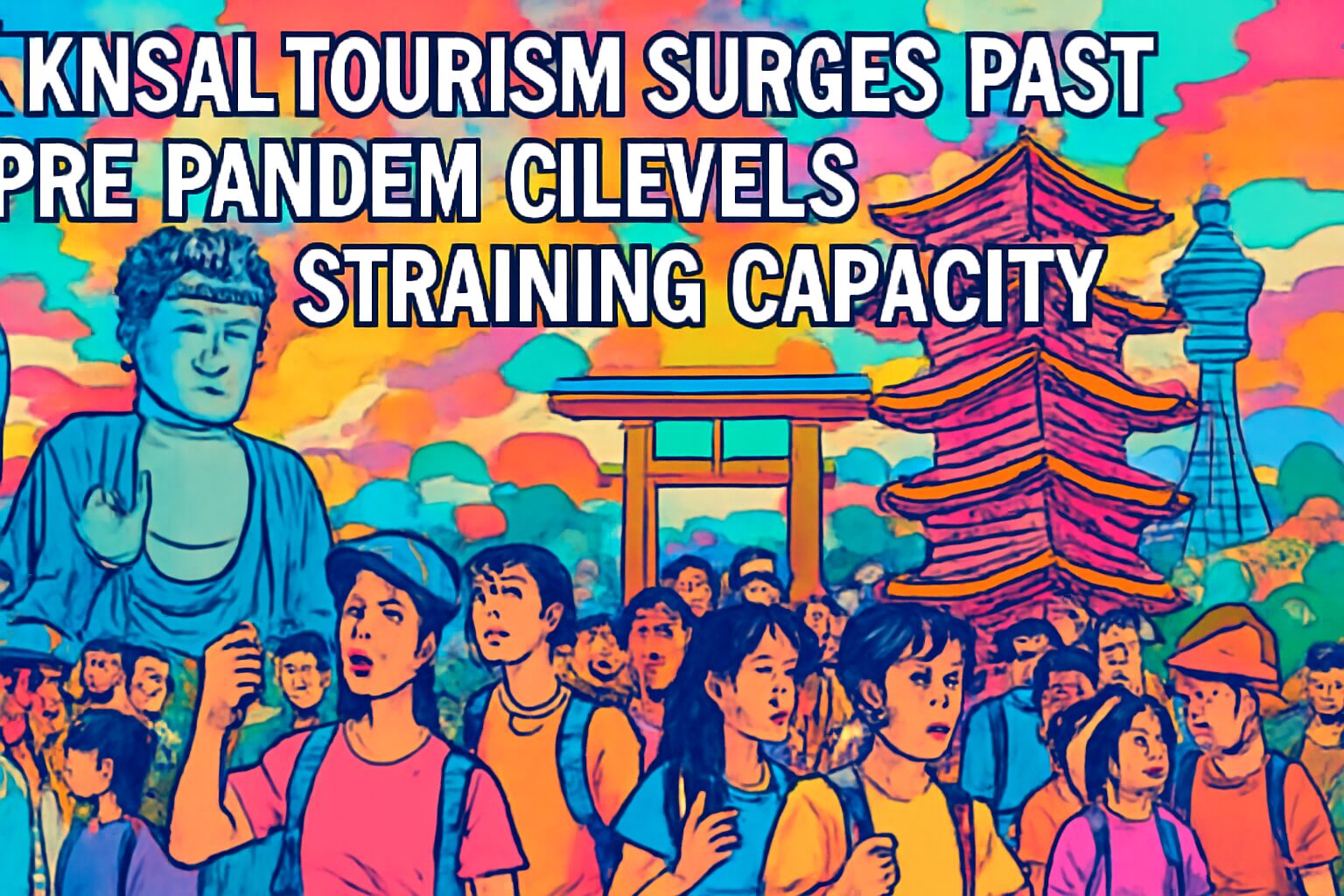
The Kansai region is experiencing an unprecedented tourism boom, with international visitor spending in the first quarter of 2026 shattering all previous records, including those set in 2019. Fueled by a persistently weak yen and immense pent-up travel demand, this surge has shifted the narrative from post-pandemic recovery to significant, and at times, challenging growth. For travelers planning a trip to Osaka, Kyoto, and the surrounding areas, this new reality brings both excitement and a need for strategic planning.
The Perfect Storm: Why Kansai is Booming
The current influx of visitors is not a coincidence but the result of several powerful factors converging at once.
The Power of the Weak Yen
The most significant driver is the Japanese yen’s prolonged weakness against major currencies like the US dollar and the Euro. This favorable exchange rate makes Japan, and particularly the Kansai region, an incredibly affordable destination for international travelers. Everything from luxury hotel stays and fine dining in Osaka to traditional crafts in Kyoto feels like a bargain, stretching travel budgets further than ever before and encouraging higher spending on goods and experiences.
Post-Pandemic “Revenge Travel”
The desire to travel after years of restrictions remains a powerful motivator. Japan was one of the last major countries to fully reopen its borders, creating a massive well of pent-up demand. Kansai, with its unique blend of vibrant urban culture in Osaka, historical grandeur in Kyoto, and scenic beauty, has become a top-tier destination for those looking to make up for lost time.
By the Numbers: A Region at Capacity
The data paints a clear picture of a region grappling with its own popularity.
While exact spending figures for Q1 2026 are still being finalized, preliminary reports indicate that they have not just surpassed 2019 levels but have established a new, much higher benchmark. The most telling statistic, however, comes from the accommodation sector.
In Osaka, hotel occupancy rates have been consistently hovering above 90% throughout the first quarter of 2026. This figure is exceptionally high for what is traditionally a slightly slower season and indicates a severe strain on lodging capacity. Finding a hotel room, especially on short notice or during weekends, has become a significant challenge for many visitors.
This pressure is felt not just in hotels but also at major attractions like Dotonbori, Osaka Castle, Kyoto’s Fushimi Inari Shrine, and Arashiyama Bamboo Grove, which are experiencing record-breaking crowds daily.
What This Means for Your Trip to Kansai
This tourism boom is a double-edged sword. While it signifies a thriving economy, it directly impacts the travel experience.
The Accommodation Challenge
With occupancy rates soaring, booking your accommodation well in advance is no longer a recommendation—it’s a necessity. Prices have also risen in response to the high demand. Travelers should consider booking their hotels at least three to six months ahead of their trip. Exploring options in neighboring cities like Kobe or even Nara for a portion of your stay can be a smart strategy to find availability and potentially lower prices.
Navigating the Crowds
Popular sites will be crowded. To make the most of your visit, plan to arrive at top-tier attractions early in the morning, right at opening time, or later in the afternoon when crowds begin to thin. Another great approach is to explore beyond the most famous spots. Kansai is rich with lesser-known temples, charming neighborhoods, and incredible food scenes that offer a more authentic and less crowded experience.
The Future: Sustainable Growth or Over-tourism?
The key question facing the Kansai region is how to manage this explosive growth sustainably. The current trajectory raises concerns about over-tourism, which could risk diminishing the quality of the visitor experience and placing a burden on local infrastructure and residents.
Looking ahead, we can expect local governments and tourism boards to implement strategies aimed at decentralizing tourism. This may include promoting travel to less-visited areas within the Kansai region, such as the serene Kii Peninsula in Wakayama, the historic sites of Shiga, or the coastal towns of Hyogo.
For travelers, this means the Kansai of 2026 and beyond requires a more thoughtful approach. Early planning, flexibility, and a willingness to venture off the beaten path will be key to unlocking the incredible experiences this vibrant region has to offer.