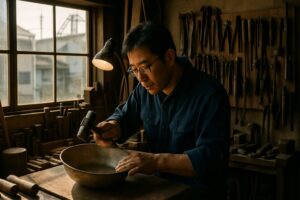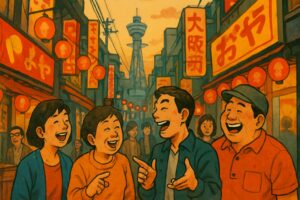
When you picture a career in Japan, the image that probably floods your mind is a sleek glass tower in Marunouchi, Tokyo, or maybe a bustling corporate office in Umeda, Osaka. You see sharp suits, rigid hierarchies, and jobs in finance, tech, or international trade. That’s the story you’ve been sold. But it’s only one chapter. The real engine room of the Japanese economy, especially here in Osaka, thrums to a different beat in a place most foreigners overlook: Higashi-Osaka. This isn’t a city of skyscrapers; it’s a sprawling landscape of low-slung workshops, small factories, and family-run businesses. It’s the undisputed capital of ‘Monozukuri,’ a word often translated as ‘craftsmanship’ but meaning so much more. Monozukuri is a philosophy. It’s the relentless pursuit of quality, a deep-seated pride in creating tangible things, and a pragmatic, roll-up-your-sleeves approach to innovation. Forget the polished corporate image. Working in Higashi-Osaka means stepping into a world where your ideas can be turned into metal, plastic, or code by lunchtime, where the company president might be the person in grease-stained overalls next to you, and where global technology is being forged in a workshop tucked behind a residential street. This guide is your map to understanding the career landscape of this incredible city, a place where the spirit of Osaka’s merchant past meets the future of Japanese manufacturing.
To further appreciate how Higashi-Osaka marries time-honored craftsmanship with modern industry, discover the vibrant monozukuri neighborhoods that form the backbone of this dynamic city.
The Monozukuri Mindset: More Than Just Manufacturing
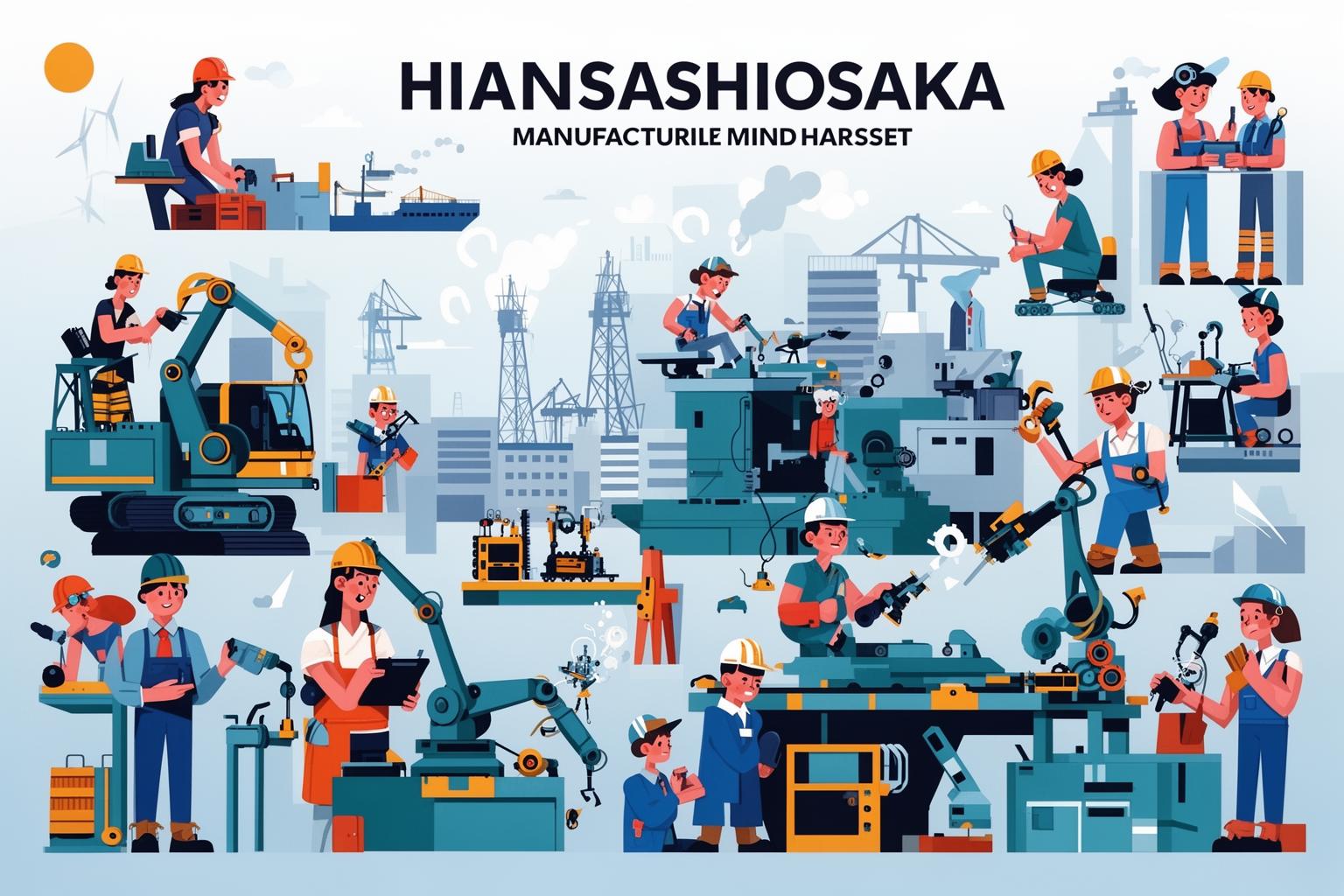
To understand work in Higashi-Osaka, you first need to decode the local mindset. It’s a stark contrast to the cautious, consensus-focused culture of corporate Tokyo. Here, action takes precedence over deliberation, and practical outcomes are valued above all else. This mentality is rooted in a history of pragmatism and a relentless drive to create effective solutions, better than anyone else’s. It’s less about following a meticulously planned five-year strategy and more about quickly responding to the immediate needs of customers or the market.
“Yatteminahare”: The Spirit of Just Trying
In a typical Tokyo corporation, introducing a new idea involves a lengthy, challenging process. You must draft a detailed proposal, prepare a PowerPoint presentation, seek approval from your manager, then their superior, and perhaps, after weeks of meetings, secure a modest budget for a pilot project. In Higashi-Osaka, you’re more likely to hear the phrase, “Yatteminahare!” This classic, emphatic Osaka expression roughly means, “Stop talking and just give it a try!” It’s not dismissive; it’s empowering. It reflects a deeply held belief that the best way to know if something works is to build it, test it, and observe the results.
This approach is not reckless; it’s about focused, rapid experimentation. The owner of a small metal-parts company might hear a young engineer’s idea for a new coating process. Rather than endless simulations, they’ll say, “Alright, let’s test it on a small batch. See what happens. If it fails, we learn; if it succeeds, we’ve got a new product.” This preference for action is why Higashi-Osaka’s small and medium-sized enterprises (SMEs) are so remarkably agile. They can quickly shift to new industries, develop niche products, and solve complex problems far faster than their larger, more bureaucratic counterparts. For foreign employees, this can be highly freeing. Your voice isn’t lost in a corporate hierarchy. A solid, practical idea, communicated confidently, can prompt immediate action.
The “Akindo” (Merchant) Spirit in the Factory
Osaka was built by merchants, or ‘akindo,’ not samurai bureaucrats. While Tokyo’s culture was shaped by the rigid social order of the shogunate, Osaka’s evolved in the marketplace. This commercial spirit runs deep in Higashi-Osaka’s Monozukuri culture. The key question is never, “Does this follow our internal procedure?” but rather, “Will this sell? Does this address the customer’s problem?” There’s a refreshing lack of pretension. People concentrate on creating real value.
This means the boss, often the company president or a family member, is deeply engaged in daily operations. They don’t manage from a distant office; they’re on the factory floor, talking to clients, and tweaking prototypes. Their communication is direct, sometimes blunt. They won’t sugarcoat feedback. If an idea is poor, they’ll tell you why it’s bad. This can be surprising for those used to the more indirect communication typical elsewhere in Japan. But beneath the tough exterior is a strong loyalty and genuine respect for hard work and good results. They are merchants at heart, and they understand that their people are their greatest asset. They value skill, creativity, and a shared passion for the product, no matter where you come from.
Navigating the Labyrinth: What SMEs in Higashi-Osaka are Actually Like
For many foreigners, the term “SME” in Japan often evokes negative images of “black companies”—businesses characterized by long working hours, low wages, and poor conditions. While such places exist everywhere, applying this stereotype broadly to Higashi-Osaka would be a serious misconception. The reality is a complex and diverse ecosystem where significant opportunities coexist with unique challenges and expectations.
The Myth of the “Black Company”
Let’s be honest. The salary at a Higashi-Osaka SME may not rival the starting pay at a top-tier trading company in Tokyo. The benefits package might be simpler, and the office environment less glamorous. However, what you gain in return often holds much greater value for your long-term career. Many of these companies function like close-knit families, investing in employees for the long term and offering on-the-job training across multiple departments. You won’t find yourself stuck in a single, isolated role for years.
One week you might be working on a CAD design; the next, assisting with quality control; and the week after, attending a sales meeting with an international client. This cross-functional experience is highly valuable, allowing you to learn the entire business from the ground up. Moreover, your contributions are visible. In a 30-person company, your work has a direct and immediate impact on the company’s success. This sense of ownership and responsibility is rarely found in a large organization. Many of these businesses take pride in their low employee turnover rates, reflecting the mutual loyalty and respect within the company.
Where Ideas Are Currency
Higashi-Osaka is home to companies with world-class, ‘only-one’ technologies. These firms have developed highly specialized products or processes, making them indispensable to global supply chains. You’ll find companies producing everything from precision medical equipment and aerospace components to specialized films for smartphone screens. Their most celebrated collaborative achievement is the Maido-1 satellite, a small satellite built and launched into orbit entirely by a consortium of local SMEs. This was not a government project but a testament to their skill, ambition, and collaborative spirit.
In this environment, a foreigner’s perspective is not just a novelty; it’s a strategic asset. You bring different ways of thinking, varied experiences, and, importantly, a bridge to overseas markets. The president of a company manufacturing high-tech fasteners might have a world-class product but lack expertise in marketing it in Europe or Southeast Asia. Your cultural knowledge and language skills become your greatest value. Unlike large corporations with dedicated international divisions, in an SME, you might be the entire international division. This is a place where your unique background is not only welcomed but may be the very reason you are hired. Your ideas for new markets or product adaptations for foreign audiences will be heard at the highest levels, since the person you’re speaking with is often the final decision-maker.
Finding Your Place: The Practical Job Hunt
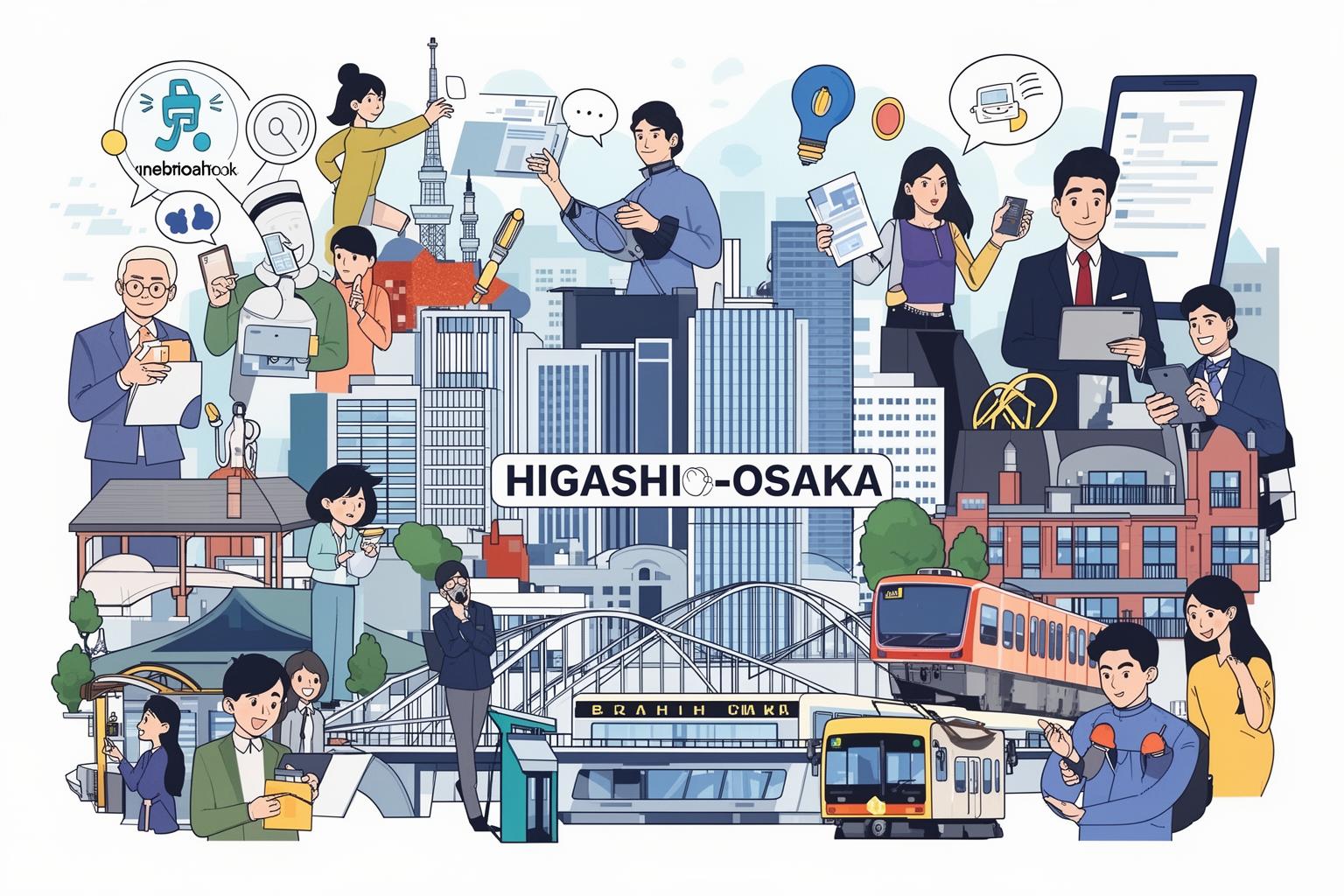
So, how can you access this hidden job market? Most of these opportunities won’t appear on the major English-language job boards. The recruitment process is as local and hands-on as the work itself, requiring a more proactive and grounded approach that reflects the city’s pragmatic character.
Beyond the Usual Recruitment Sites
Your job search in Higashi-Osaka should begin locally. Skip the generic online platforms and focus on these resources:
Hello Work
Japan’s public employment service, Hello Work, is an invaluable tool. While it may seem a bit old-fashioned, local branches in areas like Fuse or Kawachi-Kosaka maintain close ties with regional businesses. They know which companies are hiring, the types of candidates they seek, and can provide introductions you wouldn’t otherwise get. They have a mandate to assist all residents, including foreigners, in finding employment.
The Higashi-Osaka Chamber of Commerce and Industry
This organization acts as the hub of the local business community. They often hold networking events, seminars, and job fairs geared specifically toward local SMEs. Attending these gatherings is a great way to meet business owners directly, learn about their needs, and make a personal impression. Check their website for event calendars and job openings. This approach demonstrates you are serious about joining the local community, not just securing any job.
The Direct Approach
This is where the “Yatteminahare” spirit plays a role in your job search. Research companies in Higashi-Osaka that interest you. Look for firms whose products match your skills or passions; many showcase their technology online. Don’t hesitate to reach out directly, even if they don’t have current openings. A well-crafted, respectful email introducing yourself, explaining your interest in their specific Monozukuri, and detailing how your skills could benefit them can be surprisingly effective. It shows initiative and genuine enthusiasm that stands out from generic resumes.
What They’re Looking For: Skills and Attitude
While Japanese language ability is important—a solid N2 level in the JLPT is often the practical minimum for technical communication—it’s just one aspect employers value. They seek a particular blend of skills and personality traits.
First is a hands-on attitude. They want to see you’re eager to learn, adapt, and get involved. This isn’t a place for someone looking to delegate from day one. Curiosity about the process and a willingness to understand how things are made are essential. Second is a problem-solving mindset. Can you think critically and creatively when faced with challenges? They value candidates who can identify problems and suggest practical solutions. Third, and perhaps most crucial for foreigners, is your potential as a cultural bridge. Highlight your ability to communicate with overseas partners, understand foreign market trends, or offer fresh perspectives to product development. Finally, demonstrate a desire for long-term commitment. These companies invest time and resources in training; they want to see that you consider this a career, not just a short-term position.
The Interview: Less Formality, More “Fit”
An interview at a Higashi-Osaka SME will differ greatly from one in a Tokyo high-rise. You’ll likely speak with the president and the factory manager, rather than an HR professional. The setting will be less formal and more conversational. They’re less interested in rehearsed answers to standard questions and more focused on who you are as a person.
They want to assess your character: Are you passionate? Honest? A team player? Do you genuinely enjoy making things? This is your opportunity to be authentic. Talk about projects you’ve worked on, things you’ve built, or problems you’ve solved. Ask detailed questions about their products and manufacturing processes. Show sincere curiosity. They’re evaluating how well you’ll fit into their small, close-knit team. Your enthusiasm and personality often weigh more than a flawless resume.
Life Outside the Factory Walls: The Higashi-Osaka Vibe
Working in Higashi-Osaka also means living in or near a city with a strong, unique identity. It’s a place that embraces itself fully, characterized by a spirit of resilience, community, and deep local pride. While it may lack the glamour of central Osaka, it offers a more grounded, genuine experience of everyday life.
A City of Contrasts: Rugby, Bread, and Space
Higashi-Osaka is famously known as Japan’s “Rugby Town.” The Hanazono Rugby Stadium stands as a local landmark, and the city’s enthusiasm for the sport reflects its character. Rugby is a tough, straightforward game that emphasizes teamwork, persistence, and collective effort over individual fame. This perfectly represents the collaborative, diligent ethos of the city’s Monozukuri culture. The whole city passionately supports its team, the Hanazono Liners, with intense local pride.
The city’s identity goes beyond heavy industry. It’s also a place of simple, everyday joys. The food scene isn’t about upscale dining; it revolves around beloved local eateries and bakeries that have served the community for decades. You’ll find iconic curry shops, busy ramen spots, and well-known bakeries like Pan de Pari-Sankelmo, famous for its enormous melon pan. Here, factory workers, families, and office workers come together. Life is unpretentious and community-oriented. Neighbors know one another, and local shopping streets remain the heart of the neighborhood. It’s a city where you can truly feel the rhythm of daily life, far from tourist crowds.
Why This Isn’t Tokyo’s Suburb
It’s important to recognize that Higashi-Osaka is not a suburb. Many suburbs, especially around Tokyo, function as “bedroom towns”—places where people sleep before commuting into the central city. They lack their own economic or cultural centers. Higashi-Osaka is quite the opposite. It is an economic powerhouse in its own right. People live, work, and build their lives here, fostering a strong sense of place and identity.
People aren’t just “from Osaka”; they take pride in being from Higashi-Osaka. Their identity is tied to the city’s industrial roots, its rugby team, and its reputation for craftsmanship. This local pride is a defining trait and feels markedly different from the more anonymous, transient nature of many large cities. When you work here, you’re not just an employee; you become part of a community with a story, a history, and a clear sense of purpose.
The Real Deal: Is a Career in Higashi-Osaka Right for You?

Choosing a career path in Higashi-Osaka is a meaningful decision that may not suit everyone. It demands a clear-eyed evaluation of the trade-offs involved. You are opting for a path that prioritizes substance over style, practical skills over prestigious brand names, and community connection over corporate anonymity.
If your aim is a high starting salary, a well-defined and predictable corporate ladder, and the prestige of a globally recognized company name on your business card, then the corporate environments of Tokyo or Umeda will likely be a better match. There, you will find more structure, more polished settings, and more established systems for international employees.
On the other hand, if your ambitions differ, Higashi-Osaka presents a uniquely rewarding experience. From day one, you will be entrusted with real responsibility. You will acquire a wide range of skills, not limited to a narrow role. You will witness the tangible outcomes of your work and understand that your contribution truly matters. You will collaborate with people who are deeply passionate about their creations and be part of a team where your unique perspective as a foreigner is genuinely valued. It’s a place for builders, tinkerers, problem-solvers, and anyone seeking a career that feels authentic and impactful.
This represents the other side of the Japanese economic miracle—not the one highlighted in headlines, but the one forged daily in workshops and small factories. It’s a world built on grit, ingenuity, and a quiet pride in a job well done. If this sounds like the environment you want to join, then the heart of Osaka’s Monozukuri culture is waiting for you.