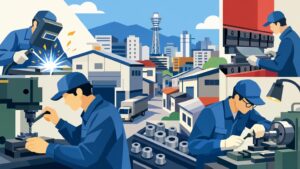
You hear it before you see it. It’s not the chime of a temple bell or the jingle of a convenience store. It’s a rhythm. A steady, percussive beat of metal striking metal, the high-pitched whine of a lathe, the low thud of a hydraulic press. Walk through the neighborhoods of Higashiosaka, and this is the city’s soundtrack. This is the sound of the machikōba, the small, often family-run factories that are packed into the residential streets, their open roller doors offering a glimpse into a world of machinery, sparks, and focused intensity. For many foreigners, the image of Japan is one of serene gardens or hyper-modern Tokyo skyscrapers. But to truly understand the soul of Osaka, you have to understand this industrial hum. It’s the city’s heartbeat. This isn’t just about manufacturing; it’s a living blueprint for the Osakan mindset—pragmatic, collaborative, and fiercely independent. Forget what you think you know about corporate Japan. The real story of Osaka’s character is forged right here, in the unassuming, brilliant chaos of the machikōba.
Immerse yourself even further by exploring the enduring Higashi-Osaka manufacturing culture that fuels the city’s exceptional blend of craft and resilience.
The Monozukuri Mind: Pride in the Unseen
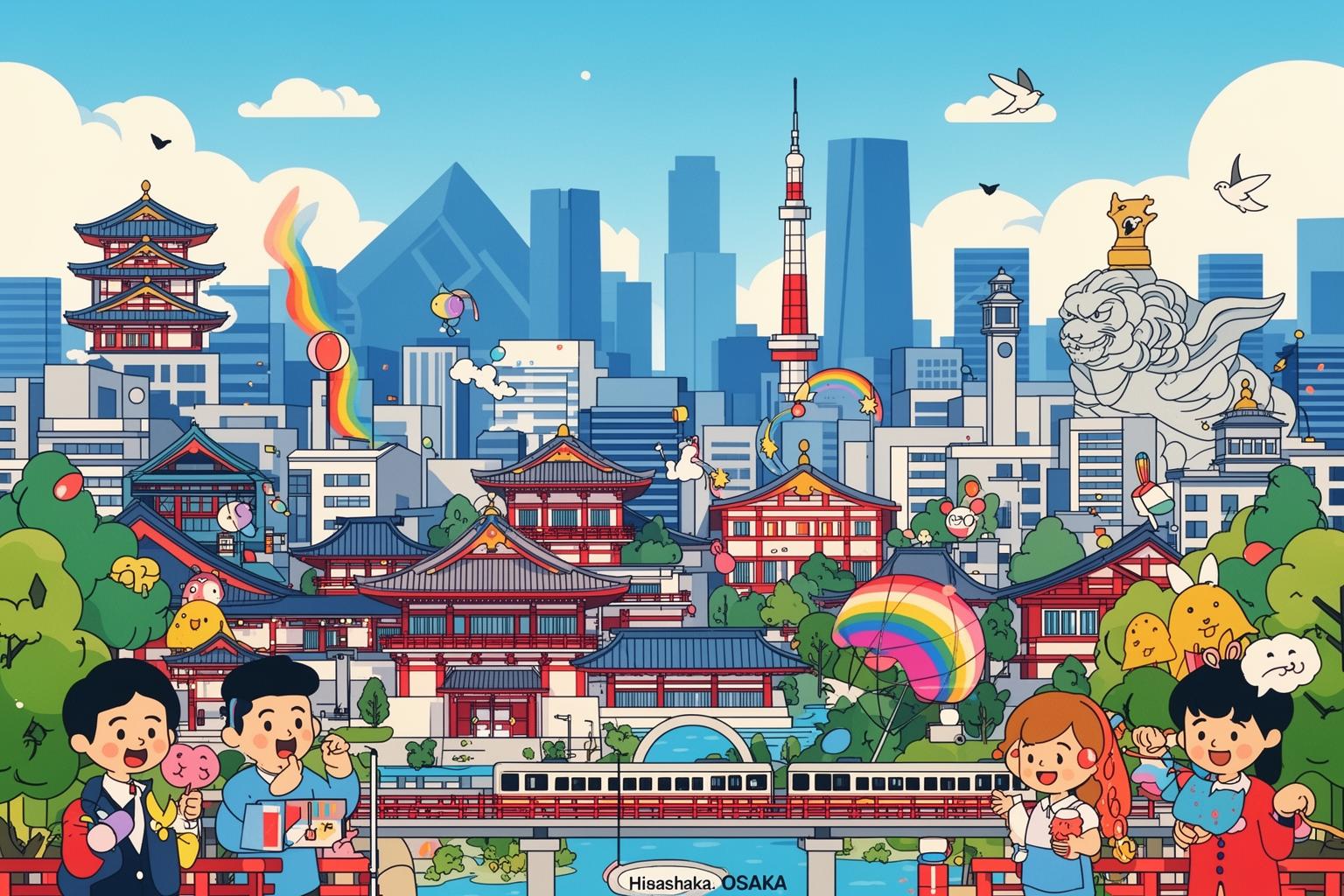
In Tokyo, business often feels like it takes place in towering glass buildings—a world dominated by presentations, formal meetings, and corporate hierarchy. In contrast, Osaka’s business, particularly in the manufacturing sector, happens at eye level. It unfolds in workshops where the owner’s hands are as greasy as those of their youngest apprentice. This is the realm of monozukuri, a word you’ll hear throughout Japan, but one that holds a unique significance here. While it literally means “making things,” that translation barely scratches the surface. In Higashiosaka, monozukuri represents a philosophy of exceptional craftsmanship and relentless problem-solving.
These factories typically don’t produce the final products you purchase in stores. Instead, they create the components. The single, flawless screw with a unique thread that holds a medical device together. The impossibly thin metal spring that enables a switch to operate millions of times without failing. The precision-cut gear that forms the core of a larger machine. This is a culture founded on pride in the unseen. An Osakan machikōba owner might look at a sleek new bullet train and, rather than admiring the train as a whole, point to a tiny, obscure part, saying, “We made that. Nobody else could get the tolerance right.”
This cultivates a particular mindset. It’s not about flashy branding or slick marketing. It’s about reputation, skill, and the sheer determination to solve a problem that baffles everyone else. It’s driven by the classic Osaka spirit of “Yatteminahare”—a rough phrase meaning “Just give it a shot!” or “Go on and try it!” While a Tokyo-based corporation might spend months in risk-assessment meetings, a Higashiosaka factory owner will receive a challenging request, scratch their head, and say, “Alright, let’s see if we can figure this out.” This readiness to experiment, to get your hands dirty, and to risk failure is the engine of innovation here. It’s a profound cultural difference: one rooted in process and precedent, the other in ingenuity and guts.
The Neighborhood as One Giant Machine
One common misconception a newcomer might have is seeing a street in Higashiosaka lined with dozens of small, seemingly identical metalworking shops and assuming they are all competitors. Nothing could be further from the truth. In reality, the entire neighborhood operates as one vast, decentralized factory. This is the collaborative brilliance of the machikōba network.
Imagine this: a large corporation like Panasonic requires a complex new component. The order is placed with a primary supplier, a somewhat larger factory in the area. However, that factory can’t handle every step. The owner, let’s call him Yamamoto-san, is aware of his strengths. He takes care of the initial stamping of the raw metal, then loads the semi-finished parts onto a small cart and literally walks them two doors down to Sato-san’s shop, because everyone knows Sato-san has the best precision drill press within a three-block radius. After Sato-san drills the holes to microscopic tolerances, he passes the parts to Tanaka-san across the street, who specializes in a particular type of metal polishing. From there, the components go to another small workshop for anti-rust coating before eventually returning to Yamamoto-san for final inspection.
This entire process unfolds without a single corporate memo, PowerPoint presentation, or formal inter-departmental meeting. It’s a smooth, organic workflow rooted in decades of personal relationships, trust, and a shared, unspoken language of engineering. The currency here is reputation. If you do good work and deliver on time, you become part of the network. If you slip up, the whole ecosystem finds out by lunchtime. This interdependence sheds light on much about the Osakan character. People speak of Osaka being “friendly,” but it’s not merely about being talkative. It’s a friendliness born of necessity and mutual reliance. Your neighbor’s success is directly tied to your own. You help each other because you are all essential parts of the same machine.
Straight Talk and the Logic of the Lathe
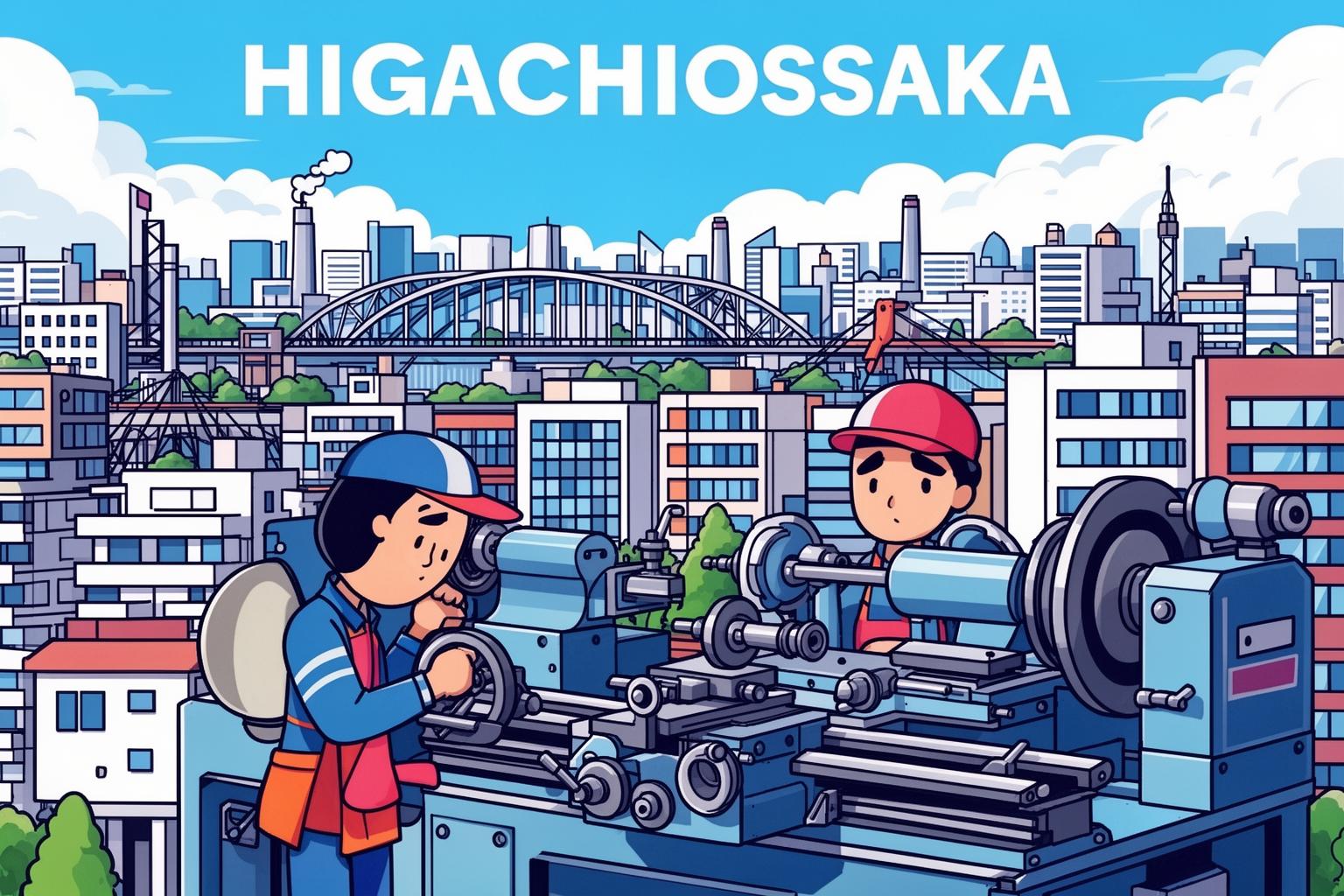
This work environment directly influences how people in Osaka communicate. In a noisy factory, where a misunderstanding could result in a costly error or serious injury, there is no room for the subtle, high-context ambiguity often linked with Japanese communication. Communication must be direct, clear, and straightforward.
If a blueprint is incorrect, a machikōba craftsman won’t say, “Perhaps we could consider re-evaluating some of these specifications at a later juncture.” They’ll say, “This is wrong. It won’t work. Fix it.” This bluntness can be surprising to outsiders, including Japanese from other regions, who might see it as harsh or even rude. But within the workshop’s logic, it’s simply efficient. It’s pragmatic. The aim is to solve the problem, not to avoid it in order to save face.
This style of communication extends into everyday life. People from Osaka are known for their straightforwardness. They’ll tell you if they think your idea is bad or if they disagree with you. This isn’t intended to be confrontational; it’s a sign of engagement and honesty. They apply the logic of the lathe to human interaction: identify the issue, address it clearly, and move on. This stands in sharp contrast to the Tokyo focus on tatemae (public face) and honne (true feelings), where maintaining surface harmony is often the main priority. In Osaka, the main objective is usually to get to the truth of the matter, even if it is somewhat messy. This practical, no-nonsense approach reflects a culture that values results, precision, and function over formality and style.
Living with the Beat of Industry
What is daily life really like in a city such as Higashiosaka? It’s authentic and straightforward. The residential areas are a mix of houses, apartment buildings, and small factories. It’s common to find a family home nestled between a screw manufacturer and a metal plating shop. This means it’s not a quiet, neatly kept suburb. During the day, the air buzzes with the sounds of industry. For some, this might be bothersome. But for locals, it’s the sound of life, of people working hard, and of the local economy moving forward.
The rhythm of life follows the factory clock. You’ll see workers in grease-stained uniforms cycling to work in the morning and heading to the local sento (public bath) to wash off the day’s dirt in the evening. The neighborhood eateries aren’t trendy bistros; they’re hearty, no-frills spots serving large portions of ramen, curry, and okonomiyaki to hungry workers. The social centers are the standing bars and izakayas where factory owners and employees stand side-by-side, discussing technical issues and sharing local gossip over cheap beer and grilled skewers.
There’s a strong sense of local pride, completely separate from the consumer-driven brand identity found in Tokyo. This pride comes from production. Higashiosaka is also famously known as the “city of rugby,” home to the Hanazono Rugby Stadium, a legendary site in Japanese sports. This identity fits perfectly. Rugby is a tough, gritty, team-focused sport centered on collaboration and brute force, not just individual finesse. The same applies to the city’s industrial spirit. Pride in a powerful rugby scrum and pride in a perfectly machined part both stem from the same source: a deep respect for skilled, strong, and cooperative work.
Forging the Future, One Component at a Time

It’s easy to see the aging factory owners and the old machinery and think of the machikōba culture as merely a relic of Japan’s post-war economic boom. However, that would overlook its true significance. This ecosystem is remarkably resilient and innovative. Because these factories are small and specialized, they remain incredibly agile.
When new industries arise, the machikōba network adapts. Some of the most advanced components for robotics, medical technology, and even aerospace are quietly produced in these modest workshops. The famous Maido-1 satellite, a project that captured the nation’s imagination, was largely built by a consortium of Higashiosaka machikōba. They demonstrated that their collective expertise can compete on a global, even celestial, level. They excel in niches, custom orders, and “impossible” tasks that massive, inflexible corporations could never efficiently fulfill.
Naturally, the culture faces challenges. Succession is a significant concern, as the younger generation doesn’t always want to take over the family business. Yet the spirit remains alive. It’s embedded in the city’s DNA. To live in or understand Osaka, one must appreciate that the city’s most vibrant districts, like Namba and Umeda, are built on an economic and cultural foundation forged in places like Higashiosaka. The wealth, energy, and lively character—all of it is supported by this culture of craftsmanship. The machikōba is more than just a collection of factories; it’s a testament to a different way of working and living—one rooted in community, trust, and a deep, unwavering pride in what can be built with one’s own two hands.