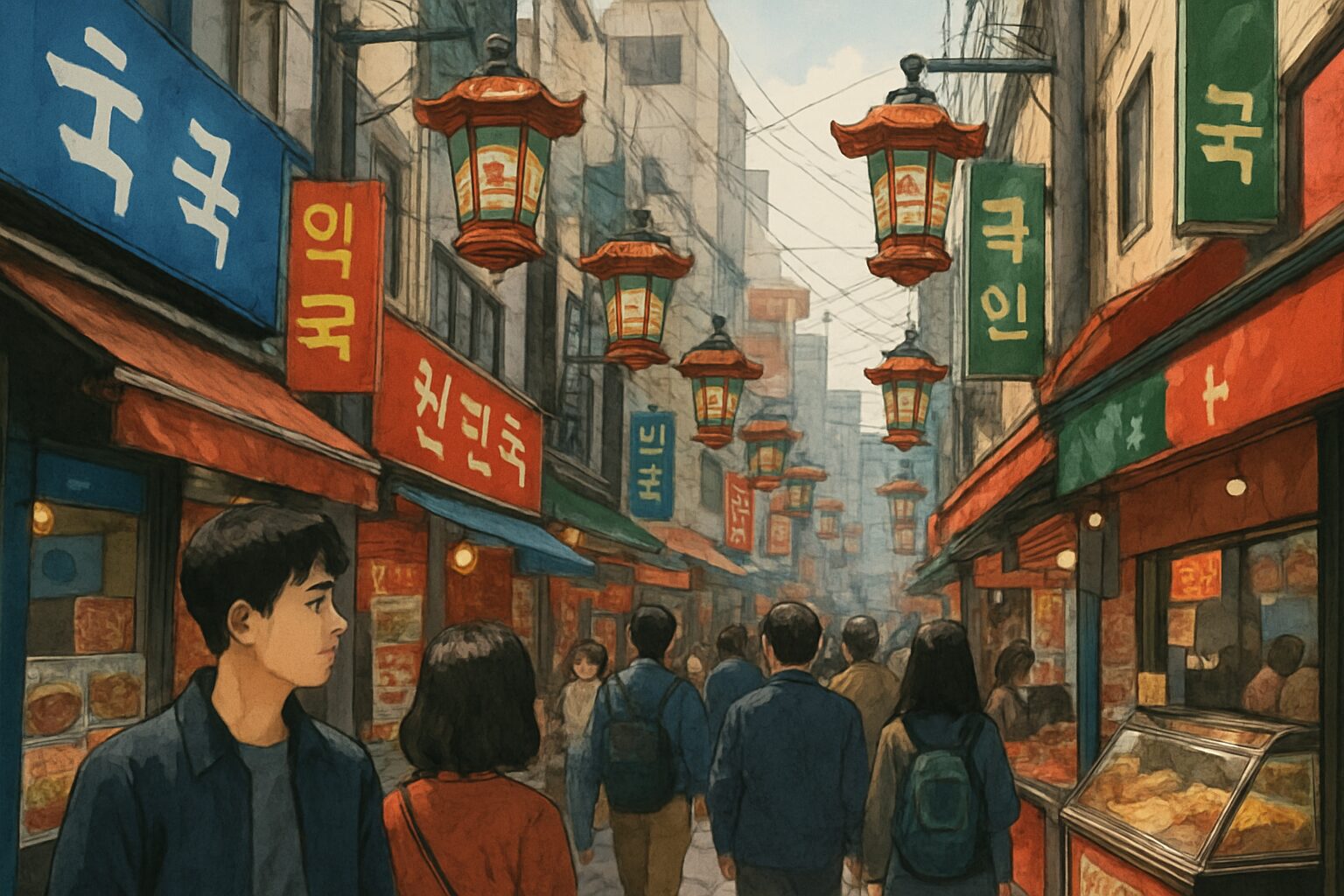
Step off the train at Tsuruhashi Station, and the transformation is instantaneous. The air changes, thickens, alive with a symphony of sizzle and spice that pulls you forward. You haven’t just traveled a few stops on the JR Loop Line; you’ve been whisked across the sea to a vibrant, pulsating pocket of Seoul, right here in the heart of Osaka. This is Tsuruhashi Korea Town, or as the locals know it, Tsuruhashi Koria Taun. It’s more than just a neighborhood; it’s a living, breathing cultural enclave, a sensory explosion, and one of the most dynamic and complex destinations in the entire Kansai region. It’s a place where the rhythms of modern K-pop beats syncopate with the steady, centuries-old traditions of Korean cuisine and community. For anyone living in or visiting Osaka, Tsuruhashi isn’t just a recommendation; it’s an essential experience, a deep dive into a history that is intrinsically woven into the fabric of the city itself. But like any place with such a potent personality, it’s a land of contrasts, a whirlwind of exhilarating highs and challenging realities. It’s a place of immense joy, incredible food, and deep historical roots, but it also demands a certain resilience from its visitors. To truly understand Tsuruhashi, you have to embrace its beautiful chaos, to navigate its vibrant pros and its undeniable cons. This is the real story of Osaka’s Korea Town, a place that promises to overwhelm your senses and, in doing so, capture a piece of your heart. Let’s get into the thick of it, exploring the energy, the flavors, and the truths of this incredible corner of the world.
To fully appreciate the culinary heart of this district, be sure to explore its renowned yakiniku paradise.
The Vibe: An Electric Slice of Seoul in the Heart of Osaka
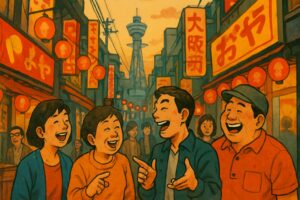
The atmosphere in Tsuruhashi is not something you merely observe; it’s something you feel deep within your bones. The energy is vibrant, a tangible force that hums through the narrow, covered arcades of the shotengai (shopping streets). The main artery, Miyukidori Shotengai, serves as the district’s beating heart. It pulses with human activity, a kaleidoscope of sights, sounds, and aromas. Look up, and you’ll see a canopy of Korean and Japanese flags fluttering side by side, visually representing the area’s unique identity. The storefronts burst with color, featuring signs in bold, geometric Hangul alongside Japanese kanji and hiragana. This visual linguistic dance tells a story of coexistence and cultural fusion. The air itself plays a role, carrying the intoxicating scents of gochujang, garlic, and sesame oil, accented by the sweet, caramelized aroma of grilling bulgogi. Every few steps, another fragrance joins the mix—the pungent, earthy funk of countless kimchi varieties, the sweet steam rising from vendors selling hotteok (sweet filled pancakes), and the savory promise of bubbling jjigae (stews) wafting from restaurant doorways. This olfactory journey offers the first and most powerful welcome to Tsuruhashi.
Then there are the sounds. K-pop anthems blast from speakers, providing an unrelentingly upbeat soundtrack to your exploration. The sharp, rhythmic thwack-thwack-thwack of a vendor’s knife expertly chopping vegetables, the sizzle of meat hitting a hot grill, and the cheerful calls of shopkeepers—“Irasshaimase!” blending effortlessly with “Annyeonghaseyo!”—all merge into a constant, invigorating hum. You’ll hear the excited chatter of high school students hunting for the latest idol merchandise, the thoughtful talks of older women carefully selecting the best cabbage for homemade kimchi, and the lively banter of friends sharing a meal. It feels less like a shopping district and more like a massive, open-air community gathering. The architecture amplifies the sense of transport. Unlike the sleek, modern facades of downtown Osaka, Tsuruhashi feels older and more organic. The buildings stand tightly packed, adorned with vibrant signs and banners, creating a cozy, almost labyrinthine world. Exploring the smaller side alleys is like uncovering secrets, with each turn revealing another hidden gem—a tiny family-run eatery, a shop specializing in traditional Korean pottery, or a quiet tea house offering a brief respite from the bustling main street. This is the magic of Tsuruhashi’s vibe: it’s a full-body immersion. It’s not a sterile, museum-like cultural exhibit; it’s loud, chaotic, and wonderfully, authentically alive. It’s a place that makes you feel part of the action, a participant in its daily drama rather than a mere spectator.
A Culinary Paradise: Beyond Just Kimchi and BBQ
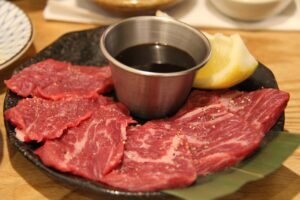
Let’s be clear: people visit Tsuruhashi to eat. While the culture and shopping are important attractions, the food is undoubtedly the main star. This is a pilgrimage spot for food enthusiasts, where the richness and variety of Korean cuisine are showcased in all their glory. The most renowned culinary export of the area is undoubtedly yakiniku, or Korean barbecue. Though now a beloved staple throughout Japan, its origins run deep here. The style of grilling meat at the table was popularized by the Zainichi Korean community in post-war Japan, and many consider Tsuruhashi its spiritual home. As you walk through the covered market near the station, the air is thick with smoke from countless grills. Restaurants line the streets, their windows displaying platters of marbled beef, glistening pork belly, and piles of offal known as horumon. The experience is interactive and communal—you gather around a table with a built-in grill, cook your own meat to perfection, and dip it into a variety of sauces, from sweet soy-based marinades to spicy miso pastes. It’s a lively, joyous, and utterly delicious experience, best enjoyed with friends and a cold Korean beer.
But to assume Tsuruhashi is only about yakiniku would be a huge mistake. The street food scene is an entire world on its own. You could easily spend an afternoon grazing your way down Miyukidori Shotengai. The trendy Korean cheese corn dog—with its irresistible cheese pull that’s become an Instagram sensation—is everywhere. Vendors offer tteokbokki, chewy rice cakes swimming in a fiery, sweet gochujang sauce that delivers the perfect spicy kick. There’s gimbap, the Korean version of sushi rolls, filled with a colorful assortment of pickled vegetables, egg, and meat—making it a perfect snack on the go. For those with a sweet tooth, hotteok is a must-try. These griddled pancakes are packed with a brown sugar, cinnamon, and nut filling that melts into a gooey, comforting center. Each stall has its specialty and loyal fans, and part of the fun is deciding which line is worth waiting in.
Beyond the immediate pleasures of street food, Tsuruhashi is a treasure trove of authentic ingredients and prepared dishes. The kimchi shops are a spectacle. You won’t only find the classic napa cabbage kimchi; there are dozens of varieties. Crisp cucumber kimchi (oi sobagi), crunchy radish kimchi (kkakdugi), and even seasonal versions made with unique vegetables. The vendors—often wise, experienced ajummas (a respectful term for middle-aged women)—are fiercely proud of recipes passed down through the generations. They offer samples freely, letting you taste subtle differences in spice, fermentation, and flavor. These shops also sell an impressive array of banchan, the small side dishes that accompany every Korean meal. From seasoned spinach and spicy bean sprouts to braised lotus root and pickled squid, you can assemble a full feast to take home. And of course, countless traditional restaurants tucked away on side streets serve soul-warming bowls of sundubu-jjigae (soft tofu stew), generous plates of bibimbap (mixed rice with vegetables and meat), and refreshing bowls of naengmyeon (cold buckwheat noodles) during the summer. Tsuruhashi is a place where you can taste the history, passion, and love the community pours into its food. It’s a culinary journey that satisfies not just your hunger, but your soul.
The K-Wave Connection: Cosmetics, Idols, and Culture
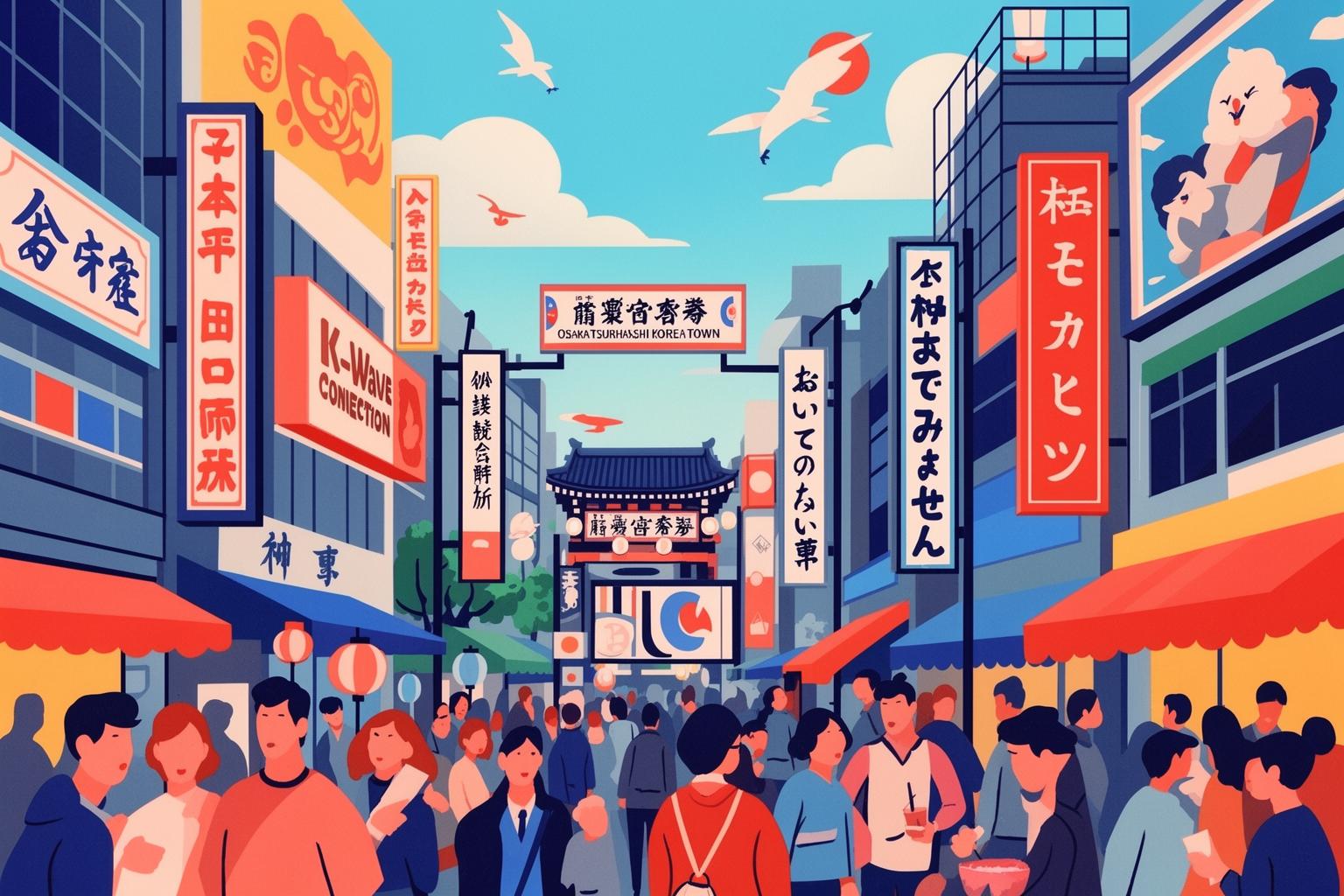
While Tsuruhashi’s roots lie in food and history, its contemporary vibrancy is clearly driven by the Hallyu, or Korean Wave. The worldwide craze for K-pop and K-dramas has turned the neighborhood into a pilgrimage site for fans, adding an entirely new dimension to its character. This is most noticeable in the surge of K-beauty stores. These shops are bright, modern, and stocked to the brim with the latest and most sought-after skincare and makeup products from South Korea. Shelves are lined with sheet masks promising radiant, glass-like skin, cushion foundations in every imaginable shade, and vivid lip tints popularized by K-drama heroines. Brands such as Innisfree, Etude House, and Missha—which can be harder to find in typical Japanese drugstores—are widely available here. The staff often possess up-to-date knowledge of the newest trends and can guide you through the renowned multi-step Korean skincare routine. For beauty enthusiasts, these stores are a haven, offering quality products often at reasonable prices.
The impact of K-pop is unmistakable. Shops selling idol merchandise draw large crowds, especially younger visitors. Their walls are covered with posters of beloved groups like BTS, Blackpink, and Stray Kids. You can find every item a devoted fan might desire: official albums, glossy photobooks, collectible photo cards, and the essential light sticks used to create dazzling seas of light at concerts. The atmosphere inside these stores is electric. Fans gather to explore the latest releases, swap photo cards, and share their enthusiasm. The music plays loudly, creating a festive vibe that spills out onto the street. This reflects the immense cultural influence of K-pop and how it has given people a fresh reason to visit Tsuruhashi.
However, the shopping experience extends beyond the contemporary Korean Wave. Tsuruhashi continues to be an important center for traditional Korean goods. You can find exquisite, handcrafted hanbok (traditional Korean clothing) in shops run by artisans who have honed their craft for decades. There are stores selling Korean pottery, celebrated for its simple, elegant design, as well as traditional metal chopsticks and long-handled spoons. Perhaps most crucial for the local community, the neighborhood is filled with grocery stores catering specifically to Korean culinary tastes. These markets are essential for those wishing to prepare authentic Korean dishes at home. You’ll find large tubs of gochujang and doenjang (fermented soybean pastes), particular cuts of meat for stews and barbecues, a wide range of Korean noodles, and imported snacks and drinks unavailable elsewhere in Osaka. This fusion of old and new is what makes shopping in Tsuruhashi so captivating. Within a single block, you can move from browsing the latest trendy lip tint to admiring a hand-stitched hanbok, from picking up a K-pop album to buying a jar of homemade kimchi made from a century-old recipe. It’s a vibrant marketplace serving both the fashion-forward fan and the guardian of tradition.
A Living History: The Zainichi Korean Legacy
To truly appreciate Tsuruhashi, one must look beyond the lively facade of K-pop shops and sizzling barbecue to grasp its deep history. The story of Tsuruhashi Korea Town is the story of the Zainichi Korean people—ethnic Koreans who have made Japan their home. Their history is complex, often marked by hardship, resilience, and a persistent effort to preserve their cultural identity. The roots of this community are closely linked to the period of Japanese colonial rule over Korea from 1910 to 1945, during which many Koreans were forcibly brought to Japan as laborers or migrated in search of economic opportunities. After World War II, many found themselves in a stateless limbo, facing considerable discrimination in mainstream Japanese society.
In this difficult context, communities like the one in Ikuno Ward, where Tsuruhashi is located, became essential sanctuaries. They were places where the Zainichi community could support each other, speak their language, and uphold their traditions. The market at Tsuruhashi began humbly. It famously originated on the site of a former pigsty near the Hirano River, a marginal piece of land where the community started selling goods such as scrap metal and food to survive. The area became known for horumon-yaki, grilling offal that was often discarded by others—a testament to the community’s resourcefulness and culinary creativity. This spirit of transforming what was available into something remarkable lies at the heart of Tsuruhashi’s identity.
Over the years, these makeshift stalls evolved into the bustling, permanent market we see today. It grew into a center not only for commerce but also for culture. It became a place to buy ingredients for traditional holiday meals, find Korean-speaking doctors or pharmacists, and connect with fellow community members. The creation of community centers and schools devoted to teaching the Korean language and history further strengthened the area’s role as a stronghold of cultural preservation. Walking through Tsuruhashi today is like stepping into a living museum. The older, family-run shops, traditional recipes, and the very layout of the market all reflect this history. It profoundly reminds us that this vibrant tourist destination arose from a community’s struggle to survive and its determination to build a home away from home. Understanding this background turns a simple shopping visit into a richer, more meaningful experience, allowing you to see the strength behind every stall selling kimchi and every restaurant grilling yakiniku, and to appreciate Tsuruhashi not just for what it is, but for the remarkable journey it symbolizes.
Navigating the Crowds: The Price of Popularity
With immense popularity comes an unavoidable challenge: the crowds. For many visitors to Tsuruhashi, this is perhaps the biggest downside, making it essential to be prepared. The main shopping arcade, Miyukidori Shotengai, is narrow, and on a typical weekend afternoon, it transforms into a slow-moving river of people. The sheer density can feel overwhelming, turning a leisurely stroll into a frustrating shuffle. Pausing to look at a shop window or decide which street food to buy can feel like trying to park a boat in a strong current. Here, patience is not just a virtue but a necessity.
Queues for popular food stalls can be lengthy. That famous cheese corn dog or a highly regarded hotteok vendor might have a line winding down the street, with waits of 30 minutes or more. The same applies to the most renowned yakiniku restaurants, where securing a table without a reservation on a Saturday night is nearly impossible. This constant crowding can be exhausting, especially if you’re not fond of large groups. The high-energy, bustling atmosphere that excites some can quickly become claustrophobic and tiring for others. Navigating with small children or pushing a stroller through the throng can be a monumental challenge. The experience demands mental resilience and a willingness to go with the flow, quite literally. For those hoping for a calm, reflective cultural outing, a weekend visit to Tsuruhashi might prove more stressful than enjoyable. The practical advice is straightforward but vital: if possible, visit on a weekday. A Tuesday or Wednesday morning offers a completely different experience—the streets are quieter, shopkeepers have more time to chat, and you can browse at your own pace. The energy remains, but as a gentle hum rather than a deafening roar, allowing you to appreciate the neighborhood’s details without the constant struggle for personal space.
Authenticity vs. Commercialization: A Balancing Act
Tsuruhashi is currently facing a complex identity crisis, trying to balance its deep, authentic roots with the demands of modern commercialization. The recent rise in popularity, largely fueled by the global K-wave, has proven to be a double-edged sword. On one side, it has injected new energy and economic growth into the area. On the other, it has caused a noticeable shift in the neighborhood’s character. As you stroll down the main street, the contrast between old and new is striking. There are the long-established kimchi shops, run by families for generations, their storefronts worn and modest. Beside them, you might find a new, brightly lit K-pop merchandise store or a trendy café designed for Instagram, complete with neon signs and photogenic desserts. This contrast prompts an important question: is Tsuruhashi losing some of its original soul?
Some longtime residents and visitors would argue that it is. In parts of the neighborhood, the focus has shifted from serving the local Zainichi community to appealing to tourists and K-pop enthusiasts. Many of the new businesses prioritize capitalizing on current trends rather than preserving culture. You’ll notice more shops offering mass-produced souvenirs and trendy, social-media-friendly snacks than ever before. While this isn’t necessarily negative—it reflects the natural evolution of a popular destination—it does alter the atmosphere. The Tsuruhashi of today differs from the Tsuruhashi of twenty years ago. The challenge for visitors is to look beyond the glossy new facade. The authentic heart of Tsuruhashi remains, but you may need to search a bit more carefully. It’s found in the side alleys, away from the main tourist crowds. It’s in the small, humble restaurants with menus only in Japanese and Korean. It’s in the quiet conversations with third-generation shop owners eager to share stories about the neighborhood. The area is engaged in a delicate balancing act, striving to embrace its newfound fame without erasing the history that made it special. For a thoughtful visitor, witnessing this dynamic becomes part of the experience itself.
The Sensory Overload: When is it Too Much?
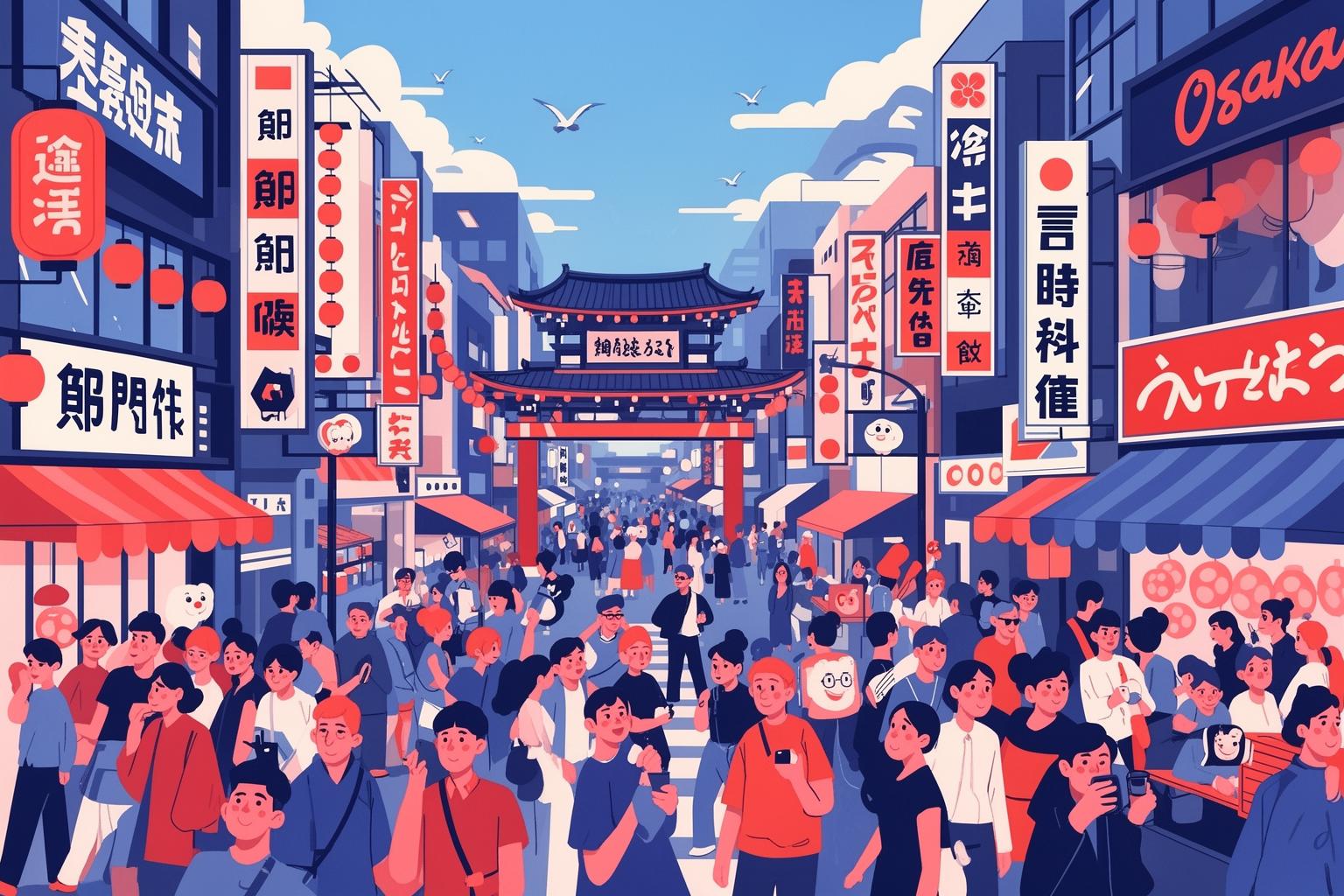
The very sensory experience that makes Tsuruhashi so exhilarating can also be its greatest drawback for some. What one individual finds energizing, another might find utterly overwhelming. This is not a place for the faint-hearted or those sensitive to strong odors. The smells, though mostly appetizing, are intense and pervasive. The sharp, fermented scent of kimchi is the dominant aroma, lingering heavily in the air, especially inside the covered markets. For the unaccustomed, it can be quite startling. Layered on top are the thick, greasy smoke from numerous barbecue grills, the aroma of boiling broth, and the fragrances of various pickled and preserved seafood. While it’s a food lover’s paradise, it can also be a powerful and sometimes overpowering blend of smells.
The auditory environment is just as unrelenting. There isn’t a quiet spot in the main area of Tsuruhashi. The cacophony of K-pop music blaring from competing shops, vendors shouting, grills sizzling, and the constant buzz of thousands of people create a wall of noise. It’s a vibrant and dynamic soundscape, but there is little peace to be found. For those sensitive to noise or prone to anxiety in loud settings, it can be genuinely distressing. The visual stimulation is nonstop as well. Every inch of space seems covered with something—brightly colored signs, hanging goods, flashing screens, and dense crowds. There’s minimal visual relief. This continuous sensory onslaught, while thrilling in short doses, can cause fatigue. The area demands your full attention at all times. After a few hours of weaving through crowds, enduring smells and sounds, it’s common to feel utterly exhausted. Knowing your own limits is crucial, and if you tend to get overwhelmed, consider a shorter visit or taking breaks at a quieter café on the outskirts of the main district.
Practical Hurdles: Language and Logistics
Although Tsuruhashi is a popular tourist destination, it hasn’t fully embraced international tourism in the same way areas like Dotonbori or the Osaka Castle district have. This can create some practical challenges for foreign visitors. The first challenge is the language barrier. While younger staff in newer K-pop and cosmetic shops are more likely to speak some English, this is often not the case in older, more traditional establishments. In the family-run kimchi shops, grocery stores, and restaurants that are the heart of the community, Japanese and Korean are the main languages spoken. Menus may lack English translations, and shopkeepers might not be able to respond in English. Although people are generally friendly and will try to help with gestures and smiles, knowing a few basic phrases in Japanese or even Korean can make a significant difference and will be deeply appreciated. Having a translation app on your phone is highly recommended.
Another practical challenge is payment. Japan remains largely a cash-based society, especially in older markets like Tsuruhashi. Many smaller food stalls and family-run shops do not accept credit cards. It is crucial to bring enough yen to cover both your planned purchases and any spontaneous street food cravings. While some larger, more modern stores may accept cards, it’s best not to depend on it. Searching for an ATM amid the crowded market can be a frustrating interruption to your experience.
Lastly, physical accessibility can be problematic. The main shopping street is pedestrian-only, which is a plus, but its narrowness combined with dense crowds can make navigating with a wheelchair or baby stroller very challenging. The older market arcades near the station are even more cramped, featuring uneven flooring and tight corners. Public seating is also limited, so if you need a break, your best option is to step into a café or restaurant. Restrooms can be somewhat difficult to locate as well. Being aware of these practical limitations in advance can help you plan your visit more smoothly and avoid frustration, allowing you to fully enjoy the incredible offerings of the neighborhood.
Your Tsuruhashi Playbook: Making the Most of Your Visit
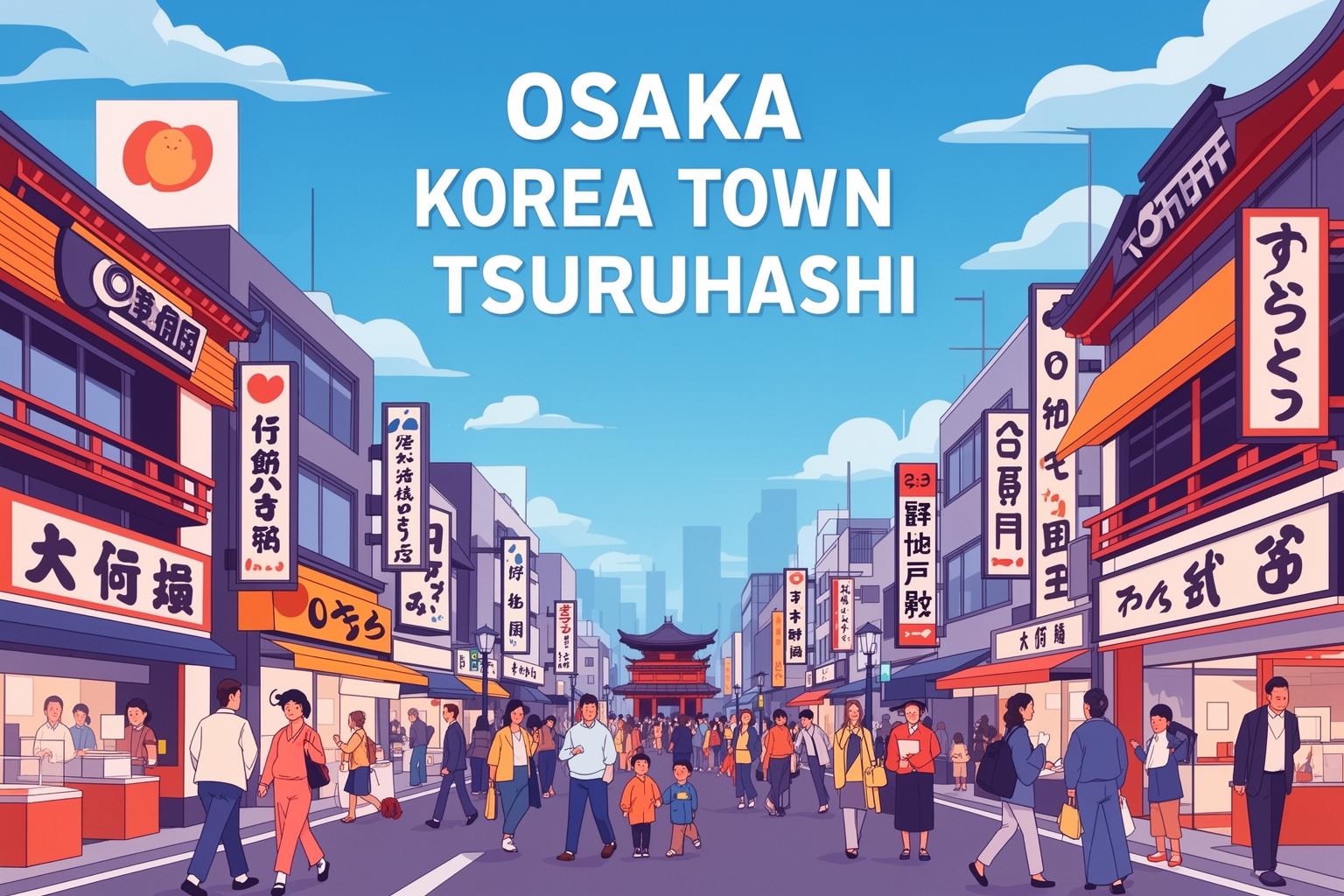
To master Tsuruhashi and enjoy the best possible experience, a bit of strategy goes a long way. Let’s begin with the journey. Getting there is incredibly simple. Tsuruhashi Station is a major hub served by the JR Osaka Loop Line, the Kintetsu Nara Line, and the Osaka Metro Sennichimae Line, making it accessible from almost anywhere in the city. Once you step out of the station, the sights and smells of the market hit you immediately. The main attraction, Miyukidori Shotengai, is about a 10-15 minute walk away. The walk itself is part of the charm, taking you through a web of covered markets and streets that give a preview of the main event.
Timing is key. To avoid the heavy crowds, the best time to visit is a weekday morning, ideally between 10 AM and noon. Shops will be open, food stalls firing up their grills, but the crowds won’t have arrived yet. You’ll have space to breathe, browse, and snap photos. Most shops in Tsuruhashi tend to close fairly early, often winding down by 6 PM. It’s primarily a daytime destination, not a nightlife spot, except for the yakiniku restaurants that stay open later. So plan for a late morning or afternoon outing.
Come prepared. Wear comfortable walking shoes since you’ll be on your feet for hours. Bring a reusable tote bag—you’ll inevitably buy more kimchi, snacks, and cosmetics than expected. And it’s worth repeating, bring plenty of cash. For a suggested itinerary, start at Tsuruhashi Station and allow yourself to get lost in the immediate market area. Here you’ll find many classic yakiniku joints and traditional vendors. From there, head east towards Miyukidori Shotengai, the main half-kilometer-long street with the highest concentration of shops. Don’t hesitate to explore the small side streets branching off Miyukidori. That’s often where the hidden gems are: quieter restaurants, specialty grocers, and long-established shops away from the trendy hustle of the main street. Be open to serendipity; the best part of Tsuruhashi is often the unexpected discovery you make when taking a wrong turn.
The Final Verdict: Is Tsuruhashi Worth the Hype?
So, after balancing the thrilling pros against the difficult cons, what’s the final verdict on Tsuruhashi Korea Town? The answer is a clear, emphatic yes. It is undeniably worth the hype, the crowds, and the sensory overload. Tsuruhashi is not a polished, meticulously curated tourist spot; rather, it offers a raw, vibrant, and deeply authentic cultural experience. Its flaws only add to its charm. The crowds highlight its magnetic attraction, the commercialism reflects its contemporary relevance, and the sensory chaos reveals its lively, pulsating spirit.
Visiting Tsuruhashi means connecting with a vital part of Osaka’s history and multicultural identity. It’s a place that tells a compelling story of immigration, resilience, and the unyielding power of community. Here, you can enjoy one of the best meals of your life for just a few hundred yen from a street vendor, or indulge in a world-class yakiniku feast. This neighborhood appeals to everyone—from die-hard K-pop fans to serious culinary historians, from bargain hunters to curious cultural explorers. Tsuruhashi demands your energy, but it rewards you tenfold with flavor, excitement, and a richer understanding of the city. Arrive with an open mind, an empty stomach, and a spirit of adventure. Let yourself be carried away by its current. Immerse yourself in the beautiful, chaotic, and unforgettable world of Osaka’s Korea Town. You won’t just leave with a full shopping bag and a satisfied appetite; you’ll leave with a story worth sharing.