Hola! Sofia here. When I first landed in Osaka, suitcases still packed with Spanish sunshine and a head full of high-minded cultural ambitions, I thought I knew what to expect. I’d read the guides. I knew the slogans. “The Nation’s Kitchen,” they called it. A foodie paradise. What I didn’t grasp, what no book can truly prepare you for, is that in Osaka, food isn’t just a feature of the city; it is the city’s entire operating system. It’s the language, the currency, the social contract, and the ultimate measure of a day well spent. My first week, a new colleague didn’t ask, “Would you like to get a drink after work?” He asked, “Have you tried the doteyaki at that place under the tracks in Tenma? We’re going. Now.” It wasn’t a question; it was a cultural summons.
This is the world of kuidaore. The word is plastered on tourist brochures, usually next to a cartoon octopus or a grinning chef. It’s translated, rather dramatically, as “to eat oneself into ruin” or “eat till you drop.” For visitors, it’s a fun challenge, a license to indulge for a few days. But when you live here, you realize kuidaore is not a vacation activity. It is a fundamental, deeply ingrained mentality that shapes every facet of daily life, especially your social world. It’s the constant, delicious, and sometimes overwhelming drumbeat to which the city marches. Every social invitation is a food proposition. Every friendship is nurtured over a teppan grill. Every conversation eventually circles back to who found the best, cheapest, most mind-blowing bowl of ramen. This culinary-centric life is a dizzying, exhilarating heaven. It’s how you connect, how you explore, how you truly come to understand the vibrant, beating heart of Osaka. But it’s also a relentless force of nature that can tug at your wallet, test your willpower, and challenge your very definition of a balanced life. Navigating this world means learning to ride the glorious, greasy, and utterly irresistible wave of kuidaore without letting it pull you under.
Residents quickly discover that embracing Osaka’s beloved culinary chaos means navigating both irresistible delights and unavoidable challenges, a reality that clearly illustrates the pros and cons of living in a food-obsessed culture.
Kuidaore: More Than a Slogan, It’s a Social Contract

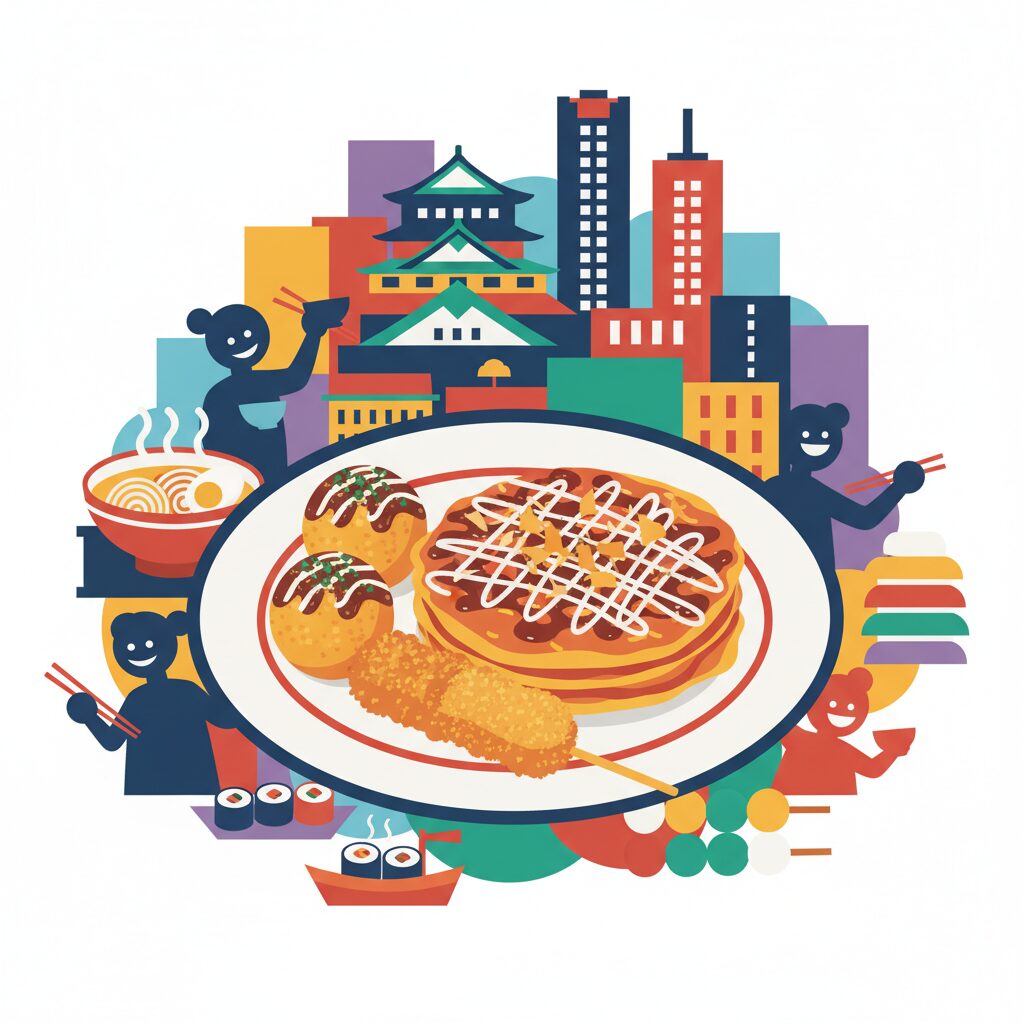
To truly understand Osaka, you must first grasp that kuidaore is no exaggeration. It’s a philosophy rooted in the city’s past as tenka no daidokoro, the “nation’s kitchen,” where rice and goods from all across Japan converged during the Edo period. This history ingrained a pragmatic, merchant-class mentality in the city’s character. The people here had little patience for the formalities and refined aesthetics that defined Kyoto’s courtly culture or Tokyo’s samurai bureaucracy. They were traders, artisans, and deal-makers who required food that was quick, satisfying, flavorful, and above all, affordable. This heritage persists today. While Tokyo dazzles with its array of Michelin stars and serene, minimalist dining spaces, Osaka’s spirit thrives in the vibrant, chaotic energy of the street. It’s found in the sizzle of batter on a takoyaki grill, the shared pot of kushikatsu sauce, and the lively laughter filling a standing-room-only izakaya.
The Philosophy of ‘Eating Till You Drop’
The “ruin” in kuidaore doesn’t imply self-destruction; it represents a passionate, all-consuming quest for deliciousness. It’s a joyful surrender to flavor. In Tokyo, a high-end meal can serve as social currency, a way to signal status or seal a business deal in an elegant Ginza venue. The emphasis there often lies on presentation, rarity, and a quiet reverence. In Osaka, the respect is for taste, value, and the experience itself. The aim is to leave satisfied, joyful, and with a memorable story about the meal you just enjoyed. Social hierarchy fades in the face of a shared love for umai mon (tasty things). It’s common to see a company president and a construction worker sitting side-by-side at the same ramen counter, both slurping noodles with equal enthusiasm. The ultimate social capital isn’t a reservation at a three-star restaurant; it’s insider knowledge of a tiny, family-run udon shop serving the perfect, chewy noodles for 500 yen.
This philosophy fuels a constant, city-wide conversation about food. People don’t just eat here; they analyze, debate, and celebrate their meals. You’ll overhear spirited discussions on the bus about the exact texture of a gyoza wrapper or the precise char on a piece of grilled eel. Friends pull out their phones not to show pictures of their children, but to share photos of a life-changing bowl of curry ramen they had last night. The answer to “What did you do this weekend?” almost always includes a list of meals. The message is clear: a weekend without a significant, memorable food discovery is a weekend wasted. This shared obsession acts as the city’s main social lubricant, a universal topic that unites everyone, regardless of age, occupation, or background. To participate in Osaka’s life is to join this delicious, never-ending dialogue.
Your Social Life on a Plate
In most places, food accompanies a social event—you meet for a movie and maybe grab a bite afterward. In Osaka, food is the event. The entire social structure revolves around eating and drinking together. When a friend wants to meet, the invitation is specific and culinary: “Let’s go for okonomiyaki.” “I’m craving kushikatsu, are you free Friday?” “I heard about a new sake bar in Namba, let’s check it out.” The activity is predetermined, and it almost always involves eating.
This approach shapes your schedule in a unique way. Your week becomes a menu. Monday might mean a quick ramen after work. Wednesday, exploring a new standing bar with colleagues. Friday is the main event, a multi-stage hashigo-zake (bar-hopping) adventure, starting with yakitori, moving to an Italian-style bar for wine and cheese, and finishing, inevitably, with late-night takoyaki from a street vendor. Even planning a simple get-together turns into a strategic negotiation worthy of a UN summit. Where should we go? What’s the specialty? How’s the cospa (cost performance)? Is it close to the station? The planning is part of the ritual, a collective effort to maximize enjoyment.
This can be a culture shock for foreigners used to more varied social activities. Suggesting a walk in the park or a museum visit without a clear dining plan often prompts a moment of confused silence. The unspoken question is, “…but where are we going to eat before or after?” It’s not that Osakans don’t enjoy other activities, but these tend to serve as appetizers or digestifs to the main course: the meal itself. A cherry blossom viewing is an excuse for an elaborate bento picnic. A trip to Osaka Castle is framed by a deep dive into the food stalls at nearby Kuromon Market. To fully integrate into Osaka’s social fabric, you must learn to think with your stomach and accept that your social life will unfold, course by delicious course, across the city’s vast and varied menu.
The Culinary Heaven: An Endless Feast of Connection
The charm of this food-centered culture lies in its immediate, accessible, and endlessly enjoyable way to connect with both people and the city itself. While the formal structures of Japanese society can sometimes seem intimidating or obscure to outsiders, the casual, come-as-you-are atmosphere of Osaka dining offers a welcoming entry point. It’s a space where enthusiasm is rewarded, curiosity is encouraged, and sharing a meal can build a bond more quickly than a thousand polite conversations.
The Joy of Discovery
Living in Osaka is like having a treasure map where every street and alleyway might lead to a life-changing culinary find. The city isn’t organized around grand plazas or monumental avenues; its spirit is found in its shotengai (covered shopping arcades) and yokocho (side alleys). These lively veins of neighborhood life are filled with tiny, specialized restaurants, each representing a family’s dedication to perfecting a single dish. One of the most cherished social rituals in Osaka is the act of exploration. A friend might grab you and say, “I heard a rumor about an amazing tempura spot hidden behind Kyobashi station. Let’s go find it.”
The adventure is the real point. You might wander down a dimly lit corridor, past bicycle repair shops and shuttered storefronts, until you spot a single glowing lantern and a small sliding door. Inside, eight seats surround a counter, and the owner, who has been frying shrimp for forty years, greets you with a gruff but warm “Irasshai!” (Welcome!). Sharing these discoveries is how friendships form. It’s a collaborative effort to map the city’s flavors. You share your find of the best melonpan from a local bakery; your friend replies with their secret spot for the juiciest butaman (pork buns). This continual exchange creates a dynamic, ever-expanding shared universe of taste. It transforms the entire city into a playground and makes you feel like a true insider—a participant in the local culture rather than just an observer.
Breaking Down Barriers Over a Hot Plate
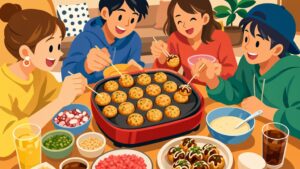
The setup of many Osaka eateries is inherently social and cleverly designed to break down barriers. Forget private tables and hushed tones. Here, you often sit shoulder-to-shoulder with strangers at a long wooden counter, sharing the same space, energy, and the incredible aromas wafting from the kitchen. This closeness naturally encourages interaction. You might ask the person next to you what they’re drinking, and ten minutes later you’re exchanging stories about your hometowns. At an okonomiyaki restaurant, the large teppan grill in the center of the table becomes a communal hearth. You cook together, laugh when someone clumsily tries to flip their pancake, and share food from the same sizzling plate. It’s an experience feeling both collaborative and intimate, far removed from the polite distance of more formal dining.
This is the true reason people say Osaka is “friendly.” It’s not just an abstract personality trait; it results directly from a social environment designed for connection. Sharing food in this casual, unpretentious way breaks down typical social inhibitions. It’s hard to remain reserved when you’re managing a bubbling hot pot or figuring out the proper way to eat kushikatsu. Laughter and conversation flow as naturally as the beer. Here, you learn the real Osaka-ben, get unfiltered opinions on the Hanshin Tigers baseball team, and build genuine connections that go beyond superficial pleasantries. The shared joy of a delicious, affordable meal acts as a powerful equalizer, creating a temporary community every night in thousands of small restaurants across the city.
The Budgetary Pressure: When the Feast Never Ends
For all its ability to connect people and inspire joyful discovery, the relentless, eat-first tempo of Osaka’s social life comes with a very real downside. Living within a culinary theme park is thrilling, but those rides aren’t without cost. The constant invitations, the cultural expectation to join in, and the essence of kuidaore can place a significant and often unspoken strain on both your finances and your well-being. It’s a slow, creeping pressure made up of countless small, delicious expenses that, over time, can build into a serious burden.
The ‘Just One More Drink’ Culture
While individual meals in Osaka can be incredibly affordable, it’s the frequency that gets you. A 700-yen bowl of ramen here, a 500-yen plate of gyoza there—it all feels manageable. But the real challenge lies in the deeply rooted culture of the nijikai (second party) and, for the truly devoted, the sanjikai (third party). A simple dinner plan rarely ends with dinner. As soon as the plates are cleared at the first izakaya, someone inevitably claps their hands and announces, “Alright, where to next?”
The social pressure to go along is immense. Saying “I think I’ll head home” can come across not just as tiredness or responsibility, but as rejecting the group’s camaraderie. It feels like breaking the unspoken rule that the night isn’t over until everyone is truly finished. This is where the budget-conscious foreigner faces a dilemma. Each subsequent stop adds another 2,000 or 3,000 yen to the evening’s total. A planned 3,000-yen dinner can effortlessly turn into a 10,000-yen evening of eating and drinking. Saying no requires social courage that can be tough to summon, especially when you’re new and eager to make friends. You get swept up in the energy, the laughter, and the persuasive logic that “one more highball won’t hurt.” But your bank account feels every single one.
The ‘Cospa’ Gauntlet: A Blessing and a Curse
Adding another layer to the financial pressure is Osaka’s obsession with cospa, or “cost performance.” This is the local dining scene’s holy grail. Food can’t just be delicious; it must also offer incredible value for the money. On one hand, this is a huge benefit for residents. Fierce competition keeps quality high and prices low. If you know where to look, you can dine like royalty on a shoestring budget. However, this obsession sometimes turns consumption into a kind of competitive sport.
Conversations are filled with boasts about value: “This all-you-can-drink deal is only 1,500 yen for two hours!” or “I found a lunch set with tempura, sashimi, and miso soup for 800 yen!” There’s a constant, low-level pressure to be a savvy consumer, to hunt down the best deal, and to join the city’s collective bargain chase. This can sometimes overshadow the simple joy of a meal. Instead of relaxing and enjoying the food, you’re mentally tallying its value. It also makes it tougher to suggest going somewhere a bit pricier with a great atmosphere or unique menu, as it risks being labeled as having “bad cospa.” You’re not just managing your own budget; you’re navigating the shared, value-obsessed calculations of your entire social circle.
The Physical Toll of Kuidaore
Beyond the financial strain, there’s the undeniable physical cost of living a full-time kuidaore lifestyle. Osaka’s favorite dishes—takoyaki, okonomiyaki, kushikatsu, ramen—are flavor masterpieces, but they aren’t foundations of a balanced diet. They tend to be fried, carb-heavy, and salty. The local cuisine is affectionately called the “brown food diet” for good reason. Add the strong social expectation to drink alcohol, from beer at dinner to endless highballs at the nijikai, and you have a recipe for physical wear and tear.
At first, it’s a joyful indulgence. But over time, the effects become apparent. You feel sluggish. Your clothes fit tighter. Late nights and heavy meals start catching up to you. The foreigner who fully dives into Osaka’s social scene without a conscious plan for balance can find themselves burned out, both financially and physically. The very culture that is so welcoming and fun can also prove harmful if enjoyed without moderation. The “ruin” in kuidaore starts to feel less metaphorical. It’s a quiet challenge every long-term resident faces: how to savor the city’s greatest pleasure without letting it consume you completely.
Finding Your Balance in the Kitchen of Japan
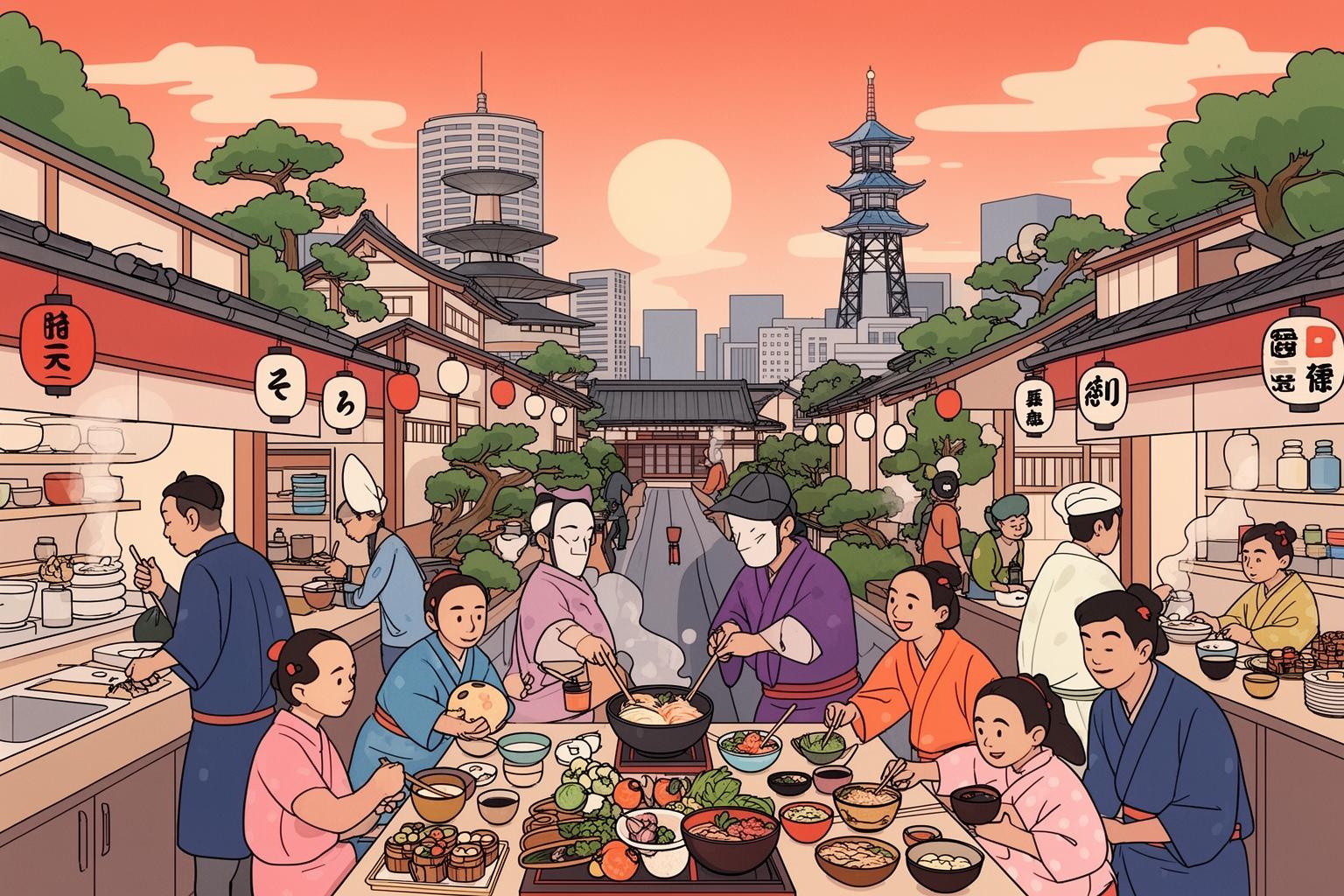
Living in Osaka doesn’t have to be a simple choice between joyful, budget-breaking indulgence and austere, socially-isolated home cooking. The secret to a long and happy life in the Nation’s Kitchen is not to reject the kuidaore mindset, but to adapt it, make it your own, and establish a sustainable rhythm that suits you. It’s about becoming a discerning, intentional participant in the feast, rather than a passive passenger on a runaway train of takoyaki and highballs. This involves developing new skills: the art of the selective invitation, the finesse of the graceful exit, and redefining what it means to “eat till you drop.”
Mastering the Art of the Selective ‘Yes’
The first and most important step is to let go of the guilt about saying “no.” Your Osakan friends invite you out because they genuinely enjoy your company, not to drain your wallet. It’s completely fine to set boundaries. The trick is to do so in a way that affirms the friendship while politely declining a particular event. Instead of a flat “I can’t,” try a more thoughtful response. If you receive an invitation to an expensive dinner, you could say, “That sounds fantastic! I’m saving some money this month, but could I join you for the nijikai later?” This shows you still want to be part of the group. If you’re weary of restaurant outings, take the initiative. Suggest a different kind of gathering: “I’m a bit tired of eating out. Would anyone be interested in a potluck at my place on Saturday?” or “How about cycling along the river this weekend and packing some onigiri?”
Creating a personal social budget can also be a game-changer. Decide in advance how many nights a week you want to eat out and how much you want to spend. This empowers you to make conscious choices. When an invitation arrives, you can compare it to your plan. “I’m already booked on Friday, so I’ll have to skip Wednesday, but let’s definitely do something next week!” This changes you from someone constantly responding to social pressure into someone in control of their schedule and finances. Your friends will understand; after all, the practical, money-savvy spirit of the Osaka merchant flows in their veins.
Redefining Kuidaore for Yourself
The true essence of kuidaore is not gluttony; it’s a deep, passionate appreciation for food. You can embody this spirit in ways that are healthier, more affordable, and just as socially fulfilling. Redefine kuidaore as a mission to explore the full range of the city’s culinary offerings, not just its izakayas. Make it a goal to visit local markets like Kuromon or smaller neighborhood ones. Learn the names of seasonal fish and vegetables. Chat with the vendors. Bring those beautiful ingredients home and teach yourself how to make simple Japanese dishes. Inviting friends over to share a meal you cooked yourself is a wonderful gesture of friendship and a fantastic way to socialize without breaking the bank.
Embrace the city’s vibrant café and kissaten culture. Suggesting “let’s go for coffee” instead of “let’s go for drinks” is an easy way to catch up with friends at a fraction of the cost. Explore Japanese sweets or find the best bakery in your neighborhood. Kuidaore can mean finding the perfect, fluffy slice of cheesecake just as much as it means discovering the richest bowl of tonkotsu ramen. By broadening your definition, you open up a world of new possibilities for exploration and connection. It’s about shifting the focus from quantity to quality, from excess to appreciation. Ultimately, navigating Osaka’s food-centered social life is like a dance. It’s about learning the steps, knowing when to lead and when to follow, and finding a rhythm that lets you enjoy the city’s magnificent music without exhausting yourself. Embrace the feast, but remember you are the one who decides when you’re full.