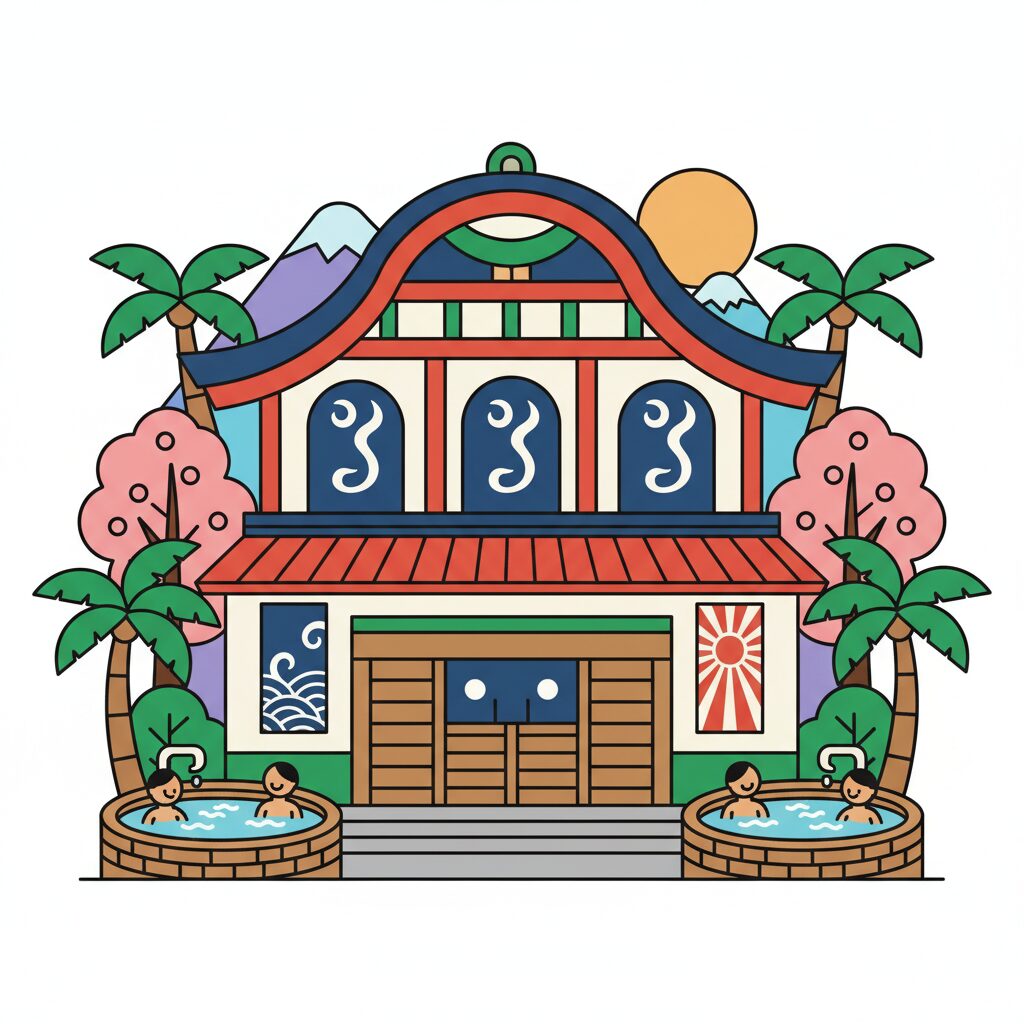
Let’s talk bills. Not the fun kind you find in a vintage shop, but the soul-crushing utility bills that slide into your mailbox during a cold Osaka winter. You see that gas bill, ballooning from all the hot showers and, if you’re lucky, the occasional bathtub soak. You do the math. You sigh. You wonder if being clean is really worth it. In most cities, this is where the story ends. You pay up and shiver a little less next month. But this is Osaka, a city that runs on a different kind of logic. A logic that’s practical, communal, and often, wonderfully steamed up. The answer to your utility bill woes isn’t a shorter shower; it’s a short walk to your neighborhood sento, the public bathhouse. Forget everything you think you know about onsen resorts from travel blogs. This isn’t about luxury or escaping the city. This is about leaning into the city, plugging into its core social circuit, and saving a surprising amount of cash while you’re at it. The sento is one of the best-kept secrets for living well in Osaka, a key that unlocks a deeper understanding of how this city’s heart really beats—warm, unpretentious, and with the faint, clean scent of soap.
To truly embrace this communal spirit, you might even find yourself striking up a conversation with one of the city’s iconic Osaka obachan.
The Cold, Hard Cash of Hot Water
First, let’s get straight to the point, because if there’s one thing that speaks volumes in Osaka, it’s money. Not in the flashy, high-fashion Tokyo sense, but in a shrewd, what’s-the-best-deal kind of way. Osakans are known for being frugal, sometimes unfairly branded as kechi (stingy). The truth is more subtle. The local ideal is shibui, a word that’s hard to translate but suggests tasteful, understated cleverness. It’s about obtaining maximum value and quality without being ostentatious. The sento perfectly embodies this shibui mindset.
Let’s break down the cost of a daily bath at home. Using city gas and water, filling a typical Japanese bathtub requires about 200 liters of water. Heating that from a cool 15°C to a comforting 42°C uses a considerable amount of gas. Depending on your provider and the season, the gas cost alone could range from 80 to 150 yen per bath. Adding water expenses, you’re easily spending 100 to 200 yen each soak. Do this every day for a month, and your utility bills increase by 3,000 to 6,000 yen or more. In the coldest months, it’s even higher.
Now, think about the sento. Prices are regulated by the prefectural government. In Osaka, the standard adult fee is a flat rate, currently just under 500 yen. For that small amount, you get access to enormous tubs of steaming hot water, often with several at different temperatures. There’s a sauna, a cold plunge pool, and unlimited hot water from the showers for washing. You can stay an hour or longer, and the cost remains the same. Replacing just three or four home baths a week with sento visits means you’re not only breaking even; you’re likely saving money, especially when you consider the luxury of a deep, leg-stretching soak that most cramped apartment tubs can’t provide.
This isn’t just a theoretical example; it’s a lived experience. You’ll find students, young couples in tiny apartments, and retirees on fixed incomes all relying on the sento as their main bathing place. It’s not a luxury; it’s a necessity. This perspective is quintessentially Osaka. It’s a city founded by merchants who understood the value of a yen and the importance of shared resources. Why should everyone pay to heat their own small tub when pooling resources creates a far better bathing experience for less individual cost? It’s communal logic, and it’s a beautiful, practical tradition to witness.
The Social Steam Room: Beyond the Bath
If the sento were solely about saving money, it would be a clever trick. But the real magic—the aspect that reveals so much about Osaka’s social fabric—occurs between the locker rooms and the tubs. The sento serves as the great equalizer. It’s the city’s unofficial community center, its public square, its therapist’s office. It’s where the famed Osaka friendliness stops being a cliché and becomes a tangible, steamy reality.
In Japan, there’s a concept called hadaka no tsukiai, meaning “naked communion” or “naked relationship.” It refers to the idea that once you shed your clothes, you also shed social status, job titles, and the hierarchies that shape everyday life. In the bath, a company CEO is just another person trying not to slip on the wet tiles, no different from a student or a construction worker. In Osaka, a city already known for wearing its heart on its sleeve, this dynamic is intensified many times over.
Step into a neighborhood sento on a Tuesday evening. The air is thick with steam and lively chatter. You’ll hear old men debating the latest Hanshin Tigers game, their voices bouncing off the tiled walls. You’ll see mothers washing their toddlers, exchanging parenting tips with other moms. You might find yourself unexpectedly drawn into a conversation, perhaps with an elderly woman asking where you’re from before offering unsolicited but sincerely helpful advice on the best place to buy daikon radish. This isn’t the quiet, meditative atmosphere of a high-end onsen. It can be loud, lively, and deeply human.
This experience sharply contrasts with that of other major cities. In Tokyo, though neighborhood sento exist, the culture tends to be more reserved. People often keep to themselves, preserving a bubble of privacy even in public spaces. In Osaka, that bubble is more permeable. People make eye contact. They comment. They ask questions. It might feel intrusive at first, but you quickly realize it stems from genuine curiosity and community spirit. The sento is where you learn about the new ramen shop, who’s getting married, and why the old Tanaka-san hasn’t been around lately. It’s a low-tech social network that keeps the neighborhood tightly connected.
Foreigners often misunderstand this. They worry about the awkwardness of being naked among strangers. But the secret is, in the sento, you aren’t strangers for long. Your foreignness may spark initial curiosity, but it quickly becomes a bridge for conversation. Showing that you understand and respect local customs earns you instant goodwill. Before long, you’re no longer the “foreign neighbor”; you’re just a regular at the bathhouse.
Sento Survival Guide: Navigating the Naked Maze
To fully embrace this social experience, you need to adhere to the rules. Sento etiquette is straightforward but non-negotiable, centered around one key principle: the bathwater is for soaking, not washing. Since the tubs are communal, maintaining their cleanliness is a collective responsibility.
Here’s a step-by-step guide for first-timers so you can enter with the confidence of an experienced visitor.
The Entrance
You’ll pass through a curtain (noren), usually blue for men (男) and red for women (女). Inside, you’ll find the entrance area, often overseen by an attendant at a raised desk called a bandai, where you pay your fee. Many modern sento use vending machines for tickets, which you then give to the attendant. This is also where you can rent a small towel or purchase soap and shampoo if you didn’t bring your own. Pro tip: bring your own. A small “sento kit” containing a small wash towel, a larger bath towel, soap, and shampoo marks you as a regular.
The Locker Room
This space, called the datsuijo, is for changing. Find an empty locker, undress completely, and store all your belongings inside. The only items you should bring into the bathing area are your small wash towel and toiletries. The small towel is for washing and modesty when walking around. Leave your large towel in the locker to use after drying off at the end.
The Washing Area
This is the most critical step. Before you even approach the hot tubs, you must wash your entire body thoroughly. Choose a vacant washing station—typically a low stool by a faucet and shower head. Sit on the stool (standing to wash is discouraged as it may splash others) and scrub yourself clean from head to toe. Use plenty of soap, then rinse completely to remove all suds. This isn’t a quick rinse; it’s a thorough wash.
The Soak
Now for the reward. Approach the tubs, and before entering, scoop some bathwater with a basin and pour it over your legs and torso to help your body adjust to the temperature and show respect. Enter the tub slowly, find your spot, and relax. Your small wash towel should never go into the bathwater; place it on the tub’s edge or, as many regulars do, fold it neatly and rest it on your head. Though this may look odd, it’s completely normal. Soak for a while, but don’t overstay. The water is often hotter than you might expect, typically between 40°C and 44°C.
The Extras: Saunas and Cold Plunges
Most sento offer a sauna and a mizuburo (cold water bath). After using the sauna, always rinse off your sweat at a washing station before returning to the hot tubs. The cold plunge offers a refreshing shock that many regulars love. The cycle of hot bath → cold plunge → rest is believed to benefit circulation. Give it a try if you’re feeling adventurous!
The Exit
When finished soaking, return to the locker room. Before entering, it’s polite to lightly wipe your body with your small, damp wash towel to avoid dripping on the floor. Dry off completely with your large towel, get dressed, and enjoy the wonderful post-sento glow. Many people relax in the lobby afterward, which often features vintage massage chairs, a TV, and a fridge stocked with beverages. Finishing the experience with a cold fruit milk or a beer is a classic choice.
The Soul of the City in a Bathhouse
So, why does this modest institution feel so distinctly Osaka? Because it embodies the city’s core values in a way a castle or skyscraper never could. Osaka has always been a city of merchants and artisans, where practicality always outweighed ceremony. A flashy, costly solution is regarded as foolish when a cheaper, more effective, and communal alternative exists. The sento is the ultimate expression of this pragmatic spirit.
It also stands as a rejection of the isolation that can characterize modern city life. In an age of social media and remote work, the sento offers a vital, physical, face-to-face point of contact. It’s a place where you’re not your online avatar or job title; you’re simply a member of the community, sharing a moment of relaxation. This is why the bonds formed here feel unique—they’re rooted in a shared, unpretentious reality.
What many foreigners overlook is that the sento isn’t a showcase of “Japanese culture” for outsiders. It’s a living, essential part of the neighborhood’s infrastructure, as indispensable as the local post office or convenience store. It’s a place of incredible diversity, not only in the types of baths—from electric baths (denki buro) that send a gentle tingle through your muscles to herbal baths scented with seasonal ingredients—but also in the people who use them. By participating, you’re not just observing Osaka culture; you’re actively becoming part of it.
So next time your gas bill makes you wince, don’t just turn down the thermostat. Grab a small towel, a bar of soap, and a few hundred yen. Walk down to the local sento with the classic curved roof or the simple modern facade. Step through the noren. You won’t just be getting a bath that’s better and cheaper than the one at home—you’ll be immersing yourself in the very soul of Osaka, and I promise, you’ll emerge cleaner, warmer, and with a deeper understanding of the city you call home.