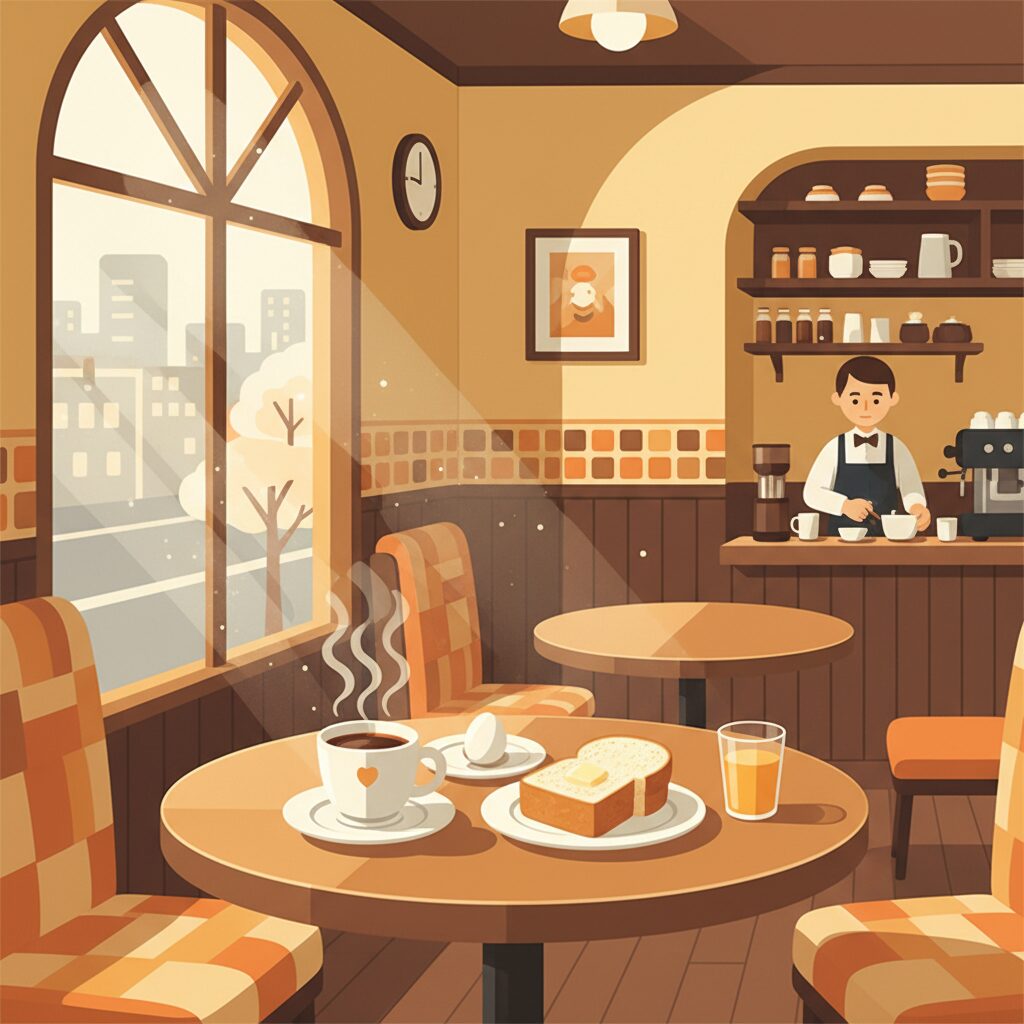
Walk down a quiet residential street in Osaka around eight in the morning, long after the first trains have rattled by but before the city hits its full, clamorous stride. You’ll see the usual sights: bicycles parked in neat rows, shop shutters halfway up, the air thick with the smell of laundry soap and yesterday’s rain. But look closer. You might spot a small, unassuming storefront, its windows slightly fogged, a modest, hand-painted sign propped on an easel out front. It reads, simply, “モーニングサービス,” or “Morning Service.” Inside, through the haze of cigarette smoke and warm light, you’ll see the silhouettes of people sitting, not rushing. This is the kissa-ten, Osaka’s traditional coffee shop, and its morning ritual is one of the most potent, undiluted expressions of the city’s true character. It’s far more than a cheap breakfast; it’s a daily communion, a social anchor, and an economic philosophy served on a small, porcelain plate. For anyone trying to understand what makes Osaka tick, to get beneath the surface of the neon and the endless plates of takoyaki, the answer isn’t in a castle or a skyscraper. It’s right here, in a vinyl booth, with a cup of coffee that costs less than a fancy latte but offers infinitely more value.
The intimate charm of the kissaten is just one taste of Osaka’s vibrant culture, while incorporating konamon dishes into your daily Osaka diet reveals even more delicious layers to explore.
More Than a Meal: The Unspoken Economics of Osaka’s Morning Service
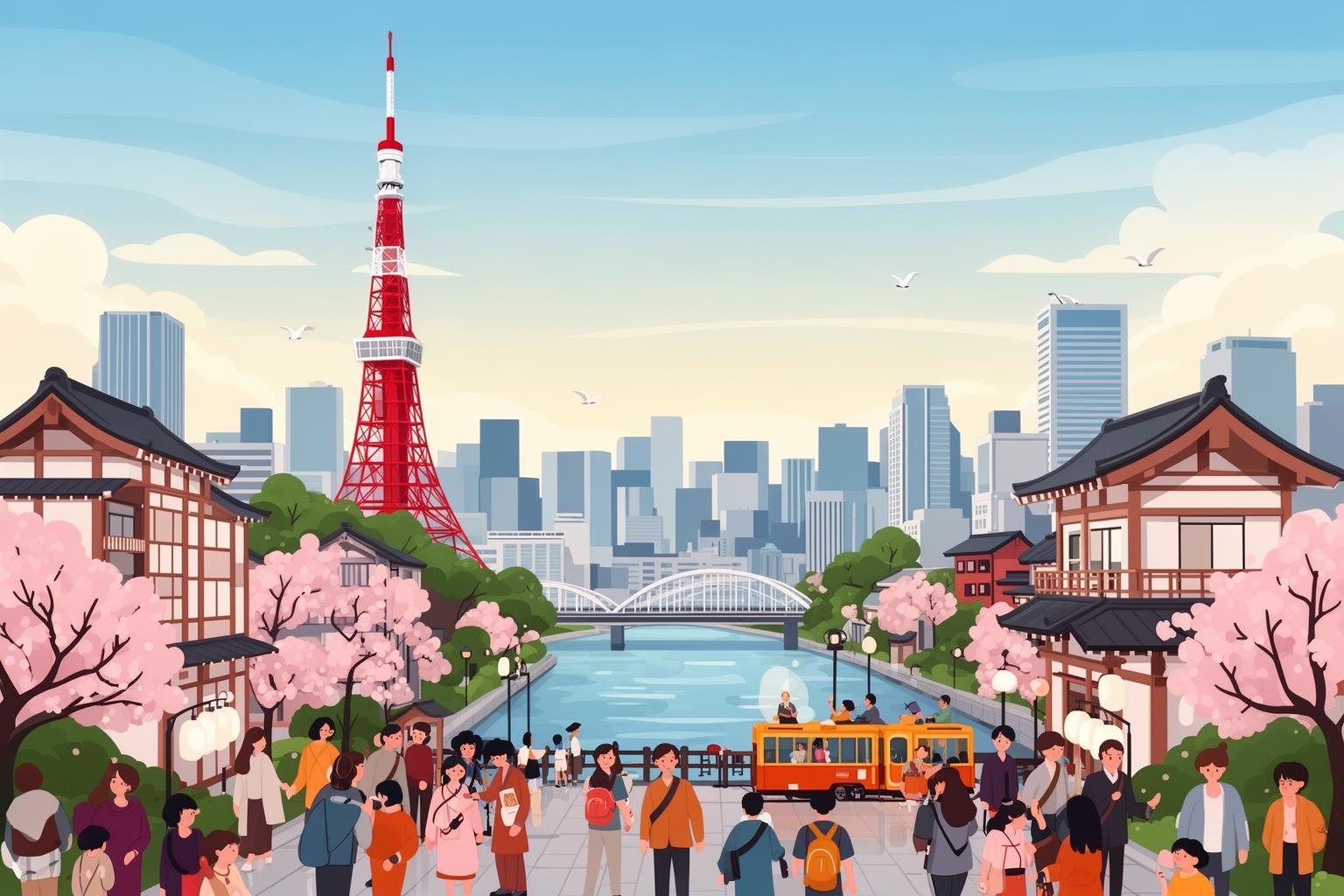
To those unfamiliar with the custom, the morning set might seem like a perplexingly poor business model. You pay for a coffee, priced between 400 and 550 yen, and for no additional cost, you receive a thick slice of toasted shokupan bread, a hard-boiled egg, and sometimes a small salad or a tiny cup of yogurt. How could anyone possibly turn a profit? This question reveals a fundamental misunderstanding of the Osaka mindset. This isn’t about loss leaders or marketing ploys. It reflects a deeply rooted cultural principle: offering exceptional value is a matter of pride. This is a city founded by merchants, where the concept of “cos-pa,” or cost performance, is almost sacred. A good deal isn’t just about saving money; it’s about engaging in a smart, sensible transaction. It makes you feel savvy, as if you and the shop owner share a secret understanding.
The Gospel of “Mottanai” and Cost-Performance
In Tokyo, you might pay 800 yen for a meticulously brewed pour-over in a minimalist space designed for quiet reflection or focused work. In Osaka, that same 800 yen seems extravagant unless it comes with something tangible on the side. The value proposition differs. The quality of the coffee is important, of course, but it’s only one part of a larger package. The morning set stems from the idea of “mottanai”—a potent term roughly meaning “waste not, want not.” The shop owner has coffee brewing, the toaster heating, and eggs boiling. Why not use that quiet morning lull, before the lunch crowd arrives, to fill every seat? The aim isn’t to maximize profit on each transaction. It’s to cultivate a loyal group of “jyouren-san,” or regular customers, who come day after day. The morning set serves as the draw. Steady, dependable daily traffic forms the core of the business model. It keeps the lights on and fosters a sense of obligation and gratitude in customers, who may be more inclined to return for a pricier sandwich at lunch or bring a friend in the afternoon. It’s a long-term strategy, built on relationships rather than passing fads. An Osakan will proudly tell their neighbor about the kissa-ten where the morning set toast is an inch thick with a dollop of red bean paste—not because it’s cheap, but because they’ve found a place that truly understands and honors the art of the deal.
The Regular’s Realm: Why Your Face is Your Loyalty Card
The kissa-ten stands in stark contrast to the impersonal, transactional experience typical of global coffee chains. Here, your face is your loyalty card, and your presence is your membership. The owner, almost always known as the “Master,” recognizes you as you walk in. They might offer a subtle nod, already knowing you take your coffee with milk and no sugar. There are no punch cards to earn a free tenth coffee. The reward is more nuanced, more human. It’s the feeling of being acknowledged, of belonging. The Master might reserve your favorite seat by the window or hold the last sports newspaper for you. These small acts create a strong sense of community. This is where Tokyo and Osaka sharply diverge. In Tokyo’s fast-paced environment, efficiency often outweighs personal connection. Service is courteous and flawless but can feel distant. In an Osaka kissa-ten, service is rooted in a pre-existing relationship. The Master isn’t just a service provider; they are a quiet guardian of the neighborhood’s social life. They know who’s been unwell, whose grandchild just started school, and who’s seeking part-time work. This ecosystem of familiarity is the true product on offer. The coffee and toast are simply the delicious, affordable medium of exchange.
A Stage for Everyday Life: Reading the Kissa-ten Room
Step inside one of these establishments, and you enter a living stage where the everyday drama of life plays out each morning. The air is heavy with the comforting scents of brewing coffee, toasted bread, and, quite often, the faint trace of stale cigarette smoke—a relic of a past era that many kissa-ten are reluctant to give up. The lighting is dim and warm, casting a soft glow over the dark wood paneling and the worn velvet of the booth seats. This isn’t a bright, sterile space intended for laptops and productivity. Rather, it’s a womb-like environment made for lingering, quiet reflection, and hushed conversations. The patrons aren’t a uniform group of trendy youth; they represent the neighborhood itself, in all its unfiltered reality.
The Cast of Characters: Who Are These People?
In one corner, a group of “oba-chan,” women in their sixties and seventies, whisper conspiratorially as they swap gossip and share photos of their grandchildren from their flip phones. At the counter, a lone salaryman in a slightly rumpled suit steadily eats his toast and egg, his gaze fixed on the financial pages of the newspaper spread before him. This is his thirty minutes of calm before the daily struggle on the crowded train and in the fluorescent-lit office. Towards the back, a university student highlights a textbook, the low murmur of the room serving as the perfect white noise for focus. Often behind the counter, the Master holds court. He or she oversees the room, methodically wiping down the counter, exchanging a few words with a regular, and maintaining the gentle rhythm of the space. It’s a cross-section of society rarely seen mingling elsewhere—a demographic melting pot bound together by the simple, democratic promise of a good cup of coffee and a free breakfast.
The Soundscape of the City: Conversations and Silence
The soundscape of a kissa-ten is distinctive. It’s never completely silent, yet seldom loud. The background consists of layered noises: the clink of ceramic cups on saucers, the rustle of turning newspaper pages, and the low drone of the morning news program from a small television perched in a corner. Over all this is the soft murmur of conversation. Unlike Tokyo, where striking up a chat with a stranger is often frowned upon, in Osaka it remains a possibility. An elderly gentleman might lean over to comment on the baseball score in your paper. The Master may ask where you’re from, not with the pushy curiosity of a tourist tout, but with the gentle interest of someone noting new faces in their domain. This isn’t the loud, boisterous friendliness often stereotyped of Osaka. It’s a quieter, more grounded form of connection—a shared acknowledgment that, for this brief morning hour, you are all part of the same temporary community. The television often acts as a communal hearth, its weather reports or minor political scandal updates providing a neutral, shared topic for those who wish to join in.
The Kissa-ten Aesthetic: A Deliberate Rejection of Modernity
A classic kissa-ten has a unique look and atmosphere, one that can feel striking to those used to the bright, airy, Scandinavian-inspired style of contemporary cafes. Rather than minimalism, its design philosophy centers on comfort and a sense of accumulated history. These establishments serve as monuments to a bygone era, and their deliberate resistance to modernization is not a flaw but a fundamental part of their character and charm. They offer a tangible connection to the Showa Era (1926-1989), a time of swift post-war growth and cultural confidence, preserving its ambiance like insects trapped in amber.
Velvet Chairs and Siphon Coffee: Embracing the Anti-Minimalist Aesthetic
Forget about polished concrete floors and white subway tiles. An authentic kissa-ten embraces darkness and rich textures. Walls are frequently clad in dark, glossy wood panels. Seating consists of plush, high-backed booths upholstered in deep reds, greens, or browns, with vinyl or velvet showing the subtle cracks and scuffs of decades of use. Light fixtures tend to be ornate, crafted from brass or stained glass, casting a warm, yellowish glow that feels soft and intimate. The air carries a faint, sweet scent of aged wood, coffee, and history. The brewing equipment often takes center stage. Many Masters use a siphon—a striking, mad-scientist-style apparatus made of glass globes and open flames. The brewing process is a theatrical, slow, deliberate ritual, standing in stark contrast to the convenience of one-button espresso machines. This entire setting makes a statement: comfort outweighs trends, permanence is prized as a virtue, and some things are better left unchanged. It offers a refuge from the relentless, disposable pace of modern life.
The Art of the Master: Far Beyond a Barista
At the heart of this world is the Master. This is not a temporary, part-time role for a student but a lifelong vocation. The Master is owner, operator, barista, and soul of the shop. Their personality is deeply intertwined with that of the kissa-ten. Having refined their craft over decades, their movements reveal efficiency and grace. Watching a Master prepare coffee is like observing a skilled artisan at work—every motion purposeful, none wasted. They carry a quiet authority and earn deep respect. They serve as guardians of the space, ensuring it remains a sanctuary for their regulars. Their business is intensely personal. They remember your order, but also the story you shared with them last week. This level of personal connection typifies Osaka’s business culture. It’s never about an anonymous brand; it’s about the reputation and character of the person behind the counter. You don’t just visit “a” kissa-ten; you visit “Sato-san’s place.”
How to Navigate Your First Morning Service: An Unwritten Guide for Newcomers
For a foreigner, stepping into a kissa-ten for the first time can feel intimidating. The atmosphere seems deeply local, like a private club where everyone but you understands the unwritten rules. However, the barrier to entry is lower than you might expect. The key is to approach it not as a customer demanding service, but as a respectful guest entering a shared, semi-private space. With the right mindset, you can quickly and easily experience this essential Osaka ritual.
Finding the Right Spot: Look for the Hand-Written Signs
Forget your map app’s suggestions for the “best coffee.” The most authentic kissa-ten often remain hidden from the digital world. They are tucked away on “shotengai” (local shopping streets) or nestled down quiet residential alleys. Your best guide is your own eyes. Look for the tell-tale signs: a simple, often hand-written sign advertising “モーニング” with a price. A small plastic food model display in the window showcasing the morning set. A revolving red lamp, or “patlite,” by the door—a classic indicator that the establishment is open. The best way to find one is to explore your own neighborhood on foot in the morning. Discovering “your” spot is part of the experience.
The Etiquette of the Order
Once inside, the rules are straightforward. Take a moment for your eyes to adjust to the dim lighting. The Master will likely notice you and gesture toward an open seat. There’s no need to wait for a formal invitation to sit. The menu is often remarkably simple. For the morning service, there may not even be a written menu. The standard order is just “Morning,” which you can pair with your coffee preference. Saying “Hotto de, morningu,” (a morning set with hot coffee) or “Aisu de, morningu,” (with iced coffee) is all it takes. Don’t expect a variety of milk alternatives or artisanal syrup options. The charm lies in the simplicity. When you’re ready to leave, you usually don’t pay at the table. Just approach the register near the entrance, and the Master will tell you the total. They will remember your order without a written bill.
To Talk or Not to Talk: Reading Social Cues
There is absolutely no need to socialize. It’s perfectly acceptable to bring a book or newspaper and enjoy your breakfast in peaceful solitude. In fact, many regulars do just that. The key is to be observant and open. If an elderly person at the next table comments on the weather, a simple nod and smile is a polite response. If the Master asks a brief question, a short, courteous answer is appreciated. The goal isn’t to force conversation but to show you are a calm, respectful presence. Over time, as you become a regular visitor, your status will gently shift from “stranger” to “new familiar face.” A quiet nod will evolve into a small greeting. This is how community is built here: slowly, quietly, and organically, one cup of coffee at a time.
Why Morning Service Endures in Osaka
In a rapidly evolving Japan, where convenience stores serve 200-yen coffee and global chains dominate the scene, the modest kissa-ten and its morning service should, logically, be a fading relic. Yet, they persist, especially in cities like Osaka and Nagoya. Their continued existence demonstrates that they provide something modern, efficient alternatives cannot. They don’t merely sell a product; they meet a profound human and social need that is perhaps more vital now than ever before.
A Counterpoint to Hustle Culture
The kissa-ten morning ritual is a form of resistance against the unyielding pace of contemporary life. It creates a sanctuary in the day that isn’t about productivity or efficiency. It’s a time to pause, collect your thoughts, and simply be present before the day’s demands take over. While Japan is often stereotyped as a culture of relentless work, the kissa-ten embodies a different story. It upholds the value of routine, ritual, and a slow start. This mindset feels especially natural in Osaka, a city known for its pragmatism and relaxed attitude compared to Tokyo. Here, there’s a shared belief that life should be savored, small pleasures matter, and taking a moment for yourself is nothing to be ashamed of. The morning service is a tangible expression of this ethos.
The Community Hub in an Aging Society
Perhaps the most important role the kissa-ten plays today is social. In a country facing a rapidly aging population, social isolation—especially among the elderly—is a serious issue. For many older people living alone, a daily visit to their local kissa-ten is their main, sometimes only, social interaction. It gives them a reason to get dressed and leave home. It offers a safe, familiar place where friendly faces await. The Master keeps an informal watch on regular customers, noticing if someone has been absent for days. In this way, the kissa-ten serves as an unofficial community center, a vital part of the social support network. It exemplifies Osaka’s pragmatic spirit: a simple business addressing a complex social issue without bureaucratic intervention or government programs. It’s just people looking out for one another over a cup of coffee and a slice of toast.