Step off the roaring thoroughfares of Umeda, where glass-and-steel towers claw at the clouds, and take a ten-minute walk. The city’s frantic pulse begins to soften, the skyscrapers recede in your rearview, and suddenly, you’re somewhere else entirely. You’ve slipped through a crack in time and landed in Nakazakicho, Osaka’s beating heart of nostalgia and creativity. This isn’t a theme park or a museum exhibit; it’s a living, breathing neighborhood, a tangled web of impossibly narrow alleys that miraculously survived the widespread destruction of World War II. Here, the ghosts of a bygone Showa Era linger not in sorrow, but in the vibrant second life given to them by artists, dreamers, and entrepreneurs. The air hums with a different kind of energy—a quiet, creative thrum. It’s the sound of a vintage sewing machine, the scent of siphon coffee brewing, the sight of a cat sunning itself on a weathered wooden windowsill. Nakazakicho matters because it’s a testament to resilience, a canvas for modern expression painted on a historical backdrop. It’s a place to get beautifully, wonderfully lost. And while its trendy reputation might suggest a hefty price tag, this guide is here to show you that the true magic of Nakazakicho is accessible to every budget. It’s a place where your richest experiences might not cost a single yen. Let’s wander through these timeless streets and map out a day that feeds your soul without emptying your wallet.
For a deeper dive into the modern, high-energy contrast to this retro haven, consider exploring our guide to Umeda’s electric heart.
Getting There: The First (and Smallest) Expense
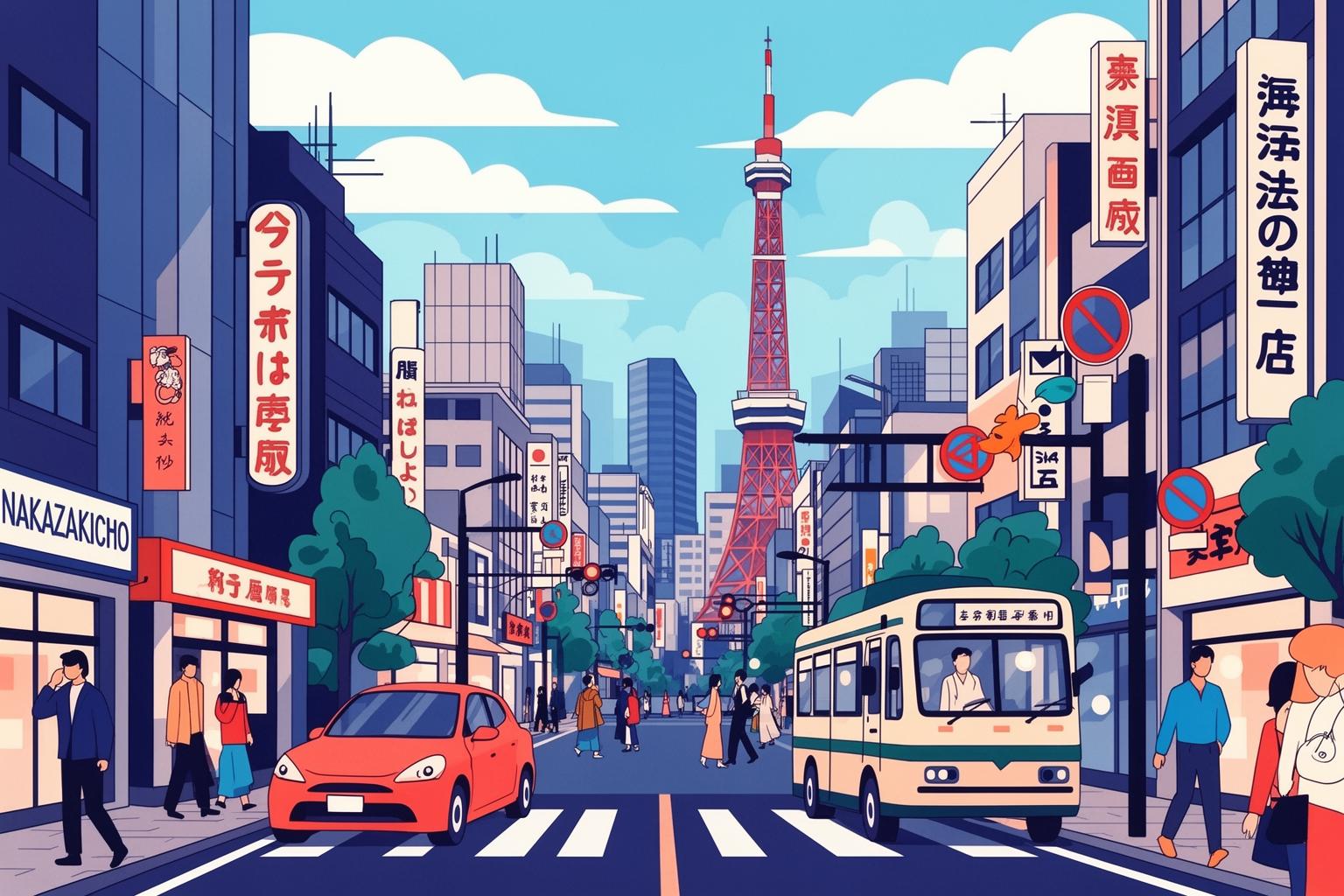
Your financial commitment to a day in Nakazakicho can start and end with just pocket change, or even nothing at all. The journey itself becomes the first step on your budgetary adventure. The neighborhood’s prime location, nestled just northeast of the vast transportation hub of Osaka-Umeda Station, ensures it is incredibly accessible. For budget-conscious travelers, the best option is to use your own two feet. Walking from Umeda is not only a way to save money; it’s an essential part of the experience. This fifteen-minute stroll serves as a dramatic transition, a cinematic dissolve from one side of Osaka to another. You’ll leave the shadow of the Umeda Sky Building, cross bustling intersections controlled by synchronized pedestrian signals, pass gleaming department store fronts, and then, almost imperceptibly, the scale of the city begins to shrink. Avenues become streets, streets turn into lanes, and lanes narrow into intimate alleyways. The city’s noise softens, replaced by the gentle chime of a bicycle bell. This walk is free, perfectly priming your senses for the subtle beauty you’re about to discover.
If you’re coming from farther away, or if the humid Osaka summer makes walking feel like a marathon, the subway is your chariot. The Osaka Metro’s Tanimachi Line (the purple one) has a dedicated Nakazakicho Station (T19) right at the entrance to this charming maze. A one-way fare from hubs like Namba or Tennoji typically ranges between ¥190 and ¥240—a small price for direct access. Keep in mind that the Japan Rail Pass, a blessing for inter-city travel, is not valid on the city’s subway system, so you’ll need to purchase a separate ticket or use a prepaid IC card like ICOCA or Suica. But truly, if you have the time and energy, I encourage you to take the walk. It perfectly frames the neighborhood, making its quiet, low-rise charm feel even more special in contrast to the urban giant you’ve just left behind. Think of it as a free appetizer for the soul.
The Morning Stroll: Window Shopping & Free Discoveries
Once you arrive, the greatest charm of Nakazakicho becomes apparent, and it costs you nothing at all. The main activity here is simply being. It’s the art of wandering, allowing your feet to lead you without a set destination. The true treasures aren’t locked behind glass but are openly woven into the very essence of the streets. This is where your day starts—with a full wallet and an open mind.
The Labyrinthine Alleys
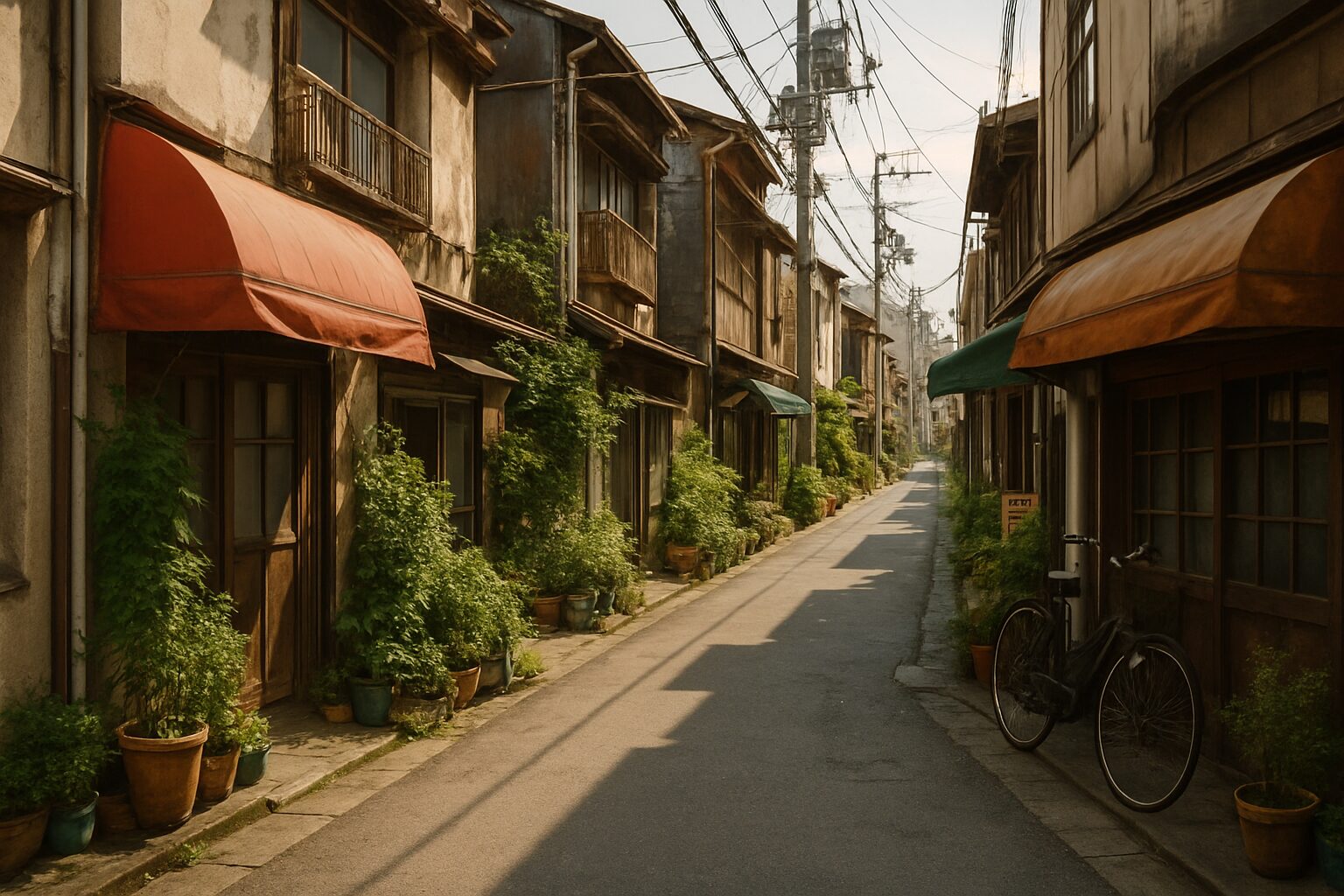
Forget your map. Put your phone aside. The delight of Nakazakicho lies in its roji, the narrow back alleys that twist and turn like shy streams. These alleys are the lifeblood of the neighborhood. Strolling through them is an intensely sensory experience. You’ll be surrounded by architecture from another era: the nagaya. These traditional wooden row houses—long, low structures once home to multiple families—share walls and a communal spirit. Many have been carefully, and often playfully, restored, their wooden lattices and sliding paper doors now framing chic boutiques or cozy cafes. Take in the textures around you: the dark, almost reptilian surface of yakisugi, or charred cedar, a traditional wood-preserving technique; the smooth coolness of worn concrete underfoot; the ivy creeping up entire walls, its green tendrils reaching for tiled rooftops where statues of Shoki, the demon queller, stand vigil against evil spirits. Notice the small details: a row of colorful, mismatched potted plants lovingly cared for by an unseen resident; a bicycle decorated with a basket of plastic flowers; a hand-painted sign swaying gently in the breeze. This is a paradise for photographers and keen observers alike. The dance of light and shadow in these narrow passages is an ever-changing spectacle, turning ordinary scenes into dramatic tableaux. Every corner reveals a new vignette, a story waiting to be discovered. This immersive exploration of old Osaka’s atmosphere is the most genuine experience here—and it’s completely free.
Window Shopping the Boutiques
As you roam, the nagaya reveal their contemporary secrets. One doorway may open into a vintage clothing shop, or furugi-ya, filled with treasures from the ’60s, ’70s, and ’80s. Another might be a local leatherworker’s studio, redolent with the rich aroma of treated hides. You’ll find tiny art galleries tucked into what used to be family living rooms, showcasing emerging Osaka artists. Shops dedicated to zak-ka—those delightful daily-life miscellanies, from quirky stationery to handmade ceramics—are abundant. The beauty of it all is the lack of pressure. Many shopkeepers are the creators themselves, and they appreciate that part of Nakazakicho’s charm lies in browsing, in soaking up inspiration. Window shopping here isn’t passive—it’s an active engagement with the creativity that powers the neighborhood. You can spend hours simply gazing into these carefully curated spaces, admiring the craftsmanship and vision of their owners. In a sense, you’re visiting dozens of miniature, free museums. The only cost? Resisting the urge to bring a piece of this creativity home with you.
Morning Coffee & Sweet Treats: The First Real Spend
After a morning spent exploring your senses, it’s time to engage in Nakazakicho’s most cherished ritual: visiting one of its charming cafes. Cafe culture here is the heart of the community. These spots are more than just places to recharge; they are destinations in themselves, each a carefully crafted world. They serve as the neighborhood’s living rooms, where both locals and visitors can pause, reflect, and absorb the distinctive atmosphere. This will likely be your first real expense of the day, a worthwhile investment in comfort and experience.
Types of Cafes
The vast variety of cafes is impressive. You’ll come across the classic kissaten, reminiscent of the Showa Era. Picture dark, polished wood interiors, plush velvet seats, the gentle gurgle of a siphon coffee maker, and a menu featuring melon soda floats and thick, fluffy tamago sandos. These cafes evoke pure nostalgia, a gateway to a quieter, more contemplative time. Then there are the renovated machiya and nagaya cafes, where old and new elements converse. You might find yourself enjoying a perfectly poured latte while seated on a tatami mat, gazing at a small, manicured Japanese garden. The ancient wooden beams remain exposed overhead, while modern art decorates the earthen walls. Lastly, there are the modern, minimalist coffee stands focused entirely on the bean. Coffee lovers can dive deep into single-origin roasts and various brewing methods, from pour-over to AeroPress. Each cafe tells a different story, creating a unique mood.
Budgeting for a Break
Taking a break in one of these havens is a modest indulgence. A cup of carefully brewed drip coffee usually costs between ¥500 and ¥700. If you prefer an espresso-based drink like a latte or cappuccino, expect to pay a bit more, generally ¥600 to ¥800. But a coffee break in Nakazakicho wouldn’t be complete without a sweet treat. The cakes and pastries, often homemade, are utterly delightful. A slice of rich baked cheesecake, a delicate roll cake, or a freshly baked scone might add another ¥500 to ¥900 to your bill. Altogether, a truly satisfying and atmospheric morning cafe experience will likely set you back between ¥1,000 and ¥1,700. It’s more than a chain cafe, but here you’re buying more than just coffee and cake: it’s an hour of tranquility, a special ambiance, and a front-row seat to the gentle pace of neighborhood life. For early risers, watch for the elusive “Morning Set.” While more typical in traditional business districts, some cafes offer this classic Japanese deal: for a slightly higher price than a single coffee, you receive a small meal of toast, a boiled egg, and a tiny salad. It’s a wonderful way to combine breakfast and morning coffee into one affordable experience.
Lunchtime: Fueling Up on a Budget
As midday draws near, the enticing scents of cooking begin to drift through the alleys, signaling that lunchtime is approaching. The dining scene in Nakazakicho reflects its retail culture: it is dominated by small, independent, owner-operated establishments, each exuding its own unique charm. Large chains are rare here. Instead, you’ll find cozy eateries where the chef’s passion shines through in every dish. This is an ideal opportunity to savor a delicious, authentic meal that supports local businesses, all at a very reasonable price.
Budget-Friendly Options
Nakazakicho boasts an impressive concentration of excellent and distinctive curry shops. Japanese curry is a beloved national comfort food—a thick, savory stew quite different from its Indian or Thai counterparts. Many shops feature their own secret spice blends and inventive toppings, making the area a haven for curry enthusiasts. A generous plate of curry rice stands out as one of the best budget meals available, typically priced between ¥900 and ¥1,500. Another classic and affordable choice is a visit to a small, traditional udon or soba noodle shop. You can enjoy a simple bowl of hot noodle soup or a refreshing plate of cold soba for around ¥700 to ¥1,200, providing a comforting and genuinely Japanese lunch experience. Additionally, many neighborhood cafes shift into lunch mode, offering a lunch setto, or set menu, often representing the best value of the day. For about ¥1,200 to ¥1,800, you’ll receive a main dish—whether pasta, quiche, keema curry, or a daily special rice bowl—paired with a small salad, soup, and sometimes even a drink. It’s a complete and balanced meal at a very fair price.
Mid-Range Experience
If you want to enhance your lunch experience slightly without overspending, Nakazakicho has plenty to offer. Hidden down the alleys are chic bistros and intimate Italian restaurants, often run by a single chef dedicated to their craft. Here, you can enjoy a more leisurely meal, perhaps accompanied by a glass of wine. The ambiance is relaxed and refined, yet completely approachable. A beautifully prepared pasta dish or a set course lunch at one of these spots typically costs between ¥1,500 and ¥2,500, providing a touch of affordable indulgence. An important tip for dining in this area: bring cash. Although credit card acceptance is improving, many small, family-run establishments still operate on a cash-only basis. Having sufficient yen on hand saves you the trouble of searching for an ATM. Also, keep in mind a key dining principle in Japan: lunch is almost always considerably cheaper than dinner for meals of the same—or even better—quality and portion size. Choosing to eat your main meal at lunchtime is a smart budgeting move for travelers.
Afternoon Exploration: Art, Vintage, and Unique Finds
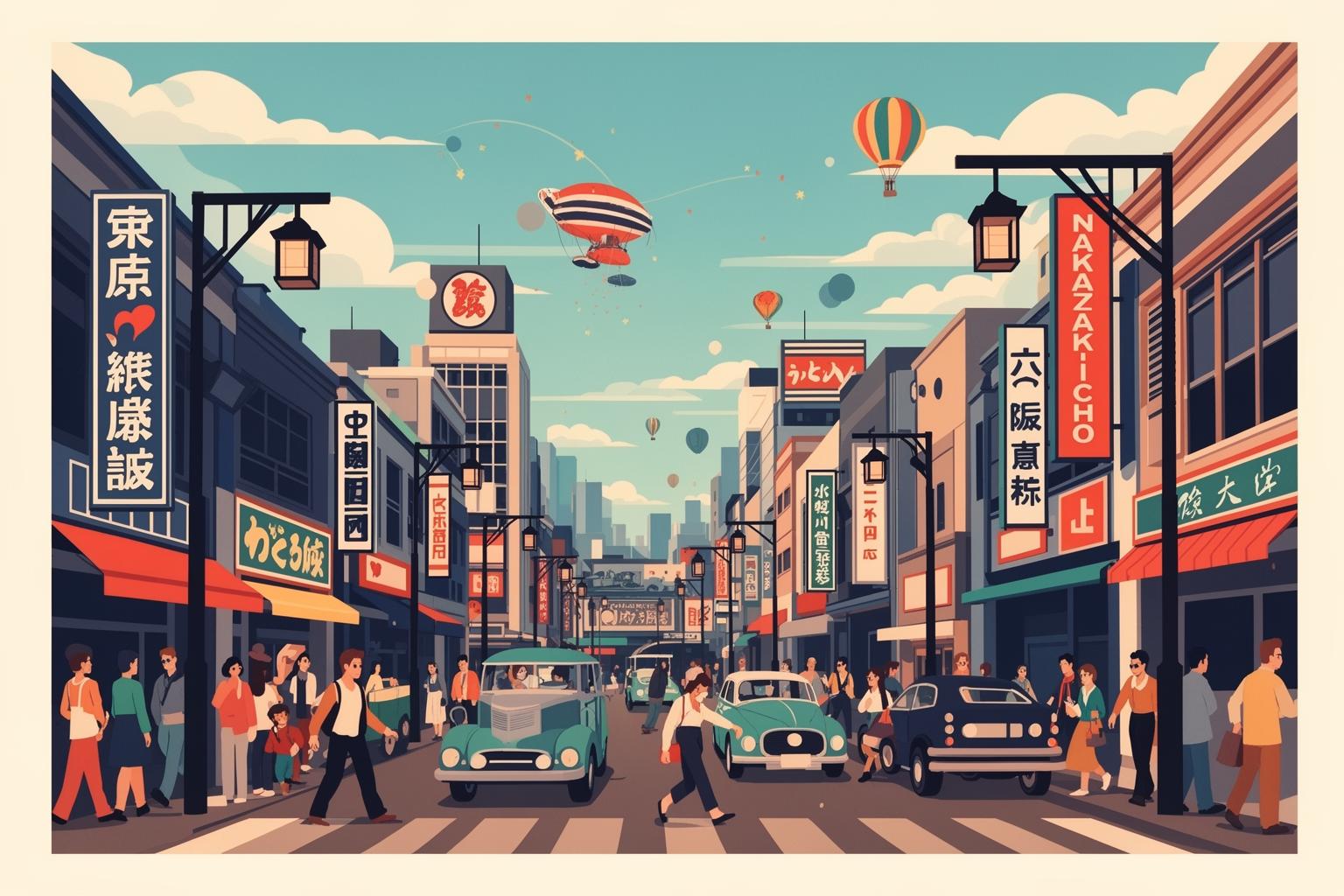
The afternoon offers you the perfect chance to delve into the creative spirit of Nakazakicho. Here, your budget becomes a flexible tool, letting you be either a passive observer or an active participant in the local economy. Whether you spend little or a lot, the experience remains rich and rewarding.
Exploring Vintage Fashion (Furugi)
Osaka is well-known for its vintage clothing scene, and although the lively, youthful vibe of Amerikamura often takes center stage, Nakazakicho provides a more curated, mature, and often unique alternative. The furugi-ya here are not just cluttered secondhand stores; they are thoughtfully curated boutiques, each with its distinctive style. You might discover a shop specializing in delicate Victorian-style blouses, another focused on durable American workwear, and yet another that transports you to the funky, psychedelic patterns of the 1970s. The thrill is in the search. As you sift through the racks, you could find a finely tailored Showa-era dress or a perfectly worn denim jacket. Prices vary greatly: a simple graphic tee or blouse might cost between ¥2,000 and ¥5,000, while a high-quality dress, unique jacket, or designer piece could range from ¥5,000 to well over ¥15,000. For those on a budget, it’s wise to set a spending limit before you start browsing or concentrate on smaller items. A beautiful vintage silk scarf or a retro leather belt, usually priced between ¥1,500 and ¥6,000, can serve as the ideal, wearable memento that captures the neighborhood’s essence without breaking the bank.
Zak-ka Shops and Artisan Crafts
The idea of zak-ka is key to appreciating Japanese aesthetics, referring to the small, miscellaneous items that enrich daily life and home environments, from kitchenware to stationery. Nakazakicho’s zak-ka shops are havens of stunning, often handmade goods, reflecting the Japanese love for craftsmanship and the beauty of everyday objects. Inside, you’ll find delicate hand-thrown ceramic mugs, exquisite letterpress stationery, intricate silver jewelry made by local artists, and hand-dyed tenugui towels. These shops are ideal for selecting a meaningful souvenir—an item that tells a story and supports local artisans. Prices are reasonable: a beautiful postcard or sticker set might cost only ¥200 to ¥800, handmade earrings often fall between ¥1,500 and ¥4,000, and unique ceramic pieces range from ¥1,000 to ¥5,000. Setting aside ¥2,000 to ¥5,000 for a special zak-ka purchase lets you bring home a tangible piece of Nakazakicho’s artistic soul.
Art Galleries & Creative Spaces
One of the most fulfilling and entirely free afternoon pursuits is visiting the neighborhood’s many small art galleries. These are not grand, sterile institutions but rather intimate, approachable spaces, often on the ground floor of converted residences. They offer a platform for local Osaka artists to exhibit paintings, sculptures, photography, and mixed media. Visiting these galleries is a wonderful way to connect with the city’s contemporary creative energy. The renowned Salon de AManTo exemplifies the neighborhood’s spirit perfectly. It’s a sprawling, delightfully chaotic community hub housed in a network of old interconnected buildings, functioning as a café, gallery, performance venue, and gathering place for creatives. While wandering through its eclectic rooms is free, it’s considered polite to support the space by ordering a drink if you decide to stay awhile. This spot is the heart of Nakazakicho, built on community and creative passion.
Evening Wind-Down: From Golden Hour to Izakaya
As the afternoon sun sinks low, it casts long, dramatic shadows through Nakazakicho’s alleys, bathing the old wooden buildings in a warm, golden glow. A magical transformation takes place. The daytime hustle of shoppers and cafe patrons fades away, replaced by a more intimate, peaceful ambiance. Red paper lanterns (akachōchin) begin to glow outside small venues, signaling the start of the evening’s festivities. The neighborhood doesn’t close down; it simply changes its attire, unveiling a cozier, more mysterious side.
An Evening Drink
Starting your evening with a drink is an ideal way to shift from day to night. Nakazakicho is sprinkled with tiny, atmospheric bars, many seating only a few guests. Squeezing into one of these spots feels like being let in on a local secret. You might find yourself at a standing bar (tachinomi), chatting with the owner, or nestled in a cozy corner of a dimly lit lounge specializing in Japanese whisky. A handful of modern craft beer bars have also appeared, offering a selection of local and international brews. Drink prices are fairly typical for a Japanese city. A draft beer will likely cost between ¥600 and ¥900; a glass of house wine or a serving of sake ranges from ¥700 to ¥1,200, while a well-crafted cocktail might be ¥800 to ¥1,500. It’s important to note the otoshi, or table charge, common in smaller Japanese bars and izakaya. This small, mandatory fee—usually around ¥300-¥500 per person—comes with a small appetizer, effectively serving as a seating charge that includes a little snack to start your evening.
Dinner Options
For dinner, the quintessential Nakazakicho experience is an izakaya. These Japanese-style pubs are lively, informal spots perfect for sharing a variety of small dishes with friends. Menus are often extensive, featuring everything from sashimi and grilled skewers (yakitori) to fried chicken (karaage) and agedashi tofu. It’s a fantastic way to sample a wide range of Japanese cuisine. A fun and filling evening at an izakaya, including a couple of drinks, will likely cost between ¥3,000 and ¥5,000 per person. If you’re after a quieter, more romantic setting, many cafes and bistros that buzzed during the day transform into serene dinner spots. With candle-lit tables and curated dinner menus, they offer a more relaxed dining experience. A meal at one of these places would probably run you ¥3,000 to ¥6,000 per person. And, of course, for those on a tighter budget, the excellent curry and noodle shops from lunchtime remain open, serving the same delicious and affordable meals to a dinner crowd.
Sample Budgets for a Day in Nakazakicho

To help you picture your day, here are a few possible budget scenarios. These flexible templates can be tailored to suit your travel style and priorities.
The Shoestring Explorer (Under ¥3,500)
This budget suits travelers who want to soak up the atmosphere without spending much. The emphasis is on free activities and careful, minimal spending.
- Transport: Walk from Umeda to avoid subway fares (¥0).
- Morning: Spend the morning photographing and wandering aimlessly through the alleys. Enjoy window shopping to your heart’s content (¥0).
- Coffee: Skip the fancy café and grab a decent canned coffee from a vending machine or a fresh brew from a convenience store (¥200).
- Lunch: Find a local standing soba shop or a simple curry house for a quick, filling, and tasty meal (¥800).
- Afternoon: Visit free art galleries and explore the neighborhood’s hidden corners further (¥0).
- Dinner: For dinner, either walk back towards Umeda to find an affordable chain restaurant like Yoshinoya or Sukiya, or pick up a bento box and snacks from a local supermarket to enjoy at your accommodation (¥1,500).
- Approximate Total: ¥2,500
The Balanced Culturalist (Around ¥8,000)
This plan balances budget with comfort and a bit of indulgence, allowing for key experiences and a special souvenir. It offers a genuine taste of what makes the area unique.
- Transport: Use the Osaka Metro for convenience (¥240 each way = ¥480).
- Morning: Dive into the Showa-era charm of a traditional kissaten. Enjoy a siphon coffee and a slice of homemade cake to start the day leisurely (¥1,500).
- Lunch: Select one of the popular cafés for a great-value lunch set, enjoying a balanced and stylish meal (¥1,500).
- Afternoon: Browse zak-ka shops with a purpose, purchasing a beautiful local item—such as a ceramic cup, stationery, or a hand-dyed towel—as a lasting keepsake (¥2,500).
- Evening: Before going home, stop by a local bar for a well-chosen drink, perhaps a local Osaka craft beer, to soak in the neighborhood’s evening vibe (¥1,000). Skip a full dinner here to keep expenses down.
- Approximate Total: ¥6,980
The “Treat Yourself” Trendsetter (¥15,000+)
With a more flexible budget, this itinerary offers a full day of indulgence, from top-quality dining to a major vintage fashion find. It’s about experiencing the best Nakazakicho has to offer.
- Transport: Take a taxi for maximum comfort or use the subway (¥500–¥2,000).
- Morning: Visit a highly rated, architecturally stunning renovated machiya café for specialty single-origin coffee and an artisanal pastry (¥1,800).
- Lunch: Enjoy a relaxed multi-course lunch at one of the neighborhood’s chic little bistros, perhaps accompanied by a glass of wine (¥2,500).
- Afternoon: Spend quality time at vintage boutiques. Splurge on a unique vintage dress or a finely crafted leather bag from a local artisan (¥8,000+).
- Dinner: Experience a full izakaya evening. Order a variety of dishes to share, sample different types of sake, and enjoy the lively atmosphere for a couple of hours (¥5,000).
- Approximate Total: ¥17,300+
Ami’s Final Tips for a Perfect Day
Beyond the budget, a few tips can make your visit to Nakazakicho even more memorable. First and foremost, wear comfortable shoes. You’ll walk much more than expected, often on uneven stone paths and narrow lanes. While style matters here, comfortable feet are the key to a happy explorer. Second, and this cannot be stressed enough, cash is king. Don’t assume every charming shop or eatery takes cards. Having plenty of yen on hand will spare you from any inconvenience. Third, if your schedule permits, try to visit on a weekday. Weekends can make the narrow alleys quite crowded, and the most popular cafes may have long lines. A quiet Tuesday or Wednesday provides a more peaceful and authentic experience. Fourth, always remember to look up, look down, and look all around. The charm of Nakazakicho lies in its details: the intricate roof tile designs, faded lettering on old signs, and unique art on manhole covers. Finally, and most importantly, be a respectful visitor. This is not just a tourist spot but a residential neighborhood where people live and work. Keep your voice low, especially in the early morning and late evening, avoid trespassing on private property for the perfect photo, and always be a courteous guest in their beautiful neighborhood. And embrace the joy of getting lost—the moment you put away your map and follow a curious alley is when your real adventure begins.
A Place for Every Pocket
Nakazakicho is more than just a collection of old buildings and trendy shops; it embodies a feeling, a mood, a gentle defiance against the relentless pace of modern life. It serves as a powerful reminder that, in a city often driven by futuristic ambitions, the most compelling stories are quietly shared in the hidden corners of the past. This neighborhood warmly offers its atmosphere and charm to everyone, regardless of their budget. You can splurge on vintage treasures and gourmet meals, or spend almost nothing and still leave with a camera full of beautiful images and a heart full of peace. The true value of time spent here cannot be measured in yen; it’s found in moments of quiet discovery, an appreciation for craftsmanship, and the simple joy of wandering without a destination. So, spend your money as you wish, but let your curiosity and sense of wonder roam free. In the timeless alleys of Nakazakicho, you are sure to find something truly priceless.