Umeda doesn’t whisper; it sings. It’s a symphony of interlocking train lines, a chorus of announcements echoing through cavernous stations, and the percussive rhythm of a million footsteps on polished floors. This is the kinetic heart of Osaka, a place that functions as the city’s central nervous system, pulsing with commercial energy and relentless forward motion. For the traveler, it’s a dazzling, sometimes overwhelming, nexus of transport and shopping. But for the modern professional—the freelancer, the remote worker, the creative mind untethered from a traditional office—Umeda presents a unique proposition. It’s a launchpad. In a district defined by movement, the challenge and the opportunity is to find a place of productive stillness, a sanctuary where you can plug into the city’s ferocious energy without being swept away by it. This is where Umeda’s co-working scene comes alive, offering a diverse ecosystem of spaces designed for focus, collaboration, and innovation, hidden in plain sight amidst the steel and glass towers. These are not just desks for rent; they are curated environments, each with its own culture and cadence, waiting for you to find your frequency. Whether you’re in town for a week or planting roots for a year, Umeda has a workspace that syncs with your workflow and connects you to the vibrant professional pulse of western Japan. It’s about finding your anchor in the whirlwind, your calm in the creative storm. It’s time to explore the spaces where Osaka gets to work.
After finding your productive rhythm in Umeda’s co-working spaces, you might feel inspired to explore the city’s other iconic rhythms, such as the bustling energy of Tenjinbashisuji, Japan’s longest shopping street.
The Umeda Ecosystem: A Vertical Cityscape of Opportunity

Before exploring the specific productivity hubs, it’s important to grasp the very foundation—and atmosphere—they occupy. Umeda isn’t a typical neighborhood; it’s a complex, multi-dimensional urban space. On the surface, iconic structures like the Umeda Sky Building and Grand Front Osaka dominate the Kansai skyline. These are linked by a network of elevated pedestrian walkways that make you feel as if you’re navigating a futuristic cityscape. Beneath your feet lies a completely different realm. A vast maze of underground shopping arcades such as Whity Umeda and Diamor Osaka connects every major train station and department store. This subterranean city exists as its own world, with a unique climate, rush hour rhythm, and culture. Navigating Umeda resembles solving a three-dimensional puzzle, with co-working spaces strategically integrated within this complex.
The district’s hallmark is its exceptional connectivity. JR Osaka Station, Hankyu Umeda Station, Hanshin Umeda Station, and numerous subway lines all converge here, making it arguably the most accessible hub in western Japan. The steady flow of commuters, shoppers, tourists, and businesspeople fuels the area’s energy. This creates a dynamic interplay between anonymity and community. One can move unseen through the crowds—a ghost in the machine—or tap into the powerful network of talent and commerce flowing through these routes daily. The co-working spaces reflect this duality, offering a sanctuary from the buzz while serving as a gateway to the opportunities it presents. The vibe blends polished professionalism with an undeniable creative undercurrent. It’s a place where established corporations in towering office buildings coexist with agile startups in boutique shared offices. Understanding this setting is key to making the most of it. Choosing your workspace here means selecting which current of Umeda’s energy you want to follow, not just picking a desk and Wi-Fi.
For the Creative Professional: The WeWork Links Umeda Experience
Imagine stepping away from the bustling human flow at JR Osaka Station and entering an oasis of design-focused calm. This is the sensation you experience at WeWork Links Umeda. It’s more than just an office—it’s a bold statement. Situated within the lively Links Umeda complex and directly connected to Yodobashi Camera, this space exemplifies the perfect blend of productivity and inspiration. The ambiance strikes a harmonious balance between a sleek creative agency and a cozy communal lounge. Natural light streams into the common areas through floor-to-ceiling windows, providing expansive views of the city’s northern skyline. The design combines soft woods, exposed concrete, plush textiles, and an abundance of greenery, resulting in a space that feels simultaneously organic and modern.
The Vibe and Layout
The soundscape here hums with quiet productivity—the gentle tap of keyboards, hushed brainstorming sessions behind glass-walled meeting rooms, and the soft hiss of the espresso machine in the community kitchen. This environment is tailored to support various working styles. Open and airy hot-desking areas foster a sense of shared energy. Long communal tables invite casual collaboration, while individual armchairs tucked into quiet corners offer a retreat for focused work. For those needing more privacy, dedicated desks provide a personal base within the community, and private offices—ranging from single-person spaces to larger team suites—offer a secluded, focused atmosphere behind frosted glass doors.
Features and Amenities
WeWork’s global standard of amenities shines throughout. The Wi-Fi is enterprise-grade, fast, and dependable. Printing and scanning services are seamlessly integrated. Yet, it’s the thoughtful little details that enhance the experience. Community kitchens are stocked with freshly brewed coffee, a variety of artisanal teas, and fruit-infused water available throughout the day. Soundproof phone booths are thoughtfully placed for private calls without disturbing others. Meeting rooms boast the latest audio-visual technology, ideal for presentations to clients whether they’re in the room or joining remotely.
Beyond the physical setup, the real value of WeWork lies in its community. On-site community managers play more than an administrative role; they are connectors, facilitators, and event organizers. They host a regular lineup of events—from professional development workshops and networking breakfasts to casual happy hours and wellness activities. These gatherings are invaluable for newcomers to Osaka, offering a structured and welcoming way to build both professional and social networks. The WeWork member app extends this sense of community digitally, enabling connections within the building and worldwide.
Practical Information and Insider Tips
One of WeWork Links Umeda’s biggest advantages is its accessibility. Directly connected to JR Osaka Station, you can walk from the train platform to your desk without ever stepping outdoors—a real blessing during humid summers or rainy days. This prime location also means endless food, shopping, and entertainment options are just steps away.
Membership plans are flexible, designed to fit various needs. The WeWork All Access plan is popular for frequent travelers, granting access to this location and many others globally. For those based in Osaka, options range from hot-desking memberships to dedicated desks and private offices, with pricing dependent on commitment level and amenities. Day passes are occasionally available but it’s best to check availability and book ahead via the website or app.
For first-time visitors, arriving slightly early for a tour is recommended. The community team is eager to show you around and explain the space’s features. Find your ideal work zone: if you thrive in lively surroundings, settle into the main lounge; if you need quiet, head to designated silent areas. And don’t hesitate to say hello at the coffee machine—the diverse, international community here often finds collaborations or friendships sparked by a simple greeting.
For the Corporate Player and Startup Star: The Regus Hankyu Five Annex Center
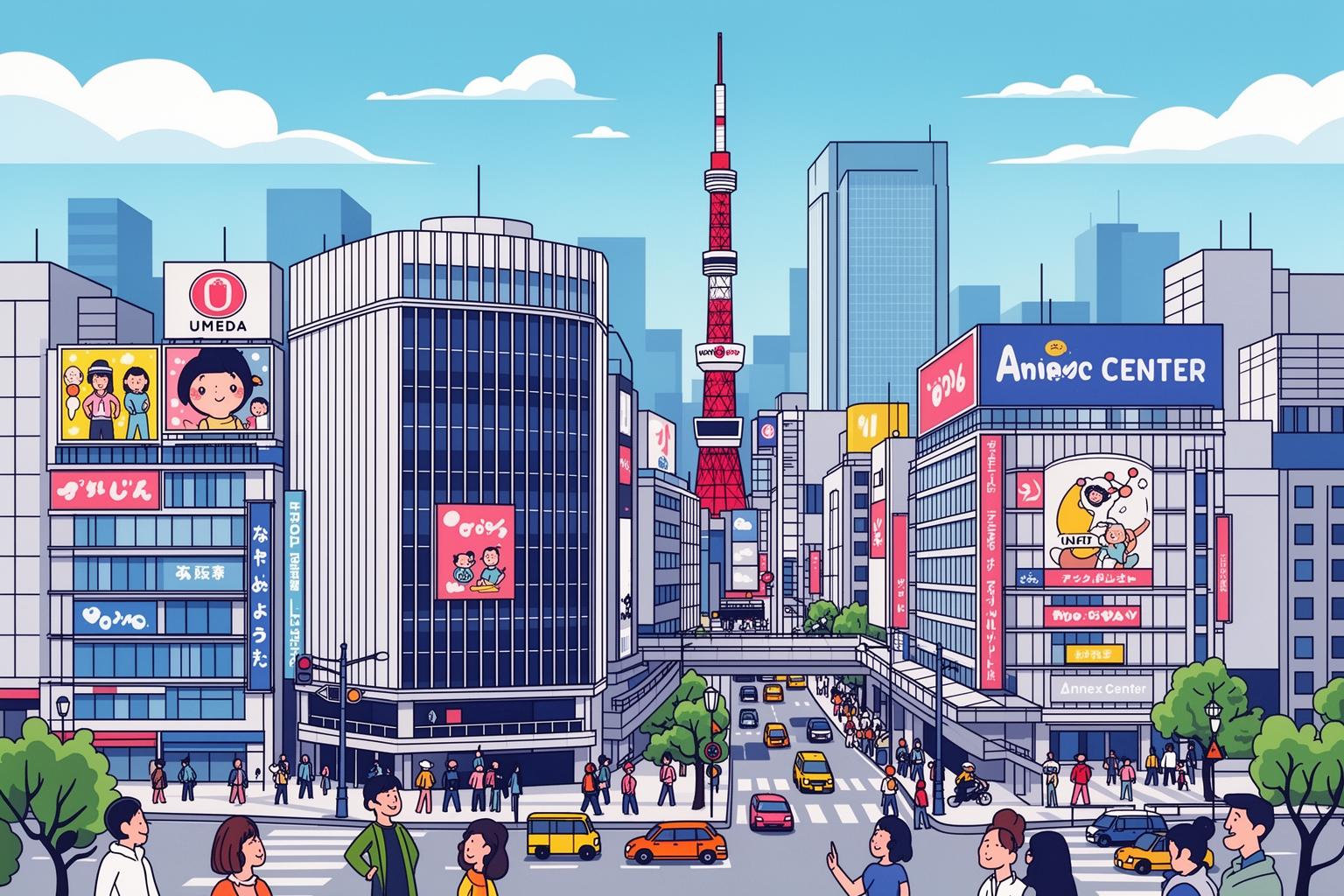
If WeWork represents the new wave of creative, community-focused workspaces, Regus exemplifies the height of professional polish and corporate prestige. Located in the Hankyu Five Annex Building, this business center offers a distinct co-working experience. The atmosphere here emphasizes focused, high-stakes business rather than casual collaboration. Entering the reception area feels like stepping onto the executive floor of a multinational corporation. The decor is sleek and minimalist, featuring a palette of cool grays, polished chrome, and dark wood. The ambiance is quiet and professional—the soft hum of ventilation, the discreet ring of a phone answered by a professional receptionist, and the muted sounds of a serious business negotiation behind a closed boardroom door.
A Hub for Serious Business
Regus targets a specific audience. It serves established companies seeking a satellite office in Osaka, startups wanting a prestigious business address to impress investors, and independent consultants needing access to upscale meeting facilities. The environment is designed for privacy, security, and efficiency. The layout favors private offices and secure suites over large open-plan spaces. Available co-working areas feel more like an exclusive business lounge than a lively common space.
Unparalleled Business Services
Regus truly stands out with its extensive range of business support services. This offering goes far beyond just a desk and an internet connection. The center is staffed by a professional, often bilingual, support team capable of managing a wide array of administrative tasks. These services include mail handling and forwarding, personalized telephone answering, and administrative assistance. For foreign companies aiming to establish a presence in Japan, these offerings are invaluable, providing the infrastructure of a fully staffed office without the significant overhead.
The meeting rooms are equipped with state-of-the-art enterprise-level video conferencing systems, large presentation screens, and everything necessary for flawless client meetings. Booking is effortless through the Regus app, and catering services can often be arranged. Another important service is the virtual office package, which allows businesses to use the prestigious Umeda address on corporate materials while having their mail and calls managed by the Regus team—without needing a physical office. It’s a powerful way to build credibility in the Japanese market.
Strategic Location and Access
Situated just steps from Hankyu Umeda Station, the Regus center is ideally located in Umeda’s commercial heart. Its proximity to one of Osaka’s most luxurious department stores and main Hankyu railway lines makes it extremely convenient for meetings with clients traveling from Kobe or Kyoto. The area abounds with upscale restaurants for business lunches and refined bars for after-work networking.
Pricing at Regus reflects its premium positioning and extensive services. The model predominantly favors monthly and annual contracts for private offices and virtual office packages. Co-working memberships are available, but they cater to clients who prefer a quiet, professional setting over a buzzing social environment. Drop-in day use is occasionally possible but not the primary focus, and advance booking is strongly recommended.
A valuable tip for using Regus is to fully utilize the support team’s expertise. They are an excellent resource. Ask for recommendations on local printing companies, translation services, or the best places to take a client to dinner. Their local knowledge combined with professional training can be a great advantage. Also, dress appropriately. While many co-working spaces adopt a casual dress code, Regus leans toward business professional attire. Aligning with local etiquette will help you make the best impression possible.
For the Budget-Conscious Nomad and Student: The Commons Umeda
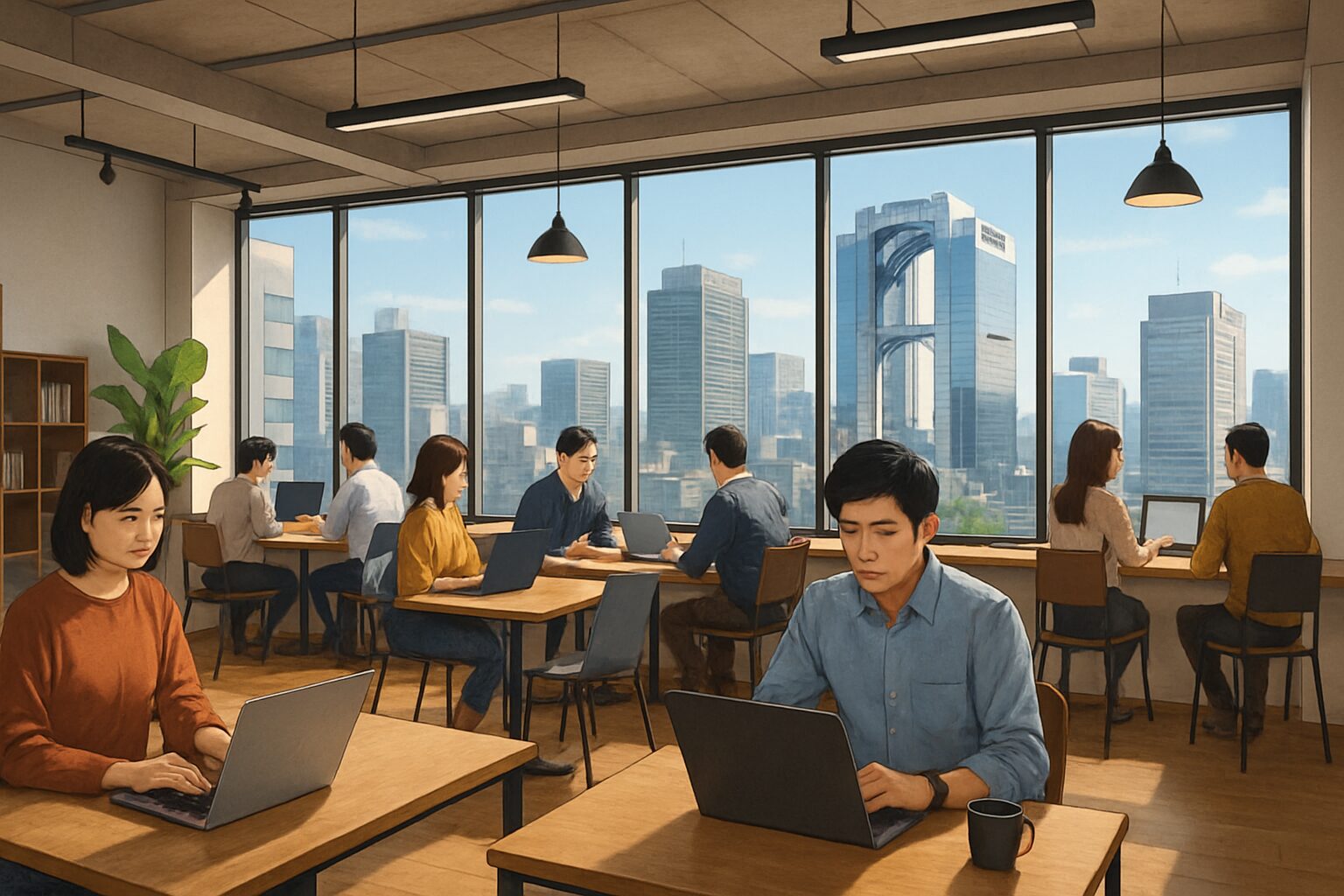
Situated in a somewhat quieter part of the Umeda district, roughly a ten-minute walk from the main station hub toward the quaintly retro Nakazakicho area, you’ll discover a unique type of co-working space. Let’s call it The Commons Umeda. This spot is ideal for digital nomads on a tighter budget, students working on their theses, or bootstrapping entrepreneurs who count every yen. The vibe here contrasts sharply with the corporate sheen of Regus or the carefully curated cool of WeWork. It’s vibrant, eclectic, and unapologetically practical. The style combines industrial-chic with cozy café elements — exposed ventilation ducts, mismatched but comfortable furniture, and plenty of thriving potted plants that lend the space a lived-in, organic atmosphere. The energy is youthful, creative, and collaborative, accompanied by softly playing indie pop and the steady, friendly hum of conversation.
Emphasis on Community and Affordability
The Commons centers around a large communal table that acts as the space’s heart. It’s where connections form, ideas flow, and a genuine community spirit develops. The layout is mostly open-plan to encourage interaction. Although there are a few smaller desks along the walls for those who want a bit more privacy, the focus remains on sharing. Here you’ll find a diverse group: international students from nearby language schools, travel bloggers chronicling their journeys through Japan, freelance programmers building the next big app, and local artists sketching in their notebooks. This melting pot of cultures and disciplines creates a stimulating, dynamic work environment.
Basic but Essential Amenities
To keep costs affordable, The Commons offers straightforward amenities that cover the essentials. The Wi-Fi is fast and reliable — often the main reason people choose it over a café. There’s a self-service drink station with a coffee machine, a selection of teas, and a water cooler. While you won’t find gourmet roasts or fruit-infused water typical of premium spaces, it’s sufficient to keep you going throughout the day. A small shared kitchen area with a microwave and refrigerator lets members bring their own lunches, saving money. There may be one or two small, bookable meeting rooms or phone booths, but these are simple and functional rather than high-tech.
The standout feature is the community-driven event calendar. The Commons often hosts weekly language exchange evenings, skill-sharing workshops where members teach anything from Photoshop basics to Japanese calligraphy, or potluck dinners that bring everyone together. These events are grassroots, organized by and for the members, lending them an authenticity and warmth rarely found in more corporate environments.
Flexible, Accessible Pricing
This is where The Commons truly shines. The pricing is designed with flexibility in mind. You can often pay by the hour, perfect for when you need a few hours of concentrated work between sightseeing. Full-day passes are usually very reasonably priced, offering a major saving compared to working in a café all day. Monthly memberships cost a fraction of what premium centers charge, making it a sustainable choice for long-term nomads or local freelancers. There may also be special discounts for students, reinforcing its role as a hub for the city’s young, aspiring talent.
Making the Most of The Commons
To get the best experience here, embrace the social side. Come ready to chat and network. Bring noise-canceling headphones for focused work, but don’t hesitate to take them off and strike up a conversation with your neighbor. This is how you’ll uncover the best hidden ramen spots, get invited on weekend hikes, or find collaborators for your next project. Be prepared for a DIY approach: you’ll be expected to wash your own cup and keep your space tidy. It’s a truly shared environment, thriving on the mutual respect of its members. The Commons Umeda proves that a productive workspace doesn’t need a premium price — it just needs good internet, good coffee, and great people.
The Unspoken Rules: Navigating Co-working Culture in Japan

Entering a co-working space in Osaka, or anywhere in Japan, involves more than simply finding a desk and connecting to the Wi-Fi. You are stepping into a cultural environment with its own unspoken rules and expectations. Understanding these subtleties will not only make your experience smoother but also demonstrate respect for the local work culture. The central theme is consideration for others and maintaining a harmonious atmosphere, or `wa` (和).
Primarily, there is the concept of silence. Although collaborative spaces naturally have some ambient noise, Japanese co-working spaces typically maintain a much lower volume level than their Western counterparts. People tend to speak softly, and loud, boisterous conversations are uncommon. This is especially true in designated quiet or focus areas. If you need to take a phone call or join a video conference, it is essential to use the provided phone booths or step outside. Taking a noisy call in the main work area is regarded as a serious breach of etiquette. Even notification sounds on your phone and laptop should be muted as a courtesy to those around you.
Cleanliness is another fundamental aspect of shared workspace culture. The principle is to leave a space as clean as, or even cleaner than, when you arrived. This means wiping down your desk before you leave, disposing of trash in the proper segregated recycling bins, and washing any mugs or dishes immediately after use. There is no expectation that cleaning staff will tidy up after you. This collective responsibility contributes to a pleasant and professional environment for everyone.
Greetings hold a subtle but important role. While you do not need to formally introduce yourself to everyone, a quiet nod or a soft `ohayou gozaimasu` (good morning) to staff and those nearby upon arrival is a polite gesture. When leaving for the day, a simple `otsukaresama desu` is the standard farewell. This phrase, which roughly means “thank you for your hard work,” is a fundamental part of Japanese work culture. It acknowledges the shared effort of everyone present and fosters mutual respect.
Regarding networking, the approach is often more reserved and indirect than in many Western cultures. While people are generally friendly, aggressively handing out business cards or launching into a sales pitch upon first meeting may be seen as too forward. The best way to build connections is naturally. Participate in official networking events organized by the space, which provide a formal context for professional introductions. A conversation started casually in the kitchen over coffee is another natural way to connect. Show genuine interest in the other person’s work and be a good listener. Building relationships in Japan is often a slower process, founded on trust and mutual respect over time.
Beyond the Desk: Refueling and Recharging in Umeda
Your productivity isn’t determined solely by the hours you spend at your desk; it’s also driven by the breaks you take, the meals you enjoy, and the inspiration you discover beyond the office walls. Umeda, with its incredible density and diversity, serves as a playground for the senses, offering endless ways to nourish your body and rejuvenate your mind. A workday in Umeda doesn’t have to be a tedious routine—it can be an urban adventure.
The Midday Meal: A Culinary Quest
Lunchtime in Umeda is a delightful experience. For a quick, high-quality, and affordable meal, nothing beats the `depachika`—the vast food halls in the basements of major department stores like Hankyu, Hanshin, and Daimaru. There, you’ll find an impressive selection of bento boxes, ranging from classic grilled fish and rice to intricate multi-course meals prepared with surgical precision. You can also pick up fresh salads, artisanal sandwiches, and pastries from world-class bakeries. It’s the perfect way to enjoy a delicious and efficient lunch, whether you take it back to your desk or savor it in a nearby park.
If you have time for a sit-down meal, the possibilities are endless. Explore the underground maze of Umedaekinaka or Whity Umeda malls to discover dozens of `teishoku` restaurants offering perfectly balanced set meals with a main dish, rice, miso soup, and pickles. For a comforting bowl of ramen, wander the side streets near the station, where small, counter-only shops serve rich, flavorful noodles. If you want to impress a client or treat yourself, head to the upper floors of buildings like Grand Front Osaka or the Herbis ENT complex, where upscale restaurants offer everything from authentic Italian fare to exquisite kaiseki cuisine, all accompanied by breathtaking panoramic city views.
The Coffee Break Ritual
Coffee is the lifeblood of many remote workers, and Umeda’s coffee culture has grown far beyond standard chain cafés. While you can always find a Starbucks or Doutor for a dependable caffeine fix, the area now boasts an increasing number of third-wave coffee shops. Seek out these smaller, independent roasters, often tucked away on quieter floors of shopping complexes or down side alleys. Here, you can watch a barista carefully prepare a pour-over coffee, the ritual itself a moment of zen. These cafés offer a much-needed escape from the hustle—a peaceful corner to enjoy a perfectly crafted latte and reset your mind before returning to work.
After-Hours Unwind
When the workday ends, Umeda truly comes alive. For an authentic Japanese experience, visit one of the `tachinomi` (standing bars) near the train tracks around Osaka Station. There, you can mingle with local office workers, enjoying affordable beer, highballs, and grilled skewers in a lively, no-frills setting. It’s a fantastic way to immerse yourself in local culture and unwind after a long day.
If you prefer something more refined, Umeda has some of the city’s finest cocktail bars. Ascend to the top floors of luxury hotels like the InterContinental or The Ritz-Carlton to enjoy meticulously crafted cocktails alongside stunning nighttime views of the sparkling cityscape. These serene, elegant venues feel worlds away from the busy streets below.
For a mix of both, Higashi-Umeda offers a dense network of izakayas—traditional Japanese pubs serving a wide range of small dishes and drinks. It’s an ideal spot for an evening out with colleagues or new friends from your co-working space, enjoying good food and conversation in a relaxed atmosphere.
A First-Timer’s Field Guide to Co-working in Umeda

Entering Umeda’s co-working scene for the first time can be both exciting and a bit intimidating. Here are some practical tips to help you navigate your first day like a seasoned professional and get the most out of your new workspace.
First, always try to reserve your spot in advance. While some casual spaces may welcome walk-ins, popular locations—especially for day passes—can fill up quickly. Most co-working spaces offer an online booking system, which ensures your place and avoids the disappointment of being turned away. For meeting rooms, advance reservations aren’t just recommended; they’re essential, sometimes requiring days or even weeks ahead to secure prime time slots.
When packing your bag, consider a few Japan-specific essentials. A small hand towel, or `tenugui`, is very handy, as public restrooms often lack paper towels or hand dryers—a local custom encourages carrying your own. Although your workspace will provide Wi-Fi, having a pocket Wi-Fi device or a local SIM card with data is a good backup and vital for getting around the city. Also, bring your power adapter and any necessary cables. While some spaces offer loaners, it’s safest to have your own.
Be ready for various payment methods. Most large, corporate-style centers accept major international credit cards. However, smaller, independent spaces might be cash-only or prefer payments via local transit IC cards such as ICOCA or Suica. It’s wise to carry some yen just in case.
Finally, don’t hesitate to ask for help. Community managers and staff at co-working spaces are there to improve your experience. Whether you need help with the printer, lunch recommendations, or understanding a local custom, just ask. They are usually friendly and happy to assist, especially foreign visitors. Their role is to create a welcoming and productive community, and you’re part of it—even if only for a day. Embracing this spirit of mutual support is the key to making the most of your co-working experience in Umeda.
Conclusion: Your Umeda Launchpad
Umeda is more than a collection of towering buildings and busy train stations. It is a vibrant ecosystem of ambition, creativity, and connection. For today’s professionals, it offers a powerful current to harness. The district’s co-working spaces serve as gateways to this energy, providing essential desks and Wi-Fi, but more importantly, fostering curated communities and sanctuaries of focus amid the urban buzz. From the sleek professionalism of a high-rise business center to the lively atmosphere of an affordable common room, there is a space that suits every work style and aspiration. Choosing the right one goes beyond logistics; it’s about finding the environment that empowers you to do your best work. So come, connect to the grid, find your rhythm in the city’s vibrant pulse, and let Umeda’s dynamic spirit be the springboard for your next great idea, successful venture, or exciting chapter in Osaka’s lively story.