
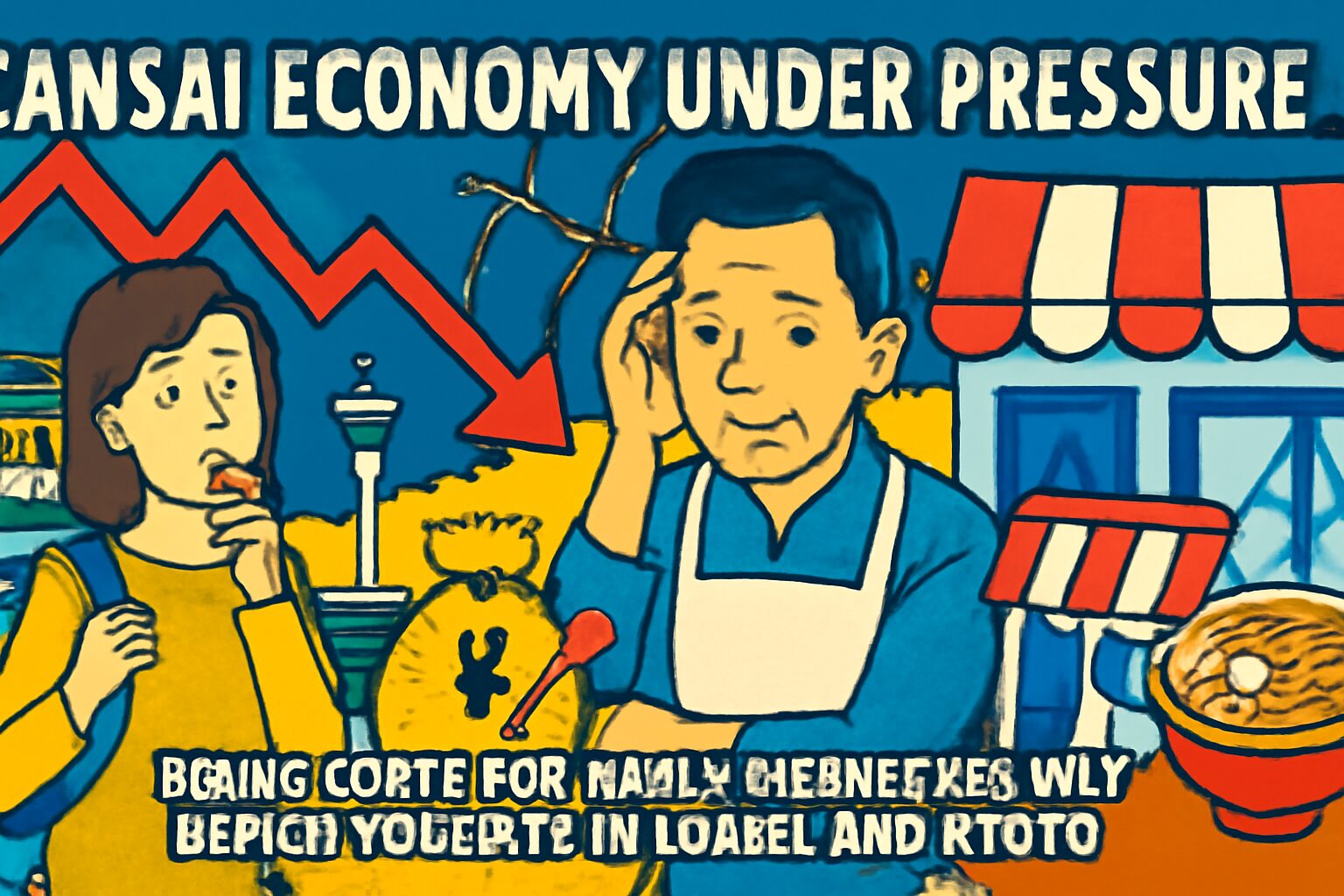
A Looming Challenge for Local Shops and Eateries
A recent survey is sending ripples of concern through the Kansai region, a beloved destination for travelers worldwide. According to a report released on May 16, 2026, a staggering over 80% of small and medium-sized enterprises (SMEs) in Kyoto are suffering from the negative impacts of soaring material and procurement costs. This economic pressure on the backbone of the local economy could soon be felt by visitors enjoying the vibrant streets of Osaka and the historic alleys of Kyoto.
This isn’t just a local issue. The rising costs are linked to a complex web of global factors, including instability in the Middle East, which affects energy and shipping prices, and ongoing currency fluctuations that make imported goods more expensive. For a region like Kansai, where countless family-run restaurants, artisan workshops, and unique souvenir shops define its charm, this situation poses a significant threat.
The Story Behind the Price Tags: Why Costs Are Soaring
The Kansai economy is heavily reliant on its dense network of SMEs. These businesses, from the takoyaki stand in Dotonbori to the traditional craft store in Gion, are more vulnerable to sudden shifts in operating costs compared to larger corporations.
The primary drivers behind the current cost surge are:
- Global Supply Chain Disruptions: Geopolitical tensions, particularly in the Middle East, have a direct impact on fuel prices. This increases the cost of transporting everything from fresh ingredients for your okonomiyaki to the raw materials needed for handmade crafts.
- Rising Material Costs: The price of essential commodities, including flour, cooking oil, metals, and textiles, has been on an upward trend globally. Local businesses have no choice but to absorb these increases.
- A Weakening Yen: While a weaker yen can be attractive for inbound tourists, it significantly raises the cost of imported materials for Japanese businesses, further squeezing their profit margins.
What This Means for Your Next Trip to Kansai
Travelers planning a visit to Osaka, Kyoto, Kobe, or Nara should be aware of the potential impacts this economic pressure might have on their experience.
Potential Price Increases
The most direct effect will likely be a modest increase in prices. To stay in business, many small shops and restaurants may have to adjust the price of their goods and services. That “one-coin” (500 yen) lunch or your favorite bowl of ramen might cost a little more as owners struggle to cover their expenses without compromising on quality.
Changes in Menus and Product Availability
Some businesses might opt to change their offerings. This could mean:
- Restaurants may temporarily remove dishes that rely on expensive, hard-to-source ingredients.
- Shops might reduce the variety of their products, focusing on items with more stable supply chains.
- The unique, handcrafted souvenirs that make for a perfect memento could become scarcer or more expensive as artisans face higher material costs.
A Test of Resilience for Beloved Local Spots
The worst-case scenario is the potential closure of some cherished local establishments. The financial strain could prove too much for some smaller, family-owned businesses that have been serving their communities for generations. The loss of such places would not only be a blow to the local economy but would also diminish the unique cultural fabric that makes Kansai so special.
Looking Ahead: Supporting the Heart of Kansai
This situation highlights the delicate connection between global events and the local experiences cherished by travelers. While the future is uncertain, the resilience and ingenuity of Kansai’s business owners are well-known. Many are already exploring ways to adapt, from sourcing local ingredients to developing new, innovative products.
As a traveler, one of the best ways to help is to continue supporting these small, independent businesses. Choosing to dine at a local eatery, buying a craft from a family-run shop, or simply understanding the economic realities they face can make a real difference. By doing so, you not only get a more authentic travel experience but also contribute to the vitality and survival of the culture and community that make Kansai an unforgettable destination.








