Your first few weeks in Osaka can feel like a financial puzzle. You arrive hearing tales of a city more affordable than Tokyo, a haven for the budget-conscious. Then you walk into a pristine, brightly lit supermarket, pick up a perfect, plastic-wrapped apple, and see a price that makes you question everything. You find yourself wandering through a department store basement, a dazzling food hall where single strawberries sit nestled in soft beds like precious jewels, each with an eye-watering price tag. This isn’t the affordable paradise you were promised. This is the polished, predictable, and pricey side of Japanese retail. You start to wonder, is the reputation a myth? Is living in Osaka actually just as expensive?
The answer, and the key to unlocking the city’s true economic rhythm, isn’t found under the fluorescent lights of a national chain. It’s under the covered roofs of the sprawling, chaotic, and profoundly human shopping arcades known as shotengai. These are not mere relics or tourist traps; they are the vibrant, beating heart of Osaka’s economy and its community. To master the shotengai is to master the art of living well for less in this city. It requires more than just a willingness to carry cash; it demands a shift in mindset, an understanding of the merchant soul that defines Osaka. This guide isn’t just about where to buy cheap vegetables; it’s about learning the language of value, the dance of daily commerce, and the unspoken rules that turn a simple shopping trip into an exercise in cultural immersion. This is your entry point into the real, everyday Osaka, a world away from the curated perfection of the department store. To get you started, here is the entrance to one of Osaka’s most famous and longest shotengai, a true representation of this culture.
Delving into the shotengai not only unlocks local bargains but also invites you to discover Osaka’s hidden cafés and workspaces tucked away in its urban landscape.
The Soul of Osaka Commerce: More Than Just a Shopping Street
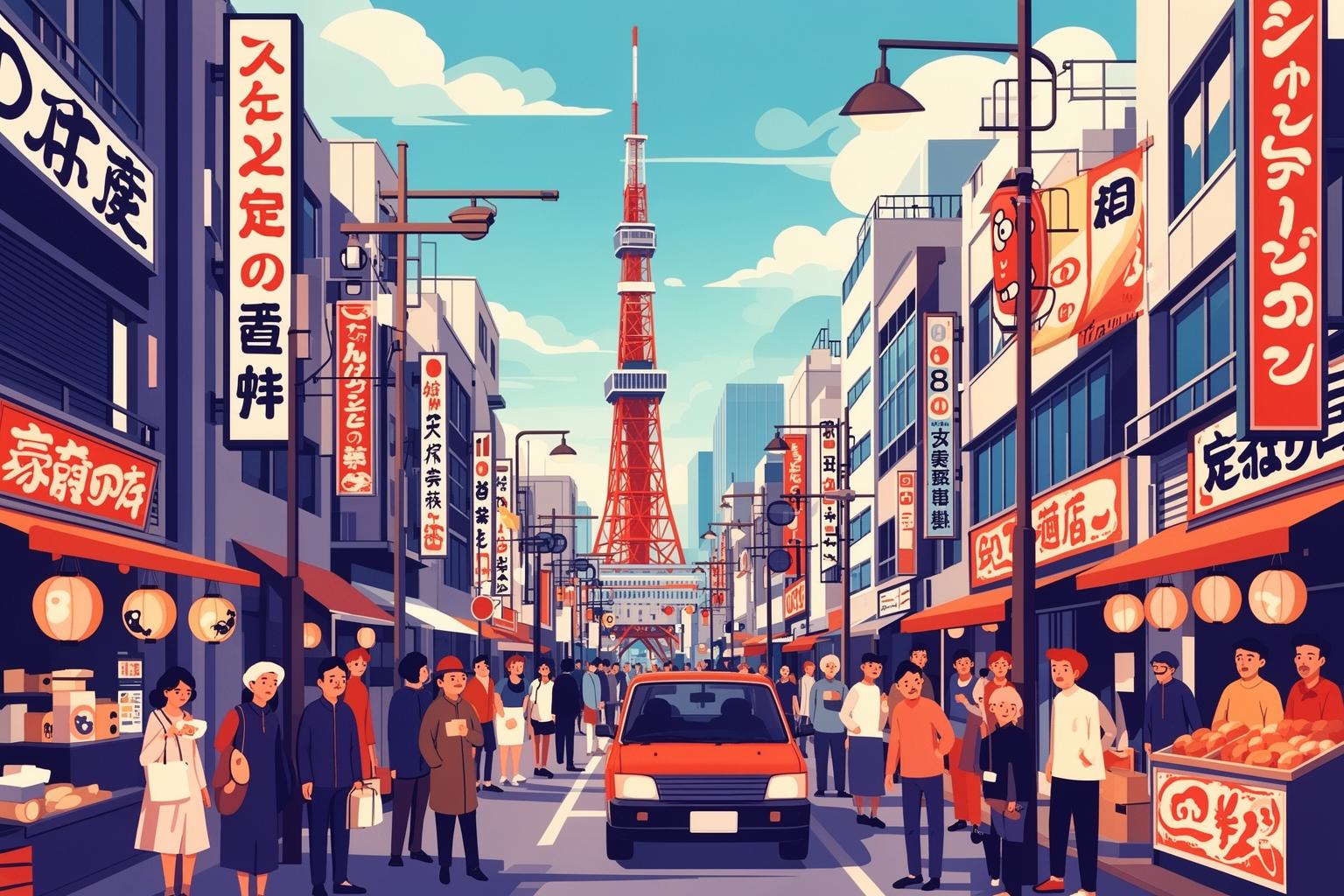
To truly understand the shotengai, you first need to grasp the essence of Osaka. This city was founded by merchants and, for centuries, was known as Tenka no Daidokoro, the Nation’s Kitchen—the central hub for gathering, storing, and trading rice and goods from across Japan. That commercial spirit runs deep. Whereas a shotengai in Tokyo might seem like a charming, nostalgic relic preserved for its quaintness, in Osaka, it serves as a frontline economic battleground. It is where small, independent business owners fight for their survival against corporate giants, armed with the values Osakans cherish most: quality, personality, and, above all, unbeatable value.
Why the Shotengai Thrives in Osaka
The shotengai’s survival is closely linked to the Osaka mindset. People here have an almost religious devotion to kosupa, or cost performance. This isn’t about being cheap. A cheap product that breaks easily or tastes bland is a waste of money—and wasting money is a cardinal sin. Kosupa refers to the thrill of the hunt, the deeply satisfying joy of finding something excellent at a price that feels like a win. An Osakan will proudly share the story of the delicious sashimi they bought for half the supermarket price or the durable pair of pants they snagged for a few hundred yen. The story isn’t just about the item; it’s about winning the deal. This mentality creates a market where shotengai vendors, who can adjust prices and stock daily according to market shifts, outmaneuver the rigid, centrally-managed pricing of large supermarket chains. They are agile, responsive, and perfectly attuned to their customers’ needs.
The Unspoken Language of a Bargain
Entering a lively shotengai overwhelms the senses. You hear vendors calling out—“Yasui de, yasui de!” (It’s cheap, it’s cheap!) or “Makete okuyo!” (I’ll give you a discount!). You smell the sweet soy sauce from grilled eel at one stall and the salty brine of freshly pickled goods at another. You see handwritten signs, a chaotic mix of numbers and characters scribbled in bold marker, advertising the day’s deals. This atmosphere embodies another crucial concept: neuchi (値打ち). It’s a term that captures more than price; it means worth or value. An item with good neuchi isn’t merely inexpensive; it’s a smart buy. Osakans possess a keen instinct for neuchi, and the shotengai is where they put it to use. They aren’t passive shoppers; they are active participants in a daily economic drama, with a good purchase as the triumphant finale.
Deconstructing the Shotengai Ecosystem
Not all shops in a shotengai are alike. A typical arcade is a complex ecosystem of specialists, each playing an essential role. For a newcomer, learning to navigate this world is the first step toward meaningful savings. The foundation of this ecosystem is what I call the Holy Trinity of fresh food specialists: the vegetable stand, the fishmonger, and the butcher.
The Holy Trinity: The Yaoya, Sakana-ya, and Niku-ya
These three types of shops showcase the most noticeable price differences compared to supermarkets and offer opportunities to build relationships that yield great benefits.
The Vegetable Stand (八百屋, Yaoya)
Forget about neat, uniform rows of polished vegetables. The yaoya is a charming chaos. Wooden crates and styrofoam boxes overflow with seasonal bounty. Daikon radishes, still with traces of earth, are piled high. Bags of bean sprouts, glistening with moisture, sell for a pittance. The owner, often a man or woman with a loud voice and worn hands, is a walking encyclopedia of produce. They know which spinach is sweetest today and which tomatoes are best suited for sauce versus salad. Prices are dynamic, usually displayed on cardboard signs updated throughout the day. A key strategy for living in Osaka on a budget is visiting the yaoya an hour before closing. Vendors often bundle remaining stock into “lucky bags” or slash prices to ensure nothing goes to waste. The quality remains excellent, but the value becomes unbeatable. This is where you learn the rhythm of the seasons and the day.
The Fishmonger (魚屋, Sakana-ya)
For many foreigners, buying a whole fish can feel daunting. Supermarkets offer the comfort of pre-cut, pre-packaged fillets. The sakana-ya provides something better: expertise. The fishmonger stands before a bed of ice covered with whole fish, their eyes clear and gills bright red—the universal signs of freshness. They are masters of their craft. You can point to a horse mackerel (aji) and ask for it to be prepared for sashimi, and they will skillfully scale, gut, and fillet it with a few deft cuts of a long, sharp knife, handing you a tray of perfect slices ready to eat. They’ll advise which fish is best for grilling or simmering. This service, this access to specialized knowledge, is part of the neuchi. You’re not just buying fish; you’re purchasing a perfectly prepared meal component plus a free cooking lesson. Building rapport here can mean they’ll set aside a particularly good piece for you or give you a heads-up on a fresh catch.
The Butcher (肉屋, Niku-ya)
The local butcher is a cornerstone of neighborhood life. They offer fresh cuts of pork, beef, and chicken, often at prices well below the supermarket. But the true secret weapon of the niku-ya is their counter of sozai—pre-prepared side dishes. The most iconic is the korokke (croquette), a deep-fried patty of mashed potato and minced meat. For about 100 yen, you get a hot, savory, and hearty snack or a side dish for dinner. You’ll also find karaage (fried chicken), tonkatsu (pork cutlets), and menchi-katsu (minced meat cutlets). On days when you’re too tired to cook, the butcher’s sozai counter is a lifesaver. It’s far cheaper, and often tastier, than a convenience store bento. This is how Osaka families eat well on a budget.
Beyond Groceries: The Rest of the Universe
The shotengai is more than just a fresh market. It’s a self-contained commercial world. You’ll find old-school pharmacies (kusuriya) where the pharmacist offers far more personalized advice than a chain drugstore clerk. There are family-run tea shops (ochaya), tofu makers ladling fresh tofu straight from vats of water, and shops selling tsukemono (pickles) from massive wooden barrels. You’ll discover stores selling dried goods, seaweed, and seasonings, often in bulk. And of course, there are clothing shops—not selling high fashion, but practical, durable, and incredibly affordable everyday wear. These shops thrive because they meet the community’s fundamental needs, building loyalty through generations of reliable service and fair prices.
The Rules of Engagement: How to Shop Like an Osakan
Successfully navigating the shotengai is a skill that goes beyond simply selecting items and paying for them. It’s both a social and strategic experience, and understanding the unspoken rules will not only help you save money but also make the visit much more enjoyable.
Cash is King, but Conversation is Gold
Although Japan is gradually adopting digital payments, shotengai still largely operate on cash. Many small, family-owned shops work with tight margins and prefer avoiding credit card fees. Always carry enough yen in your wallet. However, your demeanor is even more important than your money. Unlike the typically quiet, anonymous exchanges at Tokyo supermarkets, shopping here is an interactive experience. Begin with a straightforward greeting—“Konnichiwa!”. Don’t hesitate to ask questions. Saying “Kyo no osusume wa nan desu ka?” (What’s your recommendation for today?) is a wonderful phrase. It shows appreciation for the vendor’s knowledge and invites conversation. Even a brief remark about the weather can help break the ice. This small effort changes you from an anonymous customer into a familiar face in the neighborhood, and that’s when the real charm unfolds.
Decoding the Price Tags and the “Omake” Culture
Pricing in shotengai is a nuanced art. Look out for bundled offers—three onions for 100 yen, or five bell peppers in a bag for 200 yen. Such deals usually offer better value than buying items individually. Handwritten signs often highlight special discounts of the day, so keep an eye out for them. As closing time nears, vendors typically call out last-minute markdowns. The most treasured aspect of shotengai shopping, however, is the omake—a small freebie a vendor may slip into your bag, like a sprig of parsley, an extra potato, or a handful of ginger. An omake is never requested; it’s a gift symbolizing goodwill. It’s the vendor’s way of saying, “Thanks for being a loyal customer.” This warm, human gesture is something you won’t find at corporate self-checkouts and contrasts sharply with the formal, by-the-book transactions typical elsewhere in Japan.
Know Your Rhythm: When to Shop for the Best Deals
Timing is key. For the best selection and freshest produce, shop in the morning when stores have just opened. This is also when local restaurant chefs often come to shop. If saving money is your goal, the ideal time is late afternoon—from around 4 PM until closing. At this time, vendors start evaluating their perishable stock and thinking about the following day. Prices on fish, tofu, and prepared foods begin to drop. The atmosphere in the shotengai changes—the calls grow louder, and the pace more urgent. Joining this evening rush offers a quintessential Osaka experience and a lesson in savvy budget shopping.
Shotengai vs. Supermarket: A Tale of Two Cities (in One)

Living in Osaka doesn’t mean you have to completely give up supermarkets. They serve a purpose. However, recognizing the trade-offs between the two options is essential to understanding the city’s dual character.
The Supermarket’s Role: Convenience at a Cost
Supermarkets such as Mandai, Life, or the budget-friendly Gyomu Super offer undeniable convenience. You can find everything from toilet paper to cheese and wine all in one location. They accept credit cards and have long, consistent hours. This is where you shop for your pantry staples, dairy products, and international ingredients that the shotengai might not stock. However, this convenience comes at a price. Produce is often shipped from central distribution centers, meaning it is not as fresh as what you would find at the yaoya. The personal touch is lost, replaced by efficiency and standardization.
The Osaka vs. Tokyo Shopping Mindset
This contrast highlights a fundamental difference between Osaka and Tokyo. Tokyo’s consumer culture often values polish, presentation, and brand prestige. The epitome of this is the depachika, the dazzling food hall located in the basement of a luxury department store. There, you’ll find perfect fruit in gift boxes and exquisite sweets from renowned patisseries. It’s a beautiful, curated experience—but it comes with a hefty price. Osaka culture, conversely, is grounded in pragmatism. Osakans are more impressed by substance than style. They take pleasure in the inherent quality of the product and the smartness of the purchase. They’d prefer a bag of delicious, slightly imperfect tomatoes bought at a bargain rather than a single flawless, overpriced tomato from a fancy store. This isn’t to say Osakans don’t value quality—they absolutely do—but they resist paying for unnecessary extravagance. This pragmatic attitude toward value is perhaps the most important aspect for foreigners to understand about what makes Osaka a great place to live.
What Foreigners Often Get Wrong
Newcomers sometimes misread the direct, no-nonsense manner of some shotengai vendors as rudeness or impatience. It’s rarely personal. These are busy individuals running their businesses, often alone. Their communication style is efficient. They don’t have time for hesitation. Once you demonstrate that you’re a decisive customer who knows what you want and engage with a bit of Japanese, that seemingly stern exterior often melts into unexpected warmth and generosity. Another common misconception is thinking that aggressive haggling, like in some other Asian markets, is expected. While prices on used electronics in Den Den Town might be negotiable, bargaining over daily groceries is not typical. The deal is reflected in the vendor’s pricing, daily specials, and the possibility of an omake. The skill lies in recognizing value, not creating it through negotiation.
Putting It All Together: Your First Week’s Shotengai Strategy
Feeling ready to jump in? Don’t be daunted. Approach the shotengai with a simple, step-by-step mindset.
The Exploration Phase
For your first trip to your local shotengai, leave your wallet behind. Your sole objective is observation. Stroll through the entire arcade. Engage your senses. Which yaoya attracts the biggest crowd of local grandmas? That’s often the spot with the best prices. Which fishmonger’s stall appears the cleanest and smells of fresh sea air, not old fish? Which butcher has a line forming for their 5 PM korokke? Take mental notes. This reconnaissance will help you map out your neighborhood’s commercial layout and boost your confidence for your initial purchases.
The Hybrid Approach for Modern Life
Embracing the shotengai doesn’t mean completely giving up supermarkets. The most practical and effective method is a hybrid approach. This is how most smart locals shop.
- Shotengai: Visit 2-3 times a week for perishables. Purchase your vegetables, fruits, fish, meat, and tofu from specialists. You’ll enjoy better freshness and quality at a lower cost.
- Supermarket/Drug Store: Shop here once a week or less for everything else. Stock up on milk, eggs, yogurt, pasta, soy sauce, cooking oil, cleaning supplies, and paper goods.
This strategy offers the best of both worlds: the cost savings and community atmosphere of the shotengai, combined with the convenience and wide selection of the supermarket. It’s the ultimate kosupa lifestyle.
From Customer to Community Member
Ultimately, mastering the shotengai is about more than just finances. It’s about integrating yourself into your local community. It’s the small moments—the nod from the pickle lady, the butcher asking how your day went, the vegetable vendor remembering you prefer a certain mushroom. These connections root you in your neighborhood. You stop being an anonymous outsider and become a familiar face, part of the daily rhythm. When you reach that stage, you’ll realize you’re not just saving money. You’re building a life. And you will have uncovered the true, beating heart of Osaka.