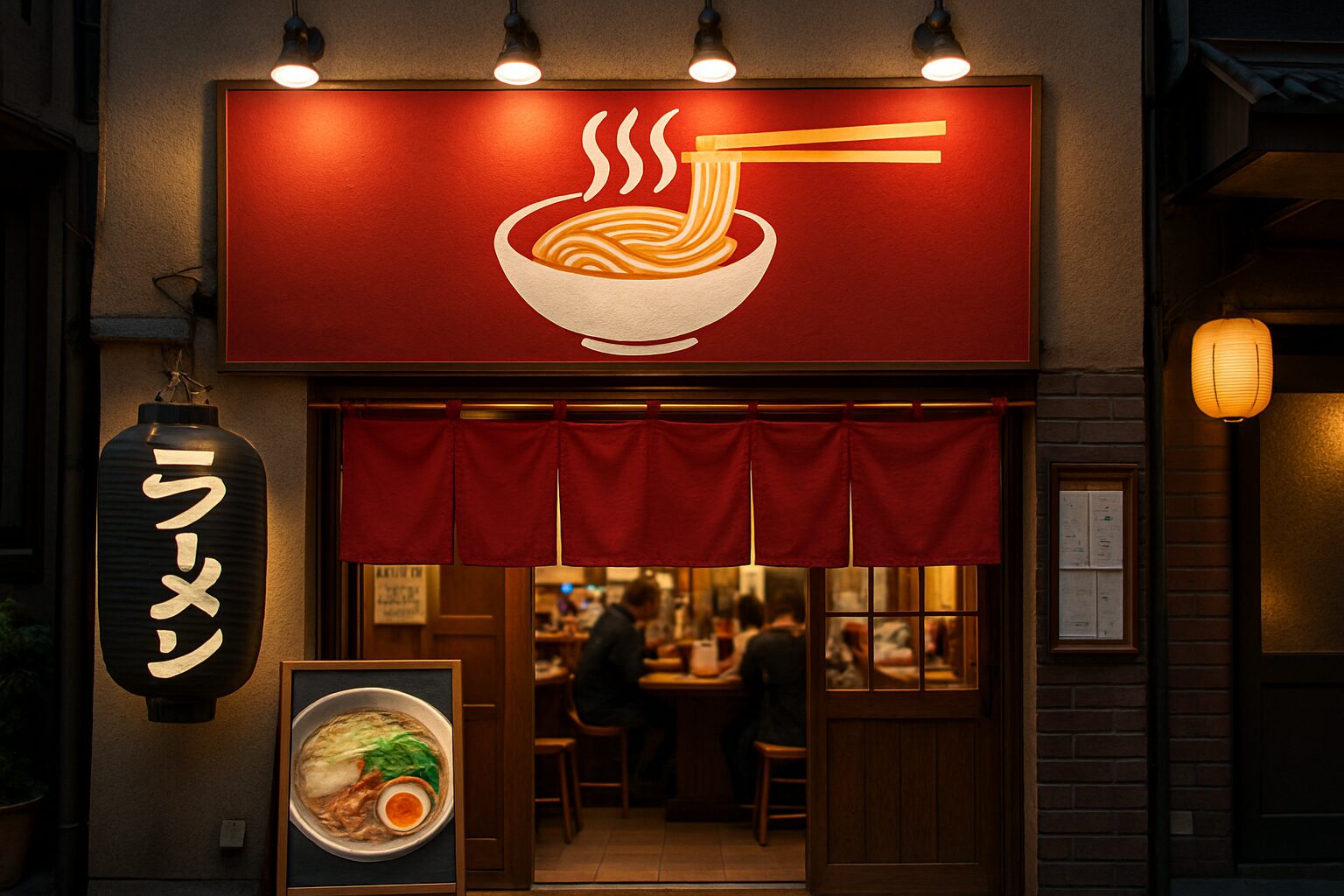
The train pulls away with a familiar sigh, its rhythmic clatter fading into the dense Osaka air. You step onto the platform at Nakatsu Station, and for a moment, the world feels… different. Just sixty seconds ago, you were immersed in the glittering, chaotic, vertical universe of Umeda, a place of dizzying department stores and rivers of people flowing through subterranean canyons. Here, one stop north on the Midosuji subway line, the sky opens up. The noise is softer, the pace more human. This isn’t a destination you’ll find in the glossy travel brochures, yet for those who listen to the whispers of culinary pilgrims, Nakatsu is a hallowed ground. This is Osaka’s ramen crucible, a fierce, concentrated battleground where noodle masters forge their legacies in clouds of steam and cauldrons of simmering broth. It’s a neighborhood defined not by skyscrapers, but by the length of the queues snaking from its unassuming storefronts, a testament to the city’s unwavering devotion to the perfect bowl.
To understand Nakatsu is to understand that in Osaka, food is not merely sustenance; it’s a language, a religion, an identity. And in this compact, lived-in district, ramen speaks with a thousand distinct dialects. It’s a place where the pursuit of a single dish reaches the level of high art, where artisans dedicate their lives to the alchemical balance of noodles, soup, and toppings. This is where you come to taste the soul of the city, not in a grand, formal dining room, but hunched over a wooden counter, lost in the universe contained within a ceramic bowl. Forget the tourist trails for an afternoon. Your real journey into the heart of Osaka’s vibrant food culture begins right here, in the quiet, delicious, and utterly intoxicating streets of Nakatsu.
While the ramen bowls of Nakatsu are a modern culinary obsession, the city’s deep connection to ceramics, which shape the very vessels for this art, is explored in our feature on Osaka’s legendary ceramic heritage.
The Soul of Nakatsu: Beyond the Concrete Canopy
To truly savor the ramen, you must first grasp the setting where its story plays out. Nakatsu is a neighborhood living in the shadow of giants. To the south, the Umeda Sky Building soars into the clouds, a symbol of futuristic ambition. Elevated train tracks, belonging to both the Midosuji subway line and the private Hankyu railway, intersect overhead, casting long, shifting shadows across the streets below. The sounds of Nakatsu compose a symphony of urban life and intimacy: the deep rumble of a train passing above, the cheerful jingle of a bicycle bell, the distant cry of a siren, and the soft murmur of conversation from behind the fabric noren curtains of a neighborhood eatery. It is a place of contrasts, where sleek modern apartment buildings stand alongside weathered two-story wooden houses, their balconies overflowing with potted plants. The streets are narrow, winding, and designed on a human scale, inviting exploration without a map. This is not a polished, curated version of Japan; it is beautifully, genuinely real. You see laundry hanging out to dry, a grandmother sweeping her doorstep, children playing in a tiny park nestled between buildings. It is this authenticity, this lack of pretense, that creates the perfect fertile ground for ramen shops that are equally sincere and uncompromising. These shops aren’t here for show; they exist to serve the local community—office workers, students—the people who understand the difference between good and sublime.
Strolling through Nakatsu feels like peeling back the layers of Osaka. You step away from the overwhelming sensory overload of the main tourist hubs and instead enter a subtler, richer experience. You notice the small details: the intricate tile work on an old storefront, the scent of incense drifting from a small, nearly hidden shrine, the vivid colors of produce at a family-run grocer. This environment nurtures a particular kind of business—small, independent, and deeply passionate. The ramen masters of Nakatsu are not corporate chefs but artisans, working in compact kitchens where every movement is deliberate and efficient. They have chosen this neighborhood not only for its strategic location but for its spirit. It is a place that values substance over style, where reputations are built bowl by bowl, day by day, through decades of tireless dedication.
The Crucible of Broth: Why Nakatsu Became a Ramen Legend
Why here? How did this humble residential neighborhood become an undisputed ramen capital? The answer lies in a perfect blend of geography, economics, and the insatiable appetite of Osaka. Its clearest advantage is its proximity to Umeda, one of Japan’s largest business and transportation centers. Each day, hundreds of thousands of office workers, shoppers, and commuters pass through Umeda, creating a vast, hungry audience with a refined palate. Nakatsu is close enough to tap into this constant flow of customers, yet far enough away to offer a vital benefit: more affordable rent. This economic fact is the secret ingredient behind Nakatsu’s success. While the soaring costs in Umeda might compel restaurants to stick to safe, crowd-pleasing, generic dishes, Nakatsu’s lower overhead gives chefs the freedom to specialize, experiment, and perfect a single style of ramen without the crushing pressure of corporate financial targets. It enables a lone chef with a dream and a secret recipe to open a small, eight-seat counter and compete with the giants.
This freedom has fostered a remarkably diverse ecosystem. Within a few square blocks, you can find ramen representing the full spectrum of the craft. Some shops have been carefully preserving the delicate, nostalgic flavors of classic chuka soba for generations. Just around the corner, a new-wave master might be deconstructing the tradition, crafting a creamy chicken paitan that feels both familiar and groundbreaking. And down another alley, a culinary maverick is brewing a pork-bone tonkotsu so rich and intense it seems to defy the laws of physics. This concentration of excellence creates a network effect. One legendary shop puts Nakatsu on the map, drawing ramen enthusiasts from across the country. This surge of knowledgeable customers fuels demand for even higher-quality ramen, which in turn attracts more talented chefs eager to prove themselves in the toughest arena. It’s a self-sustaining cycle of competition and innovation, a culinary arms race where the only winner is the hungry pilgrim who made the journey. Osakan diners are notoriously selective—they are said to be willing to spend lavishly on good food, a trait called kuidaore, or ‘to eat oneself into bankruptcy.’ They tolerate no mediocrity and will queue for hours in the rain for a bowl that is truly exceptional. This demanding crowd has kept Nakatsu’s masters at the top of their game, ensuring every bowl served vies for the throne.
The Pilgrimage Begins: Kadoya Shokudo, A Testament to Timeless Perfection
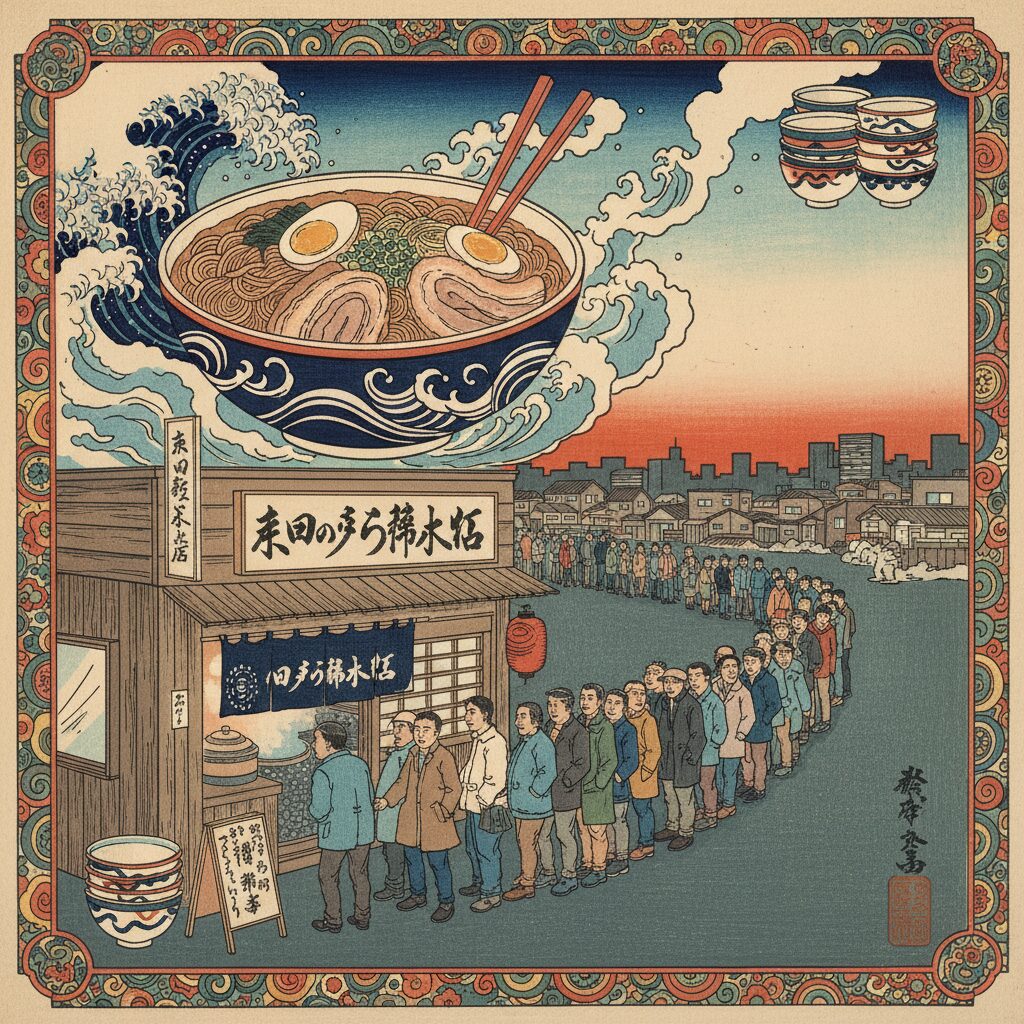
Our exploration of Nakatsu’s ramen scene must begin with a legend: Kadoya Shokudo. Finding it is part of the experience. Hidden on a street that feels more residential than commercial, it makes itself known not through a flashy sign, but by the quiet, respectful line of people that inevitably forms before it opens. The building is modest, with a traditional dark wood facade and a simple indigo-blue noren curtain displaying the shop’s name in elegant white calligraphy. This is not a place that demands attention; it quietly promises a quality so profound that it requires no advertisement.
The Approach: A Pact of Silence and Anticipation
Waiting in line at Kadoya Shokudo is an experience in itself. There’s no loud chatter, no one scrolling impatiently on their phones. There is a shared understanding among those who wait: they are here for the same reason—a pilgrimage to enjoy a bowl regarded by many as the pinnacle of classic ramen. As the line slowly moves forward, your anticipation builds with each step. The faint, clean, savory aroma of the broth drifts through the curtain. You see the focused expressions of those leaving, their faces glowing with serene satisfaction. The wait is not a nuisance; it is a mental preparation, a transition from the noise of the outside world into the calm sanctuary within. It offers a moment to clear your palate and your mind, readying yourself to fully appreciate the craft you are about to witness and savor. The expectation is high, but the quiet confidence of the place assures you it will be fulfilled.
Inside the Sanctuary: Wood, Steam, and Focus
Passing through the noren curtain is like stepping back in time. The outside world fades away. The interior is warm, intimate, and impeccably clean, centered around a long, L-shaped counter of gleaming polished wood. The space is small, seating perhaps a dozen people at most. There is no music, only the soft, rhythmic sounds of the kitchen: the hiss of boiling water, the sharp rap of the master shaking excess water from noodle baskets (tebo), and the gentle clink of ceramic bowls set on the counter. Every action is deliberate, efficient, and graceful. Behind the counter, the master and apprentices move with balletic precision born of countless hours of repetition. Their faces show deep concentration, their white uniforms spotless. Here, you are not just a customer; you are a privileged audience member, watching the performance of a master craftsman. You purchase your ticket from a small, unassuming machine near the door—a simple transaction that belies the complexity of what you are about to receive. Handing your ticket to an assistant, you take your seat and become part of the quiet, focused scene.
The Bowl Arrives: A Study in Clarity
Then, it is set before you: the Chuka Soba at Kadoya Shokudo. A vision of minimalist perfection, a masterpiece of restraint. There are no flashy gimmicks or towering piles of toppings to conceal the core. Every element in the bowl is essential and flawless. The broth is the first thing to catch your eye—a clear, amber liquid that shimmers under soft lighting. So transparent, you can see the noodles nested perfectly at the bottom. The surface glistens with a delicate layer of schmaltz, or chicken fat, which traps the aroma and adds richness. The noodles are folded with breathtaking precision, a testament to the chef’s meticulous care. Atop rest several large, impossibly thin slices of chashu pork, their edges tinged with the dark soy of their marinade. A few strips of dark, glossy menma (fermented bamboo shoots) offer textural contrast, complemented by a spiral of bright green onion. At the center, a single iconic slice of narutomaki fish cake with its cheerful pink swirl pays homage to the dish’s humble origins. This is not merely food; it is an edible work of art where every element exists in perfect harmony.
Deconstructing Genius: The Taste of Kadoya
Lifting the spoon for the first sip of broth is a moment of revelation. Its flavor is deep, complex, and profoundly clean. It is built on a base of high-quality Satsuma-jidori chicken and Kurobuta pork, simmered for hours with kombu and other secret ingredients to draw out every ounce of umami. The seasoning, the tare, is a blend of premium soy sauces from Wakayama, lending savory depth without a hint of harsh saltiness. The soup feels both powerful and gentle, coating your mouth with waves of pure, unadulterated flavor. It is the taste of honesty. Then come the noodles. Made in-house, these straight, medium-thin strands are a marvel of texture. They possess perfect koshi, a firm yet satisfying chewiness that reflects the quality of the flour and precision of their craft. They glide smoothly through the broth, carrying its elegant flavor with every strand, never becoming soft or waterlogged. They are the ideal vehicle for the soup. Then there is the chashu. Sourced from premium Kagoshima black pork, sliced paper-thin, it is so tender it seems to dissolve on your tongue. Its flavor is subtle, sweet, and porky, complementing the broth rather than overpowering it. It is an accent, not the lead actor—a choice that reflects the bowl’s balanced philosophy. Dining at Kadoya Shokudo is a meditative experience. You slurp your noodles, an act not only accepted but encouraged, as it aerates the noodles and broth, enhancing their flavor. You drink the soup directly from the bowl, savoring every last drop of this golden elixir. When finished, the bowl is empty, leaving a feeling of deep, clean satisfaction. It is a meal that nourishes not just the body, but the soul—a reminder that the simplest things, when executed with absolute mastery, create the most profound experiences.
A Journey to the Dark Side: Muteppo and the Cult of Kotteri
If Kadoya Shokudo is a perfectly crafted haiku, then Muteppo is a primal scream. It embodies the opposite extreme of the ramen spectrum—a robust, unapologetic tribute to richness, power, and intensity. Traveling from Kadoya to Muteppo reveals the remarkable range of Nakatsu’s ramen scene. Though philosophically opposed, both establishments are esteemed for their unwavering dedication to their unique styles. Muteppo isn’t a place you happen upon; it is a destination sought after, drawn by its formidable reputation and the unmistakable aroma that announces its presence.
The Scent of Power: An Unmistakable Greeting
You can detect Muteppo from a block away. Its scent is potent, wild, and deeply savory—the fragrance of thousands of pork bones simmering down to their very essence. For tonkotsu ramen aficionados, it is an intoxicating aroma promising unparalleled richness. For newcomers, it can be startling—a funky, animalistic smell worlds apart from the delicate fragrances of a shoyu broth. This smell is Muteppo’s signature, a bold proclamation of its identity. It filters out the timid and calls forth the true enthusiasts. As you approach, the line outside confirms you’ve found the right spot. The crowd here differs from Kadoya’s—a bit younger, perhaps more boisterous, united in pursuit of one of Japan’s famously thickest, most intense tonkotsu broths.
The Cauldron’s Domain: An Atmosphere of Intensity
Muteppo’s interior is the exact opposite of Kadoya’s tranquil sanctuary. It is loud, steamy, and pulsing with raw energy. The air is thick with pork aromas and steam rising from enormous, bubbling cauldrons—the heart and soul of the operation. Chefs clad in simple t-shirts and headbands wield giant ladles, stirring the primordial brew destined to become their legendary broth. Fogged windows and vibrating walls echo the place’s intensity. It feels less like a restaurant and more like a forge, where raw ingredients transform into something elemental and powerful. Staff shout greetings and orders while customers slurp noodles with almost aggressive enthusiasm. This isn’t a place for quiet reflection; it’s one for full-sensory immersion, an indulgence of the appetite’s most primal side.
The Beast in a Bowl: Tonkotsu Redefined
When the bowl slams onto the counter, it is a spectacular sight. The broth is fully opaque—a thick, creamy beige liquid resembling stew or gravy more than soup. It’s so dense a spoon can nearly stand upright. This is the pinnacle of kotteri, or rich-style ramen. Floating atop this viscous sea are thick, hearty slices of chashu, a generous heap of sharp, finely chopped green onions, and savory sheets of nori. There are no delicate garnishes here; every element is bold, crafted to match the broth’s colossal flavor. When ordering, you even choose your amount of back fat (seabura), ranging from plenty to downright insane. This bowl throws down the gauntlet, daring you to conquer it.
Taming the Beast: A Symphony of Savagery and Grace
The first taste of Muteppo’s broth is a jolt to the senses. It bursts with pure, unfiltered pork flavor. The richness is staggering, the texture thick and sticky from the immense collagen extracted from simmered pork bones. This effect is achieved by boiling enormous quantities of bones for over twenty-four hours, constantly stirring and crushing them until they dissolve into the soup. Nothing else compares. Yet beneath the initial richness lies surprising complexity: a deep marrow-like sweetness, savory depth, and no hint of unpleasant gaminess. This balance attests to the chefs’ skill in crafting something simultaneously powerful and refined. The noodles perfectly complement the broth—thick, wavy, and cooked firm to al dente. Their ridges and curls cling to the thick soup, delivering it to your mouth with every bite. The chashu is equally hearty—thick-cut, tender, with a savory marinade that pairs perfectly with the creamy broth. Eating Muteppo’s ramen is a delicious battle—hearty, filling, and decadently satisfying. It coats your lips, warms your belly, and leaves you in a blissful, food-induced stupor. It is ramen for celebration, cold winter nights, and unabashed indulgence. Muteppo proves that in Nakatsu, there exists a perfect bowl for every mood and appetite, from the most refined to the most gloriously primal.
The Third Way: Ramen Hayato’s Avian Elegance
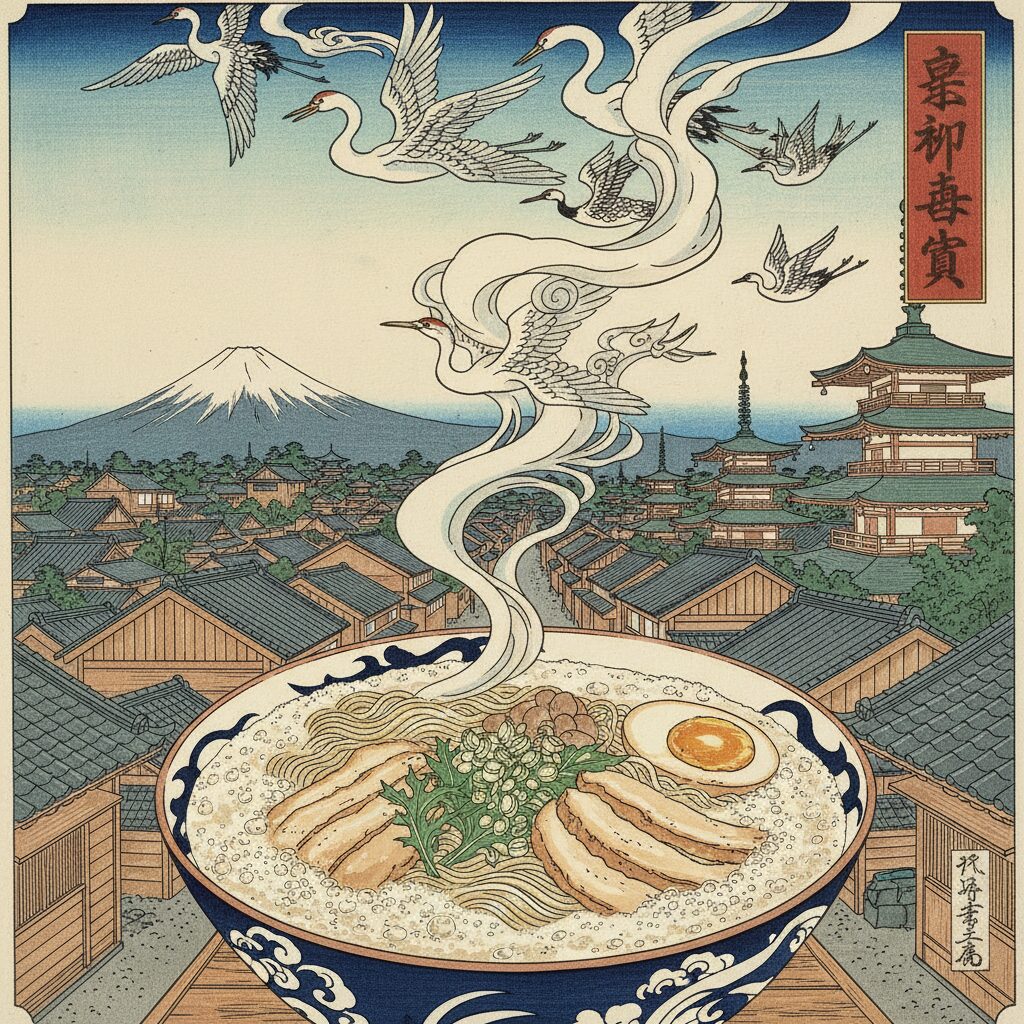
Having explored the extremes of classic shoyu finesse and the bold intensity of tonkotsu, Nakatsu still has more stories to share. The neighborhood’s richness is embodied in shops like Ramen Hayato, a leading example of another increasingly popular style: the chicken-based broth, or tori paitan. Hayato exemplifies a modern yet equally passionate take on ramen craft. Regularly ranked among Osaka’s best ramen establishments, it offers a third path—a style that melds richness with a unique elegance—demonstrating that Nakatsu’s expertise spans all ramen traditions.
The Modern Alchemist
The ambiance at Ramen Hayato often contrasts with the old-world reverence of Kadoya or the raw energy of Muteppo. While still a small, counter-focused space, its design leans toward the clean lines of a contemporary Japanese bistro. The lighting is brighter, the wood is lighter, and the clientele is a mixture of devoted ramen enthusiasts, local families, and curious food lovers drawn by its stellar reputation. The queue remains long, but the atmosphere is one of eager, modern culinary exploration. The chefs here are alchemists of a different kind, drawing incredible depth of flavor not from pork bones, but from humble chicken. The process is no less demanding, requiring hours of careful simmering to produce a broth that is both delicate and profoundly satisfying.
A Golden Elixir
Hayato’s signature bowl often highlights a tori paitan broth—a creamy, golden-white soup with a luscious, emulsified texture reminiscent of tonkotsu, yet completely distinct in flavor. The bowl arrives looking pristine and elegant. The broth is opaque yet luminous, reflecting the quality of the chicken and the precision of its preparation. The toppings are thoughtfully chosen to complement the lighter, though still rich, character of the soup. You might find two types of chashu—a tender, slow-cooked pork loin and a delicate, sous-vide chicken breast. The menma is often thicker and juicier, while the green onions are sliced to provide a sharp, fresh counterpoint. Visually stunning, the bowl promises a nuanced and complex taste experience.
The Nuances of the Bird
The first sip of Hayato’s chicken broth is a revelation. Creamy and rich, it coats the palate with velvety smoothness, yet finishes clean and bright. The flavor is pure, concentrated chicken—the kind of soul-soothing taste you might expect from the best homemade chicken soup, but elevated to an extraordinary level. It’s umami-rich and deeply savory, without the heavy, oily weight sometimes found in pork-based broths. Hayato also showcases its skill through variations—offering a clear chicken soup (tori chintan) seasoned with shoyu, and a rich miso ramen that uses the chicken base as its foundation. This miso ramen is particularly notable, blending creamy chicken broth with a complex, funky, aromatic miso tare. The result is a bowl both rustic and refined, a perfect harmony of flavors that warms from within. The noodles are expertly matched to each soup, and the toppings are consistently of the highest quality. A visit to Ramen Hayato completes Nakatsu’s ramen trilogy, proving the neighborhood is far from a one-trick pony, but rather a living archive of ramen styles where masters of every method push their craft to its fullest extent.
The Anatomy of a Perfect Bowl: An Insider’s Guide to Ramen Culture
To fully appreciate Nakatsu’s ramen, it helps to grasp the fundamental components and the philosophy that unites them. A bowl of ramen is far from a random assortment of ingredients; it is a carefully crafted system where each element serves a vital purpose. The masters of Nakatsu are devoted to these details, and their unwavering pursuit of perfection in every aspect transforms their bowls from simple food into culinary masterpieces.
The Soul of the Shop: Dashi and Tare
At the core of every exceptional ramen bowl lie two invisible yet indispensable elements: the dashi and the tare. The dashi serves as the base stock or broth—it is the canvas. This can range from a clear, delicate chicken and kombu stock (as at Kadoya) to a rich, emulsified pork bone soup (Muteppo). The preparation of the dashi is a carefully guarded secret, often involving hours or even days of simmering, skimming, and controlling the temperature. This process creates the foundational body and umami of the soup. The tare is the concentrated seasoning, the liquid that imparts the ramen’s primary flavor profile and its name (shoyu, shio, miso). It is the soul of the bowl. A master’s tare is his signature—a complex blend that may include dozens of ingredients such as various soy sauces, mirin, sake, salt, dried fish, and other secret components, all aged and perfected. When you order, the master carefully deposits a precise amount of tare into the empty bowl before pouring the hot dashi over it. It is at this moment, when the two combine, that the soup truly comes to life.
The Noodle’s Tale: From Flour to Slurp
The noodles, or men, are much more than a mere filler; they are an equal partner to the soup. Top shops in Nakatsu often make their noodles fresh daily or collaborate with artisanal producers to create custom blends. A noodle’s character is shaped by several factors: its thickness, shape (straight or wavy), and water content. A key ingredient is kansui, a type of alkaline water that gives ramen noodles their distinctive yellow hue, firm texture, and unique taste. Selecting the right noodle is crucial. Thick, wavy noodles are designed to cling to the heavy, rich broth of Muteppo’s tonkotsu, while thinner, straight noodles better suit a delicate, clear soup like Kadoya’s shoyu, allowing for a graceful slurp that does not overpower the broth’s subtle flavors. Cooking the noodles is a matter of seconds. The master immerses the noodles in boiling water and, with near-psychic timing, lifts them out at the exact moment of perfect al dente. This is followed by the yu-giri, a dramatic, almost forceful flick of the wrist that shakes off every last drop of excess water from the noodle basket, ensuring the soup remains undiluted.
The Art of the Topping: More Than Garnish
The toppings, or gu, are the final touches, yet in a great bowl, they are never mere afterthoughts. Each topping receives the same meticulous care as the soup and noodles. The chashu (braised or roasted pork) can be a world unto itself, with shops using different cuts (belly, shoulder, loin) and proprietary marinades. The ajitama, or seasoned soft-boiled egg, is a small marvel, marinated for hours in a blend of soy sauce, mirin, and other seasonings until the white is firm and flavorful, and the yolk is a perfect, molten, jammy custard. Menma (fermented bamboo shoots) provide a unique crunchy texture and a slightly funky, savory flavor. Fresh negi (green onions) add a sharp, aromatic bite that cuts through the richness of the soup. Every element exists for a reason, contributing to the final harmonious whole.
Navigating the Labyrinth: A Practical Guide for the Ramen Pilgrim
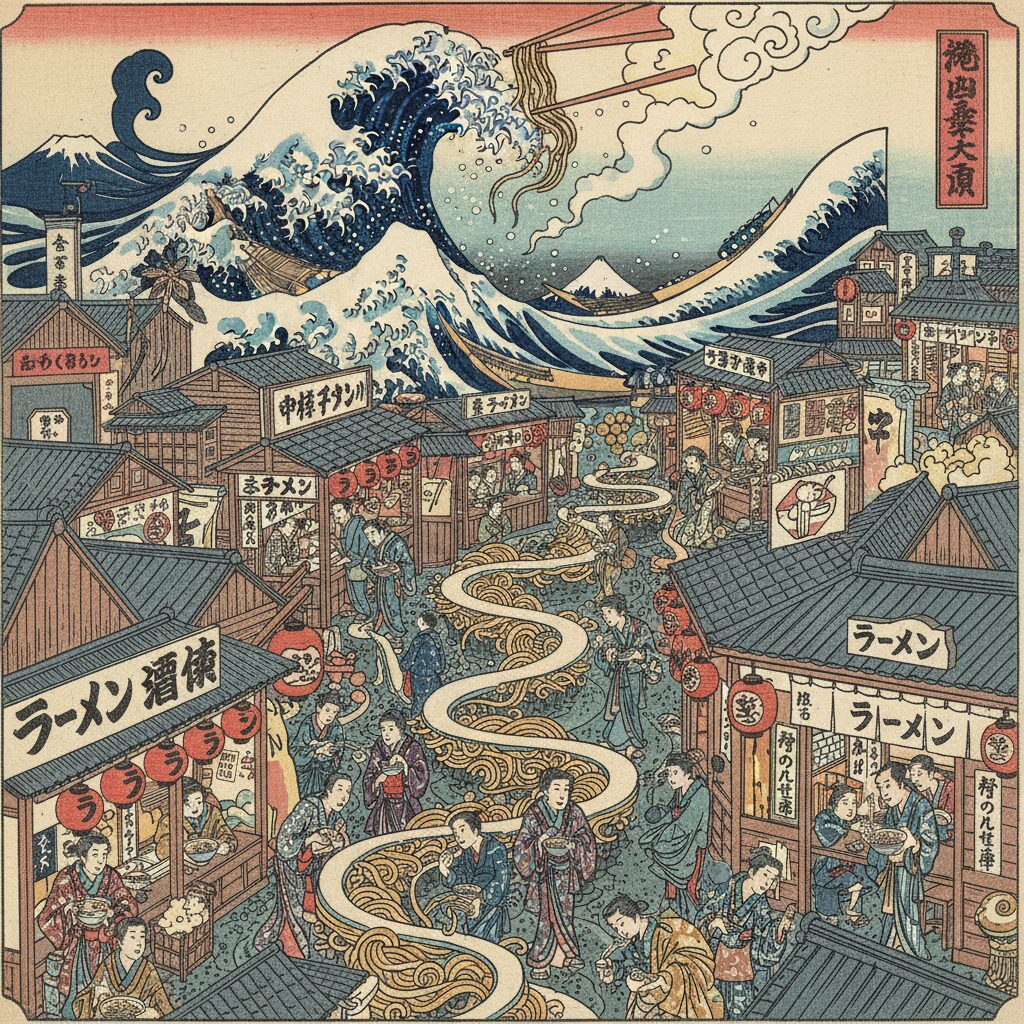
Exploring Nakatsu’s ramen scene for the first time can be both thrilling and intimidating. The language barrier, long lines, and unique ramen shop customs may pose challenges. However, with some basic knowledge, you can handle the experience like a seasoned regular.
The Vending Machine Oracle
Many top ramen shops in Japan, including most in Nakatsu, use a ticket vending machine (kenbaiki) for ordering. This system is efficient: you pay in advance, allowing staff to concentrate solely on preparing your meal. For non-Japanese speakers, the wall of buttons can be overwhelming. Here’s a tip: pause for a moment. The main ramen dishes are typically the largest buttons at the top, often with pictures but not always. Look for characters like らーめん (ramen) or 中華そば (chuka soba). Below those, you’ll find buttons for toppings such as 味玉 (ajitama – egg) or チャーシュー (chashu – extra pork), as well as side dishes like ご飯 (gohan – rice) and drinks like ビール (biiru – beer). A great modern aid is a translation app that can use your phone’s camera to translate text in real-time—just point it at the machine. Remember to bring cash, as many machines don’t accept credit cards. Insert your money first, then choose your selections. A ticket (or tickets) will be dispensed. Hand this to the staff when directed.
The Sacred Queue
Queuing is an art form in Japan with strict etiquette. First, find the end of the line, which may wrap around a corner, so be careful not to cut in. It is considered rude to save spots for friends who haven’t arrived; your whole party should be present before joining the line. As you near the front, a staff member may approach to ask for your order or direct you to the vending machine, speeding up the process once seated. Have your order ready. The emphasis is on efficiency so everyone can enjoy their meal promptly.
The Counter-Side Code
When seated at the counter, the atmosphere is focused and brisk. Place your ticket on the upper part of the counter where the chef can see it. You’ll usually find a jug of cold water and glasses—feel free to help yourself. On the counter, there may be an assortment of free condiments like crushed garlic, chili oil (rayu), pickled ginger, or spicy pickles for customizing your bowl. It’s polite to first taste the soup as the chef intended before adding anything. When your ramen arrives, it’s time to dig in. Slurping is not impolite; it shows enjoyment and helps cool the hot noodles while enhancing flavor. Ramen shops are not places to linger after eating—it’s a fast-paced environment with others waiting. The unwritten rule is to eat and leave promptly. When departing, it’s customary to place your empty bowl back on the counter and say a hearty “Gochisousama deshita!” (Thank you for the meal!). This expression shows respect and appreciation for the chef’s hard work and will always be met with smiles and thanks from the staff.
Interlude: Cleansing the Palate in Nakatsu’s Side Streets
As amazing as it sounds, a day spent exploring ramen in Nakatsu calls for moments of rest. You can’t just jump from one bowl to another without giving your palate—and your stomach—a chance to recover. Fortunately, the neighborhood offers the perfect environment for a leisurely digestive stroll. After savoring the rich, intense flavors of a bowl of ramen, simply walking through Nakatsu’s tranquil streets can feel meditative. Head north from the station, pass under the Hankyu train line, and make your way toward the Yodo River. The area becomes even quieter here, with small community gardens and local parks. The expansive riverbank provides a striking contrast to the dense urban setting you’ve just left behind. You can sit on the grassy banks, watch the river flow, and view the Umeda skyline from a peaceful distance. This is an ideal moment to let the flavors settle and reflect on your meal. Alternatively, wander through the small shotengai, or local shopping streets, scattered throughout the area. These covered arcades offer a glimpse of old-school Osaka, with vendors selling everything from fresh tofu to traditional Japanese sweets. Pause at an old kissaten, a traditional Japanese coffee house with dark wood paneling and siphon coffee makers. Order a slow-drip coffee and a slice of toast—simple pleasures that feel worlds away from the intensity of the ramen counter. These breaks aren’t just about passing the time; they’re a vital part of the experience. They enable you to soak in the neighborhood’s atmosphere and appreciate the context from which this remarkable food culture arises. They also prepare you for your next bowl, cleansing your palate and restoring your appetite so that the following ramen experience is just as impactful as the one before.
A Final Slurp: The Enduring Spirit of Nakatsu Ramen
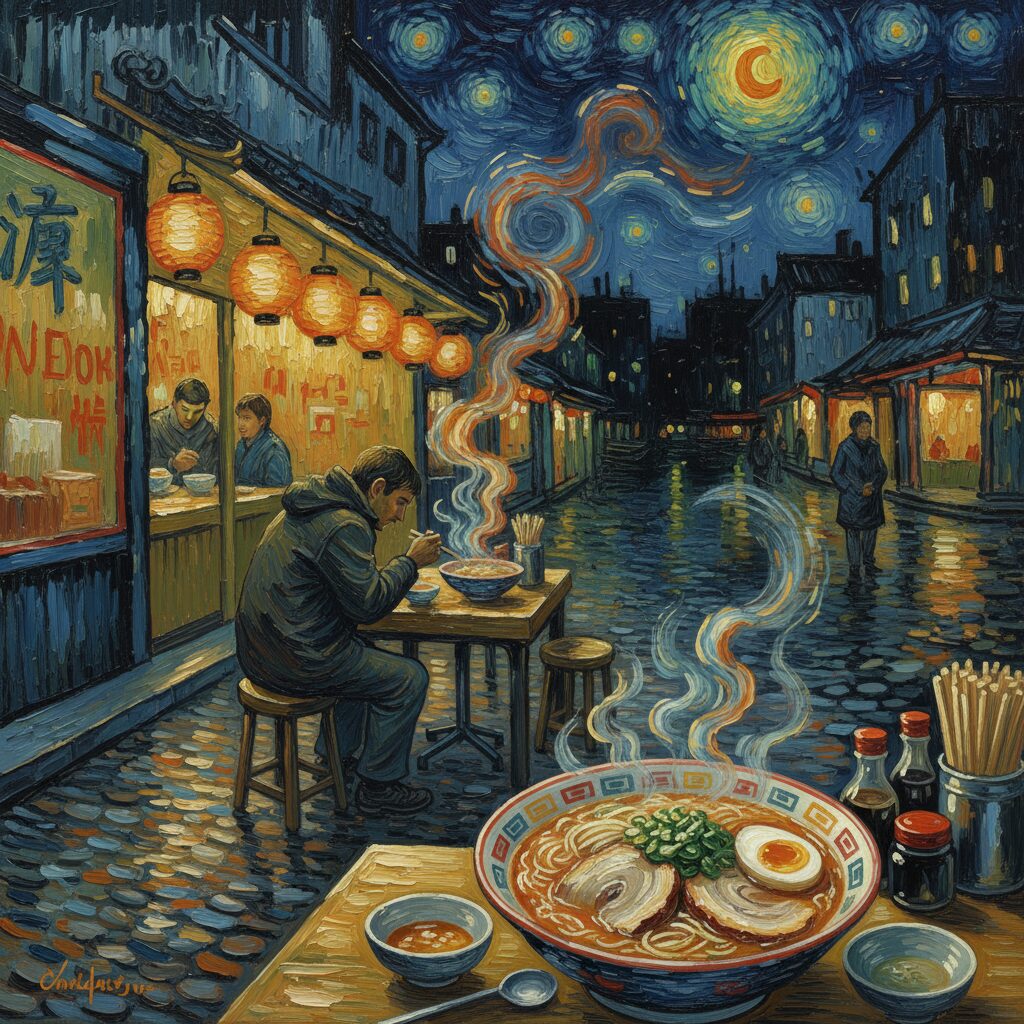
As the day fades and Nakatsu’s lanterns begin to glow, you are left with more than just a satisfied appetite. You gain a deep appreciation for the dedication and richness that define Japan’s culinary world. Nakatsu is a microcosm of this realm—a neighborhood that, at first glance, seems like just another subway stop, but for those who know where to look, it is a living, breathing university of ramen. It is a place where tradition is not a relic, but a dynamic, vibrant practice carried out daily in steaming kitchens. It is a place where innovation is not a gimmick, but a genuine effort to expand the boundaries of a cherished dish. The journey through Nakatsu’s ramen shops is a dialogue with the city of Osaka itself. In the refined clarity of Kadoya Shokudo’s shoyu broth, you sense the city’s appreciation for elegance and quality. In the bold, unyielding richness of Muteppo’s tonkotsu, you feel its loud, hearty, and unapologetic spirit. And in the modern sophistication of Ramen Hayato’s chicken paitan, you witness its ability to evolve constantly while honoring its roots. To visit Nakatsu is to step off the beaten path and enter the true culinary heart of the nation. It is to understand that perfection can be found in a humble bowl, and that the greatest adventures often lie hidden in the most unassuming places. So come with an empty stomach and an open mind. Follow the steam, join the queue, and prepare to uncover your own perfect bowl within the delicious, intoxicating, and unforgettable ramen crucible of Nakatsu.