Just a whisper away from the neon glow and vertical rush of Umeda, where bullet trains slice the sky and commerce moves at the speed of light, lies a world wound down, a neighborhood breathing a different kind of air. This is Nakazakicho, Osaka’s soulful secret, a pocket of the past that miraculously sidestepped the future’s relentless march. To step into its narrow, winding lanes is to step through a veil, leaving the city’s frantic pulse behind for a gentler, more rhythmic cadence. Here, time isn’t measured in train schedules but in the slow drip of coffee, the rustle of vintage fabric, and the patient growth of ivy over weathered wooden walls. It’s a place not just to see, but to feel—a living museum curated by artisans, dreamers, and keepers of a quieter flame. This isn’t just a district; it’s a mood, a philosophy, a testament to the beauty of the things that endure. For anyone seeking the true, creative soul of Osaka, the search begins and ends in the enchanting, bohemian labyrinth of Nakazakicho.
To fully immerse yourself in this timeless atmosphere, you can plan your visit with a detailed budget guide for a day in Nakazakicho.
The Atmosphere: A Symphony of Nostalgia and Creation
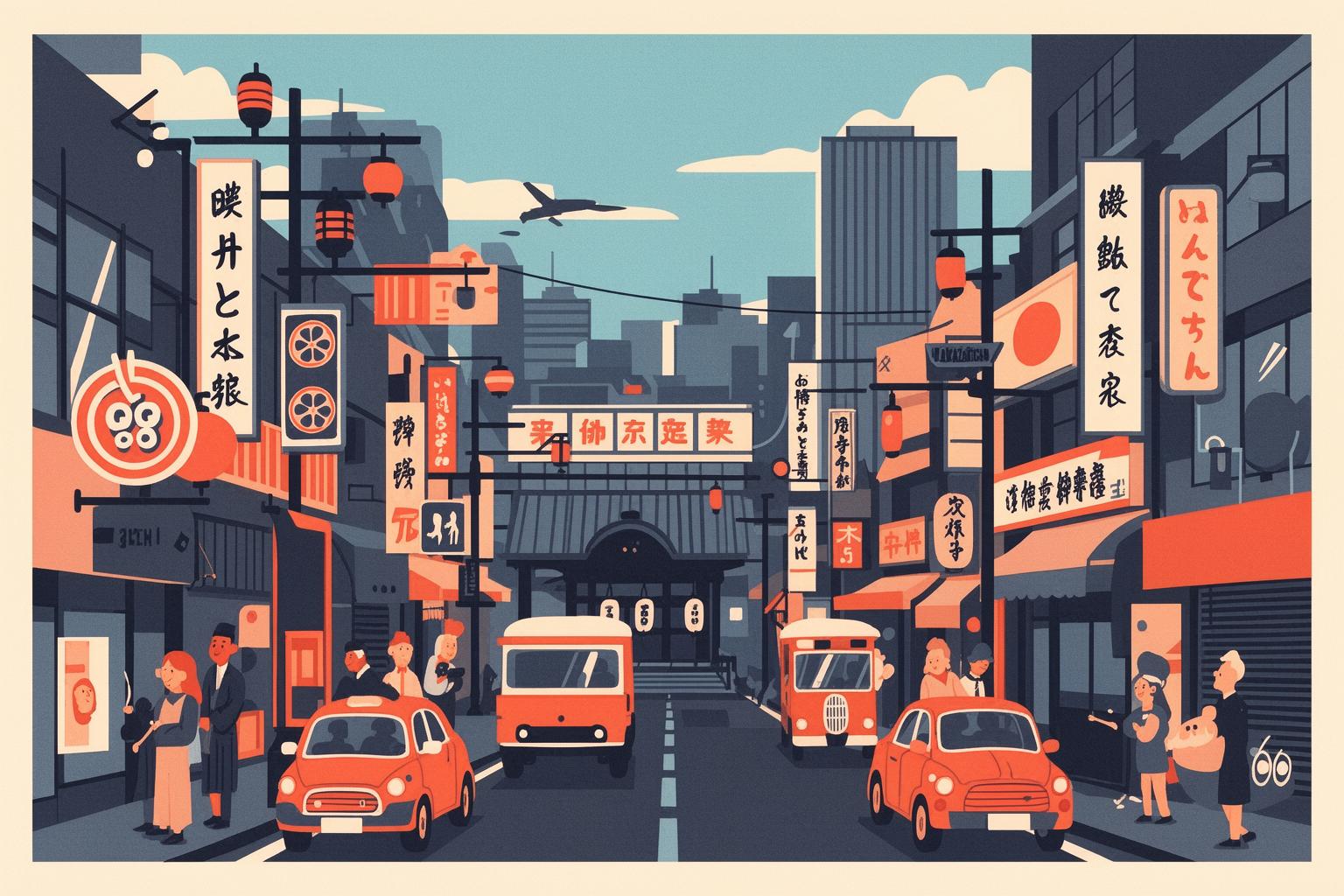
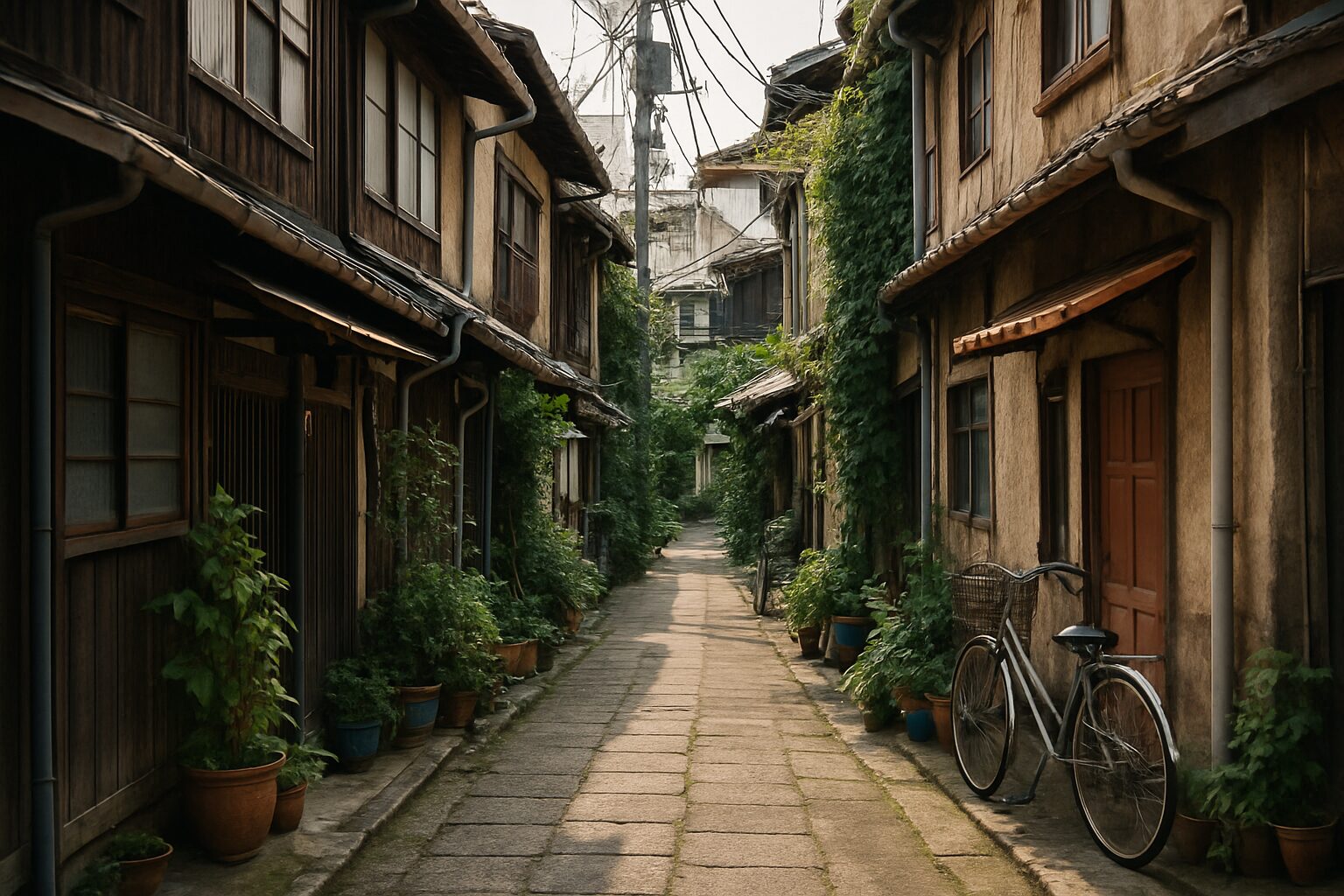
The immediate feeling upon entering Nakazakicho is one of quiet reverence. The roar of Umeda’s traffic recedes into a distant murmur, replaced by a soundscape rich with subtle details: the soft click-clack of a bicycle gliding down a lane, the muted chime of a shop door, the low murmur of conversation drifting from a hidden cafe. The air itself seems infused with the scents of old wood, roasted coffee beans, and damp earth from the countless potted plants lining the alleys like a loyal, green army. This is a neighborhood built on a human scale. Its veins are not grand boulevards but intimate roji—alleys so narrow you could nearly touch both walls at once. These paths twist and turn unexpectedly, creating a charming sense of disorientation. The aim here isn’t to travel swiftly from point A to point B, but to lose yourself along the journey between.
The architecture is the neighborhood’s most eloquent narrator. Nakazakicho is a rare survivor, a district largely spared from the devastating World War II air raids that flattened much of Osaka. As a result, it’s a treasure chest of pre-war buildings, notably the nagaya, or traditional long row houses. These two-story wooden structures, with their tiled roofs and latticed windows, stand in striking contrast to the glass and steel towers dominating the skyline just a few hundred meters away. But these are far from derelict relics. They are vibrant, living buildings, lovingly transformed into the shops, cafes, and galleries that define Nakazakicho’s unique character. Ivy climbs their walls, dressing them in tones of emerald and rust. Hand-painted signs, whimsical and distinctive, hang from their eaves instead of glaring neon lights. Each building feels imbued with a story, a soul, a history whispered into its very framework. Walking here is like moving through a gallery where the exhibits are the buildings themselves—each a piece of art telling a story of resilience and reinvention.
There’s a tangible creative energy in the air, a quiet industriousness that feels both modern and timeless. You’ll find a leatherworker bent over a piece of hide in a sunlit storefront, a ceramicist carefully glazing a pot in a tiny studio, a fashion designer draping fabric on a mannequin. It’s a community of makers, their passion contagious. This isn’t the polished, mass-produced world of the nearby department stores. It’s a celebration of the handmade, the unique, the beautifully imperfect. The bohemian spirit of Nakazakicho isn’t a performance; it’s the natural result of a community that cherishes artistry, independence, and a slower, more thoughtful way of life. It feels less like a commercial district and more like a sprawling, shared creative space where residents and visitors alike are invited to slow down, observe, and appreciate the beauty in the details.
A Treasure Hunter’s Paradise: Vintage and Zakka Finds
At the very heart of Nakazakicho’s character lies its remarkable collection of independent boutiques, with a particular focus on vintage clothing and zakka—a uniquely Japanese concept that includes everything from handcrafted stationery to artisanal home goods. Shopping here is an adventure of discovery, vastly different from the predictable experience of a shopping mall. Each doorway opens into another world, another aesthetic, another person’s thoughtfully curated vision.
The Appeal of Second-Hand Stories
Nakazakicho’s vintage clothing scene is renowned among fashion enthusiasts in Japan. The shops are as diverse as the apparel they offer. You might stumble upon one hidden on the second floor of a creaky wooden house, its rooms brimming with racks of Americana—faded denim jackets, perfectly worn leather boots, and classic rock t-shirts. Another, just nearby, could showcase a carefully curated selection of European designer pieces from the 70s and 80s, each garment presenting bold colors and distinctive silhouettes. Then there are stores specializing in Showa-era Japanese fashion, offering a window into post-war Japan with elegant blouses, patterned dresses, and tailored coats. The experience is a true treasure hunt. You must be willing to sift through racks, touch the varied textures of fabric, and imagine the lives these clothes led before arriving here. The shopkeepers, often collectors and enthusiasts themselves, are rich sources of knowledge, able to trace the origins of a particular piece or offer styling tips. Unlike the impersonal nature of fast fashion, purchasing vintage in Nakazakicho feels like embracing a piece of history, giving a new chapter to an old narrative. The excitement comes from the unexpected discovery—that one-of-a-kind coat or perfectly fitting pair of jeans that seems to have been waiting just for you.
The Charm of Zakka and Handcrafted Goods
Complementing the vintage apparel are the charming zakka shops scattered across the neighborhood. Though zakka loosely translates to ‘miscellaneous goods,’ the term carries a deeper connotation. It refers to items that are both practical and visually appealing, objects that bring a small joy and beauty to daily life. In Nakazakicho, this ethos is reflected in an extraordinary range of handcrafted and thoughtfully designed products. One shop might specialize in delicate handmade jewelry, with silver and brass pieces inspired by nature. Another could be a sanctuary for stationery devotees, filled with exquisite paper, unique pens, and hand-printed cards. You’ll find tiny pottery studios offering one-of-a-kind mugs and bowls, each marked by subtle imperfections that reveal the artist’s hand. Some shops focus on leather goods, scented with the rich aroma of hide, where artisans craft wallets, bags, and belts before your eyes. These stores are often small, intimate spaces where every item is selected with care and intention. Shopping for zakka in Nakazakicho is about more than just obtaining objects; it’s about connecting with the creative spirit behind them and finding small, beautiful things to enrich your everyday rituals. It’s a celebration of craftsmanship and a gentle defiance of the disposable culture of the modern world.
The Cafe Culture: A Respite for the Wandering Soul
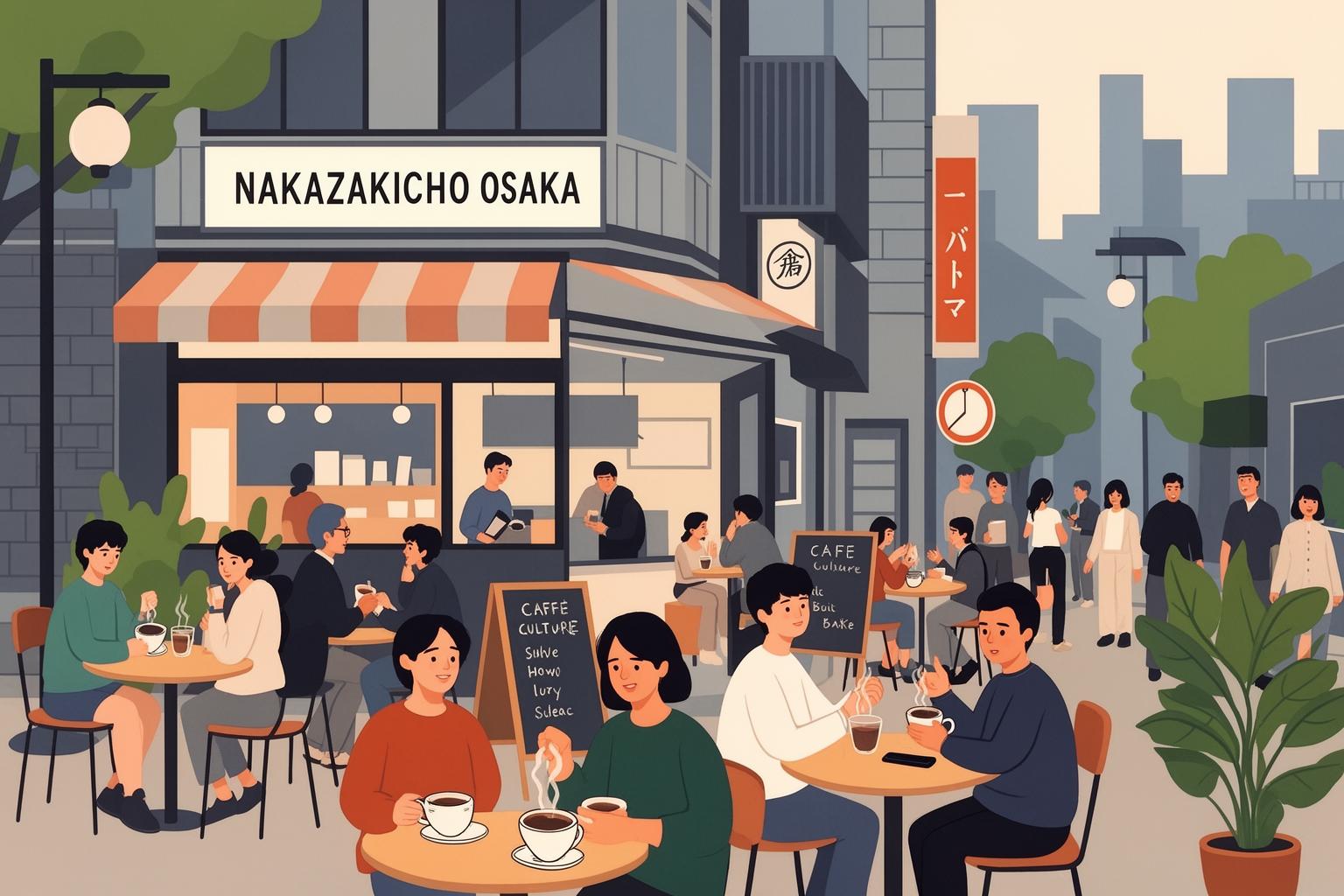
Nakazakicho thrives on caffeine and creativity, with its cafe culture being as essential to its character as its vintage shops. The cafes here are more than just spots for a quick coffee; they are destinations in themselves—sanctuaries meant for lingering, reflecting, and soaking up the neighborhood’s unique vibe. Much like the shops, these cafes are often located in renovated nagaya or old houses, each offering a distinctive and memorable experience.
Entering a Nakazakicho cafe often feels like stepping into someone’s home. The interiors are warm and eclectic. You might find yourself in a room with tatami mats, sitting on a cushion at a low wooden table, gazing out at a small, perfectly maintained Japanese garden. Another cafe might showcase a rustic, industrial-chic style, featuring exposed wooden beams, mismatched vintage furniture, and walls decorated with local artwork. The emphasis is on crafting a comfortable, inspiring environment where time seems to slow. The baristas are artisans of their craft, often performing the meticulous ritual of hand-drip coffee. Watching them is captivating—the precise measuring of the beans, the careful, circular pouring of hot water, and the patient wait as the coffee slowly drips into the server. The result is a cup of coffee that is complex, nuanced, and brewed with evident care.
Menus tend to be small yet thoughtful, frequently highlighting homemade cakes and desserts that vary with the seasons. In spring, you might find a sakura-infused cheesecake; in autumn, a mont blanc featuring Japanese chestnuts. These sweet delights, paired with a perfectly crafted coffee or frothy matcha latte, offer ideal sustenance for a day of exploration. Many cafes also serve simple, delicious lunches like Japanese curry or a daily quiche special. These places act as the social heart of Nakazakicho—where artists gather to discuss their newest projects, shopkeepers take a midday break, and visitors can rest while absorbing the creative energy that fills the air. Discovering your favorite cafe in Nakazakicho is a personal adventure, and with so many unique options, it’s an incredibly rewarding one.
An Open-Air Gallery: Art in the Alleys
Beyond the carefully curated environments of its shops and cafes, Nakazakicho itself serves as a canvas. The neighborhood functions as a living gallery, where art extends beyond four walls, spilling into the streets and inviting engagement and surprise at every corner. This natural blending of creativity with the urban setting is a fundamental aspect of what makes the area truly special.
Independent Galleries and Creative Spaces
Hidden within the maze-like alleys are numerous small, independent art galleries. These are not grand, white-walled establishments but cozy spaces showcasing work by both emerging and established local artists. One afternoon, you might discover a photography exhibit featuring abstract views of the city; the next, a display of vibrant, whimsical paintings or intricate ceramic sculptures. These galleries are approachable and humble, often managed by the artists themselves. They offer an essential platform for Osaka’s creative community and provide visitors with a direct connection to the city’s contemporary art scene. Many of these venues also serve as studios or workshops, dissolving the boundary between creation and exhibition and giving you insight into the artistic process.
The Art of the Streets
Even if you never enter a gallery, you are constantly surrounded by art in Nakazakicho. The neighborhood’s walls burst with color and imagination. Bright murals transform plain concrete into imaginative landscapes. Whimsical stencils and paste-ups appear in unexpected spots. Storefronts are decorated not with corporate logos but with unique, hand-painted signs and artistic installations. A cluster of pipes might be painted to resemble a mythical creature; a simple doorway might be framed by an elaborate mosaic. This street art is not vandalism; it is a form of community expression, a collective beautification effort that adds layers of character and charm to the neighborhood. It encourages you to look more closely, to notice your surroundings, and to discover beauty in the most ordinary places. The art creates a visual dialogue between artists and residents, a dynamic, ever-evolving exhibition that makes every stroll through Nakazakicho a distinct experience.
A Practical Guide for the Urban Explorer

While the true joy of Nakazakicho is found in aimless wandering, a few practical tips can enhance your experience in this charming neighborhood.
Arriving in the Labyrinth
Accessing Nakazakicho is surprisingly easy, making its secluded atmosphere even more remarkable. The most direct way is via the Osaka Metro Tanimachi Line to Nakazakicho Station. Exiting from door 2 or 4 places you right at the heart of the neighborhood. However, one of the best ways to soak in the area’s unique vibe is to stroll there on foot from the lively hub of Umeda. It’s a pleasant 10 to 15-minute walk from Osaka Station or Umeda Station, serving as a smooth transition from the ultra-modern cityscape to a world of quiet nostalgia.
The Rhythm of the Neighborhood: Timing Your Visit
Nakazakicho follows its own distinct schedule. Many small, independent shops and cafes have irregular opening hours, often opening late in the morning or early afternoon. Numerous businesses close on one or two days during the week, usually Tuesdays and/or Wednesdays. To avoid any disappointment, plan your visit for a weekday afternoon (Thursday or Friday are ideal) or the weekend when most places are open. Keep in mind, weekends can be quite busy. If you’re set on visiting particular shops or cafes, a quick online search or checking their social media for current hours is highly recommended. The ideal plan is to arrive around noon, enjoy a leisurely lunch, and spend the afternoon exploring as the neighborhood awakens.
Embrace the Wander: Navigating the Alleys
This is the key advice: put away your map. While having a rough idea of where you are is helpful, Nakazakicho rewards a spirit of exploration. The alleys form a maze—allow yourself to get lost. Follow paths that catch your eye. Let a vibrant mural or an interesting storefront lead you. The area is compact enough that you won’t get truly lost, and every wrong turn offers a chance to discover something new—a hidden shrine, a tiny bar, or striking street art. Wear comfortable shoes, as you’ll be walking quite a bit. Stay curious. Peek down alleys, glance up at second-floor windows, and don’t hesitate to wander off the main, slightly broader streets. The best of Nakazakicho lies in its secret corners.
A Few Courtesies
Keep in mind that Nakazakicho is also a residential neighborhood where people live. Be considerate of noise, especially in the quiet back alleys. Although the area is very photogenic, it’s polite to ask for permission before taking close-up photos of shop interiors, staff, or local residents. Finally, while credit card acceptance is growing, many smaller independent stores still prefer cash. Carry enough Japanese yen to ensure you can purchase that perfect vintage find or delicious slice of cake.
The Enduring Soul of Osaka
In a city known for its nonstop motion and reinvention, Nakazakicho offers a beautiful and essential counterbalance. It serves as a powerful reminder that progress doesn’t require erasing the past. Here, history isn’t confined to museums; it is lived, adapted, and expanded upon, weaving a rich blend of old and new. The neighborhood is a haven for those who value individuality over conformity, craftsmanship over mass production, and peaceful reflection over chaotic consumption. Visiting Nakazakicho is more than a mere shopping trip or coffee break; it is an immersion into a different way of life. It invites you to slow down, observe more closely, and appreciate the stories embedded in the world around you. It is the creative, bohemian heart of Osaka, with a gentle, rhythmic pulse waiting to be discovered by all who seek it.