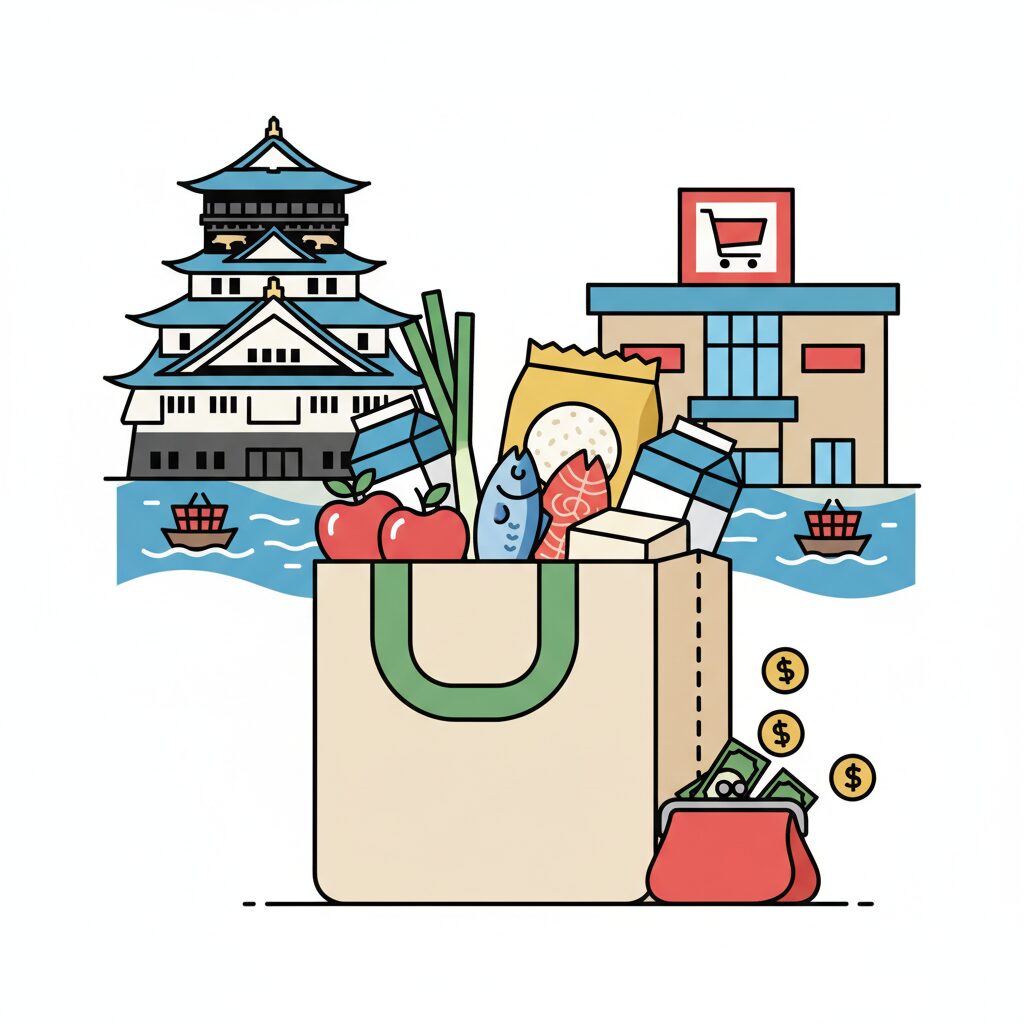
You see them on every corner, glowing beacons in the urban nightscape. The convenience store, the almighty konbini. For the first few weeks, maybe even months, living in Osaka, it’s your sanctuary. It’s clean, predictable, and always open. Need a quick bento for lunch? A cold drink? An onigiri for a midnight snack? The konbini has your back. It feels like the lifeblood of the city, the engine of modern Japanese convenience. And you’d be partially right. But you’d also be completely, financially, and culturally wrong.
The konbini is a beautiful illusion. It’s the curated, easy-to-digest version of Japanese daily life sold to you under perfect fluorescent lighting. But it’s not how Osaka really lives. It’s not how families eat, how students on a budget survive, or how the city’s unpretentious, pragmatic soul truly expresses itself. To understand that, you have to push past the sliding glass doors of the 7-Eleven and step into the chaotic, vibrant, and infinitely more rewarding world of the neighborhood supermarket. This is where the real Osaka lives, breathes, and, most importantly, eats. It’s loud, it’s a little messy, and it’s the first and most important lesson in learning how to thrive, not just survive, in this incredible city.
Navigating beyond the day-to-day bustle of neighborhood supermarkets, many locals find that embracing the unique flavors of kappo dining in Osaka unveils a richer, more authentic culinary experience.
The Konbini Illusion: Why Your Daily 7-Eleven Run is a Budget Trap
Let’s get one thing clear. Convenience stores are incredible. They represent a marvel of logistics and service. Yet, they can be a snare for the unsuspecting resident. That 500-yen bento box may seem reasonable at first glance. The packaged salads, single-serving fried chicken, and perfectly chilled coffee—they all add up. You’re paying a premium for portion control and convenience. This setup is tailored for tourists and busy office workers, not for someone establishing a life here.
An Osaka local understands the konbini for what it truly is: an emergency room. It’s there for when you forget to buy milk, need a celebratory beer on the way home, or have a sudden craving for ice cream at 2 a.m. It is not, and will never be, a primary food source. Relying on the konbini is financially like taking a taxi everywhere. It’s comfortable and effective, but you’ll check your bank account at month’s end and wonder where the money disappeared.
The real cost goes beyond just money. You miss out on the city’s rhythm. You’re eating food that’s intentionally generic and standardized. It’s Tokyo’s fried chicken, Fukuoka’s instant ramen, Hokkaido’s melon pan. It offers a sanitized culinary tour of Japan, but it’s not Osaka. Osaka’s food culture is lively, regional, and deeply connected to fresh, affordable ingredients. That can’t be found in a plastic-wrapped meal. To experience it, you need to hear the buzz of the supermarket.
Welcome to the Real Deal: Decoding the Osaka Supermarket Ecosystem
Walking into an Osaka supermarket for the first time can be quite a shock, especially if you’re used to the calm, minimalist vibe of a Tokyo grocer. It’s a full sensory experience. Jingles and sale announcements blast loudly from overhead speakers. Bright, hand-written signs in bold red and yellow ink shout about deals. The aisles feel a bit narrower, and shoppers more determined. This isn’t a casual stroll; it’s a mission for value. And in Osaka, value rules.
Unlike Tokyo, where supermarkets sometimes resemble curated boutiques (think Seijo Ishii or Queen’s Isetan), Osaka supermarkets are unapologetically practical. They are warehouses of essentials, designed to move large quantities of product quickly and cheaply. This philosophy is deeply tied to the city’s merchant heritage: why pay more if you don’t have to? This isn’t about being cheap in a negative sense; it’s about being smart, or kashikoi. It’s a matter of pride. Discovering a great deal and sharing it with your neighbor is a form of social currency.
The Big Three: Know Your Players
To navigate this scene, it helps to know the major players. Each has a distinct personality, catering to different needs and representing a facet of Osaka’s character.
Gyomu Super: The Bulk-Buy Giant
Translated as “Business Supermarket,” Gyomu Super is exactly what it sounds like. It began as a supplier for restaurants and food stalls and still maintains a no-frills, warehouse-style feel. The lighting is harsh, products stacked high on metal shelves, and packaging is massive. You can purchase a kilogram of frozen fried chicken, a two-liter bottle of soy sauce, or a giant block of cheese.
This is the place to stock your pantry and freezer. It’s the temple of meal prep and home parties. For foreigners, it’s a treasure trove. You can find surprisingly good deals on imported goods like pasta, spices, and frozen vegetables that might be pricey elsewhere. Gyomu Super doesn’t focus on aesthetics; it focuses on one thing: unit price. It’s the most brutally efficient and practical of the Osaka supermarkets, perfectly reflecting the city’s merchant DNA.
Super Tamade: The Neon Jungle of Deals
If Gyomu Super is pragmatic, Super Tamade is pure spectacle. You can spot a Tamade from blocks away by its garish, almost psychedelic neon signs. Walking in feels like entering a pachinko parlor that sells vegetables. Blasting J-pop, flashing lights, and nonstop announcements create an atmosphere of chaotic urgency. It’s overwhelming—that’s exactly the point.
Tamade is famous for its legendary loss-leader sales. The “1-Yen Sale” is real: if you spend a certain amount, you can buy select items like a carton of eggs or block of tofu for a single yen. Their bentos and sushi are famously, almost suspiciously, cheap. Is it the highest quality? Maybe not. But it’s an experience you don’t get in Tokyo. Tokyo culture often values presentation and quiet sophistication. Tamade throws that out the window in favor of a loud, in-your-face celebration of the bargain. Shopping here is a cultural immersion. It’s fun, frantic, and quintessentially Osaka.
Life, Mandai, and the Everyday Champs
Between the extremes of Gyomu and Tamade are the everyday workhorses: chains like Life, Mandai, and Kohyo. These are your standard, full-service supermarkets. They strike a good balance of price, quality, and variety. They’re cleaner and more organized than Tamade but still emphasize Osaka’s focus on value.
You’ll find a robust produce section with seasonal vegetables, an expansive fish counter featuring local catches from the bay, and a butcher offering everything from thinly sliced pork for shabu-shabu to thick steaks.
These supermarkets are community hubs where daily neighborhood life unfolds. They move at a more relaxed pace, but the hunt for a good deal remains strong. Reliable and consistent, they are where most people do their weekly, if not daily, shopping.
The Art of the Bargain: Thinking Like an Osaka Shopper
To truly master the Osaka supermarket, you can’t remain a passive consumer. You need to become an active participant in the culture of savings, which means adopting a new mindset and a fresh perspective on how and when you buy food.
The “Waribiki” Sticker Hunt: A Nightly Ritual
Step into any Japanese supermarket in the evening, and you’ll witness a captivating ritual: the hunt for the waribiki (discount) sticker. As the day progresses, employees roam the aisles with a sticker gun, marking down perishable items like bento boxes, sushi, sashimi, and prepared side dishes. Discounts might begin at 10% or 20% in the late afternoon, but as closing time nears, the ultimate prize emerges: the 半額 (hangaku), or 50% off sticker.
In Tokyo, this process tends to be subtle and orderly. In Osaka, it’s a sport. Shoppers, often seasoned older individuals, circle the bento aisle like patient predators. There’s an unspoken etiquette—no pushing, no grabbing—but a real sense of competition prevails. Snagging a half-price katsu-don feels like a triumph. This isn’t about being poor; it’s a widely celebrated strategy for smart living. Why pay full price for something you’ll eat in an hour? It’s a practical philosophy deeply embedded in local culture.
“Mecha Yasui!” – The Soundtrack of Savings
Language in an Osaka supermarket is straightforward and bold. The signs don’t merely suggest a deal; they shout it. Words like 激安 (geki-yasu, insanely cheap), 特売 (tokubai, special sale), and お買い得 (okai-doku, great value) fill the space. Listen to the shoppers, and you’ll hear the local dialect alive and well. A jubilant “めっちゃ安い!” (Mecha yasui!, Super cheap!) exclaimed to a shopping companion is a common refrain.
This lively enthusiasm for bargains distinguishes Osaka from other parts of Japan. In Tokyo, openly discussing prices might be seen as slightly impolite. In Osaka, it’s a way to connect—an expression of shared triumph over high living costs. The constant audio announcements aren’t just background noise; they reinforce the central message: you are saving money here. You are being smart.
Private Brands and the Quest for Value
Don’t overlook the store’s private brand, or PB, products. This is another realm where Japanese commitment to quality meets Osaka’s thirst for value. Chains like Life offer extensive lines—from milk and bread to sauces and frozen goods. These aren’t the generic, low-quality store brands common in other countries. Often produced by major manufacturers and simply repackaged, the quality is usually excellent, while prices remain significantly lower than branded alternatives. An Osaka shopper knows that the label matters less than what’s inside. Trusting the supermarket’s own brand is a savvy choice that pays off with every visit.
Beyond the Price Tag: What Supermarkets Reveal About Osaka Culture
A supermarket is more than merely a place to purchase food; it serves as a microcosm of the society it caters to. The way people shop, interact, and behave in these settings reveals more about local culture than any museum or guidebook.
Community Hubs, Not Just Commerce
Particularly in residential neighborhoods, the local supermarket acts as an informal community center. Elderly neighbors often stop in the aisles to catch up on gossip. Young mothers with children in tow exchange tips on the latest deals. The staff frequently know regular customers by name. There’s a human element here that can seem missing in the highly efficient, impersonal transactions of a big-city konbini or a more formal Tokyo department store.
This mirrors Osaka’s fundamental character as a mosaic of close-knit neighborhoods. People tend to be less reserved and more open to casual conversation. The supermarket serves as a stage for these everyday interactions, grounding the experience in the reality of people’s lives.
A Different Kind of Politeness
Foreigners often learn about omotenashi, the Japanese concept of hospitality, which is typically expressed through deep bows, soft voices, and meticulous attention to detail. You’ll find that in Osaka, but it appears differently in a place like a supermarket.
Customer service here focuses less on ceremony and more on efficiency. The cashier might not offer a deep, lingering bow, but they will scan and bag your items with remarkable speed. They might call out prices as they go, adding to the lively noise of the store. If you’re accustomed to a more deferential style, it can come across as abrupt, but it’s a mistake to interpret it as rude. It’s a form of practical respect. Their aim is to get you through the line quickly because your time matters. It’s a straightforward, no-nonsense method that reflects Osaka’s character. The emphasis is on the outcome, not the performance.
A Practical Guide to Your First Supermarket Run
Ready to jump in? A bit of preparation can make your first few trips much easier.
What to Bring, What to Expect
First, bring your own bags. While stores do provide plastic bags, there is a small charge for them. Most locals carry their own reusable “my bag” (マイバッグ). It’s both environmentally friendly and a sign that you’re familiar with local customs.
Second, keep some cash handy. Although most larger chains now accept credit cards and electronic payments, cash still reigns supreme, especially at smaller, independent grocers or during those hectic 1-yen sales.
Familiarize yourself with the cart and basket system. Typically, you’ll pick up a large cart at the entrance along with one or two hand-baskets to place inside it. This helps separate items—like raw meat from vegetables—and speeds up the checkout process. After paying, you’ll bring your basket to a separate bagging counter to pack your groceries yourself.
Navigating the Aisles: From Tofu to Takoyaki Kits
Take your time and explore. The wide variety can be overwhelming. You’ll find a vast selection of tofu, from silken to firm. The noodle section features everything from fresh udon to dried soba. The prepared foods section is a treasure trove, offering far more variety than a konbini. Look for grilled fish, vegetable side dishes (sozai), and fresh salads.
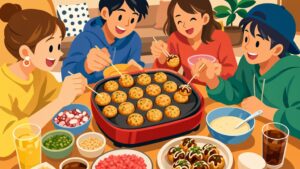
Seek out items that shout “Osaka.” You’ll find pre-made okonomiyaki batter and takoyaki kits complete with flour mix, sauce, and pickled ginger. You’ll also see packages of kushikatsu (skewered, breaded meats and vegetables) ready for deep frying. Buying these ingredients and cooking them at home is the purest way to connect with the city’s soul food. It’s cheaper, more fun, and infinitely more satisfying than buying the finished product.
Your local supermarket is a living textbook for the city. It teaches you about the seasons through its produce, about the economy through its prices, and about the people through their everyday habits. Learning to navigate its aisles, hunt for bargains, and appreciate its vibrant chaos is a crucial step in making Osaka your home. It’s the moment when you stop merely living in the city and start living with it.