
Picture this. You’ve just moved into your chic new apartment in a quiet corner of Osaka. The boxes are everywhere, a mountain of cardboard memories waiting to be unpacked. You’re wrestling with a particularly stubborn piece of furniture when you hear a soft knock. You open the door to find your neighbor, a small, smiling woman, holding out a perfectly wrapped box of laundry detergent. She says something quick and cheerful, bows, and then she’s gone. You’re left standing there with a gift, a mix of gratitude and utter confusion. Was that just a welcome? Or did I already break a rule I didn’t know existed? Welcome to the intricate, unspoken ballet of neighborhood life in Osaka. It’s a world away from the anonymous high-rises of Tokyo, and it’s far more complex than the simple label of “friendly” would suggest. Forget what you think you know about Japanese reserve. Here in Osaka, community isn’t just a concept; it’s a living, breathing thing with its own rhythm, its own rules, and its own unique choreography. It’s a dance of subtle gestures, shared responsibilities, and a delicate balance between privacy and a very particular kind of presence. Learning the steps to this dance is the key to not just surviving, but truly thriving in the heart of Kansai. It’s about understanding that a simple “good morning” is a social contract, and the way you sort your recycling is a public statement about your character. This isn’t just about being polite; it’s about becoming part of the fabric of the neighborhood, one small, considered act at a time.
Embracing Osaka’s unique neighborhood rituals goes hand in hand with grasping the nuances of its business culture, as a refined understanding of the local merchant mindset can further deepen your connection with the community.
The First Encounter: The Art of the Move-In Greeting
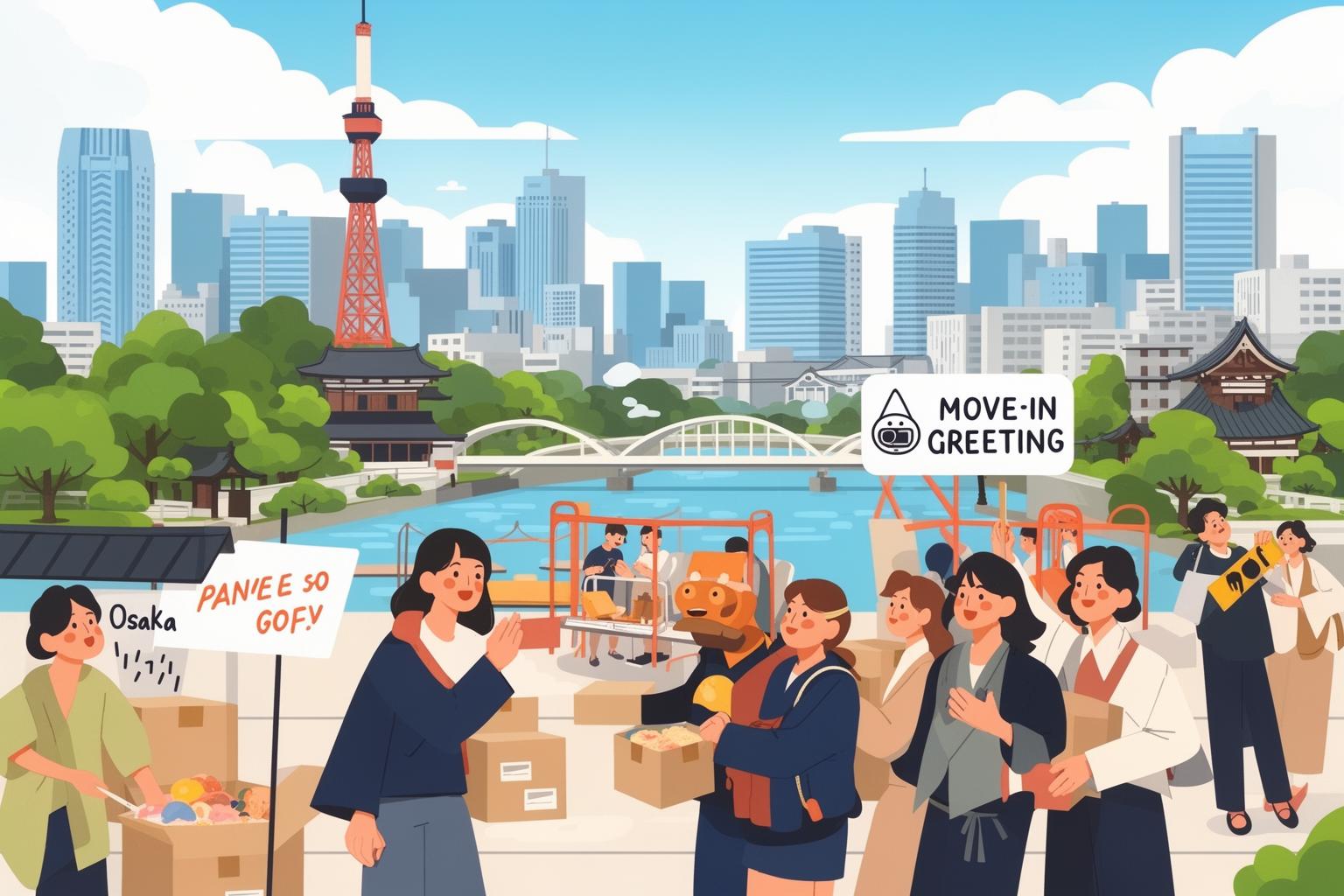
That knock on the door with the detergent? That was probably your neighbor making their move because you hadn’t made yours yet. In Osaka, the first step in the neighborhood dance—the absolute non-negotiable opening number—is the `hikkoshi no aisatsu`, or the move-in greeting. This isn’t just a casual wave in the hallway; it’s a formal ritual. The expectation is that within a few days of moving in—not on the hectic moving day itself, but once you’ve had a moment to settle—you will introduce yourself to your immediate neighbors. In an apartment building, this usually means at least the units to your left and right, and the ones directly above and below you. These are the people most likely to be affected by your presence, your footsteps, your music, your life. If you live in a detached house, the circle broadens to include the homes on either side and the three directly across the street. This initial meeting sets the tone for your entire life in that building.
What to Give, When to Go
You don’t arrive empty-handed. This greeting is always accompanied by a small gift, a `temiyage`. But don’t stress over finding the perfect artisanal cheese. The gift is symbolic, a simple token of thoughtfulness. Common choices are beautifully mundane and practical items that won’t burden the recipient. Think elegantly boxed hand towels, high-quality dish soap, premium plastic wrap, or a small selection of noodles. The price range is important: somewhere between 500 and 1,500 yen is ideal. Anything more can seem flashy and might make the recipient feel awkwardly indebted. The presentation is nearly as important as the gift itself. It should be neatly wrapped, often with a `noshi`, a decorative paper strip marking it as a formal gift. The best time to visit is on a weekend afternoon, when people are likely home but not in the middle of dinner or rushing out. One polite knock, a brief introduction, and the offering of the gift—that’s the whole ritual.
It’s More Than Just a Gift
Let’s be clear about what this ritual truly means. The soap isn’t just soap. It’s a tangible message: “Hello, I’m your new neighbor. My name is Sofia. I apologize in advance for any noise I might make while settling in. I am considerate and aware of the rules of communal living. Please accept this small token, and let’s enjoy a peaceful relationship.” It’s a preemptive apology and a promise of future respectfulness. It gives your neighbors a face to associate with the inevitable sounds of furniture being moved. By performing this ritual, you show that you are a member of the community who values and respects social harmony. Skipping this step is a major misstep. It immediately brands you as someone either unaware or, worse, indifferent to the neighborhood. You become the mysterious person behind the door, the source of every unexplained noise, the faceless stranger. In a place like Osaka, where community bonds run deep, starting off that way is a mistake that can be hard to fix.
The Daily Dance: Sidewalks, Hallways, and “Ohayo Gozaimasu”
Once the initial greeting is complete, the interaction moves into the daily rhythm of acknowledgments. This is where Osaka’s character truly stands out, distinctly different from the cool anonymity often found in Tokyo. The daily `aisatsu`, or greeting, acts as the social glue of residential life. It’s the steady, subtle hum of community that keeps everything running smoothly. It’s an art of brief, meaningful exchanges that reaffirm your place in the local environment every single day. This isn’t about stopping for lengthy conversations; it’s about recognizing the shared space with a simple, consistent gesture.
The Morning Ritual
In the morning, as you leave your apartment, you step onto a semi-public stage. Anyone you meet in your building’s hallway, elevator, or right outside on the street is part of your social circle. The rule is straightforward: you greet them. A crisp “Ohayo gozaimasu!” (“Good morning!”) paired with a slight nod is the norm. It doesn’t matter if you know their name or have ever spoken with them before. They are your neighbor, and their presence must be acknowledged. Ignoring someone, looking at your phone, or staring at the floor as you pass is not seen as shyness; it’s perceived as a deliberate, cold, and offensive act. It sends a clear message: “You are invisible to me. Our shared space means nothing.” In Osaka, where warmth is a point of pride, this kind of social erasure is taken seriously. This morning ritual continuously renews the social contract you agreed to when you moved in.
Reading the Room (or the Elevator)
This culture of acknowledgment carries over into small, confined spaces like elevators. While a Tokyo elevator ride often showcases silent, mutual avoidance, an Osaka elevator tells a different story. When you enter an elevator with someone, a quiet “Konnichiwa” or a nod is expected. A brief comment about the weather—“Ii tenki desu ne” (“Nice weather, isn’t it?”)—is a common and welcome icebreaker. This isn’t an invitation to share your life story but a fleeting moment of shared humanity. The skill lies in reading the situation. If someone is on the phone or clearly in a hurry, a simple nod is enough. But by default, connection rather than isolation is the norm. This extends to local shops and familiar faces you encounter on your walk to the station. Greeting the owner of the corner tofu shop or the elderly man always sweeping his storefront is part of this ritual. It’s what turns a collection of buildings into a neighborhood.
The Great Garbage Divide: More Than Just Trash
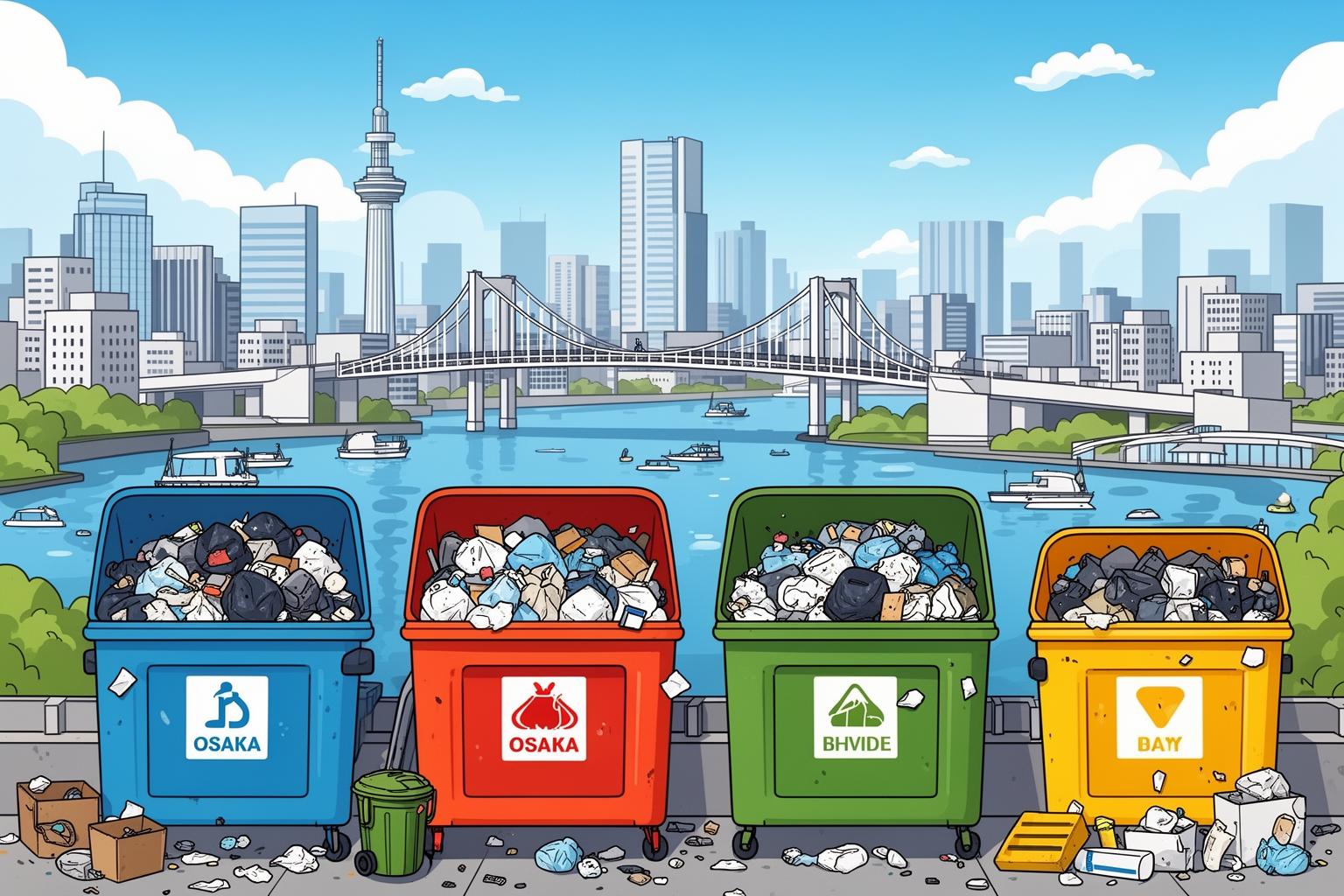
If you want to see the unspoken rules of Osaka neighborhood life in their most intense and high-stakes form, the garbage collection spot is the place to go. This space serves as the community’s public square, stage, and courtroom all at once. How you manage your trash reflects directly on your moral character and respect for the community. There is no margin for error, and your neighbors’ judgment is both swift and silent. In Japan, garbage is more than just waste; it represents a complex system of social responsibility, and in Osaka’s dense residential areas, strict adherence to this system is crucial.
Understanding the Unwritten Rules
Each ward in Osaka has its own detailed guide to garbage sorting. Burnables, plastics, PET bottles, cans, glass, oversized items—each has its assigned day, bag, and preparation method. But the official guidelines are only the starting point. The unwritten rules carry the real social weight. Garbage must be put out on the morning of collection, never the night before, to prevent crows from tearing bags open and creating a mess that others—your neighbors—must clean up. Plastic containers and PET bottles need to be thoroughly rinsed; no one wants to endure the smell of your leftover curry. Bags must be securely tied and neatly placed in the designated area, often under a weighted net. Failing at any of these points causes trouble for everyone else. Your garbage represents your public image. A poorly sorted bag or leaking container brings intense shame, marking you as a burden on the community.
The `Gomi-tōban` System
In many buildings and neighborhoods, maintaining the garbage station is organized through a system called `gomi-tōban` or garbage duty. This rotating schedule assigns different residents or households the responsibility of caring for the collection point for a week or a month. Duties may include unlocking the garbage cage in the morning, cleaning the area after collection trucks arrive, hosing down the concrete, and properly storing the nets. Skipping your turn or doing a poor job is a serious offense—like a group project where one person refuses to contribute, leaving others to cover for them. This system strongly enforces community standards. It ensures that everyone plays a role in keeping their shared environment clean and orderly, embodying the idea that life here is a collective effort, not just individual lives side by side.
Sound and Silence: Navigating the Noiseascape
In a densely populated city like Osaka, the sounds you make—and those you don’t—are a crucial part of the unwritten neighborly rules. Japanese homes, especially apartments, are well-known for their thin walls. Sound carries easily. Your late-night laundry, energetic vacuuming on a Sunday morning, or children running enthusiastically down the hallway are not private actions; they resonate into your neighbors’ living spaces. Living amid Osaka’s soundscape demands a continual, careful awareness of how you affect those living above, below, and beside you.
The Thin Walls of Japan
The key guideline is to assume your noise can be heard. This requires being highly mindful of the time. Usually, everyday noises are acceptable from 8 AM to 9 PM. After 9 PM, a social curfew on loud activities takes effect. This is when you switch from the washing machine to quieter tasks, remove your shoes to prevent footsteps echoing through the ceiling of the downstairs neighbor, and lower the TV volume. The goal isn’t complete silence but adjusting your noise levels according to the time. If you plan to host a party or undertake noisy home repairs, the expectation is clear: inform your immediate neighbors beforehand. A brief visit with an explanation and perhaps a small gift—a `temiyage` as an apology—can prevent issues before they arise. It’s all about managing expectations and showing thoughtfulness.
When Silence Isn’t Golden
Interestingly, Osaka’s tolerance for certain noises can be greater than Tokyo’s. There’s often more acceptance of everyday sounds, especially children’s noises. The laughter and shouts of kids playing in nearby parks or courtyards during the day are generally seen as signs of a lively community rather than a nuisance. This reflects Osaka’s more boisterous, family-centered culture. Yet, this tolerance has its boundaries. Context matters. A baby crying at night is recognized as unavoidable, whereas teenagers blasting music at that hour crosses the line. The unspoken rule distinguishes between unavoidable life noises and avoidable inconsiderate sounds. Demonstrating an effort to keep quiet is often as important as maintaining silence itself, as this visible consideration helps earn neighborly goodwill.
The `Chōnaikai` Conundrum: To Join or Not to Join?
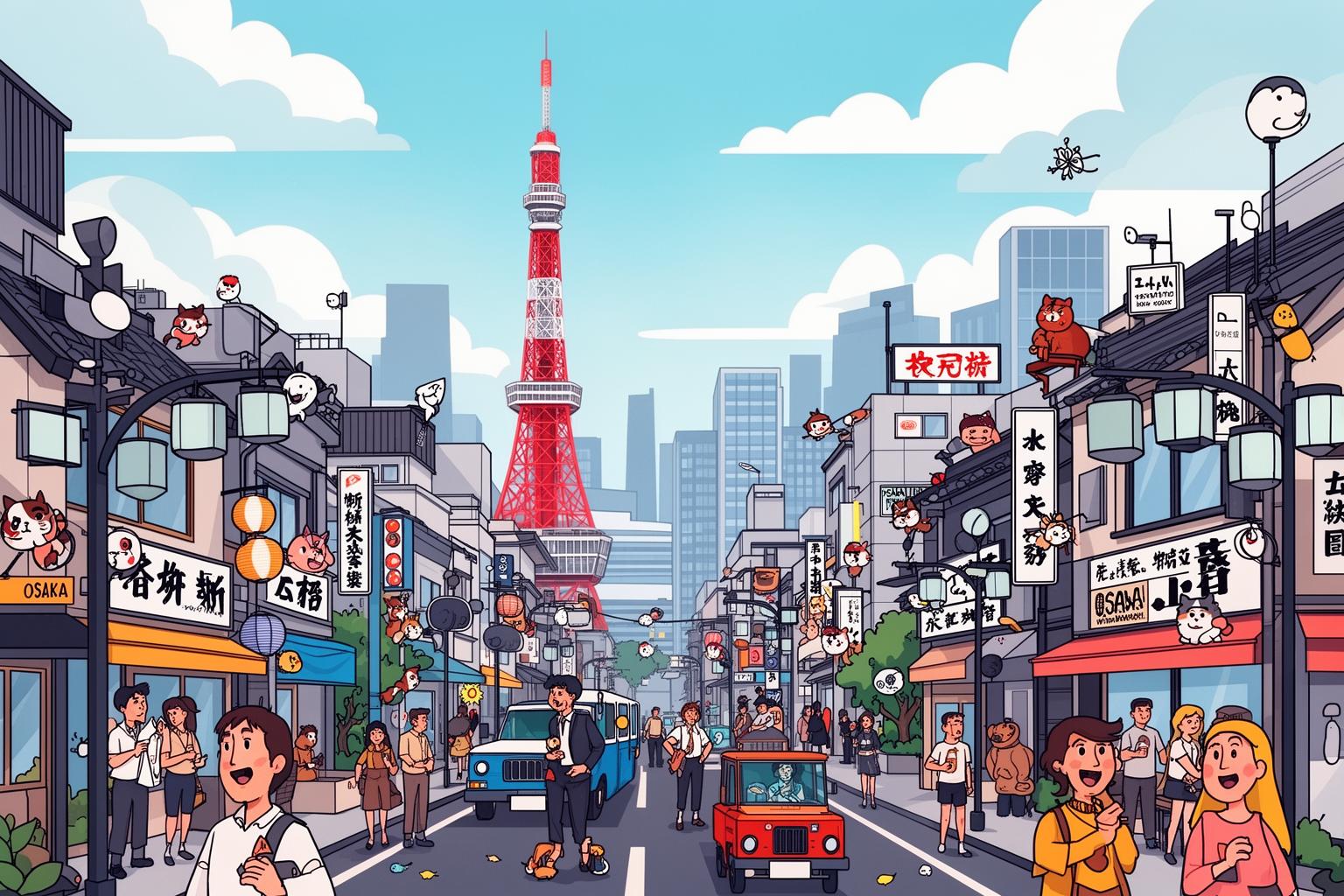
As you settle into life in Osaka, you will almost certainly come across the `chōnaikai`, or neighborhood association. This is the official, organized framework of the community, and your involvement with it can shape how well you integrate into local life. For many foreigners, the `chōnaikai` remains somewhat of a mystery. Is it a club? A form of local government? Is membership mandatory? The answer is nuanced, combining voluntary participation with strong social expectations. Understanding the `chōnaikai` means grasping the deep-rooted belief in collective responsibility that characterizes Japanese society, especially Osaka’s community-focused mindset.
What is it, Really?
The `chōnaikai` is a volunteer-led organization tasked with maintaining the social and physical well-being of a particular geographic block or area. Its activities are practical and highly visible. They organize the lively summer festivals (`matsuri`) featuring lanterns and food stalls. They run neighborhood safety patrols, often staffed by senior residents. They coordinate community cleaning days, when everyone is expected to come out and sweep the streets and tend to public flowerbeds. They also serve as a channel for information from city hall, distributing newsletters and emergency preparedness details. A small monthly or annual fee is typically required to support these efforts. Although legally you cannot be forced to join, the reality on the ground tells a different story.
The Social Currency of Participation
Choosing to opt out of the `chōnaikai` can lead to social isolation. You might miss out on important information about local events or changes to garbage collection schedules. More significantly, you risk being perceived as someone who desires the advantages of a safe, clean, and vibrant community without contributing to it. This is a major social faux pas. For families with children, involvement is practically essential. The `chōnaikai` events provide opportunities for your kids to meet other local children and for you to form connections with other parents. It serves as the main engine of social integration. Participating—even if it’s just by paying the fee and attending the annual cleaning day—is an investment in social capital. It secures you a seat at the table, marking you as a true resident rather than merely a temporary occupant. It represents your formal entry into the neighborhood’s complex network of mutual obligation and support.
Osaka’s Special Flavor: Why It’s Not Tokyo
The combination of all these rules and rituals creates a neighborhood atmosphere in Osaka that stands in clear contrast to most areas in Tokyo. It’s not merely that people are more talkative; rather, the very concept of personal space and community engagement is fundamentally different. Boundaries are blurred, interactions are more direct, and expectations of mutual attentiveness are elevated. This lies at the heart of what people mean when they describe Osaka as “friendly”—an active, engaged, and deeply rooted form of community life.
The Proximity Principle
In Tokyo, life often revolves around the train station. You live in your private apartment bubble, commute elsewhere for work, and meet friends in different locations. Your immediate neighborhood often remains a vague, anonymous setting. In Osaka, especially in residential districts, the neighborhood itself frequently serves as the main stage. The local shopping street, park, and public bath act as extensions of people’s living rooms. This fosters a culture of proximity, where you consistently interact with the same group of people. This familiarity cultivates a distinct kind of social contract, based on repeated encounters and a shared sense of place. Privacy is appreciated, naturally, but it exists within a framework of visible, community-centered public life.
A Touch of `Osekkai`
One of the most distinctive features of Osaka’s neighborhood spirit is the concept of `osekkai`. While its direct translation is often “nosy” or “meddlesome,” which may sound negative, in Osaka `osekkai` is often used affectionately. It represents a proactive, sometimes intrusive, kind of caring. It’s the woman at the fruit stand who notices you passing by and calls out, “You look a bit thin! Are you eating well?” It’s the elderly neighbor who points out that you left a window open and rain is coming. For Westerners used to minding their own business, this can seem like an invasion of privacy. But the intention behind it is nearly always genuine concern. It reflects a community looking out for one another. This is the ultimate expression of Osaka’s neighborly code. It’s not just about adhering to rules like garbage sorting and greetings. It’s about a readiness to be, in some small way, involved in the lives of those around you. It’s a warmth that isn’t passive—an active, lively, and sometimes nosy energy that turns a simple residential neighborhood into a true community.