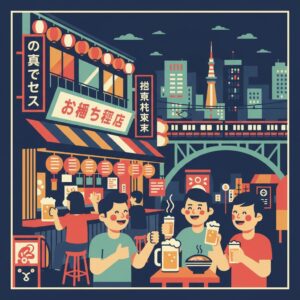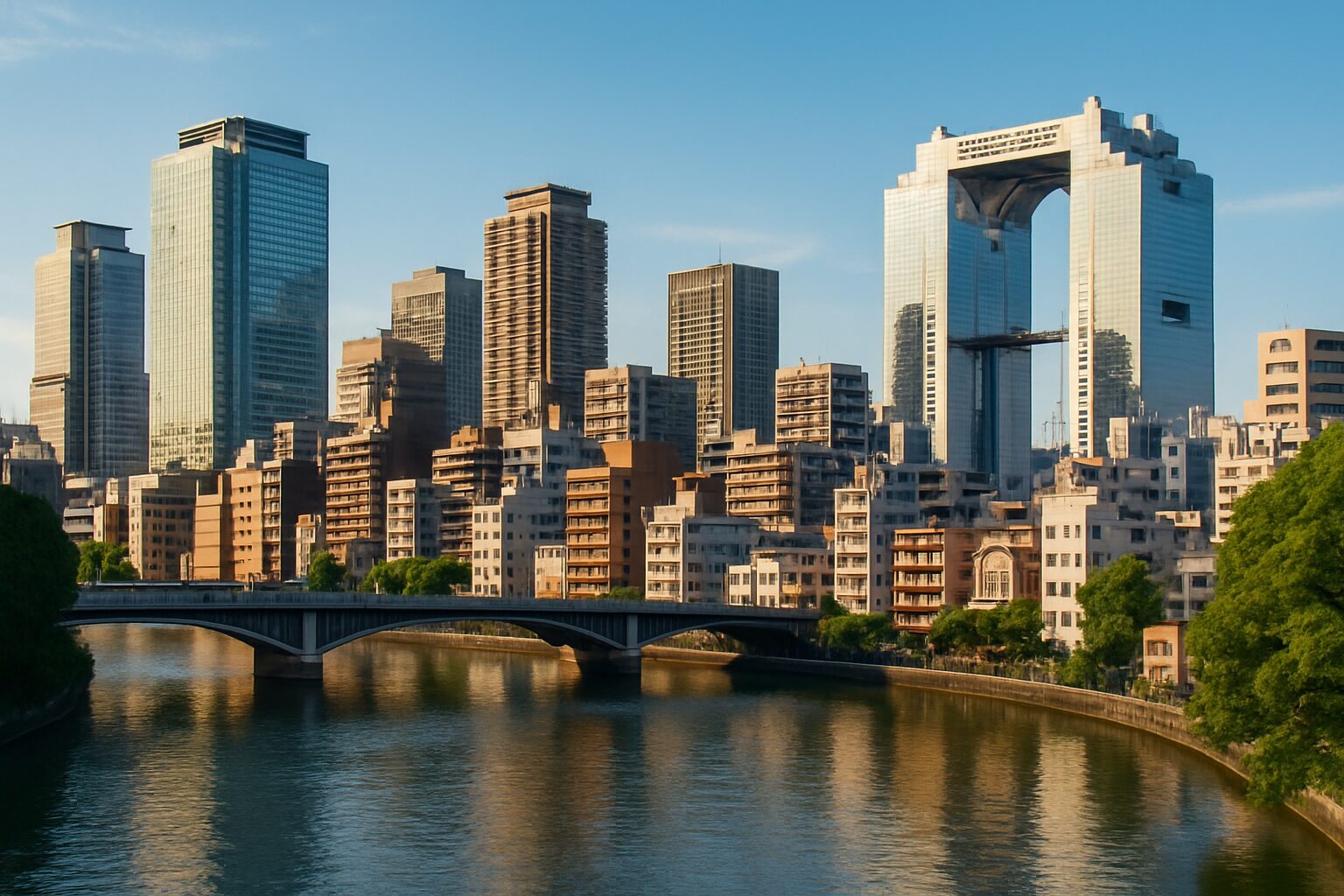
Step off the train at Fukushima, just one stop from the urban supernova of Umeda, and the air changes. The city’s towering, crystalline gleam softens, giving way to a low-slung, human-scale world, a labyrinth of narrow streets where the night is perfumed not by exhaust fumes, but by the irresistible trinity of grilled meat, simmering dashi, and the sweet, alluring scent of sake. This is Osaka’s stomach, its beating culinary heart after the sun dips below the Yodo River. Forget the sprawling, neon-drenched avenues of the south; Fukushima is a neighborhood of whispers and sizzles, a place where the city’s soul is served up on small plates, one delicious, intoxicating discovery at a time. It’s a realm built for the curious palate, a mosaic of glowing lanterns and hidden doorways, each one a portal to an authentic taste of Osakan nightlife. This isn’t just a district; it’s a nightly festival of flavor, an unspoken invitation to get gloriously, wonderfully lost in the pursuit of `kuidaore`—to eat until you drop. Here, the journey through the backstreets is the destination, and every meal is a conversation with the city itself.
For a different kind of Osakan adventure by day, consider exploring the vibrant local life along the Tenjinbashisuji Shopping Street.
The Soul of Fukushima: Understanding the Izakaya Culture
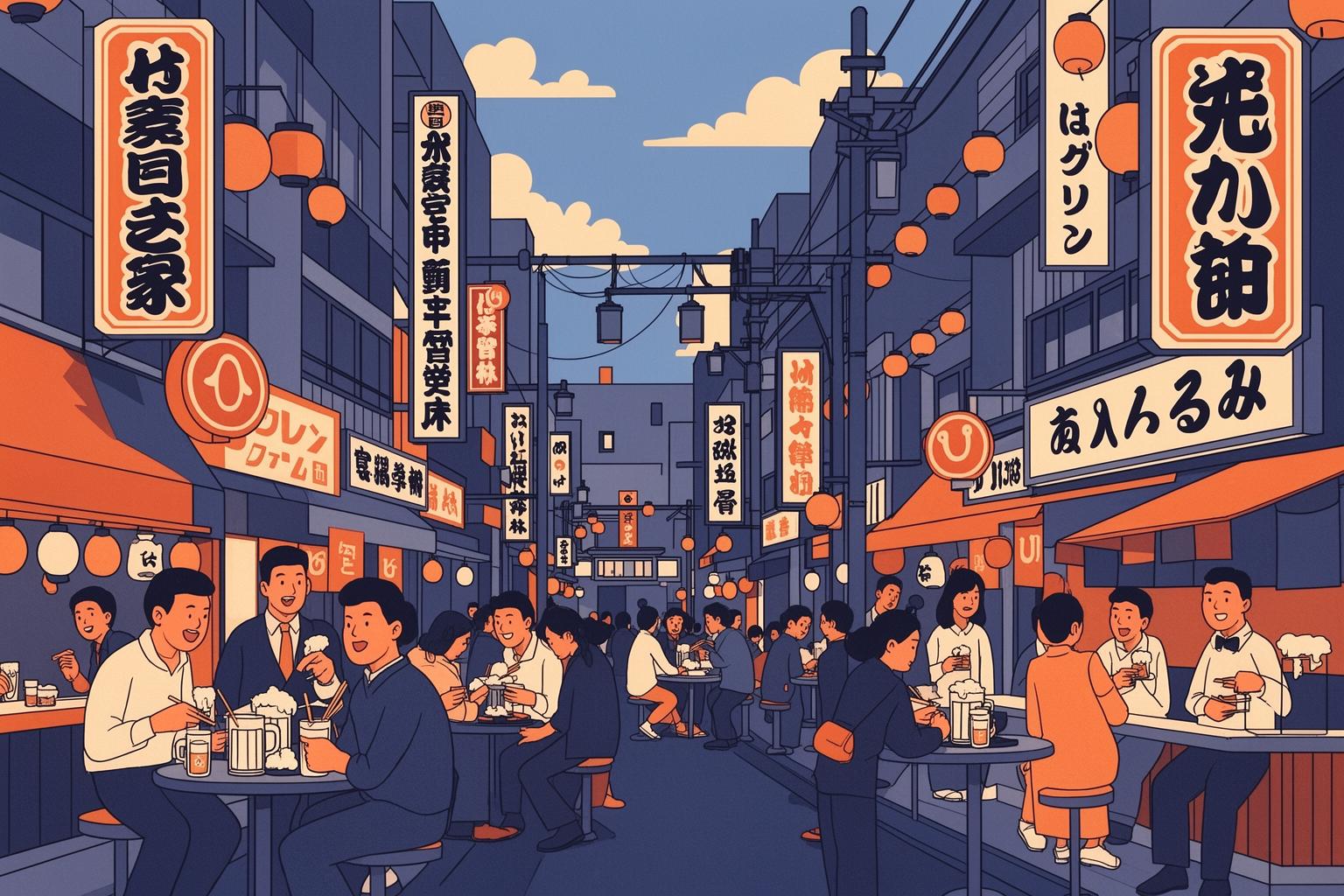
To truly grasp Fukushima, you must first understand the institution at its heart: the izakaya. The word itself, combining `i` (to stay) and `sakaya` (sake shop), reflects its origin as a place where one could linger and drink sake directly from the source. Yet, calling it a bar, pub, or even a gastropub does it a great disservice. An izakaya is a uniquely Japanese third space—a sanctuary balanced between the strict formalities of the office and the private refuge of home. It serves as a social lubricant, a culinary playground, and a stage for the nightly dramas of everyday life in Japan. It’s where promotions are toasted, deals are made, friendships are forged, and hearts are healed, all accompanied by a steady flow of drinks and an endless array of small, shareable dishes.
In Fukushima, this culture reaches its most vibrant form. The izakaya experience here is far from uniform; it’s a rich tapestry woven from many diverse strands. Near the station tracks, you’ll find `tachinomi`, or standing bars—lively, high-energy spots where salarymen, with loosened ties, stop for a quick beer and skewers on their way home. The atmosphere is electric, the turnover rapid, and the prices affordable. It’s a place for a brief, vertical communion with the city, a potent shot of its raw energy. Lean against the counter, order a draft beer—`toriaezu biru`, the sacred phrase for “beer for now”—and watch the city’s rhythm pulse all around you.
Further into the alleys, traditional izakayas await, bastions of a timeless Japan. These establishments often favor interiors of dark wood and warm lighting, with counter seats offering a front-row view of the `taisho`, the master of the house, overseeing his domain. Menus are often handwritten on strips of paper pasted to the walls, featuring classic dishes perfected over decades. This is where you come for comfort—flavors that feel like home, even if you’re thousands of miles away from your own.
Yet Fukushima is far from static. It pulses with a modern, innovative spirit. Alongside these venerable institutions, a new generation of `neo-izakaya` has emerged. These spots combine the convivial, share-plate ethos of the traditional izakaya with global influences and a contemporary aesthetic. You might find a Spanish `baru` serving jamón ibérico alongside a curated sake list, or an Italian-inspired venue offering uni pasta and natural wine. These establishments testify to Osaka’s long history as a port city—a place open to new ideas and flavors. They prove that tradition in Fukushima is not a relic preserved in amber but a living, evolving force. What unites them all is the spirit of sharing, communal enjoyment, and the quintessentially Osakan passion for good food, good drink, and good company—embodying the city’s `kuidaore` creed in its purest form.
Navigating the Labyrinth: The Main Arteries and Hidden Alleys
Fukushima unfolds gradually, layer by layer. It’s not a neighborhood to be conquered with a map and a checklist, but one to be embraced with an open heart and an eager appetite. Its geography is best grasped not through street names, but through the atmosphere and the culinary delights tucked within its unique micro-neighborhoods.
Your journey will likely begin around the JR Fukushima Station. Just north of the tracks lies a dense, vibrant cluster of eateries—this is the district’s lively gateway. As night falls, the air thickens with the tempting aroma of grilled chicken from a myriad of yakitori joints. The calls of `Irasshaimase!` (Welcome!) echo from beneath brightly lit signs and waving `noren` curtains. Here, you’ll find a strong concentration of `tachinomi` standing bars and bustling izakayas, catering to the steady stream of commuters flowing from the station. The atmosphere is loud, immediate, and utterly captivating. It’s the perfect spot to dive headfirst into the Fukushima experience, grabbing a quick bite and drink while orienting yourself and soaking in the electric vibe.
Heading south along the main road from the station, you’ll eventually step into what feels like another world. This is Fukushima Shoten-dori, affectionately known by locals as Uranibandori. By day, it’s a quiet shopping street; by night, it blossoms into the district’s main culinary artery. The street itself, along with the countless narrow alleys branching off it, is packed tightly with an almost overwhelming array of restaurants. Here, the pace slows slightly compared to the station’s chaos. Groups of friends and colleagues settle in for longer evenings, their laughter echoing through the lanes. This is the heart of Fukushima’s dining scene, offering everything from refined sushi to rustic oden, from lively Italian bars to serene sake specialists. Getting lost in these alleys isn’t a risk—it’s the whole point. Each turn unveils new temptations, new glowing lanterns promising a fresh experience.
Further south, as you near the tranquility of Nakanoshima Park, Fukushima takes on a more refined and serene character. The streets widen a bit, the lighting softens, and the establishments become more intimate and thoughtfully curated. Here, you’ll find upscale Japanese restaurants, `kappo` style dining where chefs prepare elaborate courses right before your eyes, and sophisticated wine bars ideal for a quiet date. Reservations here shift from a suggestion to a necessity. The mood is less about lively energy and more about quiet appreciation—a place to savor carefully crafted dishes and rare bottles in a composed setting. This is the elegant, sophisticated facet of Fukushima’s multifaceted personality.
Finally, for the truly adventurous, there’s the western frontier. Beyond the main intersection of Naniwasuji Avenue, the neighborhood grows more residential. Restaurants thin out, but this is where genuine hidden gems await. These beloved local spots are often family-run for generations, with menus unchanged for decades because they simply don’t need to be. Discovering these places feels like a true find. There are no English menus, no tourist-friendly signs—just the warm, welcoming glow of local institutions. Here, you dine alongside Fukushima’s residents, sharing meals in spaces that feel less like restaurants and more like extensions of someone’s home. It’s a rewarding experience offering a glimpse into the authentic, everyday fabric of the neighborhood.
A Symphony of Flavors: What to Eat in Fukushima
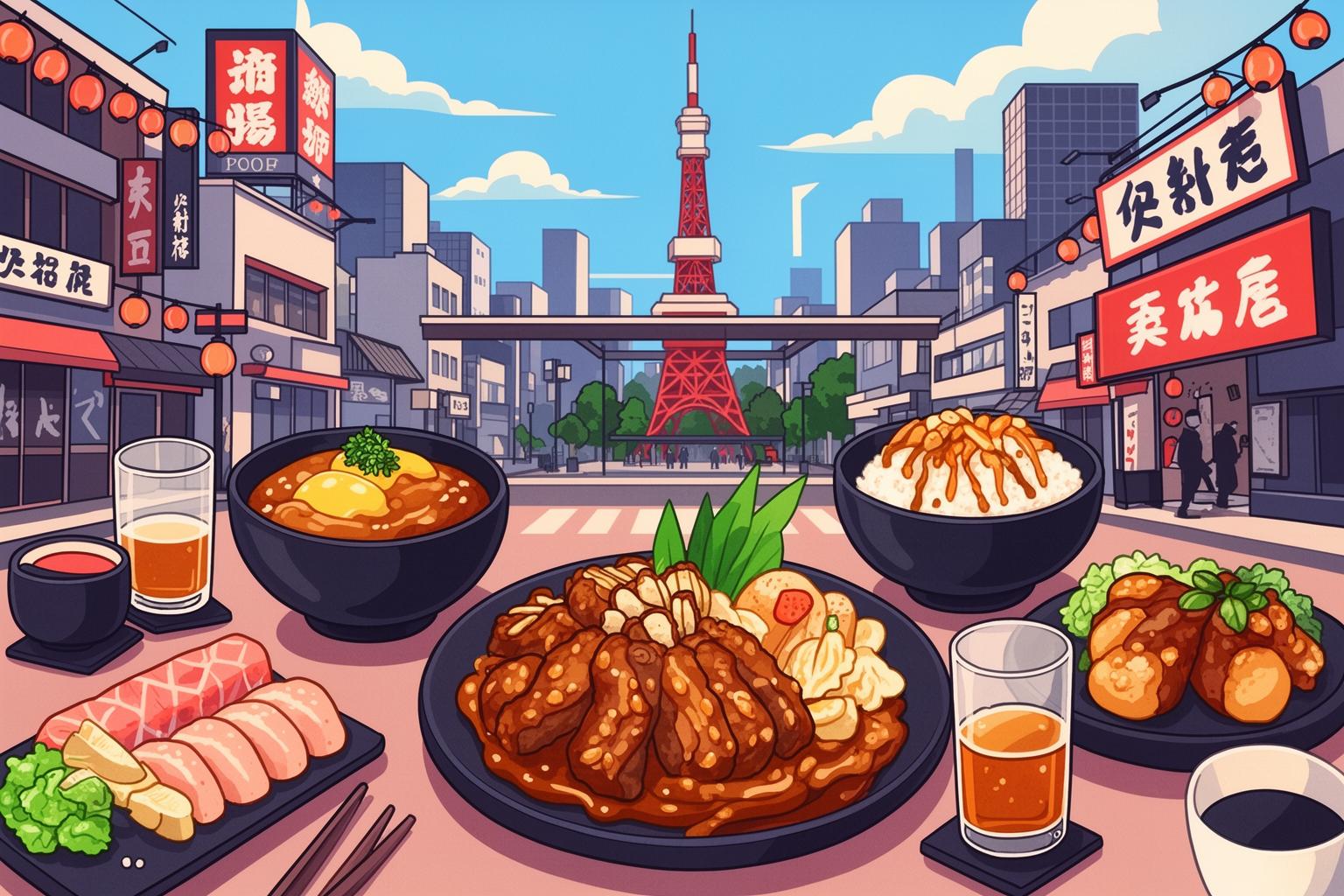
Fukushima is a grand orchestra of flavors, where every restaurant, chef, and dish plays its part in a magnificent culinary symphony. Strolling through its streets is to be serenaded by a harmonious blend of aromas and tastes, showcasing the vast richness of Japanese cuisine concentrated in this exceptional district.
Yakitori & Kushikatsu: The Skewered Soul Food
At the core of the izakaya experience lie the humble skewers, an ideal vessel for flavor and the perfect companion to a cold drink. The smoke rising from yakitori grills embodies the very heart of Fukushima’s nightlife. Step into one of these often modest establishments, usually just a long wooden counter, and watch a master at work. The `taisho` moves with practiced efficiency, expertly turning chicken skewers over scorching hot `binchotan` charcoal. This is not merely grilling; it is an art form. The white oak charcoal burns intensely without flames, searing the chicken’s exterior to a crisp while sealing in the juices. Every part of the chicken is celebrated, from thigh (`momo`) and breast (`mune`) to crispy skin (`kawa`), tender meatballs (`tsukune`), and more adventurous cuts like heart (`hatsu`) and gizzard (`sunagimo`). You’ll be asked to select your seasoning: `shio` (salt), which highlights the pure flavors of chicken and charcoal, or `tare`, a sweet-savory soy-based glaze that caramelizes beautifully over the heat. The experience is primal and deeply satisfying—the sizzle, the smoke, the burst of flavor from perfectly cooked chicken, washed down with a frosty mug of beer.
Equally cherished is Osaka’s other iconic skewered dish: `kushikatsu`. These deep-fried skewers offer a delightful contrast of crunch and tenderness. A delicate batter coats everything from pork and beef to shrimp, scallops, lotus root, shiitake mushrooms, and even cheese and quail eggs. They arrive at your table golden and piping hot. The ritual accompanying the food is just as important. A communal stainless-steel pot of thin, sweet-savory dipping sauce sits on the counter, alongside a strict rule posted in every `kushikatsu` joint in Osaka: `Nidozuke kinshi`—NO DOUBLE-DIPPING. Once you dip your skewer, it’s yours alone. This simple hygiene rule turns the meal into a fun, communal game. The blend of crispy batter, tender interior, and tangy sauce is utterly addictive, perfectly capturing Osaka’s lively and unpretentious food culture.
Sashimi & Seafood: The Ocean’s Bounty
Osaka’s history is deeply connected to the sea, and its reputation as the nation’s kitchen was built on access to the freshest seafood from the nearby Seto Inland Sea. This tradition thrives in Fukushima’s seafood izakayas. Establishments with handwritten chalkboard menus out front indicate daily changes based on the freshest catches from the morning market. Inside, you’ll find the day’s haul displayed proudly on beds of crushed ice—a vibrant array of glistening fish, shellfish, and imposing octopus. The ultimate expression of this freshness is sashimi. A `moriawase`, or assorted platter, offers a journey across the ocean on a plate. Expect ruby-red slices of fatty tuna (`toro`), pearly sea bream (`tai`), and creamy, sweet botan shrimp (`botan ebi`). The chef’s knife skills transform the fish into edible art. Beyond sashimi, look for grilled fish (`yakizakana`), often simply salted and grilled whole over charcoal, or simmered dishes like `nitsuke`, where fish is gently cooked in a broth of soy sauce, mirin, and sake until tender and flavorful. Paired with crisp, dry sake, it’s a taste of pure, refined Japanese elegance.
Oden & Nikomi: The Heartwarming Stews
As the evenings grow cooler, nothing compares to a steaming bowl of `oden`. This is Japanese soul food at its purest. Enter an oden-ya, and you’ll be greeted by a large, steaming, compartmentalized pot filled with various ingredients simmering gently in a delicate, savory dashi broth. The experience pleases both the eyes and the appetite. Simply point to your choices, and the master will ladle them into your bowl, topped with a dollop of sharp Japanese mustard (`karashi`). The stars are the ingredients that have soaked up the broth for hours: meltingly tender daikon radish, savory boiled eggs, pillowy fried tofu (`atsuge`), and delightful `kinchaku`, tofu pouches filled with sticky mochi rice. Oden is a slow, contemplative dish, warming you from the inside out—perfect for a long evening, nursing hot sake while watching the world go by. For a heartier option, there’s `nikomi`: richer, more robust stews often made with beef tendon (`gyusuji`), tripe, and vegetables simmered for hours in miso or soy-based broth until everything is incredibly tender. A bowl of `nikomi` offers a powerful, deeply savory experience emblematic of Osaka’s working-class roots.
Modern Twists and International Flair
Fukushima’s culinary scene is far from static; it’s a dynamic, evolving ecosystem where tradition and innovation intertwine. Recently, the district has become a hotspot for modern takes on the izakaya concept, often infused with international influences. The `Italian-baru` and `Spanish-baru` are especially popular. These lively, casual spots embrace the izakaya’s small-plate, drink-focused ethos without the formality of traditional restaurants. Here, you might find creative pasta dishes featuring Japanese ingredients like sea urchin (`uni`) or shiso leaf, or classic Spanish tapas served alongside an impressive lineup of Japanese craft beers and natural wines. These fusion venues attract a younger crowd and offer a refreshing change of pace, showcasing Fukushima’s chefs’ creativity and their ability to blend global flavors while preserving the convivial spirit of the izakaya. This openness to experimentation keeps the neighborhood’s food scene vibrant and exciting.
The Noodle Finale: Ramen & Udon
No night of eating and drinking in Japan is complete without `shime`, the final, starchy course that perfectly concludes the evening. In Fukushima, a fierce rivalry among noodle shops makes ramen a frequent choice. As izakayas start closing, ramen joints come alive, their counters filling with patrons seeking that final perfect bowl. The variety is astounding: rich, opaque pork-bone `tonkotsu` broth, clear savory soy `shoyu`, salty complex `shio`, and hearty fermented bean paste `miso`. Each shop boasts its own secret recipe, noodle style, and signature toppings. The sound of happy slurping—a mark of appreciation in Japan—echoes through these small spaces. A late-night bowl of ramen is more than a meal; it’s a comforting ritual and a deeply satisfying finale to a culinary adventure. Alternatively, for a gentler end, a bowl of udon with thick, chewy noodles in a light, elegant dashi broth offers the perfect soothing conclusion.
The Art of the Drink: Sake, Shochu, and Beyond
In Fukushima’s izakayas, the drink is not just a companion to the food; it stands as an equal partner in the culinary dance. The beverage menu opens a gateway to a deeper appreciation of Japanese culture and craftsmanship, offering a liquid journey as intricate and rewarding as the food itself.
Sake Demystified
To the uninitiated, the world of sake can seem daunting, with its complex terminology and wide range of styles. However, in Fukushima’s inviting bars, it turns into an approachable experience. At its core, sake is brewed rice wine, though this simple label hardly captures its remarkable depth. The secret to quality lies in the rice polishing ratio—the more the rice grain is polished before brewing, the more refined and often aromatic the sake becomes. This is what differentiates categories such as `Junmai`, `Ginjo`, and the highly esteemed `Daiginjo`. Don’t hesitate to ask for a recommendation. Share with the bartender your usual drink preferences—a dry white wine, a fruity red—and they can suggest a sake with a similar character. Many sake-centric bars offer tasting flights, or `kikizake`, allowing you to sample three varieties, an excellent way to discover your favorites. You’ll also find that temperature has a dramatic effect on sake’s flavor. When served chilled (`reishu`), it is crisp and fragrant; at room temperature (`hiya`), its subtle nuances come forward; and warm (`atsukan`), it becomes smooth and comforting. A skilled izakaya will know the ideal temperature to bring out the best in each bottle, unlocking its full potential. Exploring sake in Fukushima means engaging with a tradition thousands of years old, a craft that blends art and science.
Shochu & Awamori: The Distilled Spirits
While sake is Japan’s most renowned alcoholic drink, `shochu` is arguably the country’s most popular and forms the backbone of many izakayas. This distilled spirit can be made from various base ingredients, each lending a distinctive character. There is the earthy, sweet `imo-jochu` made from sweet potatoes; the crisp, clean `mugi-jochu` from barley; and the mild `kome-jochu` crafted from rice. From Okinawa comes `awamori`, similar yet made from long-grain indica rice, imparting a unique flavor profile. Shochu is incredibly versatile and pairs well with food. It is typically served on the rocks (`rokku`), which helps release its nuanced aromas; mixed with cold water (`mizuwari`) for a lighter, more refreshing taste; or with hot water (`oyuwari`), especially popular in colder seasons, enhancing its fragrance and delivering a warm, soothing drink. Its clean flavor and lower calorie content compared to many spirits have made it a favorite among health-conscious drinkers, while its palate-cleansing qualities make it an excellent match for the rich, savory dishes of izakayas.
The Japanese Highball and Craft Beer
Any conversation about Japanese drinking culture would be incomplete without highlighting the Highball. This seemingly simple mix of Japanese whisky and highly carbonated soda water, served in a tall glass filled with ice, is a masterpiece. The Japanese attention to detail turns the Highball from a basic cocktail into a perfectly balanced and incredibly refreshing drink. Its bright crispness and fizzy texture cut through the richness of fried and grilled fare, making it the perfect companion for a long night of dining. It reigns supreme as the king of izakaya cocktails. Simultaneously, Japan’s craft beer scene has surged in popularity, and Fukushima has wholeheartedly embraced this trend. Many bars and izakayas feature a rotating selection of local brews from Osaka and the surrounding Kansai region. From crisp lagers and aromatic IPAs to robust stouts, these beers offer a modern and flavorful alternative to traditional drafts, adding yet another exciting dimension to the tasting experience.
Practical Tips for the Intrepid Foodie
Fukushima is a friendly neighborhood, but having some local insight can help you explore its delicious offerings with the confidence of a seasoned regular.
Access
Reaching Fukushima is exceptionally easy, which is a major part of its charm. It serves as a key hub on several train lines. The JR Osaka Loop Line takes you to Fukushima Station in just two minutes from Osaka/Umeda Station. The Hanshin Main Line also has a Fukushima Station, situated just south of the JR station. Further west, you’ll find the JR Tozai Line’s Shin-Fukushima Station. This outstanding connectivity allows you to effortlessly drop by for dinner after a day of sightseeing or shopping in Umeda, and just as easily return to your accommodation late at night.
Timing is Everything
Fukushima follows a distinct rhythm. Arrive around 6 PM, and you’ll experience the start of the evening rush. The atmosphere is lively but not yet overwhelming, giving you a better chance of securing a seat at popular spots without a reservation. The peak hours typically run from 7 PM to 9 PM, when the neighborhood is at its most energetic and bustling. This is the ideal time to fully immerse yourself in the vibrant experience. Later in the evening, from 10 PM onwards, the mood softens as the first wave of diners leaves for the last train. This is the perfect moment to visit a quiet sake bar for a nightcap or join locals for a bowl of `shime` ramen.
Reservations (Yoyaku)
For many smaller, popular, or high-end restaurants in Fukushima, making a reservation (`yoyaku`) is strongly advised, especially on Friday or Saturday nights. If you’re staying at a hotel, the concierge can be a great help in securing a table. If you’re on your own, some restaurants now accept online bookings, but the traditional method is by phone. If you don’t speak Japanese, don’t be discouraged. Prepare a few key phrases or simply arrive early and try your luck. For casual `tachinomi` and yakitori spots, reservations are usually not accepted; it’s a first-come, first-served policy.
Navigating Menus
Many places in Fukushima mainly cater to locals, so English menus might not always be available. This adds to the adventure! Modern technology is your ally; a good translation app with camera functionality can be extremely helpful. Look out for menus with pictures, which are fairly common. When unsure, use the most powerful tool in any food lover’s kit: observation. See what the people next to you are eating and simply point. Even better, learn the magic question: `Osusume wa nan desu ka?` (What do you recommend?). Trusting the chef is almost always a winning choice and is viewed as a sign of respect. You’ll often be rewarded with the freshest seasonal specialties that might not appear on the regular menu.
Etiquette
The izakaya experience comes with a few customs. You will almost always receive a small appetizer called `otoshi` as soon as you sit down. This is mandatory and comes with a small cover charge added to your bill. Think of it as a table fee that includes a snack. When you’re ready to pay, you don’t usually ask for the check at your table. Instead, head to the register at the front, where your bill will be waiting. Tipping is not customary and can even be seen as confusing or rude. The best way to show your appreciation is with a simple, sincere `Gochisousama deshita` (Thank you for the meal) as you leave. The atmosphere in an izakaya is generally relaxed and friendly, but foreign visitors who show awareness of these small cultural nuances are always appreciated.
Solo Dining
Fukushima is a haven for solo diners. The widespread presence of counter seating in nearly every establishment means you’ll never feel out of place on your own. In fact, sitting at the counter is often the best spot in the house. It offers a front-row view of the kitchen, allowing you to watch the chefs’ skill up close. It also provides a chance for interaction. While not guaranteed, it’s common for the chef or the person next to you to strike up a conversation, offering an opportunity for a genuine cultural exchange over a shared passion for good food.
Beyond the Plate: The Vibe of Fukushima
To focus exclusively on Fukushima’s food and drink, impressive as they are, is to overlook half the story. The district’s true charm lies in its atmosphere, its intangible “vibe.” It is a deeply human place, a sensory tapestry woven from countless small moments of connection and community.
Fukushima’s soundscape is a symphony in its own right. It starts with the steady percussion of a chef’s knife on a cutting board, laying the foundation for the evening. On top of that comes the sharp sizzle of meat hitting a hot grill, the gentle bubbling of a simmering oden pot, and the satisfying clink of ceramic sake cups. The human voices form the melody: welcoming “Irasshaimase!” calls, the rising laughter from friends celebrating, and the quiet murmur of couples sharing secrets in a corner. It is a soundscape of pure, unfiltered conviviality.
The visual experience is just as vivid. The hallmark is the warm, inviting glow of the akachochin—red paper lanterns hanging outside every izakaya, acting as nighttime beacons. They bathe the narrow streets in soft, flattering light, crafting an atmosphere both festive and intimate. Inside, walls are often adorned with handwritten menus, vintage posters, and signed celebrity shikishi boards, each telling a story. On cold nights, steam fogs the windows, evoking a cozy, hidden world inside. It is a feast of textures: the dark, polished grain of old wooden counters, the rough pottery of handmade plates, and the vibrant colors of fresh ingredients.
What truly distinguishes Fukushima from more famous Osaka nightlife areas like Dotonbori or Shinsaibashi is its authenticity. While those districts can sometimes feel like tourist spectacles, Fukushima feels genuine. This is where Osakans come to be themselves. It’s less about show and more about substance. The emphasis isn’t on giant mechanical crabs or flashy billboards, but on the chef’s craft, ingredient quality, and heartfelt hospitality. It’s a neighborhood for those who know, a place that rewards curiosity and a willingness to stray from the beaten path. As you wander its alleys, you feel less like a tourist and more like a participant in the city’s nightly ritual of unwinding, connecting, and savoring the simple, profound joy of a good meal shared in good company.
Fukushima is more than just a cluster of restaurants; it is a living, breathing community—a microcosm of Osaka’s passionate culinary spirit. It is a place to lose yourself and, in doing so, find an authentic connection to the heart of this remarkable city. So come with an empty stomach and an open heart. Follow the scent of charcoal smoke down a nameless alley, slip under a noren curtain, and settle at the counter. A whole world of flavor, warmth, and discovery awaits you in Fukushima’s unforgettable after-dark labyrinth.