Just a ten-minute walk from the dizzying heights and neon pulse of Umeda, a different reality awaits. Step away from the department stores, leave the roar of Osaka Station behind, and you’ll feel a subtle shift in the air. The concrete canyons give way to a tangle of narrow lanes. The sky opens up. The rhythm of the city slows to a gentle, human-paced heartbeat. This is Nakazakicho, a district that feels less like a place on a map and more like a secret whispered between friends. It’s a living, breathing time capsule, a sanctuary for artists, dreamers, and anyone seeking a genuine connection to Osaka’s creative soul. As an event planner from Tokyo, I’m constantly chasing the next big thing, the polished and the new. But here in Nakazakicho, I found something far more compelling: the profound beauty of the old, the repurposed, and the passionately handmade. This isn’t just a sightseeing spot; it’s a community, a maze of stories waiting to be discovered, where every peeling paint facade and hand-drawn shop sign is a testament to a spirit that refuses to be paved over. It’s a place to get wonderfully, blissfully lost.
To truly appreciate Nakazakicho’s serene escape, it helps to first understand the daily rhythm of the city you’re leaving behind, such as the experience of navigating Osaka Station.
The Soul of a Bygone Era: A Labyrinth of Living History
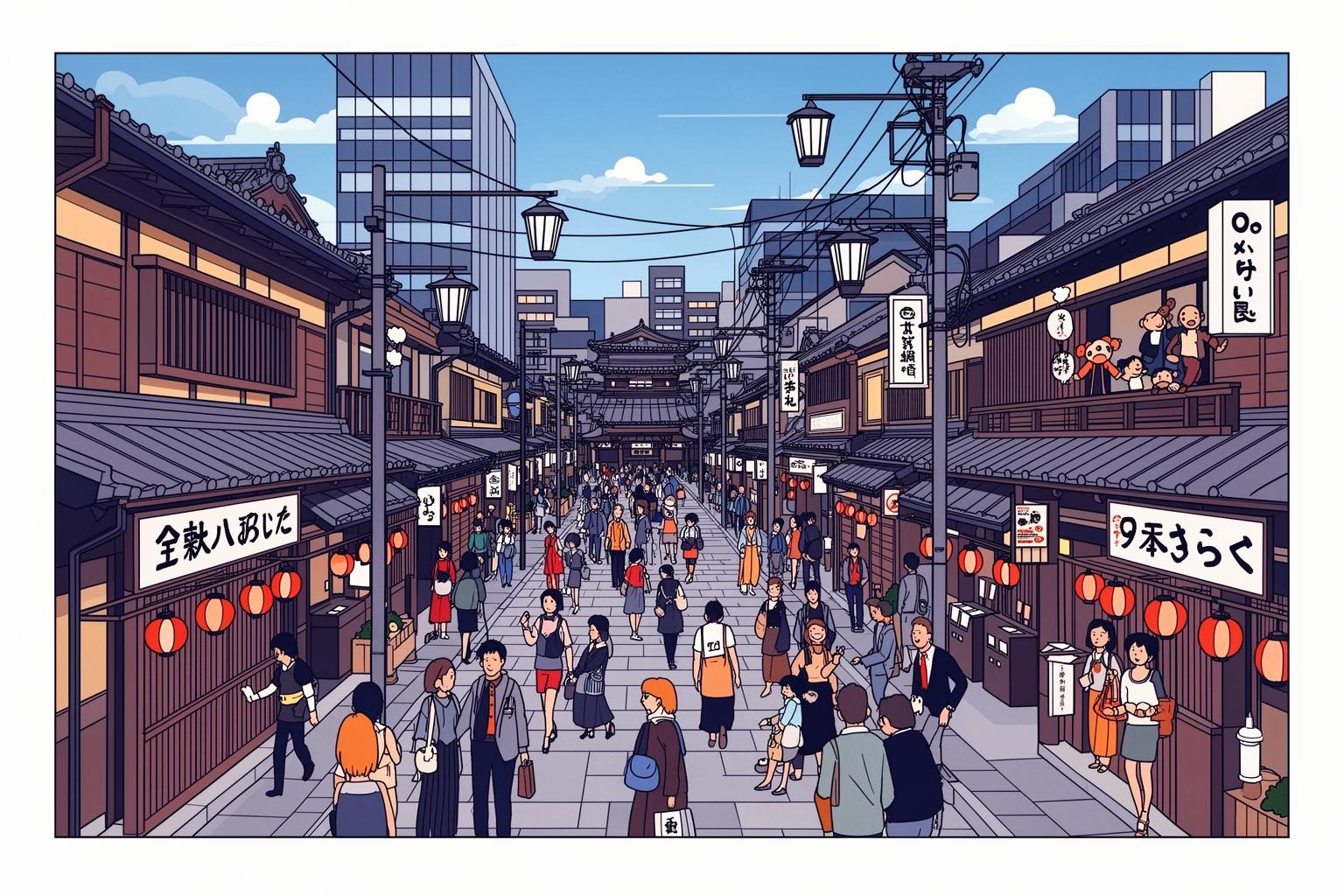
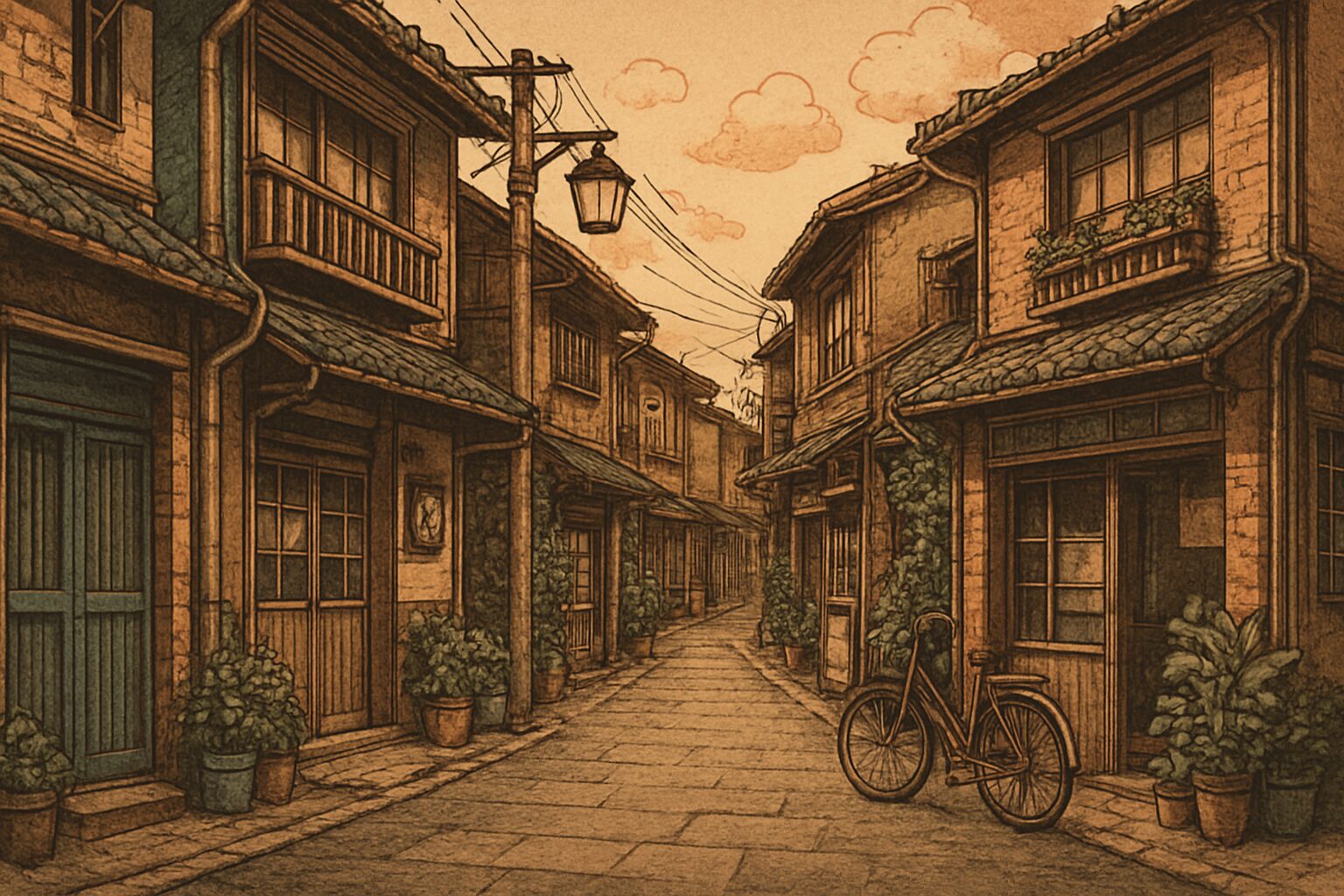
To understand Nakazakicho, you first need to grasp what it endured. While much of Osaka was devastatingly destroyed during the air raids of World War II, this small enclave, hidden away as it was, remained remarkably untouched. As a result, it is one of the few places in the city where you can still stroll through a pre-war streetscape. The architecture tells the tale. You’ll notice two-story wooden townhouses called machiya, with their latticed windows and tiled roofs evoking a time when merchants both lived and worked under the same roof. You’ll also come across rows of nagaya, or tenement houses—long, low buildings that once sheltered entire communities together. These buildings weren’t designed to impress; they were built for life, for neighbors to chat over laundry lines and for children to play in alleys that served as their backyards. Today, this architectural legacy provides the very backdrop on which the district’s modern creativity is expressed.
The ambiance here is thick with nostalgia, a sentiment the Japanese call natsukashii. It’s a gentle wistfulness for a past you may never have actually known. As you weave through the maze-like alleys, too narrow for cars, your senses come alive. You hear the distant, rhythmic clatter of the Hankyu train line, a constant reminder of the modern city just beyond the veil. You smell the rich, earthy aroma of roasting coffee beans blended with the sweet fragrance of daphne spilling from a resident’s overflowing window box. You see incredible textures everywhere: the weathered grain of an old wooden beam, the smooth, cool surface of a ceramic pot, the rusty patina on a vintage bicycle resting against a wall. This isn’t a polished, museum-like preservation of history. It’s a messy, organic, and utterly beautiful continuation of it. Homes remain homes, but now they coexist with a chic café, a tiny art gallery, or a quiet bookstore. It’s this seamless mix of residential life and artistic ventures that gives Nakazakicho its distinctive, magnetic charm. It feels authentic, lived-in, and profoundly serene.
A Canvas of Creativity: The Independent Spirit of Nakazakicho
The essence of Nakazakicho lies not only in its historic buildings but also in the people who have chosen to live and work here. This fiercely independent neighborhood serves as a sanctuary for small business owners, artists, and artisans who prioritize authenticity over commercialism. Major chain stores and fast-food outlets are absent; instead, you’ll encounter a curated selection of shops and spaces, each a direct reflection of its owner’s passion. Nakazakicho is where Osaka’s creative community gathers to collaborate, play, and craft something beautiful, one modest storefront at a time. The spirit of do-it-yourself is tangible, with many shops lovingly renovated by their owners, their handiwork evident in every quirky detail.
The Cafe Culture: More Than Just Coffee
In Nakazakicho, a cafe is rarely merely a cafe. It often serves as a living room, gallery, library, and community hub all at once. The variety is astonishing, and each venue offers a unique experience. You might come across a classic kissaten, a Showa-era-style coffeehouse where time seems to have paused around 1975. Inside, soft jazz plays from vinyl records, velvet chairs invite you to relax, and a devoted master prepares your coffee with the precision of a scientist, using elegant siphon brewers that bubble and glow. Here, the focus isn’t on a quick caffeine fix but on the ritual, quiet reflection, and complex flavors of a carefully brewed cup.
Just a few steps away in the same alley, you might find its polar opposite: a bright, minimalist cafe with white walls, light wood furniture, and a cutting-edge espresso machine. Here, conversations revolve around single-origin Ethiopian beans, latte art, and the delicate citrus notes in cold brew. These spaces often double as galleries for local illustrators or photographers, whose work decorates the walls and is available for purchase. Then there are the truly quirky spots—a cafe filled from floor to ceiling with antique cameras, another where you can enjoy a matcha latte surrounded by napping cats, and one that doubles as a succulent shop, infused with the fresh scent of greenery. What unites them all is a dedication to creating personal, welcoming spaces. The owners frequently stand behind the counter, ready to chat about their craft or offer recommendations. These cafes act as the social glue of the district, places where locals and visitors alike pause, recharge, and soak up the creative energy in the air.
The Allure of the Secondhand: A Treasure Trove of Vintage Finds
For those who love fashion, history, and sustainability, Nakazakicho is a true paradise. The district is famous for its dense concentration of vintage and secondhand stores, each with its own distinct character. This isn’t about digging through dusty bins but about uncovering curated collections of wearable history. Some shops focus on rugged American workwear—perfectly faded denim jackets, sturdy leather boots, and flannel shirts with plenty of stories to tell. Others transport you to Europe, offering elegant silk scarves, tailored wool coats from the 1960s, and whimsical floral dresses that seem to carry the scent of a Parisian spring.
A strong theme in Nakazakicho’s vintage scene is the appreciation for Japanese retro styles, particularly from the Showa Period (1926–1989). Here, you’ll find bold, geometric-print blouses, high-waisted trousers, and unique accessories not found elsewhere. Shopping here is an adventure—a thrilling hunt for that one-of-a-kind piece that feels made just for you. Shopkeepers are often collectors and enthusiasts themselves, rich with knowledge about their garments’ origins and eager to share their stories. Beyond clothing, you’ll also discover shops selling vintage furniture, Showa-era tableware adorned with charming retro patterns, and dusty bookstores offering everything from classic Japanese literature to beautifully illustrated children’s books from a bygone era. It’s a celebration of the idea that old things have soul, and style need not come at the planet’s expense.
Galleries in Unexpected Places: Art in Every Corner
Art in Nakazakicho is not confined to grand white-walled galleries; it’s woven into the neighborhood’s very fabric, appearing in the most unexpected spots. A tiny gallery may be tucked away on a second floor accessible only by a steep, narrow staircase. Another could be a single bright room that once served as a small garage. This approachable and unpretentious art scene is one of the district’s greatest charms—it demystifies the art world, making it personal and accessible to all.
You’ll encounter a diverse mix of media on display: photographers capturing haunting black-and-white images of Osaka’s backstreets, illustrators creating whimsical characters that seem to leap off the page, and ceramicists crafting beautifully imperfect, wabi-sabi-inspired tea bowls. Many galleries are artist-run, offering a chance to meet the creators behind the work. This fosters a strong connection between art, artist, and viewer. Exhibitions change often, so there’s always something new to discover. A weekend stroll can easily become a spontaneous art tour, moving from one small, intimate space to another, each presenting a distinct perspective and creative voice. It reminds us that art isn’t just to be observed from afar—it’s a conversation everyone in Nakazakicho is invited to join.
The Makers’ Touch: Workshops and Handmade Goods
Nakazakicho celebrates creation itself, not just the sale of objects. The district abounds with workshops where artisans hone their skills in real time. Peering through a shop window, you might see a leatherworker stitching a wallet, a jeweler soldering a delicate silver ring, or a weaver at the loom. Many of these spots combine studio and shop, blurring the line between production and retail. This gives visitors a chance to buy beautifully crafted items directly from their makers, hear the stories behind the designs, and appreciate the passion invested in each piece.
This direct connection offers a powerful contrast to the anonymity of mass production. Holding a hand-thrown ceramic mug still warm from the kiln or trying on a necklace whose creator can tell you about the stone’s origin is deeply fulfilling. For those eager to get hands-on, some studios offer workshops where you can learn pottery basics, try silver-smithing, or explore traditional Japanese bookbinding. These experiences provide more than souvenirs—they offer skills, memories, and a deeper understanding of the patience and artistry involved in handmade goods. This philosophy—of not just consuming but participating in the creative process—is central to the district’s spirit.
Navigating the Maze: A Practical Guide to Your Nakazakicho Day
The best way to experience Nakazakicho is to abandon strict plans and simply wander, but a few practical tips can make your visit smoother and more enjoyable. The district moves to its own unique rhythm, and understanding this is essential to unlocking its charm. It rewards a slower, more mindful approach to exploration, so take a deep breath, put away your phone’s GPS for a while, and get ready to be surprised by what you discover around the next corner.
Finding Your Way: Access and Orientation
The easiest route to the area is via the Osaka Metro Tanimachi Line to Nakazakicho Station. Exiting from exit 2 or 4 places you right at the edge of the neighborhood’s maze of alleys. For a more immersive and revealing experience, however, I highly recommend walking from the bustling Umeda or Osaka Station. It’s just a 10 to 15-minute walk, but the transition is striking. Heading north, you’ll cross a major thoroughfare, and suddenly the towering buildings fade, the city noise softens, and quiet residential streets appear. This gradual immersion helps you truly appreciate how unique and well-preserved Nakazakicho is.
Once you arrive, the best advice is to embrace getting lost. The alleys twist and turn, often ending in dead ends or looping back on themselves. That’s the point. Don’t resist it. Let your curiosity lead you. Follow a brightly colored wall, peek down an intriguing lane, or head towards the sound of wind chimes. You’ll find your way eventually. The area is not very large, so you can’t get truly lost for too long. Most key shops and cafes are clustered west of the main road, but don’t hesitate to explore the quieter residential lanes, which hold their own subtle beauty.
The Rhythm of the District: Best Times to Visit
Nakazakicho is not lively in the early morning. Many independent shops and cafes don’t open until 11:00 AM or even noon. Early visits find the area quiet and sleepy, which can be lovely for a peaceful walk but isn’t great for shopping. The district truly comes alive in the afternoon, from around 1:00 PM to 6:00 PM, when shops open and people stroll the lanes. Weekdays, especially Tuesday through Thursday, tend to be quieter, offering a more relaxed vibe and better chances to chat with shop owners. Weekends are busier and more vibrant, but expect crowds in the narrow alleys and possible waits at popular cafes.
A key local tip is to watch out for closing days. Many, if not most, independent businesses in Nakazakicho close one or two days a week, often Tuesday and/or Wednesday. It can be disappointing to arrive with a specific shop in mind only to find it shut. If you want to visit a particular spot, it’s wise to check their official website or, more commonly, their Instagram page for the latest opening hours before you go.
Insider Tips for a Perfect Visit
To make the most of your time in this distinctive neighborhood, keep a few things in mind. First, bring cash. While more shops are accepting credit cards, many smaller family-run establishments remain cash-only. Having a mix of bills and coins will make transactions easier. Second, practice mindful photography. Although the area is very photogenic, remember it’s also a residential neighborhood. Respect people’s privacy—avoid photographing residents or the inside of homes. For shops, always ask permission before taking pictures of the interior or merchandise. Most owners will gladly agree if you ask politely.
Third, wear comfortable shoes. You’ll walk a lot, and the alleys can be uneven—high heels are not suitable here. Fourth, look up often. Some of the most charming details—intricate window grates, whimsical rooftop sculptures, or tangled overgrown vines—are above eye level. Finally, slow down. The pace of life here is different. Hurrying from place to place means missing the subtle magic of the neighborhood. Take time to sit in a cafe for an hour, browse every corner of a vintage store, or simply stand in an alley listening to the sounds around you. Patience and observation are your best tools for discovering Nakazakicho’s true character.
Beyond the Shops: Discovering Nakazakicho’s Deeper Layers
While cafes, galleries, and vintage shops attract many visitors, the true heart of Nakazakicho lies in the quieter moments and the deeper sense of community beneath the surface. To genuinely connect with the neighborhood, it’s worth looking beyond the commercial fronts and observing the everyday life unfolding around you. This is where you’ll discover the genuine, lasting spirit of this remarkable Osaka district.
The Quiet Guardians: Shrines and Local Life
Nestled among renovated townhouses and trendy shops are small, modest Shinto shrines and Buddhist temples. One notable example is Hakuryu Okami, the White Dragon Shrine, distinguished by its vivid red torii gates. These sacred sites are not mere tourist spots but active places of worship for locals. You’ll often see residents stopping briefly to pray on their way to the market, their presence quietly affirming traditions that endure alongside the area’s bohemian vibe. Taking a moment before one of these shrines, to appreciate the detailed wooden carvings and the respectful stillness, provides a deep connection to the neighborhood’s history and spirituality. It’s a reminder that before becoming a creative hub, Nakazakicho has long been—and remains—a home and a community with strong roots.
As you explore, notice the signs of everyday life. Observe the carefully maintained bonsai trees and overflowing flower pots lining the alleys, reflecting residents’ pride in their small patches of green. Spot the neighborhood cats, a familiar and cherished sight, lounging lazily in sunbeams, indifferent to passersby. Listen for a television playing through an open window or the clinking of dishes being washed after a meal. These small, ordinary details make Nakazakicho feel vibrant and genuine. It is this beautifully messy blend of old and new, sacred and secular, residential and artistic, that gives the area its remarkable depth and character.
Seasonal Whispers: Nakazakicho Through the Year
Nakazakicho dons a new look with each season, offering fresh experiences on every visit. In spring, the area softens with bursts of color—a lone cherry blossom tree arches over an alleyway, showering pink petals on the ground, while wisteria vines heavy with fragrant purple flowers drape old wooden trellises. The air is crisp and full of promise, and the reopening of windows after winter revives the neighborhood’s sounds and scents.
Summer brings a lush, almost tropical atmosphere. Green vines climb many buildings, growing thick and dense to create shaded canopies over narrow lanes. Cicadas buzz constantly, while the tinkling of furin wind chimes in the hot breeze is a quintessential sound of a Japanese summer. Warm evenings invite lingering outside, as the glow from shop windows and paper lanterns casts a magical, welcoming light on the streets. Autumn sets the district aglow with rich hues—Japanese maples turn fiery red, creating a striking contrast with the dark wood of the old houses. The air turns crisp and cool, ideal for a long walk accompanied by a warm sweet potato latte. Winter reveals a stark, serene beauty. Bare tree branches form intricate, skeletal patterns against the sky. On chilly days, stepping into a cozy, warmly lit cafe feels like finding refuge. The quieter off-season allows you to notice architectural details often hidden by foliage during other times of the year. Each season presents its own unique perspective on the lasting charm of this special place.
An Invitation to Connect
Nakazakicho is more than merely a collection of intriguing spots; it’s an experience, a sentiment. It embodies a gentle defiance against the rapid, cookie-cutter consumerism that characterizes much of contemporary urban life. It serves as a strong reminder of the immense value found in the slow, the small-scale, and the deeply personal. Visiting here offers a chance to reset your senses, rediscover the pleasure of aimless wandering, and connect with a community devoted to crafting something meaningful and genuine.
So when you arrive, I encourage you to approach your visit not as a checklist of sights to see but as an invitation to engage. Strike up a conversation with a barista about the coffee they’re passionate about. Ask a shop owner about the story behind the vintage dress that caught your attention. Compliment an artist on their work in a tiny gallery. These small moments of human connection are the true treasures hidden in Nakazakicho’s winding alleys. Let the district reveal itself at its own pace. Allow yourself to be surprised. Follow the path that seems most intriguing, even if it isn’t on any map. In a city as vast and dynamic as Osaka, Nakazakicho stands as a testament to the enduring power of community and creativity. It’s not just a place you visit; it’s a feeling you carry with you—a quiet heartbeat that stays long after you’ve returned to the city’s concrete rhythm.