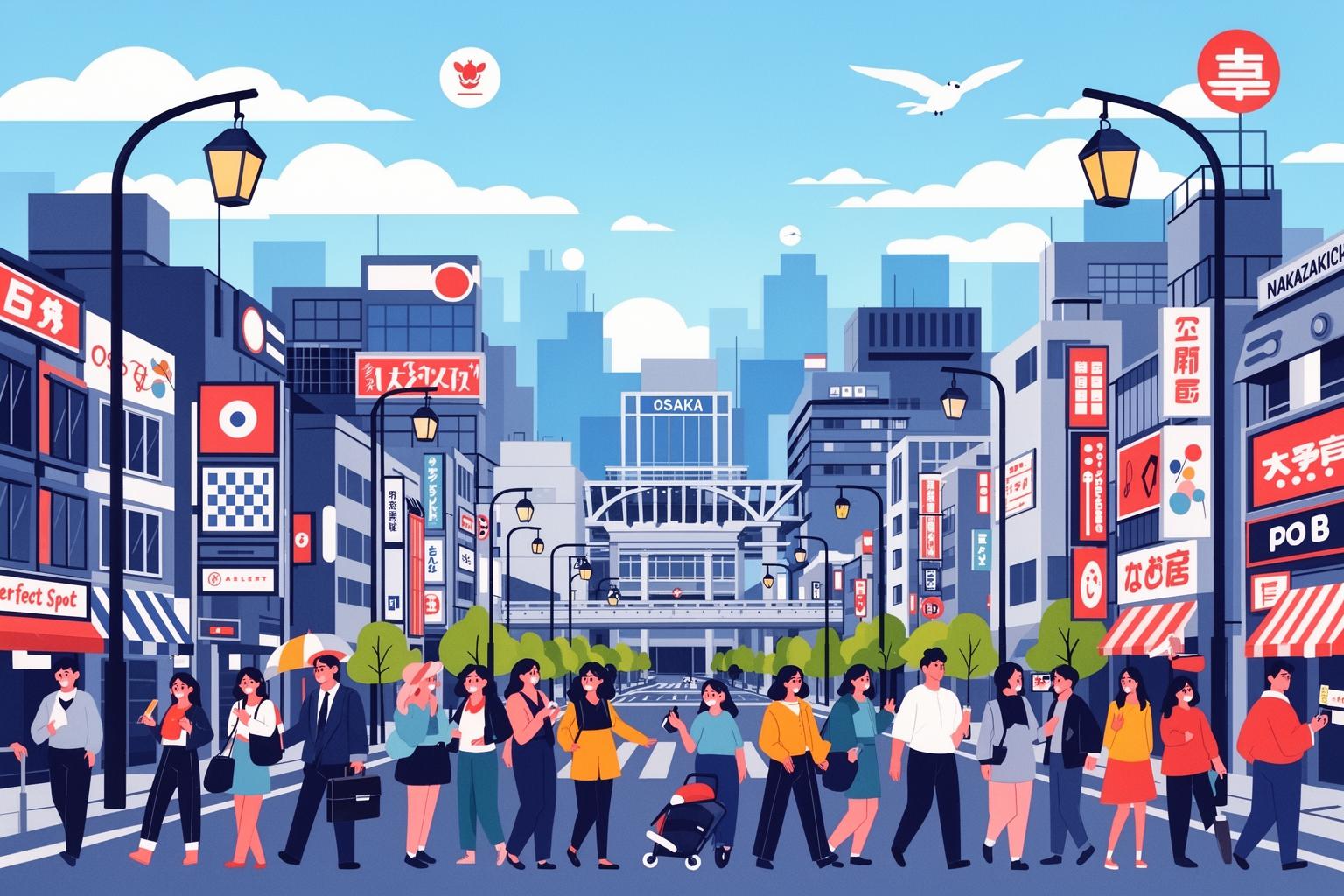
Step off the train at Umeda, and you’re hit with a wall of pure, uncut modernity. It’s a canyon of glittering glass towers, a symphony of hurried footsteps, and the electric hum of a city that never sleeps. This is the Osaka most people know, a futuristic metropolis pulsing with relentless energy. But take a ten-minute walk, just a short stroll east, and the rhythm shifts. The concrete giants recede, the roar of traffic softens to a murmur, and you find yourself slipping through a crack in time. You’ve arrived in Nakazakicho, Osaka’s living, breathing time capsule, and for the digital nomad seeking a sanctuary of soul, this is where the real work—and the real magic—begins. This isn’t just a neighborhood; it’s an analog heartbeat in a digital world, a maze of narrow alleyways and lovingly preserved pre-war wooden houses that whisper tales of a different era. Spared from the widespread destruction of World War II, Nakazakicho stands as a testament to resilience, a place where the past isn’t just remembered; it’s inhabited, repurposed, and celebrated. For those of us who make our living through a laptop screen, this enclave offers something more profound than fast Wi-Fi and ergonomic chairs. It offers inspiration. It offers a pace of life that encourages creativity, not just productivity. It’s a place to unplug your mind, even while your devices are plugged in, and to discover that the best ideas often come not from a sterile co-working space, but from a creaky wooden chair in a sun-drenched café that smells of old books and freshly ground coffee. This is your guide to navigating that beautiful contradiction, a roadmap to finding your perfect retro workspace in the heart of Osaka’s most enchanting neighborhood.
To delve deeper into the unique atmosphere of this bohemian neighborhood, explore our guide to Nakazakicho: Osaka’s Bohemian Heartbeat in a Labyrinth of Time.
The Unmistakable Atmosphere: A Symphony of Slow Living

Before you even enter a café, you need to grasp the rhythm of Nakazakicho’s streets. It beats to a fundamentally different tune than the rest of Osaka. The alleyways are too narrow for cars, so the soundtrack consists of shuffling feet, the distant ring of a bicycle bell, and the soft murmur of conversations drifting from open doorways. The air itself carries a distinct quality—heavier with the scent of damp earth from potted plants, the sweet fragrance of blooming flowers draped over wooden fences, and the constant, comforting aroma of roasting coffee beans. Visually, it offers a feast for the senses, a beautiful, chaotic blend of textures and eras. You’ll notice walls of dark, weathered wood from traditional nagaya row houses, with sliding doors and intricate latticework still preserved. Nearby, a wall might be splashed with a vibrant, modern mural, a burst of contemporary color against the muted tones of history. Ivy relentlessly climbs over everything, softening building edges and blurring the boundary between the man-made and the natural. It’s a place that rewards slow, careful observation. Look down, and you’ll find hand-painted signs for shops tucked away on even narrower side streets. Look up, and you’ll spot mismatched roof tiles and quirky, homemade extensions on second floors. This neighborhood is built on layers of history, each generation adding its own small, creative touch without erasing what came before. This is the true essence of Nakazakicho: it doesn’t feel curated or staged like a theme park. It feels lived-in, authentic, and a little wild. A strong sense of community permeates here, a tangible feeling that the people running the small galleries, vintage clothing shops, and cafés are not just business owners; they are stewards of the neighborhood’s unique spirit. It’s this organic, unpretentious atmosphere that makes Nakazakicho such fertile ground for creativity. Walking these streets, it’s impossible not to feel inspired, to slow down, to observe, and to create something beautiful of your own.
The Nomad’s Nook: Why This Retro Haven Works
So, what makes this charming, slightly worn neighborhood the ideal place for a digital nomad? It’s about discovering a workspace that nourishes the soul as much as it supports productivity. In Nakazakicho, the boundaries between life, work, and inspiration blend into a harmonious, creative whole. The main attraction is the deep sense of tranquility. The quiet streets serve as a natural shield from the city’s sensory overload, enabling focused work sessions that are impossible in a busy Starbucks. Here, interruptions come only in pleasant forms: the clinking of a ceramic coffee cup, soft jazz playing in the background, or a cat stretching in a sunlit patch outside the window. This setting is a wellspring of creativity. The area’s rich aesthetics—the art, the architecture, and the thoughtfully arranged clutter of vintage shops—serve as continuous sources of passive inspiration. When faced with a mental block, the answer isn’t to stare harder at your screen; it’s to take a fifteen-minute stroll. Explore an unfamiliar alley, browse a tiny bookstore, or simply admire the intricate details of a century-old building. Returning to your laptop, your mind feels refreshed and unlocked. Moreover, Nakazakicho cultivates a distinct work-life rhythm. The neighborhood functions on a more human scale, with the day marked by simple rituals like savoring a carefully brewed pour-over coffee or a homemade piece of cake. It encourages meaningful breaks, inviting you to disconnect from the digital hustle and reconnect with the tangible world. This isn’t about slacking off; it’s about adopting a more sustainable and ultimately more effective way of working. It reminds us that we are not just content-producing machines; we are human beings who thrive on beauty, connection, and sensory experiences. The community here—comprised of artists, artisans, and dreamers—creates an infectious energy that celebrates independence and passion projects, a spirit that resonates strongly with the nomadic lifestyle.
A Deep Dive into the Cafe Culture: Finding Your Perfect Spot
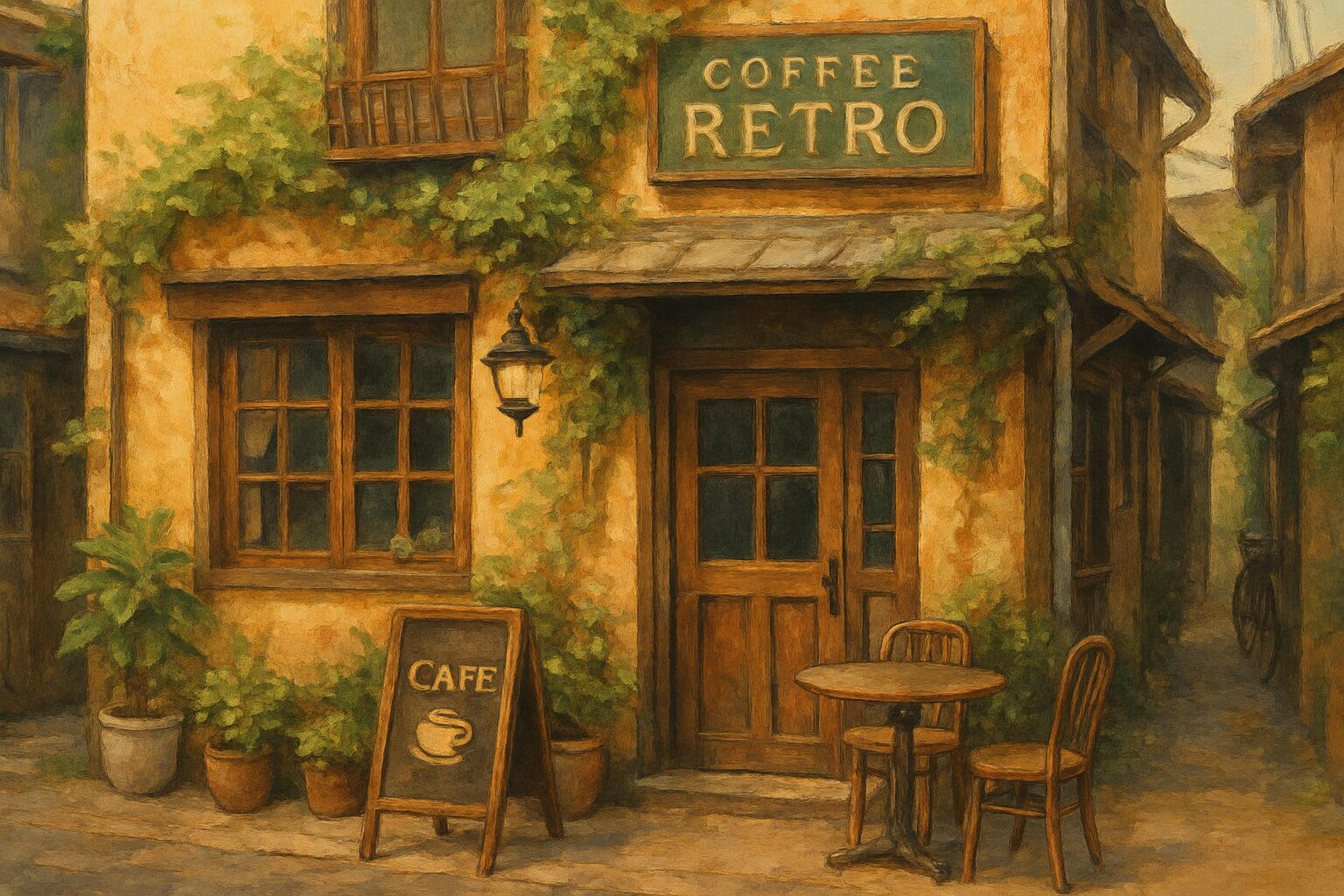
Nakazakicho’s cafes are far from uniform. Each one represents a unique world, embodying its owner’s personality and passion. Part of the experience is discovering the café that suits your mood and work style. They range from purist kissaten devoted to the quiet coffee ritual to lively, art-packed spaces that feel like a creative’s living room. Here’s a glimpse at some of the iconic spots shaping the neighborhood’s coffee culture.
Salon de AManTo: The Bohemian Pulse
If Nakazakicho had a central nervous system, it would be Salon de AManTo. More than just a café, it’s a cultural hub, a community project, and an expansive, maze-like art space set in a beautifully aging building. Entering feels less like visiting a business and more like joining an artist collective. The interior is a vibrant, charming mix of mismatched antiques, eclectic art, overflowing bookshelves, and curious trinkets, all seeming to hold countless stories. Sunlight filters through dusty windows, highlighting drifting dust motes and casting long shadows on worn wooden floors. Each room exudes its own personality, from intimate nooks for quiet chats to open areas where groups gather. A quiet, creative energy fills the air. Don’t expect fast Wi-Fi or numerous power outlets here—AManTo is made for analog work: journaling, sketching, brainstorming, or finally reading that long-neglected book. The philosophy centers on connection—with the space, the art, and those around you. The coffee is simple and comforting, often accompanied by wholesome homemade dishes. The true charm of AManTo lies in its atmosphere. It’s a place to let your mind roam, soak up creative vibes, and feel part of something special. Ideal for the start or end of your workday, it’s a spot to unwind and absorb the neighborhood’s spirit. It reminds you that sometimes the most productive act is simply sitting, observing, and being present.
Utena Kissaten: A Step into Showa Tranquility
Cross the threshold of Utena Kissaten, and you are instantly transported to the Showa Era. This is a genuine kissaten, a traditional Japanese coffee house prioritizing atmosphere and ritual above all. The interior is a harmonious blend of dark polished wood, plush velvet seats in rich reds and greens, and soft ambient light from vintage, art-nouveau-style lamps. The air is calm and reverent, heavy with the aroma of richly roasted coffee. This café is a sanctuary for silence. The unwritten rule here is quiet reflection. No loud discussions or clattering keyboards—just the gentle hiss of the siphon coffee maker and the soft rustle of turning newspapers. The master, a figure of calm precision, prepares each cup with the skill of a scientist and the grace of an artist. Ordering their “blend” and watching the process is meditative. For digital nomads, Utena Kissaten offers a rare environment for deep, focused work. It’s the place to confront that tough chapter, write complex code, or quietly absorb information. While discreet power outlets may be found, this isn’t a spot for video calls; respect for the serene environment is key. Laptops are welcome if used quietly and considerately. Their coffee is robust, expertly brewed, and pairs beautifully with a slice of classic cheesecake. A visit here is more than work; it’s a cultural immersion in Japanese mindfulness, craftsmanship, and the profound beauty of silence.
Café Taiyo no To: A Playful Hideaway
When you need an infusion of pure joy and colorful inspiration, Café Taiyo no To (The Tower of the Sun Café) is your destination. This café bursts with color, kitsch, and whimsical charm—like stepping into a Studio Ghibli movie combined with a vintage toy chest. The Green Ape branch, a well-known local hotspot, is a multi-level fantasy where each floor and room showcases a distinct, elaborately themed design. One room might be a cozy, dim-lit space filled with antique oddities; another, a bright room decorated with vibrant Mexican folk art. The meticulous attention to detail is astonishing. Everywhere you look, there’s a new curious object to discover: vintage dolls, quirky lamps, hand-painted tiles. This space actively combats creative blocks through its spirited personality. It’s perfect for collaborative or brainstorming sessions, as the lively, playful vibe encourages open conversation and inventive thinking. It’s also a great spot to recharge solo when you need an energetic lift. The menu matches the decor’s whimsy, featuring beautifully decorated cakes and colorful cream sodas that are as photogenic as they are delicious. Solid coffee is on offer, but the real highlight is the experience itself. Wi-Fi is available, making it practical for longer work periods. To snag your favorite themed room, aim for off-peak hours during weekdays. Café Taiyo no To proves that a workspace doesn’t have to be minimalist and sterile to be effective—sometimes, a little organized chaos is just what a creative mind needs.
89 Cafe: The Modern-Retro Staple
Striking the right balance between retro charm and modern convenience can be tricky, but 89 Cafe nails it effortlessly. Situated on a slightly wider street at the edge of Nakazakicho’s maze, this café offers more space and natural light than many traditional spots. Its aesthetic combines vintage and industrial elements—think exposed brick, warm wooden tones, retro light fixtures, and sleek modern lines. It’s stylish without pretension and comfortable without clutter. What sets 89 Cafe apart for digital nomads is its practicality. It’s one of the most laptop-friendly places in the area, featuring reliable Wi-Fi and plenty of seats near power outlets. The atmosphere is lively yet not distracting, with a background murmur of conversation and upbeat indie tunes creating a productive energy. It’s a spot where you can settle in for hours without feeling out of place. The menu is a major bonus, offering excellent coffee crafted by skilled baristas with beautiful latte art, alongside a well-priced and tasty lunch selection. Daily lunch sets—like keema curry or hearty sandwiches—are perfect for refueling during long work sessions. This makes 89 Cafe a top choice for afternoon work, smoothly transitioning from a caffeine boost in the morning to focused productivity after lunch. It’s the reliable all-rounder in Nakazakicho’s café landscape, delivering on ambiance, coffee, food, and essential remote work needs.
Beyond the Bean: Exploring the Alleys of Inspiration
Your time in Nakazakicho shouldn’t be limited to sitting in a café chair. The neighborhood itself serves as your extended office, your breakout room, and your source of inspiration. The real magic happens in the moments between work sessions, in the discoveries you make while wandering aimlessly through the maze-like streets. The area is a treasure chest for fans of everything vintage and handmade. Explore the tiny zakka shops, curated wonderlands filled with miscellaneous goods. There, you’ll find everything from delicate, locally crafted ceramics and quirky stationery to hand-printed textiles and elegant kitchenware. These stores are more than just shopping spots; they are miniature galleries of functional art, each reflecting the unique taste of its owner. Vintage clothing stores are another neighborhood staple, ranging from upscale boutiques specializing in imported American workwear to cozy, cluttered shops where you can sift through piles of Showa-era dresses and kimonos. Browsing these racks feels like sorting through the city’s collective memory—a tangible link to the past. For a burst of contemporary creativity, seek out the small, independent art galleries tucked away in the alleys. Often no bigger than a living room, these spaces showcase local artists’ work and offer a direct connection to Osaka’s vibrant and often overlooked art scene. You might come across exhibitions featuring surreal photography, intricate papercraft, or bold, abstract paintings. The art extends beyond the galleries as well. Keep an eye out for street art—from tiny whimsical stickers to large, elaborate murals adorning building walls. These colorful and creative touches are part of the neighborhood’s ongoing conversation between past and present. Even the simple act of walking becomes a creative endeavor here. Notice the details: hand-carved wooden signs, the intricate latticework patterns, and the abundance of potted plants that transform every alley into a miniature urban jungle. Allow yourself to get lost. Put away your phone, choose a direction, and just walk. Every wrong turn in Nakazakicho leads to a fresh discovery, a new pocket of beauty that will enrich your day and refresh your mind.
The Echoes of Time: A Resilient Past

To fully appreciate Nakazakicho, it is helpful to understand its story of survival. During World War II, Osaka suffered devastating air raids that destroyed large parts of the city, particularly the areas around the central Umeda district. Modern, fire-resistant concrete buildings were reduced to rubble. Yet, by luck or fate, the densely packed, flammable wooden neighborhood of Nakazakicho was largely spared from the firestorm. This preservation is the most significant event in its history. While the rest of the city rebuilt itself with the steel and glass of the post-war economic boom, Nakazakicho remained a pocket of the past. The nagaya row houses, winding alleys, and the pre-war street layout stayed intact, not as a historical reconstruction, but as a living, functioning community. For decades, it was simply a quiet, old-fashioned residential area, overlooked by developers and the relentless advance of progress. In fact, this very neglect became its saving grace. More recently, a new generation of artists, creatives, and entrepreneurs began to recognize the unique charm and potential of these old buildings. They saw character instead of decay; opportunity instead of obsolescence. They started moving in, carefully renovating the houses into the cafes, galleries, and shops that define the neighborhood today. This history is tangible as you walk the streets. There’s an authenticity that cannot be replicated. The creak of floorboards in a café echoes a century of history. The slightly slanted doorframes and worn wooden pillars are not mere design details; they are marks of time, testaments to the building’s long and resilient life. This deep connection to a tangible past gives Nakazakicho its soul. It serves as a powerful reminder that new life can grow from old roots, and that sometimes, the most beautiful things are those brave enough to stand still while the world rushes by.
Practical Beats for the Nakazakicho Nomad
Navigating Nakazakicho is straightforward, but a few local tips can help make your experience smoother and more enjoyable. The neighborhood’s main hub is easily reachable—simply take the Osaka Metro Tanimachi Line to Nakazakicho Station. Exit 2 or 4 will place you right at the center of the activity. Alternatively, it’s a pleasant and surprisingly short 10-15 minute walk from the busy JR Osaka Station and Umeda area, providing an easy escape from the city center. Timing is crucial to get the most from your visit, especially if you intend to work. Weekdays are ideal, as the streets are quiet, and you’ll have your choice of prime seating in popular cafes. From Monday to Thursday, the atmosphere is often serene and productive. Weekends, particularly Saturday and Sunday afternoons, tell a different story. The neighborhood becomes a popular spot for shoppers, tourists, and locals, and the previously quiet alleys can get crowded. If visiting on a weekend, try to arrive early in the morning to enjoy a few peaceful hours before the crowds arrive. For working nomads, a few practical considerations are essential. Although many cafes offer Wi-Fi, it’s not guaranteed everywhere, and speeds may vary. It’s wise to have a personal hotspot or mobile data plan as a backup. Likewise, power outlets can be scarce in these older, repurposed buildings. Always come with your devices fully charged and consider bringing a portable power bank for emergencies—an essential tool for any dedicated nomad in the area. Finally, respect local customs. Many of Nakazakicho’s establishments are small, independent businesses where cash is still commonly used and often preferred, so carry some yen with you. Be mindful of café etiquette—loud typing or phone calls in quieter, more traditional spots are considered a major faux pas. Always assess the atmosphere before settling in. The charm of Nakazakicho lies in its diversity; there’s a place for every mood, from silent, focused work to lively, collaborative brainstorming. The key is finding the right rhythm for your day.
Closing the Laptop, Opening the Senses
Nakazakicho is more than a collection of charming cafes and vintage shops; it represents a philosophy. It stands as a gentle rebellion against the cult of speed and efficiency that dominates much of our digital lives. It offers a living argument that the best environment for creativity is one enriched by history, beauty, and human connection. As a digital nomad, it’s easy to fall into the habit of viewing new places merely as potential workspaces, judging them by internet speed and power outlet availability. Nakazakicho encourages you to look beyond this. It invites you to be a participant, not just a consumer. It asks you to close your laptop for an hour, savor a coffee that took ten minutes to brew, and simply exist in a space that has weathered the passage of time. In these moments of quiet observation and analog disconnection, the true value of the neighborhood emerges. So come to Nakazakicho to work, yes—find your favorite sunlit corner, power through your tasks, and be productive. But also, allow yourself to embrace its rhythm. Wander its alleys, uncover its hidden gems, and let its timeless, resilient spirit remind you of the slow, beautiful, and deeply human world that lies just beyond your screen.