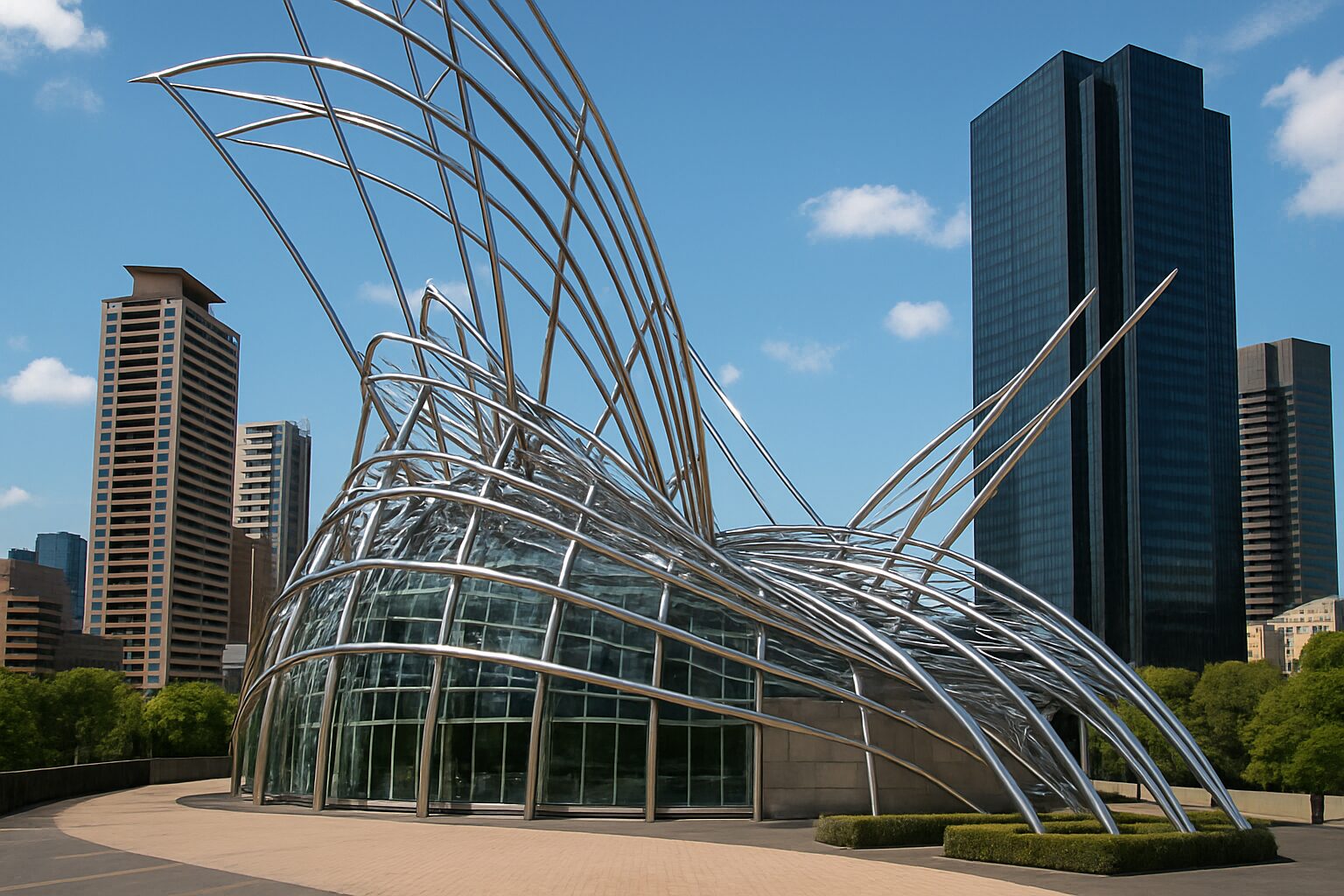
Hey there, fellow adventurers and lovers of all things beautiful! Sofia here, ready to take you on a journey not just through a city, but deep beneath its surface. Imagine a place in Osaka where art, architecture, and history converge in a stunning subterranean world. We’re not talking about a hidden subway station or an ancient ruin; we’re diving into The National Museum of Art, Osaka (NMAO), a space that defies expectations from the very first glance. Nestled on the chic and verdant island of Nakanoshima, a sliver of land cradled by the Dojima and Tosabori rivers, this museum is a testament to Japan’s boundless creativity. From the outside, what greets you isn’t a grand, imposing building, but a breathtaking metallic sculpture that soars into the sky. This titanium-coated steel structure, designed by the legendary architect César Pelli, mimics the life force of bamboo and reeds, swaying and reaching for the sun. It’s a spectacular, photogenic welcome, but it’s merely the tip of the iceberg—or in this case, the gateway to an underground wonderland. The real magic, the entire museum, lies three stories below the ground. This architectural marvel is home to one of Japan’s most significant collections of post-war and contemporary art, a vibrant, sometimes challenging, and always fascinating chronicle of a nation redefining itself through creativity. It’s a place where you descend from the bustling reality of Osaka into a quiet, contemplative realm to witness the powerful artistic dialogues of the last seventy years. It’s more than a museum; it’s an experience, a narrative whispered in concrete halls and expressed through bold canvases and thought-provoking installations. This is where you come to understand the soul of modern Japan, an island of innovation floating in the heart of Osaka.
After immersing yourself in this underground world of art, you might want to explore another facet of Osaka’s culture by diving into the city’s legendary ramen scene.
The Descent: An Architectural Pilgrimage Below Ground
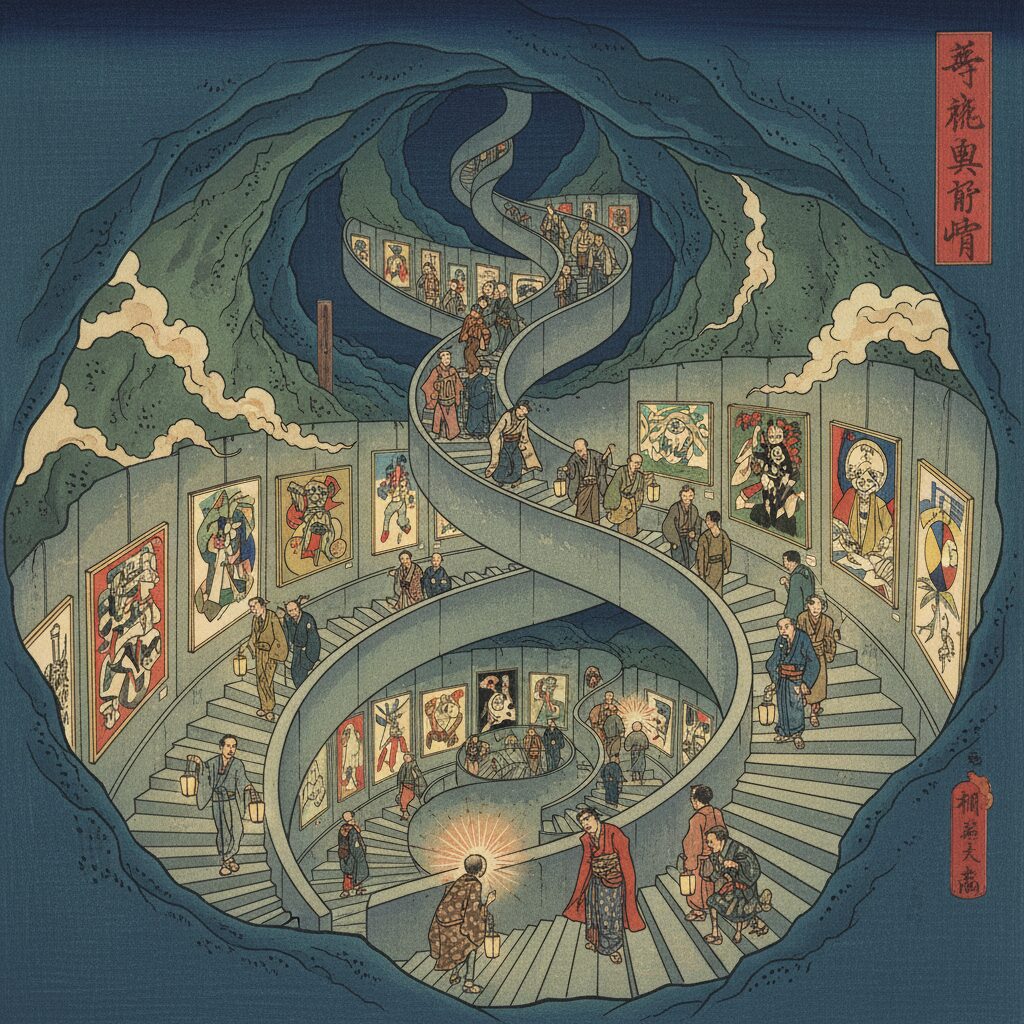
The journey into The National Museum of Art, Osaka, is a performance in itself—a carefully choreographed transition from the world above to the world of art below. After admiring César Pelli’s stunning entrance sculpture, which seems to dance against Osaka’s sky, you enter a glass-encased lobby. Light floods in, illuminating the top of a long, dramatic escalator that invites you downward. This descent is one of the most memorable moments I’ve experienced at any museum. As you glide deeper, the sounds of the city—the distant traffic, the chatter of passersby—begin to fade, replaced by profound, enveloping silence. Natural light from the glass atrium follows you for some time, casting long, shifting shadows on the cool concrete walls, before you are fully submerged in the museum’s artificially lit, climate-controlled environment. It feels like a rite of passage, a deliberate cleansing of the palette before engaging with the art. The museum’s architecture, designed by Pelli to replace the original Expo ’70 site building, is a masterclass in creating a sense of boundless space while being entirely underground. The main lobby on the first basement level is a soaring, cathedral-like atrium—vast and open, with crisscrossing walkways and bridges connecting different areas. Looking up, you see the intricate steel framework of the entrance sculpture through the glass ceiling, a constant reminder of the world you’ve left behind. This connection to the outside, however small, brilliantly prevents any feeling of claustrophobia, instead creating a sense of being inside a secret, protected vessel of creativity. The raw, exposed concrete walls lend the space an industrial-chic aesthetic, a perfect neutral canvas for the vibrant and often radical art it displays. Polished floors reflect the soft lighting, creating a serene, almost liquid surface that guides you through the space. The intuitive design leads you naturally from the open lobby to the more intimate exhibition halls on the second and third basement levels. There is a tangible stillness here, sharply contrasting with the kinetic energy of Osaka just meters above. This space encourages you to slow down, breathe, and prepare your mind for what lies ahead. This architectural journey is not merely functional but deeply symbolic, representing a departure from the everyday and an immersion into human expression—a deep dive into the collective consciousness of post-war Japan.
A Phoenix from the Ashes: Understanding the Soul of the Collection
To fully appreciate the art within the NMAO, it’s essential to understand the context from which it arose. The museum’s collection primarily features works produced from 1945 onward, a period marked by profound trauma, transformation, and reinvention for Japan. The conclusion of World War II left the country both physically and spiritually devastated, compelling a generation of artists to confront deep questions of identity, memory, and the future. They were charged with developing a new visual language that could process the past while charting a way forward. The pieces you encounter here originate from this crucible of change; they are powerful, raw, and strikingly diverse. One of the most notable movements you will discover, and one that began in the Kansai region, is the Gutai Art Association. Established in 1954 by the pioneering artist Jiro Yoshihara, Gutai—meaning “concreteness”—represented a radical break from traditional art forms. Yoshihara’s rallying cry to his artists was both inspiring and commanding: “Do what no one has done before!” This was more than a suggestion; it was a directive. Gutai artists rejected relying solely on brushes and canvases, opting instead to use their bodies, feet, and unconventional materials to create art that emphasized both process and performance as much as the final piece. Picture Kazuo Shiraga famously painting with his feet while suspended from a rope, crafting dynamic, visceral canvases teeming with raw energy. Or imagine Atsuko Tanaka’s “Electric Dress,” a dazzling and precarious garment made from countless colored light bulbs, commenting on Japan’s rapid post-war modernization and electrification. Gutai embodies a spirit of explosive freedom and a deep connection between material and action. The NMAO houses an exceptional selection of these works, and viewing them firsthand allows you to sense the sheer intensity of their creation. After Gutai, the 1960s and 70s saw the emergence of another influential movement prominently represented at the museum: Mono-ha, or the “School of Things.” If Gutai was an outburst of action, Mono-ha was a quiet, philosophical reflection. Artists like Lee Ufan and Nobuo Sekine focused on the inherent nature of materials, exploring the relationships between natural and industrial substances—stone, wood, steel, paper, and glass—often presenting them in their untouched, raw form. A Mono-ha piece might feature a large stone placed on a glass plate, capturing the tension and fragility of the impact moment. Alternatively, it might be a simple arrangement of wood and paper highlighting the textures, weights, and presence of the materials themselves. This art invites the viewer to look beyond representation and simply experience the world of things as they are. It is minimalist, profound, and deeply influenced by both Eastern and Western philosophy. Beyond these foundational movements, the collection extends to a broad array of contemporary expressions. You’ll encounter the playful and provocative photography of Yasumasa Morimura, an Osaka native who inserts himself into iconic Western artworks, challenging notions of identity, race, and beauty. His works are witty, technically masterful, and often invite a second look. The museum also features contemporary sculpture, video art, and large-scale installations by both Japanese and international artists, fostering a vibrant and ongoing dialogue about the present state of art. Strolling through the galleries is like traversing the psyche of modern Japan. You experience the anger, confusion, hope, and remarkable resilience of a culture that rebuilt itself and, in doing so, produced some of the most innovative and influential art of the 20th and 21st centuries.
Weaving Through the Galleries: A Curatorial Dream
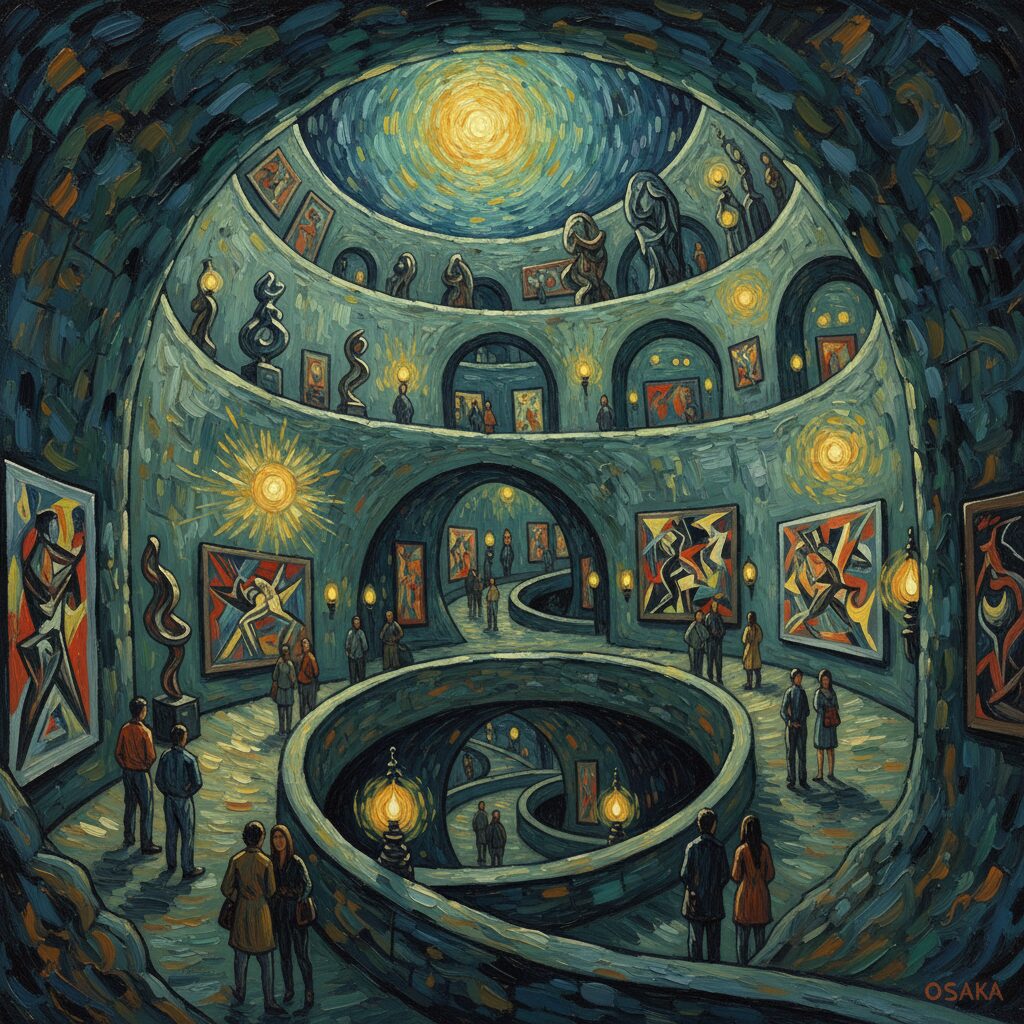
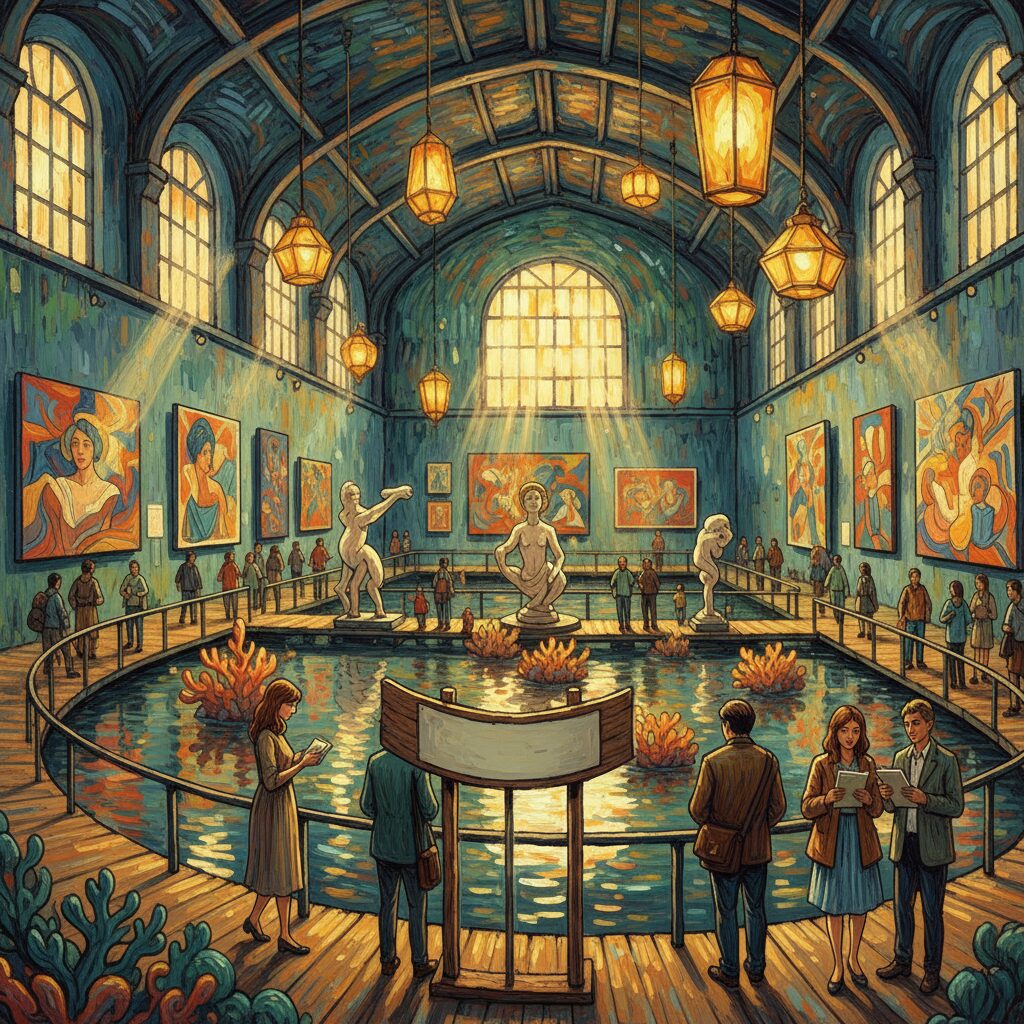
Experiencing art at The National Museum of Art, Osaka is profoundly shaped by its distinctive underground setting and exceptional curation. The primary exhibition areas are situated on the second and third basement levels (B2 and B3), each offering a unique ambiance. Usually, the permanent collection is displayed on B3, while B2 is dedicated to the museum’s ambitious and often stunning special exhibitions. I suggest beginning your visit at the lowest level, B3, and working your way upward. This approach allows you to first immerse yourself in the central story of post-war Japanese art before exploring the temporary exhibitions. The galleries on B3 are spacious yet retain an intimate feel. The lighting is carefully managed, with spotlights forming pools of light that make each artwork appear as the focal point of its own world. The concrete walls and lofty ceilings impart a sense of solemnity, enabling the boldest Gutai paintings or the most delicate Mono-ha installations to command attention without being overshadowed. The layout is logical but not restrictive, inviting you to explore freely and follow your curiosity. You may round a corner and encounter a towering sculpture that seems to defy gravity, or discover a smaller, more tranquil alcove showcasing a series of delicate works on paper. The curation often arranges works thematically or by movement, fostering meaningful conversations between pieces. You can trace the development of ideas, following the progression from the explosive expressions of Gutai to the meditative quiet of Mono-ha and beyond. The wall texts are informative without being overly scholarly, presented in both Japanese and English, offering just enough context to enhance your understanding without dictating your reaction. What stands out notably is the silence. The thick, earth-covered walls buffer the galleries from external noise, creating a contemplative sanctuary. The only sounds are the gentle shuffle of footsteps on the polished floor and occasional soft whispers from fellow visitors. This profound quiet fosters deeper engagement with the art. You can linger before a work as long as you wish, allowing its colors, textures, and ideas to wash over you undisturbed. After fully absorbing the permanent collection, moving up to B2 for a special exhibition feels like turning to a new chapter. These exhibitions are world-class, often showcasing leading international artists or thorough retrospectives of prominent Japanese masters. The flexible gallery on this floor can be adapted to various presentations, ranging from dark, cinematic mazes for video installations to bright, spacious rooms for large-scale paintings. Because these exhibitions are temporary, they infuse fresh energy into the museum with every visit. It is always wise to check the museum’s website in advance to see what’s on. One day you might encounter a blockbuster show on Surrealism, and another, an in-depth exploration of contemporary Latin American photography. This dynamic programming ensures that NMAO is not a static institution but a vibrant, evolving hub of artistic exchange. The journey through the galleries is a graceful rhythm of discovery, contemplation, and wonder, perfectly crafted by the museum’s thoughtful design and visionary curation.
Nakanoshima: An Island Oasis of Culture and Nature
One of the greatest highlights of The National Museum of Art, Osaka is its stunning location on Nakanoshima Island. Visiting the museum is more than just spending a few hours indoors; it provides a chance to explore one of Osaka’s most beautiful and culturally rich neighborhoods. Emerging from the museum’s underground space back into the daylight is a magical moment, placing you ideally for a full day of exploration. Right next door to the NMAO is the Osaka Science Museum. Sharing the same building complex, these two institutions make for an excellent combined visit. The Science Museum is an engaging, interactive venue, particularly enjoyable if you’re traveling with family or have a curious mind. Its highlight is the world-class planetarium, one of the largest globally, offering breathtaking shows about the cosmos. Experiencing the contrast between exploring the universe of art and the universe of stars is truly unique and inspiring. After stimulating your mind, take a stroll east along the riverbank to Nakanoshima Park. Opened in 1891 as Osaka’s first public park, it remains a cherished green oasis in the city center. The park is beautifully landscaped, ideal for a leisurely walk or relaxing picnic. It is especially renowned for its exquisite rose garden, which features over 300 varieties of roses. If you visit in mid-May or mid-October, you’ll witness a spectacular and fragrant burst of color. As you meander through the park, you’ll also come across some of Osaka’s most significant architectural landmarks. The Osaka Central Public Hall is an unmissable neo-renaissance gem, boasting a striking red brick exterior and a majestic dome. Recognized as an Important Cultural Property, it continues to serve as a concert hall and lecture venue. Even if you don’t go inside, it’s worth admiring from the outside. Nearby stands the Nakanoshima Library, another grand historic building designed in beautiful neoclassical style. These architectural treasures offer a striking contrast to the sleek modernity of the art museum’s entrance. The island is also a haven for foodies and coffee enthusiasts. Along the riverbanks and nestled in the ground floors of surrounding office buildings are numerous chic cafes, stylish bistros, and upscale restaurants. Sipping artisanal coffee and enjoying a pastry at a riverside café while watching water taxis glide by is an ideal way to savor the art you’ve just seen. In the evening, the area sparkles with lights, and the riverside restaurants provide romantic settings for dinner with views of the illuminated city skyline. Nakanoshima presents a complete cultural itinerary: start your day with modern art, delve into the wonders of science, wander through a historic park, admire magnificent architecture, and finish with a delicious meal by the water. This area perfectly embodies the dynamic spirit of Osaka—a city that effortlessly blends the old with the new, nature with urbanity, and quiet reflection with vibrant energy.
A Practical Guide for Your Artistic Immersion
Visiting The National Museum of Art, Osaka is refreshingly straightforward, though a few local tips can enhance your experience. Getting there is easy thanks to Osaka’s excellent public transport network. The museum is conveniently situated on Nakanoshima island, making it accessible from key locations. If you’re coming from the Umeda area, the fastest route is to take the Yotsubashi subway line one stop south to Higoabashi Station. From there, enjoy a pleasant ten-minute walk south, crossing the Tosabori River onto the island. Alternatively, for a more scenic journey that drops you in the heart of the museum district, the Keihan Nakanoshima Line works perfectly. Watanabebashi Station is only a five-minute walk from the museum entrance. The stroll is charming, taking you past sleek modern architecture and lovely river views. When planning your visit, weekdays generally offer a quieter and more contemplative atmosphere, as weekends tend to be busier, especially during popular special exhibitions. Be sure to check the museum’s official website before you go. Like many museums in Japan, the NMAO is usually closed on Mondays (or the following Tuesday if Monday is a national holiday), as well as during the New Year holidays. The website will also provide the latest details on opening hours and any special closures. Tickets are available for purchase on-site at the counter in the B1 lobby. The museum has a tiered pricing system, with a set fee for admission to the permanent collection and a separate, usually higher, fee for special exhibitions. Often, combination tickets granting access to both collections at a discounted rate are available, which I highly recommend for the full NMAO experience. For first-time visitors, here’s a helpful tip to enhance your visit: upon arrival, use the free coin lockers on the B1 level to store your bags, jackets, and anything you don’t want to carry. Exploring the galleries unencumbered lets you fully immerse yourself in the art. Also, consider starting your visit on the bottom floor, B3, with the permanent collection. This provides important context for post-war art before you move up to B2 for the temporary exhibitions. While photography is generally allowed in the permanent collection galleries (without flash, of course), rules for special exhibitions can be much stricter, often prohibiting photography entirely to protect borrowed artworks. Always check the signs at each gallery entrance to be certain. Finally, take your time; this is not a museum to rush through. The underground setting encourages slow and thoughtful viewing. Find a bench in front of a piece that resonates with you. Allow yourself to get lost in the winding halls. Let the art, architecture, and profound silence work their magic. It’s a truly special place that rewards patience and an open heart.
Emerging into the Light
A visit to The National Museum of Art, Osaka lingers with you long after you ascend the final escalator and step back into the sunlight of Nakanoshima. It is an experience full of contrasts: light and shadow, silence and the city’s hum, a soaring sculpture above and a deep well of creativity below. Descending into the earth, you uncover the powerful, resilient, and endlessly innovative spirit of modern Japan, expressed through decades of artistic revolution. You wander through halls resonating with the bold experiments of the Gutai group and the quiet philosophies of Mono-ha. You stand before canvases and installations that challenge your perceptions and stir your soul. When you emerge, the world feels subtly transformed. Osaka, with its vibrant energy and futuristic skyline, seems imbued with a new depth of meaning. You have glimpsed the creative heartbeat that pulses just beneath its surface. So, when in this remarkable city, I encourage you to seek out the shimmering steel sculpture on the island of art. Let it lead you down into a hidden world of wonder, a place where you can connect with a pivotal chapter in Japan’s cultural story and perhaps discover a fresh way of seeing the world. It is a treasure hunt where the prize is not gold or jewels, but a deeper understanding of the power of human creativity—to rise from the ashes and build something entirely new.