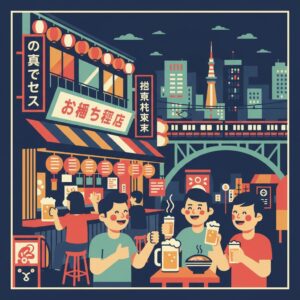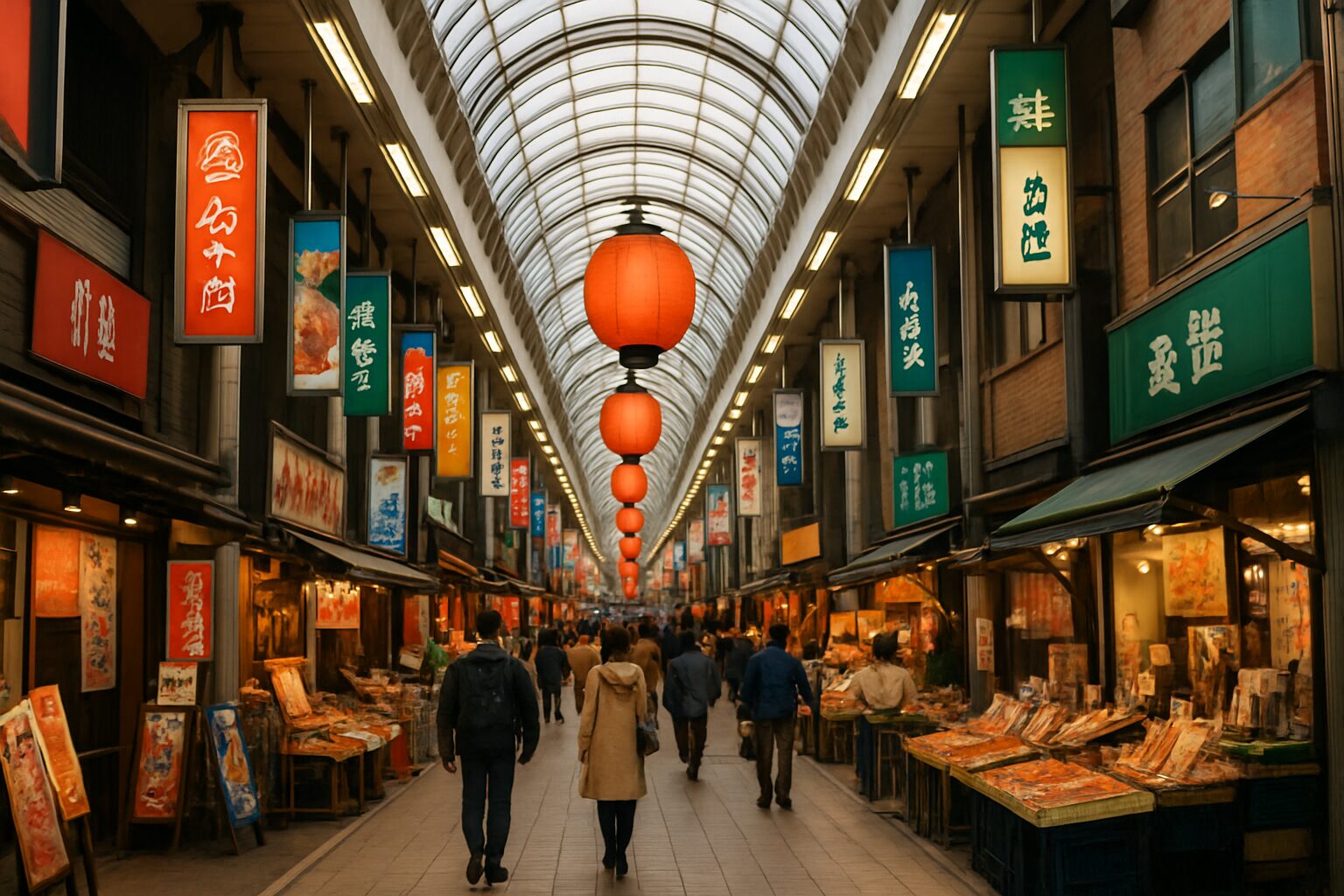
Step into Osaka, and you’ll feel it immediately—a thrumming, unrelenting energy. It’s a city that moves to its own beat, a rhythm of commerce, conversation, and an insatiable appetite for life. Nowhere is this pulse more palpable, more concentrated, than in the sprawling, seemingly endless artery of Tenjinbashisuji Shopping Street. This isn’t just a collection of shops under a roof; it’s a living, breathing organism, a 2.6-kilometer-long testament to the city’s spirit. Stretching across three subway stations, it proudly holds the title of Japan’s longest covered shopping arcade, or shotengai. But its length is merely a statistic. Its true measure is in the stories it holds, the generations it has served, and the daily ballet of life that unfolds beneath its glass ceilings. For the foreigner living in Osaka, Tenjinbashisuji is more than a destination; it’s an education. It’s a place to understand the city not through a guidebook, but through the sizzle of takoyaki on a griddle, the warm greeting of a third-generation shopkeeper, and the steady shuffle of shoppers who have walked this path their entire lives. It’s the aorta of northern Osaka, pumping life, culture, and, of course, incredible food through the neighborhoods of Tenma and beyond. This is where the real Osaka lives, loud and proud and utterly intoxicating.
To fully experience Osaka’s contrasting rhythms, explore the city’s modern pulse in our guide to Umeda’s vibrant heart.
The Morning Pulse: A Symphony of Commerce and Community
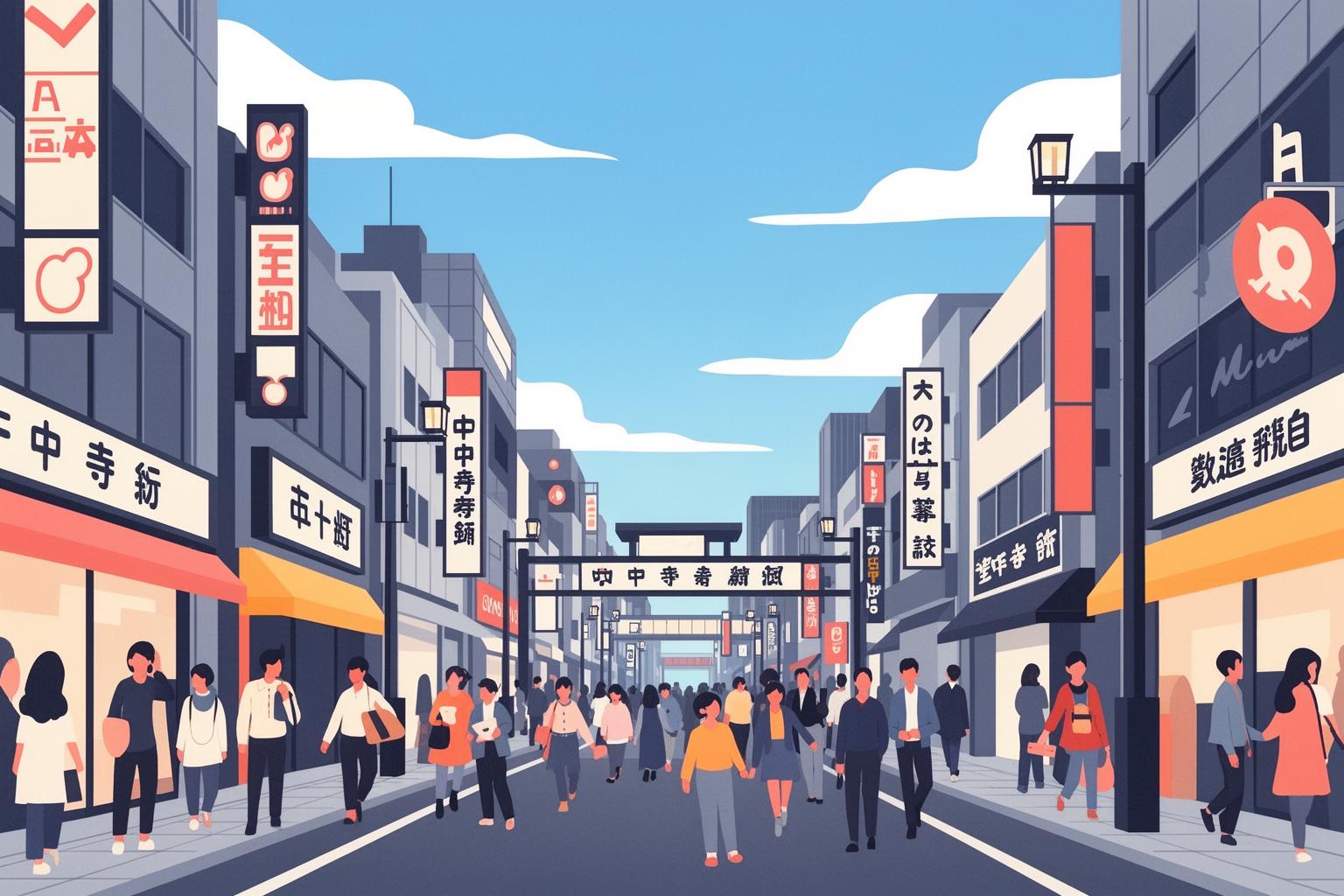
The rhythm of Tenjinbashisuji starts not with a bang but with a soft, metallic crescendo. Around nine in the morning, well before the lunch crowds arrive, you hear it: the rattling and clattering of hundreds of metal shutters being rolled up. It’s a sound of shared intent, an orchestra preparing for the day’s performance. The air, still cool from the night, begins to fill with the first aromas of the day. It’s not yet the heavy smell of fried food, but something more basic. It’s the earthy scent of daikon radishes and carrots stacked outside a greengrocer, the subtle, sweet fragrance of dashi broth simmering in a small udon shop, and the clean, briny odor of the sea as a fishmonger lays out the day’s catch on beds of ice. Shopkeepers, many of whom live in apartments above their stores, sweep the tiled pavement in front of their shops, exchanging hearty “Ohayo gozaimasu!” greetings with neighbors. This morning ritual forms the bedrock of the shotengai community. It’s a dance of familiarity where a nod and smile convey years of shared experience.
Walking the street at this hour reveals it in its most genuine state. You’ll see elderly residents pulling small shopping carts on their way to buy fresh tofu from a shop that has made it the same way for sixty years. The tofu maker, a man with flour-dusted hands, carefully places a block into a water-filled bag, his movements practiced and precise. This isn’t a show for tourists; it’s the simple, essential transaction of daily life. The butcher sharpens his knives with a rhythmic scrape, preparing for the first customers seeking thinly sliced pork for dinner’s shabu-shabu. The comforting scent of roasted green tea, distinctively Japanese, wafts from a tiny tea merchant’s shop, where countless varieties are stored in traditional metal canisters. As a Chinese culture enthusiast, I see a parallel here to the morning markets, or zǎo shì, back home—places as much about social connection as they are about commerce. Yet, there is a uniquely Japanese quality of quiet dedication, the shokunin spirit, with each vendor a master of their craft, whether pickling vegetables or grilling eel. The morning on Tenjinbashisuji is a celebration of these small, vital trades that form the foundation of the community’s culinary and social life.
A Gastronomic Marathon: Eating Your Way from Itchome to Rokuchome
To talk about Tenjinbashisuji is inevitably to talk about food. After all, this is Osaka, the city of kuidaore—to eat until you drop. The 2.6-kilometer stretch is more than just a shopping arcade; it’s a gauntlet of gastronomic temptations, a marathon where every few steps bring a new and enticing challenge for your taste buds. The sheer variety is staggering, from hundred-yen street snacks to exquisitely prepared sushi meals. The key to mastering it is to pace yourself, recognizing that this is a journey, not a race. Each district, or chome, has its own culinary character, and the true enjoyment lies in discovery—following your nose and joining the line filled with the most enthusiastic locals.
The Classics That Define the Arcade
Certain dishes are synonymous with Tenjinbashisuji, serving as the cornerstones of its culinary identity. These are flavors perfected through generations, craved by locals and raved about by visitors. Missing them would mean missing the very soul of the street.
Takoyaki and Okonomiyaki: The Sizzling Heart of Osaka
In Osaka, takoyaki isn’t just a snack; it’s a source of fierce local pride, and Tenjinbashisuji is a battleground for some of the city’s best vendors. You’ll smell them long before seeing them: the savory aroma of grilling batter and dashi. The sight is captivating—chefs with years of experience flipping dozens of golden-brown spheres effortlessly with a single metal pick. The batter, often a closely guarded secret, is poured into cast-iron molds, each cup filled generously with octopus (tako), pickled ginger, and green onions. The sound is a constant sizzle, a rhythmic backdrop to the arcade’s hum. A famous spot, Takoyaki Wanaka, is known for balls with an incredibly creamy, almost molten center encased in a perfectly crisp shell. The classic order is topped with tangy brown sauce, Japanese mayonnaise, a sprinkle of green laver (aonori), and a generous heap of dancing bonito flakes (katsuobushi). Eating them is an art—too soon, and you risk burning your mouth; too long, and you lose the ideal temperature contrast. It’s a rite of passage for visitors.
Equally essential is okonomiyaki, the savory pancake meaning “grilled as you like it.” Legendary shops like Chigusa have griddles seasoned by decades of use. Here, shredded cabbage, batter, egg, and your choice of protein (pork, squid, shrimp) are expertly mixed and shaped into thick, hearty pancakes. The experience is multi-sensory: the clatter of metal spatulas against the hot teppan, the hiss of batter sizzling, the final flourish of sauce and mayonnaise. It’s hearty, unpretentious, and deeply satisfying—the ultimate Osakan comfort food.
Korokke: The Perfect Walking Snack
Arguably the most beloved and affordable snack on the street is the humble korokke—croquette. When talking about korokke in Tenjinbashisuji, Nakamura is the name to know. This small, unassuming butcher shop has a constant line, and for good reason. For less than a hundred yen, you get a piping-hot, freshly fried potato croquette. The exterior is a flawless golden-brown, cracking with an audible crunch on the first bite. The inside is a cloud of fluffy, slightly sweet mashed potato, simply but perfectly seasoned. It’s a snack that transcends social classes—you’ll see students, housewives, and businessmen all patiently waiting their turn. For many locals, it’s a taste of nostalgia, a timeless pleasure. Holding a warm, paper-wrapped korokke as you stroll the arcade is one of the quintessential Tenjinbashisuji experiences.
Sushi: From Standing Bars to Conveyor Belts
Thanks to Osaka’s proximity to Japan’s prime fishing waters, sushi here is both excellent and affordable. Tenjinbashisuji offers a wide range of options. Boisterous conveyor-belt sushi restaurants, or kaiten-zushi, welcome families who pick their favorite plates from the moving belt. These spots are fun, accessible, and perfect for sampling many types of fish without spending much. For a more intense, local experience, seek out a tachi-gui, or standing sushi bar—often small, cramped spaces where diners stand shoulder-to-shoulder, ordering directly from sushi chefs behind the counter. Places like Harukoma Sushi are renowned for generous fish cuts spilling over the rice, delivering incredible value. The atmosphere is fast-paced and straightforward. You point, the chef prepares your order in seconds, you eat, then step aside for the next customer. It’s an exercise in delicious efficiency and a wonderful way to witness the direct connection between customer and craftsman.
Hidden Culinary Gems and Local Favorites
Beyond the well-known highlights, the arcade is filled with countless other culinary treasures cherished by locals who visit daily rather than tourists.
Kissaten Culture: A Journey Back in Time
One of the arcade’s most endearing aspects is its thriving kissaten culture. These aren’t modern, minimalist cafes but rather old-fashioned coffee shops—time capsules from the Showa era (1926-1989). Stepping inside greets you with the smell of dark-roast coffee, dark wood paneling, velvet chairs, and often a faint haze of cigarette smoke (though many are now non-smoking). These are places of respite from the arcade’s hustle. Mornings bring the classic “morning set” or mōningu sābisu: a thick toast slice, boiled egg, small salad, and coffee—all at a surprisingly low price. It’s a beloved ritual for elderly locals who gather to read newspapers and chat with the owners. It offers a glimpse into a slower, more contemplative side of Japanese life, contrasting sharply with the rush outside.
Kushikatsu: The Joy of Fried Skewers
Another Osaka specialty found abundantly here is kushikatsu, skewers of meat, seafood, and vegetables breaded and deep-fried to perfection. The arcade’s northern end, especially side streets near the 6-chome station, is dotted with kushikatsu spots. This communal experience adheres to one sacred rule: no double-dipping! A large container of tangy dipping sauce is shared by everyone at the counter. You dip your skewer once, then take a bite. The variety is vast, from classic pork and onion to adventurous choices like quail eggs and cheese. Paired with a cold beer, it’s the perfect way to cap off a day of exploring, rubbing elbows with locals unwinding after work.
Sweets and Traditional Snacks
For those with a sweet tooth, Tenjinbashisuji is a paradise. Vendors sell taiyaki, fish-shaped cakes filled with sweet red bean paste (anko) or custard, cooked in heavy iron molds. Shops specialize in senbei, rice crackers flavored from classic soy sauce to shrimp and seaweed. Look for stores offering traditional Japanese sweets, or wagashi, beautiful seasonal creations, as well as fresh mochi, the soft, chewy rice cake staple. Each treat tells a story of tradition and craftsmanship, providing a sweet counterpoint to the arcade’s savory delights.
The Soul of the Shotengai: Beyond Food and Shopping
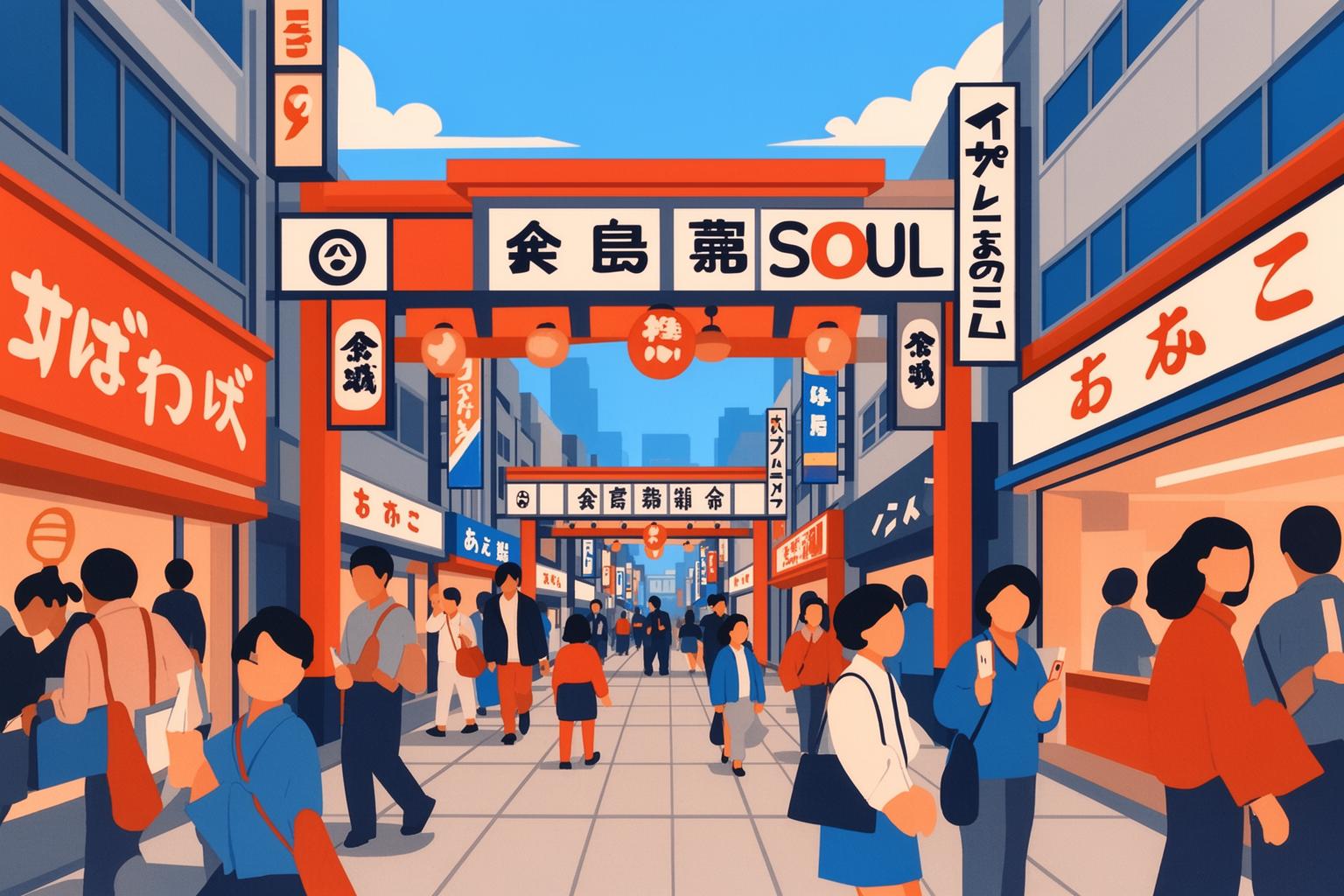
While it’s easy to be captivated by the endless flow of food and goods, the true essence of Tenjinbashisuji lies in its deeper cultural and spiritual foundations. The arcade is not simply a commercial space; it is intricately connected to the history and traditions of the surrounding Tenma neighborhood. It serves a role far beyond mere commerce, acting as a community center, a protector of tradition, and a stage for one of Japan’s most grand festivals.
The Spiritual Anchor: Osaka Tenmangu Shrine
At the southern end of the arcade, in the 1-chome district, stands the very reason for the street’s existence: Osaka Tenmangu Shrine. The shopping street was originally established as the approach, or sando, to this significant Shinto shrine. Founded in the 10th century, it is dedicated to Sugawara no Michizane, a revered scholar, poet, and politician from the Heian period who was later deified as Tenjin, the god of scholarship and learning. Today, students from across the region visit the shrine to pray for exam success, leaving behind thousands of wooden prayer plaques, or ema, covered in hopeful messages. The shrine grounds offer a peaceful refuge, a world apart from the arcade’s noise. Ancient camphor trees provide shade, and the intricate woodwork of the main hall evokes a sense of reverence. The shrine’s presence imparts a profound sense of history and spiritual significance to the entire neighborhood. It explains the presence of shops selling calligraphy brushes, traditional paper, and other scholarly goods, linking the street’s commerce back to its sacred origins.
This connection reaches its peak every late July with the Tenjin Matsuri, one of Japan’s three greatest festivals with a history spanning over a thousand years. During this two-day event, the entire Tenjinbashisuji area bursts with energy. The shopping arcade becomes the central artery for the celebrations. Locals dress in beautiful summer kimonos, or yukata, and the air fills with the sounds of traditional festival music, drumming, and chanting. The highlight is the grand procession, where thousands of participants in period costumes carry portable shrines, or mikoshi, from the shrine through city streets and onto boats on the Okawa River. The arcade itself fills with festival food stalls, and the festive spirit becomes contagious. Experiencing Tenjinbashisuji during the Tenjin Matsuri reveals its soul—a joyous, chaotic, and deeply beautiful celebration of community, faith, and history.
A Living Museum of Trades and Crafts
Beyond the shrine, the arcade acts as a living museum, preserving trades and crafts that are fading in other parts of modern Japan. It’s a place where specialists who have devoted their entire lives to a craft continue to pass their knowledge down through generations.
Kimono and Fabric Shops
Scattered throughout the arcade are kimono shops, their windows displaying elegant silks with intricate patterns. Some sell brand-new, expensive kimonos for formal occasions like weddings and coming-of-age ceremonies, while others specialize in second-hand or vintage pieces, offering a more affordable way to own a piece of Japanese heritage. Stepping into one of these shops is a feast for the eyes—a world of vibrant colors and textures. You can also find stores selling tenugui, traditional hand-dyed cotton towels with beautiful designs that serve as everything from headbands to gift wrap.
Blades and Cutlery
For cooking enthusiasts, the knife shops in Tenjinbashisuji are a must-visit. Japanese knives are renowned worldwide for their sharpness and craftsmanship. Here, stores that have been selling and sharpening blades for generations abound. The shopkeepers are true experts, able to explain the difference between a santoku for general use and a yanagiba for slicing sashimi. They help you find the perfect knife to suit your needs and budget, and watching them sharpen a blade on a whetstone is a mesmerizing display of skill. It’s a tangible link to Japan’s long history of metalworking, from samurai swords to kitchen knives.
Pachinko Parlors: The Sound of Modern Leisure
No description of a Japanese shotengai would be complete without mentioning the pachinko parlors. Their flashing lights and thunderous cascade of metallic balls can be an overwhelming sensory experience for the uninitiated. These parlors form a huge part of modern Japanese leisure culture, uniquely blending pinball and slot machines. While they may seem out of place beside a 100-year-old tea shop, they are an undeniable part of the street’s contemporary rhythm. They represent a different kind of community—a place for people to escape and try their luck. Observing them, even from outside, offers a key insight into the full, complex tapestry of daily life that makes up Tenjinbashisuji.
Navigating the Labyrinth: A Practical Guide to the 2.6-Kilometer Stretch
Embarking on a journey along Tenjinbashisuji requires a bit of planning, or at the very least, a sturdy pair of shoes. The 2.6-kilometer stretch is divided into six unique sections, or chome, each with its own distinct character and landmarks. While the street runs perfectly straight, making it impossible to get lost, familiarizing yourself with its layout can enhance your experience. The best way to explore is to treat it as a linear adventure: start at one end and walk straight through to the other.
The Six Districts: A Neighborhood Overview
1-chome and 2-chome (The Southern Gateway)
This is the ideal starting point if you’re coming from Osaka Tenmangu Shrine or Minami-morimachi Station. This area has the most traditional, and sometimes the quietest, atmosphere. The nearby shrine brings a slightly more solemn vibe. Here, you’ll find long-established businesses including tea merchants, kimono fabric shops, and quaint kissaten that seem frozen in time. It’s a perfect place to begin your stroll, gently easing into the pace of the arcade before reaching the more bustling sections. The architecture is charming, with many vintage shopfronts preserved, marking this as the historic core of the shotengai—the original path for pilgrims and worshippers.
3-chome and 4-chome (The Bustling Center)
As you enter the 3-chome and 4-chome districts, the energy surges noticeably. This is the commercial heart of the arcade and is easily reached from Ogimachi Station. Traditional family-run stores blend with modern chains, drugstores, and larger restaurants. The crowds peak here, especially around lunchtime. This section is home to many famous food stalls, where the air is filled with tantalizing aromas of grilled meats, sweet sauces, and fried delicacies. Just off the arcade near Ogimachi Station is Kids Plaza Osaka, a popular interactive museum for children, making this area a bustling hub for families, especially on weekends.
5-chome and 6-chome (The Northern Frontier)
Heading north, the arcade adopts a more local, residential feel in the 5-chome and 6-chome areas. The crowds thin out somewhat, replaced by locals running daily errands. Here you’ll find a treasure trove of affordable and delicious eateries, particularly standing bars (tachi-nomi) and casual pubs (izakaya) that come alive in the evening. This is where office workers often stop for a quick beer and some kushikatsu skewers on their way home. At the very end of the 6-chome section is the Osaka Museum of Housing and Living, featuring a full-scale model of an Edo-period Osaka townscape—a captivating way to connect with the history of the street you’ve just explored. The northern terminus is Tenjimbashisuji 6-chome Station, one of the city’s main subway interchanges.
Access and Orientation
Getting to Tenjinbashisuji is incredibly convenient, thanks to excellent public transportation options. Your choice of station will determine your entry point:
- South End: Minami-morimachi Station (on the Tanimachi and Sakaisuji subway lines) or Ōsaka-Tenmangū Station (on the JR Tōzai Line) puts you right at the start of 1-chome, near the shrine.
- Middle: Ogimachi Station (on the Sakaisuji subway line) drops you right into the heart of the action, close to the 4-chome area.
- North End: Tenjimbashisuji 6-chome Station (served by the Tanimachi and Sakaisuji subway lines, as well as the Hankyu Senri Line) marks the final stop. Starting here and heading south offers a rewarding alternative.
The best advice is straightforward: choose one end and stick with it. Walking the entire stretch without major stops takes about 40 minutes, but to truly savor it, set aside at least half a day. Let your curiosity lead the way.
Timing Your Visit
The atmosphere of Tenjinbashisuji shifts significantly depending on the time of day and day of the week.
- Mornings (9 AM – 11 AM): The quietest and most authentic period, ideal for observing local life and enjoying a leisurely coffee at a kissaten.
- Lunchtime (12 PM – 2 PM): The busiest time with high energy and long lines at popular food spots. It’s lively and exciting but can feel overwhelming.
- Afternoon (2 PM – 5 PM): A great window for shopping and snacking as the lunch rush subsides; many shops remain open.
- Evening (After 5 PM): The mood changes again as most traditional shops close and izakayas, bars, and restaurants light up, especially toward the northern end. This becomes a favorite area for after-work drinks and dinner.
Weekdays tend to be dominated by locals, offering a more genuine glimpse of daily life. On weekends, the arcade fills up with families, couples, and tourists, creating a lively, festive atmosphere.
The Human Element: Voices and Faces of the Arcade
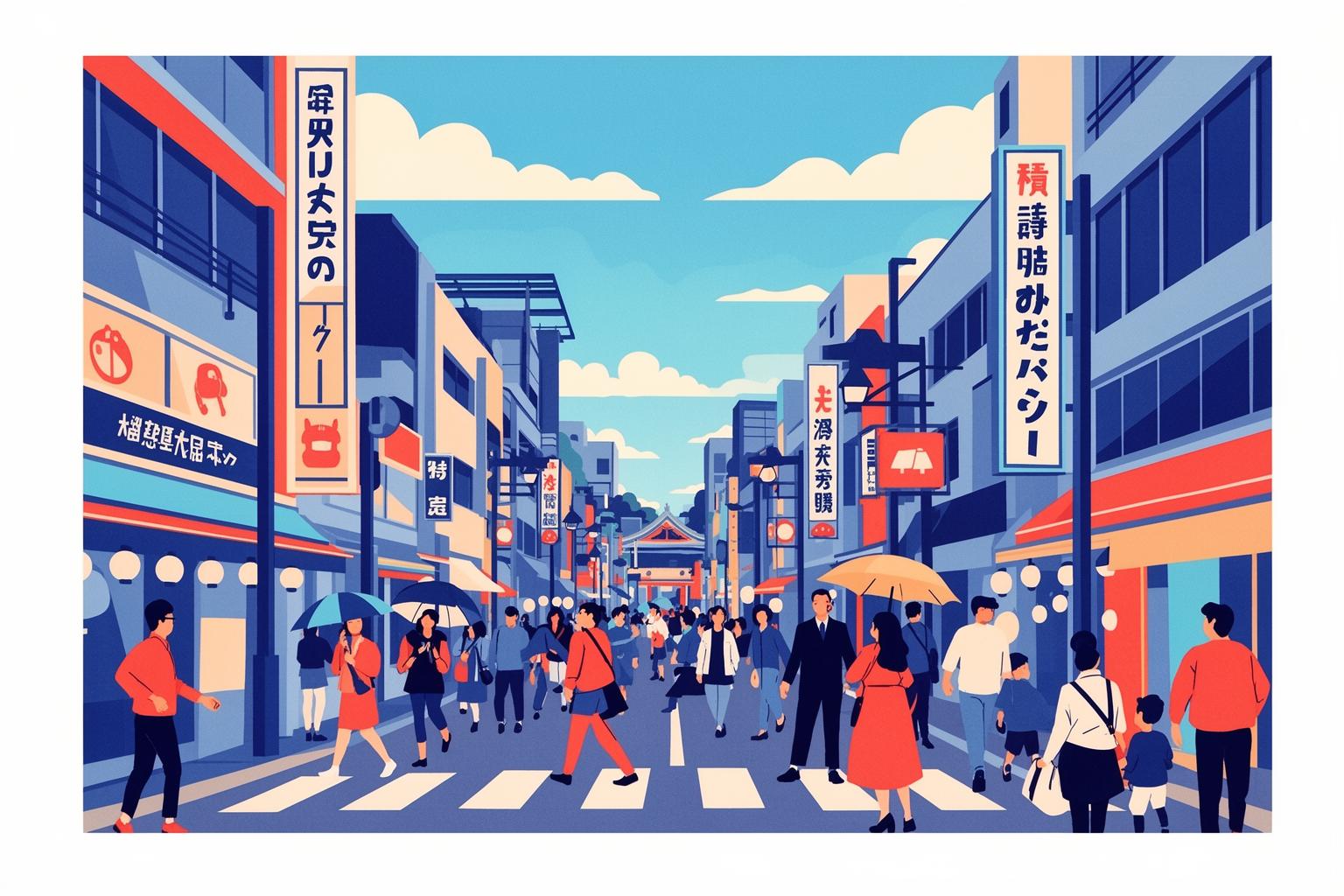
More than the food or the merchandise, it is the people who truly define Tenjinbashisuji. The arcade serves as a grand stage where the everyday drama of human connection unfolds. Walking its length, one is surrounded by a diverse cast of characters, each adding their unique voice to the chorus of the street.
There is the elderly woman who runs the senbei shop. Her hands, marked by age, move with a grace and precision that reflect a lifetime devoted to her craft. She carefully arranges the rice crackers in neat stacks, her face showing deep concentration. A smile brightens her expression when a customer stops by, and she offers a sample with a gentle bow. She doesn’t need to shout to sell her goods; her quiet dignity and the quality of her product speak volumes.
Further along, the young, energetic chef at the takoyaki stand works with fluid motion, his body swaying to the rhythm of his craft. He chats with customers, laughing as he skillfully drizzles sauce and mayonnaise, his movements almost a form of performance art. He embodies the new generation, infusing traditional practices with fresh energy and a flair for showmanship.
Then there are the customers themselves. The obaa-chan (grandmother) navigates the crowds with ease, using her wheeled shopping cart. She knows every shopkeeper by name, and her shopping trip is as much a social visit as it is an errand. She stops to chat with the fishmonger about the best way to prepare the mackerel she just bought, their conversation warm and familiar. You see the salaryman in his crisp suit making a quick stop at a standing soba noodle shop for lunch, slurping his noodles with the efficiency that mirrors his work life. Young students laugh and share a bag of freshly fried korokke, their youthful energy adding another layer to the street’s vibrant atmosphere.
From my perspective, having explored many of Asia’s bustling markets, Tenjinbashisuji stands apart. It carries the raw, chaotic energy of a night market in Taipei or a bazaar in Hong Kong, yet it is framed within a uniquely Japanese sense of order and courtesy. There is a politeness within the chaos. People queue patiently. Shopkeepers take great pride in presenting their goods. A deep, unspoken respect exists between buyer and seller. This blend of lively Osakan spirit and underlying Japanese social grace makes the human element here so captivating. It is a community in the truest sense, a complex ecosystem where every individual, from the tofu maker to the pachinko player, plays a role in the ongoing story of the street.
A Few Final Tips for the Intrepid Explorer
As you get ready to explore the vibrant chaos of Tenjinbashisuji, here are a few helpful tips to make the most of your adventure.
- Wear Comfortable Shoes: This cannot be emphasized enough. You’ll be walking extensively. The 2.6-kilometer stretch doesn’t even include the detours and backtracking you’ll likely do.
- Bring Cash: Although Japan is becoming more credit-card friendly, the shotengai remains traditional. Many small food stalls, older shops, and market vendors accept cash only. Carrying a good amount of yen is essential.
- Pace Your Appetite: The urge to try everything around you is strong. However, if you fill up on the first tasty treat you find in 1-chome, you might regret it once you reach the culinary delights of 4-chome and beyond. Share snacks with friends or opt for smaller portions to save space.
- Look to the Sides: While the main covered arcade is the highlight, don’t forget to explore the side streets and alleyways branching off from it. These yokocho often conceal cozy bars, specialized eateries, and other hidden treasures.
- Embrace the Language Barrier: Not fluent in Japanese? No need to worry. Osakans are known for their friendliness and openness. A smile, a gesture, and a polite nod can go a long way. People are generally eager to help, and your effort to communicate is always appreciated.
- Be Spatially Aware: The arcade can become very crowded. Stay aware of your surroundings. When stopping to take photos or check your map, step aside to avoid blocking foot traffic. Although walking and eating is usually allowed with street food, be tidy and dispose of your trash in the proper bins.
The Unending Story
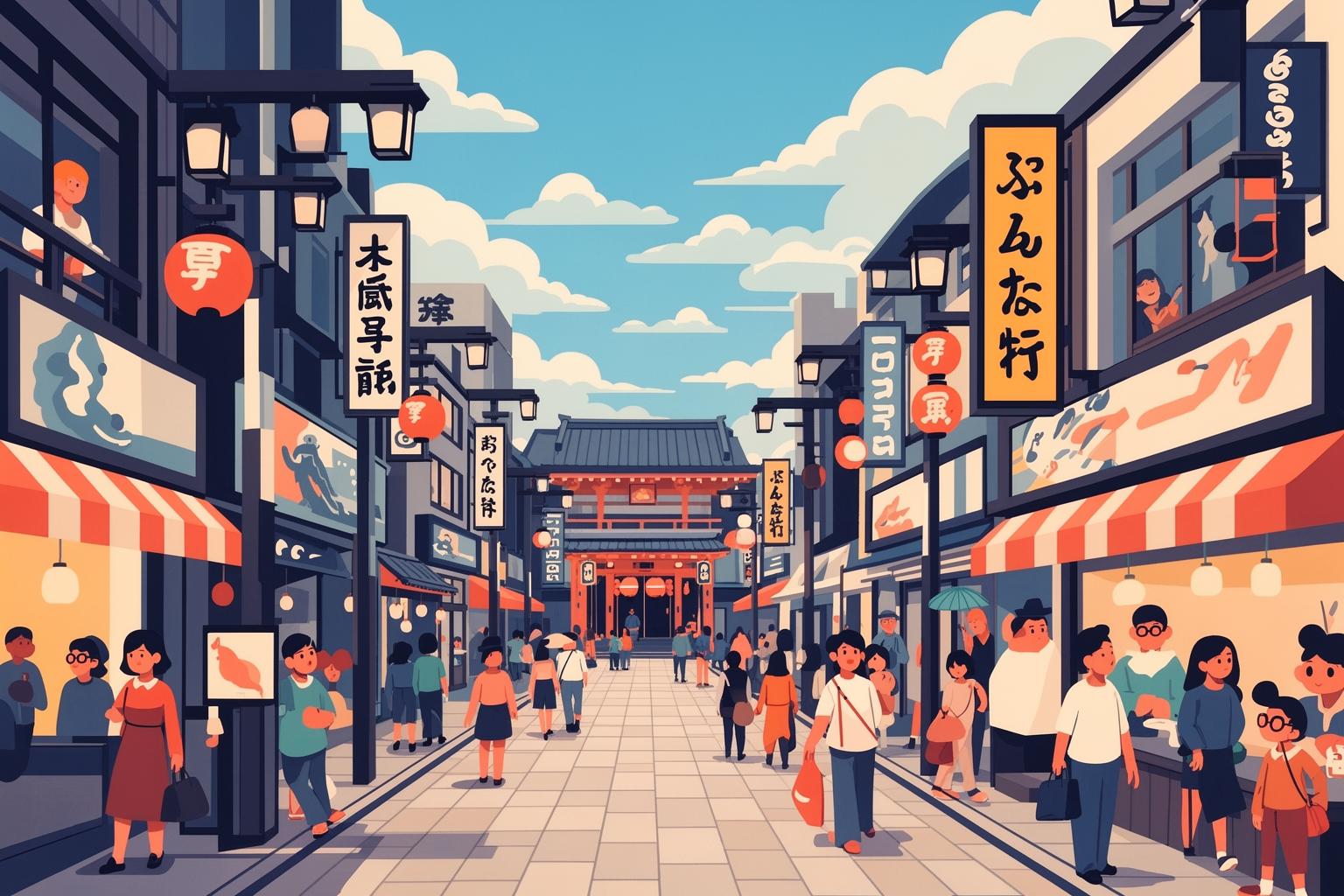
Walking Tenjinbashisuji from one end to the other is to experience a microcosm of life itself. It’s a journey through time, spanning from the sacred grounds of an ancient thousand-year-old shrine to the vibrant neon lights of a pachinko parlor. It’s a feast for all the senses, a place where the sacred and the profane, the old and the new, coexist in a loud, joyful, and utterly captivating harmony. This is not a polished, curated tourist spot; it is the raw, beating heart of Osaka. It defies neat summaries or checklist ticking. Its story isn’t found in guidebooks but in the laughter of friends sharing a beer, the sizzle of oil in a pan, and the quiet focus of a craftsman at work.
Stepping out of the arcade and back into the ordinary city streets feels like waking from a vivid dream. The sounds change, the energy disperses. You carry with you the lingering tastes and smells, the images of the faces you encountered, and a deeper sense of what drives this city. Tenjinbashisuji isn’t a place to visit just once. It’s a place to return to, because its story keeps unfolding, its rhythm forever shifting. It’s an invitation to get lost, to explore, to eat, and to connect with the irrepressible spirit of Osaka—one delicious, chaotic, and heartwarming block at a time.