Welcome to Osaka, a city that throbs with a rhythm all its own. It’s a place where the steam from a takoyaki stand tells a story, where the neon glow of Dotonbori is a siren’s call, and where the heart of local life beats strongest not in a polished skyscraper, but under the covered arcades of its beloved shotengai. And in a city of legendary shopping streets, one stands—or rather, stretches—head and shoulders above the rest: Tenjinbashisuji. Clocking in at an astounding 2.6 kilometers, this is the longest shopping arcade in all of Japan. It’s a marathon of commerce, a river of humanity flowing through the city’s northern wards. But for a traveler with limited time and a long list of must-sees, the question hangs in the humid Osaka air: is a trek down this seemingly endless corridor of shops, sounds, and smells truly worth it? Is it a genuine slice of Osakan soul, or just a very, very long walk? Let’s lace up our most comfortable shoes and find out. We’re diving deep into the pros, the cons, and the vibrant, chaotic, and utterly unforgettable reality of Tenjinbashisuji Shopping Street.
While exploring the rich history of Osaka’s northern wards, you can also discover the poignant story of a famous love suicide at Tsuyunoten Shrine.
The Vibe: A Symphony of Everyday Osaka
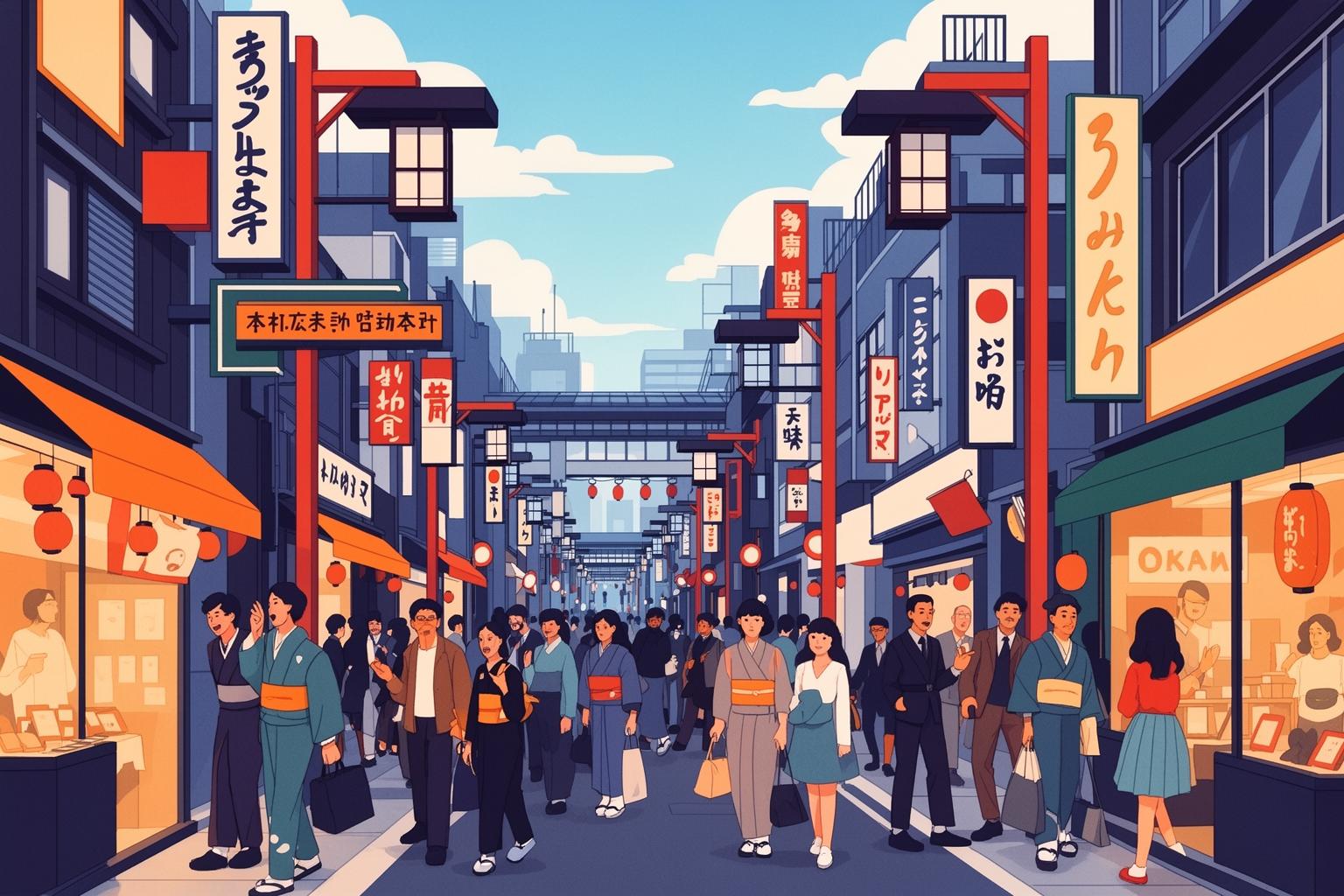
Entering Tenjinbashisuji is like immersing yourself in the city’s bloodstream. It’s far from a quiet, reflective stroll; instead, it’s an exhilarating sensory barrage in the most invigorating way. The first thing that strikes you is the sound—a rich tapestry of life. There’s the cheerful, repetitive tune of a drugstore’s jingle, the clamor and electronic fanfare spilling out from a pachinko parlor’s sliding doors, and the rhythmic calls of vendors—“Irasshaimase!”—inviting you into their space. You’ll catch the sizzle of oil hitting a hot griddle, the chatter of friends meeting over coffee, and the rumble of bicycles expertly weaving through crowds, their bells offering a polite yet firm alert. It’s a constant, buzzing energy that confirms this place is alive and bustling.
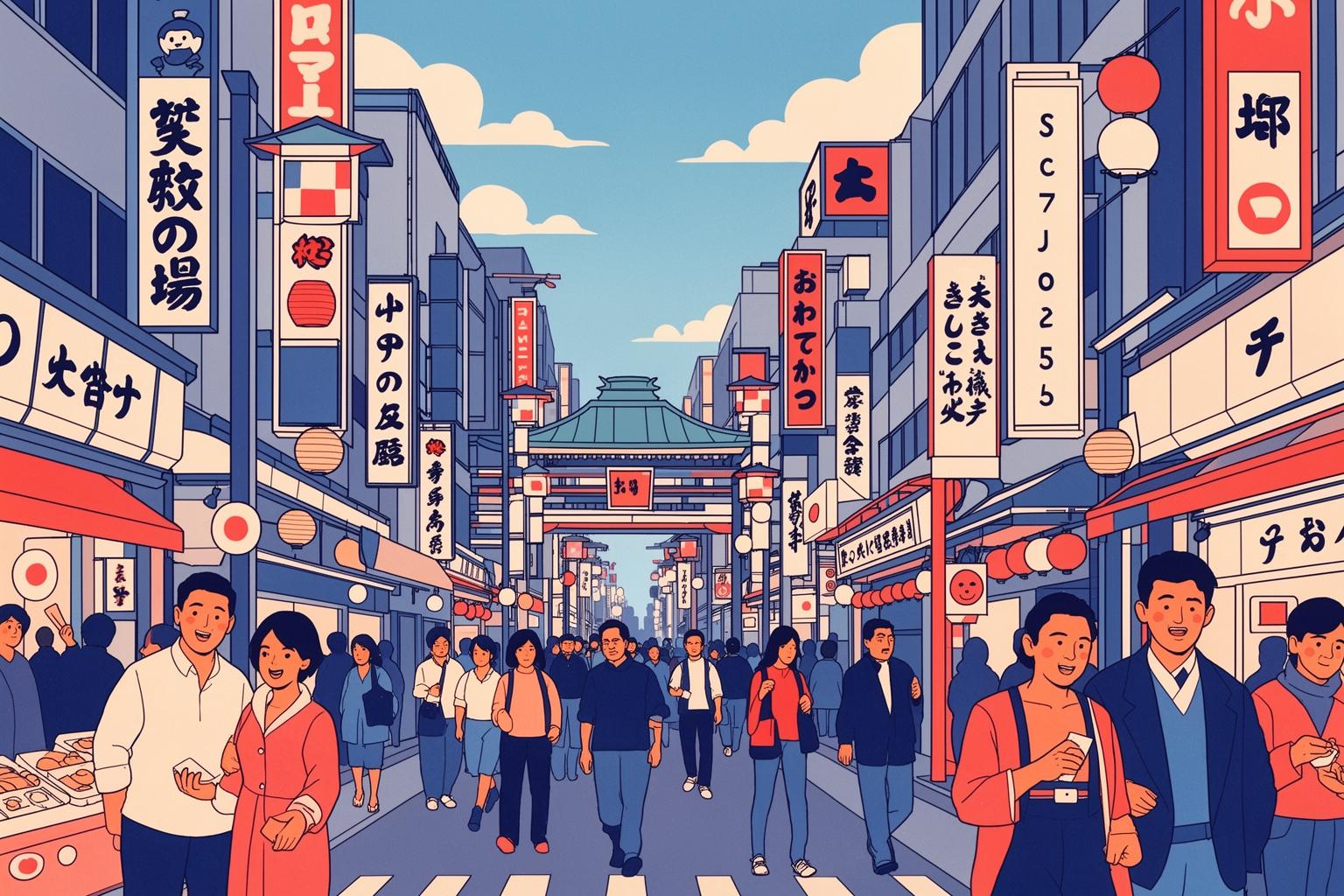
The arcade itself is an intriguing architectural marvel. A tall, arched roof of glass and steel shields you from the elements—whether it’s the relentless summer sun or an unexpected rain—making it a venue for all kinds of weather. Along its stretch, you’ll encounter remarkable variety. One moment, you pass a centuries-old shop offering exquisite green tea, its wooden facade a symbol of tradition; the next, you’re dazzled by the fluorescent lights of a modern pharmacy piled high with cosmetics and medicines. Hanging from the ceiling are decorations that change with the seasons—sakura blossoms in spring, festival lanterns in summer—and iconic green torii gates that mark the entrances to each new block, or chome.
What truly shapes the atmosphere, however, are the people. This isn’t a street designed for tourists but a place where everyday local life plays out openly. You’ll see elderly women carefully inspecting vegetables for dinner. You’ll spot salarymen in crisp suits grabbing a quick stand-up lunch of soba noodles. You’ll notice young mothers with children in tow, heading to the 100-yen shop for household essentials. This genuine everydayness is the street’s greatest appeal. You’re not just an observer here; you’re a part of Osaka’s daily rhythm. The street is divided into numbered sections, from 1-chome in the south to 7-chome at the far northern end, with the character of the arcade evolving as you walk. The southern end, near the esteemed Osaka Tenmangu Shrine, feels calmer and more traditional, with shops focused on shrine-related items. Moving north to 3-chome and 4-chome, the energy intensifies—the bustling core where the most famous food stalls and densest crowds gather. Beyond 5-chome, the atmosphere becomes more residential. Supermarkets, local clinics, and neighborhood izakayas appear more frequently, and the pace settles into a more relaxed, community feel. This entire 2.6-kilometer stretch offers a cross-section of society, a vivid diorama of Osakan culture from the sacred to the everyday.
The Pros: Why You Absolutely Should Go
Let’s get straight to the point: here are the compelling reasons to dedicate a significant portion of your day to this epic walk. The rewards are abundant for travelers ready to immerse themselves.
Unmatched Authenticity: The Genuine Experience
In a world of polished tourist areas, Tenjinbashisuji stands out with its raw, unfiltered character. This isn’t Shinsaibashi with its international flagship stores or Dotonbori with its overwhelming, almost theatrical neon lights. This is where Osaka shops, eats, and lives. Prices cater to locals, the banter is sincere, and the experience feels deeply grounded. You’re seeing the city as it truly is, not as it’s packaged for visitors. You’ll discover tiny shops run by the same families for generations, their histories evident in the faded noren curtains adorning their entrances. This is the kind of cultural immersion that only guidebooks allude to. You’re not just seeing Osaka; you’re absorbing it. For anyone wanting to understand the city’s essence, this street is a must-visit pilgrimage. It’s a living museum of commerce, a testament to the resilience of the local community amidst global homogenization. Here, you’ll find the true spirit of the city’s famed kuidaore philosophy—to eat until you drop—in its most genuine form.
A Food Lover’s Budget-Friendly Paradise
Osaka is Japan’s kitchen, and Tenjinbashisuji is one of its best-stocked cupboards. The incredible variety and affordability of food here are astonishing. This is where you feast without overspending. The air is rich with the enticing aromas of countless eateries, from tiny stalls to established restaurants. Street food reigns supreme here. You must try the korokke (potato and meat croquettes) from Nakamura-ya, a beloved local institution. For just a few yen, you get a perfectly crispy, piping-hot snack—an ideal companion for your walk. Naturally, this is Osaka, so takoyaki (octopus balls) stands are everywhere, each boasting fiercely loyal fans debating subtle differences in batter and sauce. Follow the longest lines—they usually signal the best quality.
But it’s more than just snacks. The arcade and its nearby side streets hide countless gems. You’ll find tachinomi (standing bars) where you can mingle with locals over cold beer and grilled skewers—fantastic spots to experience the city’s warm, unpretentious drinking culture. Dive into a decades-old restaurant for a bowl of comforting kitsune udon, a dish born in Osaka. Or, for one of the most famous and rewarding experiences, brave the queue at Harukoma Sushi. This legendary spot is known for its incredibly fresh, generously portioned sushi at almost unbelievable prices. The bustling, no-frills atmosphere is part of its charm. Beyond the well-known places, countless small, family-run eateries serve everything from ramen to curry to okonomiyaki. And don’t overlook kissaten culture—old-school Japanese coffee shops, often adorned with Showa-era decor, where you can rest your tired feet, savor finely brewed coffee, and watch the world go by. They’re time capsules offering a peaceful pause amid the street’s joyful chaos.
Shopping Beyond Typical Souvenirs
While luxury brands are absent here, the shopping is varied, practical, and intriguing. This is your chance to buy items actually used by people in Japan. The drugstores alone are attractions, offering a dizzying range of Japanese cosmetics, skincare products, and health supplements at competitive prices. You could easily spend an hour exploring the aisles. 100-yen shops like Daiso or Seria are treasure troves filled with clever, useful, and quirky goods—perfect for inexpensive souvenirs.
Beyond everyday items, specialty shops reveal Japanese craftsmanship. Look for stores selling kitchen knives—Osaka, especially nearby Sakai, is famous for its blades. Here you can find high-quality, professional knives that last a lifetime. Traditional tea shops invite you to sample and buy a wide range of Japanese teas, from everyday sencha to ceremonial-grade matcha. There are also shops with beautiful ceramics, traditional wagashi sweets, and even second-hand kimono stores where stunning textiles can be found for a fraction of their original price. This is shopping as discovery—a chance to find unique items with a story rather than simply ticking boxes.
Deep Cultural and Historical Foundations
Tenjinbashisuji is more than a commercial street; it’s framed by significant cultural landmarks at both ends, giving your lengthy walk a meaningful narrative. At the southern entrance stands the magnificent Osaka Tenmangu Shrine. This important Shinto shrine, founded in the 10th century, is dedicated to Sugawara no Michizane, deity of scholarship and learning. It’s a peaceful sanctuary just steps from the arcade’s bustle. Students visit to pray for exam success, leaving wooden ema plaques inscribed with their wishes. The shrine’s beautiful architecture and tranquil grounds offer a serene start to your journey.
Importantly, this shrine is the heart of the Tenjin Matsuri, held every July. One of Japan’s three greatest festivals, it features impressive land processions and a fleet of boats on the nearby river. The entire Tenjinbashisuji area becomes the vibrant stage for this event. Understanding this connection adds a profound cultural layer to your walk, even if you visit outside festival season. You tread the same path festival-goers have for centuries.
At the opposite end, near Tenjimbashisuji 6-chome station, lies the Osaka Museum of Housing and Living. This outstanding museum is the perfect endpoint to your walk. Its centerpiece is a life-sized, meticulously recreated Osaka townscape from the Edo Period. You can stroll through streets, visit shops and homes, and experience 19th-century life. It offers powerful historical context for the modern commercial street you’ve just explored, showcasing the roots of the merchant culture that still shapes Osaka today. Starting at the ancient shrine and concluding with a glimpse of the past creates a deeply satisfying and educational journey through time.
The Cons: Reasons You Might Want to Skip It (Or Plan Carefully)
Despite its many attractions, Tenjinbashisuji may not suit everyone. It’s important to enter with a clear understanding of what it offers—and what it doesn’t—to avoid disappointment.
The Length and Physical Challenge
Let’s be straightforward: 2.6 kilometers (about 1.6 miles) is a lengthy walk. That’s the direct distance and doesn’t include any detours or backtracking. For those with limited mobility, young children who tire easily, or anyone with foot or back issues, attempting the entire stretch can be tough and uncomfortable. Even those in good shape might find it surprisingly exhausting. It also requires a significant time investment. To walk the full length while stopping to eat and shop, you should allow at least three to four hours. If your time in Osaka is limited to just a few days, spending half a day on one street might not be the best use of your schedule. The demanding endurance needed is arguably the biggest downside and the main reason some visitors may decide to skip it.
Possibility of Sensory Overload
The lively features that give the street its energy—the noise, crowds, and constant visual stimuli—can be too much for some. It’s seldom quiet. The mix of shop music, pachinko machines, and vendor calls can wear on your mind. Crowds, especially on weekends and holidays, can be thick, making it hard to move at your own speed. If noise sensitivity or crowd anxiety affects you, Tenjinbashisuji might feel more stressful than pleasurable. It is not a calm or meditative setting. Rather, it’s an immersion in urban hustle and bustle, requiring the right mindset to appreciate. If tranquility is what you seek, a temple or one of Osaka’s peaceful parks would be a better choice.
Not a Destination for High Fashion or Luxury
It’s essential to keep your shopping expectations realistic. If you envision Japanese shopping as involving trendy boutiques, international designer brands, or luxury department stores, this isn’t the spot for you. Tenjinbashisuji is proudly mainstream and local, focusing on everyday items, practical goods, and affordable food. You won’t find the latest Tokyo fashions or luxury handbags here. For a high-end shopping experience, visit department stores in Umeda or the stylish boutiques in Shinsaibashi and Horie. Expecting luxury here will only lead to disappointment. Its appeal lies in its unpretentious nature and emphasis on functionality and affordability.
Risk of Monotony
Although the vibe subtly shifts from block to block, some visitors may find the scene repetitive after a while. The sequence of drugstores, 100-yen shops, pachinko parlors, small eateries, and clothing stores repeats throughout the arcade’s length. Travelers with a sharp eye and a genuine interest in local life will find fresh discoveries on every block. But for those wanting ever-changing, dramatic scenery, the seventh block might start to resemble the third. To truly enjoy the street, you need to actively notice the small differences, the unique family businesses nestled between chains, and the interesting characters who inhabit the arcade. Walking straight through without engagement could make it feel like a long, repetitive corridor.
A Practical Guide: How to Conquer Tenjinbashisuji
Proper planning can transform an exhausting ordeal into a fantastic adventure. Here’s how to navigate Japan’s longest shopping street like an expert.
Access and Your Plan of Attack
Thanks to Osaka’s outstanding public transportation network, reaching Tenjinbashisuji is simple. You have convenient options at both ends and even in the middle.
- Starting at the South End (1-chome): The ideal stations are Minami-morimachi (on the Tanimachi and Sakaisuji subway lines) or the nearby Osaka-Temmangu Station (on the JR Tozai Line). This is the recommended starting point for those who prefer a “culture-first” approach.
- Starting at the North End (7-chome): Use Tenjimbashisuji 6-chome Station, a key hub served by the Tanimachi and Sakaisuji subway lines as well as the Hankyu Senri Line.
- Starting in the Middle: Ogimachi Station (on the Sakaisuji Line) drops you off near the 4-chome area, right in the heart of the action.
Which way should you go? For first-timers, the South-to-North route is highly recommended. It begins with a peaceful, culturally rich visit to Osaka Tenmangu Shrine, then leads into the lively arcade. You’ll walk the full length, experiencing the atmosphere’s gradual change, and finish at the Osaka Museum of Housing and Living, creating a compelling narrative for your day. Alternatively, you could try the “Bite-Sized” Approach. There’s no need to walk the entire 2.6 kilometers to get a sense of the street. You could simply get off at Ogimachi Station, explore the busiest central sections (3-chome and 4-chome), grab some food, and then head out. This works well if you’re short on time or energy.
Best Time to Visit
Timing matters. Although the arcade is open daily, your experience will differ depending on when you visit.
- Weekday Afternoons (1 PM – 5 PM): This is arguably the best time. Most shops and restaurants are open, and the street is lively with local shoppers, yet not overwhelmingly crowded. You get a genuine feel for the street’s daily rhythm.
- Weekends: Expect crowds! The street becomes a major spot for local families and couples. The energy is vibrant, with a festive atmosphere ideal for people-watching. However, walking can be slow, and popular food stalls may have queues.
- Evenings (After 6 PM): The vibe changes. Many retail shops close, but restaurants, izakayas, and bars come alive. Lanterns glow, and the focus shifts from shopping to dining and socializing. It’s a perfect time to enjoy Osaka’s famed food and drink culture.
- Mornings (Before 11 AM): It’s best to avoid arriving too early. Many independent shops open late, around 10:30 or 11:00 AM. The street remains quiet and lacks its usual energy in the morning.
Local Tips & Etiquette
- Pace Yourself: Remember, it’s a marathon, not a sprint. Wear comfortable walking shoes, take breaks, stop for coffee at a kissaten, and sit on a bench to simply watch the world go by.
- Bring Cash: Although Japan is becoming more card-friendly, many small, independent food stalls and older shops on Tenjinbashisuji still accept cash only. Carry enough yen with you.
- The Art of Street Food: While walking and eating is generally discouraged in Japan, it’s more accepted here in this food-focused area. The polite way is to buy your food, step aside from the flow of traffic, finish it, dispose of your trash properly, and then continue walking.
- Look Up and Around: The most fascinating details aren’t always at eye level. Notice the old hand-painted signs, the buildings’ architectural details above the shops, and the intricate decorations hanging from the arcade ceiling. Don’t hesitate to explore the narrow side alleys branching off the main street; that’s often where the best-kept secrets lie.
Unearthing the Hidden Gems: Beyond the Main Drag
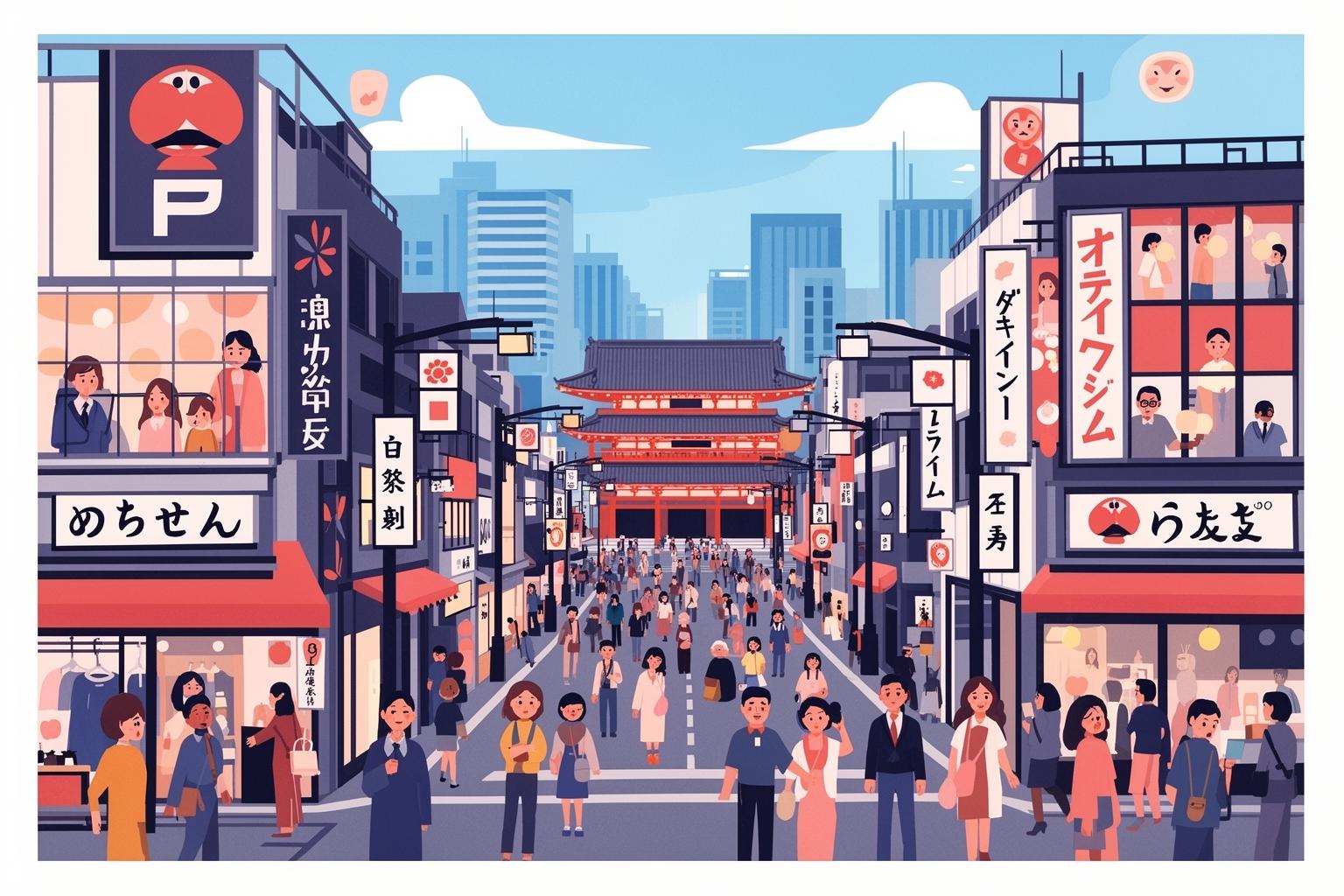
To truly appreciate Tenjinbashisuji, you need to know where to look. The street is filled with legendary spots and cultural icons that transform a simple stroll into a memorable journey.
Legendary Eats You Can’t Miss
We’ve mentioned a few already, but they deserve repeating and elaboration. The line outside Harukoma Sushi (in 5-chome) is a landmark in itself. It moves fairly quickly, and the payoff is fantastic—generously cut sushi that offers some of the best value in the entire city. Don’t hesitate; just point to what looks good. The previously mentioned Nakamura-ya (in 2-chome) and its heavenly korokke is a must-visit. For just a few coins, you get a taste of pure, comforting nostalgia loved by Osakans for decades. For something a bit heartier, head to Gunjo Ramen, a short walk off the main arcade near Tenjimbashisuji 6-chome station. This renowned spot serves a rich, creamy, and intensely flavorful fish-based broth that has earned a devoted following among ramen aficionados. For a classic Osaka soul food experience, seek out a small, unpretentious okonomiyaki joint. Watching the chef expertly prepare your savory pancake on the teppan grill right before you is half the enjoyment.
The Spirit of the Tenjin Matsuri
As you walk along the street, try to imagine it in late July during the Tenjin Matsuri. The entire arcade becomes a vibrant, pulsating river of people dressed in colorful yukata. Food stalls spill out from every corner. The air resonates with the sound of drums, flutes, and joyous cheers. Portable shrines (mikoshi) from Osaka Tenmangu are carried through these streets on the shoulders of chanting locals. Even when the festival isn’t taking place, you can sense its spirit. Look for shops selling festival-related goods or posters from previous years. Knowing that you are walking on sacred festival grounds adds a deep sense of history and community to the experience. This street is more than just a commercial hub; it is a place of celebration and rich cultural heritage, the main artery linking the shrine to its people.
The Enduring Culture of Tenma
The neighborhood around the arcade, known as Tenma, is one of Osaka’s most fascinating and historically rich districts. It’s a center for entertainment and culture. Hidden in the side streets, you might find a small theater showcasing Rakugo, the traditional Japanese art of comedic storytelling. You’ll also discover one of the city’s most vibrant and dense clusters of izakayas and bars, especially around JR Tenma Station, just east of the main arcade. This area truly comes alive at night, offering a grittier, more local alternative to the polished nightlife districts. Exploring Tenma after touring the arcade is an excellent way to round out your day and see where locals go to unwind.
The Verdict: So, Is It Worth Your Time?
After walking its entire length, weighing the sensory overload against the genuine charm, and sampling more street food than is perhaps wise, we can return to our original question: Is Tenjinbashisuji Shopping Street worth visiting for a traveler in Osaka?
The answer is a strong, though somewhat conditional, yes. It’s not worth it if you are seeking famous landmarks in the traditional sense. It’s neither a castle nor a temple, nor a flashy museum (though it is flanked by two excellent cultural sites). The street itself is the landmark. The experience is the attraction. Its value lies not in what you can buy, but in what you can see, hear, and taste. It offers an unfiltered, high-definition immersion into the daily life of one of Japan’s most vibrant cities.
You should definitely go if:
- You are a curious traveler wanting to discover the “real” Osaka beyond the tourist hotspots.
- You are a budget-conscious foodie eager to try authentic, delicious, and affordable local dishes.
- You are a photographer who finds beauty in the chaos of urban life, in the faces of strangers, and the details of aged storefronts.
- You have a half-day to spare and enjoy long, exploratory walks without a fixed agenda.
- You want to experience the heart and soul of Osaka’s merchant culture.
You might want to reconsider or opt for a “bite-sized” visit if:
- You are on a very tight schedule and need to prioritize major attractions like Osaka Castle or Dotonbori.
- You have limited mobility or are traveling with people who cannot manage long walks.
- You are easily overwhelmed by noise and crowds.
- Your main interest lies in luxury shopping or trendy fashion.
Ultimately, Tenjinbashisuji is a choose-your-own-adventure. You can take on an epic journey, walking its full length from shrine to museum. You can stop by for an hour to sample a few legendary snacks. Or you can use it as a starting point to explore the fascinating Tenma neighborhood. There is no wrong way to experience it. What it offers is a rare and precious gift in modern travel: a chance to step off the curated path and into the beautiful, messy, vibrant, and utterly delicious flow of everyday life. And in a city as alive as Osaka, there is no better place to do so.