It’s a question I get a lot, usually over a beer in some Namba back-alley izakaya, from a fellow foreigner trying to decipher the city’s code. “So, I need to get some work done. I’m thinking of hitting a cafe. Where’s the good spot?” On the surface, it’s a simple query about Wi-Fi and power outlets. But beneath it lies a much deeper question about the rhythm of daily life in Osaka, about finding your place in the city’s relentless, yet surprisingly relaxed, current. In Tokyo, asking for a work-friendly cafe often means you’re looking for a silent, monastic space, a productivity pod with good lighting. You’re seeking an escape from the city to focus. Here in Osaka, the request is different. You’re not looking to escape the city; you’re looking for the right place to plug into it. You want the energy, the background chatter of deals being made and lives being lived, to fuel your own hustle. You want a place that understands the quintessential Osaka balancing act: getting things done while still enjoying the ride. And for that, there is no better urban laboratory than Horie.
Nestled west of the neon glare of Shinsaibashi and the youthful chaos of Amerikamura, Horie is a grid of leafy streets, independent boutiques, and design-conscious eateries. It feels curated, but not sterile. It’s stylish without the suffocating self-awareness you might find in Tokyo’s Daikanyama. Horie breathes. It has a pulse that’s less about frantic consumption and more about considered creation. This neighborhood, once the city’s hub for furniture manufacturing, has repurposed its industrial bones into a skeleton for modern commerce and creativity. The warehouses are now showrooms, the workshops are now studios, and scattered among them, like vital organs, are the cafes. These aren’t just places to get a caffeine fix. They are the neighborhood’s living rooms, its boardrooms, and its silent partners in a thousand different freelance gigs, startups, and creative projects. To understand how to work in Osaka, you must first understand the cafes of Horie. They are the proving ground for anyone trying to carve out a space for themselves in the vibrant, pragmatic, and deeply human landscape of Japan’s merchant city.
To truly understand this unique rhythm of life, it helps to compare the city’s vibrant energy with Tokyo’s, which you can explore in our article comparing Osaka nights to Tokyo lights.
The Unspoken Contract of the Osaka Cafe
Before even stepping inside, let’s discuss the invisible rules. In any city, working from a café involves a subtle social contract: you purchase something, use the space, and don’t overstay your welcome. But in Osaka, this contract is expressed in a slightly different way. It’s less about strict time limits and more about a mutual understanding rooted in the city’s mercantile spirit. The core concept is shoubai—business. The café owner runs a business, and you, the laptop warrior, are also, in a way, running a business, even if only for yourself. This shared understanding creates a practical and surprisingly flexible environment.
In many Tokyo cafés, especially in busy areas, you might sense the silent pressure of the clock. A two-hour limit might be posted, or you might feel a staff member’s glare as you nurse the last drops of a cold coffee. It’s a system built on high turnover and efficiency. Osaka’s approach feels more relational. The unspoken rule here is: as long as you’re a contributing customer, you’re generally welcome. This doesn’t mean you can buy a 400-yen coffee and settle in for eight hours. It means if you plan a long stay, you should probably order a coffee, then maybe a slice of cake a couple of hours later, and perhaps another drink after that. It’s a continuous, modest transaction that respects the owner’s need to make a profit. You’re not just renting a seat; you’re a patron. This distinction is crucial. It transforms the experience from a cold, impersonal exchange into a more symbiotic relationship. The owner retains your business throughout the day, and you get a reliable, comfortable place to work.
This attitude extends to the social atmosphere. Many foreigners, especially those used to the quiet of cafés abroad or even in Tokyo, are often surprised by Osaka’s ambient noise. It’s not a library. Conversations happen here, and they’re not always whispered. You’ll hear the sharp, rhythmic cadence of the Osaka dialect as friends catch up, the passionate brainstorming of a couple of local designers, the low hum of a business meeting. This isn’t seen as a disturbance; it’s the city’s soundtrack. People in Osaka are generally less precious about personal space and silence. Life is lived out loud. For a remote worker, this can be a boon. The energy is infectious. The gentle buzz often encourages creativity more than sterile silence. It reminds you that you’re part of a living, breathing ecosystem, not isolated in a sterile work bubble. You learn to filter it, letting it become a comforting background hum that, paradoxically, helps you focus. This is a key piece of the Osaka puzzle: the belief that life, and business, is a communal activity.
Granknot coffee: The Designer’s Living Room
The Vibe
Stepping into Granknot is like entering the very heart of Horie. The design perfectly blends industrial heritage with modern minimalism. Polished concrete floors meet warm, honey-hued wood, while exposed ceiling ducts are softened by the gentle glow of Edison bulbs. The space feels both raw and polished, paying homage to the neighborhood’s history as a furniture district and its current status as a design hub. The large communal table at the center serves not just as furniture but as a statement. It encourages collaboration, shared space, and a quiet appreciation among fellow creatives. As a photographer, I’m drawn to the light—the floor-to-ceiling windows at the front flood the room with soft, diffused sunlight that shifts throughout the day, casting moving images on the walls. The crowd matches the décor: stylish and yet approachable. You’ll find graphic designers with open MacBooks, fashion boutique owners sketching in notebooks, and architects discussing blueprints. There is a quiet intensity and strong sense of purpose in the air, balanced by a relaxed, almost homey comfort. The music—a low-key mix of indie electronic or mellow jazz—sets the mood without ever interrupting your focus.
Laptop-Friendliness Deep Dive
Granknot clearly knows its crowd. This isn’t a spot to grab a quick espresso on the run; it’s a place to settle in. Power outlets abound, positioned thoughtfully along the walls and built into the expansive central table, a feature both crucial and often overlooked. You won’t have to awkwardly stretch cables across walkways here. The Wi-Fi is fast and dependable, holding steady even during busy times—no frustrating dropouts like you get in other cafés. Seating options range from hard wooden chairs to cozy cushioned benches, with the latter being the smart choice for extended sessions. Tables, whether individual or communal, are generously spacious, offering enough room for your laptop, notebook, coffee, and a plate of something tasty without feeling cramped or playing “tabletop Tetris.” This considerate design clearly reflects a deep understanding of the modern worker’s needs. It’s a space made not just for sipping but for creating.
The Osaka Experience
What truly distinguishes Granknot and makes it so distinctly Osaka is the service. It’s professional but never stiff. The baristas take their coffee seriously—able to chat about the flavor notes of a single-origin pour-over with academic precision—but remain warm and approachable. There’s none of the coffee snobbery that can make specialty cafés feel intimidating. I recall an afternoon when I was struggling with a tough photo edit. A barista, a young woman with encyclopedic knowledge of coffee beans, noticed my furrowed brow and came over—not to rush me but to bring a small glass of water. “Tough day?” she asked, her friendly Kansai accent inviting conversation. We chatted for a few minutes about photography. She didn’t offer a fix for my problem, but that simple moment of human connection was enough to clear my head. That’s Osaka in a nutshell: curious, engaged people offering warmth that goes beyond the simple customer-vendor exchange. You feel recognized, not just as a source of sales but as a person sharing the space. This small interaction stands in stark contrast to the efficient, almost invisible service you might receive from a bustling Tokyo chain. Here, the humanity is part of the experience.
The Public Stand: The Fueling Station
The Vibe
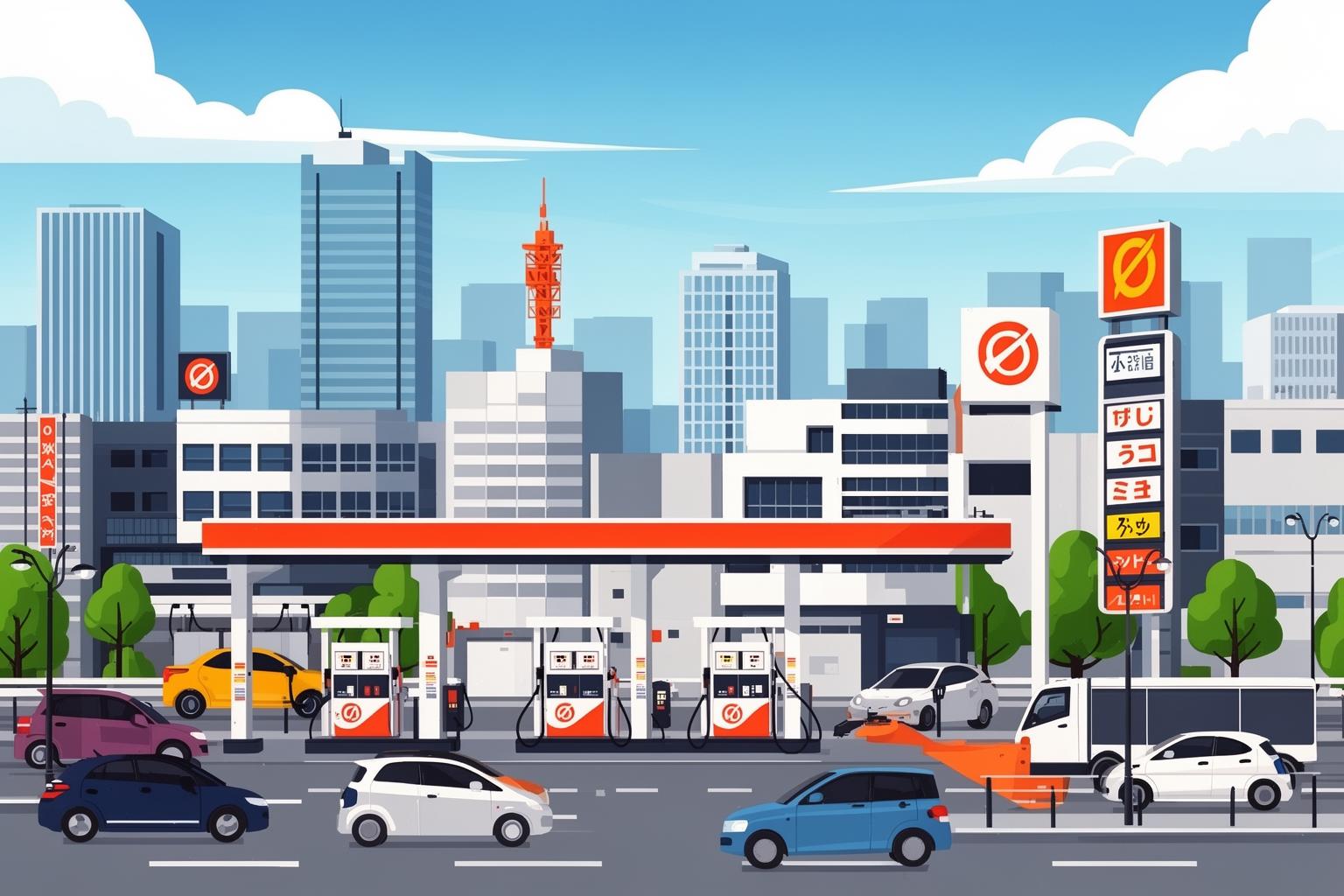
The name says it all. The Public Stand feels like a shared resource, a pit stop for the neighborhood’s creative pulse. Its design is more functional and minimalistic than Granknot’s, embracing a clean, almost Scandinavian style blended with a hint of New York loft. Picture white-tiled walls, simple plywood furnishings, and bright, practical lighting. It’s less of a lounge and more of a workspace. The atmosphere is a bit more hectic, more transient. People come and go, grabbing coffee to go, holding quick meetings, or powering through an intense hour of work between appointments. It’s the kind of spot where you can feel the buzz of productivity all around. The soundtrack usually has a more upbeat vibe—maybe some funk or soul—which enhances the energetic mood. It’s not a place for quiet reflection, but if you thrive in a lively environment and the sense of being in the thick of things, The Public Stand is your haven. It perfectly embodies Osaka’s pragmatic, get-it-done spirit. Stylish, yes, but primarily designed to serve the community’s needs efficiently and without any fuss.
Laptop-Friendliness Deep Dive
The Public Stand is designed for speed and efficiency, and its laptop-friendly setup reflects that. A long counter runs along the window, prime space for solo workers. It’s lined with power outlets, and the stool seating encourages a focused, upright posture. This isn’t a spot to lounge for hours, but it’s ideal for knocking out a report or clearing your inbox. The Wi-Fi is fast and free, built for quick, reliable connections. Table space is more compact, suited for a laptop and a drink rather than an extended spread. The real brilliance of The Public Stand lies in its understanding of workers’ schedules. They open early, catering to the pre-office crowd and early-bird freelancers. The food menu is fuel-focused: hearty sandwiches, pastries, and excellent, strong coffee to jumpstart a sluggish brain. They know that for many patrons, time is money, so their entire operation is optimized to respect that. It stands as a testament to Osaka’s practical mindset that values efficiency over flair.
The Osaka Experience
My most vivid memory of The Public Stand features a classic Osaka character: a friendly, chatty older businessman. I was seated at the window counter when a man in his late 50s, dressed impeccably in a slightly too-shiny suit, sat beside me. He wasn’t working; he was just enjoying his coffee and watching the world go by. In Tokyo, the chances of a stranger striking up a conversation in this situation are almost zero. But this is Osaka. He glanced at my screen. “English? Are you a student?” he asked, his voice a gravelly mix of Japanese and a few English words. I told him I was a photographer. His eyes lit up. For the next ten minutes, he shared stories about his small printing business, offered unsolicited but genuinely helpful advice on where to get the best photo prints in the city, and tried to persuade me to photograph the Dotonbori Glico sign from a “secret” angle. He wasn’t being intrusive; he was simply… Osakan. Open, endlessly curious, and always ready to connect (and maybe make a deal). After finishing his coffee, he clapped me on the shoulder, said “Ganbatte!” (Do your best!), and left. That moment—the effortless shift from stranger to friendly acquaintance—is the social glue that makes this city tick. It reminds you that even when working alone, you’re never truly isolated in Osaka.
Biotop Corner Stand: The Fashionable Escape
The Vibe
Biotop is more than just a cafe; it’s a lifestyle concept store. The ground floor serves as a lush green oasis, filled with exotic plants and gardening supplies. Upstairs, you’ll find a carefully curated selection of high-end fashion. Nestled in a corner on the ground floor is the coffee stand, an open, airy area that extends onto a beautiful tree-lined terrace. Sitting here makes you feel like part of Horie’s fashion-forward elite. The atmosphere is effortlessly cool, a stark contrast to the intense, work-focused vibe of other cafes. The aesthetic emphasizes natural materials, abundant greenery, and a strong connection to the outdoors. It feels like a piece of the California coast dropped into the heart of Osaka. The clientele, as you might expect, is impeccably dressed—models on break, stylists meeting clients, and people for whom style is both work and lifestyle. The sounds are different too: leaves rustling from the large orange tree at the entrance, glasses clinking, and quiet conversations about art, fashion, and travel. It’s a place to see and be seen—but in a relaxed, understated way.
Laptop-Friendliness Deep Dive
Let’s be clear: Biotop is not a dedicated co-working space. It’s a spot where you can spend an hour or two doing some light work in a beautiful setting, not somewhere to settle in for an entire day. Its laptop-friendliness is more accidental than deliberate. The best place is the outdoor terrace. On a sunny afternoon, it’s one of the most pleasant work environments in the city. There are a few tables, but no power outlets outdoors, so you’ll need to arrive with a fully charged device. The Wi-Fi signal on the terrace can be weaker, but is usually stable enough for emails and browsing. Inside, seating is limited, with a few small tables and bench seating that fills up quickly. This is not a place to spread out multiple devices. However, where it falls short in pure functionality, it excels in inspiration. Sometimes a change of scenery is the best productivity boost. Being surrounded by so much natural beauty and creative energy can be incredibly motivating. It’s an ideal spot for brainstorming, sketching, or writing—tasks that thrive in a beautiful, calming environment. It’s a reminder that not all work needs to be done under fluorescent lights at a perfectly ergonomic desk.
The Osaka Experience
Biotop reveals a different side of Osaka’s character: a keen appreciation for quality and aesthetics, paired with a practical mindset. People here are happy to pay a premium for coffee not just for the drink, but for the experience, the atmosphere, and the social status of being present. But there’s an interesting nuance: the fashionable Osakans you see here are rarely just relaxing—they’re networking. They’re holding quiet, important meetings. They’re turning leisure time into opportunity. One afternoon, I observed a young woman, a fashion designer judging by her portfolio, casually showing her designs to a boutique owner at a small terrace table. The conversation happened over lattes, but it was all business. This is the Osaka hustle—polished and refined for the Horie scene. It reflects an understanding that business doesn’t need to be confined to a stuffy office. It can take place here, beneath a tree, inside a beautiful shop. This blending of life, leisure, and commerce is central to the city’s identity. In Tokyo, such a meeting might feel more formal or rigid. In Osaka, the lines are blurred in a way that feels both efficient and remarkably sophisticated.
Wad omotenashi: The Modern Tea House
The Vibe
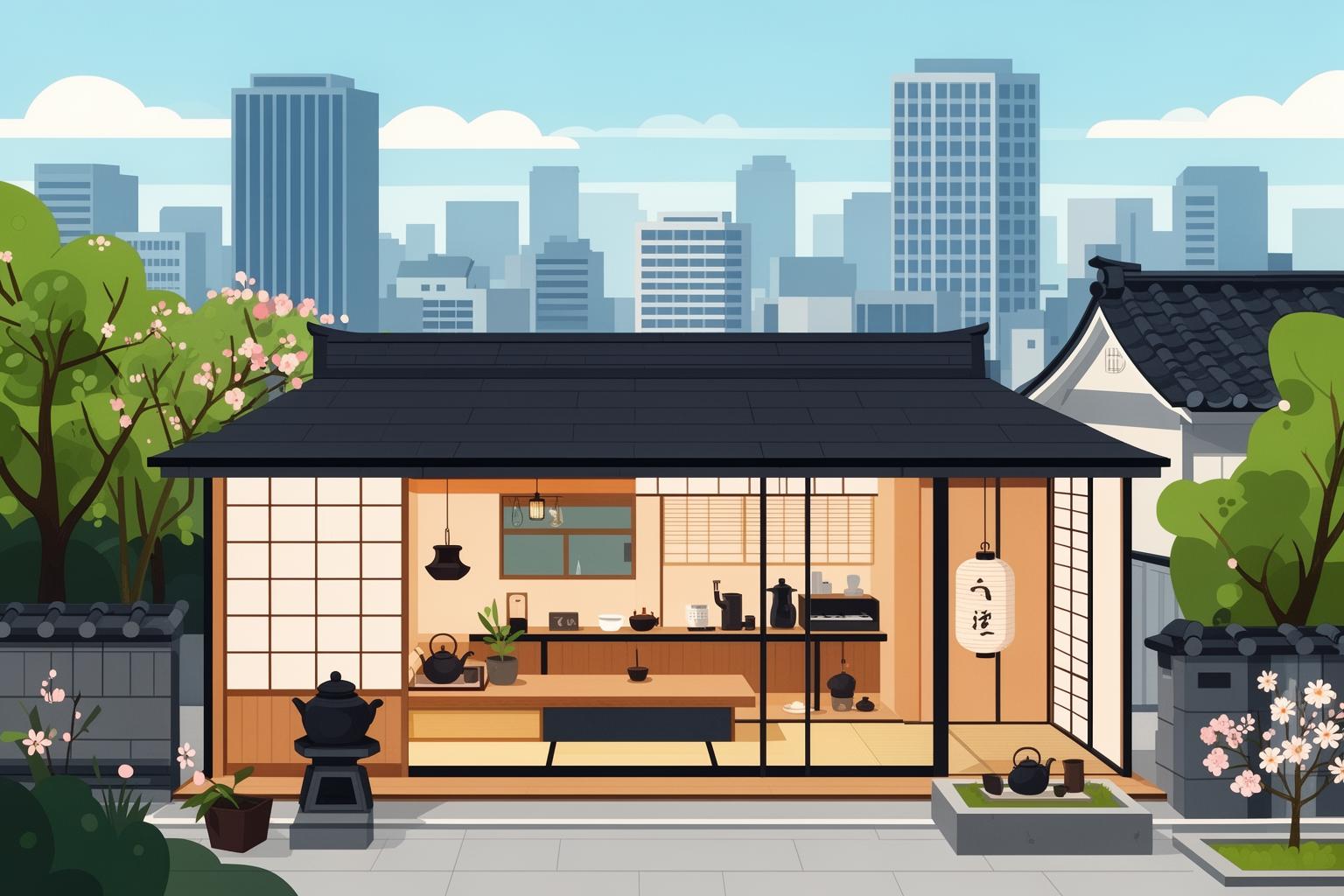
For a complete shift in atmosphere, there is Wad. This is not a coffee shop; it’s a contemporary Japanese tea house that offers a profound lesson in a different kind of productivity. Situated on the second floor of an unassuming building, stepping into Wad feels like crossing a threshold into another world. The street noise fades away, replaced by a contemplative silence. The design exemplifies Japanese minimalism: tatami mat seating, stark white walls, and carefully chosen pottery pieces (which are also available for purchase). The focus here is clear and singular: the tea. The experience is a ritual. The staff, dressed in simple, elegant uniforms, prepare matcha or sencha with a quiet, focused grace that is mesmerizing to observe. The atmosphere is calm, meditative, and deeply restorative. This is not a space for loud phone calls or clattering keyboards. It demands a certain reverence. Patrons come to slow down and savor the moment. You’ll find people reading books, sketching quietly, or simply sitting and reflecting. It’s a sanctuary from the relentless pace of modern life.
Laptop-Friendliness Deep Dive
On a scale of one to ten, Wad’s laptop-friendliness probably rates a two—and that’s exactly the point. There are low tables, cushions on the floor, and no visible power outlets. While Wi-Fi is available, using a laptop here feels almost sacrilegious. It’s technically possible, but it runs counter to the entire spirit of the place. So why is it included on this list? Because Wad offers something far more valuable than connectivity: a space for deep focus. In our hyper-connected world, we often mistake busyness for productivity. Wad compels you to disconnect. It’s the perfect environment for tasks that demand uninterrupted attention: writing, editing, strategic thinking. Spending an hour here with just a notebook and pen can be more productive than three hours in a noisy café, jumping between emails and social media. It’s a reset button for the mind—a reminder that sometimes the most powerful productivity tool is a shift in perspective and a quiet place to think.
The Osaka Experience
Wad uncovers the hidden depth beneath Osaka’s lively exterior. While the city is known for its outgoing, mercantile energy, it also has a deep appreciation for craftsmanship, tradition, and quiet reflection. This is the city of Sen no Rikyū, the historical figure who perfected the Japanese tea ceremony. That legacy thrives at Wad. The meticulous care with which tea is prepared, the focus on high-quality ceramics, and the emphasis on a complete sensory experience—this represents another facet of Osaka’s pragmatism. It’s the belief that if something is worth doing, it’s worth doing exceptionally well. It’s a quiet confidence that doesn’t need to shout. Foreigners often have a simplistic view of Osaka as loud, brash, and somewhat rough around the edges. But places like Wad reveal a different side of the city: one that is refined, thoughtful, and deeply connected to its cultural heritage. It’s a reminder that in Osaka, the hustle for business and the pursuit of beauty are not opposites; they are often two sides of the same coin.
The Horie Cafe as a Microcosm of Osaka
Exploring the cafes of Horie is about more than just finding good coffee and reliable Wi-Fi. It offers a practical lesson in Osaka’s culture. You come to understand that business here is personal, relationships are important, and that a friendly conversation can be just as valuable as a formal contract. You realize the city’s energy isn’t a distraction but a source of inspiration, a reminder that you belong to a vibrant community of creators, dreamers, and hustlers.
The contrast with Tokyo becomes strikingly clear. While Tokyo life often feels compartmentalized—work belongs at the office, socializing happens at the izakaya, and quiet moments are reserved for home—Osaka life is more seamless. Boundaries blur. A cafe serves as a workplace, a social spot, and a peaceful retreat all at once. This fluidity, I believe, is one of Osaka’s greatest assets. It supports a more balanced and perhaps healthier approach to work and life, with less pressure to adhere to a strict notion of what a “workday” should be.
What foreigners often miss about Osaka’s renowned friendliness is its practical nature. It’s not merely about being cheerful and outgoing. It stems from a long history as a merchant city, where reputation and networks were invaluable. People are open and engaging because connections create opportunities. The chatty businessman at The Public Stand wasn’t just passing time; he was quietly expanding his network, sharing insights, and weaving the community’s fabric. Life in Osaka is an ongoing negotiation, a dance of give-and-take, a series of small human exchanges that build something much greater.
So next time you need to work, don’t just seek out a cafe. Seek a glimpse into the city’s soul. Pull up a chair at Granknot and absorb the subtle buzz of creativity. Take a stool at The Public Stand and tap into the neighborhood’s lively energy. Find a seat on Biotop’s terrace and witness the graceful interplay of commerce and leisure. Or retreat to Wad and experience the power of quiet reflection. By simply opening your laptop in a Horie cafe, you’re doing more than working—you’re joining in the daily, beautiful, and uniquely vibrant rhythm of life in Osaka.