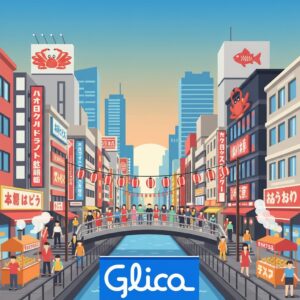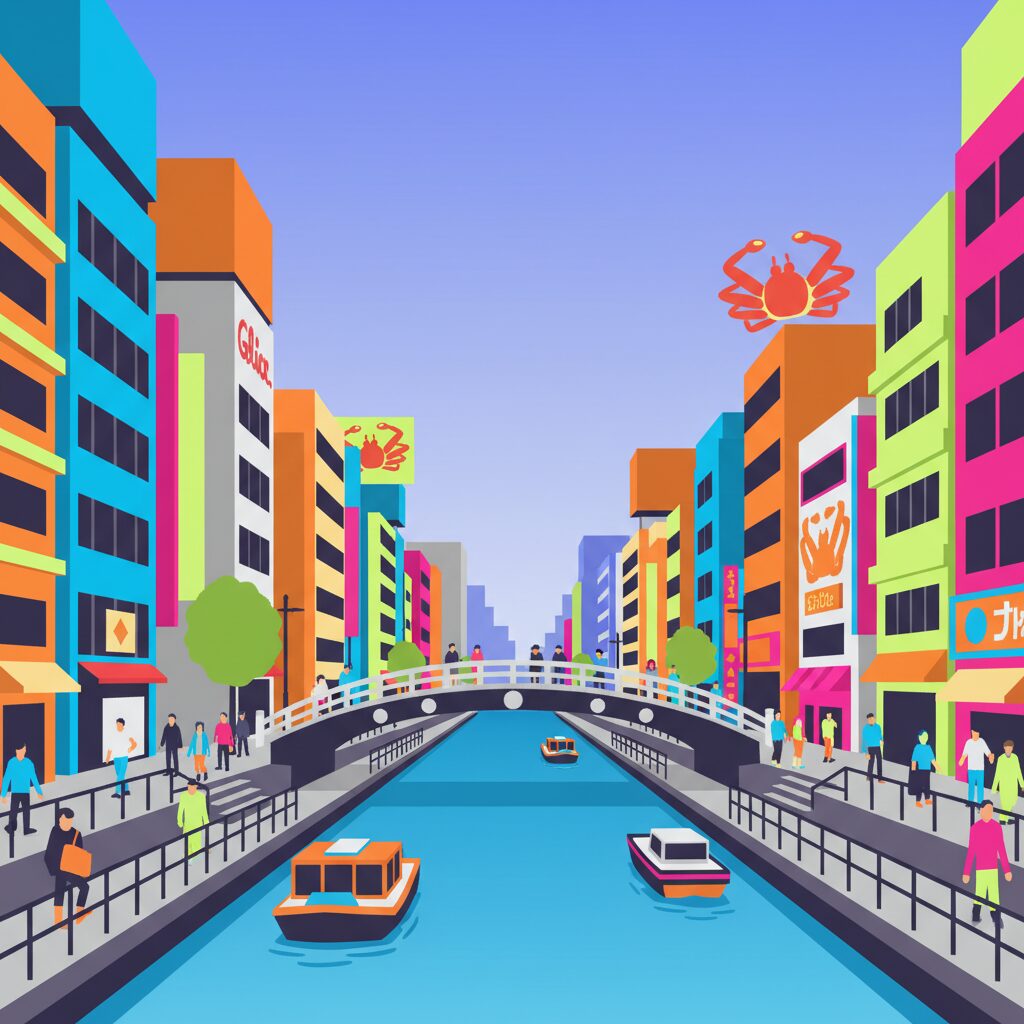
Every city has a postcard image, a single frame that tries to capture its entire soul. For Osaka, that image is almost always Namba. You know the one. The giant Glico Running Man, frozen in perpetual victory over the Dotonbori Canal. The flashing neon signs, a chaotic symphony of light reflecting off the water. The enormous crab, octopus, and pufferfish sculptures clinging to buildings, beckoning you toward a culinary adventure. It’s bright, it’s loud, and it’s unapologetically in your face. This is the Namba that fuels a million Instagram feeds, the spectacle that draws travelers from around the globe. And for a visitor, it’s an absolute must-see. But what happens when you’re not a visitor? What is Namba to the people who call Osaka home? When the last tour bus departs and the selfie sticks are put away, what purpose does this neon heart serve for the locals who navigate its arteries every single day? The truth is, for Osakans, Namba isn’t a single destination; it’s a sprawling, multi-layered ecosystem. It’s a chaotic transit hub, a practical shopping nexus for every conceivable need, and a constellation of distinct neighborhoods masquerading as one district. The tourist view is a two-dimensional photograph, but the local experience is a three-dimensional, lived-in reality. It’s knowing which underground tunnel to take to avoid the summer heat, where to find the best standing bar tucked away in a nameless alley, and how to use the entire district as a massive, functional, and deeply familiar tool for daily life. Forget the postcard. Let’s peel back the layers and explore the Namba that Osakans actually know and use, a place far more complex and interesting than any single photograph can convey.
The exploration of everyday Osaka continues as you delve into the genuine shitamachi soul, uncovering a rich, local perspective that goes well beyond the neon allure of Namba.
Namba Isn’t One Place, It’s a Transit Galaxy
One of the earliest and most significant misconceptions foreigners have about Namba is seeing it as a single, unified train station. In Tokyo, you simply go to Shinjuku Station or Tokyo Station—large, yes, but essentially singular entities. Namba defies such simplicity. For locals, Namba isn’t just one station; it’s an extensive, underground galaxy of multiple, distinct stations intertwined. There’s Nankai Namba, the grand terminal linking Osaka to the south, including Kansai Airport and the spiritual mountain of Koyasan. Then you have Osaka Namba, the subterranean hub for the Kintetsu and Hanshin lines, whisking passengers off to Nara, Kobe, and beyond. Deeper still lies the city’s subway system with its Namba Station served by the Midosuji, Yotsubashi, and Sennichimae lines—the vital arteries of the city. Not to be overlooked is the somewhat separate JR Namba Station, the westernmost Japan Railways outpost in the area. A tourist sees “Namba” on a map and heads vaguely in that direction. A local thinks in terms of specific railway lines. The question is never “Should we meet at Namba?” but always “Where in Namba?” The response is highly specific, like “at the big clock in front of the Nankai main gates” or “outside the east exit of the Kintetsu line.” This isn’t just about precision; it’s a recognition that each station is its own world, with its own gravity, unique flow of people, and mental map. The station where you arrive shapes your perception of and route through the district. Arriving at Nankai Namba places you at the doorstep of the prestigious Takashimaya department store, setting a tone of classic retail. Arriving via the Midosuji subway, however, thrusts you into the bustling energy of the Ebisubashi-suji shopping arcade. Though geographically the same area, the psychological starting points couldn’t be more different. This is a key to understanding the Osaka mindset: hyper-practicality shaped by complexity. The city is chaotic, so people develop highly precise internal systems to navigate it efficiently. They don’t see chaos; they see a network of clearly defined paths, even if those paths remain invisible to outsiders. The second layer of this transit galaxy is the vast underground network of tunnels, most famously Namba Walk. For visitors, these tunnels are a bewildering maze of generic shops and confusing signs. For locals, they’re vital infrastructure—climate-controlled corridors that let you cross the district without dealing with traffic lights, rain, or the oppressive Osaka summer humidity. Locals move through Namba Walk with a purpose and speed that baffle outsiders. They aren’t browsing; they’re commuting, using specific storefronts, pillars, and even subtle floor slopes as guides. They know a certain T-junction leads to the Yotsubashi subway line, while a particular bakery marks the turn to the OCAT bus terminal at JR Namba. This underground realm perfectly symbolizes the local experience of Namba: hidden in plain sight, completely functional, and largely ignored by tourists focused on the neon spectacle above. It’s where the city’s real, unglamorous, efficient life flows. Rush hour here is a masterclass in controlled chaos—a flowing river of humanity moving with an unspoken code around lane discipline and personal space that is both intimidating and beautiful to watch. It’s a rhythmic, pulsing dance of people who have mastered their surroundings. They’ve transformed what could be a navigational nightmare into a smooth, everyday tool. This is the true Namba transit experience: not a single point, but a fluid, interconnected system you learn to sense, not just see on a map. It’s the practical, invisible foundation beneath the flashy spectacle above.
The Four Faces of Namba Shopping: Beyond Souvenirs
Once you realize that Namba is composed of multiple zones rather than being a single entity, its retail landscape becomes perfectly clear. Tourists might roam aimlessly, overwhelmed by the sheer number of shops, but locals move with precise intent. They visit Namba for a specific goal, fully aware of which part of the district meets their needs. This is not just about different stores; it’s about distinct mindsets, varying price ranges, and diverse social roles. Shopping like a local in Namba means understanding its four unique faces, each catering to a different facet of daily life.
Takashimaya & Namba Parks: The “Proper” Shopping Zone
This is Namba at its most refined and respectable. The district’s cornerstone is Takashimaya, a classic Japanese department store directly connected to Nankai Namba station. This isn’t a place for casual browsing. You go to Takashimaya with a specific mission. It’s the designated spot for purchasing high-quality, beautifully packaged gifts—the essential o-miyage and seasonal presents fundamental to Japanese social etiquette. It’s where you shop for formal attire for weddings or a new suit for job interviews. However, for most locals, the true heart of Takashimaya lies in its basement. The depachika, or basement food hall, is a dazzling haven of gourmet foods, from exquisite cakes and traditional sweets to luxury bento boxes and imported cheeses. This is where you pick up a special treat for a dinner party or choose a premium cut of fish for a celebratory meal at home. It epitomizes a certain aspiration and tradition. Right next door, providing a modern contrast, is Namba Parks. Featuring a terraced rooftop garden cascading over multiple levels, Namba Parks is an architectural marvel that offers a much-needed breath of fresh air amidst the dense urban environment. It’s a favored weekend spot for young families and couples. This is a more relaxed, contemporary take on the department store experience. Here, international brands mix with trendy Japanese boutiques, alongside a multiplex cinema and a wide selection of family-friendly, stylish restaurants. For parents like myself, the rooftop garden is a lifesaver—a secure and beautiful space for children to expend energy while enjoying stunning city views. Namba Parks is truly Namba’s living room: comfortable, modern, and designed for leisure. Together, Takashimaya and Namba Parks represent Namba’s “proper” face: a zone defined by quality, formality, and carefully curated experiences, standing in stark contrast to the gritty chaos just a few blocks to the east.
Sennichimae Doguyasuji: The Kitchen’s Engine Room
If Takashimaya represents the polished public face, then Sennichimae Doguyasuji serves as the bustling, highly functional engine room. This covered shopping arcade, known as “Kitchenware Street,” is the beating heart of Osaka’s renowned food culture. At first glance, it might seem exclusively for restaurant professionals. You’ll spot shops selling giant commercial-grade rice cookers, towering stacks of ramen bowls, and the iconic red lanterns hanging outside izakayas. While chefs and restaurant owners are the primary customers, Doguyasuji is also essential for serious home cooks. This is where Osakans turn when they need durable tools. Forget flimsy 100-yen shop utensils; here you find beautifully balanced, razor-sharp kitchen knives built to last a lifetime, sturdy hand-hammered pots, and a vast array of specialized cookware for everything from takoyaki to tamagoyaki. It’s a place that honors the art of cooking. Locals visit to replace worn frying pans with long-lasting ones or to find perfect ceramic dishes that enhance their home dining. It’s also a treasure trove for those who prepare daily bento lunches, offering an impressive selection of boxes, decorative cutters, and small containers. While Tokyo’s Kappabashi district is more famous, Doguyasuji feels more compact, intense, and authentically Osakan. It’s less about whimsical food displays and more about rugged, practical tools essential for running a kitchen. There’s a certain pride here, a shared acknowledgment that in Osaka, food is serious business—whether you’re a three-star chef or a grandmother perfecting her family’s okonomiyaki. Walking through this street is a reminder of the city’s pragmatic and quality-driven culinary ethos. It’s the hardware store for Osaka’s appetite.
Den Den Town: The Hobbyist’s Haven (and Practical Tech Stop)
Heading south from Doguyasuji, you enter an entirely different world: Nipponbashi, better known as Den Den Town. This is Osaka’s answer to Tokyo’s Akihabara, a district devoted to electronics, anime, manga, and all things otaku culture. However, the comparison isn’t exact. While Akihabara has grown more polished and tourist-friendly over time, Den Den Town retains a grittier, more old-fashioned atmosphere. It feels less like a theme park and more like a sprawling, chaotic bazaar serving specialists and hobbyists. The main street features big electronics retailers like Joshin and Bic Camera, but the real charm lies in the backstreets. Here you find tiny, cluttered shops overflowing with obscure components—resistors, capacitors, and tangled wires resembling technological spaghetti. It’s a paradise for tinkerers, builders, and those who prefer repairing their gadgets to replacing them. For everyday locals, Den Den Town serves a practical purpose. It’s the go-to spot for anything tech-related. Need a specific cable for your monitor? A replacement battery for an old laptop? A secondhand camera lens at a bargain price? Den Den Town is where you turn. It’s the city’s collective attic and workshop, a place where nearly any piece of hardware can be found if you’re willing to search. Of course, it’s also a major hub for pop culture, with multi-story buildings dedicated to anime figures, manga, trading card games, and retro video games. Yet even here, it feels like a place for serious collectors, not just casual fans. It’s less about cute characters and more about rare finds and the thrill of the chase. Den Den Town embodies the Osakan passion for bargains and deep dives into niche interests. It rewards knowledge and patience and celebrates the passionate, obsessive spirit of hobbyists.
Amerikamura & Shinsaibashi: The Youth Fashion Corridor
Though technically a separate neighborhood just north of the Dotonbori canal, the area including Amerikamura (American Village) and the Shinsaibashi-suji shopping arcade is deeply intertwined with Namba’s ecosystem in locals’ minds. This is the main corridor for fashion, trends, and youth culture. Shinsaibashi-suji is the principal artery, a vast covered shotengai stretching over half a kilometer. On weekends, it feels less like a street and more like a powerful river of people. Navigating it requires skill—you must find your pace and flow with the current. For locals, this is not a place for leisurely strolling; it’s a high-efficiency zone for everyday shopping. Here you’ll find major fast-fashion brands like Uniqlo, H&M, and Zara, alongside drugstores selling cosmetics and household goods, and dozens of shoe stores. It’s the workhorse of Namba’s retail scene, a place to efficiently check items off your shopping list. West of this main artery sprawls Amerikamura, or “Amemura” as locals call it. This is Osaka’s center for youth fashion and counter-culture. It’s a lively, chaotic grid packed with vintage clothing stores, small independent boutiques, record shops, and quirky cafes. The area is famed for its street art and the young crowds that gather in Sankaku Koen (Triangle Park) to see and be seen. For anyone over 25, a visit to Amemura can feel like an anthropological field trip. It’s where you go to observe what the youth are wearing and catch the pulse of emerging trends before they reach the mainstream. While teenagers and university students may spend entire days here, most adult locals make swift, targeted visits. You might stop by a cherished vintage shop to find a unique jacket or visit a cafe known for its pancakes, but casual lingering is uncommon. It’s a dynamic, ever-evolving space representing the city’s creative, slightly rebellious energy—a perfect, chaotic complement to the polished order of Takashimaya just a short walk away.
The Local’s Entertainment: Not Just Dotonbori
For most tourists, entertainment in Namba starts and ends along the Dotonbori canal. They come to eat takoyaki, snap a photo with the Glico Man, and admire the giant moving crab. While there’s nothing wrong with that, it significantly misrepresents how locals actually use the area for a night out. To an Osakan, the main Dotonbori strip is a gauntlet to be passed through rather than a destination itself. It’s crowded, with restaurants often geared towards tourists, and prices can be high. The true heart of Namba’s food and drink scene, the spots where locals truly gather, lie hidden in the side streets and back alleys, away from the neon lights. Understanding where Osakans go to unwind reveals a deep-rooted preference for authenticity, intimacy, and, above all, a good laugh.
Ura Namba: The Genuine Izakaya Playground
Ask a local where to find a good meal and drink in Namba, and they will almost certainly direct you to “Ura Namba,” which literally means “Back Namba.” This isn’t an official neighborhood name you’ll see on a map; it’s a colloquial term for the dense, maze-like network of small alleys and streets behind Nankai Namba station and east of Doguyasuji. This area is Namba’s true culinary soul. Ura Namba feels like a world apart from the broad, brightly lit boulevards. Here, the alleys are narrow, storefronts small, and the atmosphere electric. The area is filled with an extraordinary variety of eateries: tiny standing-only bars (tachinomi) where office workers grab a quick beer and snack on their way home; lively izakayas where the smell of grilling food and bursts of laughter spill out onto the street; and highly specialized restaurants focusing on just one dish, whether fresh sashimi, yakitori, or Italian food served with Japanese precision. This is where you experience the real taste of Osaka. The food is outstanding and often very affordable. The cramped, intimate spaces encourage brushing shoulders with neighbors, creating a warm, communal vibe. Here you’ll hear the raw, unfiltered sounds of the city—the thick, rhythmic Osaka-ben dialect, the clinking of glasses, and the sizzle of food on a hot grill. A local would never say, “Let’s go for a drink in Dotonbori.” Instead, it’s always, “Let’s find a place in Ura Namba.” This phrase signals a desire for something genuine, unpretentious, and full of life. The area rewards curiosity; the best spots are often tucked down narrow alleys or up rickety stairs. Discovering a great place in Ura Namba feels like being let in on a shared secret among locals.
Namba Grand Kagetsu and the Spirit of Comedy
While food and drink define much of Osaka’s identity, another cultural cornerstone is equally important, and its beating heart lies right in Namba: comedy. The Namba Grand Kagetsu (NGK) theater is a true institution—the flagship venue of Yoshimoto Kogyo, the entertainment giant that has shaped Japanese comedy for over a century. To outsiders, it might seem like just another attraction. To Osakans, it’s the cathedral of comedy. The style of comedy most associated with Osaka is manzai, a rapid-fire, witty exchange between two performers—a straight man (tsukkomi) and a funny man (boke). This dynamic isn’t just for the stage; it’s woven into everyday conversation in Osaka. People relish good-natured teasing, clever comebacks, and sharp punchlines. Humor here is a palpable value. Attending a show at NGK is a popular activity for families and couples—a shared cultural experience spanning generations. The comedians who perform here are huge celebrities, their faces everywhere on billboards and TV commercials across the region. This comedic culture explains much about the stereotypical “friendly” Osakan—it’s not just outgoingness but a shared appreciation for wit and the ability to not take oneself too seriously. The constant, lighthearted banter heard on the streets, in shops, and restaurants stems from the comedic traditions celebrated on the NGK stage. Thus, the theater is arguably a more significant cultural landmark for locals than the Glico sign. The Glico sign is a corporate advertisement; the Namba Grand Kagetsu embodies the city’s soul. It is the source code of the city’s social fabric, a place that continually reinforces and celebrates the humor that makes Osaka so distinct from the more reserved and formal culture of Tokyo.
Living Near Namba: The Reality of the Neighborhoods
With all the talk of neon lights, noise, and nonstop crowds, the idea of actually living near Namba might seem like a recipe for constant stress. This is a common and understandable misconception. People don’t live right on the Dotonbori canal or in the middle of a shopping arcade. The secret to Namba as a residential area is that the chaos is surprisingly well-contained. Just a five to ten minute walk from the central hubs, you’ll find yourself in quiet, normal, and livable residential neighborhoods. Living near Namba offers incredible convenience without sacrificing peace and quiet. It’s about being close enough to the energy to tap into it whenever you want, while also having an easy retreat into the calm of daily life. Neighborhoods like Sakuragawa to the west, Daikokucho to the south, and parts of Shimanouchi to the east provide a very different side of Namba. These are areas where kids ride their bikes, people walk their dogs, and elderly residents tend to potted plants on the sidewalks. They’re home to small, family-run shops, local supermarkets, and neighborhood parks. The contrast can be striking. One moment, you’re immersed in the sensory overload of Den Den Town, and the next, you’re on a quiet street where the only sound is the soft hum of a vending machine. This duality defines Namba’s appeal as a residential area. The practical benefits are significant. With a dozen train and subway lines within a 15-minute walk, you have unparalleled access to the entire Kansai region. Your commuting options are nearly limitless. The shopping is an obvious advantage as well. You’re never far from anything you could need, whether it’s high-end fashion, specialized kitchen tools, or the cheapest groceries. Speaking of groceries, one of the hallmarks of living in this part of Osaka is access to supermarkets like Super Tamade. Known for its flashy neon signs and unbelievably low prices, Tamade is an Osaka institution that perfectly embodies the local passion for a good bargain. Living near Namba means having a choice: you can visit the upscale depachika at Takashimaya for gourmet ingredients or stop by Tamade for its 1-yen sales and stock up for the week almost for free. This mix of high and low, of extreme convenience and quiet residential pockets, answers the question “is Osaka a good place to live” directly. If you thrive on urban energy and value connectivity above all else, living on Namba’s fringes is an excellent option. It offers a lifestyle where the whole city is at your doorstep, yet you can still close that door at the end of the day and enjoy the simple tranquility of a neighborhood street. It’s a life of managed chaos, a uniquely Osakan balance.
Decoding the Namba Mindset
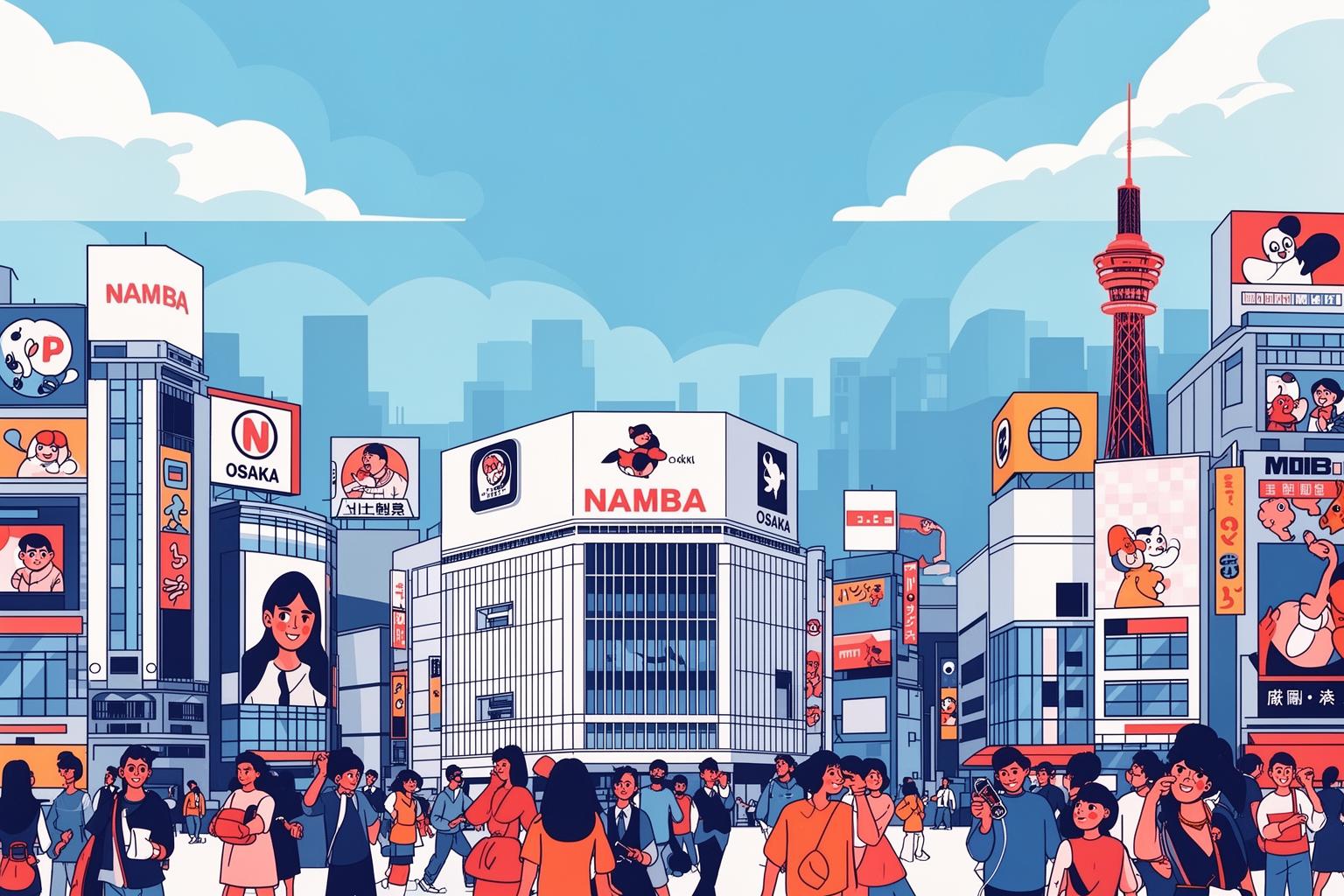
To truly grasp Namba like a local is to understand the fundamental principles of the Osaka mindset. The district is more than just a collection of buildings and streets; it represents the physical embodiment of a unique urban culture. It is shaped by centuries of commerce, comedy, and a strong sense of pragmatism. By observing how residents navigate and use Namba, you can uncover the unspoken rules and attitudes that define Osaka. At its core, it boils down to a few key principles that sharply contrast with the sensibilities of Tokyo and other Japanese cities.
Pragmatism over Polish
Osaka is, at its core, a city of merchants, with Namba as its vibrant marketplace. This background has nurtured a deeply rooted pragmatism that values function over form, and substance over style. Why endure the sweltering summer heat when a convenient underground tunnel can get you there faster and more comfortably? Why pay inflated tourist prices for takoyaki on the main street when a small, beloved shop two alleys away serves a tastier version for less? This pragmatic mindset permeates Namba. It’s evident in the straightforward efficiency of Doguyasuji, the bargain-hunting spirit of Den Den Town, and the hidden-gem culture of Ura Namba. While Tokyo often showcases a polished, meticulously curated image, Osaka, especially Namba, embraces its messy, functional, and highly practical nature. There’s an honesty to it, a sense that the city is too focused on getting things done to maintain a perfect facade. This can be surprising to those used to Tokyo’s orderliness, but for locals, it’s a point of pride.
Layered Knowledge
Mastering navigation in Namba is a skill learned over time—a form of local literacy. It’s not simply about reading maps but possessing a deep, layered understanding of the area. It means knowing which department store has the cleanest public restrooms, which alleyway offers a shortcut from the subway to the cinema, and which izakaya starts happy hour earliest. The city rewards insiders; tourists only scratch the surface, while residents explore its depths. This creates a subtle but strong sense of community among locals. Being able to maneuver through Namba’s complexities signals experience and belonging, fostering a confident feeling of being in the know. Unlike more straightforward, grid-based cities, Namba’s chaotic layout demands engagement, encouraging people to uncover its secrets and create their own mental maps. This ongoing discovery is central to becoming a true Osakan.
“Gocha-gocha” as a Virtue
The Japanese term gocha-gocha means jumbled, messy, or chaotic. In many parts of Japan’s order-focused culture, it often carries a negative connotation. However, in Osaka, gocha-gocha is embraced as a virtue. It represents energy, life, and a rich density of experience. Namba perfectly embodies gocha-gocha. Luxurious department stores stand side-by-side with inexpensive pachinko parlors. Ancient temples hide behind futuristic electronics shops. Quiet residential streets lie just steps from lively entertainment zones. For Osakans, this isn’t a flaw in urban planning but rather the natural state of a living, breathing city. The layers aren’t meant to be separated; their chaotic coexistence fuels the city’s dynamism. This acceptance of disorder, and the ability to see beauty and function within the jumble, is perhaps the defining trait of the Namba mindset. The Glico sign is, ultimately, the cover of a long, complex, and endlessly fascinating story. The true essence of Namba—and by extension, Osaka—is found in crowded subway platforms, specialty shopping arcades, the boisterous laughter spilling from Ura Namba’s hidden bars, and the quiet residential lanes just beyond the neon glow. To understand this place is to realize that the city’s genuine character lies not in a single striking image but in the countless overlapping and beautifully chaotic layers beneath.