Step off the train in any working-class Osaka neighborhood after dark, and you’ll see it. A beacon of chaos cutting through the quiet residential streets. A pulsating, seizure-inducing riot of neon lights, promising not trendy cocktails or high-end fashion, but something far more fundamental to the Osakan spirit: ridiculously cheap groceries. This is Super Tamade, and it’s more than just a supermarket. It’s a cultural institution, a crash course in the city’s mindset, and arguably the most honest reflection of daily life you’ll find in this town. For anyone moving here from the polished, orderly world of Tokyo or from overseas, the first encounter with a Tamade is a moment of pure bewilderment. It feels less like a place to buy milk and eggs and more like a pachinko parlor that accidentally started selling vegetables. But if you want to understand what makes Osaka tick—why people here think, act, and talk the way they do—you need to push past the flashing lights, grab a basket, and dive into the beautiful, budget-friendly madness. This isn’t about sightseeing; it’s about survival, savvy, and the unapologetic pursuit of a bargain that defines this city’s very core. It’s where the real Osaka lives, breathes, and shops for dinner.
The raw, unfiltered energy that fuels Super Tamade also influences the local real estate market, as seen in Osaka’s merchant soul, where savvy deal-making shapes apartment hunts across the city.
The Unspoken Religion of ‘Meccha Yassui’
Before we even discuss the food, you need to grasp the local dialect. In standard Japanese, you might say ‘totemo yasui’ to mean ‘very cheap.’ In Osaka, it’s ‘meccha yassui’—a phrase spoken with almost religious reverence. This isn’t just a language peculiarity; it’s a core value. Osaka was founded by merchants. It was the ‘kitchen of the nation,’ a city where commerce, trade, and bargaining were ingrained in its identity. While Tokyo grew as the political and imperial hub, emphasizing propriety, status, and appearance, Osaka focused on the deal. It was about moving products, making a profit, and ensuring you got more value for your money than anyone else. That spirit endures.
This is the main misconception foreigners—and even many Japanese from other areas—have about Osaka. They hear about the fixation on being ‘kechi’ (stingy or cheap) and see it as a negative trait. But in Osaka, being ‘kechi’ is a source of pride. It doesn’t mean you’re poor; it means you’re clever. It means you refuse to be taken advantage of. Why pay 500 yen for a bunch of bananas at a spotless department store basement when you can get them for 99 yen at Tamade? The bananas are identical. Saving that 401 yen is a small victory, a triumph of practicality over presentation. This mentality defines everything. It explains the straightforward, no-nonsense way Osakans communicate. It explains the popularity of all-you-can-eat ‘tabehoudai’ and all-you-can-drink ‘nomihoudai’ plans. It explains Super Tamade.
The store is the ultimate embodiment of this philosophy. Their most famous trick is the ‘1-Yen Sale.’ If you spend over 1,000 yen, you can purchase a selected item—a carton of eggs, a pack of tofu, a can of coffee—for just one yen. It’s a gimmick, of course, but one that speaks directly to the Osakan spirit. The sheer boldness of selling something for one yen creates excitement, a buzz. It turns an ordinary grocery trip into a treasure hunt. You don’t visit Tamade for a calm, zen-like shopping experience. You go for the thrill of the chase.
Decoding the Tamade Experience: A Sensory Assault
Entering a Super Tamade is an experience that engages—or rather, overwhelms—all of your senses. It’s a purposeful tactic aimed at disorienting you just enough to fill your basket with items you never realized you needed, simply because the price is too good to pass up.
The Sights: A Grocery Casino
The first thing that strikes you is the lighting. Bright, pulsating, multi-colored neon and LED signs are hung everywhere. They’re not refined or elegantly designed. They’re chaotic, loud, and effective. Massive, hand-written signs created with thick markers shout prices in bright yellow and shocking pink. Arrows point in every direction. Narrow aisles piled high with products create an overwhelming sense of abundance. Minimalism is abandoned here. Empty space is wasted space. The goal is to craft a visually stimulating environment, much like a pachinko parlor. Every sign feels like a jackpot, every low price a winning spin. This setting encourages impulse purchases and quick decisions, a stark contrast to the spacious, calm aisles of upscale supermarket chains like Life or Ikari.
The Sounds: J-Pop, Jingles, and Pure Energy
Forget the soft jazz or gentle classical music typically heard in Tokyo supermarkets. Tamade’s soundtrack is a relentless loop of upbeat, occasionally dated J-pop played at high volume. Layered on top is the store’s own jingle, an annoyingly catchy tune that lodges in your brain for days. Announcements about limited-time sales—’Taimu Se-ru!’—blast over the speakers, ramping up the urgency. The constant noise isn’t intended to soothe. It’s fuel. It’s designed to keep energy levels high, keep you moving, and prevent lingering or overthinking. Grab it, pay for it, go. It’s a shopping experience optimized for speed and efficiency, mirroring the fast-paced, pragmatic rhythm of city life.
The Atmosphere: Authentic and Unpretentious
There’s a distinct smell in Tamade that’s unmistakable. It’s a combination of the hot oil from deep-fryers in the prepared foods section, the salty brine from the fresh fish counter, and the faint odor of unpacked cardboard boxes. It’s not unpleasant—just genuine. It’s the scent of a place focused on one thing: selling an enormous volume of food. There are no frills. Floors might be scuffed, shopping carts may have a wobbly wheel. Nobody cares. This candid lack of pretense is deeply Osaka. The store isn’t trying to sell you a lifestyle or an image. It’s selling tonight’s dinner at the best possible price. Period.
What to Actually Buy: A Hiker’s Guide to Urban Foraging
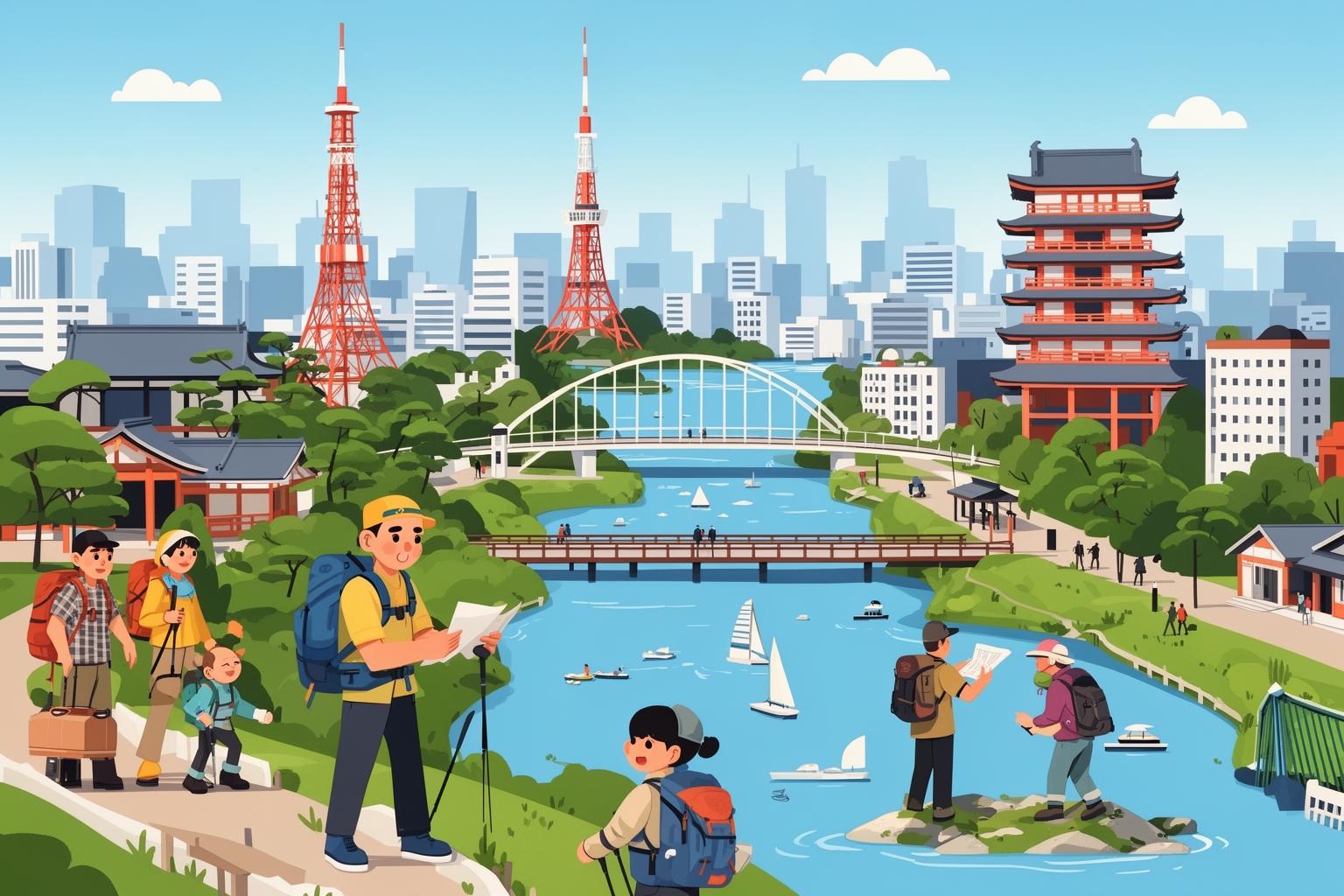
As someone who spends weekends hiking the trails of the Kongo and Ikoma mountain ranges bordering Osaka, I’ve come to appreciate Tamade from a very practical perspective. Long hikes demand fuel, and I’m not inclined to pay extra for fancy packaging. Tamade serves as the ultimate urban foraging spot for budget-conscious adventurers, and the same logic applies perfectly to navigating daily city life.
Fuel for the Trail (and the Daily Grind)
The highlight of any Tamade is its ‘souzai,’ or prepared foods section. Here, you’ll find the famous bento boxes, often priced at an incredible 250 or 300 yen. These aren’t gourmet meals, but they’re hearty, satisfying, and incredibly affordable. Classics like chicken karaage (fried chicken), saba shioyaki (salt-grilled mackerel), and tonkatsu (pork cutlet) come packed with rice and a few small sides. For a solo hiker like me, grabbing one of these bentos and a bottle of tea from the ‘drink corner’—where prices often beat vending machines—is the ideal pre-hike ritual. The same reasoning applies to office workers and students citywide: why spend 800 yen on a café lunch when a 250-yen bento from Tamade will do? It’s pure, practical pragmatism served in a plastic container.
Produce: Look for the Diamonds in the Rough
The produce section can be a bit daunting. Fruits and vegetables here might lack the perfect shape or uniform size you’d expect in a department store. This is where Osakan shopping skills come into play. You must be an active participant: inspect, select, and hunt for the best deals. You might score a bag of slightly misshapen peppers for a fraction of the usual price or a bunch of spinach that’s perfectly fine but needs to be used quickly. Tamade encourages you to look beyond surface imperfections and focus on quality. It’s a valuable lesson in a country that often prioritizes flawless appearance. You become a smarter, more resourceful cook, shaping meals around what’s on sale rather than sticking to rigid recipes.
The Meat and Fish Counters: Everyday Feasts
Let’s be honest: you probably wouldn’t pick up a fillet steak at Tamade for a special anniversary dinner. But for everyday meals? It’s unbeatable. The meat section offers thinly sliced pork and beef, ideal for a homemade yakiniku night or stir-fries. The fish counter showcases local, seasonal catches. The focus is on quantity and value rather than delicate, hand-selected sashimi. It’s about providing affordable protein to fuel the city’s working families. This is the food that fills bubbling ‘nabe’ hotpots in winter and sizzles on backyard barbecues in summer. Functional, fresh enough, and priced to move.
Tamade vs. The Rest: A Supermarket Showdown
To truly understand Tamade’s position in the universe, you need to appreciate its context. It exists within a range of Japanese supermarkets, and its distinctiveness becomes clear when compared to its competitors.
The Tokyo Equivalent: Seijo Ishii or a ‘Depachika’
Picture the exact opposite of Tamade. That would be an upscale supermarket like Seijo Ishii or the food basement (‘depachika’) of a major department store such as Isetan in Tokyo. Here, shopping is a carefully curated experience. The lighting is soft and inviting. The aisles are wide and spacious. You’ll find imported organic olive oil, artisanal French cheeses, and single mangoes that cost more than an entire bento meal at Tamade. The staff are impeccably polite and bow deeply. The focus is on quality, exclusivity, and brand narrative. Customers pay a premium not only for the products but for the refined, soothing atmosphere and the status that comes with shopping there. This model thrives in Tokyo, where appearance and social signaling often dominate. In Osaka, it feels like a completely different world.
The Osaka Alternatives: Gyomu Super and Local ‘Shotengai’
Tamade also has budget-conscious competitors in Osaka. ‘Gyomu Super’ (Business Supermarket) is another major player, but its focus differs. As the name suggests, it specializes in bulk, restaurant-sized goods. It’s less about everyday groceries and more about stocking up on huge bags of frozen gyoza or giant bottles of soy sauce. It’s purely functional, lacking the chaotic entertainment value of Tamade.
The other option is the traditional ‘shotengai,’ or covered shopping arcade. These form the heart and soul of many neighborhoods, featuring small, family-run butcher shops, fishmongers, and vegetable stands. Shopping in a shotengai is about community and relationships. You chat with shopkeepers who know your name and your preferences. The quality is often excellent, and prices are fair. But Tamade offers something different: the convenience of one-stop shopping combined with the excitement of rock-bottom prices. It’s the loud, modern, and brutally efficient evolution of the shotengai’s bargain-hunting spirit.
Beyond the Price Tag: What Tamade Reveals about Osaka People
If you view Super Tamade solely as a bargain grocery store, you’re overlooking its true significance. It serves as a living museum of Osakan culture, where the city’s core values are vividly expressed.
The Pride in ‘Kechi’: Smart, Not Cheap
At the heart of this is the concept of being ‘kechi.’ Shopping at Tamade is a public affirmation of this principle. There’s no embarrassment—only pride. Business professionals and laborers alike share the same aisles, united not by their income but by a common mindset: a refusal to pay more than necessary. In Osaka, boasting to a friend about a great deal from Tamade is a customary and celebrated form of communication. It’s a way to showcase your cleverness, street smarts, and authentic Osakan spirit. You outsmarted the system; you’ve won.
A Culture of Directness
The entire atmosphere of Tamade reflects Osaka’s reputation for straightforward communication. There’s no subtlety here. Bright lights, loud music, and enormous price signs confront you directly. This mirrors the local style of interaction—more blunt and candid compared to Tokyo’s often nuanced, indirect ‘tatemae’ communication. People say what they mean, get straight to the point, and exchange jokes or light-hearted barbs. Tamade is the retail embodiment of this approach: honest, loud, and efficient, without wasting time on formalities. The price is as stated. The deal stands firm. What you see is exactly what you get.
The Great Equalizer
Above all, Super Tamade is a deeply democratic space. It’s one of the rare places in the city where a genuine cross-section of the population gathers. University students on tight budgets, young families striving to make ends meet, elderly pensioners stretching their yen, and salarymen seeking cheap late-night snacks all converge beneath the flashing neon lights. In a society often marked by hierarchy, Tamade functions as a great equalizer. Everyone is united by the same goal: maximizing their money’s value. This shared purpose fosters a subtle sense of community—an unspoken recognition of mutual understanding. It’s a community founded not on common interests or social rank, but on the simple, powerful, and deeply human pursuit of a good bargain.
So, if you live in Osaka or plan to, don’t limit yourself to the usual tourist areas of Namba and Umeda. Take a stroll through neighborhoods like Tengachaya, Shin-Imamiya, or Hanazonocho. Seek out the glowing neon of a Super Tamade. Step inside. Let the sensory overload engulf you. Grab an extraordinarily cheap bento. In doing so, you’ll gain an understanding of the city no travel guide can provide. You’ll realize that Osaka’s true soul isn’t found in its ancient castles or towering skyscrapers, but in the lively, chaotic aisles of a supermarket that boldly, proudly, and unapologetically celebrates the simple joy of a well-earned bargain. It may not be polished, but it’s wonderfully and refreshingly authentic.