The first time it happened, I was completely unprepared. My new neighbor, a cheerful woman with a booming laugh, invited me out for a “quick bite” to welcome me to the area. I imagined a quiet hour at a local noodle shop. Four hours, three restaurants, and a dizzying array of takoyaki, okonomiyaki, and kushikatsu later, I stumbled home, full and bewildered. She wasn’t just feeding me; she was initiating me. I had just experienced my first lesson in ‘Kuidaore’, the philosophy that defines Osaka. The term translates to “eat until you drop” or “eat yourself into ruin,” but that’s a dramatic, misleading simplification. Kuidaore isn’t about gluttony. It’s the city’s social operating system, its primary love language, and the key to understanding the rhythm of daily life here. It’s the reason your boss seems more interested in your opinion on a new ramen joint than on your quarterly report, and why weekend plans revolve not around places, but around plates. For anyone trying to build a life in this vibrant, chaotic city, understanding Kuidaore is non-negotiable. It’s not just about what’s on the menu; it’s about understanding what’s really being said between every loud, delicious bite.
To further immerse yourself in how Osaka’s love for food transforms everyday life, you might explore the city’s distinctive kuidaore approach for an even deeper understanding of its cultural heartbeat.
The ‘Kuidaore’ Mindset: More Than Just an Appetite
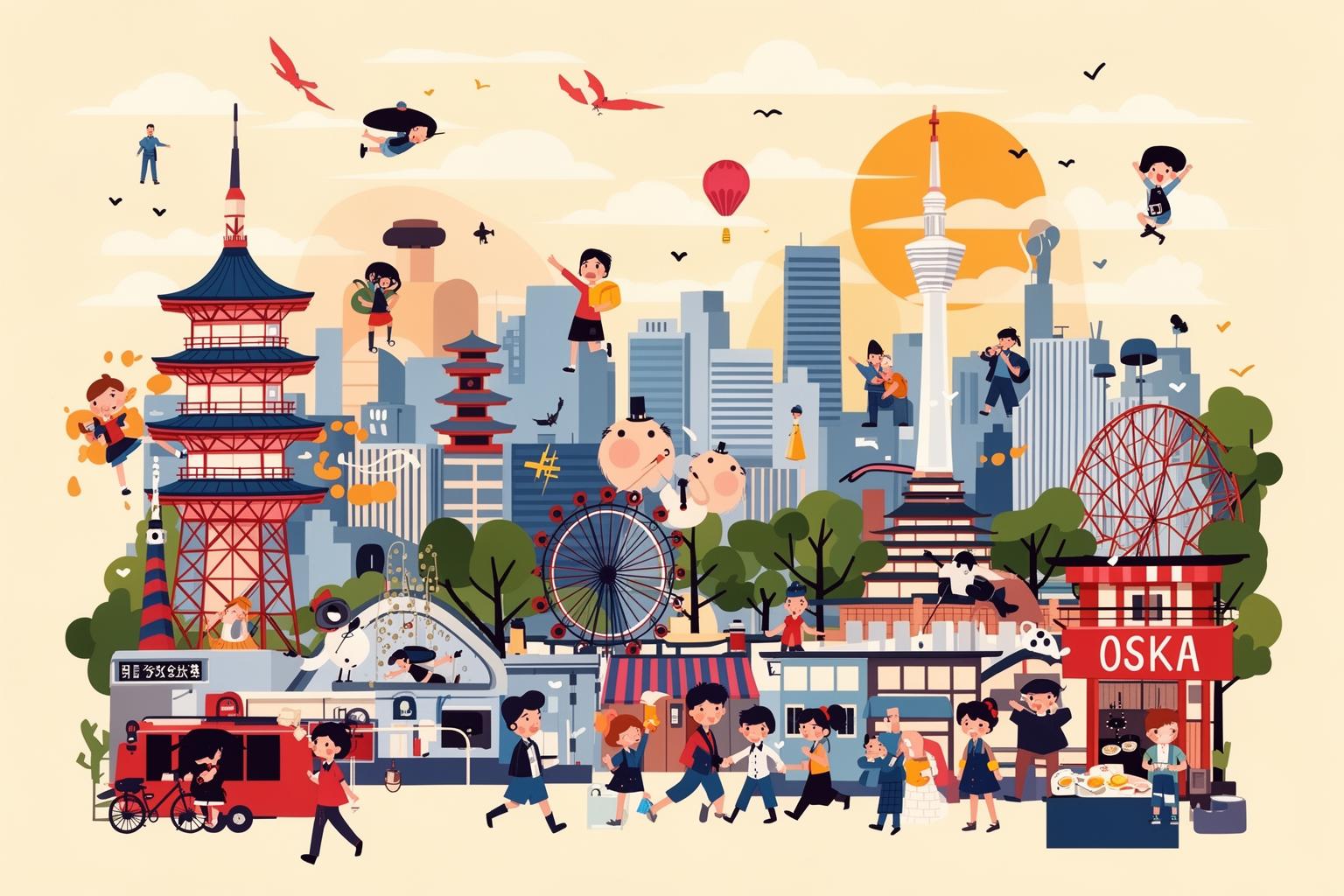
To truly understand Osaka, you must embrace a fundamental truth: food serves as the medium for nearly every meaningful social interaction. It’s not merely an introduction to the main event—it is the main event. This sharply contrasts with Tokyo, where networking might take place over a quiet, polite coffee or in formal settings where conversation takes center stage. In Tokyo, dining can be a beautiful, artistic, and solitary experience. In Osaka, eating alone is often viewed as a tragedy, a lost chance for connection. Here, food acts as the catalyst, the excuse, and the stage for forming relationships.
Food as a Social Contract
When someone in Osaka invites you to eat, they’re inviting you into their world. It’s a gesture of friendship, a test of compatibility, and the most common way to transition from acquaintance to friend. Business deals are smoothed with rounds of beer and shared plates of gyoza in a lively izakaya. Friendships are strengthened through debates about which shop makes the fluffiest okonomiyaki. Dates are judged by the success of the restaurant choice. Frequently declining these invitations can be misunderstood—not as being busy or on a diet, but as a rejection of the relationship itself. You’re not just refusing food; you’re turning down an opportunity to connect on Osaka’s terms. The social contract is straightforward: show up, join in, and eat. Your enthusiasm for the food reflects your enthusiasm for the company you keep.
The Unspoken Language of ‘Umai!’
In many cultures, eating quietly is considered good manners. In Osaka, it often signals disapproval. Enjoying food here is a performance—a vocal and physical expression of appreciation that energizes the communal atmosphere. A successful Osaka meal features a chorus of “Umai!” (Delicious!), “Meccha oishii!” (So tasty!), and the highest compliment, a breathy “Yabai…” (meaning dangerously, unbelievably good in this context). Making these sounds isn’t merely polite—it’s essential. It affirms the choice of the person who suggested the restaurant and adds to the lively, nigiyaka vibe that Osakans cherish. For foreigners used to a more reserved dining style, this can feel unusual at first. But learning to loudly express your satisfaction is learning to speak a vital local dialect. It signals that you’re not just a passive consumer, but an active, engaged participant in the shared experience.
Navigating the Social Maze of Osaka Dining
Once you realize that food is a language, you begin to recognize its intricate grammar and unspoken conventions. Deciding where and what to eat is never straightforward; it’s a social choreography filled with meaning, strategy, and unexpected pressure. Mastering this dance is essential for becoming part of the city’s social fabric.
The Hierarchy of Knowing a “Good Place”
In Osaka, having your own carefully curated list of excellent restaurants serves as a kind of social currency. It’s not about knowing the priciest or most famous spots featured in guidebooks. True status comes from discovering hidden gems: the tiny, family-run ramen shop with a secret broth, the standing bar offering the best-value sashimi, the takoyaki stand known only to locals. People treasure these lists like prized collections. Sharing a place from your secret list is a significant gesture of trust and friendship. Being invited to someone’s favorite haunt means joining their inner circle. This fuels an ongoing, city-wide conversation about food. Talks at work, in bars, and at school gates frequently turn to recent culinary finds. It’s a kind of information exchange that ties communities together, a continual treasure hunt for the next great meal.
“Anything is Fine” is Never the Right Answer
One of the biggest mistakes foreigners make is replying with “Anything is fine” or “I don’t mind” when asked about their food preferences. In many cultures, this is a polite and easygoing response. In Osaka, however, it can kill the conversation. It suggests a lack of interest and shifts the entire responsibility for a successful outing onto the other person. You are expected to have an opinion, a craving, a preference. Saying, “I’ve been craving some great tempura,” or “How about something spicy?” gives your companion something to build on. It shows you’re an engaged participant, committed to the shared goal of enjoying a fantastic meal. This isn’t about being difficult; it’s about contributing actively to the collective process. This directness might feel blunt at first, but it stems from a desire to make the experience genuinely enjoyable for everyone. Indecision is inefficient, and in a city that values getting to the good stuff quickly, that’s a minor social faux pas.
The Group Dynamic: Sharing, Splitting, and Socializing
Dining out in Osaka is rarely a solitary experience. The norm is communal. Groups often order a variety of dishes to share at the table, with everyone sampling a bit of everything. This practice isn’t just about tasting more items; it creates a shared pool of experiences. It reduces formality and encourages interaction as people pass plates, recommend dishes, and discuss flavors together. The financial aspect mirrors this communal spirit. While splitting the bill, or warikan, is common, it tends to be informal. Someone might collect a rounded sum from everyone, or an older member may pay a larger portion. The emphasis is on fairness and convenience, not on precisely tallying every last yen. This reinforces the idea that the experience is a collective investment in having a good time.
The Hidden Pressures Behind the Feast

For all its joy and ability to build community, the Kuidaore culture also has a downside. The intense emphasis on food and drink as the main social activity creates a distinctive set of pressures that can be difficult, especially for newcomers. It’s a feast you’re expected to attend constantly, which can sometimes become exhausting.
The Pressure to Participate
The pressure to join in is overwhelming. Lunches with coworkers, after-work drinking sessions (nomikai) that often turn into late-night ramen runs, and weekend food crawls with friends—the social calendar is a maze of calories and commitments. Saying no isn’t easy. A simple “I’m on a diet” might be met with a chorus of “Just have a little!” or “It’s a special occasion!” This isn’t meant to be hostile; it reflects the belief that sharing food is the ultimate way to bond, and your absence is felt as a true loss to the group. For introverts who need time to recharge, or for anyone managing their budget or health, this constant social pressure can feel burdensome. Striking a balance between participating enough to build relationships and protecting your own well-being is a delicate challenge.
The ‘Cost-Performance’ Obsession
Osakans are well-known for their pragmatism, a trait rooted in the city’s history as a commercial hub. This pragmatism is especially evident in their fixation on kosupa, or “cost-performance.” This goes beyond just finding cheap food. It’s about a deep need to get the absolute most value out of every yen spent. A 10,000 yen meal that’s merely “good” is seen as a major failure in judgment. Meanwhile, a 700 yen lunch set that’s surprisingly tasty and filling is a cause for celebration and sharing. People will wait in line for an hour in the rain for a bowl of noodles if its kosupa is legendary. This attitude shapes the city’s culinary scene, pushing restaurants to stay competitive and inventive. But it also adds pressure to every dining choice. You’re not just picking a meal; you’re making an economic decision. For foreigners, suggesting a restaurant that Osakan friends consider to have poor kosupa can be a real social misstep.
When Food Becomes Your Identity
The all-encompassing nature of Kuidaore culture can feel isolating for those who can’t fully join in. For people with serious dietary restrictions—vegetarians, vegans, celiacs, or those with severe allergies—navigating the social landscape can be extremely challenging. The social script relies so heavily on sharing the same dishes from the same kitchen that it’s hard to find your place if you can’t participate fully. While awareness is slowly improving, many traditional Japanese eateries, especially small, cherished local establishments, aren’t equipped to accommodate major modifications. This can create a sense of being on the outside looking in, unable to connect as the culture expects. You might find yourself quietly nibbling on a side of edamame while your friends enjoy their feast, a silent observer in a culture that values enthusiastic participation.
Kuidaore in Daily Life: A Resident’s Perspective
Away from the bright lights of Dotonbori, the Kuidaore spirit isn’t a show put on for tourists; it’s deeply embedded in everyday life. It influences daily routines, shapes social calendars, and provides a steady, underlying rhythm to the city.
The Office Lunch Ritual
The daily hunt for good kosupa is most evident during the office lunch break. For many, this time isn’t for resting but a mission. Colleagues spread out into the nearby neighborhood, armed with mental maps of the best lunch sets, daily specials, and fastest service. Information is exchanged like insider stock tips: “The tempura spot on the corner has a new 800-yen special,” or “Avoid the ramen place today, the line is crazy.” Eating a lonely convenience store sandwich at your desk is considered a significant failure. The pursuit and enjoyment of a great-value lunch is a small daily triumph, a ritual that offers both nourishment and a sense of shared purpose among coworkers. It’s a low-pressure competition that strengthens bonds far better than any corporate team-building exercise.
Weekend Plans and the Food Calendar
Ask an Osakan family about their weekend plans, and the answer will likely revolve around food. Their outings often take the form of culinary pilgrimages. A trip to nearby Kobe isn’t just to visit the port; it’s to savor authentic Kobe beef or explore the bakeries. A drive to Wakayama is for fresh seafood. A visit to Kyoto is for exquisitely crafted matcha desserts. The destination is frequently just an excuse for the meal. Local events and festivals are judged by the quality of their food stalls. Seasons are marked not only by the weather but by the availability of seasonal delicacies. Life in Osaka is lived according to a food calendar, where each week offers a new chance to enjoy something delicious.
A Tale of Two Cities: Kuidaore vs. Tokyo’s Culinary Scene
Comparing Osaka’s and Tokyo’s food cultures is like comparing a lively street festival to a curated art gallery. Both are wonderful, but their energy couldn’t be more different. Tokyo’s culinary scene can feel more refined, specialized, and intellectual. It boasts more Michelin stars, and dining tends to be a quiet, reverent experience centered on the chef’s artistry. Osaka’s atmosphere, by contrast, is more democratic, lively, and communal. The emphasis is less on the celebrity chef and more on the shared experience. It’s about loud laughter, shared dishes, and the thrill of a good deal. In Tokyo, you might whisper your admiration for a perfectly sliced piece of sushi. In Osaka, you shout your delight for a perfectly fried piece of octopus. One celebrates perfection; the other embraces participation in pleasure.
So, Should You Eat Until You Drop?
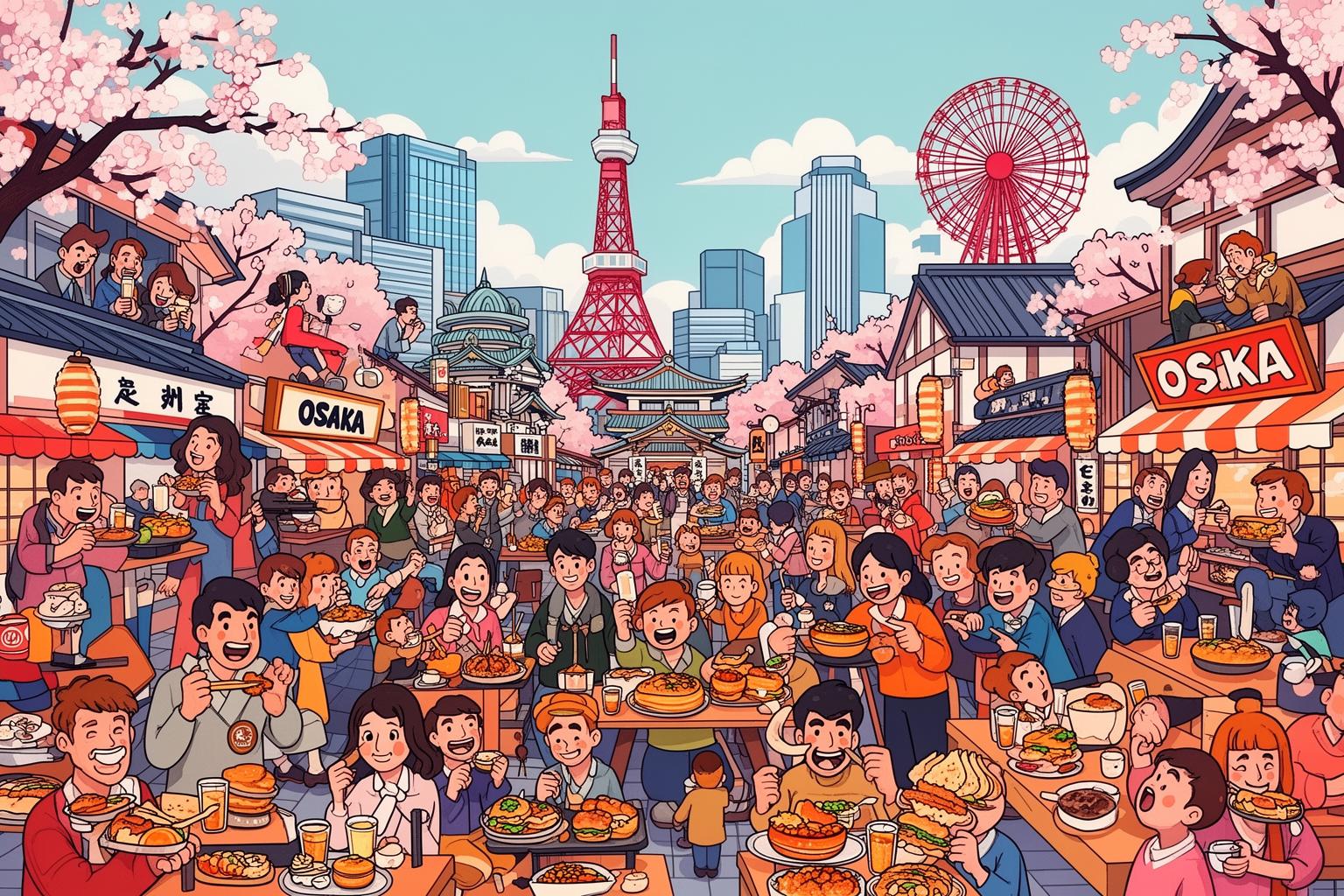
Living in Osaka means you will inevitably be caught up in the current of Kuidaore. You can’t resist it, so you might as well learn to go with the flow. Embracing this food-focused lifestyle is the quickest way to grasp the city’s spirit and connect with its people. Say yes to that spontaneous dinner invitation. Form an opinion on where to find the best udon. Learn to praise a meal with sincere, enthusiastic appreciation. This is your ticket to the city’s social scene.
However, it’s also important to recognize that you don’t have to overindulge yourself, either financially or physically. It’s okay to set limits. It’s okay to suggest coffee instead of a full, five-course meal. It’s okay to host a potluck at home instead of going out again. Your Osakan friends will understand, as long as the goal remains the same: sharing time and forging connections. Kuidaore, ultimately, isn’t truly about the food. It’s about using food as a means to build community, celebrate joy, and make life a little more flavorful. Learning to navigate its rhythms—knowing when to dive in and when to take a breath—is the real art of living well in Osaka. It’s about finding your place at the city’s vast, lively, and warmly welcoming table.