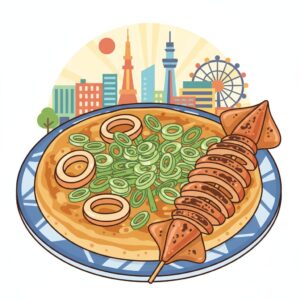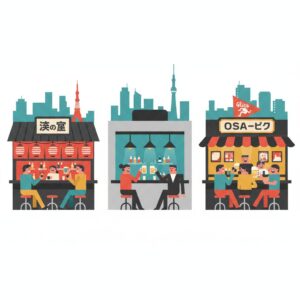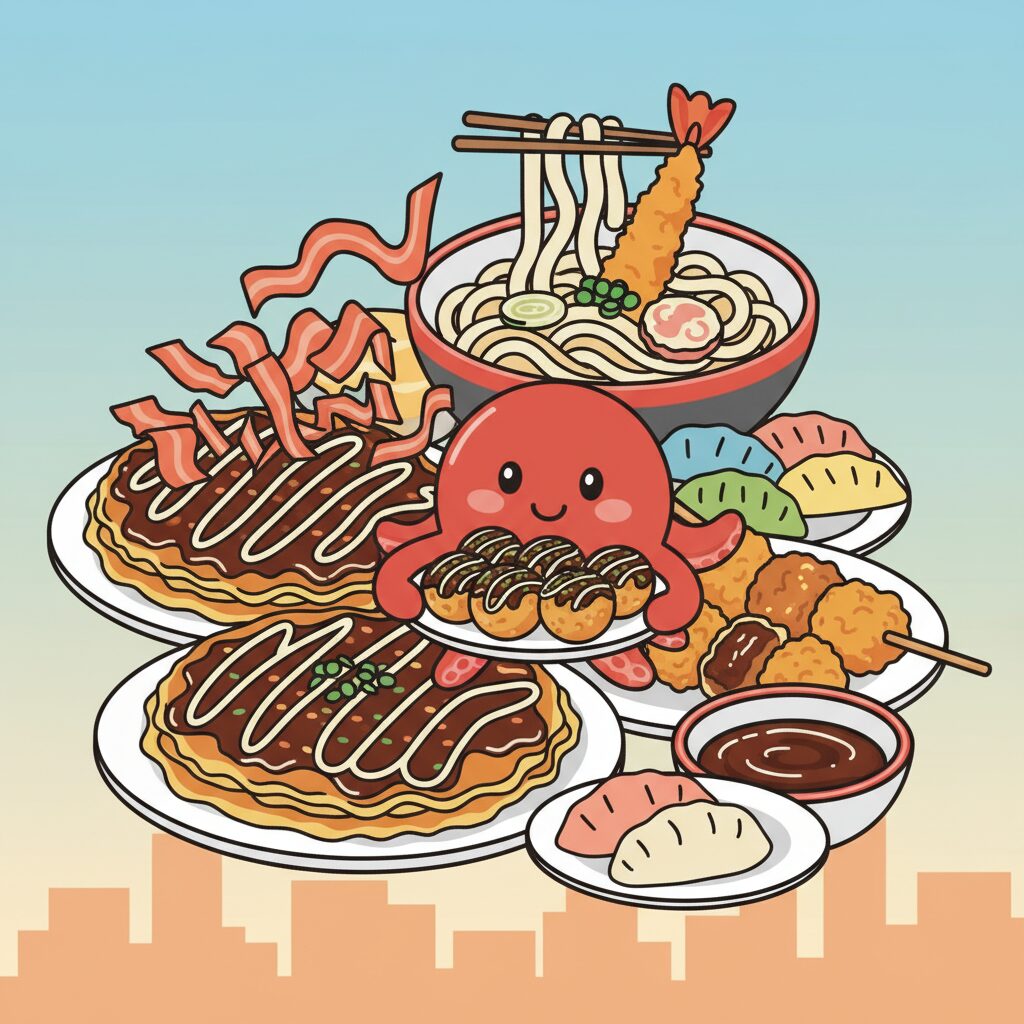
Osaka hits you with a wave of sound and scent. It’s the clatter of train station gates, the sizzle of oil on a hotplate, the sweet-savory perfume of grilling meat and dashi broth hanging heavy in the humid air. And at the heart of this sensory overload is a single, powerful concept: Kuidaore. The word is a local legend, a mantra, a challenge. It translates, rather dramatically, to “eat until you drop,” or more accurately, “to ruin oneself by extravagance in food.” For a newcomer, especially one from a city where food is just, well, food, this idea feels both thrilling and intimidating. You see it everywhere—the lines snaking out of ramen shops in Namba, the office workers hunched over counters in Tenma, the families sharing plates under the glaring neon lights of Dotonbori. Food isn’t just sustenance here; it’s the city’s primary language, its social currency, its very identity.
But what happens when you can’t speak that language fluently? What if you arrive in this culinary paradise with a dietary restriction—a map full of culinary no-go zones? If you’re vegan, celiac, or have a serious allergy, the concept of Kuidaore can feel less like an invitation and more like a locked door. The city’s most iconic dishes—takoyaki, okonomiyaki, kushikatsu—suddenly seem like a parade you can only watch from the sidewalk. It’s a common frustration for foreign residents who want to dive deep into the local culture. You’re told that to understand Osaka, you must eat like an Osakan. So, are you destined to be a cultural outsider, forever misunderstanding the city’s soul because you can’t partake in its most famous ritual? The answer, I’ve found, is a resounding no. The secret is realizing that Kuidaore is not a menu. It’s a mindset. It’s about the hunt, the passion, and the relentless pursuit of deliciousness, and that’s a quest anyone can join.
Embracing a special diet doesn’t mean missing out on the vibrant culinary adventures of Osaka, as exploring Osaka’s neon soul can reveal a world of flavor and cultural nuance beyond traditional Kuidaore.
Deconstructing Kuidaore: More Than Just Takoyaki and Okonomiyaki
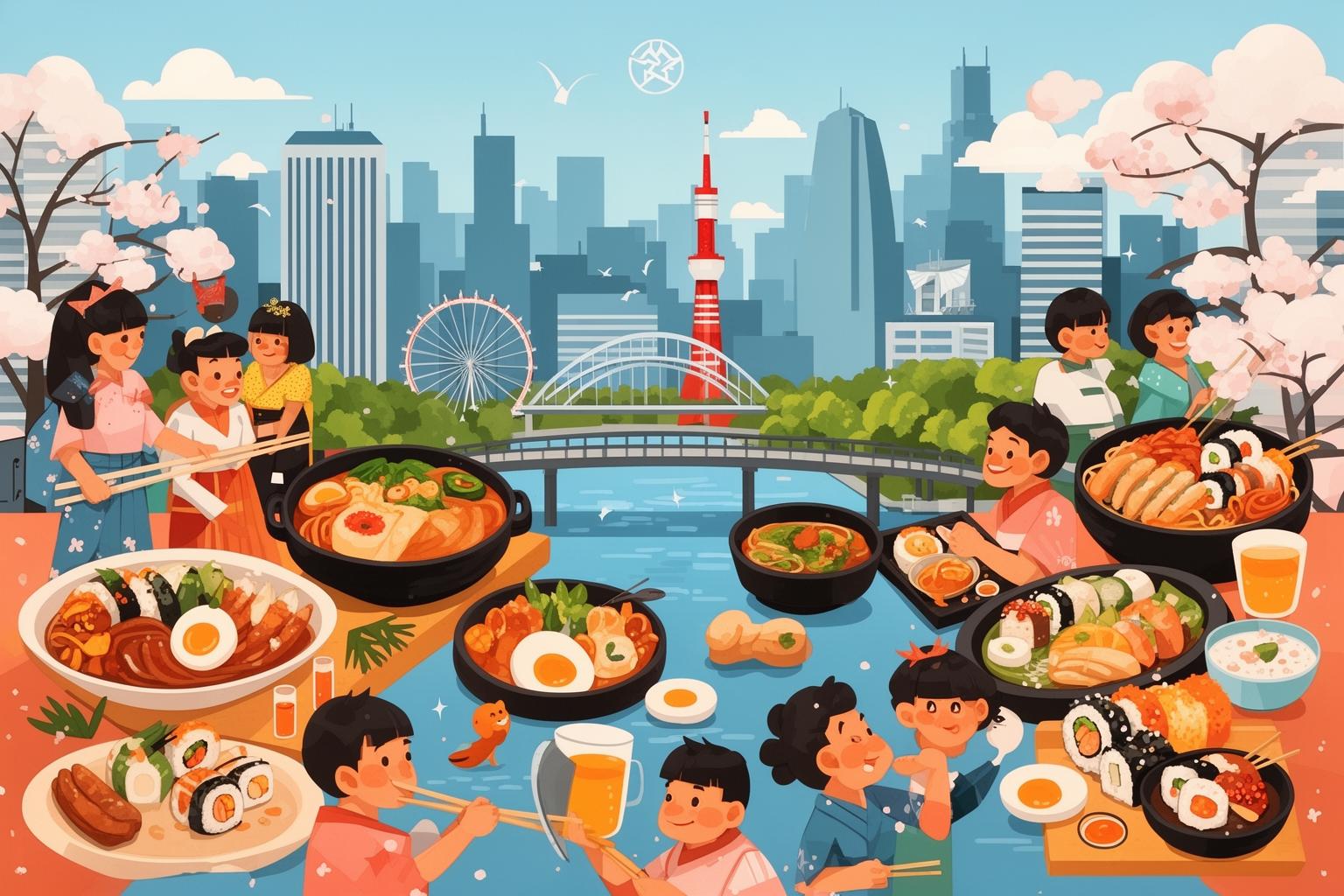
Before you can truly hack Kuidaore, you need to understand what it genuinely means to the people who live and breathe it. Tourists often see the giant mechanical crab and octopus billboards and assume it’s all about quirky street food. But for an Osakan, it represents a much deeper philosophy. It’s rooted in the city’s past as Japan’s commercial center, the “nation’s kitchen,” where rice and goods from across the country were gathered and traded. This history fostered a population of discerning, pragmatic, and value-conscious merchants who expected food to be not only good but also offer outstanding value—umai, yasui, hayai (tasty, cheap, fast) became their guiding mantra.
Here lies the fundamental contrast between Osaka and Tokyo’s food cultures. Tokyo, as the political and financial capital, often has a food scene that can feel performative. Dining can be about status, securing a reservation at a world-renowned restaurant, or the fame associated with the establishment. It’s refined, elegant, and sometimes a bit formal. Osaka, however, couldn’t be less concerned with that. An Osakan will proudly tell you about a small, shabby-looking udon shop tucked away in a back alley that, in their expert opinion, has the most perfectly textured noodles in the whole prefecture. The pride isn’t in the price, but in the discovery—the satisfaction of finding the best without spending a fortune.
The entire city functions like a peer-reviewed culinary journal. People discuss food constantly—not in a vague, foodie-blogger way, but in a practical, almost scientific manner. “The takoyaki at that new spot is too doughy.” “The broth at the ramen shop near the station has gotten saltier.” “Did you hear the old lady running the korokke shop is using a new kind of potato?” This creates a highly Darwinian food environment. Restaurants and stalls don’t survive on hype or stylish decor—they survive through relentless consistency and quality. If a place is busy, it’s not because it’s trendy; it’s because it has earned the trust and respect of Japan’s most demanding customers. The spirit of Kuidaore, therefore, isn’t about gluttony. It’s an active, engaged, and deeply personal appreciation for the craft of food, from the humblest rice ball to the most elaborate tasting menu.
The Foreigner’s Misunderstanding: “I Can’t Participate”
So you arrive in this vibrant ecosystem, eager to immerse yourself, but your body has a set of rules: no gluten, no dairy, no meat, no fish. You stroll through the Shinsaibashi-suji shopping arcade, where the air is thick with the aroma of grilled pork from gyoza, the sweet scent of okonomiyaki batter, and the oceanic fragrance of dashi simmering in countless pots. It feels like a city-wide celebration where none of the food is allowed for you. Every glowing sign seems to promote something you can’t have. It’s easy to experience a profound sense of culinary alienation.
A common misconception is to confuse the symbols of Kuidaore with the spirit of Kuidaore. Yes, takoyaki is the most famous symbol—delicious, molten balls of batter, octopus, and savory toppings. It appears on every t-shirt and keychain. But it doesn’t encompass the entire culture. To believe you’re excluded from Kuidaore because you can’t eat takoyaki is like thinking you’re excluded from American car culture because you don’t drive a 1960s Ford Mustang. The culture is broader, deeper, and much more adaptable than its most famous exports.
Thinking you can’t take part is a passive mindset. The true spirit of Osaka is active—it’s about engagement, not just consumption. The challenge of a special diet pushes you beyond the tourist-friendly surface and invites you to connect with the food scene on a more intimate level. You have to look harder, ask more questions, and explore more thoroughly. In a way, having dietary restrictions can make you a more authentic practitioner of the Kuidaore philosophy than the average tourist simply ticking items off a list. You’re not just eating; you’re hunting. And the hunt is the whole point.
Hacking Kuidaore: Your Dietary Guide to Osaka’s Spirit
Embracing Kuidaore on a special diet calls for a change in approach. Rather than targeting specific, famous dishes, you focus on categories of experiences and essential ingredients. You create your own culinary map of the city, one that reflects your unique tastes. It’s about discovering your perfect bowl, your hidden treasure, your favorite spot that makes you feel like an insider.
The Vegan/Vegetarian Quest: Surpassing the Dashi Challenge
For vegans and vegetarians, Japan’s food scene is notoriously tricky due to one hidden ingredient: dashi. This savory broth, usually made from bonito flakes (fish), underpins countless dishes, from miso soup to noodle broths and dipping sauces. That’s why a simple plate of stewed vegetables might not be vegetarian. The first hurdle is overcoming the dashi challenge.
The key is to seek out foods that are naturally simple or belong to traditions predating the widespread use of fish-based dashi. Your first destination should be the world of shojin ryori, traditional Buddhist vegetarian cuisine. Though often linked to Kyoto’s temples, Osaka boasts remarkable, often more casual and affordable, shojin ryori restaurants. This is food as meditation, focusing intensely on seasonal vegetables and the delicate flavors of ingredients like kombu (kelp) and shiitake mushrooms for broth. It’s Kuidaore as an act of precision and appreciation.
Next, hunt down the soy artisans. Seek out a local tofu shop—not the supermarket kind, but a small neighborhood place where the tofu blocks are still warm, floating in water. The flavor of truly fresh, artisanal tofu or yuba (tofu skin) is astonishing. This is peak Kuidaore: refining a simple, humble ingredient to perfection. Pair it with quality soy sauce and fresh ginger, and you have a feast. Recently, a modern wave of veganism has also swept the city. Dedicated vegan ramen shops, gyoza parlors, and bakeries now exist, especially in trendy neighborhoods like Horie and Nakazakicho. These spots are run by passionate chefs innovating within Osaka’s food culture, writing a new chapter in the Kuidaore story.
Finally, master the depachika. The basement food halls of department stores like Hankyu, Hanshin, or Takashimaya are dazzling, overwhelming realms. They are the public pantries of the city’s top food producers. Here, you can craft your own Kuidaore adventure. Stalls offer dozens of tsukemono (pickles), elaborate salads, roasted vegetables, seaweed-based dishes, and onigiri (rice balls) filled with pickled plum (umeboshi) or seasoned kelp (kombu). It’s a treasure hunt where you can curate a perfect, personalized vegetarian meal.
The Gluten-Free Gauntlet: Maneuvering a Wheat-Centric Culture
If you must avoid wheat, Osaka might feel like a fortress. Udon, ramen, gyoza, okonomiyaki, takoyaki, and the ubiquitous soy sauce (shoyu) all contain gluten. The challenge is tough, but far from insurmountable. Your strategy is to shift toward grilled dishes, fresh options, and rice-based staples of Japanese cuisine.
Your allies are the yakitori and kushikatsu spots. These lively, often smoky venues specialize in grilled skewers. Though kushikatsu (deep-fried skewers) use a breaded coating, yakitori (grilled chicken) and other grilled selections are your realm. The magic phrase is “shio de, onegaishimasu” (with salt, please). This instructs chefs to skip the sweet, soy-based tare sauce. A plate of perfectly salted grilled chicken thighs, leeks, shiitake mushrooms, and green peppers offers an essential Osaka experience. It’s simple, social, and deeply satisfying.
Embrace Japan’s mastery of fresh ingredients. Osaka’s proximity to the sea means outstanding seafood. A standing sushi bar, where you order piece by piece from the chef, is an excellent experience. It’s quick, affordable, and a fantastic way to sample top-quality fish. Sashimi is another clear winner. Kuromon Market may be famed for its tourist-heavy street food, but it’s also a place to buy incredibly fresh sashimi to enjoy immediately. This embodies Kuidaore at its purest: celebrating an ingredient at peak perfection. For a more interactive meal, yakiniku (Japanese BBQ) is ideal. You grill your own meats and vegetables at the table—just stick to salted options and avoid marinades.
Rice is your cornerstone. Japan produces some of the world’s best rice, and locals appreciate a good bowl as much as any other dish. Explore the world of donburi (rice bowls), but be ready to bring your own tamari or gluten-free soy sauce, as most sauces contain gluten. Onigiri from convenience stores or depachika are also good choices, with classic fillings like salmon (sake) or tuna mayo.
The Language of Limitations: How to Express Your Needs
Effectively navigating any dietary restriction in Japan depends on communication. While English is more common in tourist areas, venturing into smaller, local spots that define the Kuidaore experience requires a handful of key Japanese phrases. Memorize them, jot them down on a card, or use a translation app.
- For allergies: “Watashi wa [allergen] arerugii ga arimasu.” (I have an allergy to [allergen].) Be specific: komugi (wheat), tamago (egg), soba (buckwheat), pīnattsu (peanuts).
- For ingredients: “[Ingredient] nuki de dekimasu ka?” (Can you make this without [ingredient]?)
- To confirm presence: “[Ingredient] ga haittemasu ka?” (Does this contain [ingredient]?)
How requests are received can vary from Tokyo. In Tokyo, there’s often rigidity—a strict adherence to recipes as an unalterable art form. In Osaka, especially in smaller, owner-operated shops, you might find more flexibility. The interaction is often more personal. An Osaka taisho (owner/chef) usually takes deep personal pride in their food and customer satisfaction. If you ask politely and with genuine curiosity—not entitlement—you may find them willing to accommodate you. They might even be intrigued. This conversation, this small moment of human connection over a shared love of food, is not a barrier to the Kuidaore experience—it is the Kuidaore experience.
The True Spirit of Kuidaore: It’s About the Hunt, Not Just the Food
After living here for some time, you begin to notice it. Kuidaore is not a passive act of consumption; it is an active, ongoing journey of exploration. It’s the excitement of discovery, the intellectual challenge of discerning quality, and the social pleasure of sharing your finds. It’s about wandering through the intricate Tenjinbashisuji Shotengai, the longest shopping street in Japan, bypassing the chain restaurants to uncover the tiny stall that sells only expertly crafted dashi maki tamago (rolled omelets). It’s about peeking into the windows of the izakayas tucked away in Tenma’s backstreets, sizing up the crowd, the menu, and the atmosphere before deciding to enter.
For someone with dietary restrictions, this search becomes even more focused. Your culinary radar operates on a different wavelength. You’re not seeking the longest line; you’re looking for the spot with a hand-written sign advertising a special vegetable broth, or the butcher shop that grills perfect, salt-only skewers on the side. You learn to read the city in a new light. You discover the stall at the morning market selling the most beautiful seasonal fruit, the specialty shop offering dozens of varieties of roasted tea, and the pickle vendor who allows you to sample everything. Each discovery is a triumph. Each becomes a personal addition to your own Kuidaore map.
In many ways, this process is more authentically Osakan than simply eating your way through a list from a guidebook. You are compelled to engage, to be curious, to observe, and to be passionate in your pursuit. You’re not just a consumer; you become a connoisseur of what you can eat, cultivating a deep appreciation for the aspects of your culinary world. This leads to conversations and experiences you would have completely missed if you could eat everything without hesitation.
Living the Kuidaore Lifestyle, Your Way
So, how do you maintain this lifestyle day by day? You redefine it. Kuidaore becomes your personal mission. It’s about turning your local supermarket and depachika into your playground. It’s about discovering which brands of rice crackers are gluten-free, which soy milk has the richest creaminess, and which vegetable vendor offers the freshest produce on specific days. Creating a meal from these carefully selected, high-quality ingredients is a modern, home-based form of Kuidaore. You’re still focused on quality and value; you’re simply doing it in your own kitchen.
It’s about purposefully exploring neighborhoods. Visit Tsuruhashi, Osaka’s Koreatown, for an impressive variety of namul (seasoned vegetables) and kimchi. Wander through the side streets of Shinsaibashi to find specialty health food stores and cafes. Discover the farmers’ markets that appear in parks over the weekends. Each neighborhood presents its own unique ingredients and opportunities.
Most importantly, it’s about sharing what you know. Connect with online groups for foreigners in Osaka or with specific dietary communities. Sharing a discovery—a restaurant with a gluten-free menu, a bakery that makes vegan melon pan, a shop selling exceptional tamari—is the truest expression of the Kuidaore spirit. It’s not solely about your enjoyment; it’s about contributing to the community’s collective knowledge and aiding others in their search for deliciousness.
Ultimately, “eating till you drop” in Osaka doesn’t have to mean physically collapsing from overindulging in flour and fried foods. It can mean falling into bed at day’s end, tired but content after a day spent walking, exploring, questioning, and uncovering the incredible food this city has to offer, all on your own terms. You haven’t merely consumed a meal; you’ve engaged in a conversation with the city. You’ve demonstrated that the vibrant, passionate, and welcoming spirit of Kuidaore isn’t confined to any single ingredient. It’s an open invitation to the adventure, and everyone—without exception—is welcome to join.