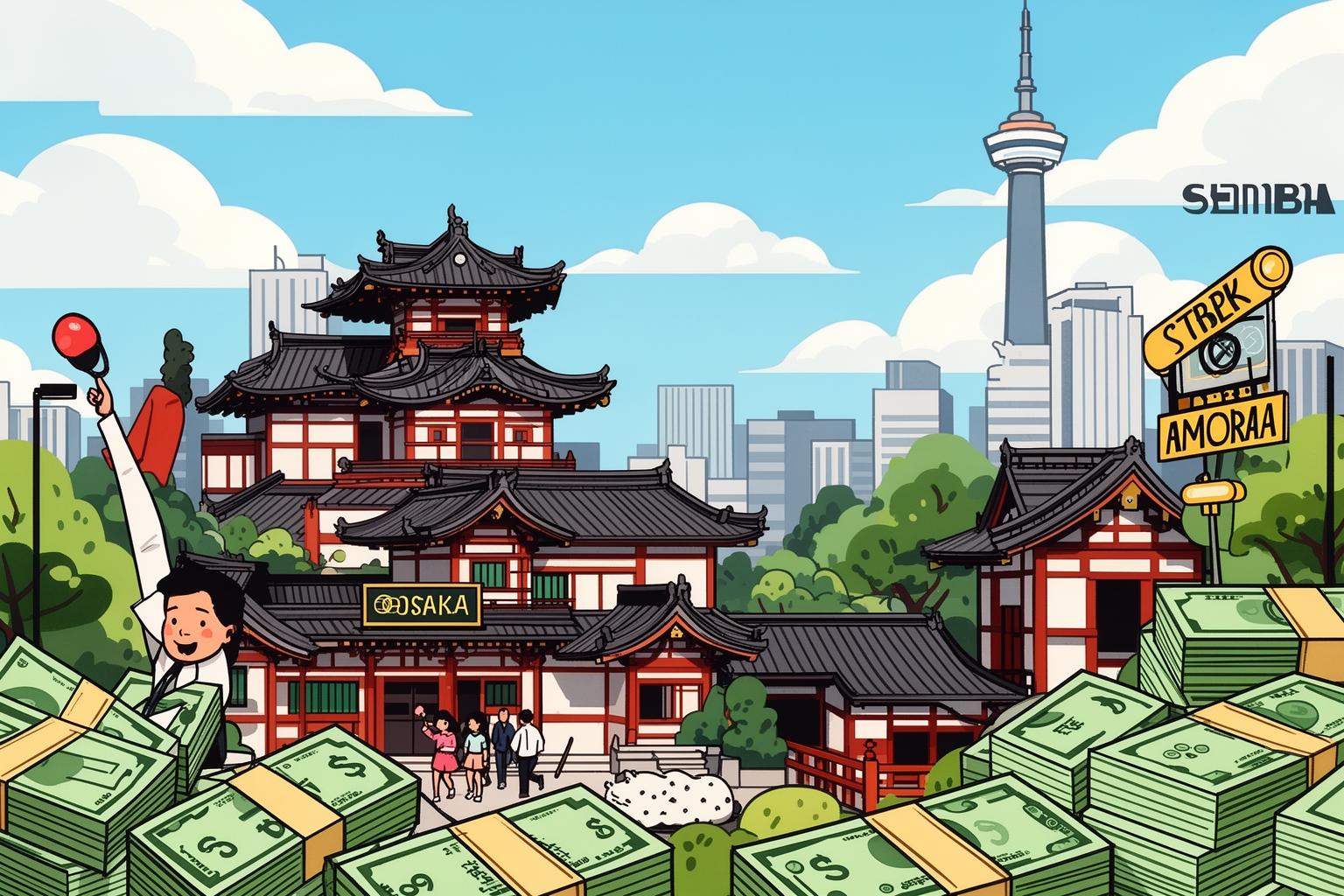
You’ve felt it, haven’t you? That electric hum in Osaka’s air that has nothing to do with the neon signs in Dotonbori. It’s in the rapid-fire questions from the shopkeeper in Tenjinbashisuji, the way your boss cuts to the chase in a meeting, the intense focus on value you see everywhere from a hundred-yen store to a high-end department store. You might have chalked it up to Osaka just being… different. Louder. More direct. Maybe even a little obsessed with money. But what if I told you that this city’s entire operating system, the very code that dictates how people interact, negotiate, and live, was written centuries ago in a grid of streets just south of the Yodo River? This isn’t just a quirky local personality. It’s a legacy. Welcome to Senba, the old merchant heart of Japan, whose ghost still balances the books in every corner of modern Osaka.
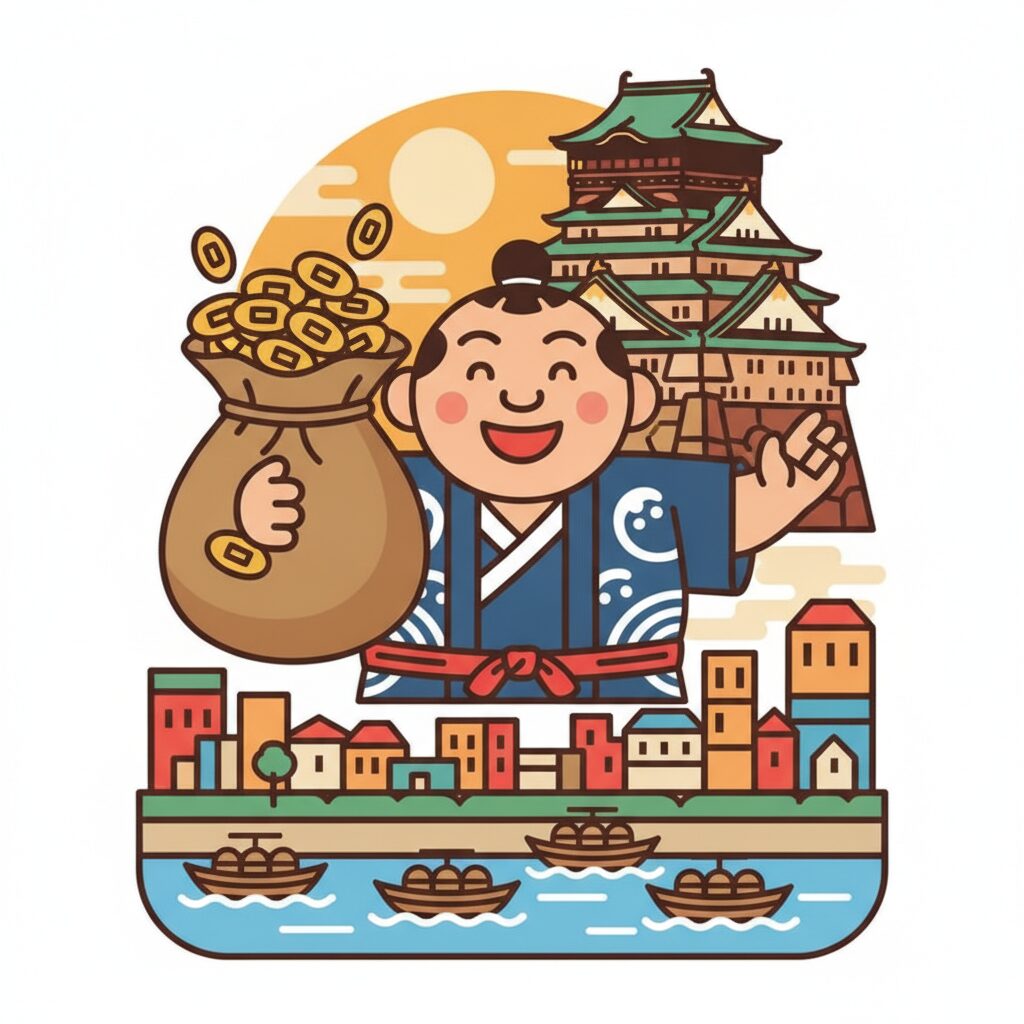
For centuries, Senba was the engine room of Japan’s economy. It wasn’t just a market; it was a city within a city, a powerhouse of commerce where textiles, medicines, and fortunes were traded with fierce intensity. The merchants of Senba weren’t just shopkeepers; they were innovators, capitalists in an era of samurai, who developed a unique and pragmatic philosophy for business and life. While the samurai in Edo (modern-day Tokyo) were concerned with honor, ceremony, and status, the Osaka merchant was focused on one thing: creating value. That spirit, that akindo damashii, never left. It seeped into the concrete, flowed through the subway lines, and now lives inside the people of Osaka. To understand the often-misunderstood mindset of this city—its practicality, its directness, its unique blend of warmth and shrewdness—you have to walk the streets of Senba, both real and metaphorical. Forget the guidebooks for a moment. Let’s talk about the real software running this town.
Discover how Osaka’s historic merchant spirit blends with modern leisure when you experience a weekend in the Minami area that captures the city’s distinctive energy.
The Merchant’s DNA: The Unspoken Philosophy of ‘Shimatsu’
To unlock the Osaka mindset, the first key you need is a word you’ll often hear but might not fully understand: shimatsu (始末). Foreigners—and even many Japanese from Tokyo—often mistakenly translate it as cheapness, stinginess, or frugality. That’s like calling a surgeon a butcher—it misses the entire art. Shimatsu isn’t about saving money; it’s about eliminating waste. It’s a profound philosophy of resource maximization perfected by the Senba merchants. Someone practicing shimatsu despises any form of waste—wasted time, materials, energy, and yes, money. It’s a discipline of efficiency.
Seeing ‘Shimatsu’ in Action
You encounter it everywhere in daily life. It’s the owner of a tiny takoyaki stand who calculates the exact amount of batter needed for the day so nothing is wasted. It’s the office manager who negotiates a ten-yen discount on a case of printer paper, not because the company is poor, but because paying more than necessary is illogical—it’s wasteful. It’s the grandmother who waters her plants with leftover rice-washing water. This isn’t poverty; it’s a deeply ingrained respect for resources. A Tokyo perspective might emphasize appearances—buying the more expensive bento for a client to show status, for example. The Osaka viewpoint, rooted in shimatsu, focuses on purchasing the most delicious, high-value bento, regardless of price or brand. What matters is the quality and efficiency of the transaction. This mindset explains why Osaka is the birthplace of innovations like instant noodles and conveyor belt sushi—brilliant creations born from the desire to eliminate waste and maximize customer value.
The Ritual Greeting of Commerce
This business-first mindset is so deeply ingrained it’s reflected in the language. You’ve likely heard the classic Osaka greeting, “Mokkari makka?” (“Making money?”). The usual reply is, “Bochi bochi denna” (“Well, so-so”). A newcomer might find this surprising—is it rude to ask about someone’s finances? But it’s not a literal question. It’s a verbal handshake acknowledging a shared reality: we’re all striving, all working, all part of this grand commercial dance. It’s a way of saying, “I see you, I respect your hustle.” It stands in stark contrast to the vague, formal weather greetings common in Tokyo. Here, life and business are inseparable—a conversation that begins the moment you step out your door.
Value Isn’t a Price Tag, It’s a Science
The Senba merchant’s heritage has transformed the average Osaka resident into an expert evaluator of value. This is why the concept of kosupa (cost performance) is almost like a religion here. It’s not about simply finding the cheapest option. Absolutely not. It’s about discovering the precise balance where quality and price perfectly align. An Osaka shopper will willingly pay more if the quality justifies it, but they will feel genuinely insulted if they spend even one yen on something that falls short.
The Art of the Deal
This creates a distinctive commercial atmosphere. Businesses can’t thrive on slick marketing or flashy branding alone. The product needs to be good, and the price needs to be fair. That’s why you’ll see long lines at a humble ramen shop hidden in an alley. Word has spread that their bowls are huge, the broth rich, the noodles perfect, all for 800 yen. The kosupa is exceptional. People travel across the city for that kind of value because they respect both the craft and the reasonable price. In their own way, they are acting like merchants, searching for the best possible deal.
This mentality also drives the culture of negiri—price negotiation. While you won’t haggle at a Uniqlo, the spirit of negotiation thrives in the city’s sprawling shotengai (shopping arcades) and especially in B2B transactions. For many Osaka residents, negotiation isn’t a hostile confrontation—it’s a form of communication, a dance to find a price that satisfies both parties. It’s about engagement. When a shopkeeper loudly announces deals, they’re not just being noisy; they’re inviting you into a dialogue about value. To a foreigner, this might feel aggressive or uncomfortable, but refusing to participate can sometimes come across as cold or uninterested. A bit of friendly back-and-forth, even if it doesn’t lead to a discount, builds rapport. It shows you’re playing the game and understand the rules.
Practicality Over Pretense: The Osaka Work Style
This merchant DNA deeply influences the professional world, creating one of the clearest contrasts with Tokyo. Tokyo business culture is often characterized by formality, procedure, and hierarchy. There are numerous meetings, careful consensus-building (nemawashi), and significant emphasis on presentations and appearances. In contrast, the Senba-influenced Osaka style is uncompromisingly pragmatic.
Get to the Point, Get the Job Done
In an Osaka office, the priority is speed, directness, and results. The mindset is: “Why hold three meetings when we can settle this in one?” Decisions are made quickly, often finalized through a straightforward conversation and a firm handshake. Formality is frequently viewed as an obstacle to efficiency—a form of waste. Your boss might come across as blunt, but they’re likely just cutting through distractions to focus on the core issue. They care less about an impressive PowerPoint presentation and more about your answer to one simple question: “Will this make us money or save us money?”
This can be a culture shock for those used to a more indirect, layered communication style. The Osaka directness is not intended to be rude; it’s meant to be clear. It shows respect for your time and intelligence. They believe the best way to collaborate is to put all the cards on the table and determine the most logical way forward. The aim, as it was for the Senba merchants, is a successful outcome for both parties, and anything that delays that is simply bad for business.
The Real Currency: Trust and Human Connection
Here is the most common and damaging misconception about Osaka: that its emphasis on money and efficiency makes its people cold or greedy. Nothing could be further from the truth. The most important lesson from the Senba merchants was that your most valuable asset is not the money in your ledger, but your reputation—your shinyo (信用).
In the dense, interconnected world of old Senba, reputation was everything. If you cheated a customer or provided a poor product, word would spread like wildfire. You wouldn’t lose just one customer; you’d lose them all. The only way to sustain a business was to be consistently honest, reliable, and fair. Building long-term relationships based on mutual trust was essential. Profit came as a result of a good relationship, not as the goal of a single transaction.
Modern ‘Shinyo’
This principle is the secret behind Osaka’s well-known friendliness. It’s not merely a random personality trait; it’s a proven business strategy. The chatty lady at the fruit stand who gives you an extra orange isn’t simply being kind; she’s investing in a relationship. She wants you to return next week. The B2B supplier who goes above and beyond to solve a client’s problem is strengthening their shinyo, ensuring a partnership that will endure for years. In Osaka, a personal introduction from a trusted friend is more valuable than any marketing budget. People do business with those they know, like, and trust.
This is why relationships here feel more personal. People take the time to learn your name, inquire about your family, and share a joke. It’s all part of building trust. While interactions in Tokyo may stay formal and professional, those in Osaka often quickly become warm and personal. They are assessing your character, not just your business proposal. They are deciding if you are someone with whom they can form a lasting, profitable relationship. This human-centered approach, born from the crowded wholesale houses of Senba, is what truly drives the city.
Living with the Senba Spirit
So, what does this all mean for you as you go about your daily life in Osaka? It means shifting your perspective and viewing the city’s quirks not as imperfections, but as integral features of a deeply rooted cultural operating system.
When you’re shopping, embrace the search for value. Ask questions. Engage with the staff. Recognize that their direct sales approach is an invitation, not an offense. Appreciate the masterclass in kosupa that surrounds you.
When you’re working, be ready for straightforwardness. Prioritize clarity and efficiency over formality. Concentrate on cultivating genuine, trusting relationships with your colleagues. Don’t hesitate to express your opinions clearly and logically. Demonstrate your reliability and practicality, and you’ll earn considerable respect.
When you’re socializing, realize that the boundary between personal and professional is beautifully blurred. Conversations about work and life intertwine. This isn’t prying; it’s community-building in a city that views life as a shared endeavor.
Don’t confuse the hustle for heartlessness or the directness for rudeness. The spirit of the Senba merchant is not a thing of the past; it is the vibrant, beating heart of modern Osaka. It’s found in the flavor of the street food, the roar of the Tigers fans, and the frank, honest conversations you’ll have every day. It embodies a philosophy of practicality, a commitment to value, and a deep belief that the best deals—in business and in life—are built on a foundation of human trust. Once you grasp this, you don’t just live in Osaka. You become a part of it.