Tokyo has its quiet precision, its artfully arranged displays behind glass, a hushed reverence for consumption. You glide through a Shinjuku depachika like a visitor in a museum, pointing politely, receiving your purchase wrapped with silent, formal grace. Then there’s Osaka. You don’t glide through an Osaka depachika; you dive in. It’s a whirlpool of sound, scent, and vibrant, unapologetic commerce. The air crackles with the shouts of vendors hawking crisp tempura, the sweet smell of grilling eel battling the earthy aroma of pickled vegetables. For a foreigner navigating a special diet—be it vegan, gluten-free, keto, or simply picky—this scene can feel like the final boss of Japanese food culture. The pre-made bento boxes, a mosaic of mystery ingredients, seem like an impossible gamble. This is a common wall for newcomers to hit. You see the convenience, but it feels inaccessible, a puzzle you don’t have the key for. But here’s the secret Osaka doesn’t advertise, the one you learn by living here: the depachika isn’t a place to find the perfect bento. It’s a place to build it. The chaos is actually a system, a glorious, customizable buffet disguised as a marketplace. Mastering this system isn’t just about eating well; it’s about understanding the city’s pragmatic, interactive, and deeply human core. It’s a dance, a tango between you and the vendor, and once you learn the steps, you can create a meal perfectly tailored to you, every single time.
For those ready to immerse themselves further in Osaka’s culinary culture, exploring neighborhood snack bars unveils yet another fascinating realm of local innovation and flavor.
The Osaka Depachika: A Theater of Commerce, Not a Silent Gallery
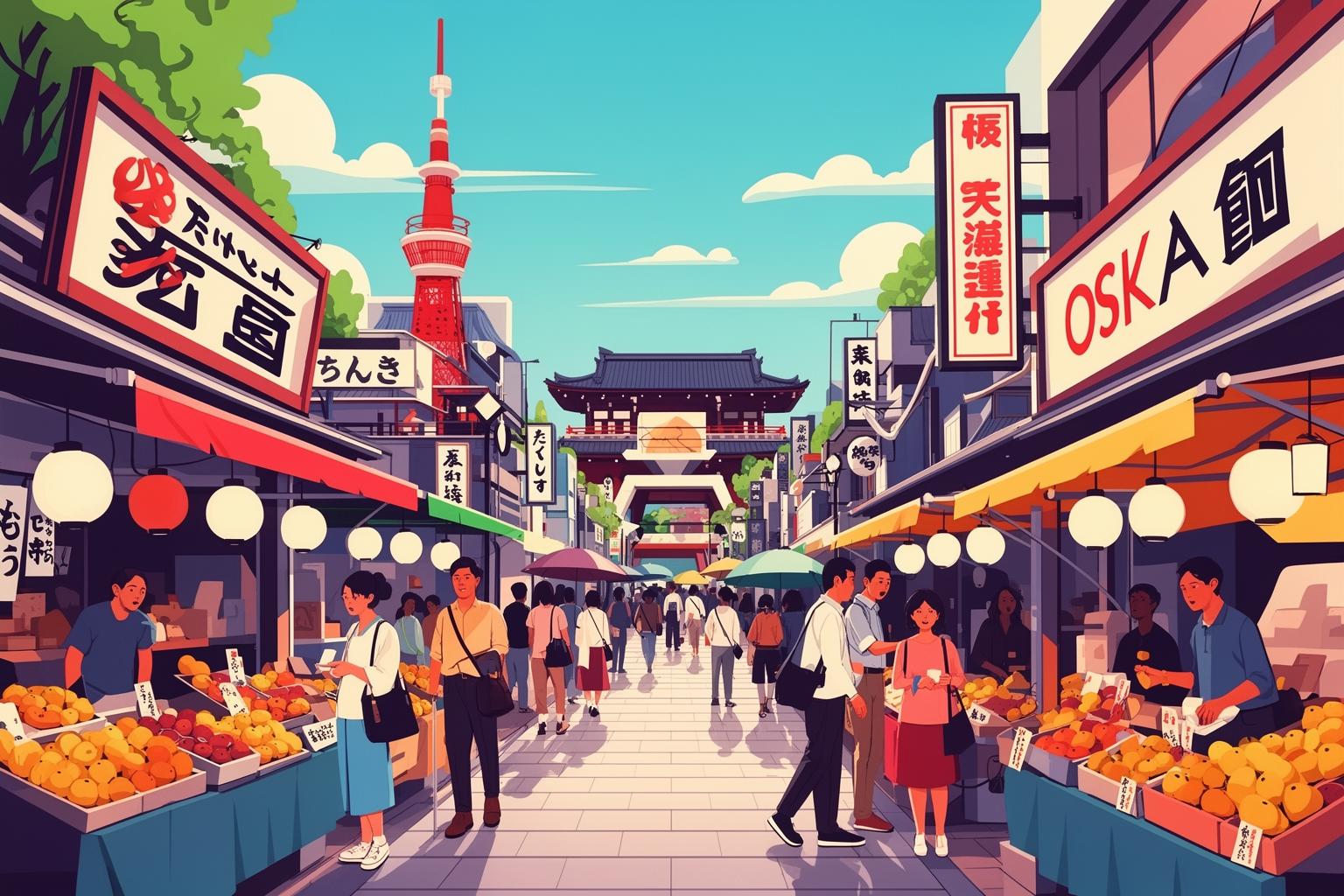
Before you can master the food, you first need to understand the setting. An Osaka depachika, such as the basement of the Hankyu or Hanshin department stores in Umeda, operates on a distinct wavelength compared to its Tokyo counterparts. It’s less of a polished culinary gallery and more of a lively, interactive theater. This is the primary and most important difference for anyone coming from a more reserved culture, or even just from Tokyo.
The Performance of the Sale
In Tokyo, vendors often serve as quiet, efficient facilitators. They stand ready, awaiting your choice. In Osaka, the vendor is part of the spectacle. They are performers. Their calls of “Irasshaimase!” aren’t flat greetings but enthusiastic invitations. They’ll follow up with “Yasukushitoku de!” (I’ll give you a great deal!) or “Kore, uchi no jiman!” (This is our pride and joy!). They make eye contact, gesture, and seek to engage you. This can feel overwhelming at first. It might seem like pressure. But it’s not aggression; it’s passion. This is the spirit of a city built by merchants, the shōnin no machi. They take great pride in their products and truly believe you’ll love them. They aren’t merely selling food; they’re offering an experience, a taste of their life’s work. A foreigner might mistake this for pushiness, but it’s quite the opposite. It’s an open door, an invitation to discuss the food, which is exactly what someone with dietary restrictions needs.
The Philosophy of Assembly
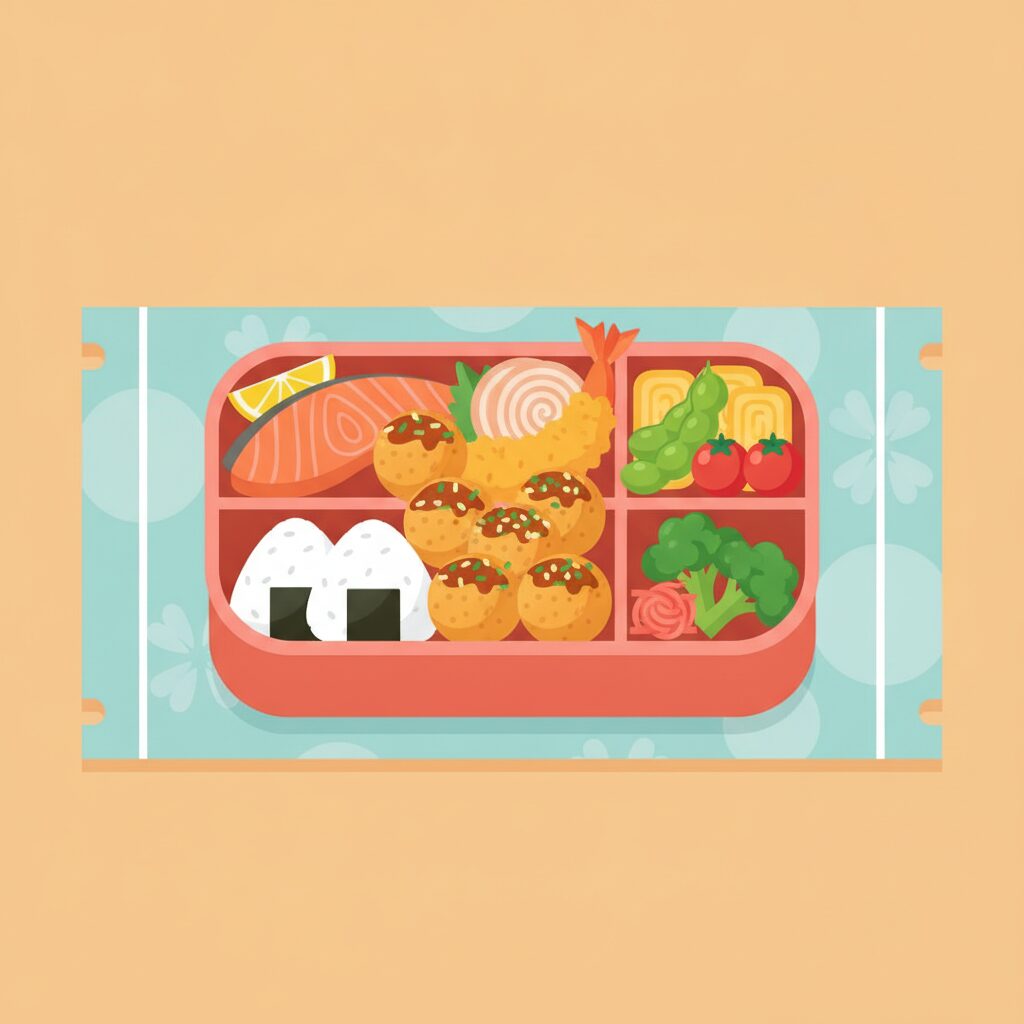
The true magic of the depachika lies not in the glossy bento boxes but in the extensive counters of sōzai—individual side dishes sold by weight or piece. This is the essential foundation of your custom meal. Though Tokyo depachika also have sōzai, the focus and energy in Osaka feel distinct. It’s a more central part of the experience. This reflects a deeply practical Osaka mindset. Why buy a fixed set with something you don’t like, when you can create the perfect meal from all your favorites? It’s a philosophy of customization, of getting the best value (“eemon”, or a good thing) for your money. You’re not just a passive consumer; you are the chef, the curator of your own lunch. This modular approach is the key to dietary freedom. The depachika provides the palette, and you are the artist.
Deconstructing the Depachika: Your Tactical Map
Navigating the sheer density of a depachika floor calls for a strategy. Think of it not as a single store, but as a village of tiny, highly specialized shops clustered together. Each stall serves a purpose, offering a specialty refined over years. Learning the layout is like learning the language of the floor.
The Sōzai Aisles: The Heart of Your Bento
This is your main hunting ground. You’ll find long glass cases filled with dozens of individual dishes. One stall might focus on salads—not just leafy greens, but elaborate combinations with lotus root, seaweed, and tofu. Another will specialize in nimono, or simmered dishes, featuring glistening daikon radish, tender pumpkin, and savory mushrooms. Yet another will highlight grilled and fried items. This is where you get your color, vegetables, and variety. For vegans, this is paradise. For gluten-free diners, it’s a field of possibilities once you learn to identify the sauces. These counters are generally staffed by highly knowledgeable people who can, with a little communication, tell you exactly what’s in each dish.
The Protein Zone: Navigating Meat, Fish, and Tofu
Beyond the general sōzai counters, you’ll find the protein specialists. There are the yakitori stands, sending savory smoke into the air, offering skewers of chicken grilled with simple salt (shio) or a sweet soy glaze (tare). You’ll discover stalls selling perfectly grilled filets of salmon or mackerel, ideal for keto or gluten-free meals. There are entire shops dedicated to tonkatsu (pork cutlets) and karaage (fried chicken), their golden-brown perfection beckoning from behind the glass. And crucially for vegetarians, there are tofu artisans. You can find beautiful blocks of grilled tofu topped with miso (dengaku), hearty fried tofu patties mixed with vegetables, and delicate cubes of chilled tofu perfect for a summer meal. These specialists provide high-quality, focused options that form the anchor of your bento.
The Foundation: Where to Find Your Carbs (or Avoid Them)
Finally, there’s the carbohydrate section. This is often where dedicated rice specialists sell freshly made onigiri (rice balls) with various fillings or small containers of steamed white or multigrain rice. Nearby, you’ll usually find a bakery, often a famous chain or local favorite, offering everything from fluffy shokupan to savory buns. For those on a standard diet, this is the final piece of the puzzle. For those on a low-carb diet, this section is a landmark to note and carefully avoid. The beauty of the build-your-own method is that you can simply skip this entire section, filling your bento box with protein and vegetables from the other zones, and no one will bat an eye.
The Art of Communication: Talking Your Way to the Perfect Meal
Here lies the core of the matter. You’ve explored the area, but now it’s time to interact with the locals. This is where the Osaka spirit truly stands out and where your experience will differ most noticeably from that of a more reserved city.
It’s About Connection, Not Perfection
For many foreigners, the biggest concern is the language barrier. However, in an Osaka depachika, flawless grammar matters much less than clear intention. The vendors are experts in non-verbal communication and are surprisingly skilled at understanding gestures and broken Japanese. A smile and a simple point can go a long way. They value the effort. Unlike in Tokyo, where a stumbling sentence might be met with a polite but blank look, an Osaka vendor is more likely to lean in, squint, and try to meet you halfway. They want to make the sale, yes, but they also want to solve your puzzle.
Start with the basics. Point to a dish and simply ask: “Kore wa?” (What is this?). Then your key dietary question:
- For vegans/vegetarians: “Niku, haittemasu ka?” (Does it contain meat?) or “Sakana?” (Fish?). The big one is dashi: “Katsuo-dashi?” (Bonito fish stock?). A simple “no” hand gesture while asking can help.
- For gluten-free: “Komugi, haittemasu ka?” (Is there wheat in it?). This is more difficult, as soy sauce is prevalent. A safer option is to point at grilled, salted items and ask “Shōyu?” (Soy sauce?).
- For allergies: “Tamago arerugii ga arimasu.” (I have an egg allergy.)
The Osaka Interrogation: A Sign of Care
Here’s what often surprises foreigners: the vendor might start asking you questions. You point to a salad, and the woman behind the counter asks, “Ni-hyaku guramu? Tariru?” (Two hundred grams? Is that enough?). She might notice you eyeing two different potato salads and say, “Kocchi no hou ga amai de!” (This one’s sweeter!). This isn’t an upsell; it’s consultation. In Tokyo, service tends to be reactive: you place your order, and it’s fulfilled. In Osaka, it’s proactive. Vendors see themselves as experts guiding you toward the best choice. This straightforwardness can be surprising if you’re not used to it. It might feel like they’re questioning your judgment. They’re not. They’re just trying to make sure you leave satisfied. In their own fast-paced, direct way, they are looking out for you. Responding with a simple nod or shake of the head is perfectly fine. It’s a conversation, with you as an equal participant.
Assembling Your Masterpiece: A Step-by-Step Bento Build
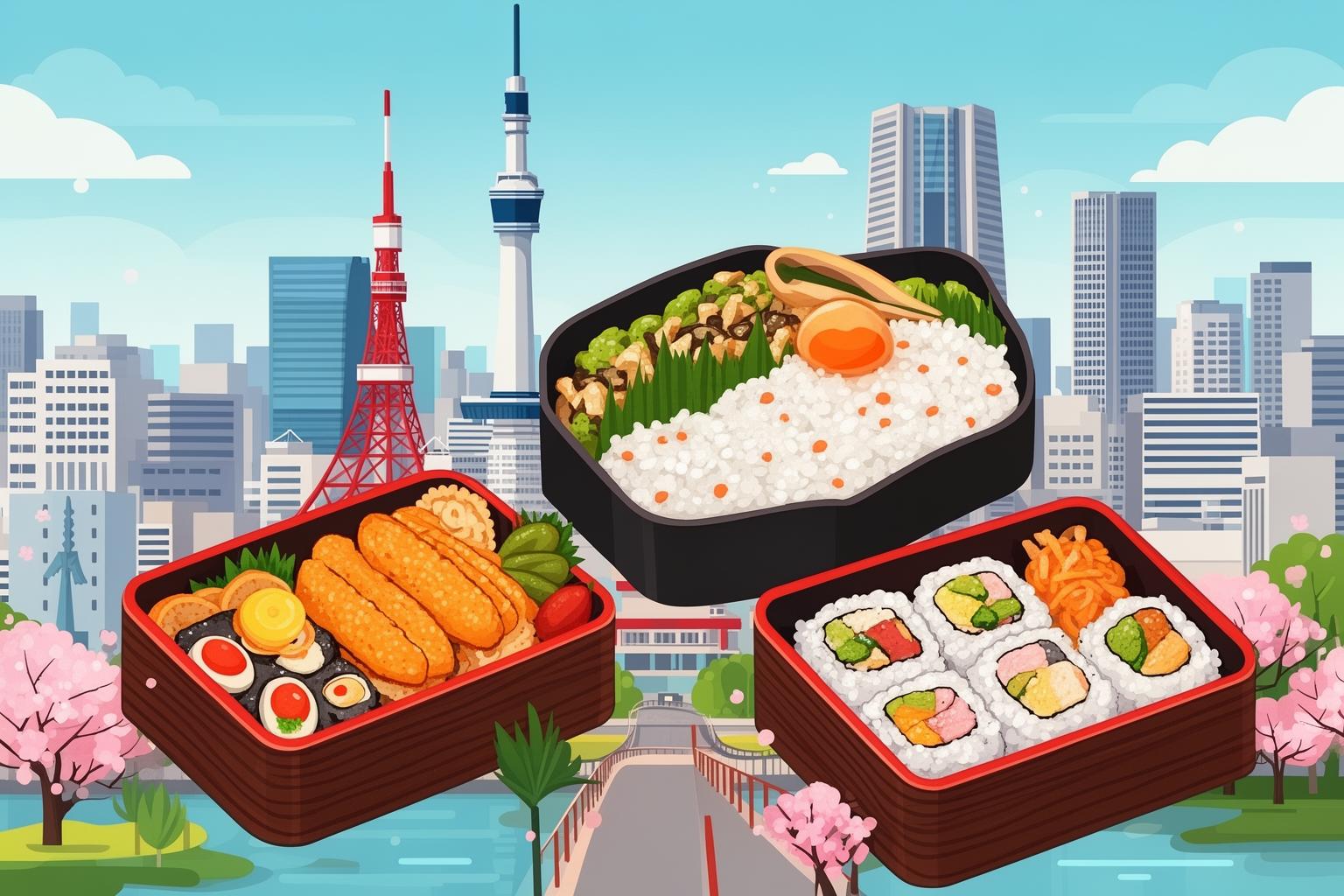
Armed with cultural and tactical knowledge, you’re ready to create. Follow this straightforward process to transform chaos into a curated culinary experience.
Phase One: The Reconnaissance Lap
Don’t buy the first item you see. The depachika is designed to overwhelm. Take a full lap around the entire food floor. Don’t stop or engage—just observe. Notice what’s fresh, what’s popular (look for queues), and form a mental map of your potential choices. Where are the salads? Where is the grilled fish? This five-minute investment prevents buyer’s remorse and helps you make strategic decisions.
Phase Two: Secure Your Anchor
Begin with your main dish. This is the centerpiece of your meal, the defining element. Are you craving a substantial piece of salt-grilled mackerel? A hearty tofu steak? A few skewers of chicken yakitori? Head to the specialist counter first and secure your protein. This forms the foundation around which you’ll build everything else.
Phase Three: Add Color and Nutrients
Next, visit the sōzai counters. With your main dish in mind, choose two or three smaller side dishes. Consider balance in both flavor and color—a key principle in Japanese meal composition. If you have a savory piece of fish, add a sweet simmered pumpkin, a vinegared seaweed salad for acidity, and vibrant green spinach dressed with sesame (goma-ae). This is your opportunity to get creative and ensure a nutritionally balanced meal. Opt for small portions—100 grams is a typical single serving for most side dishes.
Phase Four: The Optional Foundation
If your diet permits and your meal needs it, make your final stop for carbohydrates. Pick up a small container of rice or a single onigiri. This step comes last intentionally. It’s easy to be distracted by fancy rice balls early on, but structuring your meal around protein and vegetables first results in a more balanced and diet-friendly outcome.
Case Studies: Bento Builds for Demanding Diets
Let’s put theory into practice with some real-world examples of special-diet bentos you can easily assemble in any major Osaka depachika.
The Gluten-Free Power Lunch
Your goal is to avoid wheat and most soy sauce. Opt for simple preparations.
- Anchor: A beautiful, salt-grilled salmon filet (shiozake) from a seafood specialist.
- Sides: Visit the salad bar and choose a bright seaweed and cucumber salad, usually dressed with a simple rice vinegar dressing (confirm by asking: “Shōyu nashi?”). Include a portion of kinpira gobo (burdock root and carrot), which often contains a small amount of soy sauce—check or assess your sensitivity. A safer choice is a simple steamed vegetable medley.
- Carb: A plain onigiri filled with pickled plum (umeboshi), which is naturally gluten-free.
The Vibrant Vegan Bento
Your objective is to avoid all animal products, including hidden fish dashi. Clear communication is essential.
- Anchor: Locate a tofu specialist and get a thick slice of grilled tofu topped with a savory, non-dashi miso glaze (dengaku). Make sure no fish stock was used in the miso.
- Sides: This is your opportunity to be creative. Choose spinach goma-ae, colorful pickled vegetables (tsukemono), and a simmered dish of daikon radish or kombu seaweed—explicitly ask, “Katsuo-dashi o tsukatte imasu ka?” If they confirm yes, skip it. If no, you’ve hit the jackpot.
- Carb: A container of multigrain rice or an onigiri filled with kombu.
The Keto Warrior’s Feast
Your aim is to maximize fat and protein while cutting out carbs and sugar.
- Anchor: Head directly to the yakitori stand and order four skewers of chicken thigh (momo) and chicken skin (kawa), specifying salt-only seasoning (shio), avoiding the sweet tare sauce.
- Sides: Choose a generous green salad with a creamy dressing (verify it contains no sugar). Add grilled asparagus or peppers. A small portion of fried chicken (karaage) without sweet sauce is also acceptable, as the coating is usually just a thin starch layer.
- Carb: None. Skip this part entirely for a perfectly satisfying, high-protein meal.
The Depachika as a Window into the Osaka Soul
Navigating the depachika serves as a microcosm for learning how to live in Osaka. It encourages you to embrace a bit of chaos, engage directly, and uncover the underlying systems within what initially appears as a sensory overload. It embodies the city’s spirit: practical, a bit boisterous, unpretentious, and deeply committed to delivering good, honest value.
In Tokyo, you might receive a perfectly balanced, visually flawless bento with minimal interaction—an outcome of a refined, perfected system. In Osaka, however, you take part in creating your meal. There’s a conversation, a negotiation, a performance. The end result is a bento that is uniquely yours, born from that interaction. It may not appear as perfect, but it’s exactly what you wanted. That, in essence, is the distinction. It’s the difference between quiet, passive consumption and lively, active participation. For anyone trying to build a life here, learning to participate is essential.