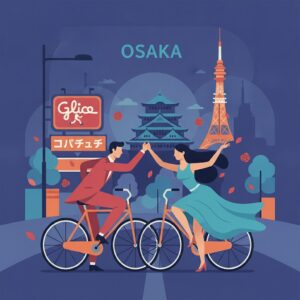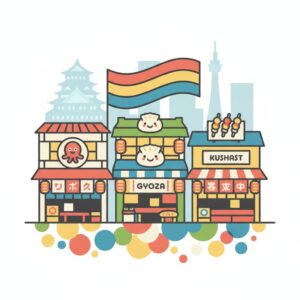
Walk through Dotonbori at night, and Osaka hits you like a sensory overload. Neon signs blaze, reflecting off the canal’s dark water. A giant mechanical crab waves its claws, a monstrous pufferfish lantern glows ominously, and the Glico Running Man strikes his eternal victory pose. At the center of it all stands the Kuidaore Taro, a tireless, drum-beating clown, the city’s unofficial mascot. The scene screams excess, a carnival of consumption. This is the image of ‘Kuidaore’ the world knows: eat till you drop. A foodie free-for-all, a glutton’s paradise. But if you live here, you quickly learn that this surface-level spectacle is just the flashy appetizer. The real meaning of ‘Kuidaore’ isn’t found under the neon glare; it’s woven into the very fabric of daily life, in the quiet backstreets, the bustling shopping arcades, and the conversations between neighbors. It’s not a challenge to eat as much as you can. It’s a philosophy. It’s an economic principle. It’s the city’s soul, served on a sizzling hot plate.
Amid the dazzling neon and carnival excess, one discovers that the real urban spirit pulses in the intimate corners of the city, as seen in Osaka’s hidden soul.
Beyond the Buffet: Kuidaore as an Economic Worldview
The literal translation of ‘Kuidaore’ (食い倒れ) is ‘to eat oneself into bankruptcy.’ For tourists, this evokes images of an epic food crawl, tackling one dish after another until both wallet and stomach give out. But for an Osakan, the meaning is much more subtle and practical. It doesn’t imply eating recklessly until you’re broke. Rather, it means placing a higher value on spending money on good food above all else, as quality food is the best investment in your own happiness. It’s a statement: if I’m going to go bankrupt, let it be for the joy of a truly satisfying meal, not for frivolous things like designer clothes or a fancy address.
This mindset is deeply embedded in Osaka’s history. For centuries, the city was known as ‘Tenka no Daidokoro’—the Nation’s Kitchen. As Japan’s main commercial center, rice, produce, and goods from across the country passed through its ports and warehouses. The merchants of Osaka, the city’s driving force, cultivated a culture that was practical, shrewd, and appreciative of tangible value. They weren’t samurai with abstract ideals of honor; they were businesspeople who understood profit, loss, and the art of a good deal. For them, food wasn’t merely sustenance; it was a commodity, a social lubricant, and a direct gauge of prosperity. A good meal was a successful transaction with life itself.
This historical mindset is evident today in the city’s obsession with ‘cospa,’ short for ‘cost performance.’ This concept is the gospel of the Osakan consumer. A Tokyoite might be impressed by a renowned chef’s name or a restaurant’s exclusive reputation. They might pay a premium for the atmosphere, the brand, the story. An Osakan, however, instantly calculates: “For this price, what am I getting?” They balance the quality of the ingredients, portion size, chef’s skill, and overall satisfaction against every single yen spent. A 3,000 yen lunch in a chic, minimalist cafe is met with skepticism. But a 700 yen teishoku (set meal) in a cramped, noisy diner with perfectly fried fish, flawless rice, and rich miso soup? That is high art. That is peak ‘cospa.’
This isn’t about being cheap; it’s about being smart. It’s about refusing to be fooled by marketing or pretense. The ‘Kuidaore’ philosophy demands that value be both obvious and delicious. You see it in the endless lines for a humble butaman (pork bun) from 551 Horai, or the reverence for a simple bowl of kitsune udon at a standing-only noodle shop. The ultimate status symbol in Osaka isn’t a luxury car; it’s knowing where to find the most incredible bowl of ramen for under 800 yen. This relentless pursuit of value makes every meal an expression of discerning taste and financial wisdom. It’s the merchant spirit alive and thriving, judging the world one bite at a time.
The Konamon Kingdom: Flour, Sauce, and Communal Identity
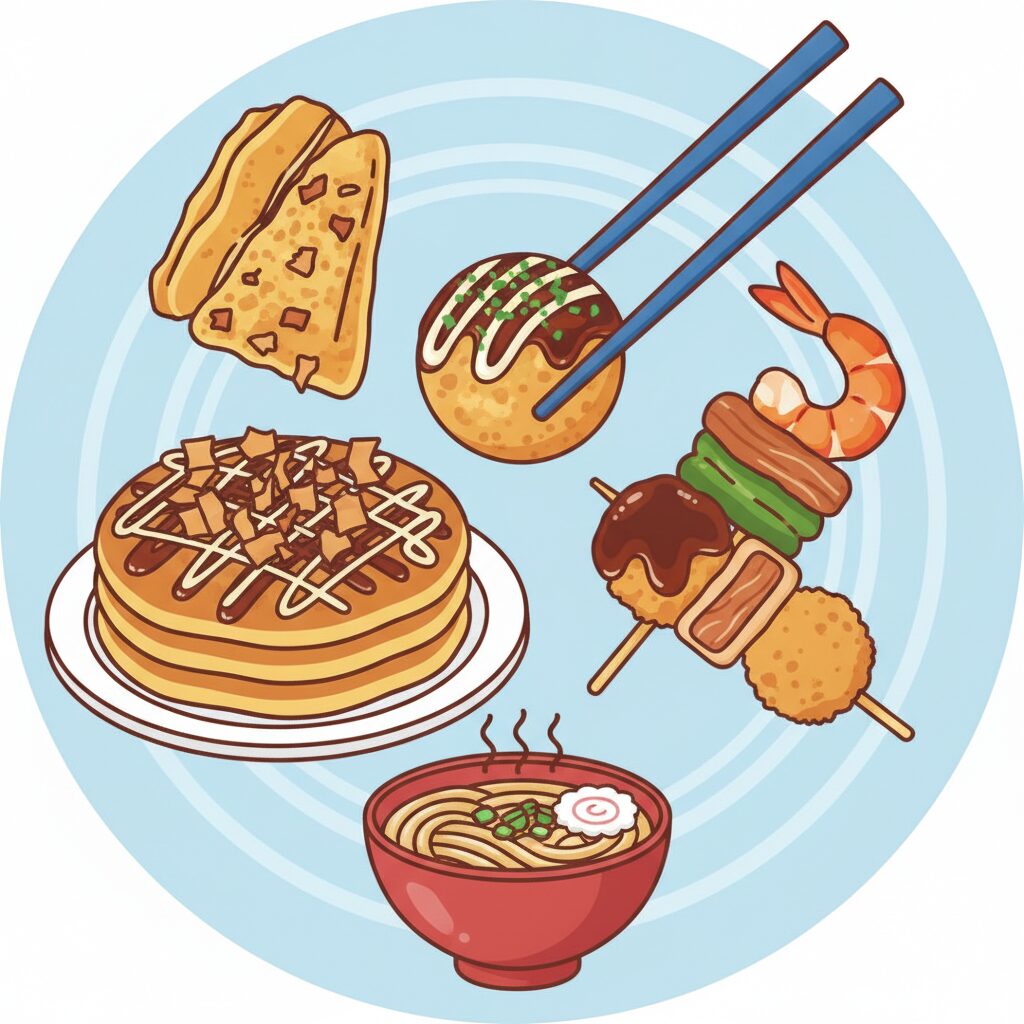
To truly grasp the essence of ‘Kuidaore,’ you must first understand ‘konamon’—the “flour things.” This divine trio of takoyaki (octopus balls), okonomiyaki (savory pancake), and kushikatsu (deep-fried skewers) forms the cornerstone of Osaka’s culinary identity. While outsiders might view these as simple street snacks, Osakans see them as cultural pillars, sources of intense neighborhood pride, and the go-to choice for nearly any social occasion. This is more than just food; it’s a lifestyle.
Consider takoyaki. In Tokyo, it might only appear at festivals or specialty stores. In Osaka, it’s ubiquitous: found at train stations, supermarkets, and dedicated stands on nearly every corner. More importantly, it’s a staple at home. It’s no exaggeration to say that many Osaka families own a takoyaki pan—an essential kitchen appliance, like a rice cooker or microwave. The ritual of making takoyaki at home—a ‘takopa’ (takoyaki party)—is a vital social tradition. Friends gather, taking turns skillfully flipping the batter-filled spheres with a metal pick, debating the best fillings (cheese? mochi? kimchi?) and the ideal balance between crispy exterior and molten creamy interior. Mastery with a takoyaki pick is a true sign of an Osakan’s domestic skill.
Then there’s okonomiyaki, meaning “grilled as you like it.” This dish perfectly captures the city’s practical and customizable spirit. Built on a base of flour, egg, and cabbage, you add whatever you fancy. It is humble, hearty, and endlessly versatile. Fierce debates erupt not just over ingredients but also preparation techniques. Should the cabbage be mixed into the batter or layered on top? Is it better pressed firmly on the teppan grill or steamed to a fluffy texture? And the sauce—the sweet, tangy brown glaze—is revered almost religiously. Companies like the renowned Otafuku have built empires perfecting it. Every family has its favorite brand and secret tweaks.
Kushikatsu, with its strict rule of ‘no double-dipping’ in the shared sauce pot, turns eating into a bonded, trust-filled experience. Gathered around a counter in a tiny Shinsekai eatery, you become part of a temporary community united by a straightforward code. It’s fast, affordable, and deeply social.
What distinguishes the ‘konamon’ culture from, say, Tokyo’s refined sushi or ramen scenes is its accessibility and democratic spirit. It’s not about a master chef’s singular vision, but about communal creation, personalization, and a shared grassroots passion. In Tokyo, impressing a date might mean visiting a three-Michelin-star restaurant. In Osaka, it’s about knowing a tiny, family-run okonomiyaki spot that makes its own mayonnaise and has remained a local secret for fifty years. Here, ‘Kuidaore’ means actively participating in the city’s food culture, not just passively consuming it.
“Moukarimakka?”: How Food Fuels Osaka’s Conversations
In most of Japan, a common greeting is a polite remark about the weather. In Osaka, however, the traditional greeting still heard among business owners is “Moukarimakka?” which roughly means, “Are you making a profit?” The usual self-effacing reply is “Bochi bochi denna”—”So-so, can’t complain.” This exchange offers a glimpse into the city’s merchant spirit, where business and everyday life are deeply intertwined. Almost immediately after, the conversation typically shifts to food.
In Osaka, food functions as the main social currency. It is the central topic of conversation, the universal icebreaker, and the standard way to build relationships. When meeting a new colleague, you don’t inquire about their hobbies; you ask, “Do you know any good places to eat around here?” Business agreements aren’t finalized in formal boardrooms but over sizzling plates of okonomiyaki or numerous skewers of kushikatsu. Sharing a meal, exploring a menu together, and recommending a hidden gem are how trust is established.
This makes culinary knowledge an essential life skill. Being able to navigate the city’s food scene is a mark of a true, savvy Osakan. It’s not about knowing the priciest spots but about having a detailed mental map of the best places for every occasion and budget. You should know the ideal udon spot for a rainy day, the takoyaki stand with the largest octopus chunks, the tachinomi (standing bar) with the cheapest and strongest chuhai, and the neighborhood kissaten (old-fashioned café) that serves the thickest toast for breakfast. This knowledge is shared, debated, and constantly updated. People express their loyalty to one takoyaki chain over another (is it Kukuru or Wanaka?) with the same passion sports fans show for their favorite team.
In Tokyo, social status often relates to your company, university, or neighborhood. In Osaka, your social standing rises significantly if you can confidently guide a group to a place offering great ‘cospa’ and a wonderful experience. You become the evening’s hero. On the other hand, recommending an overpriced and mediocre spot brings genuine social embarrassment. Not only have you wasted everyone’s money, but also a precious meal—a cardinal sin in the church of ‘Kuidaore.’ This ongoing discussion about food creates a city-wide, community-driven quality control system. Poor restaurants don’t survive long here; the discerning, value-conscious public simply won’t tolerate them.
What Foreigners Often Miss: The Philosophy of Practical Joy
The biggest misconception about ‘Kuidaore’ comes from focusing too much on the bright lights of Dotonbori. Tourists swarm there, check off famous foods—takoyaki, okonomiyaki, gyoza, ramen—from their lists and believe they have ‘experienced Kuidaore.’ However, they’ve only encountered a theme park version. They miss the philosophy altogether. The true spirit of ‘Kuidaore’ isn’t about indulgence; it’s about a deep dedication to practical, accessible joy.
To truly understand it, you need to leave the main tourist area and explore the shotengai—the covered shopping arcades that form the heart of Osaka’s neighborhoods, like Tenjinbashisuji or Kuromon Ichiba Market. Here, ‘Kuidaore’ reveals itself naturally. It’s the butcher selling freshly fried korokke (croquettes) for 100 yen that people eat on the spot. It’s the elderly couple running a tiny udon stall with the same menu for sixty years. It’s the fishmonger grilling scallops to order. This is where the passion for freshness, value, and community shines. It’s not a show for tourists; it’s just a typical Tuesday.
The philosophy of ‘Kuidaore’ centers on valuing the tangible and immediate over the abstract and distant. Why devote all your energy and resources to a demanding corporate job for some uncertain future security? An Osakan might say true wealth lies in the ability to enjoy a delicious, fulfilling meal with friends and family, right now. It’s a perspective that finds depth in simple, earthy pleasures. A perfectly grilled skewer, a hot bowl of soup, a cold beer after a long day—these aren’t mere luxuries; they are the very reward for hard work.
This creates a subtle but important contrast with Tokyo’s dominant culture. Life in the capital often feels more aspirational, future-focused, and driven by career and status. The pressures to conform, climb the ladder, and plan for the future are overwhelming. Osaka’s ‘Kuidaore’ culture provides a strong counterpoint. It suggests that a well-lived life is measured not by your job title or bank balance, but by the number of joyful, delicious moments you’ve gathered. It’s a philosophy of investing in present happiness, one bite at a time. It’s a grounded, inclusive, and deeply human approach to living.
Living the Kuidaore Life: A Daily Reality
So what does it mean to live the ‘Kuidaore’ life as a resident? It means food is never an afterthought; it’s often the highlight of your day. Your social plans revolve around meals. “Let’s catch up” doesn’t imply a quick coffee; it means a two-hour session at an izakaya, followed by a ‘shime’ (closing) bowl of ramen. It means you develop an instinct for quality and value. You learn to recognize the spots with handwritten menus, worn noren curtains, and a steady flow of local patrons—the unmistakable signs of a beloved establishment.
You begin to engage in passionate food debates. You form strong opinions on the best way to make okonomiyaki. You create a personal ranking of the takoyaki stands within a one-kilometer radius of your home. You discover that the basements of department stores, the ‘depachika,’ are not merely food halls but magnificent temples of culinary excellence, offering everything from premium bento to modest pickles, and that sampling freebies is an essential part of the experience.
Living in Osaka means accepting that a large portion of your disposable income will, and should, be spent on eating. You’re not just purchasing food; you’re buying experiences, supporting local businesses, and engaging in the city’s most significant cultural conversation. ‘Kuidaore’ stops being just a slogan and becomes your way of life. It’s the instinct that urges you to try the small food stall down the alley rather than the polished chain restaurant. It’s the belief that a full stomach brings a happy heart and a generous spirit.
In the end, ‘Kuidaore’ is Osaka’s answer to life’s big questions. What is the meaning of life? To eat well. How do you build community? By eating together. What is the best use of your hard-earned money? To enjoy something truly delicious. It’s a philosophy that is both wonderfully simple and deeply wise. It’s about finding your joy, comfort, and connection to the world not through grand gestures or lofty ideals, but through the honest, satisfying, and tangible reality of a good meal. And in Osaka, there’s always another one just around the corner.