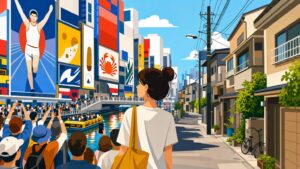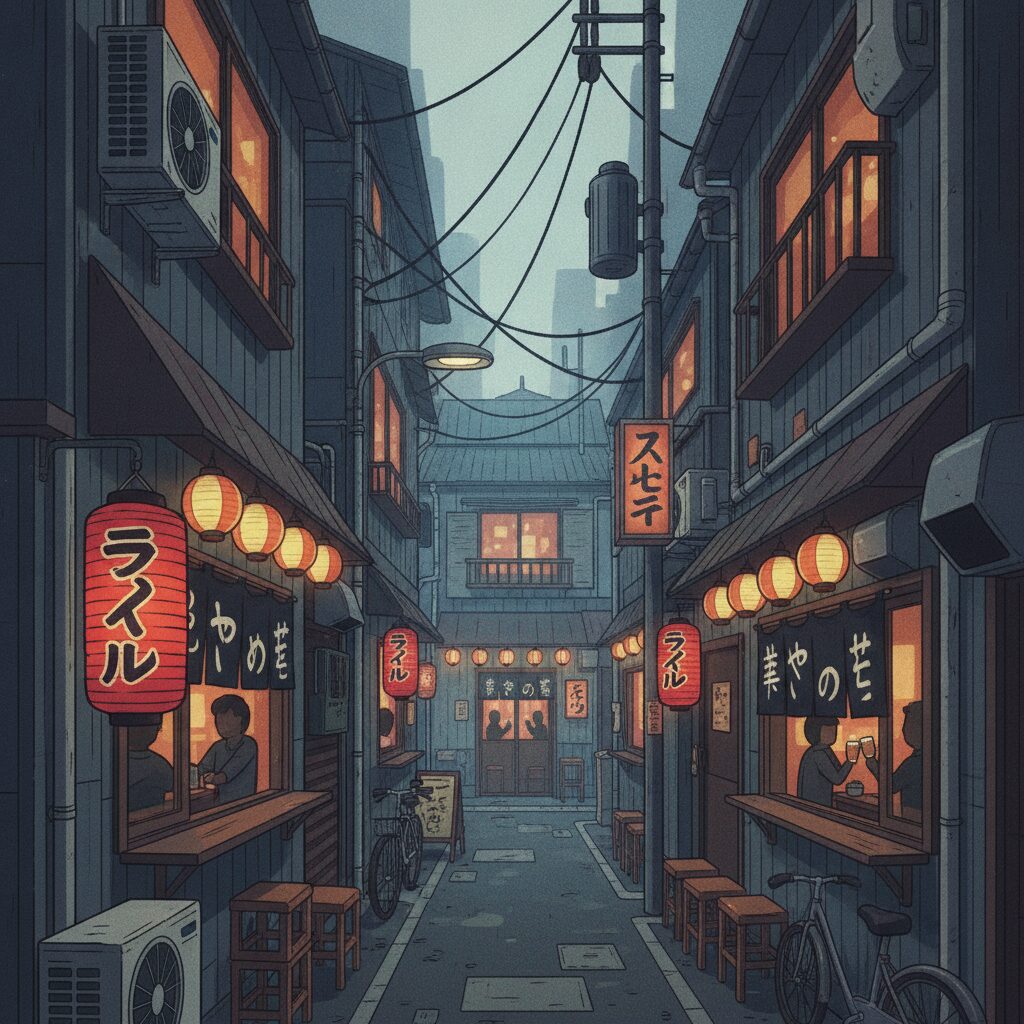
Your first encounter with Ura Namba is a sensory assault. It’s not a gentle introduction; it’s a full-on immersion. You duck off the main, brightly lit shopping arcade of Namba, and suddenly the world changes. The air grows thick with the smell of grilled meat, sizzling yakitori, and the faint, sweet scent of dashi broth. The wide, polished pavement gives way to narrow, cracked asphalt alleys, tangled in a web of exposed wiring and glowing paper lanterns. Laughter and booming conversation spill out from behind sliding doors and plastic curtains, a cacophony that feels a world away from the serene, orderly Japan you see on postcards. It’s chaotic. It’s cramped. It feels like a secret city hidden within the city. For many newcomers, the immediate reaction is a mix of intrigue and intimidation. It seems impenetrable, a labyrinthine world with its own set of unwritten rules. This isn’t the slick, vertical nightlife of Tokyo’s Shinjuku or Shibuya. This is something else entirely—more grounded, more gritty, more human. And in that beautiful, bewildering chaos lies the very soul of Osaka. Understanding Ura Namba isn’t just about finding a good place to eat and drink; it’s about decoding the city’s entire social operating system.
For a deeper dive into Osaka’s vibrant culinary scene, explore how its unique takopa grilling traditions reveal the city’s fiery soul.
The Philosophy of ‘Cheap, Good, and Fast’
To truly grasp the layout of Ura Namba, you first need to understand the philosophy behind its creation. In Osaka, a deeply ingrained concept called kosupa shapes the local mindset. While it’s a contraction of “cost performance,” that literal translation doesn’t do justice to the joy, pride, and near-religious dedication Osakans have for getting the utmost value for their money. This isn’t about being cheap; it’s about being clever. It’s about rejecting the idea that quality must come with a high price and luxurious surroundings. Ura Namba is the embodiment of kosupa in physical form.
That’s why many of the iconic places here are tachinomi, or standing bars. Picture a tiny shop, no larger than a walk-in closet, filled with suited office workers standing shoulder to shoulder at a rough wooden counter. There are no chairs because chairs take up space, and space is precious. By forgoing chairs, the owner can accommodate more customers, keep turnover swift, and offer rock-bottom prices. A draft beer might cost only 300 yen, and a plate of expertly grilled chicken skewers could be even cheaper. The focus stays unwaveringly on the essentials—the food and the drink. The vibe comes from the lively energy of the people themselves.
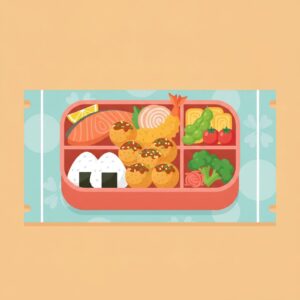
In Tokyo, you might pay extra for ambiance, decor, or brand prestige. In Osaka, the experience is the value. A local friend once explained it perfectly, pointing to a ridiculously cheap yet delicious takoyaki stand: “In Tokyo, they set the price first, then create a product to fit. In Osaka, we make the best product possible, then decide the lowest price we can charge and still survive.” That entrepreneurial spirit—a legacy of Osaka’s role as Japan’s commercial heart—thrives in these backstreets. People don’t want to be overcharged; they want to feel like winners. A night out in Ura Namba feels like a series of small victories—a fantastic plate of sashimi here, a surprisingly good glass of sake there—all for less than one cocktail in an upscale Tokyo bar.
Socializing in Tight Spaces: The Unspoken Rules of the Counter
The physical layout of Ura Namba’s izakayas profoundly influences the social atmosphere. Unlike typical restaurants that emphasize privacy with booths and separated tables, these venues do the opposite. They are designed to encourage social interaction. The counter takes center stage. In many places, the entire seating area is a single counter winding around a small open kitchen. You are quite literally shoulder to shoulder with the person next to you. There is no personal space. This is intentional—it’s a core feature.
This close proximity breaks down the social barriers carefully upheld elsewhere in Japanese society. You can’t ignore the person beside you, so you end up engaging with them. The question isn’t if you’ll strike up a conversation with a stranger, but when. It might begin with a simple query about their food. “Sumimasen, sore, oishii desu ka?” (Excuse me, is that delicious?). This small interaction can quickly develop into a full conversation, drinks shared, stories told. The confined space acts as a social equalizer. It doesn’t matter if you’re a company president or a construction worker; at the counter, you’re just two people enjoying a drink together.
At the heart of this scene is the taisho or “master” of the establishment. They are more than just a cook or bartender; they are the maestro of the evening’s social symphony. They know regulars by name, remember their favorite drinks, and have a unique talent for welcoming newcomers. They might introduce you to the person next to you or crack a joke that breaks the ice for everyone at the counter. This is often misunderstood by foreigners who hear “Osaka people are friendly.” It’s not an innate trait—it’s a practiced skill, cultivated in environments like these. The friendliness serves a purpose. It’s a tool to foster a lively, inviting atmosphere that keeps people coming back. In Osaka, good times are meant to be shared, and the izakaya’s design encourages exactly that.
The Art of the ‘Hashigo-zake’ (Bar Hop)
Another key practice in Ura Namba is the hashigo-zake, or “ladder drinking.” This is the Japanese tradition of bar hopping, and in Osaka, it has a distinctive style. A night out isn’t about settling at one place for hours. It’s a dynamic, flowing experience. The idea is to taste the unique offerings and atmospheres of various spots.
You’ll see groups of friends or coworkers drop into a tachinomi for a quick beer and some doteyaki (slow-cooked beef sinew). They finish in twenty minutes, pay the bill, and move on. The next stop might be a tiny seafood shop for fresh oysters and sake. Then maybe a place famous for crispy kushikatsu (deep-fried skewers). Each location is a new chapter in the night’s journey.
This habit reveals much about the Osaka mindset. It rejects rigidity. There’s no need for reservations or elaborate plans. You follow the vibe, the energy, the scents. It’s a restless curiosity, always eager to discover what’s around the next corner. This contrasts sharply with Tokyo’s more planned nightlife, where popular venues can be booked weeks ahead. In Osaka, spontaneity reigns. The structure of Ura Namba—with its dense cluster of small, specialized, affordable shops—is perfectly suited for this nomadic style of socializing. The unspoken rule is simple: have your drink, enjoy your specialty dish, and move on. Lingering for hours in one cramped spot is a faux pas—you’re occupying precious space. The system is built on constant motion, a steady flow of people moving through the alleys, creating the neighborhood’s vibrant pulse.
Tokyo Polish vs. Osaka Grit
For those familiar with both cities, the contrast between Tokyo’s nightlife and Osaka’s is striking, with Ura Namba epitomizing this difference. Tokyo, especially in its modern districts, often presents a polished, almost curated nightlife experience. The design is deliberate, the lighting perfect, with a sleek overall feel. Even its rugged-chic neighborhoods, like Shinjuku’s Golden Gai, can sometimes come off as preserved Showa-era theme parks, heavily frequented by tourists.
In contrast, Ura Namba feels entirely lived-in and unpretentious. There’s no curated theme—only practicality. The grit isn’t a stylistic choice; it results naturally from decades of small businesses operating under tight budgets. Signs are often hand-painted, menus scribbled on yellowed paper taped to the walls, and décor a random mix of beer posters, celebrity autographs, and personal mementos. It’s messy, but honestly so.
This visible contrast reflects a deeper philosophical divide. Tokyo often values appearance, presentation, the attractive packaging. Osaka, true to its mercantile heritage, values substance. The food must be delicious. Prices must be fair. The atmosphere must be authentic. An Osakan would never pay extra for fancy interiors if the food were subpar. This pragmatic outlook is a point of local pride. The straightforward, gritty environment of Ura Namba sends a message: no frills needed. We’re here for the genuine article. What you see is what you get—and what you get is excellent food, affordable drinks, and raw, unfiltered human connection.
Decoding the Chaos: A Guide for the Uninitiated
Exploring Ura Namba for the first time can feel like trying to read a book in an unfamiliar language. But once you grasp the basic structure, the seeming chaos begins to make sense. It’s a language of energy, light, and sound.
So, how do you pick a spot? Forget online reviews. The best approach is to rely on your senses. Look for the red lanterns (akachochin) glowing outside—they’re the universal symbol of an izakaya. Peek through the door or plastic curtain. Is it crowded? Filled with laughter? A busy, noisy izakaya is usually a good sign, indicating local approval. Follow the smoke—the scent of grilling charcoal acts as a homing beacon for some of the best yakitori you’ll ever enjoy. The key is to trust the collective wisdom of the crowd. Choose the place that feels most vibrant.
Once inside, especially at a standing bar, a few simple etiquette rules apply. These aren’t strict formalities but practical ways to share a small space. Order a drink first, and it’s generally expected you’ll order at least one food item per person. Don’t occupy a large section of the counter with your bags. Be mindful of your space. Most places accept cash only, so be prepared. Payments are often made on a small tray, and you might pay as you go or settle the bill at the end. The most important rule, though, is to relax and stay open. A smile and a willingness to point at what your neighbor is eating will carry you farther than fluent Japanese. The atmosphere is designed to welcome newcomers because its lifeblood is the constant mix of diverse people.
What Ura Namba Teaches You About Living in Osaka
A night spent hopping between the tiny bars of Ura Namba is more than just an enjoyable evening out. It offers a crash course in the culture of Osaka. It reveals that this city’s heart does not lie in its gleaming skyscrapers or famous landmarks, but in these cramped, noisy, human-scale spaces. It demonstrates that community here is not an abstract idea but something tangible, built over shared plates of food and cheap glasses of beer at crowded counters.
Living in Osaka means learning to embrace this beautiful, functional chaos. It involves recalibrating your sense of value, prioritizing substance and human connection over polished surfaces and pristine order. It’s about realizing that a conversation with a stranger is not an intrusion but an opportunity. Ura Namba uncovers the city’s core principles: be practical, be open, don’t take yourself too seriously, and never, ever settle for mediocre food. For anyone wanting to understand what daily life in Osaka is truly like, beyond the tourist paths, the answer is here. It’s in the sizzle of the grill, the clinking of glasses, and the easy laughter that fills the air in the back alleys behind Namba station.