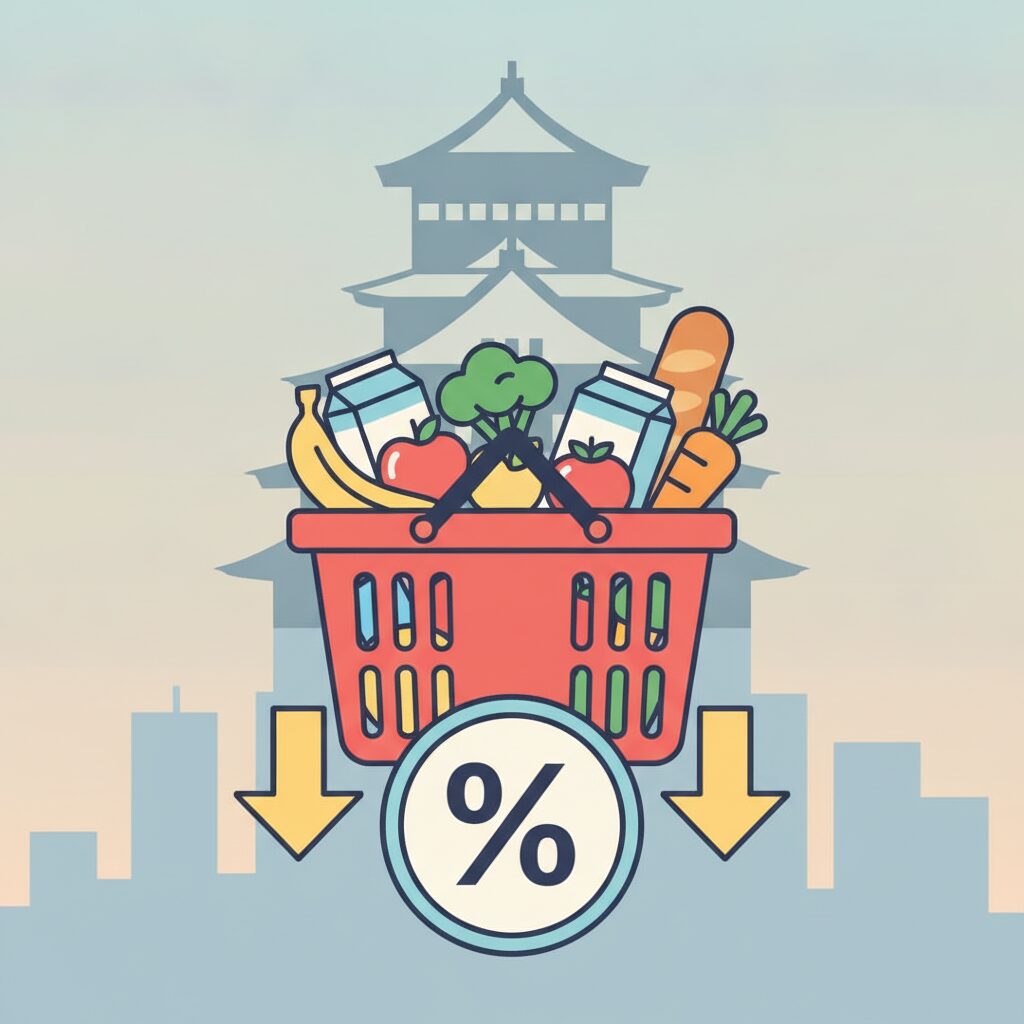
Walk into any given Osaka supermarket around 7 p.m. and the first thing you’ll notice isn’t the food. It’s the energy. There’s a low hum, a collective focus, a sense of strategic movement that feels less like grocery shopping and more like a high-stakes game of chess being played with shopping carts. You’ll see people, from sharp-suited office workers to neighborhood grandmas, circling the prepared foods section. They aren’t just browsing; they’re waiting. Watching. Calculating. This is the nightly ritual, the city-wide hunt for the glorious red and yellow stickers that signal a discount. For an outsider, it can seem a bit intense, almost desperate. But you’re not witnessing a sign of hardship. You’re seeing one of Osaka’s core philosophies in action: the art of living well, and smartly, without wasting a single yen. This isn’t about being cheap; it’s about being clever. It’s a fundamental misunderstanding to equate this savvy pursuit of value with a lack of resources. In Osaka, getting a good deal isn’t something to hide—it’s a victory to be celebrated, a skill to be honed. This nightly dance for discounts, combined with a deep reliance on high-quality prepared dishes known as ‘sozai’, is the secret to how this city eats so incredibly well on a daily basis. It’s a system built on pragmatism, community, and a deep-seated love for good food that doesn’t require a fat wallet. The epicenter of this culture isn’t in a fancy department store basement; it’s in the brightly lit aisles of your local supermarket and, even more so, within the covered arcades of a ‘shotengai,’ the lifeblood of Osaka’s neighborhoods.
Alongside Osaka’s spirited culinary traditions, emerging trends such as international hotel investment in Kansai further underscore the region’s dynamic, post-Expo resurgence.
The Unspoken Rules of the ‘Waribiki’ Hunt
The evening discount rush, known as the ‘waribiki’ hunt, follows a set of unwritten rules and rhythms that every local instinctively grasps. It begins as night falls, when a store employee appears from the back, equipped with a pricing gun and rolls of brightly colored stickers. This person acts as the conductor of the nightly performance. As they make their way to the shelves stocked with bento boxes, sushi packs, and fried chicken, a quiet tension arises. Shoppers, who moments earlier wandered casually through the aisles, start to gather. They form a loose, revolving circle, their eyes fixed on the prize. It’s a dance of anticipation—no one wants to seem overly eager, yet everyone is ready to act.
Reading the Room, Not Just the Labels
The key skill in this setting is picking up on social cues. There’s a distinct etiquette to the hunt. You don’t physically block someone else’s path. You avoid hovering over the employee’s shoulder or breathing down their neck. You give them room to work. When the stickers go on, you don’t greedily grab an entire discounted category. It’s a shared resource, and the unspoken rule is to take what you need, leaving some for others. This might seem surprising in a city known for its bluntness, but it’s a form of social contract. It’s a competition, yes, but a courteous one. The ultimate prize is the ‘hangaku’ sticker—半額, meaning 50% off. This often appears in the last hour before closing, turning polite circling into focused, decisive action. In Tokyo, people may discreetly slip discounted items into their baskets with a hint of embarrassment. In Osaka, scoring a half-priced premium sushi platter is a badge of pride. You might even receive a nod of approval from a fellow hunter—a silent recognition of a shared triumph. This open embrace of saving money is a defining trait. It’s not about poverty but ‘kashikoi’—being smart and savvy. Spending more than necessary is seen as foolish, and Osakans are anything but that.
The Arsenal of the Savvy Shopper
Regulars arrive prepared for this quest. They bring large, sturdy eco-bags and hold a mental map of the supermarket, knowing exactly where the highest-value items lie—the sashimi section, the tempura area, the daily bento display. They understand the patterns. Perishables like raw fish and salads typically receive 20% or 30% discounts earliest. Heartier items are discounted later. True veterans know local store schedules—Supermarket A kicks off its first round of discounts at 6:30 p.m., while Supermarket B waits until 8 p.m. for the deepest cuts. This daily ritual is more than a chore; for many, it marks the start of their evening. After a long day at work, it offers a way to decompress, shifting from professional to home mode. The small thrill of the hunt and the satisfaction of securing a delicious, affordable meal is a simple yet meaningful part of daily life here. It’s a practical, grounding activity that links people to their food, their budget, and the rhythm of their neighborhood.
‘Sozai’: The Heartbeat of the Osaka Kitchen
Alongside the discount culture is a deep, steadfast reliance on ‘sozai’. Often translated as ‘deli food’ or ‘side dishes’, these terms fail to convey its cultural importance. Sozai comprises thousands of prepared dishes that serve as the foundation of everyday meals in Osaka. This includes everything from glossy packs of ‘kinpira gobo’ (braised burdock root and carrot) and creamy potato salad to perfectly fried ‘karaage‘ (Japanese fried chicken), delicate ‘dashimaki tamago’ (rolled omelets), and intricate ‘nimono’ (simmered dishes). Sozai counters in supermarkets and specialty stores offer a vibrant array of flavors, colors, and textures, providing an impressive variety of ready-to-eat options that transcend simple convenience foods.
Why Sozai Isn’t ‘Lazy’ Cooking
A common misconception among newcomers to Japan is that relying on pre-made dishes is a shortcut—a sign of being too busy or unwilling to cook. In Osaka, nothing could be further from the truth. Using sozai is seen as a smart and strategic cooking approach. The reasoning is highly practical: why spend an hour carefully simmering pumpkin in dashi when a local expert, who’s perfected that recipe for decades, offers a superior version for 300 yen? It’s not about avoiding cooking; it’s about optimizing it. Sozai is generally of very high quality. It’s not mass-produced or filled with preservatives. Most sozai is prepared fresh on-site or in a central kitchen each morning using authentic ingredients. It’s genuine food made by professionals, crafted to taste like home cooking—or often even better. This enables people to create varied and nutritionally balanced meals without spending hours each night cooking from scratch.
The ‘One More Dish’ Philosophy
Sozai is the driving force behind the ‘ato ippin’ philosophy. ‘Ato ippin’ means ‘just one more dish’. It’s the idea of enhancing a simple meal with an extra element. A typical Osaka household might prepare the main parts of dinner: cooking rice, making miso soup, and perhaps grilling fish. But to complete the meal, they turn to sozai. They’ll pick up a small portion of seaweed salad, a few potato croquettes, or some braised eggplant. This approach allows for remarkable variety with minimal effort, preventing meal monotony and providing a broader range of nutrients. Families can enjoy a different lineup each night of the week, all thanks to the sozai system. This method supports working parents, single professionals, and the elderly, making it possible to enjoy well-balanced traditional Japanese meals without the extensive time investment required for cooking entirely from scratch. It’s a tribute to Osaka’s knack for making life not only easier but also more delicious.
The Shotengai: Where Community and Commerce Collide
If the supermarket serves as the arena for an efficient, tactical hunt for dinner, the ‘shotengai’—the covered shopping arcade—represents the soulful, communal core of Osaka’s food culture. These extensive arcades, some stretching for kilometers, are a distinctive feature of the city’s landscape and stand in sharp contrast to the often impersonal, chain-store-filled streets of Tokyo. While supermarkets provide convenience and one-stop shopping, the shotengai offers specialization and a human touch. Here, the sozai culture truly comes alive, transitioning from plastic-wrapped convenience to warm, personal interaction.
More Than Just a Shop: The ‘Itsumo no O-mise’ (The Usual Shop)
Strolling through a shotengai like Tenjinbashisuji or Kuromon Market, you’re not just a consumer; you’re woven into a neighborhood tapestry. You don’t simply visit ‘a’ butcher; you go to ‘your’ butcher. You have an ‘itsumo no o-mise,’ or ‘the usual shop,’ for everything—tofu, fish, vegetables, and especially sozai. These are often small, family-run businesses where craft has been honed over generations. There’s the tofu shop selling silky, fresh-made tofu and deep-fried ‘atsuage.’ The fishmonger expertly slices sashimi for you on the spot. And then there are the ‘sozai-ya,’ shops devoted entirely to prepared dishes. Their display cases burst with culinary delights—golden-brown tempura, simmering oden pots, and a variety of vegetable-based dishes. The connection is personal. The shopkeeper knows your face, maybe even your name. They remember your preferences.
The Banter and the ‘Omake’
What truly sets the shotengai experience apart is the communication. Transactions are rarely quiet. The shop owner, often a fast-talking, joke-cracking Osakan character, will engage you in banter. They’ll comment on the weather, ask about your day, or suggest what’s especially good that afternoon. This interaction is vital. This is where the magic of ‘omake’ shines. ‘Omake’ means ‘a little extra’ or ‘a bonus.’ It’s the moment you buy five croquettes, and the owner smiles, tossing a sixth one into the bag, saying, “Hai, kore omake!” (“Here, this one’s on the house!”). This isn’t a calculated marketing tactic. It’s a gesture of goodwill, a social lubricant that strengthens the bond between shop and customer. It’s an expression of gratitude for your patronage. This simple, warm gesture embodies the soul of Osaka commerce. It’s a feeling of being cared for, of belonging to a community unlike the hyper-efficient, impersonal supermarkets of larger cities like Tokyo. It transforms the daily chore of buying food into a genuinely enjoyable social experience.
Osaka vs. Tokyo: The Pragmatist’s Plate

The difference in how people approach their daily food shopping in Osaka and Tokyo offers insight into the distinct characters of the two cities. Tokyo, in many respects, is a city of presentation and refinement. Its food culture is often symbolized by the ‘depachika‘—the dazzling and expansive food halls found in the basements of luxury department stores. Here, food is beautifully packaged, branded, and presented as a gourmet product. It’s visually appealing and delicious, but usually comes with a premium price and a certain formality. Although Osaka has depachika as well, they don’t shape the city’s everyday food habits. The true focal points are the local supermarket and the lively shotengai.
Osaka’s food philosophy is grounded in ‘jitsuri,’ which means practical benefit or substance over style. It emphasizes cost-performance. An Osakan will look at an elegantly wrapped bento in a Tokyo depachika and immediately weigh it against what they could find at their local shotengai for half the price. The question isn’t “How does it look?” but instead, “Is it good value for the money?” This pragmatism cuts through all the pretension. There’s no shame in valuing affordability; in fact, it’s a source of pride. This mindset explains the enthusiasm for evening discount hunts. It’s not just about saving money; it’s about the satisfaction of having outsmarted the system. This straightforward, practical approach to life is quintessentially Osaka. While Tokyo may focus on maintaining a certain image, Osaka prioritizes getting a good, hearty meal on the table without any unnecessary fuss or expense.
What This Teaches You About Living in Osaka
To truly grasp Osaka, you must observe how its people eat. The daily trips to the supermarket and leisurely strolls through the shotengai are more than mere errands; they are cultural rituals that reveal the city’s essence. This entire ecosystem—the strategic search for ‘waribiki’ stickers, the savvy use of high-quality ‘sozai’, and the friendly, banter-filled exchanges in the shotengai—depicts a city that is deeply practical, community-focused, and genuine.
Embracing this culture is one of the quickest ways for a foreigner to stop feeling like a visitor and start feeling like a local. When you find yourself instinctively scanning the prepared foods section for discount stickers, or when you develop a ‘usual’ tofu shop where the owner offers you a little ‘omake’, you’ve crossed a significant threshold. You’ve attuned to the city’s rhythm. You’ve discovered that in Osaka, value isn’t a dirty word, and community isn’t just an abstract notion but something created through small, daily interactions over a counter of freshly fried tempura. Living here means understanding that life’s pleasures don’t have to be costly. It’s about finding joy in the everyday, the triumph in a good bargain, and warmth in a simple, human connection. It’s about mastering the art of living smartly and deliciously, a lesson Osaka teaches better than anywhere else.