Spend enough time in Osaka, and you’ll notice a rhythm. It’s a city of relentless forward motion, a concrete jungle fueled by takoyaki and the booming laughter of its people. Osakans are fiercely, unapologetically proud of their home. They’ll defend its grit, its glorious lack of pretension, and its title as Japan’s kitchen to their last breath. But you’ll also notice something else, a subtle pattern that emerges on sunny weekends. The trains heading west, out of the chaotic hubs of Umeda and Namba, are full. Where are they going? They’re not flocking to Kyoto’s golden pavilions or Nara’s bowing deer—those are for special occasions, for showing visiting relatives a good time. No, the regular escape, the preferred psychic reset for the everyday Osakan, is a mere thirty minutes away. They’re going to Kobe.
This is a puzzle that baffles many newcomers. Why trade one major Kansai city for another that’s practically its neighbor? What could Kobe possibly offer that Osaka, with its endless entertainment and world-class food, doesn’t already have in spades? The answer isn’t about ticking off sights from a checklist. It has nothing to do with Kobe beef or the famous Port Tower that punctuates the skyline. The weekly exodus to Kobe is a cultural ritual. It’s a quiet confession. It reveals a deep-seated desire within the Osakan soul for a specific kind of beauty, a temporary reprieve from the very things that make Osaka, Osaka. By exploring the winding, hilly streets of Kobe’s Kitano district and the chic, relaxed avenues of Motomachi, we don’t just learn about Kobe. We learn about the unspoken needs and aesthetic aspirations of the people of Osaka. It’s an escape not from their city, but into a different version of themselves, a version that craves sea breezes over subway rumbles, and artisanal bread over battered octopus. This journey west is a key to understanding the complex, vibrant, and surprisingly sentimental heart of Osaka.
For those intrigued by alternative urban rhythms, exploring the cost of cycling in Osaka offers a unique insight into the city’s vibrant pace.
The Great Escape: Trading Grit for Grace
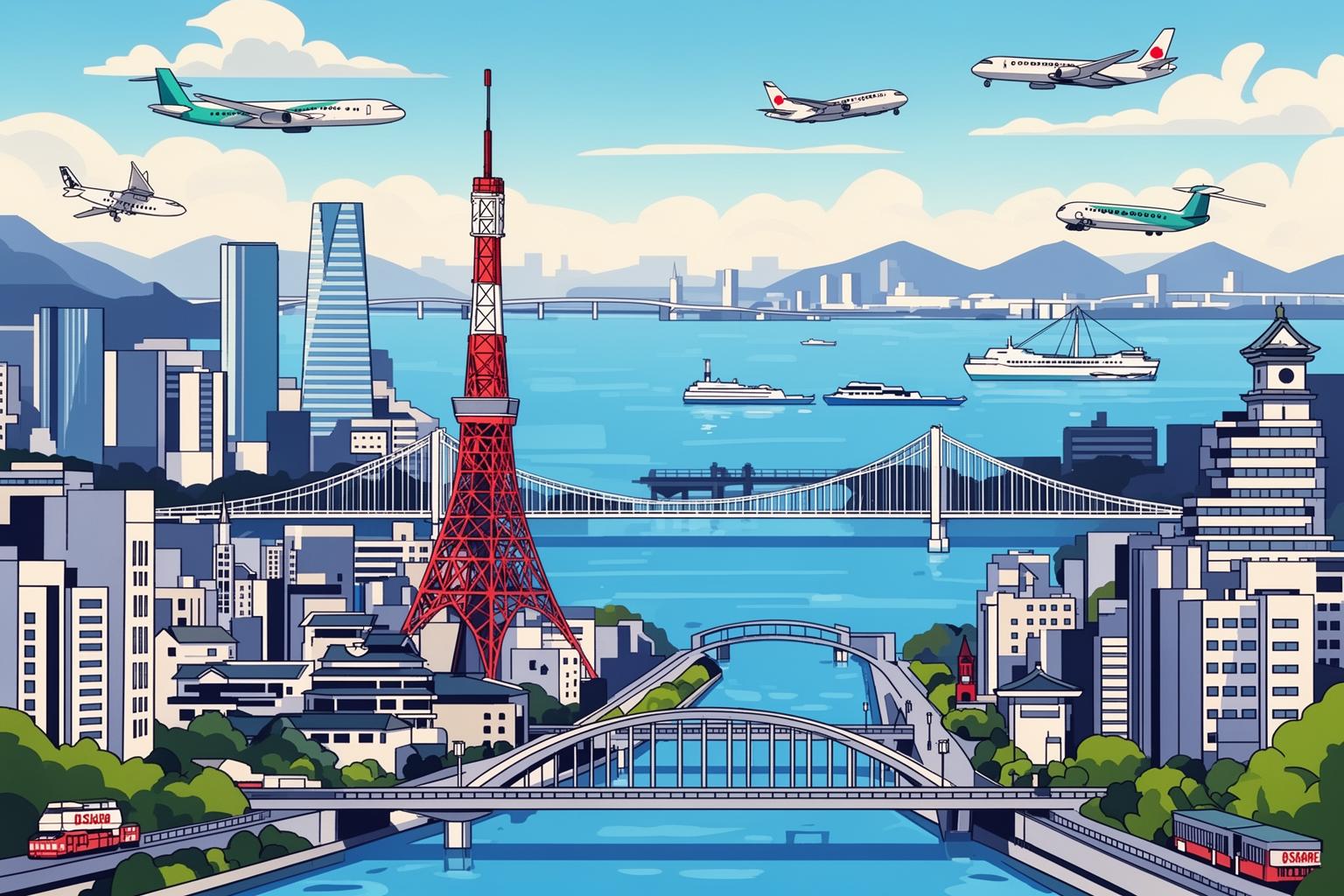
At its essence, the Osaka-to-Kobe pilgrimage is a sensory exchange. It’s a conscious choice to trade the familiar, comforting chaos of home for an atmosphere of carefully curated tranquility. This isn’t about one city being objectively ‘better’ than the other; such a notion would be quickly dismissed by Osakans, who possess a strong local pride. Rather, it’s about recognizing that different environments fulfill different human needs. Osaka’s setting is designed for commerce, community, and high-energy living. Kobe’s, especially the areas Osakans tend to favor, feels crafted for contemplation, quiet appreciation, and a gentler pace of life. This escape serves as a rebalancing act, allowing one to experience an alternative way of being before returning to the city that truly defines them.
Osaka’s ‘Kona-mon’ vs. Kobe’s ‘Pan’ Culture
To grasp the fundamental difference, you must begin with the stomach. Osaka’s identity is deeply tied to `kona-mon`, or flour-based culture. Takoyaki, okonomiyaki, kushikatsu—these form the core of the local diet. These are foods of the people: quick, hearty, and intensely social. They are eaten gathered around a sizzling griddle, standing at a street stall while chatting with the owner, or packed into a lively izakaya with friends. The philosophy is `kuidaore`, to eat until you drop. It’s about abundance, flavor, and a shared, boisterous experience. The setting is secondary to the act of eating. The plastic plate, the simple wooden chopsticks—they serve merely as vessels delivering maximum satisfaction with minimal fuss.
Now, step off the train in Kobe and walk towards Motomachi. The scent shifts. It’s no longer the savory aroma of dashi and fried batter; it’s the rich, intoxicating smell of baking bread. Kobe is famed across Japan for its `pan`, or bread, culture. This transcends mere sustenance; it is an art form. Bakeries here are more than shops; they are destinations. Places like S. Koyama or Ca Marche are spoken of with a reverence usually reserved for temples. People don’t just grab a loaf; they patiently queue, examining intricate pastries and artisanal breads as though they were museum exhibits. The experience is one of quiet appreciation. The emphasis is on craftsmanship, the perfect crust, the delicate crumb, the subtle layering of flavors. You buy your bread, perhaps find a quiet bench overlooking the harbor, and savor it slowly. For an Osakan, this is a radical shift in mindset. It’s a deliberate departure from the communal, all-you-can-handle energy of `kuidaore` toward a personal, refined moment of culinary enjoyment. They come to Kobe not merely to eat bread but to engage in a culture that values patience, detail, and presentation—qualities often secondary to efficiency and volume in their own city’s food scene.
The Sound of the City: From Danjiri Beats to Harbor Breezes
The sensory shift goes well beyond taste. Close your eyes in the heart of Osaka’s Shinsaibashi shopping arcade on a Saturday. What do you hear? A symphony of urban life at full blast. The relentless chime of pachinko parlors, the shouted `irasshaimase!` from countless storefronts, the rumble of the Midosuji subway line beneath your feet, the cacophony of a thousand overlapping conversations in the vibrant Kansai dialect. It’s a city that proclaims its presence. Its energy is audible, a constant hum of human activity that is equally exhilarating and, over time, exhausting. This is the soundtrack of life in Osaka, a city that is always on, always performing, always demanding your attention.
Now, imagine yourself on the sloping streets of Kitano in Kobe. The first thing you notice is the relative quiet. The city’s noise is softened by the steep incline and lush greenery. The ambient soundscape is completely different. Instead of traffic and commerce, you hear the rustle of leaves in the gardens of old foreign residences. You catch the distant, mournful call of a foghorn from a ship in the harbor, evoking notions of distance and travel. You hear the gentle clinking of porcelain as someone enjoys coffee at a hillside café with a panoramic view. Conversations are subdued, footsteps measured. For an Osakan used to the city’s constant roar, this quiet is not emptiness. It is a presence in itself—a form of luxury, a place to think, breathe, and converse without shouting. It’s a sensory detox. They don’t escape Osaka to avoid its noise; they escape to Kobe to relish the profound pleasure of its absence, making the return to Osaka’s familiar, chaotic symphony feel like coming home.
The Aesthetics of Daily Life: Why ‘Stylish’ Means Something Different Here
The weekend trip to Kobe also serves as an aesthetic pilgrimage. Osakans are known for their bold and expressive personal style, which mirrors the city’s larger-than-life character. However, ‘stylish’ is a flexible concept, and the version found in Kobe is worlds apart from Osaka’s flamboyant charm. This contrast in fashion, architecture, and the very use of space highlights the differing values underlying each city’s culture. In Osaka, style often functions as a form of communication—making a statement, signaling affiliation, or engaging in a public performance. In Kobe, the style Osakans seek leans more towards personal comfort, understated quality, and a harmonious connection with the environment.
Fashion on the Streets: Leopard Print vs. Linen
The stereotype of the Osaka `obachan` (middle-aged woman) dressed head-to-toe in leopard print is a cliché, but like all good clichés, it holds a kernel of truth. Fashion in Osaka tends to be about visibility. It’s marked by bright colors, bold patterns, and a playful flashiness. This visual style reflects the city’s uninhibited spirit. The aim isn’t necessarily classical elegance but memorability—a way to express a vibrant personality. It’s a style that communicates, ‘I’m here, I’m fun, and I’m not afraid to stand out.’ This attitude fuels local pride and stands as a rejection of the more reserved, conformist aesthetic often associated with Tokyo.
Stroll through the old Motomachi district in Kobe, and the fashion scene shifts dramatically. The prevailing aesthetic is understated elegance, a form of maritime chic that suits the port town perfectly. You’ll find muted colors—navy, white, beige, and olive—instead of bold patterns. Attention centers more on material quality: crisp linen shirts, finely crafted leather goods from local artisans, classic trench coats. The style prioritizes quiet confidence and timelessness over making a loud statement. For an Osakan visitor, dressing for a day in Kobe is part of the experience. They might leave their glittery tops and patterned pants behind, opting for a simpler, more refined look. It’s a kind of role-playing, a temporary shedding of their boisterous Osaka persona in favor of a more serene, worldly Kobe one. It offers an escape from the expectation to be constantly ‘on’ and a chance to inhabit a style that feels more internal and reflective.
City Planning and Personal Space: The Grid vs. The Hill
The layouts of the two cities also shape the mindset of their residents. Osaka is the quintessential merchant city, built on a vast, flat delta. Its design follows a practical grid, optimized for efficient movement of goods and people. Neighborhoods are tightly packed, with buildings shoulder-to-shoulder, making the most of every inch of land. Life is lived in close quarters, with neighbors always in close proximity. This closeness fosters a strong sense of community and casual intimacy but also makes personal space scarce and undervalued. The city’s energy derives from this compression and constant close-up interaction.
Kobe, meanwhile, is defined by geography, squeezed dramatically between the steep Rokko Mountains and the deep port waters. This terrain makes a neat grid impossible—the city climbs instead. Streets in Kitano, for example, are winding and steep. This topography profoundly affects psychology. Walking uphill slows the pace, while twists in the road reveal hidden corners, secluded alleys, and private gardens—offering a sense of discovery and seclusion rare in Osaka’s flatlands. Most importantly, the elevation provides perspective. From a café in Kitano, you can look out over the city, port, and shimmering sea beyond. This expansive view fosters a feeling of openness—a mental and visual release from Osaka’s enclosed, street-level experience. For an Osakan, physically climbing a hill in Kobe becomes a metaphor for gaining perspective on their own life—a way to rise above the daily grind, see the bigger picture, and experience a spaciousness their city’s geography cannot offer.
The Foreigner’s Gaze: Deconstructing Kobe’s ‘Exotic’ Appeal
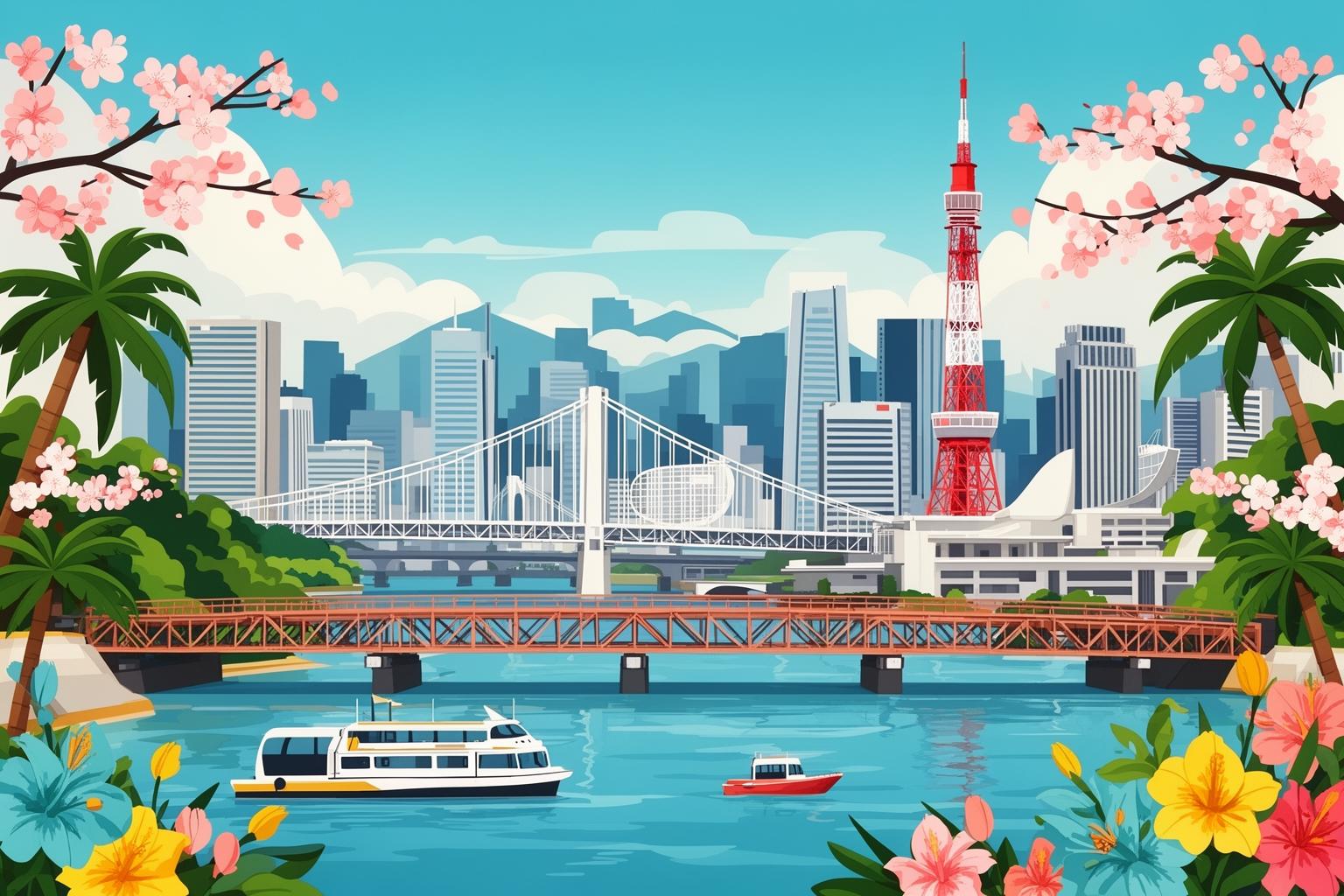
One of the main attractions of Kobe, particularly the Kitano district, is its history as a port city open to the West. This legacy has left a distinctive architectural and cultural mark that captivates Japanese visitors, including those from Osaka. However, the perspective of a foreign resident and that of an Osakan can differ greatly. Kobe’s ‘foreignness’ is a carefully crafted, romanticized idea that functions as a form of escapism, standing in stark contrast to Osaka’s more practical and lived-in multiculturalism.
Kitano’s ‘Ijinkan’ and Osaka’s Connection with the ‘Other’
The hills of Kitano are renowned for their `ijinkan`, former homes of foreign merchants and diplomats who settled there in the late 19th and early 20th centuries. To visitors from Europe or North America, these Victorian and Gothic-style houses may appear quaint, somewhat old-fashioned, but ultimately familiar, reflecting a shared architectural heritage. For Osakans, however, these buildings represent something quite different. They are more than mere old houses; they serve as gateways to a fantasy. They physically embody a romanticized Meiji-era image of ‘the West’—a world seen as elegant, refined, and exotic.
Osaka’s historical relationship with foreign cultures is grounded in trade and pragmatism. Areas like Tsuruhashi, home to a bustling Koreatown, exemplify this. It’s a lively, chaotic, and deeply integrated part of the city’s identity. The culture there is vibrant, evolving, and authentically Osakan-Korean. In contrast, Kitano’s `ijinkan` provide a different kind of encounter. The ‘foreignness’ here is preserved like a museum exhibit. The houses are frozen in time, maintained with a distinctly Japanese sense of order and cleanliness. Visitors pay an entrance fee to wander through immaculate parlors and dining rooms, imagining lives of tea parties and ball gowns. Osakans visit not to grasp the complexities of foreign life, but to immerse themselves in a beautiful, simplified, and non-threatening fantasy. It’s an aesthetic experience rather than a cultural immersion. It offers the thrill of the exotic without the challenges of genuine cross-cultural engagement. It is the polished ideal that contrasts with Osaka’s messy, complicated reality.
Motomachi’s Chinatown: Another Flavor of Global
This idea extends to Kobe’s Nankinmachi, its well-known Chinatown. From the perspective of someone with a Chinese cultural background, the difference between Nankinmachi and the international enclaves of Osaka is especially noticeable. Nankinmachi is wonderfully photogenic. It is a compact, pedestrian-friendly square marked by ornate gates and filled with vendors selling steamed buns and Peking duck. The area is clean, orderly, and highly welcoming to tourists. While the food is delicious, it is often delicately adjusted to suit Japanese tastes. Essentially, it is a beautifully packaged showcase of Chinese culture, designed for easy enjoyment.
In contrast, Osaka’s international districts offer a more diffuse presence. The experience is less a curated display and more a full-immersion plunge. Shops and restaurants serving various foreign communities are dispersed and integrated into everyday neighborhoods. They can be gritty, chaotic, and unapologetically authentic, catering primarily to the tastes of their original communities. For an Osakan spending a weekend out, the Nankinmachi model is far more attractive. It provides a taste of another culture in a predictable, high-quality, and manageable form. Visitors can enjoy the sights, sounds, and flavors for a couple of hours, then retreat to the calm of a nearby Japanese café. It’s foreignness as a pleasant diversion rather than a complex lived experience. It satisfies the desire for worldly sophistication without requiring much effort, making it the perfect balance for a relaxing day away from the demanding energy of home.
The Verdict: Coming Home to Osaka
The magic of the Kobe escape lies not only in the destination itself but also in the return journey. The true aim of the trip is not to declare Kobe superior, but to refresh one’s capacity to love Osaka. After a day filled with quiet reflection, sea views, and delicate pastries, the train ride back east becomes an essential part of the ritual. It’s a moment of transition, a mental preparation for reentering a world that operates on an entirely different wavelength.
The Sunday Night Train Back to Umeda
As the train arrives at the vast, sprawling maze of JR Osaka or Hankyu Umeda Station, the contrast hits immediately and viscerally. The gentle hum of Kobe is replaced by the roar of Osaka. The sheer density of the crowd, the blast of warm, humid air, the overlapping announcements, the glare of countless neon signs—it’s an all-out sensory assault. But after a day of calm, it doesn’t feel overwhelming. It feels alive. It feels like home.
The energy that was exhausting on Friday now feels invigorating. The city’s pulse, which you needed to escape, is now something you can reconnect with. You walk through the station, past boisterous groups of friends planning their night out, past salarymen grabbing a quick beer at a standing bar, and you feel a sense of belonging. The carefully crafted perfection of Kobe was beautiful, but this chaotic, imperfect, deeply human energy is what sustains you. You’ve had your moment of grace; now you’re ready for the grit.
Why the Escape Makes Osaka Better
In the end, the weekend escape to Kobe is not an act of betrayal against Osaka. It is an act of devotion. It acknowledges that even the most passionate love affair needs a little space to breathe. Kobe serves as Osaka’s elegant, quiet alter ego. It offers an aesthetic and psychological counterpoint that highlights what is unique and lovable about Osaka itself. It’s a relationship of symbiotic contrast. You can only fully appreciate Osaka’s raw, honest `honne` (true feelings) after spending a day amid the beautiful, polite `tatemae` (public face) of Kobe’s picturesque neighborhoods.
Osakans visit Kobe to feel ‘stylish’ in a way that differs from their everyday selves. They go to find quiet, to gain perspective from a hillside, and to savor food crafted with delicate precision. They take on a role for a day—the sophisticated urbanite, the quiet connoisseur. Then, with their energy renewed and aesthetic hunger satisfied, they return. They come back to their loud, funny, pragmatic, and fiercely loyal city, ready to plunge into its wonderful, glorious chaos. Understanding this weekly ritual means understanding a fundamental truth about the people of Osaka: their love for their city is so deep and all-encompassing that, to truly appreciate it, they sometimes have to leave it behind, if only for an afternoon.