
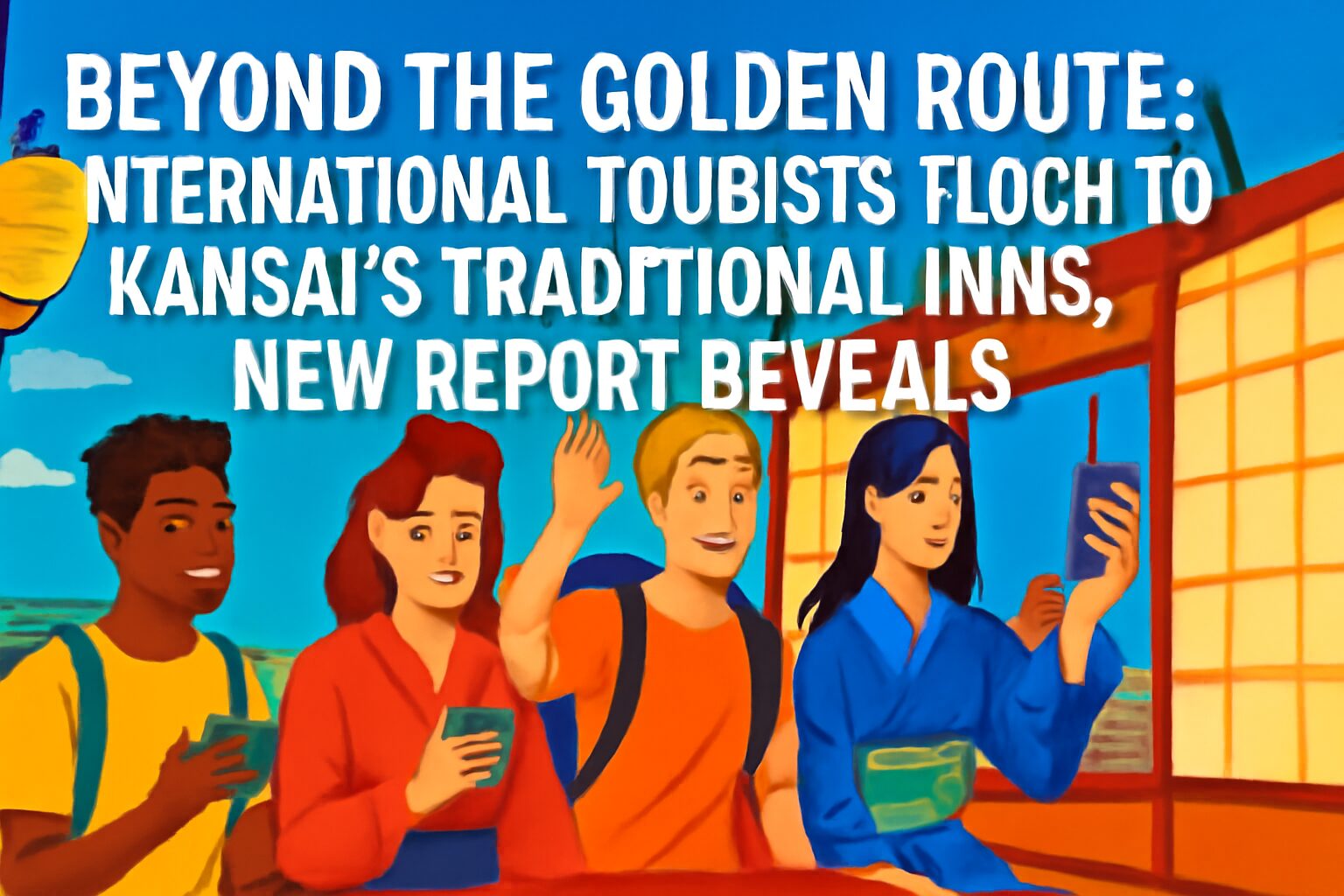
A new trend is reshaping Japan’s tourism landscape. International travelers are venturing beyond the well-trodden “Golden Route” of Tokyo, Hakone, and Kyoto, setting their sights on deeper, more authentic experiences in regional areas, with a particular focus on the Kansai region. A report released on April 1 by Hoshino Resorts provides compelling data that highlights this significant shift, pointing towards a future where cultural immersion in destinations like Osaka and its surroundings becomes the new standard for inbound travel.
A Staggering Surge for Traditional Ryokans
The most striking finding from the report, based on 2025 booking data, is the explosive growth in demand for traditional Japanese accommodations. Stays at Hoshino Resorts’ “Kai” brand, a collection of upscale onsen ryokans (hot spring inns), by overseas guests have surged by an incredible 247% compared to pre-pandemic levels.
This figure is more than just a number; it signals a profound change in traveler priorities. The modern, minimalist hotel is being passed over for the tatami mats, onsen baths, and heartfelt omotenashi (Japanese hospitality) that ryokans offer. For visitors to Kansai, this means a growing desire to complement the urban excitement of Osaka with the serene, culturally rich experiences found in the region’s historic inns.
The Era of Deeper Exploration: Longer Stays, Richer Experiences
The report also sheds light on changing travel patterns. The average length of stay per property for international visitors has increased to 3.12 nights. This trend, led predominantly by travelers from Western markets, indicates a move away from whirlwind, “tick-box” tourism.
Instead of rushing from one landmark to another, visitors are choosing to stay longer in one place, allowing them to soak in the local atmosphere, explore hidden gems, and engage with the culture on a more meaningful level. Kansai, with its compact geography and diverse offerings—from Osaka’s vibrant food scene to Kyoto’s tranquil temples and Nara’s historic parks—is perfectly positioned to cater to this style of immersive travel.
Background: Why the Shift to Kansai Now?
Several factors are fueling this move towards regional Japan. The post-pandemic traveler is often a more discerning one, seeking unique experiences that go beyond a selfie at a crowded tourist spot. Many are repeat visitors to Japan who have already experienced the Golden Route and are now eager to discover what lies beyond.
Kansai offers the perfect blend of accessibility and authenticity. Osaka acts as a dynamic hub with world-class dining and entertainment, while just a short train ride away, travelers can find themselves in the timeless elegance of Kyoto, the sacred tranquility of Koyasan in Wakayama, or the rejuvenating hot springs of Hyogo. This variety allows visitors to craft a multi-faceted itinerary without spending excessive time in transit.
Future Impact: What This Means for Osaka and the Kansai Region
This trend is poised to have a significant and lasting impact on the region.
A Boost for Regional Economies
As tourism disperses, the economic benefits will spread more widely. This shift will revitalize local businesses, from traditional inns and craft shops to family-run restaurants in smaller towns. For the Kansai region, it presents a golden opportunity to showcase the unique charm of its diverse prefectures and combat the challenges of overtourism concentrated in specific Kyoto hotspots.
Evolving Traveler Expectations
For travelers planning a trip to Osaka, this trend opens up a new world of possibilities. It encourages a new travel style: using Osaka as a base for urban exploration while taking multi-day trips to nearby onsen towns or cultural sites. Hotels and tour operators in the region will likely respond by developing more culturally immersive packages and strengthening multilingual support to meet this demand. The focus will shift from simply providing a bed to curating an unforgettable Japanese experience.
In conclusion, the data from Hoshino Resorts is a clear indicator that the future of tourism in Japan is regional, cultural, and immersive. The Kansai region, with Osaka at its heart, is not just a beneficiary of this trend—it is set to become a leading destination for the new wave of international travelers seeking the true soul of Japan.








