Step off the Shinkansen in Osaka, and the air hits different. It’s not just the humidity in summer or the savory scent of takoyaki from a street-side stall. It’s the energy. A current of commerce, a rhythm of raw, unfiltered life that feels distinct from the polished hum of Tokyo or the reserved grace of Kyoto. You’re in the land of the akindo, the merchant, and that spirit isn’t just confined to the covered shopping arcades or the corporate towers of Umeda. It’s in the DNA of the city. It dictates how people talk, how they shop, how they eat, and how they live. For an outsider, this mindset can be a paradox: refreshingly honest one minute, bafflingly transactional the next. It’s a culture built on a foundation of pragmatism and a concept often misunderstood by foreigners and even other Japanese: kechi.
Now, kechi is a loaded word. A standard dictionary will tell you it means stingy, cheap, or miserly. And in many parts of Japan, that’s exactly how it’s used. But in Osaka, it’s different. It’s a badge of honor, a sign of intelligence. It’s not about refusing to spend money; it’s about refusing to waste it. It’s about an obsession with value, a deep, abiding respect for kosupa—cost performance. This merchant mentality, this proud kechi spirit, is the key to understanding the city’s soul. It explains why a conversation with a stranger can feel like a friendly negotiation, why lunch deals are a sacred ritual, and why substance will almost always trump style. This isn’t a city that puts on airs. It’s a city that gets down to business, whether that business is selling electronics or grilling okonomiyaki. And for anyone looking to make a life here, getting a handle on this mindset is everything. It’s the difference between feeling like a tourist and feeling like you’re finally in on the joke.
Osaka’s relentless focus on value not only shapes everyday interactions but also drives an impressive influx of accommodation options, as seen in the rising hotel boom that is redefining the city’s hospitality landscape.
The Gospel of Value: Why a Good Deal is the Highest Virtue
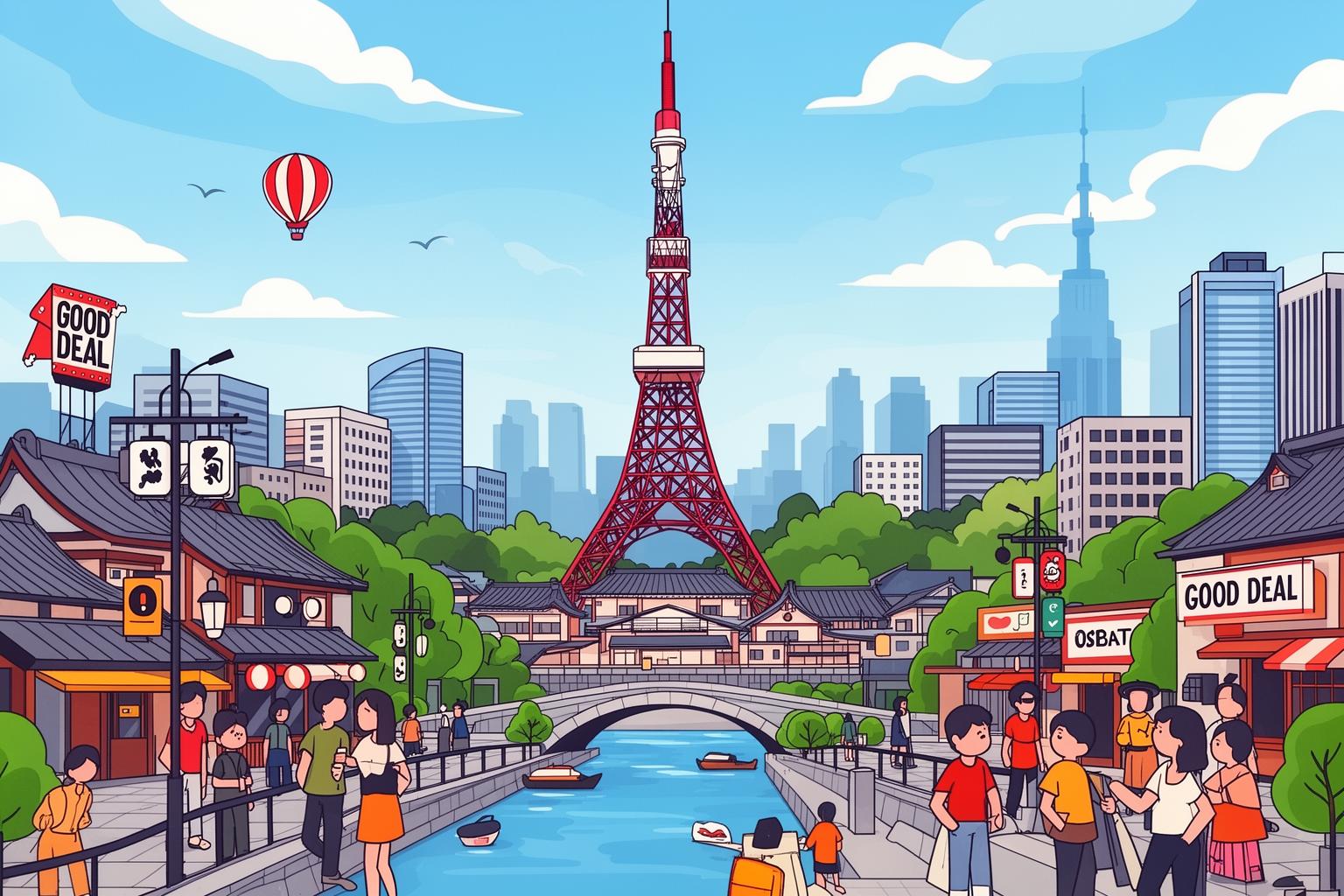
In Tokyo, status is often linked to the brand you wear or the exclusive restaurant where you dine. In Kyoto, it tends to be connected to heritage, artistry, and understated elegance. Meanwhile, in Osaka, status is much simpler: it’s about having found the best deal. The highest compliment you can receive isn’t about how expensive your new jacket is, but how incredibly cheap it was for its quality. Hearing “You paid how much for that? Unbelievable!” is music to an Osakan’s ears.
This attitude is evident everywhere, most notably in the city’s famous shotengai, or covered shopping arcades. Areas like Shinsaibashi-suji and the vast Tenjinbashi-suji serve as the heart of this culture. They are more than just shopping destinations; they are arenas for the art of negotiation. Here, the price tag often marks only the start of a conversation. This isn’t the high-pressure haggling you might experience elsewhere in the world. It’s a friendly, nearly playful exchange. You inquire about the product, show genuine interest, and then might say, “Chotto makete kureru?” (Can you give me a little discount?). More often than not, the shopkeeper, an experienced merchant, will smile, maybe joke about how tough a negotiator you are, and reduce the price by a few hundred yen or throw in a small bonus. The transaction feels personal and human. You’re not merely a customer; you’re part of a centuries-old tradition.
As someone who spends a lot of time outdoors, I see this dynamic regularly when purchasing hiking gear. In many cities, I might visit a large chain store and pick out boots from the shelf. In Osaka, I go to a small, specialized shop in Namba. The owner dedicates an hour to analyzing my gait, discussing the advantages and disadvantages of various materials, and sharing personal hiking stories. By the end, I not only have the perfect boots but often receive a “service” price—a small discount for my loyalty—or a pair of high-quality wool socks as a gift. This isn’t just about saving money. It’s about building a relationship and knowing I’ve secured the absolute best value: expert advice, a durable product, and a fair price. That’s the real Osaka win.
The Flip Side: When Pragmatism Feels Blunt
This strong focus on function and value comes with some trade-offs. One of the first things you might notice is that Osaka can feel a bit rough around the edges. Aesthetics often play second fiddle to practicality. A beloved local restaurant might have peeling wallpaper, mismatched chairs, and harsh fluorescent lighting, yet if the food is outstanding and the prices are low, there will be a line out the door every day. The logic is straightforward: why spend money on fancy décor when that money could be used to source better ingredients or keep prices affordable? This can feel jarring if you come from Tokyo, where presentation, ambiance, and omotenashi (hospitality) are often just as important as the product.
This pragmatism also influences social interactions. The merchant culture has cultivated a communication style that’s famously direct. People in Osaka tend to speak their minds, for better or worse. There’s less emphasis on the tatemae (public face) versus honne (true feelings) dynamic that is typical in much of Japanese communication. If someone disagrees with you, they’ll likely say so. If they have a question, they’ll ask it straightforwardly, even if it feels a bit personal. Topics like salary, rent, or how much you paid for something are not as taboo here as they might be elsewhere.
For a foreigner, this can be a double-edged sword. On one side, it’s incredibly refreshing—you rarely have to guess what someone really thinks. The straightforwardness cuts through ambiguity and often feels more honest and transparent. On the other hand, it can sometimes come across as abrupt or even rude if you’re not accustomed to it. A shopkeeper might bluntly tell you that a pricier item isn’t worth the money. A new acquaintance might tease you in a way that feels a little too familiar. It’s rarely meant with ill intent. In Osaka’s merchant world, efficiency and clarity reign supreme. Beating around the bush is just bad for business, and that mentality has seeped into all aspects of life.
The Akindo Mindset in Daily Interactions
To truly understand life in Osaka, you need to observe how this merchant spirit influences the small, everyday moments. It shows in how people handle money, socialize, and approach their work.
The Art of Splitting the Bill
Dining out with friends in Osaka often concludes with a ritual that perfectly captures the local mindset: the wari-kan, or splitting the bill. However, this isn’t the casual “let’s just split it evenly” style you might see elsewhere. It often involves a careful, yen-by-yen tally. Someone will pull out their phone calculator, adding up exactly who owes what based on what they consumed. If you had one less beer, you pay for one less beer. This isn’t about being stingy; it’s rooted in a deeply ingrained sense of fairness. Every transaction must be balanced. Just like in a merchant’s ledger, ambiguity isn’t allowed. This sharply contrasts with the hierarchical social culture of Tokyo, where senior colleagues (senpai) often treat their juniors (kohai). In Osaka, people stand on more equal footing. You pay for what you used. It’s straightforward, fair, and practical.
Gift-Giving and Reciprocity
Gift-giving, a fundamental part of Japanese culture, also takes on an Osakan flavor. While giving a gift (omiyage from a trip, for example) remains very important, there is a strong unspoken expectation of reciprocity. If you present someone with a gift around 2,000 yen, you can expect to receive one of similar value in return eventually. It’s like keeping a mental balance sheet. This can sometimes make the gesture feel less spontaneous and more mandatory, but again, it arises from that merchant’s sense of fairness. A debt, even a social one, should be repaid. Gifts here are often highly practical. Rather than decorative items, you’re more likely to get a high-quality box of laundry detergent, premium cooking oil, or a gift certificate to a local supermarket. Why give something that just gathers dust when you can give something useful? That’s Osaka logic.
Deconstructing Kechi: Smart Frugality, Not Miserliness
Let’s return to the most commonly misunderstood concept: kechi. If you take away just one thing about the Osaka mindset, it should be this: kechi isn’t about being cheap; it’s about being smart. It’s an active, not passive, approach to money—a thrill in the pursuit of value.
A truly kechi person in Osaka has no hesitation spending a significant amount on something they consider worthwhile. They will invest in a high-quality, durable kitchen knife that lasts a lifetime. They will pay for an expensive meal at a restaurant renowned for its exceptional ingredients. They will choose the well-made, though pricier, hiking pack because its superior construction ensures a strap won’t break on a remote trail. The kechi mindset focuses on maximizing the utility and longevity of every yen spent.
What they won’t do is pay for unnecessary extras. They won’t pay an extra 500 yen for coffee simply because the cafe sports a trendy logo and minimalist décor. They won’t choose brand names if a lesser-known brand offers equivalent quality at a lower price. They remain immune to marketing driven by image rather than substance. This is why Osaka is often called the city that “eats itself into ruin” (kuidaore). Food is the ultimate investment in pleasure and sustenance. People willingly splurge on incredible food because the value is immediate and undeniable. Yet, they’ll walk an extra ten minutes to save 20 yen on a bottle of tea from a cheaper vending machine. Both actions are driven by the same principle: don’t get ripped off. Always get the most value for your money.
This is what foreigners—and even Japanese from other areas—often overlook. They see the penny-pinching and label it stingy. They don’t recognize the careful calculation behind it. They don’t realize the same person who haggled over vegetable prices at the market just spent a fortune on a perfectly marbled slab of Kobe beef for a family celebration. In Osaka, intelligence is measured not by how much you earn, but by how wisely you spend.
Living the Osaka Way: A Practical Guide for Newcomers
So, how do you adapt and thrive in this unique environment? It’s about shifting your perspective on value and communication.
First, embrace the local commerce. Occasionally skip the sterile, fixed-price department stores and dive into the shotengai. Chat with the vendors. Ask about their products. Don’t hesitate to politely negotiate for a better price on electronics in Den Den Town or on clothes in Amerikamura. Treat it as a game, a form of communication. You’ll not only save money but also enjoy a far more memorable and personal experience.
Second, learn the language of kosupa. When you find a great deal—a fantastic lunch set for 700 yen, a high-quality shirt from a secondhand store—share your win with your Osakan friends. They will value your savvy more than a story about an expensive, fancy purchase. Complimenting someone on their knack for finding bargains is a wonderful way to connect.
Third, adjust your communication style. Don’t take directness as offense. View it as honesty. Likewise, don’t be afraid to be a bit more direct yourself. If you’re confused, ask for clarification. If you have an opinion, share it (politely, of course). People will appreciate your openness more than vague pleasantries.
Finally, recognize that beneath the sometimes gruff, business-like exterior lies a great deal of warmth and humor. The merchant spirit is also a community spirit. Shopkeepers remember their regular customers. Neighbors watch out for each other. People are quick to laugh, especially at themselves. The transactional nature of many interactions doesn’t mean they are cold—it means they are efficient. The warmth comes after the deal is done.
Osaka is not a city that hides itself in mystery. It lays its cards on the table. It’s a place of loud laughs, bold flavors, and tough bargains. It’s a city built by merchants, and it still runs on their pragmatic, value-driven, and unapologetically direct code. It may not always be elegant, and it may not always be subtle, but it is always, unquestionably, real. For anyone tired of pretense and seeking a place that values substance over style, where a good deal is a work of art and a sharp mind is the most valuable currency, Osaka might just feel like home.