
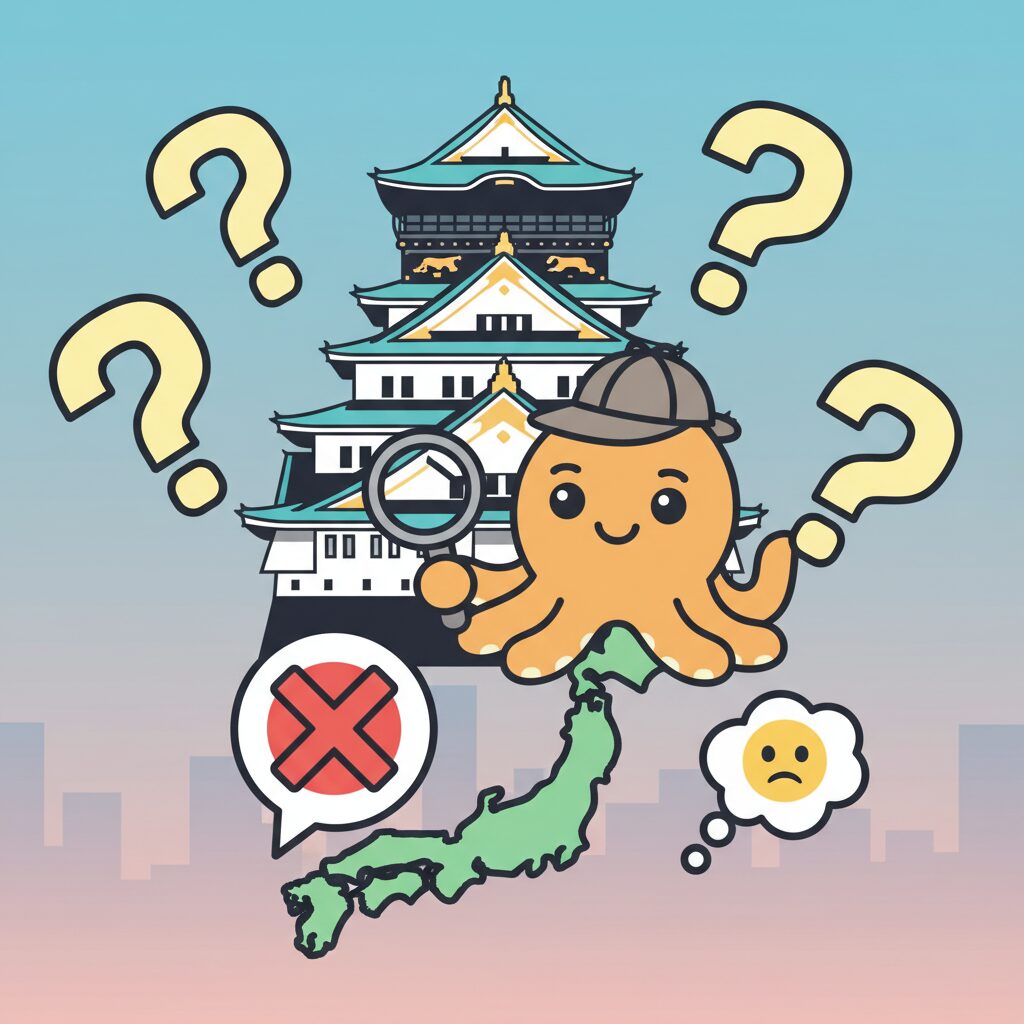
Step off the Shinkansen in Osaka, and you enter a different frequency. The air hums with a looser, more chaotic energy than the polished precision of Tokyo. The escalators have you standing on the right, the fashion is a little louder, and the conversations you overhear are punctuated by a phrase that, at first, makes no sense at all: 「知らんけど」(shiran kedo). You’ll hear it from the shopkeeper recommending a brand of sake. You’ll hear it from a new friend giving you directions to a hidden izakaya. You’ll even hear it from the local news anchor discussing tomorrow’s weather. It translates, quite simply, to “I don’t know, though.” It’s a verbal shrug, a conversational escape hatch, and for a newcomer, it can be utterly baffling. Is everyone in Osaka just guessing? Are they all completely unreliable? The easy answer is no. The real answer is that this two-word phrase is your Rosetta Stone for understanding the city’s entire operating system. It’s the key to a mindset that values connection over correctness, flexibility over formality, and a good story over a dry fact. It’s a world away from the careful, deliberate communication you find in Tokyo, and learning its rhythm is the first real step to feeling at home here. It’s not just language; it’s a philosophy woven into the very fabric of daily life in Japan’s vibrant, unpredictable second city.
Embracing Osaka’s blend of casual spontaneity and clever practicality, locals also display ingenious approaches to everyday challenges, as seen in Osaka ticket-saving strategies that turn uncertainty into an art form.
The Art of the Conversational Safety Net
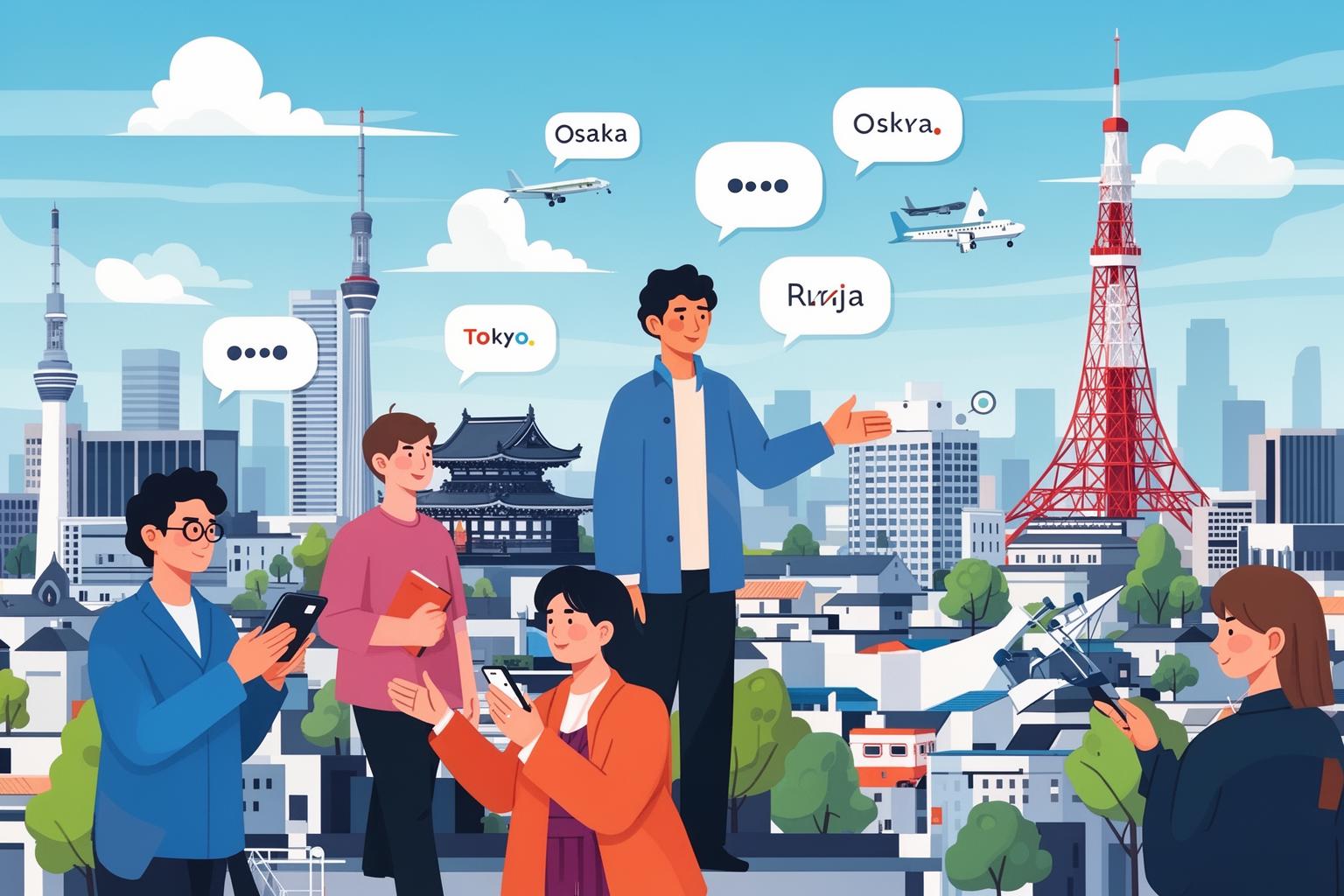
Before you can truly understand Osaka, you need to grasp the mechanics of ‘shiran kedo.’ It’s a suffix, a kind of disclaimer added to the end of a statement. Imagine asking a coworker where to find the best takoyaki. They might enthusiastically describe a tiny stall in the Tenjinbashisuji Shopping Arcade, highlighting the crispiness of the batter and the tenderness of the octopus, painting a vivid picture of culinary perfection. Then, just as you’re about to rush out the door, they’ll finish with a casual, “…shiran kedo.” It feels like a punchline without a joke. What does it really mean? It means, “This is my personal, heartfelt recommendation, based on my own experience, but I’m not an official takoyaki critic; your mileage may vary, and please don’t come back complaining if you disagree.” It’s a way of sharing information with passion while simultaneously absolving oneself from complete responsibility. It acts as a verbal cushion that softens the impact if the information is slightly off, exaggerated, or just a matter of opinion. In Tokyo, you might get a more measured reply. A colleague there might consult a popular restaurant review site, point to a place with a 4.2-star rating, and say, “This one is highly rated.” The information is factual, verifiable, and impersonal. In Osaka, the information is personal, enthusiastically shared, and comes with a built-in, charmingly non-committal disclaimer. The goal isn’t just to provide data; it’s to engage with you, to offer a glimpse of their world, but in a way that keeps the interaction light and low-stakes.
Tokyo’s Hard Facts vs. Osaka’s Fluid Rapport
This variation in communication styles highlights a fundamental difference in the cultural DNA of Japan‘s two largest cities. Tokyo, as the political and corporate hub, operates on precision, rules, and a clear hierarchy. Information is a tool, and its accuracy is crucial. Meetings have set agendas, trains run on a punctual schedule admired worldwide, and social interactions often follow established norms. You ask a question expecting a correct answer. Providing an unverified response could be seen as irresponsible or unprofessional. This results in a society that is highly efficient and dependable, but sometimes conversations can feel guarded. People may hesitate to share an opinion unless they are confident it is correct. Now, contrast this with Osaka. For centuries, it was the merchant capital of Japan. Its lifeblood was not government orders but haggling, negotiation, and relationship-building in the marketplace. In that setting, the ability to build rapport, remain flexible, and keep conversations flowing was more valuable than having every fact perfectly memorized. The merchant spirit—quick-witted, pragmatic, and socially savvy—remains strong. ‘Shiran kedo’ embodies this spirit linguistically. It allows the speaker to toss out an idea, make a bold claim, or share gossip without the heavy burden of factual accuracy. It prioritizes social connection over strict data. An Osakan isn’t trying to mislead; they’re trying to connect. They’re essentially saying, “Let’s talk, let’s banter, let’s share stories. Let’s not get stuck on who’s right or wrong.” This creates a social atmosphere that feels more spontaneous and less rigid than Tokyo’s. Life here feels a bit more improvised, a bit less scripted.
The Comedian’s Shield: Deflecting the ‘Tsukkomi’
To truly understand ‘shiran kedo,’ you need to recognize Osaka’s status as the undisputed comedy capital of Japan. The city is the birthplace of Manzai, a stand-up comedy style centered around two characters: the ‘boke’ and the ‘tsukkomi.’ The ‘boke’ is the fool, the humorous one who says something absurd, illogical, or just plain wrong. The ‘tsukkomi’ is the straight man, whose role is to immediately point out the absurdity, often with a sharp retort or a playful hit on the head. This comedic interplay isn’t limited to the stage; it’s a key part of everyday conversation in Osaka. People are always on the lookout for a ‘boke’ moment to ‘tsukkomi.’ It’s a form of verbal sparring, a sign of affection and quick thinking. Now, consider ‘shiran kedo’ in this context. It serves as a preemptive defense against a ‘tsukkomi.’ By making a slightly exaggerated claim—”The Hanshin Tigers are definitely going to win the championship this year!”—and then immediately adding “…shiran kedo,” you cleverly defuse your friends’ reactions. If they try to ‘tsukkomi’ you with facts and stats about the team’s poor performance, you can simply throw your hands up and say, “Hey, I told you I didn’t know!” This removes the seriousness from the argument and turns the exchange into playful banter. It’s a linguistic tool that allows for the kind of exaggeration and tall-tale-telling that makes conversations here so enjoyable. You’re signaling that you’re in on the joke, not taking yourself too seriously, and inviting playful teasing rather than a serious debate. This nuance is often lost in translation for foreigners, who might be used to conversations where every statement is meant literally.
What This Means for Your Daily Life in the City
Grasping this phrase unlocks the city’s social code. You’ll understand that the person giving you somewhat vague directions isn’t trying to be unhelpful; they’re sincerely attempting to assist with the best information they have, while modestly recognizing their own limitations. This readiness to engage, even without perfect knowledge, is why Osaka is often seen as friendlier than Tokyo. The barrier to interaction is lower. People are less afraid of being ‘wrong’ and more willing to simply connect. This attitude permeates the overall atmosphere of the city. There’s a tangible sense of ‘nantoka naru’—the belief that things will somehow work out. It reflects a practical resilience that prioritizes getting things done over following instructions perfectly. For a foreigner, the key is to adjust expectations. Don’t treat every piece of advice or information as absolute truth. Instead, view it as the start of a conversation. The ‘shiran kedo’ is your signal that the information is informal. The true value lies not in the information itself, but in the human connection it carries. When you hear it, it means you’re not interacting with a faceless machine; you’re engaging with a person. They’re being open, somewhat vulnerable, and inviting you into a more relaxed, characteristically Osakan style of communication. The biggest mistake is to see this as flakiness or lack of intelligence. In reality, it’s a mark of high social intelligence, a way of navigating interactions with humility and humor.
Learning to Speak Osaka-ben
So, how can you bring this into your own life in Osaka? Begin by paying attention to it. Observe the situations—the tone of voice, the smile that often accompanies it. You’ll find it’s a tool for connection. Then, give it a try yourself. Initially, it might feel odd, as if you’re intentionally softening your own statements. But it’s a powerful means of integration. Recommending a movie to a friend? Say, “It’s the best film I’ve seen all year… shiran kedo.” Sharing a tip about a new visa process? Add ‘shiran kedo’ to show you’re not an immigration expert. It’s not reserved for major facts alone. It’s for the little things, the daily opinions and observations. Using it signals that you appreciate the local culture isn’t about always being right; it’s about engaging in a communal exchange. It shows you don’t take yourself too seriously, a highly valued quality here. It shifts you from being a visitor who watches the culture to a resident who takes part in it. It’s your ticket to a more genuine, less stressful way of communicating, where the fear of errors is replaced by the pleasure of the exchange itself.
The Unspoken Truth
In the end, ‘shiran kedo’ is a paradox. It’s a phrase meaning “I don’t know,” yet it reveals everything essential about Osaka. It reflects a culture that values people over protocol, connection over rigidity, and laughter over dull facts. It embodies the spirit of a city shaped by merchants and comedians, one that appreciates the worth of flexible truths and strong relationships. While Tokyo defines itself through polished perfection and precise data, Osaka flourishes in the messy, beautiful, and deeply human realm of ambiguity. Living here means embracing that ambiguity and finding comfort in the conversational gray areas. It means recognizing that sometimes, the most honest response is admitting uncertainty—and that’s completely fine. In fact, it’s the ideal way to begin a genuine conversation in this city. Shiran kedo.








