So you’ve been in Osaka for a while. You’ve mastered the train lines, you can navigate the glorious chaos of a shotengai shopping street, and you’ve eaten your weight in takoyaki and okonomiyaki. You’ve heard the whispers, seen the discreet signs with no pictures, and wondered about that next level of Osaka dining. You’ve probably heard the word Kappo tossed around, a term that seems to float somewhere between a casual izakaya and the silent, almost religious reverence of a top-tier Tokyo kaiseki restaurant. But what is it, really? Is it just a fancy sushi bar? Is it another set of arcane rules you’re supposed to magically understand? The truth is, understanding Kappo is one of the most direct ways to understand the soul of Osaka itself. It’s a culinary experience born from the city’s merchant spirit—a spirit that values transparency, skill, and a damn good conversation as much as it values the quality of the fish.
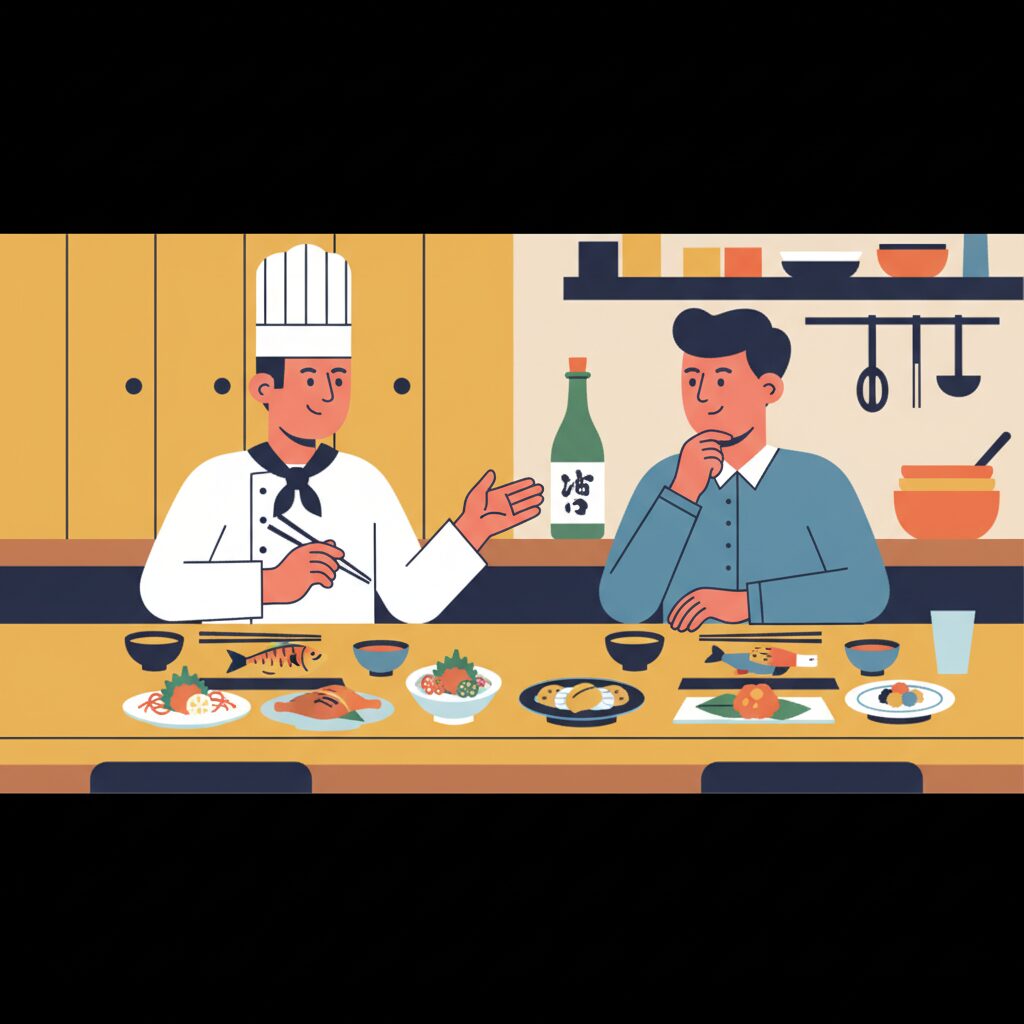
Forget the idea of a distant, mysterious chef hidden behind kitchen doors, sending out plates like edicts from a culinary temple. Kappo throws that model out the window. The word itself, written as 割烹, combines the characters for “to cut” (割) and “to simmer or cook” (烹). At its heart, it means the chef prepares everything, from slicing the sashimi to grilling the fish, right there in front of you. The entire experience is built around a single, often beautiful, wooden counter. This isn’t just a place to eat; it’s the stage, the chef’s workshop, and your front-row seat to a performance of incredible skill. It’s an intimate dialogue between you, the chef, and the ingredients. In a city that prides itself on being direct, unpretentious, and obsessed with quality, the Kappo counter is where Osaka’s personality is served up, one delicious, perfectly prepared plate at a time. It’s where you can finally stop being a tourist in the food scene and start participating in the real culinary life of the city.
This intimate culinary experience reflects a broader Osaka tradition where every exchange carries the same care and thoughtfulness as a meal, much like the merchant handshake traditions celebrated throughout the city.
What ‘Kappo’ Actually Means: Cutting and Cooking in Plain Sight
The very name ‘Kappo’ serves as a declaration of intent and a promise of transparency. In the West, the allure of a great restaurant often depends on what remains unseen. The kitchen is a hidden realm of noise and steam, a secret workshop from which flawless dishes emerge. Kappo breaks down that barrier, both literally and figuratively. The design of a Kappo restaurant is minimalist and practical, crafted to focus all attention on one element: the artistry of the chef, or taisho. You sit at a counter, commonly made from a single slab of gleaming hinoki or keyaki wood, polished to a gentle sheen through years of use. Your view isn’t other diners or carefully selected artwork on the walls; it’s the chef’s hands.
You watch as the taisho moves with a striking economy of motion that borders on hypnotic. You see the yanagiba knife’s blade glide through a block of tuna, the slices falling like delicate silk ribbons. You hear the soft sizzle as a piece of anago (sea eel) hits the grill, and smell the sweet aroma of the soy-based glaze caramelizing in the heat. You observe the gentle steaming of a tender turnip and the precise arrangement of garnishes with a pair of long chopsticks. Nothing is concealed. There are no shortcuts, no pre-made sauces, no microwave sounds. Every element of your meal is crafted, cooked, and plated right before your eyes. This isn’t dinner theater; it’s a sincere display of skill. This transparency is deeply grounded in the Osaka merchant’s philosophy. Want to know what you’re paying for? Here it is. Observe the quality of this fish. Witness the expertise needed to prepare it. There are no tricks, no illusions. Just pure, unfiltered quality and technique. It’s a profoundly confident style of cooking that instantly builds trust between you and the person nourishing you.
The Osaka Counter Culture: It’s Not Dinner, It’s a Dialogue
Sitting at a Kappo counter is an engaging experience rather than a passive one. This often represents the biggest cultural adjustment for many foreigners, particularly those used to the quiet, formal environment of fine dining. In Osaka, silence at the counter can sometimes be mistaken for displeasure. The space is designed for interaction, and the flow of the evening revolves as much around conversation as it does around the food. The energy is lively, friendly, and deeply personal.
Chef as Conductor, Customer as Chorus
The taisho in a Kappo restaurant is much more than just a cook. They serve as host, master of ceremonies, and conductor of the evening’s symphony. Rather than simply following a set menu, they read the room. They watch your reactions, consider your appetite, and listen to the rhythm of the conversation. If you’re a first-timer, wide-eyed and curious, they might take a moment to explain the origin of the spiny lobster just arrived from Ise. If you’re a regular, sharing jokes and stories, the pacing may be more relaxed, and the sake recommendations might be bolder. The other diners at the counter, often just a small group, become part of this shared experience. Everyone watches the same performance and tastes the same seasonal ingredients. A collective sigh over a perfectly grilled piece of nodoguro (blackthroat seaperch) can instantly create a bond. This communal atmosphere is quintessentially Osaka. The city thrives on relationships and face-to-face business, and the Kappo counter is its culinary counterpart—a place where connections form over shared plates and warm banter.
Speaking the Language of Ingredients
At a Kappo restaurant in Osaka, the main topic of conversation is the food itself. This isn’t idle small talk; it’s a passionate and often detailed inquiry about what you’re eating. Questions like, “Taisho, where did you get this uni (sea urchin) today?” or “What’s the best way to enjoy this kawahagi (filefish) with its liver?” aren’t just welcomed—they’re expected. It signals that you’re paying attention and appreciating the effort. The chef, in turn, eagerly shares the story behind the ingredients: the fish comes from a particular fisherman in Akashi, the vegetables are grown by a farmer near Kyoto, and the wasabi was freshly grated from a root sourced in Shizuoka. This dialogue transforms the meal from mere sustenance into a rich narrative. You aren’t just eating fish; you’re tasting a specific part of the sea on a specific day, prepared by a master craftsman. This obsession with provenance and quality lies at the core of the kuidaore—or “eat till you drop”—culture. It’s not about gluttony; it’s about a discerning and almost fanatical pursuit of excellence.
Why This Feels Different from Tokyo
This lively, interactive atmosphere sharply contrasts with high-end dining in Tokyo. While both cities value quality and seasonality, their presentations and philosophies differ. A top-tier kaiseki meal in a private Tokyo room may feel meditative, with food presented as a finished work of art and the focus on quiet contemplation. The chef is often respected but distant. In Osaka, the art lies in the making, and you’re invited to be part of the process. The laughter is a bit louder, conversations flow more freely, and the relationship with the chef is more direct and egalitarian. This difference reflects the cities’ histories. Tokyo was the city of samurai and the imperial court, characterized by strict hierarchies and formality. Osaka was the city of merchants, where value was placed on skill, product, and relationship-building. The Kappo counter today expresses that merchant spirit: direct, unpretentious, and focused on the tangible quality of what’s right before you.
Demystifying the Kappo Menu: ‘Omakase’ with an Osaka Twist
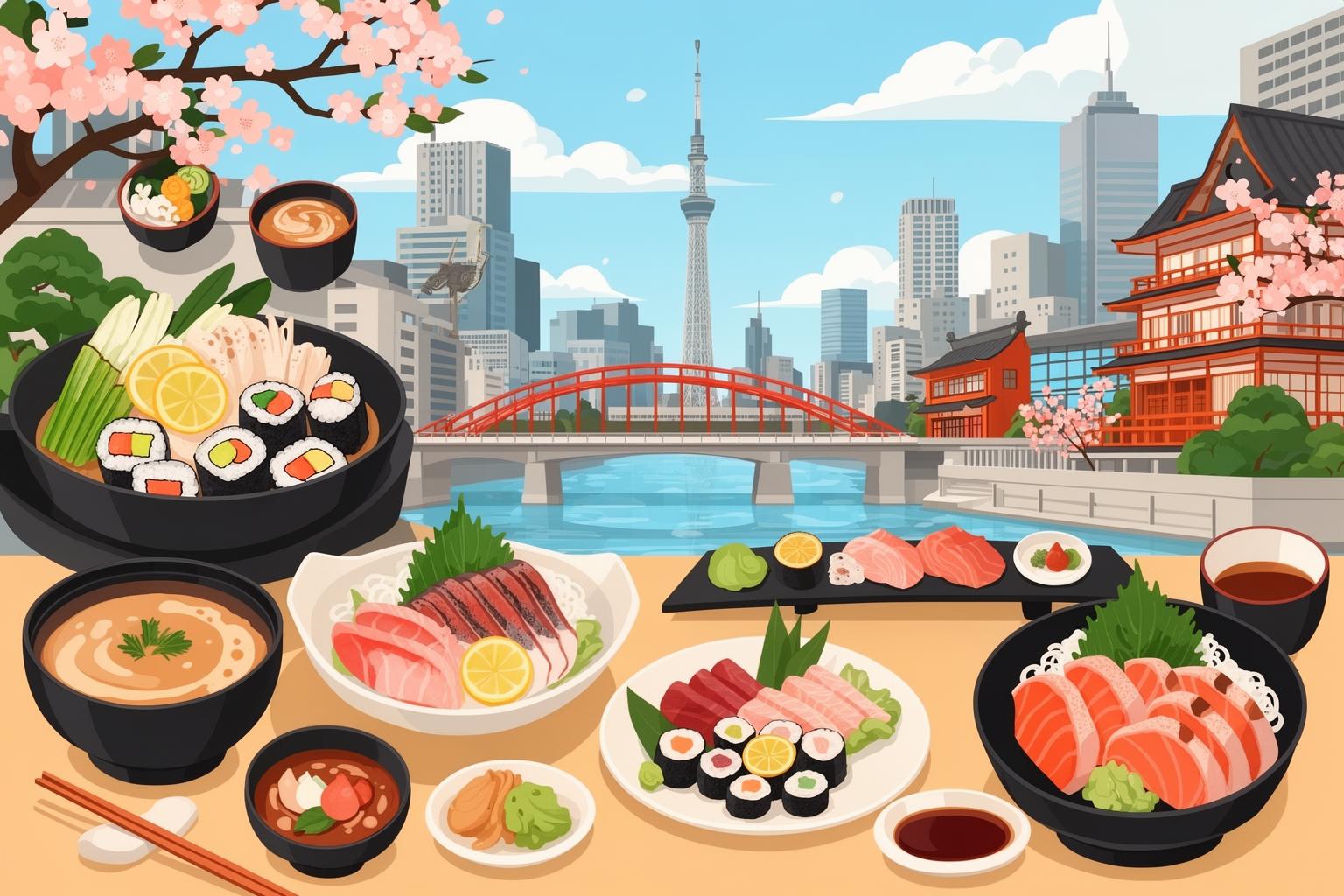
Step into a Kappo restaurant, and you’ll seldom be presented with a traditional menu. The experience is almost always omakase, meaning “I’ll leave it up to you.” However, this differs from the strict, multi-course tasting menus found elsewhere. An Osaka Kappo omakase is a more flexible, interactive event—a collaboration between the chef’s skill and the finest ingredients of the day.
The Illusion of No Menu
Though you place your trust in the chef, the experience is often more adaptable than it initially seems. The taisho begins by inquiring about your likes and dislikes. They may show you several of the day’s highlight ingredients—a shimmering fish, a basket of vibrant mountain vegetables, a live prawn. The meal then develops naturally. The chef isn’t simply executing a set plan; they are crafting the dishes in real-time based on available ingredients and guest feedback. If you express a fondness for a particular dish, they might serve a second, slightly varied version. If you feel full, portion sizes can be adjusted or lighter offerings substituted. This adaptability is crucial. It’s a tailored journey, not a one-size-fits-all presentation. The chef must possess great skill and a vast repertoire of techniques, prepared to grill, steam, fry, simmer, and slice at a moment’s notice.
‘Shun’ – The Obsession with Seasonality
To fully appreciate Kappo, or any serious Japanese cuisine, one must grasp the concept of shun (旬), the peak of seasonality. This goes beyond simply eating strawberries in summer; it embodies a near-spiritual respect for ingredients at their absolute, fleeting prime. In Osaka, this respect is driven more by practical demand for maximum flavor than poetic ideals. Why settle for a bland, greenhouse tomato when you can await the sun-ripened gems of late summer? Why opt for frozen crab when you can enjoy the sweet, succulent meat of a freshly caught specimen in midwinter? The Kappo counter serves as a living calendar of Japanese seasons. In spring, the menu highlights the delicate, slightly bitter notes of takenoko (bamboo shoots) and mountain vegetables like fukinoto. Summer features the sweet, watermelon-scented ayu (sweetfish), often simply grilled with salt, and the rich taste of hamo (daggertooth pike), with its countless tiny bones meticulously sliced. Autumn celebrates earthy treasures: fragrant matsutake mushrooms, plump chestnuts, and the oily, returning sanma (pacific saury). Winter brings deep, comforting flavors—from creamy cod milt (shirako) to the unmatched richness of crab and pufferfish (fugu). For Osaka locals, eating in shun is essential. It represents the highest standard of quality, with the Kappo chef guiding diners through this ever-changing culinary terrain.
The ‘Kuidaore’ Philosophy in Action
Kappo represents the refined expression of Osaka’s famous kuidaore motto. Often translated as “eat until you go bankrupt,” it is commonly misunderstood by outsiders as an invitation to excessive indulgence. In truth, it reflects a deeply ingrained culture of culinary discernment. Osakans are known for being savvy consumers. They detest wasting money and have an almost allergic aversion to anything overpriced or lacking substance. They will willingly pay a premium, but only for genuine, undeniable quality. Kappo dining perfectly encapsulates this ethos. You see the highest-grade ingredients with your own eyes. You witness the years of training that shape the chef’s every action. The price reflects the real cost of excellence, with no illusions or pretenses. There is no fancy décor or gimmicky concept to disguise the experience. The value is plainly evident at the counter. It is this blend of passion for exceptional food and a resolute demand for value that makes Kappo an essential Osaka experience. It is indulgence—but smart, transparent, and utterly delicious indulgence.
Navigating the Unspoken Rules: A Practical Guide for Residents
For someone new, the intimate atmosphere of a Kappo restaurant can feel slightly intimidating. There are no clear instructions, and the close proximity to the chef and other diners may cause some self-consciousness. However, the “rules” focus less on strict formality and more on respect for the craft, the ingredients, and the shared experience. Learning this etiquette is a rewarding step toward feeling like a true local.
Making a Reservation (and Why It’s Essential)
Let’s be clear: you can’t simply walk into a quality Kappo restaurant. These venues are small, usually with fewer than a dozen seats, and often fully booked weeks or even months ahead. A reservation is absolutely necessary. For high-end spots, especially if you’re a foreigner with limited Japanese, going through a concierge at a reputable hotel is a common route. However, as a resident, your goal should be to develop your own connections. Calling directly (or having a Japanese-speaking friend do so) is the best way. Don’t be discouraged if you’re told they are fully booked. Be polite, express genuine interest, and inquire about future availability. Once you secure a seat and enjoy your experience, you become a familiar face. Building a rapport with the taisho is crucial. Many top neighborhood Kappo restaurants rely on a network of regular customers. Becoming one of them is like being welcomed into an exclusive yet very friendly club.
Etiquette at the Counter
The atmosphere is relaxed, but a few etiquette points are important to remember. The pace of the meal is controlled by the chef, who prepares dishes not just for you but for everyone at the counter, often in a specific order. Enjoy each course, but avoid lingering too long and disrupting the flow. The wooden counter is treasured, so be careful not to scratch it with bags, phones, or jewelry. When served a plate, it’s proper to move it from the raised part of the counter closer to you. Most importantly, engage with the experience. Ask questions about the food. Compliment the chef on particularly delicious dishes. Show your appreciation. This isn’t a library; it’s a lively dining space, and your positive energy enhances the atmosphere. Drinking is an integral part of the meal. It’s best to ask the chef for a recommendation (osusume) of sake or shochu that pairs well with the dishes. They have a curated selection designed to complement their cuisine, and trusting their choice is always a wise decision.
Common Mistakes Foreigners Make
There are a few frequent misconceptions that are easy to avoid. The first is confusing Kappo with a dedicated sushi restaurant. While you will likely be served exquisite sashimi, Kappo covers all forms of Japanese cooking: grilling (yakimono), simmering (nimono), steaming (mushimono), and frying (agemono). It showcases the chef’s full range of skills. Another mistake is being overly reserved or silent. While you shouldn’t be loud or disruptive, complete silence can worry a chef, who might wonder if you’re enjoying the meal. A simple “Oishii” (delicious) goes a long way. Finally, don’t expect a written menu to study. The menu is verbal, seasonal, and ever-changing. The best approach is to relax, trust the chef, and communicate any strong dislikes or allergies upfront. Then, let the experience unfold naturally. It’s an exercise in letting go of control and embracing delightful surprises.
Finding Your Kappo: From Kitashinchi Glamour to Neighborhood Gems
Like Osaka itself, Kappo dining is not a single entity. It spans a wide spectrum, from dazzling, upscale venues serving corporate executives to modest, hidden gems cherished by locals in quiet residential neighborhoods. Exploring this variety offers another way to appreciate the city’s diverse character and social landscape.
The High-End Hubs: Kitashinchi and Beyond
Districts such as Kitashinchi, Osaka’s premier entertainment area, are the centers of top-tier Kappo. Here, the restaurants are refined and elegant, the patrons often dressed for special occasions, and the prices reflect the flawless service and rare ingredients. This is where Michelin-starred chefs, renowned throughout Japan, showcase their craft. Dining here is an event, a celebration—a glimpse into the world of Osaka’s business and social elite. While impressive, this represents only one aspect of the Kappo scene. Viewing it solely through these famous, expensive establishments overlooks how deeply Kappo culture is woven into the city’s fabric.
The Everyday Kappo
Beyond the shining lights of downtown, a different type of Kappo restaurant awaits. Nestled on side streets in Tenma or Fukushima, or further out in residential neighborhoods, are local Kappo spots. These may be run by a single chef, often with help from a spouse. The décor is simpler, the atmosphere more relaxed, but the commitment to quality is just as strong. These are the places where locals become regulars, returning week after week. The taisho knows their customers’ preferred drinks, their children’s names, and their latest vacation stories. These restaurants form the heart of the community. Discovering and frequenting such a spot is among the most rewarding experiences for a resident. It’s where you cease to be just a customer and become part of the neighborhood’s story. It takes more effort—some knowledge of Japanese is usually needed, along with a bit of adventurous spirit—but the reward is a genuine connection to local culture.
A Reflection of the City’s Structure
The coexistence of these upscale hubs and beloved neighborhood establishments reveals much about Osaka. The city can be flashy and ambitious, a major commercial center with a penchant for luxury. Yet at its core, it is a city of distinct neighborhoods, each with its own identity and loyalties. People take pride in their local bakeries, coffee shops, and Kappo restaurants. This dual identity—a sprawling metropolis often feeling like a cluster of small towns—gives Osaka its unique energy. The Kappo scene perfectly reflects this, offering experiences that range from grand celebrations to comfortable, weekly rituals.
The Final Bite: Why Kappo is the Key to Understanding Osaka
Sitting at a Kappo counter in Osaka means more than simply enjoying a fine meal. It involves taking part in a cultural ritual that embodies the city’s most treasured values. The experience is founded on the core elements of Osaka’s identity: unwavering honesty and transparency, where the journey matters as much as the outcome; a merchant’s dedication to substance over style, valuing the inherent quality of ingredients as the true luxury; a preference for direct, personal communication, where engaging with the chef enhances the flavor of the dish; and a keen appreciation for genuine worth, where a high price is only warranted by undeniable excellence.
This is why the Kappo experience contrasts sharply with the silent temples of gastronomy found elsewhere. It’s not about distant reverence in silence. It’s about leaning forward, asking questions, and being part of the creative process. It removes all pretense, leaving only the essentials: exceptional food, masterful craftsmanship, and authentic human connection. For any visitor eager to grasp what makes Osaka unique—why its people are pragmatic, passionate about food, and fond of warm conversation—the answer isn’t in any guidebook. It’s waiting for you right there at the counter. Take a seat.