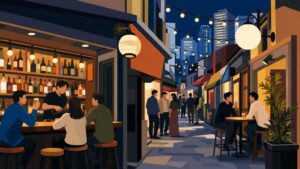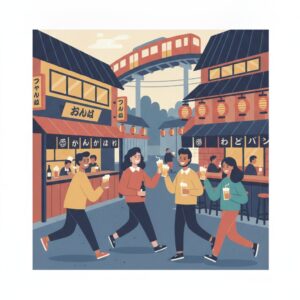
When you first land in Osaka, the city hits you like a shot of strong espresso. It’s all neon gleam and sizzling street food, a whirlwind of sound where conversations are loud, laughter is louder, and the energy pulses from the ground up through the soles of your shoes. You hear about Namba’s organized chaos, Umeda’s towering ambition, and Shinsaibashi’s endless river of shoppers. The image solidifies quickly: Osaka is a city that runs at full volume, a place that’s unapologetically, relentlessly vibrant. It’s a fantastic, intoxicating reputation, but it’s also a caricature. And like any caricature, it misses the subtle lines, the quiet corners, the moments of exhale that give the city its true character. The question that soon bubbles up for anyone living here is, “Is this all there is? Does Osaka ever just… chill out?” The answer isn’t hidden in some far-flung suburb. It’s sitting right in the heart of the city, calmly watching the water go by. Welcome to Kitahama.
Kitahama is, on paper, a business district. It’s home to the Osaka Exchange and a fleet of corporate headquarters housed in a mix of stately, European-inspired Meiji-era buildings and sleek modern towers. It should, by all accounts, feel like a miniature Tokyo Marunouchi—a place of hushed efficiency, where people in identical suits march to the rhythm of the stock market ticker. But it doesn’t. Wedged between the Tosabori and Dōjima rivers, Kitahama has cultivated a completely different atmosphere. It’s Osaka’s sophisticated, stylish, and surprisingly tranquil riverside quarter, a district dedicated to the art of the coffee break. This is where Osaka comes to breathe. Understanding this district isn’t just about finding a good cafe; it’s about decoding a fundamental aspect of the Osaka mindset: the pragmatic pursuit of balance. It reveals how a city known for its hustle preserves its sanity, and it offers a powerful counter-narrative to the idea that life in a Japanese metropolis must be a relentless grind.
For those intrigued by the contrast between calm retreats and urban vitality, a glimpse into Osaka’s vibrant tachinomi culture in Umeda further illuminates the city’s multifaceted energy.
The Architecture of the Exhale
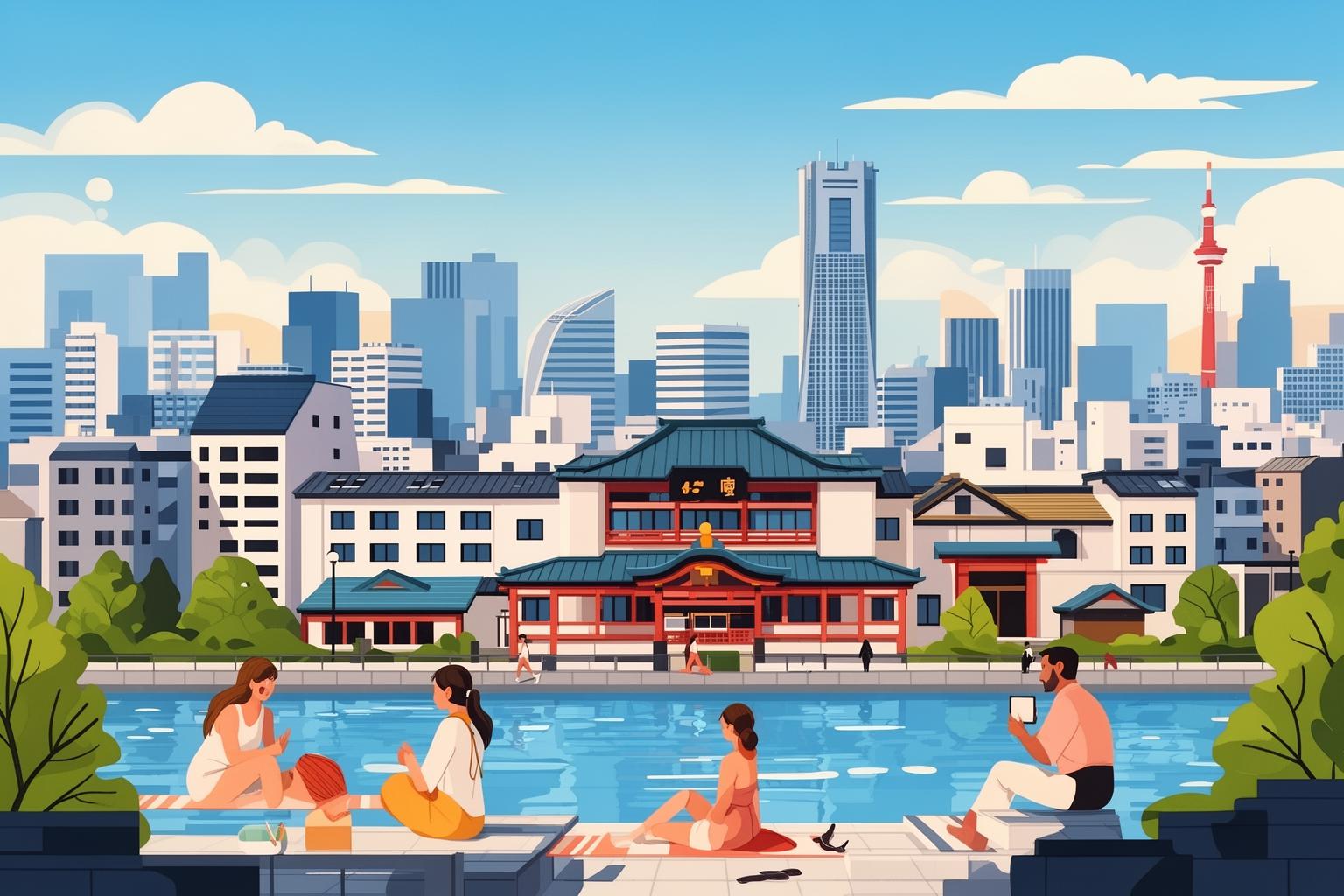
Step out of Kitahama Station, and the first thing that strikes you is the light. Unlike the confined canyons of Umeda, here the sky feels expansive, mirrored in the wide, gently flowing surface of the river. The area serves as a living museum of architecture, a dialogue between the old and the new that feels intentional, not chaotic. The Osaka Securities Exchange building stands proudly as a neo-classical anchor, its grand facade recalling an era when commerce was conducted with theatrical flair. Nearby, dignified stone buildings from the early 20th century have been repurposed, their historic structures now home to trendy boutiques, artisan bakeries, and, naturally, numerous cafes. Lots of cafes.
Where Commerce Meets Calm
This architectural fusion offers the first insight into Kitahama’s place in the city’s identity. Osaka is a merchant city, founded on practicality and straightforwardness. The choice to preserve and adapt these charming old buildings rather than replace them with sleek glass towers reflects a distinct Osakan value: if it works well and has character, why change it? There’s respect for heritage here, but not the stuffy, hands-off kind. It’s a pragmatic appreciation. These buildings are not just attractive; they are perfectly suited to creating spacious, high-ceilinged, naturally lit interiors ideal for cafes. They provide a tangible link to the city’s history as a commercial hub while simultaneously offering a respite from the demands of modern life.
The Riverside Revelation
The true brilliance of Kitahama, however, lies in its connection to the water. A series of cafes, ranging from independent roasters to established names, have their faces turned toward the river. They boast expansive open terraces, a rare and coveted luxury in space-limited Japanese cities. This is a conscious choice. In Osaka, you’re never far from water, but Kitahama is among the few places that actively weave it into daily life. The river here is more than a geographical feature; it’s a mood. It slows the pace, softens the city’s noise, and offers a focal point that isn’t a screen or a spreadsheet. Watching tour boats glide by or the water sparkle in the afternoon sun is a form of passive meditation, available to anyone willing to buy a cup of coffee. This riverside embrace sharply contrasts with Tokyo, where many waterways are hidden or boxed in by expressways. In Kitahama, the river is the main attraction, a constant, soothing presence that quietly says, “Slow down. The emails can wait.”
The People: Beyond the Salaryman Stereotype
So who are the people occupying these tranquil riverside spots on a Tuesday afternoon? A quick look reveals a diverse slice of Osaka society, each engaging with the space in their own way. Watching them offers insight into the subtleties of the local work culture, a system often misunderstood by outsiders.
The Art of the “Saboru”
They’re everywhere: impeccably dressed office workers, sometimes in pairs or alone, gazing out at the river with a coffee in hand. In Tokyo, taking a long, leisurely break during the workday often comes with a subtle sense of guilt, as if shirking the relentless demands of the office. There, cafe culture in business districts tends to be more functional—a quick caffeine fix or a practical spot for meetings. But in Kitahama, the atmosphere is different. There’s a confident relaxation to it. This isn’t just shirking work, or saboru in Japanese. It’s a more refined, unspoken practice of strategic disengagement. It acknowledges that true productivity isn’t about being chained to a desk for ten hours straight. It’s about stepping away to clear your mind, having a genuine conversation with a colleague that isn’t about targets, or simply letting your thoughts drift.
This embodies a fundamental Osakan pragmatism. The aim is results, and if the most efficient way to achieve those results involves a 45-minute riverside coffee break to untangle a problem that had you stuck at your desk, then that’s what you do. There’s less performative busyness here. Your boss is more concerned with whether you closed the deal than how many hours you spent appearing busy in the office. This results-focused flexibility is a hallmark of the Osaka business world and a notable contrast to the more process-oriented, face-time-driven culture found in corporate Tokyo.
The Freelance Hub and the Third Place
Alongside the corporate professionals, you’ll find a vibrant community of creatives, freelancers, and students. Laptops are open, but the mood is calm, not rushed. The soft hum of conversation and the clinking of ceramic cups provide the perfect ambient soundtrack for concentrated work. These cafes serve as a “third place”—a social setting distinct from the two usual environments of home and work. For residents living in compact Japanese apartments, these spacious, aesthetically pleasing cafes are a vital extension of their living space. It’s where they come to work, read, think, meet friends, and connect with the city’s quiet, creative energy. The unspoken agreement is simple: buy a drink, and the space is yours for an hour or two. There’s no pressure to keep ordering or to leave quickly. This trust-based arrangement fosters a sense of community and belonging, making Kitahama feel less like a collection of businesses and more like a shared public living room.
The Osaka Mindset: Pragmatism in Pursuit of Pleasure
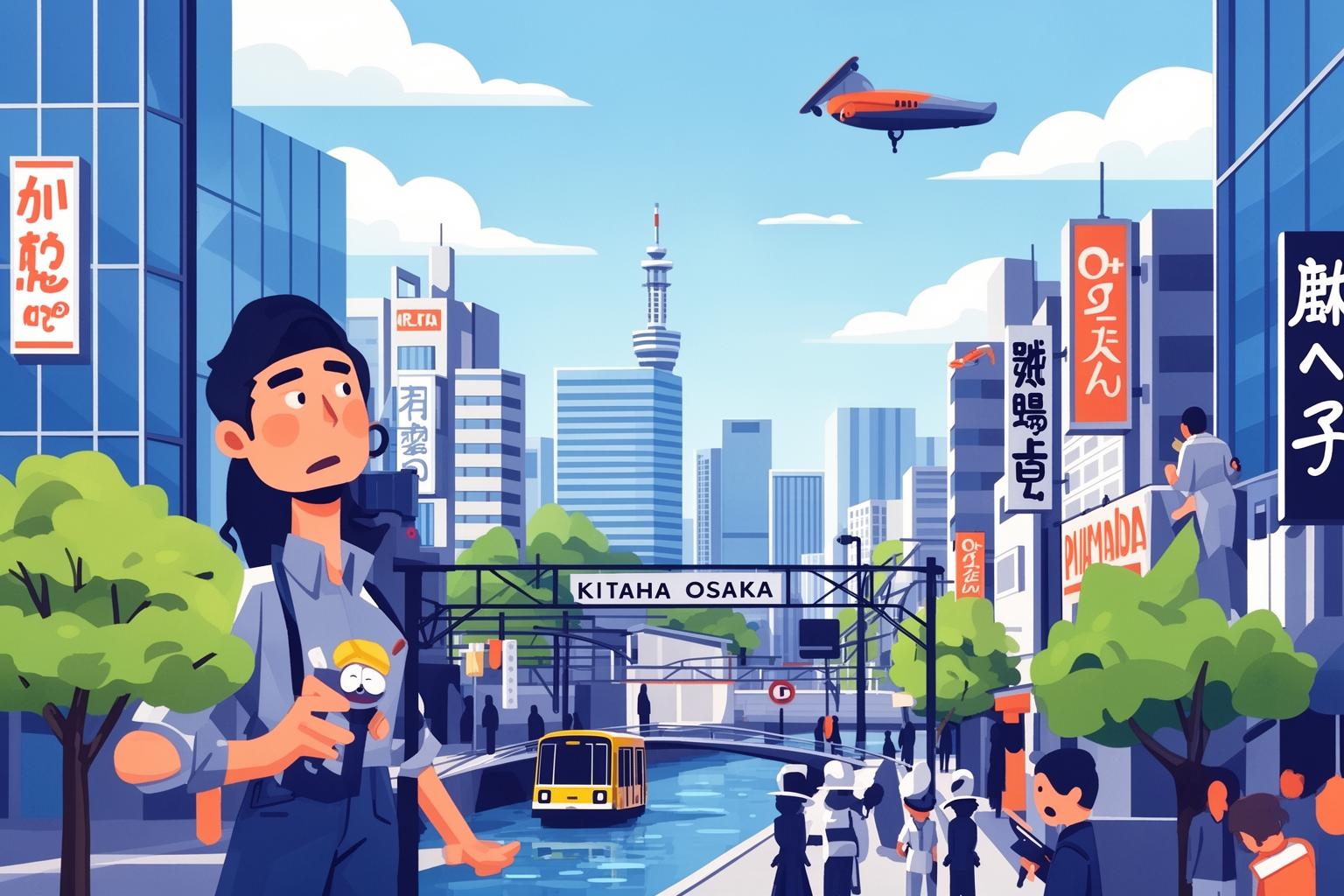
Why did such a distinctive cafe culture emerge specifically in Kitahama, a financial district? The answer reveals the core of what drives Osaka. The city’s identity is deeply rooted in commerce. Osakans are famously practical, savvy, and have a sharp sense for value. This trait extends beyond business dealings into everyday lifestyle choices. The Kitahama phenomenon perfectly embodies this mindset.
An Efficient Escape
An Osakan professional seeking a moment of calm wouldn’t consider spending an hour on a train just to visit a park—that’s inefficient. The truly pragmatic approach is to create the oasis right beside the office tower. Why separate life into a stressful work zone and a faraway leisure spot when you can combine them? Kitahama’s development exemplifies this way of thinking. It’s the ultimate life hack for urban workers. After an intense morning of meetings, you can step outside your office and, within three minutes, be seated on a sunny terrace, feeling worlds apart. It’s maximum relaxation with minimal travel. This isn’t about laziness; it’s about smartly managing personal resources—time and energy.
Value Isn’t Just About Price
A common stereotype is that Osakans are obsessed with bargains (meccha yasui). While they do appreciate a good deal, it’s a mistake to think it’s solely about price. The real motivation is a refined understanding of cost-performance, or kosupa (cost-performance) as it’s called in Japan. An Osakan will gladly pay 700 yen for a coffee—which isn’t particularly cheap—if that coffee comes with a comfortable chair, a beautiful view, free Wi-Fi, and the ability to occupy that prime space for two hours. The value isn’t just in the coffee itself; it’s in the full experience. They’re paying for a slice of tranquility, a temporary office, a pleasant meeting place. They’ve done the mental math and decided that the whole package is worth it. This nuanced idea of value is key to understanding consumer habits and daily life in Osaka. It’s not about being cheap; it’s about being wise. Kitahama’s cafes thrive because they deliver outstanding kosupa in the currency of well-being.
Living the Kitahama Lifestyle: A Resident’s Guide
For a foreign resident, Kitahama is more than just a charming weekend destination. It’s a practical resource for enhancing life in Osaka. It’s a place that can reshape your connection with the city and with Japanese work culture.
Your Remote Office with a View
Whether you’re a freelancer, student, or have a flexible work setup, Kitahama can serve as your office. The diverse selection of cafes means you can find the ideal spot for any type of work. Need absolute silence for intense focus? There are tranquil, minimalist roasteries tucked away on side streets. Looking for a bit more vibrancy to spark creative brainstorming? The larger, lively riverside terraces are just right. Reliable Wi-Fi and plenty of power outlets are standard. More importantly, working in Kitahama lets you stay connected to the city’s professional scene without being overwhelmed by it. You’re in the business district, but on your own terms.
Decompressing the Japanese Way
If you work in a traditional Japanese company, the pressures can be heavy. The unspoken rules, long hours, and hierarchical communication can be exhausting. Kitahama offers an ideal remedy. A brief detour to one of its cafes after work before heading home becomes a meaningful ritual. It establishes a buffer zone between your work persona and your home self. It’s a space to mentally unwind from the day, to switch from Japanese back to your native language in your mind, and simply observe the evening light fading over the water. This small act of self-care can be transformative, helping you cope with corporate stress and avoid burnout. It’s also common to see Japanese colleagues doing the same, offering a quiet moment of shared humanity beyond job titles and office politics.
A Window into a Different Social Scene
Kitahama also reveals a more subdued and refined side of Osaka’s social life. While Namba is known for high-energy izakayas and bustling bars, social gatherings in Kitahama tend to be intimate groups of friends enjoying long conversations over coffee or cake, or couples savoring peaceful, romantic moments by the river. It’s a reminder that the city’s social fabric is diverse and rich. For residents, it’s an excellent area for a relaxed weekend brunch, a second date, or a quiet chat with a friend where you can really hear each other. It highlights a side of Osaka that values intimacy and conversation as much as lively nightlife.
Ultimately, Kitahama doesn’t contradict the popular image of Osaka; it complements it. It shows that the city’s renowned energy isn’t only about noise and hustle. It’s also the focused energy of a creative at their laptop, the quiet energy of a carefully preserved historic building, and the calm, steady energy of the river flowing through the heart of the city. It reveals an Osaka that is practical, adaptable, and deeply human—a city that works hard but understands that the most important business of all is living well. By carving out its own escape within the center of the storm, Osaka showcases its true brilliance: it’s a city that knows how to find its flow, in every sense of the word.