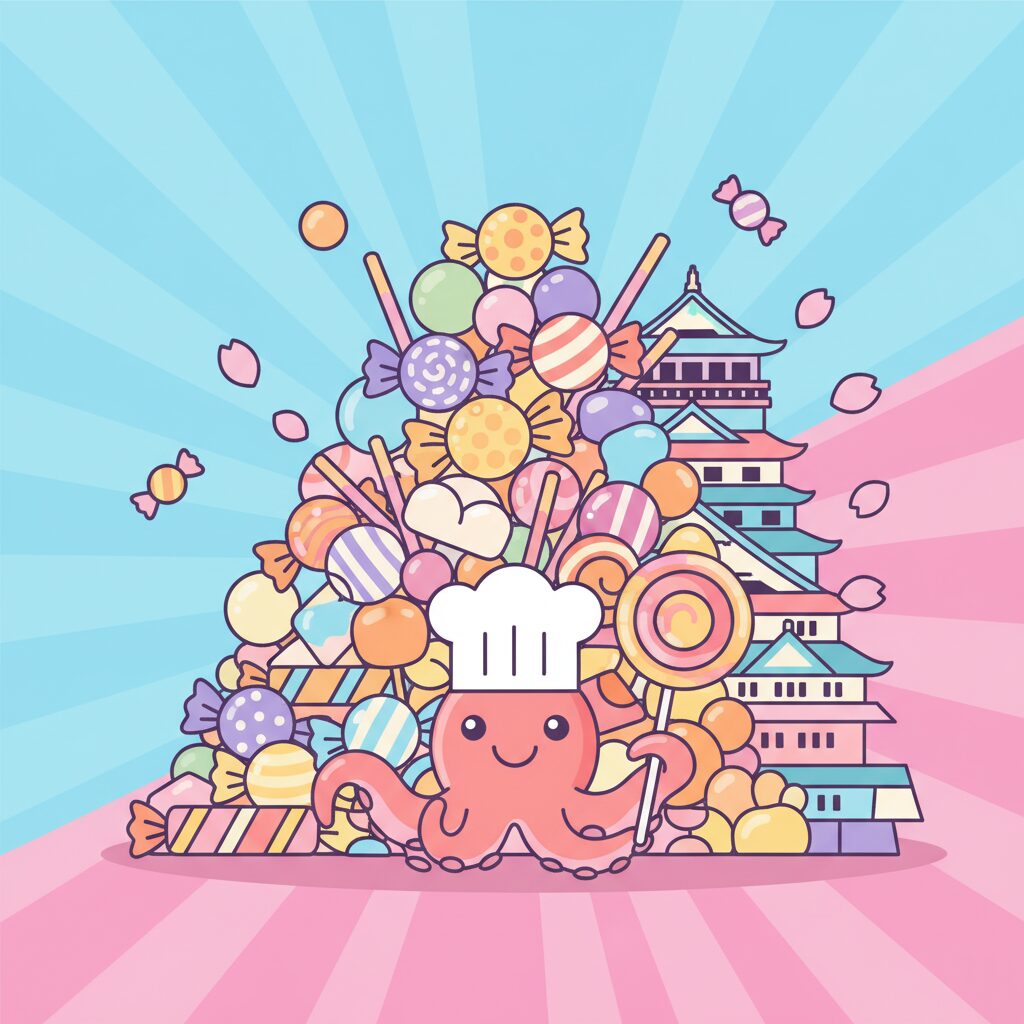
You are standing on a train platform at Umeda Station, a dizzying labyrinth of human traffic. A sudden summer downpour has soaked the city, and the air is thick with the scent of wet concrete and the collective sigh of commuters. As you shift your bag, a small, crinkling sound catches your ear. An older woman, her hair a perfect silver perm, catches your eye. She smiles, a warm, genuine expression, and extends her hand. In her palm rests a small, brightly wrapped candy. You haven’t spoken a word. You don’t know her, and she doesn’t know you. Yet, here is this offering, a tiny, cellophane-wrapped gesture of connection. If you’re new to Osaka, this moment can be baffling. Is this a random act of kindness? A local custom? A test? The answer is all of the above, and it reveals something profound about the city’s soul. This is the world of ‘Ame-chan,’ a term of endearment for candy (ame) that serves as a vital form of social currency, an unspoken language that lubricates the gears of daily life in Japan’s vibrant second city. To understand Ame-chan is to understand the rhythm of Osaka itself—a rhythm built on warmth, pragmatism, and a constant, low-level negotiation of human connection that stands in stark contrast to the polite distance often found elsewhere in Japan.
These unexpected acts of kindness mirror Osaka’s unique spirit of community, and for newcomers considering a move, exploring remote living options can provide valuable insights into the city’s seamless blend of tradition and modernity.
The Unofficial Matriarchs: Masters of the Ame-chan Arts
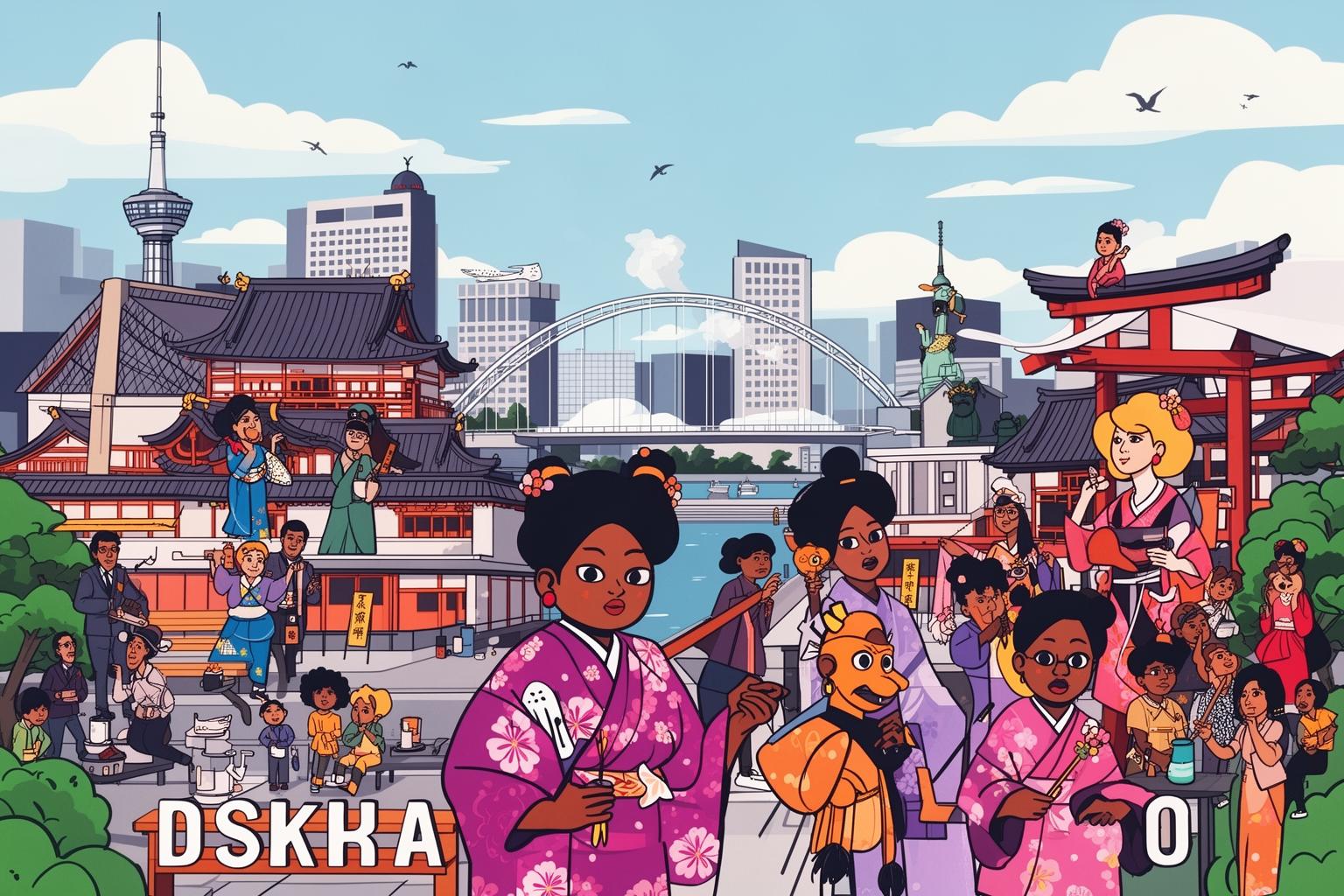
To understand the Ame-chan phenomenon, one must first recognize its main practitioners: the Osaka no Obachan. These middle-aged and elderly women serve as the unofficial matriarchs of the urban environment. Instantly identifiable by their distinctive style—often featuring bold animal prints, practical shoes, and perfectly styled hair—they act as the keepers of neighborhood stories, enforcers of social norms, and the vibrant heart of local communities. They are not mere spectators of city life; they actively engage with it, navigating crowded streets and train cars with confidence gained through decades of experience. Their preferred tool for social navigation is, more often than not, a small piece of hard candy.
The Ame-chan serves as their universal icebreaker. It is a versatile device deployed with careful strategy in various situations. Notice a child starting to fuss on the Hankyu line? An Ame-chan is offered to the parent, a gesture of solidarity meaning, “I’ve been there, don’t worry.” Waiting in a long line at the local Life supermarket? The obachan may turn to the person behind her, offer a candy, and strike up a conversation about the price of daikon. This is not about charity; it’s about forging a shared moment, turning an inconvenient wait into a brief connection. The candy becomes a tangible expression of empathy, a sweet introduction to a conversation or a silent recognition of a shared human experience. It smooths the rough edges of urban life, one pineapple-flavored hard candy at a time.
A Sweet Social Lubricant
This culture of casual giving stands out as one of the most notable distinctions between Osaka and Tokyo. In the capital, encounters with strangers are usually guided by a sense of polite, efficient anonymity. Personal space is highly valued, and unsolicited gestures, even kind ones, can sometimes feel intrusive. An obachan in Tokyo is less inclined to press a candy into a stranger’s hand; the social norm emphasizes non-interference. In Osaka, however, the approach is different. The city’s culture embraces a more direct, personable, and often playful style of interaction. Ame-chan plays a significant role in this.
Dissolving Social Barriers
The act of giving and receiving an Ame-chan effortlessly cuts through the complex layers of Japanese social formality. It requires no lengthy introductions, no exchange of business cards, and no concern about social hierarchy. It is a straightforward, person-to-person exchange based on simple goodwill. The gesture signifies, “For this brief moment, we are not strangers, but two people sharing the same space.” It breaks down the invisible barriers that separate individuals in a dense metropolis, forming a small pocket of shared humanity. This is especially disarming for foreigners used to either the complete anonymity of large Western cities or the rigid formality found elsewhere in Japan. The Ame-chan acts as a shortcut to a genuine, though fleeting, connection.
The Economy of Kindness
There is no immediate expectation of reciprocation. You are not obliged to offer a candy in return. The exchange is complete once the candy is accepted with a smile and a word of thanks. Yet, it contributes to a wider social economy of kindness. The goodwill generated by these thousands of daily interactions creates a tangible sense of community. It encourages an environment where people may be more willing to assist someone with a heavy suitcase, provide directions, or start a conversation. It lubricates the workings of society, reducing friction and fostering a general sense of collective well-being. The Ame-chan represents a small investment in the city’s social capital, a tiny deposit of sweetness into a shared bank of mutual trust.
The Merchant’s Soul in a Candy Wrapper
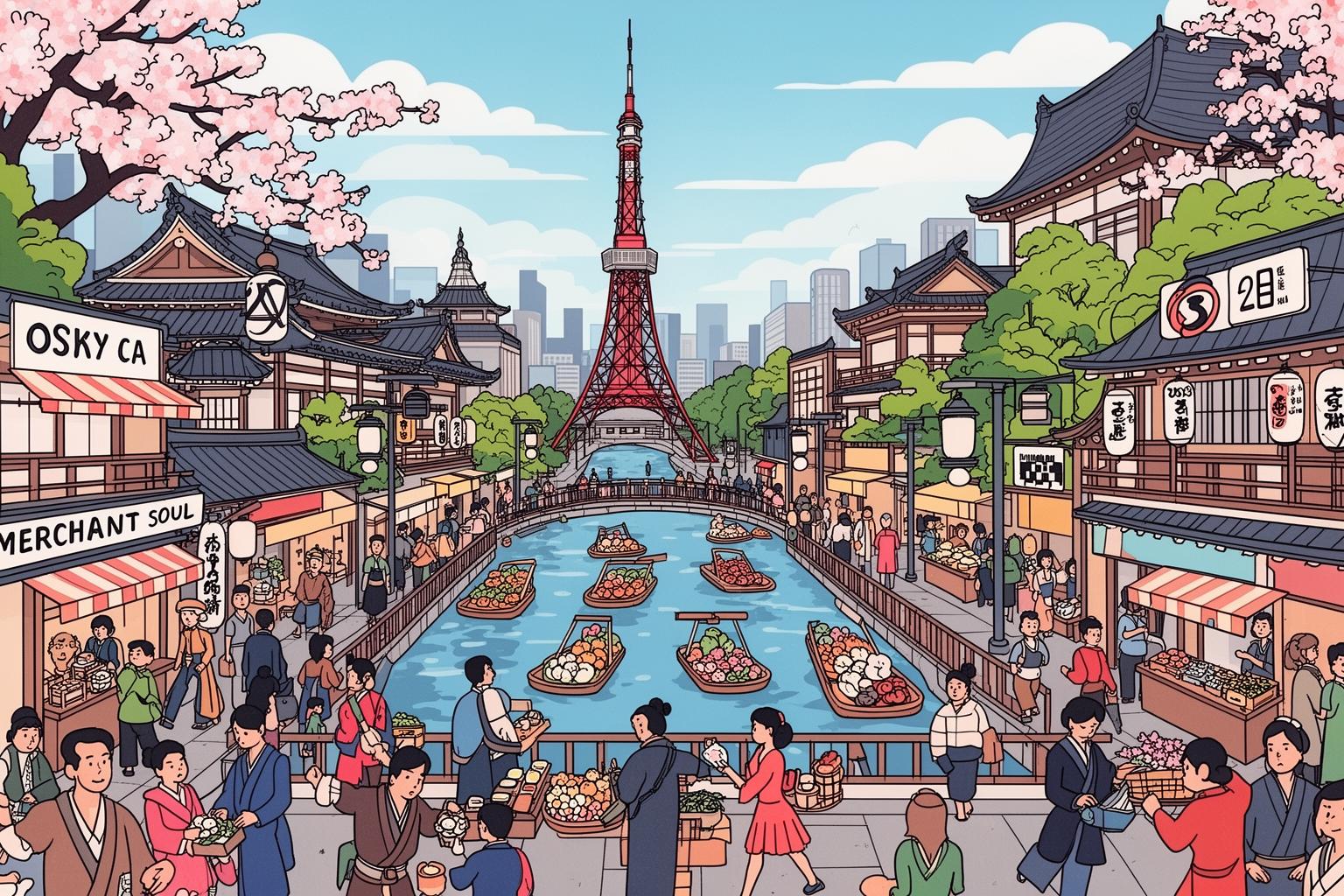
This behavior is not merely a modern social habit; it is deeply ingrained in Osaka’s history as Japan’s leading merchant city. Since the Edo period, Osaka earned the nickname “nation’s kitchen” (tenka no daidokoro), serving as a center of commerce, finance, and trade where everything had a price and every exchange was a potential negotiation. The spirit of the merchant, or shobai, still permeates the city’s culture today, emphasizing practicality, resourcefulness, and the ability to cultivate strong relationships.
A Gesture of Goodwill and Good Business
In Osaka’s commercial world, building rapport was crucial. A small, complimentary gift—a little extra, or omake—was a common way to thank customers and secure their loyalty. This wasn’t just about the item’s monetary value; it was about showing generosity and forming a personal bond. The Ame-chan represents a modern, democratized version of this concept. It is a low-cost, high-impact gesture. For the price of a bag of candies, an obachan can create dozens of positive social interactions throughout her week. It’s an incredibly efficient and practical tool for fostering community. This is not the cold, calculated efficiency of a Tokyo stockbroker, but the warm, people-centered pragmatism of an Osaka shopkeeper.
The Anatomy of the Obachan’s Handbag
To underestimate the preparedness of an Osaka obachan would be a serious mistake. Her handbag is a mobile command center, a Mary Poppins-like repository containing everything needed to face the day’s challenges. Along with her wallet, keys, and a neatly folded handkerchief, you will almost always find a small pouch or tin filled with Ame-chan. These assortments are intentional. Often, there is a favored brand—the milky sweetness of a Kasugai brand candy, the salty tang of Koume plum candy, or the classic throat-soothing qualities of Kuro-ame (black sugar candy). This stash isn’t just for personal enjoyment; it’s a resource to be shared for the benefit of the community. It is a fundamental part of her daily toolkit, as indispensable as her train pass.
Navigating the Sweet Exchange: A Guide for the Uninitiated
For a foreigner, receiving an Ame-chan can be a pleasantly confusing experience. Cultural norms from home, particularly those related to “stranger danger,” can make the encounter feel unusual. Grasping the context and knowing the appropriate response is essential to appreciating this distinctive aspect of Osaka life.
Is It Safe? Is It Genuine?
In almost every situation where you might come across it, the answer is an emphatic yes. When an obachan offers you an Ame-chan in a public space—a train, park, or shop—it is a harmless and sincere gesture of goodwill. It is neither a trick nor a scam. It is simply an act of social bonding. Context is crucial. The smiling woman in the leopard-print blouse handing you candy on the Midosuji line is not a threat; she is taking part in a beloved local tradition. It’s wise to put aside any instinctive suspicion you may have and recognize the gesture for what it truly is: a moment of connection.
The Art of a Graceful Reception
So, what is the proper etiquette? It is wonderfully straightforward. When offered, smile, make eye contact, and accept it with a slight bow of your head. A simple “Arigatou gozaimasu” (Thank you very much) is the ideal verbal reply. You might also say “Sumimasen,” which here serves as a way to express gratitude for the giver’s effort. Refusing is an option, but unless you have a specific reason like an allergy, it is generally more polite and socially smoother to accept. Declining this small gesture of friendship can come across as a bit cold or distant. You don’t have to eat the candy immediately. Just accept it graciously, thank the giver, and place it in your pocket or bag for later. The main purpose of the exchange is fulfilled the moment you accept.
The Candy that Defines a City
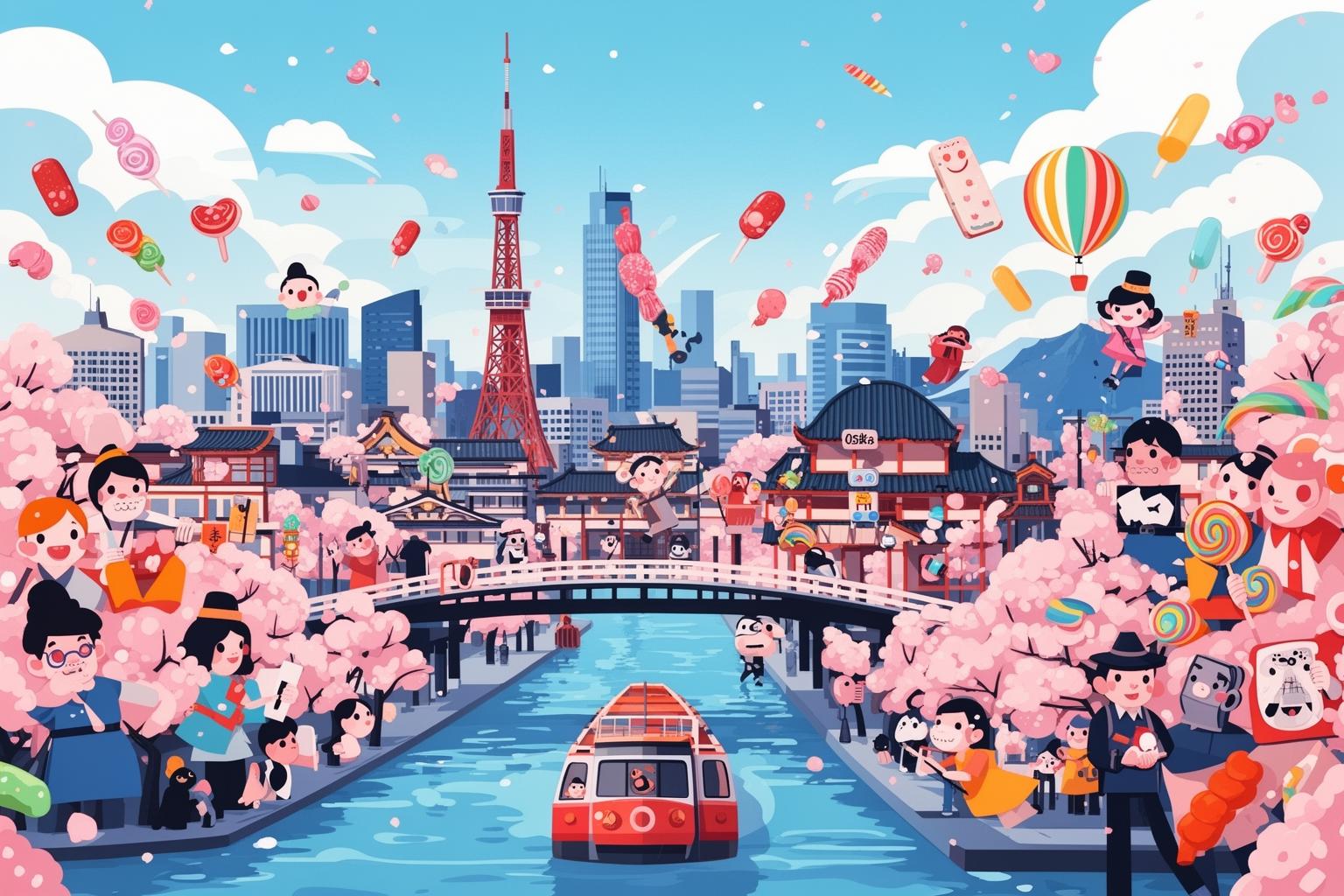
Ultimately, the Ame-chan culture perfectly embodies Osaka itself. It is straightforward, sincere, and deeply human. It values connection over formality and community over anonymity. While Tokyo runs on the precise, quiet efficiency of its train schedules, Osaka thrives on the countless small, sweet, and informal exchanges that take place daily among its people. It is a city that converses with itself, and Ame-chan is one of its beloved icebreakers. This city is not about grand, sweeping gestures, but about small, steady acts of warmth. That little piece of candy is more than just sugar; it symbolizes a social contract, a reminder that even in a city of millions, moments of simple, person-to-person kindness still exist. It is an invitation to join in, to lower your defenses, and to be part of the lively, ongoing conversation that is life in Osaka.