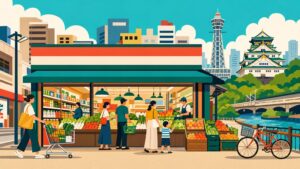
So you’ve moved to Osaka. You’ve navigated the ward office, you’ve figured out the train lines, you’ve even had your first confusing but ultimately successful interaction at the local conbini. You’re settling in. But then, a new challenge emerges, one that cuts to the core of daily life: the grocery run. If you’re vegan, if you follow a halal diet, if you’re navigating food allergies, the standard Japanese supermarket can quickly feel like a labyrinth of unreadable labels and hidden animal products. Dashi in everything, gelatin for shine, pork extract for a little extra ‘umami.’ It’s a quiet frustration, a daily puzzle that can make a new city feel less like home. You’ve probably heard about the ‘depachika,’ those dazzling food halls in the basements of department stores. You’ve seen the flawless fruits, the jewel-like cakes, the bustling crowds. Your first thought, a common one, is that this is a theme park for foodies, a place for special occasions, for buying expensive gifts. You think it’s not for you, not for your Tuesday night dinner. This is the great misunderstanding of the Osaka depachika. In Tokyo, perhaps it leans more towards spectacle. But in Osaka, the city of merchants, the city that will famously ‘eat till it drops’ (kuidaore), the depachika is something else entirely. It’s a tool. It’s a highly efficient, surprisingly practical solution to your daily dietary dilemmas. It’s where Osaka’s obsession with quality meets its deep-seated pragmatism. Forget the idea of it being a luxury museum. It’s time to see the depachika for what it really is: the single most powerful resource in your quest for high-quality, safe, and delicious ingredients that fit your life.
Additionally, exploring the family-run business culture in Osaka offers deeper insights into how the city’s distinct merchant spirit supports both everyday practicality and a thriving culinary scene.
The Depachika Mindset: Beyond the Gleaming Counters
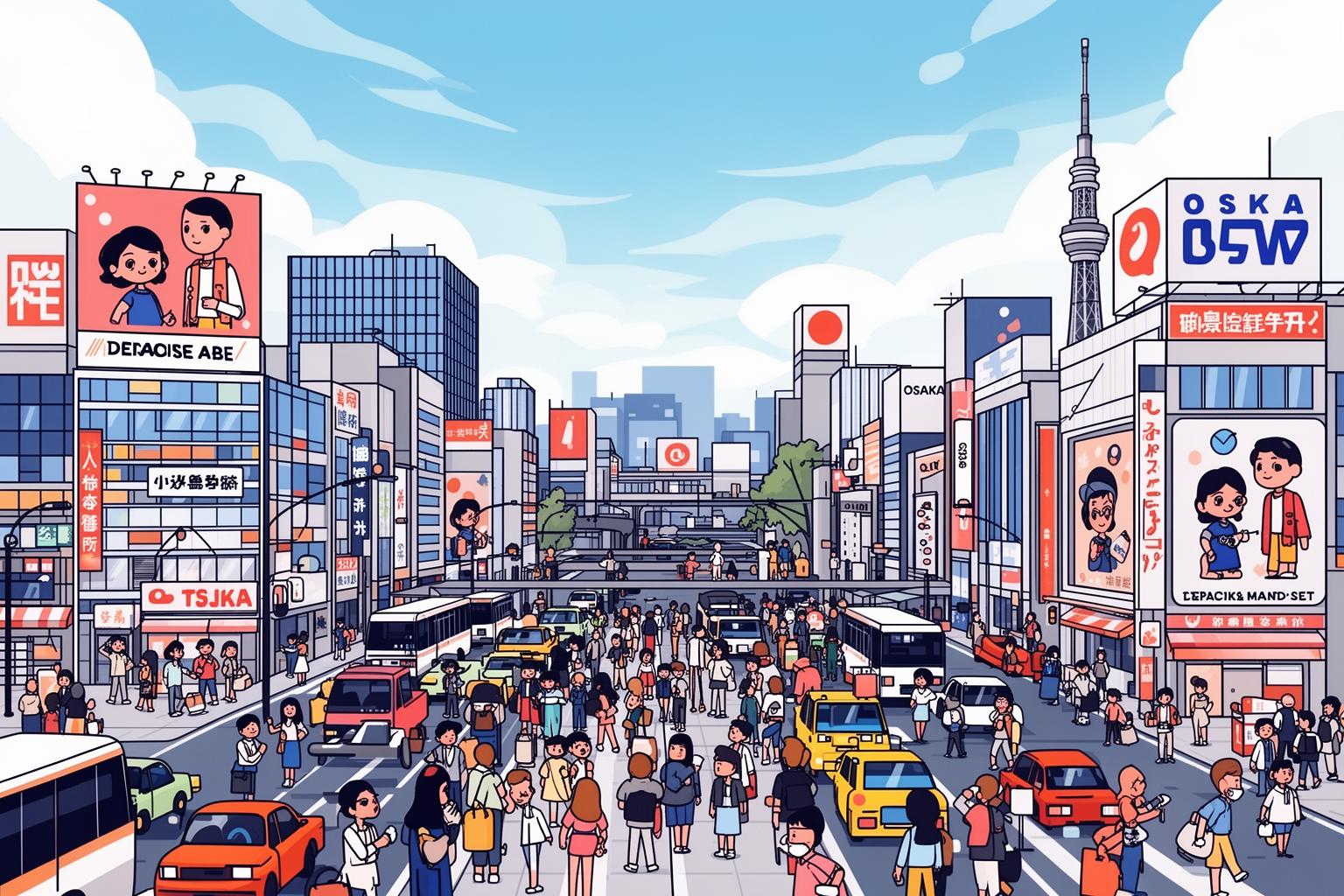
Before discussing what to buy, we first need to consider how to approach our thinking. The depachika is more than just a location; it embodies the spirit of Osaka. While Tokyo’s retail scene often chases the latest trends and newest brand collaborations, Osaka’s commercial core follows a different tempo: quality for value. This is a city shaped by merchants, and that heritage runs deep. An Osakan grandmother might dismiss a designer handbag but will eagerly explain why the tofu from a particular shop in the Hanshin depachika is unmatched, prized for its texture and rich soybean flavor. This isn’t about luxury for its own sake. It’s rooted in the belief that good ingredients are the cornerstone of a good life. Foreigners often glance at the prices—a single mango more expensive than a movie ticket, a block of tuna costing as much as a bicycle down payment—and think it’s all just for show. But if you look closer, alongside that thousand-yen bunch of grapes, you’ll find everyday spinach, onions, and potatoes. The difference lies in the curation. Every item on that floor has been carefully selected. It has a story, a background, a reason for being there. The staff are not mere cashiers; they are experts. The person behind the fish counter will tell you not only what’s fresh but also the best way to prepare it. The vendor at the pickles stand will offer samples of three kinds of nukazuke to help you find the one that suits your taste perfectly. This is the essence of the depachika’s value. You pay a slight premium not just for the food itself but for the embedded expertise, guaranteed quality, and the convenience of having it all in one place. It’s a concentrated marketplace that respects both your time and your palate. For those with dietary restrictions, this curated environment is transformative, turning grocery shopping from a stressful chore into an adventure of discovery.
Deconstructing the Food Hall: A Map for Your Mission
Each depachika follows a similar layout, a map of flavors. Understanding this map is your first step to navigating it effectively. To start, there’s the fresh produce section: the greengrocer (yaoya) and the fishmonger (uoya). These are often large, lively areas highlighting the peak of seasonal offerings. Then come the delicatessens, the world of sozai—pre-prepared dishes ranging from salads to fried chicken to elaborate traditional Japanese meals. You’ll also find the butcher, bakeries, and specialty counters for Japanese staples like tofu, pickles (tsukemono), and seaweed. Lastly, and importantly, there’s the imported and domestic grocery section. Often an anchor store-within-a-store—like Seijo Ishii, Kitano Ace, or Ikari—it’s a treasure trove for specialty goods. Your approach should be precise. The depachika is not where you do your entire weekly shopping—that’s the role of your local Life or Gyomu Super. You come to the depachika for items you can’t find elsewhere: premium tofu to shine in your dish, the specific gluten-free soy sauce you require, or fresh, certified halal spices to make your curry truly authentic. It’s about targeted shopping. Know your mission before descending the escalators into the fragrant, bustling world below.
A Vegan Voyage Through the Basement Labyrinth
Navigating Japan as a vegan can often feel challenging. The subtle reliance on fish-based dashi and the frequent inclusion of dairy in breads and sweets can be frustrating. However, the depachika offers an impressive range of plant-based ingredients if you know where to search. This is where the rich history of Japanese cuisine, often overshadowed by sushi and ramen, truly shines.
The Tofu Counter: Exploring Beyond Firm and Silken
Your first stop should be the dedicated tofu shop. This isn’t the sad, plastic-wrapped block found in supermarkets. It’s a celebration of the soybean. You’ll discover fresh yuba (tofu skin), a delicate and protein-rich ingredient great for soups or as a sashimi alternative. You’ll also encounter gomadofu (sesame tofu), which is often vegan and offers a rich, nutty taste. Ask about different kinds of momen (firm) and kinu (silken) tofu, some made from specific regional soybeans, each with its own distinct flavor. You might come across atsuage (thick fried tofu) and aburaage (thin fried tofu pouches), both key for adding texture and absorbing flavors in stews and stir-fries. The staff here are artisans—don’t hesitate to ask, “Kore wa doubutsusei no mono o tsukatte imasu ka?” (Does this contain any animal products?). They appreciate such questions and know their craft well. They can guide you to tofu so exquisite it’s perfect with just a drop of soy sauce and a slice of ginger.
The Vegetable Kingdom: Origin and Variety
The greengrocery section is another sanctuary. While a regular supermarket offers a predictable range of produce, the depachika’s selection reflects the living calendar of Japanese seasons. In spring, you’ll find unique mountain vegetables (sansai), in autumn a dozen varieties of mushrooms, and Kyoto’s traditional heirloom vegetables (kyoyasai) are available year-round. This is a great opportunity to experiment. Try some kabu (Japanese turnip) for a delicate soup, renkon (lotus root) for a crunchy stir-fry, or a striking deep-purple nasu (eggplant) that tastes unlike its Western equivalents. The focus on provenance often allows you to know exactly which farm your vegetables come from. This culture of traceability stems from a consumer base eager to understand the story behind their food. For vegans, this emphasis on plant quality is a huge advantage since it elevates vegetables from side dishes to the main attraction.
The Pantry Staples: Soy Sauces, Miso, and Beyond
Next, explore the grocery section to enhance your pantry. Look for the aisle featuring soy sauces, miso, and vinegars. The variety is impressive. Seek out marudaizu soy sauce, made from whole soybeans, for a richer taste. Explore miso pastes from different regions—some are dark and robust, others light and sweet. Importantly, this is where you’ll find clearly labeled vegan and organic products, marked with the JAS organic seal. You can discover vegetable-based soup stocks that are excellent dashi substitutes. High-quality seaweeds, dried mushrooms like shiitake and maitake that produce a rich, savory broth, and many noodles made from buckwheat (soba) or wheat (udon)—often consisting of just flour, water, and salt—are also available. While reading labels remains important, higher-end depachika products tend to be simpler and contain fewer additives, making this process much easier.
Halal Sourcing: A Strategy of Raw Ingredients and Global Goods
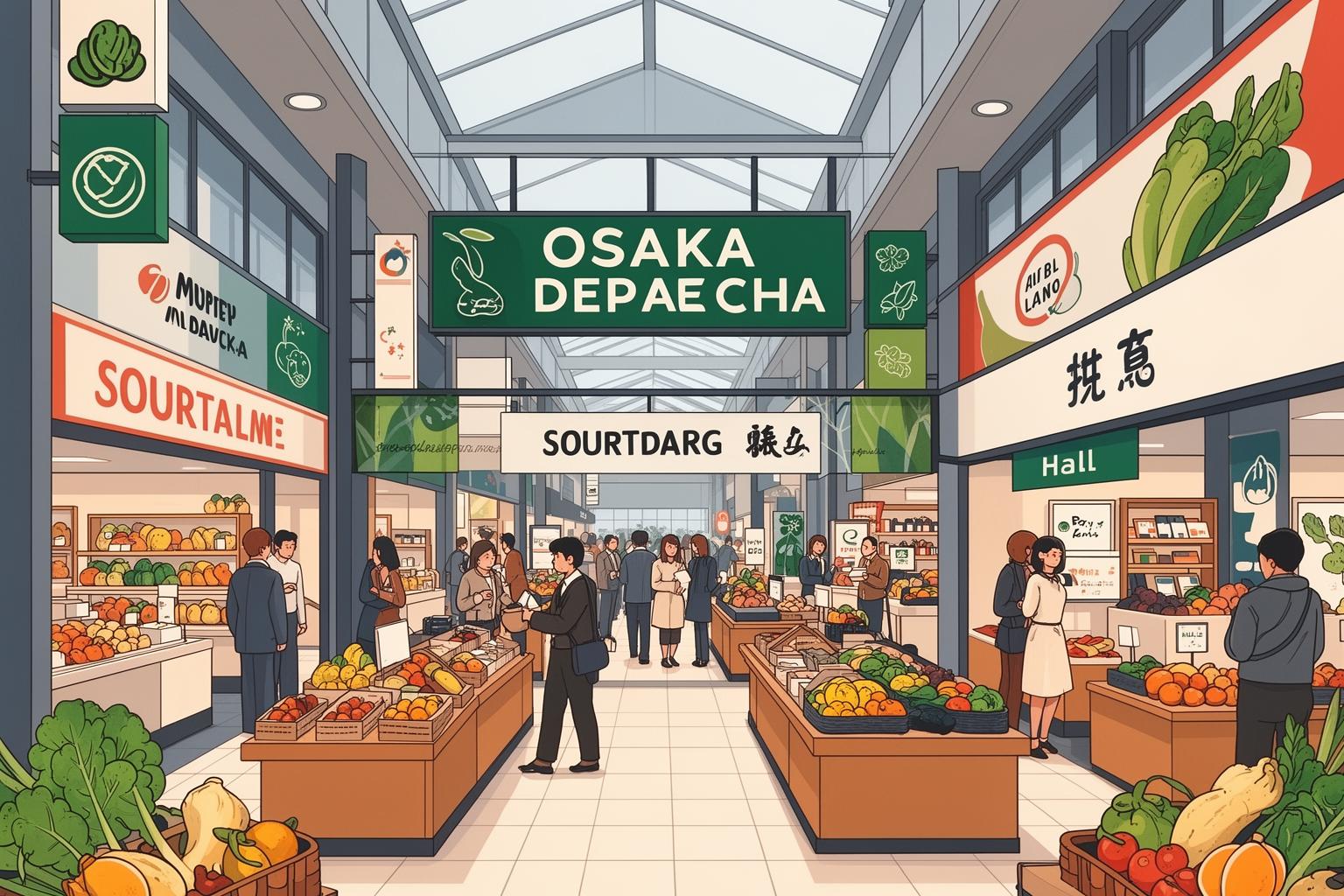
Finding halal-certified food in Osaka can be quite challenging, especially when it comes to ready-made meals and fresh meat. Although there are some dedicated halal shops, they are often few and far between. The depachika offers a convenient, high-quality alternative, but it requires a change in approach. The emphasis here is less on locating certified finished products and more on sourcing pristine, top-quality raw ingredients you can trust.
The Bounty of the Sea
The fish counter is an excellent resource. Due to Japan’s proximity to the ocean and the cultural significance of seafood, the quality and variety available in a depachika are unmatched. Whole fish, fillets, shrimp, squid, and shellfish are all displayed on ice, incredibly fresh. Since seafood is naturally halal (under most interpretations), this section becomes your primary protein source. You can purchase a whole sea bream (tai) to steam with ginger and soy sauce or thick-cut salmon for grilling. The staff can clean and fillet any fish for you right there. This level of service is standard in a depachika but uncommon elsewhere, allowing you full control over meal preparation and ensuring no cross-contamination with non-halal items.
The Global Grocery Aisle: A Lifeline for Spices and Staples
The imported foods section is your key destination. Stores like Seijo Ishii or Kitano Ace serve as international pantries. Here, you will find a dedicated area for ingredients from Southeast Asia, the Middle East, and South Asia, often including halal-certified products. Look for Thai coconut milk, Indian spices, Saudi dates, and North African couscous. Canned chickpeas, lentils, and beans—essential pantry staples—are also available. While halal-certified meat selections might be limited, authentic spices, sauces, and grains needed to prepare your favorite dishes from scratch can be found here. This section stands as a clear counterpoint to the idea that Japanese food culture is entirely insular. As a port city, Osaka has a rich history of international trade, and the depachika’s grocery aisles reflect that global connection today.
Navigating the Butcher: Questions and Limitations
This is the most difficult area. Finding a halal-certified butcher in a mainstream depachika is extremely rare. However, you will find high-quality beef, often with traceability information down to the specific farm. For some Muslims comfortable with consuming meat from People of the Book slaughtered according to their standards, this may be an option, though it remains a personal choice. If you speak with the butcher, you can inquire about the meat’s origin. For strict halal adherence, however, the depachika is best used for its seafood, produce, and imported dry goods. Honesty is essential here; while the depachika addresses many challenges, it does not solve everything. The key is to leverage its strengths.
Allergy-Friendly Shopping: The Power of Service and Clear Labeling
Japan enforces excellent food labeling laws, requiring the top seven allergens—shrimp, crab, wheat, buckwheat, egg, milk, and peanuts—to be clearly identified. The depachika environment enhances this safety net through its high level of customer service and premium product selection, making it surprisingly comfortable for individuals with allergies.
Dedicated Products and Knowledgeable Staff
In grocery and bakery sections, you will increasingly find products marketed as gluten-free or free from other allergens. Look for breads made with rice flour (komeko), gluten-free soy sauces (tamari is often a reliable choice), and sweets made without eggs or dairy. The true advantage, however, lies in the human element. The staff in a depachika are not rushed teenagers; they are career professionals who have thorough knowledge of their products. If you have an allergy, you can confidently approach the counter and ask specific questions. For example, at a salad counter, you might ask, “Kono sarada ni komugi wa haitte imasu ka?” (Is there wheat in this salad?). They will often have a detailed ingredient list for every dish. This willingness to engage, check ingredients, and provide detailed information is a fundamental part of the depachika service model. It contrasts sharply with busy supermarkets where staff may lack the time or knowledge to assist.
Cross-Contamination: The Unspoken Reality
It’s important to be realistic. The awareness of cross-contamination is not as widespread in Japan as it may be in Western countries. Although a bakery might offer a gluten-free loaf, it is often baked in the same facility as wheat-based breads. For those with severe, life-threatening allergies—such as celiac disease—this poses a risk. The depachika does not entirely eliminate this risk. However, for those with milder intolerances or allergies, the ability to speak directly with the person who prepared or is selling the food adds a reassuring layer hard to find elsewhere. You can inquire about the use of different utensils or preparation methods. The transparency is greater, even though the environment is not clinically sterile. This allows you to make more informed decisions based on your personal comfort level.
The Takeaway: A Tool for Control
The greatest benefit of the depachika for allergy sufferers is control. By focusing on fresh produce, fish, and high-quality packaged goods with clear labels, you can select base ingredients that you know are safe. You become less dependent on pre-made sauces or processed foods that might contain hidden allergens. The depachika empowers you to cook from scratch using the best components available, giving you the final say over every ingredient in your meal. In a food culture that can often feel opaque to outsiders, this level of control is invaluable.
The Osaka Difference: It’s Not a Splurge, It’s a Strategy

So why does this model work so well in Osaka? It comes down to the city’s essential character. The depachika perfectly blends Osaka’s practicality with its passion for food. Locals view a depachika not as an extravagant indulgence, but as a highly practical resource. Why spend time and money driving to three separate stores for specialty items when you can find everything you need—consistently high quality—under one roof, conveniently located next to a major train station? This reflects the merchant’s logic of efficiency and value. A common misunderstanding among foreigners is to associate price with luxury. In Osaka, price is often a marker of quality, and quality is an uncompromising part of everyday eating. People here don’t consider buying good ingredients as a luxury; they regard it as standard. This mindset makes the depachika less a tourist spot and more a crucial part of the city’s infrastructure, as vital as the subway system. It’s a place where the city’s shared love for delicious, top-quality food becomes accessible. For anyone living here with specific dietary needs, embracing this outlook and infrastructure isn’t just beneficial; it’s essential to fully experiencing Osaka’s remarkable food culture. You come to view the gleaming counters not as a showcase of unattainable luxury but as a beautifully arranged, expertly curated pantry, ready to resolve your dinner dilemma.