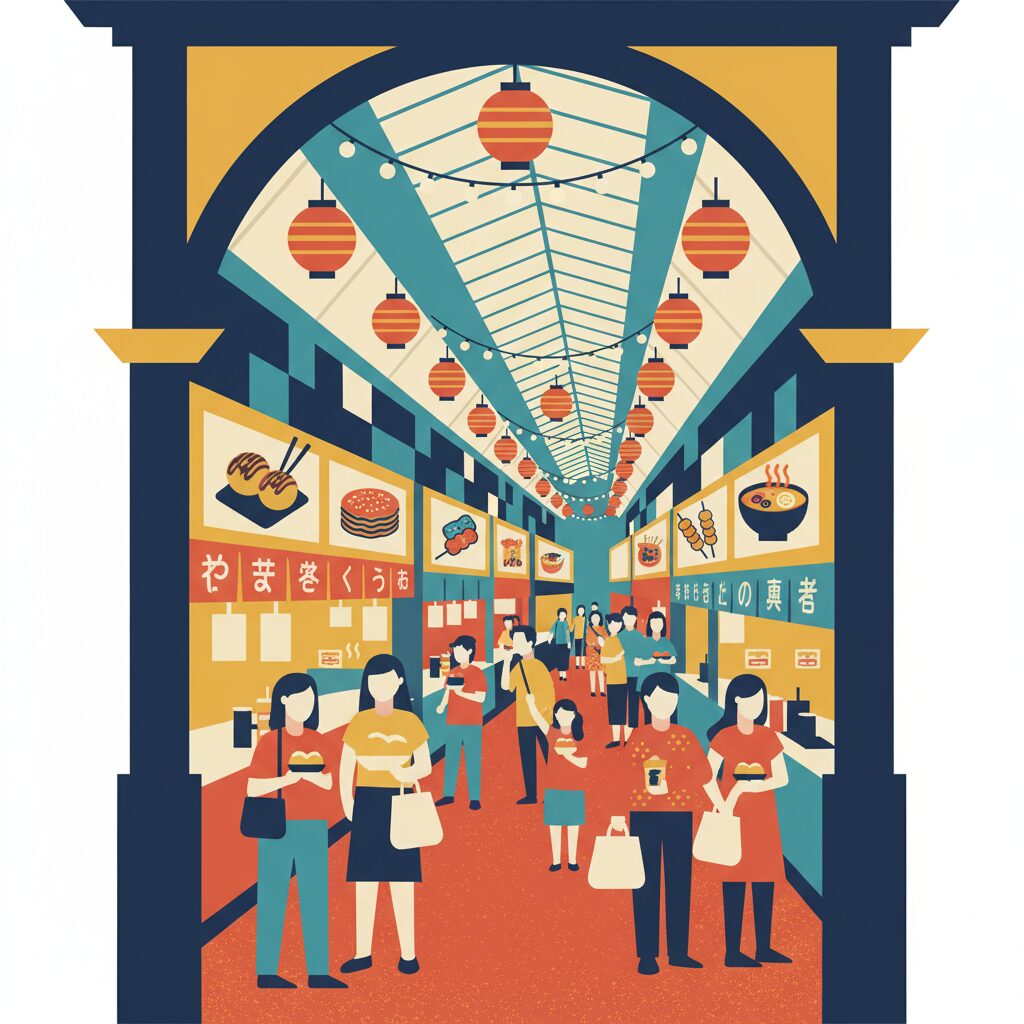
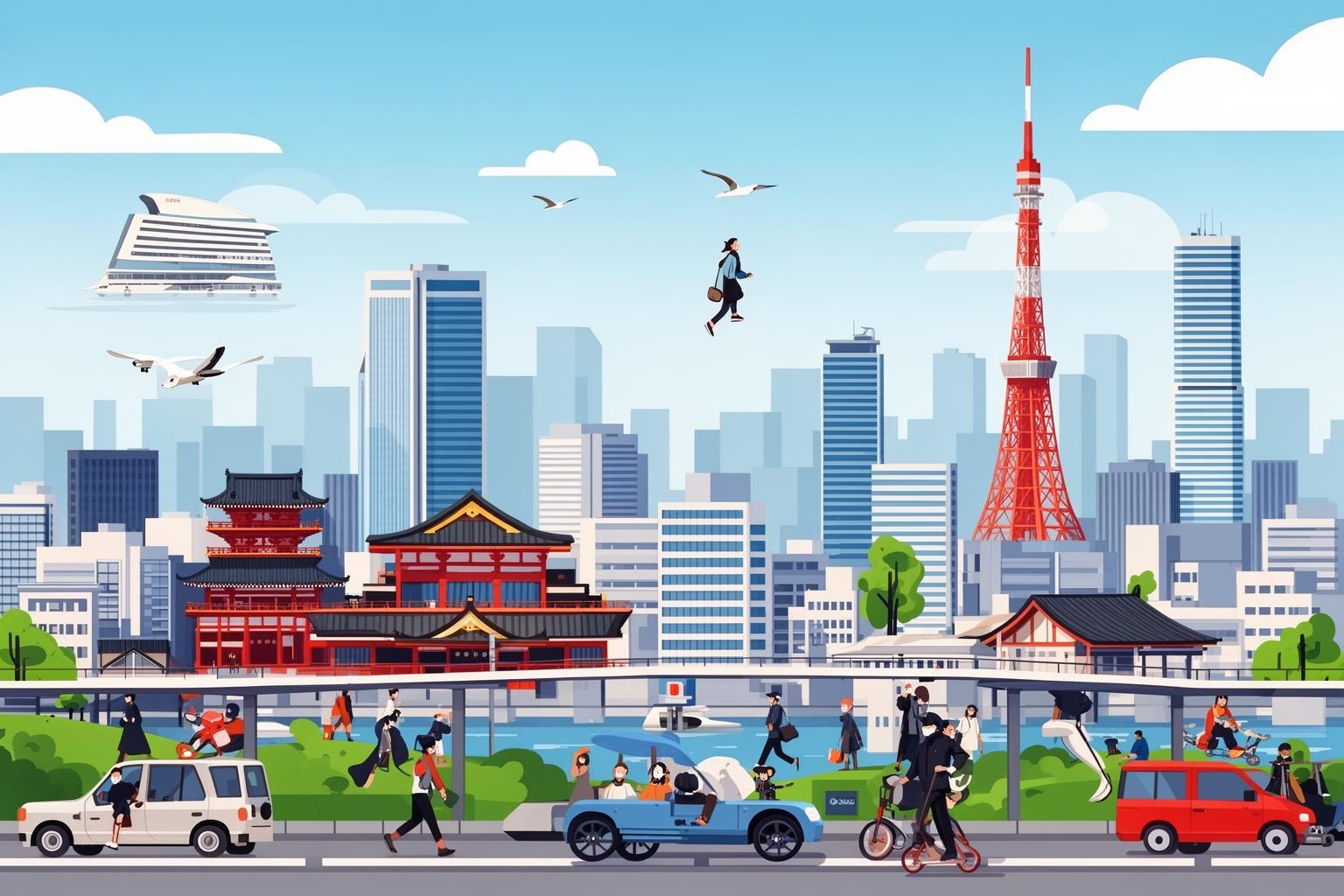
Step off the train in Tokyo, and your first grocery run will likely lead you to a palace of polished convenience. Gleaming floors, hushed aisles, perfectly stacked produce under lighting designed to make an apple look like a jewel. The transaction is a silent ballet of barcode scanners and contactless payments. It’s efficient, it’s clean, it’s entirely anonymous. Then, you come to Osaka. You ask a local where to buy dinner, and they don’t point you to a supermarket. They point you towards a long, covered, slightly chaotic tunnel of noise, smells, and people. This is the shotengai, the shopping arcade, and it’s the thumping, beating heart of daily life here. It’s not just a place to buy groceries; it’s the city’s open-air kitchen, its communal living room, and its most honest stage. For anyone trying to understand what makes Osaka tick, to decipher its rhythm from the metronomic pulse of Tokyo, the shotengai is ground zero. This isn’t about nostalgia. It’s about a fundamentally different approach to commerce, community, and life itself, one that thrives on human connection in a way that often baffles outsiders. It’s where you stop being a consumer and start becoming a neighbor.
A deeper look at how Osaka’s vibrant shotengai culture subverts conventional retail can be found in the Osaka food economy analysis.
The Daily Rhythm: More Than Just a Shopping List
The life of a shotengai isn’t a steady hum; it’s a living entity that breathes in tune with the neighborhood’s needs. Its energy fluctuates dramatically throughout the day, with each phase catering to different purposes and characters. To view it as merely a collection of shops is to miss the entire performance. This is a carefully choreographed dance of commerce and community, and mastering its steps is the true first lesson in becoming an Osakan.
The Morning Rush and the Retiree Regatta
The day doesn’t start with a gentle awakening but with the clang and scrape of metal shutters rolling up. Before the sun is fully risen, the air is filled with the foundational scents of the Osaka kitchen: the savory steam from a dashi vendor, the sharp, salty aroma of fish laid out on ice, and the sweet fragrance of a fruit stand arranging its seasonal best. This is the hour of the professionals. The first shoppers are the neighborhood’s elderly, mostly women, who move with an energy bordering on athletic. They are not browsing; they are on a mission. They pull their own well-worn wheeled carts, battle-scarred from years of use, and their eyes are keen. With instincts sharpened over decades, they know which vegetable seller has the firmest daikon today and which butcher’s pork is cut just right for tonkatsu. This isn’t casual shopping; it’s a strategic operation. The chatter is a rapid-fire staccato of Kansai dialect, a language designed for speed and efficiency. They greet the shopkeepers not with polite formality, but with familiar nods and quick, “An-chan, kyō no sakana dou ya?” (Hey man, how’s the fish today?). It’s a transaction built on years of trust. They rely on the fishmonger to point them to the freshest catch, and he trusts they’ll return tomorrow. There’s a playful competitiveness to it—a race to get the best before it’s gone, a shared understanding that quality is paramount.
The Afternoon Lull and the Social Hour
As midday nears, the frantic energy fades. The pros have secured their goods and retreated to their kitchens. Now, the shotengai exhales. This is when its role as a social hub becomes clear. The pace slows to a leisurely stroll. Shopkeepers, no longer overwhelmed by the morning rush, lean against counters, chatting with peers across the narrow lane. A kimono shop owner might be sharing tea with the pickle stand’s proprietor. They talk about the weather, their children, the latest Hanshin Tigers game. This is where the neighborhood’s information network hums. Mothers with young children take a break, buying a small snack from a croquette shop. They’re not just shopping for dinner; they’re escaping the confines of small apartments, seeing a friendly face, feeling part of something. This is the time for idle chatter, catching up on local gossip, and simply existing in a shared space. A foreigner might walk by and see few customers, assuming business is slow. But that misses the shotengai’s essence—it’s not just retail; it’s the neighborhood’s central nervous system, and this lull is when it processes, connects, and recharges.
The Evening Scramble: Dinner on the Fly
Then, around 4 or 5 PM, the energy surges again. The air crackles with urgency. This is the evening wave: office workers heading home from the station, parents picking up kids from school, all focused on one thing—dinner. And the shotengai is ready. This is where Osaka’s food culture reveals its genius. The focus turns to souzai—pre-made side dishes, ready to heat and serve. The tempura shop displays freshly fried prawns. The yakitori stand sends plumes of delicious smoke through the arcade. The tofu-ya offers fresh blocks of tofu alongside pre-made agedashi tofu in broth. This isn’t about lazy cooking; it’s smart, practical assembly. An Osakan household may cook their own rice, but they build the rest of the meal from the shotengai’s best offerings. A croquette from one shop, a simmered pumpkin dish from another, grilled mackerel from the fishmonger. It’s a modular dinner approach prioritizing freshness and flavor without hours in the kitchen. It reflects a core Osaka value: why settle for a mediocre job yourself when a neighborhood specialist can do brilliant work at a reasonable price? The evening shotengai embodies this pragmatic, food-passionate mindset. It’s a lifeline for the busy, a treasure trove for the hungry, and a daily ritual keeping the city’s kitchens vibrant and varied.
The Unspoken Rules of the Arcade Aisle
To someone unfamiliar, the shotengai can seem like utter chaos. The noise, the crowds, the endless chatter. However, beneath this surface lies a complex and deeply rooted set of social norms. This is not the polished, scripted customer service typical of a department store. Instead, it’s a living, breathing ecosystem grounded in relationships, reciprocity, and a unique style of communication that can be puzzling to outsiders. Grasping this code is essential to truly appreciating the shotengai experience.
The “Maido!” Economy: A Relationship, Not a Transaction
When a shopkeeper in Osaka calls out “Maido!” as you leave, they’re not simply saying “Thank you.” The phrase literally translates to something like “each time” or “always.” The full, unspoken expression is “Maido go-hiyiki ni arigatou gozaimasu“—“Thank you for your continued patronage.” This has been shortened to a single, powerful word that signifies an ongoing relationship. It’s an acknowledgment. It means, “I see you. You are a regular. You belong here.” This forms the foundation of the shotengai economy. It’s not about anonymous, one-time sales. It’s about cultivating a loyal customer base, one individual at a time. In Tokyo, your loyalty might be tracked with a plastic point card and rewarded with digital coupons. In an Osaka shotengai, your loyalty is remembered by the shopkeeper. They recall your preference for fish, that your son adores their chicken karaage, that you always buy their thickest slices of bread. This personal connection is the currency. It’s why a fishmonger will examine the piece of tuna you’ve chosen and say, “Neechan, kocchi no hou ga ee de” (Miss, this one over here is better). He’s not attempting to upsell you; he’s investing in your trust. He knows that by selling you a superior piece today, you’ll return tomorrow and the day after. This approach embodies a fundamentally different business philosophy, one focused on the long-term well-being of the community rather than maximizing short-term profits.
Reading the Room: The Art of the Osaka Banter
The style of communication in the shotengai is a form of performance art. It’s loud, direct, and peppered with playful teasing that foreigners often mistake for rudeness. A customer might pick up a cabbage and exclaim, “Taka!” (Expensive!). In Tokyo, this would be considered a serious breach of etiquette. In Osaka, it’s an opening gambit. The shopkeeper will likely reply with a grin, “Anata ni wa urarehen!” (I’m not selling it to you then!), followed by hearty laughter. This isn’t an argument. It’s banter. It’s social grooming, a way of building connection through shared humor and theatrical conflict. Self-deprecation is also important. The shopkeeper might call his own shop “uchi wa bonchi dakedo” (we’re just a mediocre shop, but…), inviting you to praise the quality of his goods. It’s a delicate dance of feigned complaints and exaggerated compliments. For non-Japanese, the natural instinct might be to stay polite, reserved, and quiet. But in the shotengai, that can come across as disinterest or even suspicion. Joining in the banter, even with a smile or a laugh, shows you understand the game. It signals that you’re not a tourist just passing through; you’re a neighbor willing to join in. This verbal sparring is the sound of the community reaffirming its bonds.
The “Omake” Culture: The Little Something Extra
After paying for your bag of potatoes, the shopkeeper might throw in an extra one. When you buy a bunch of green onions, he may add another stalk. This is omake, a small, unsolicited bonus. It’s important to realize that this isn’t a discount. It’s a gesture. It’s a physical expression of the “Maido!” relationship. It conveys, “I appreciate you,” without words. The value of the omake lies not in its monetary worth but in the sentiment behind it. It strengthens the bond between seller and buyer, turning a simple commercial exchange into a human moment. This practice stems directly from a merchant culture where goodwill and reputation mattered more than cash in the register. Attempting to haggle for a lower price might get you nowhere, but becoming a loyal, friendly customer could earn you a steady flow of omake. It’s the shotengai’s organic loyalty program, far more rewarding than collecting points on a plastic card. It’s a small, tangible reminder that in this part of Osaka, you’re not just a number—you’re a familiar face they’re glad to see.
Why Osaka Clings to the Shotengai (and Tokyo Doesn’t, as Much)
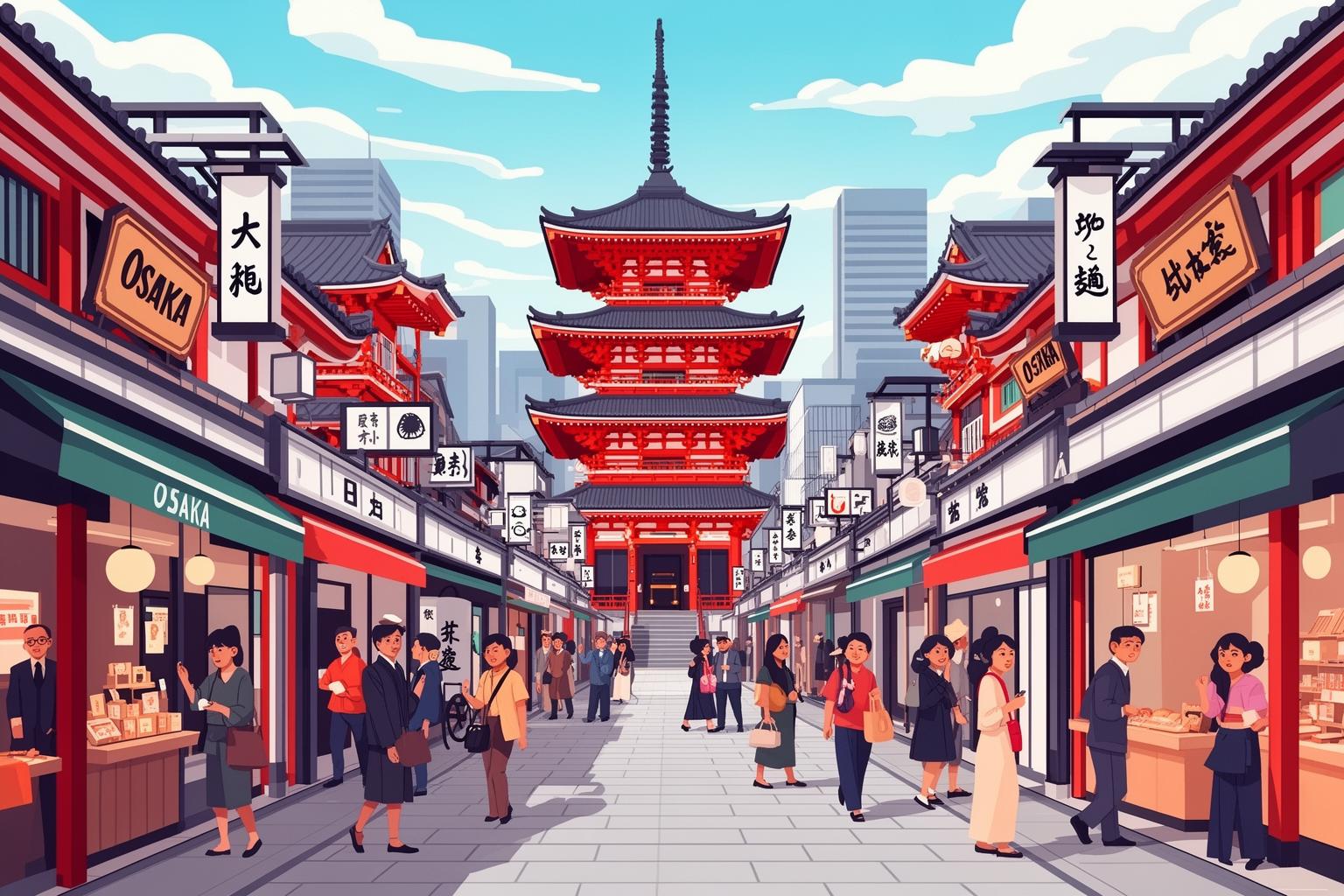
The persistence of the shotengai in Osaka is neither a historical accident nor a failure to modernize. Rather, it is a deliberate cultural choice, deeply ingrained in the city’s identity. While shopping arcades in other major Japanese cities have declined in the face of mega-malls and 24-hour convenience stores, Osaka’s shotengai remain resilient and vibrantly alive. This endurance highlights the fundamental philosophical differences that distinguish Osaka from its eastern rival, Tokyo.
The Merchant City DNA
Tokyo’s history is tied to the samurai and the bureaucratic elite. It was a city defined by top-down authority, formal hierarchies, and rigid social codes. In contrast, Osaka was known as the tenka no daidokoro – the nation’s kitchen. It was a city shaped by merchants (shonin). In this merchant culture, practicality, value for money, and skillful negotiation were highly prized. Social standing was based not on birth, but on business skill. This pragmatic, results-driven mindset is embedded in the city’s character. The shotengai perfectly embody this legacy. They are marketplaces where direct relationships, tangible quality, and fair prices matter most. There is no space for pretense or formality. The focus is on the deal, the product, and the connection. Osaka shoppers are famously discerning and price-conscious. They will walk an extra block for better cuts of meat, even if it costs a few yen more, because they recognize long-term value. This contrasts with the more brand-focused or convenience-oriented consumer culture found elsewhere. The shotengai flourish because they serve this deeply rooted merchant mentality.
A Buffer Against Anonymity
Living in a huge city can be a lonely experience. You might be surrounded by millions yet still feel isolated. The shotengai serve as a powerful remedy to this urban anonymity. They are human-scale institutions within a sprawling metropolis. In the shotengai, you are not just an anonymous resident of a ward, but “the person from the third floor who likes sweet potatoes.” Being recognized by local vendors fosters a sense of belonging and responsibility. It weaves you into the neighborhood’s social fabric. For foreign residents, this world can initially seem daunting because you stand out as an outsider. But integration begins through the shotengai. By making the effort to become a regular, greeting shopkeepers, and becoming a familiar face, you cross an important threshold. The tofu shop owner starts setting aside your preferred fried tofu. The fruit stand vendor gives you a nod of recognition. These small moments are significant milestones. They mean you are no longer just living in the area; you are becoming a part of it. Achieving this casual, everyday integration is much harder in the more reserved and anonymous hallways of Tokyo high-rises.
The Economics of Common Sense
From a modern perspective, the shotengai’s structure might seem inefficient. Why visit three separate shops—the butcher, the fishmonger, the greengrocer—when a supermarket offers everything in one place? The answer lies in Osaka’s philosophy of specialization and competition. Each shop in the shotengai is run by a specialist who knows their product inside and out. The butcher understands every detail about meat. The fishmonger can recount the life story of the sea bream you’re about to buy. This expertise guarantees higher quality. Moreover, the close proximity of these specialists fosters intense competition. If one tofu shop’s prices rise too much or quality declines, customers simply walk twenty meters to the next. This ongoing, visible competition keeps everyone honest, ensuring sharp prices and excellent quality. Osaka consumers understand this dynamic instinctively. They willingly trade the convenience of a one-stop supermarket for the superior quality and value offered by this ecosystem of competing specialists. It’s a reasoning based on common-sense economics: specialization plus competition equals better deals for customers. This system trusts consumers to be smart enough to tell the difference.
Navigating the Shotengai as a Foreign Resident
For a newcomer, the shotengai can feel like an overwhelming wall of noise and unfamiliar customs. It’s easy to feel like an outsider in a private club. However, overcoming that initial hurdle is one of the most rewarding experiences you can have while living in Osaka. It takes a bit of courage and a willingness to step beyond your cultural comfort zone, but the rewards are significant. This is how you discover not only better food but also a true sense of belonging in the city.
Breaking the Ice: Your First “Konnichiwa”
The most vital tool at your disposal is a simple greeting. Start by choosing a few shops and becoming a familiar presence. You don’t need lengthy conversations. Just make eye contact, smile, and offer a clear “Konnichiwa” when you enter and a sincere “Ookini” (the Kansai version of “thank you”) when you leave. Repeat this every time. Let them get accustomed to your face. Begin small—buy your milk from the same grocer or your bread from the same bakery. Initially, the response may be a polite nod. But after a few visits, that nod will evolve into a warmer greeting. They’ll begin to see you not as a random foreigner but as “the foreigner who lives nearby.” Consistency is key. You are gently and patiently showing that you are not a tourist; you are a neighbor. That distinction matters greatly.
Understanding the Language of Value
Pay attention to how shopkeepers describe their products. They’ll frequently offer information, but it won’t feel like a hard sell. When a vendor says, “Kore, meccha amai de!” (This is super sweet!), they’re giving you a sincere tip. They take pride in their goods and want you to have the best experience possible. Trust their advice. If you’re unsure about something, point and ask, “Osusume wa?” (What do you recommend?). This simple question shows respect for their knowledge and opens the door to conversation. Learning a few key phrases in Kansai-ben, like “Ookini” or “Maido,” can also work wonders. Using the local dialect, even imperfectly, is a strong signal that you’re making a genuine effort to connect with their culture on their terms. It’s a shortcut to being recognized as someone who truly wants to understand Osaka.
The Payoff: More Than Just Groceries
The benefits of this effort go far beyond the food on your plate. When you become a regular in the shotengai, you gain access to a support network you didn’t realize you needed. The butcher may start setting aside a particularly good cut of meat because he knows you’re coming. The vegetable vendor won’t just sell you a strange-looking mountain vegetable but will also offer a quick, essential lesson on how to prepare it. You’ll hear about local festivals before they’re posted online. You’ll get tips on the best ramen spots or which local clinic has a particularly kind doctor. You become a hub in the neighborhood’s information web. This is the genuine experience of living in Osaka. It’s not found in shiny malls or tourist spots but in the noisy, crowded, wonderfully human aisles of the local shotengai. It’s messy, personal, and a daily reminder that, in this city, community isn’t an abstract idea; it’s a real, tangible, and deeply satisfying way of life.