Step off the train in any residential part of Osaka, and you’ll probably find one. A long, covered street, flanked by a kaleidoscope of small shops, buzzing with the sound of bicycle bells and chattering voices. This is the shotengai, the local shopping arcade. To a newcomer, especially one from Tokyo, these arcades might look a bit dated, maybe even a little gritty compared to the sleek, silent efficiency of a Shibuya department store or a pristine suburban mall. It’s easy to dismiss them as just a place to buy groceries. But that would be like looking at a family photo album and only seeing the paper it’s printed on. You’d miss the entire story. Because in Osaka, the shotengai isn’t just a marketplace; it’s the city’s living room. It’s where the unspoken, unwritten rules of Osaka life play out every single day. It’s the physical manifestation of a concept you’ll hear a lot about here: ninjo. Ninjo is often translated as ‘human warmth’ or ’empathy,’ but that’s too simple. It’s a messy, noisy, beautifully complicated web of mutual obligation, casual kindness, and neighborly nosiness that holds the community together. It’s the reason why life in Osaka feels fundamentally different, more grounded, and infinitely more personal than in many other major cities. This isn’t about sightseeing. This is about understanding the city’s pulse. To truly get Osaka, you have to understand its shotengai.
These shotengai not only embody the city’s warm community spirit but also offer a glimpse into Osaka’s shotengai secrets that help keep everyday living affordable.
More Than a Marketplace: The Shotengai Ecosystem
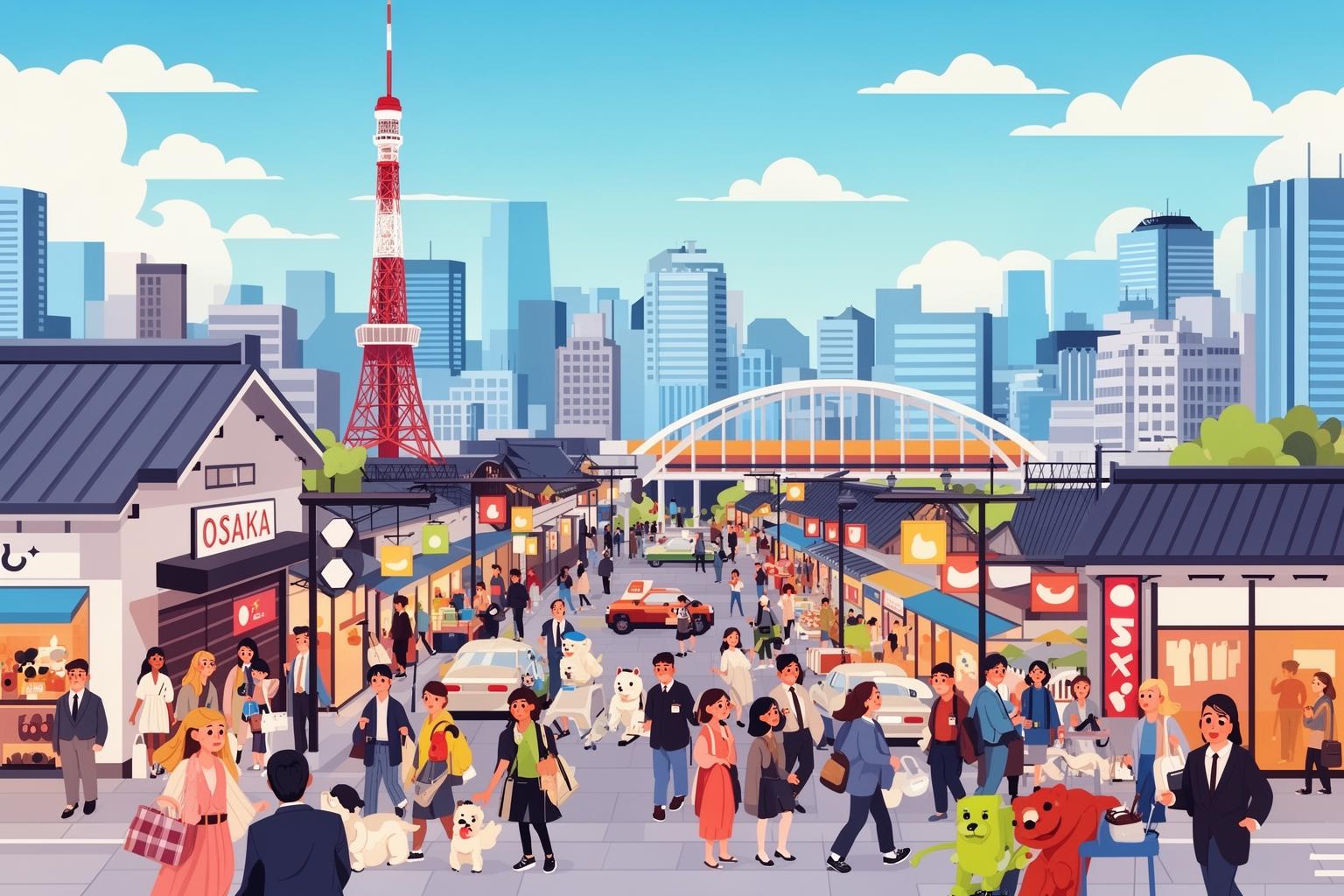
Forget the notion of a shopping trip as a sterile, purely transactional task. A walk through an Osaka shotengai is a fully immersive experience. You’re not merely a customer; you become part of a complex, living ecosystem. Take a close look at the variety of businesses. Beside the greengrocer with pyramids of shiny eggplants and daikon radishes, there’s a small clinic where Dr. Tanaka has been treating coughs and colds for forty years. Just a few doors down, a Showa-era coffee shop, or kissaten, serves thick toast and siphon coffee to regulars who read the paper and discuss the Hanshin Tigers‘ latest game. You’ll meet a butcher who doesn’t simply sell meat but also offers unsolicited yet excellent advice on how to cook it. There’s the tofu maker, steam rising from his shop in the early morning, and the fishmonger whose booming voice announces the day’s catch. Scattered throughout are watch repair shops, traditional barbers, stationery stores smelling of paper and ink, and pharmacies where the staff knows your family’s medical history better than you do.
This isn’t a curated collection of businesses designed for maximum profit. It’s a naturally evolved support system for daily life. People carry out their entire day within the arcade’s ecosystem. You might drop off your shirt at the dry cleaner, pick up a prescription, buy a croquette for a snack, and then visit the tea shop—not necessarily to buy tea, but just to chat with the owner for a few minutes. This is the crucial difference. The shotengai gives a reason for daily, face-to-face interaction. An elderly woman living alone might buy a single potato every afternoon. It isn’t about the potato. It’s a ritual, a quiet signal to the shopkeeper and the community that she is up, about, and okay. If she doesn’t appear, someone will notice. That is ninjo in action. It’s a safety net woven from countless, seemingly insignificant daily encounters. You won’t get that from an algorithm-driven recommendation on a webpage or the polite but distant service at a large supermarket.
The Language of Ninjo: How Conversations Flow
The sound of an Osaka shotengai speaks its own language. It’s a symphony of lively greetings, loud laughter, and a distinctive communication style that can be startling if you’re accustomed to Tokyo’s reserved politeness. In a Tokyo department store, interactions follow a script: a chain of formal greetings and honorifics. In an Osaka shotengai, that script is discarded. The relationship is peer-to-peer rather than a strict hierarchy of customer and clerk.
Conversations are direct, personal, and driven by a playful rhythm. The shopkeeper at the vegetable stand won’t just weigh your tomatoes; she’ll ask, “Making curry tonight? You should use these onions—they’re sweeter!” This isn’t a sales pitch; it’s an invitation to share an experience. The banter often echoes the famous manzai comedy style of boke (the funny one) and tsukkomi (the straight one). The customer might joke, “These prices will bankrupt me!” and the owner will shoot back, “Only if you eat as much as you talk!” This isn’t rudeness; it’s a sign of affection, a verbal dance that creates a warm, familiar bond.
Then there’s the charm of omake, the little extra. Buy three fried cutlets, and the woman behind the counter might toss in a fourth, saying, “Here, this one’s for the road!” or “Maido, ookini!” (Thanks for your business!). This isn’t a calculated marketing tactic. It’s a spontaneous gesture of goodwill, a tangible expression of the shopkeeper’s gratitude for your patronage. Omake culture is the currency of ninjo. It reinforces the idea that the relationship goes beyond a simple exchange of money for goods. It’s a two-way street built on loyalty and mutual recognition. This informal, generous, and slightly chaotic style of communication is the lifeblood of the shotengai, making every transaction feel less like business and more like a visit with a neighbor.
Unspoken Rules of the Arcade: What Foreigners Misunderstand
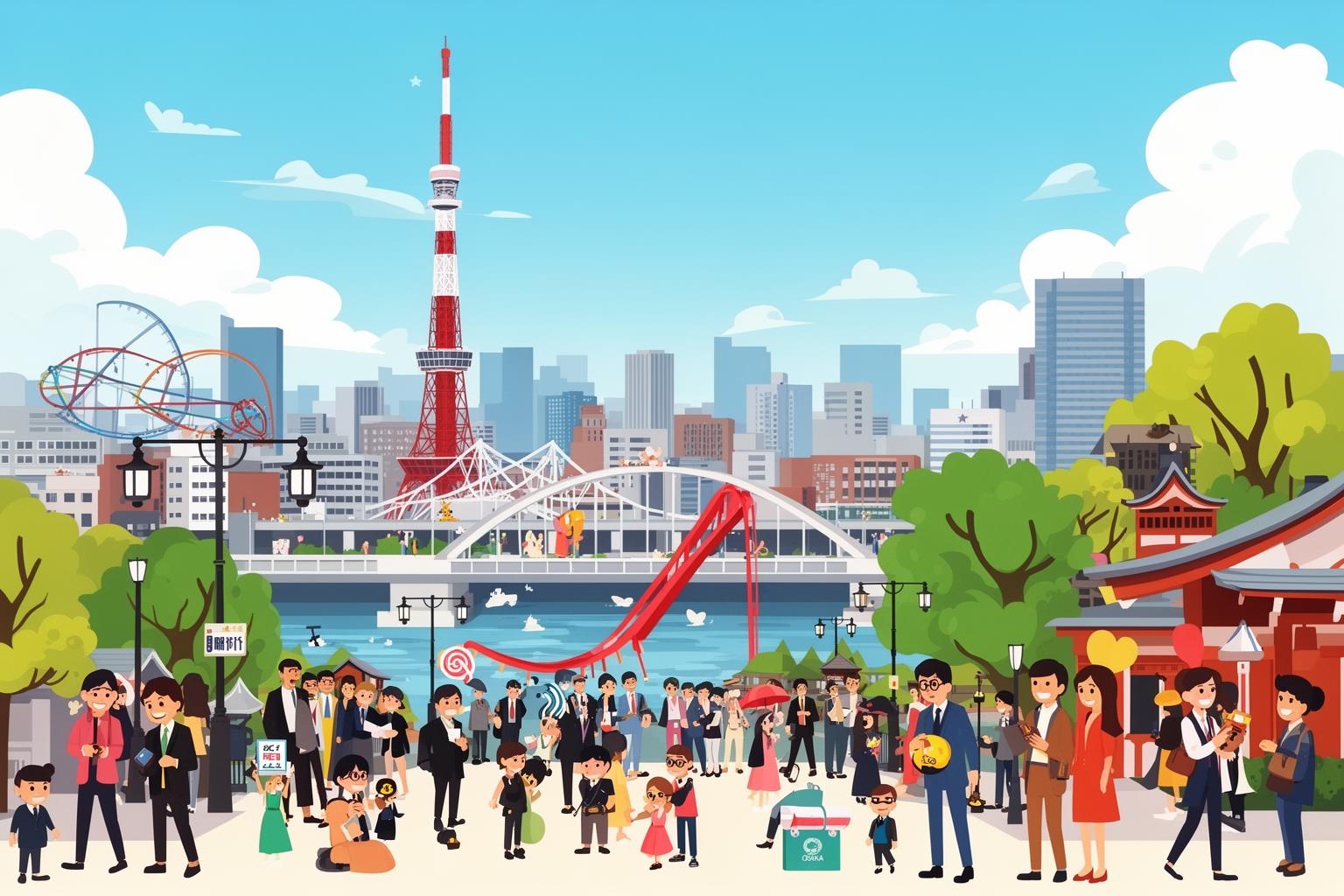
For a non-Japanese resident, navigating the social environment of the shotengai can be challenging. The very qualities that make it charming can also cause confusion. The warmth may sometimes feel intrusive if you are not accustomed to it. Grasping the unspoken rules is essential to fully enjoy the experience.
The ‘Nosiness’ is Connection
Firstly, there is the directness. A shop owner might ask questions that seem deeply personal in other cultures, like “Are you married?” “How many kids?” or “Where do you work?” In many Western cultures, this would be considered intrusive. However, in the shotengai, it serves the opposite purpose. It’s an effort to place you within the community’s framework. They aren’t collecting data; they are trying to establish a connection. By knowing a bit about you, they can greet you more personally next time. They are integrating you into the social fabric. The best way to respond is with straightforward, honest answers and maybe return a question yourself. This shows you appreciate their gesture and are open to becoming part of the community.
Bargaining Isn’t the Point
The bustling, market-like vibe might suggest that prices are flexible. This is a common misconception. Although the interactions are casual, the shotengai is not a marketplace for haggling over every price. Prices are fixed. The ‘bargain’ you receive here isn’t through negotiation; it’s given in the form of trust and omake (extra gifts). The value lies in the relationships you build. Become a regular, and the butcher will start reserving the best cuts for you. The fishmonger will point out what’s freshest that day. Discounts come from loyalty, not from bargaining. Attempting to haggle may come off as disrespectful, implying the set price is unfair.
It’s a Collective Space
Lastly, recognize that the arcade is a communal space with a shared sense of responsibility. You’ll notice shopkeepers sweeping in front of neighbors’ stores or watching over a toddler who has wandered away from their mother. The arcade is a safe area, especially for children and elderly people, because everyone looks out for each other. When you are there, you are part of that. This means being mindful of your surroundings, not blocking narrow walkways with your bicycle, and greeting others with a simple nod or “Konnichiwa“. You are a guest in their shared living room, and behaving with that awareness will take you far.
Why Shotengai Survive in the Age of Amazon and Aeon Malls
In a technologically advanced country like Japan, the continued existence of these seemingly analog shopping streets is a captivating phenomenon. Despite the convenience of online shopping and the polished perfection of massive, climate-controlled Aeon malls, how can shotengai possibly compete? The key lies in what they provide that technology and corporations cannot: authentic human connection.
You can’t experience ninjo through a one-click purchase. An algorithm won’t ask about your son’s school exams. A self-checkout machine won’t discreetly add an extra orange to your bag just because. The shotengai endures because it meets a fundamental human need for community and recognition. It serves as a third place, separate from home and work, where people can simply be themselves and feel known. In an ever more anonymous world, that value is greater than ever. It stands as the ultimate defense against the isolation of modern life.
This doesn’t mean they aren’t facing difficulties. Many smaller shotengai wrestle with aging shopkeepers and a shrinking customer base. Yet, the resilient ones are evolving. You’ll find a trendy, third-wave coffee shop opening beside a 70-year-old pickle shop, attracting a younger crowd. Young entrepreneurs, weary of corporate life, are revitalizing old businesses, from bakeries to bookstores, drawn by low rent and a strong community spirit. Moreover, shotengai are the vibrant heart of local festivals. During a neighborhood matsuri, the arcade transforms into a pedestrian paradise, decorated with lanterns and bursting with food stalls and games. These events are organized by the shotengai association, reinforcing its role as the community’s central pillar. They are not merely surviving; they are demonstrating that their role is indispensable.
Finding Your Place: A Resident’s Guide to the Shotengai
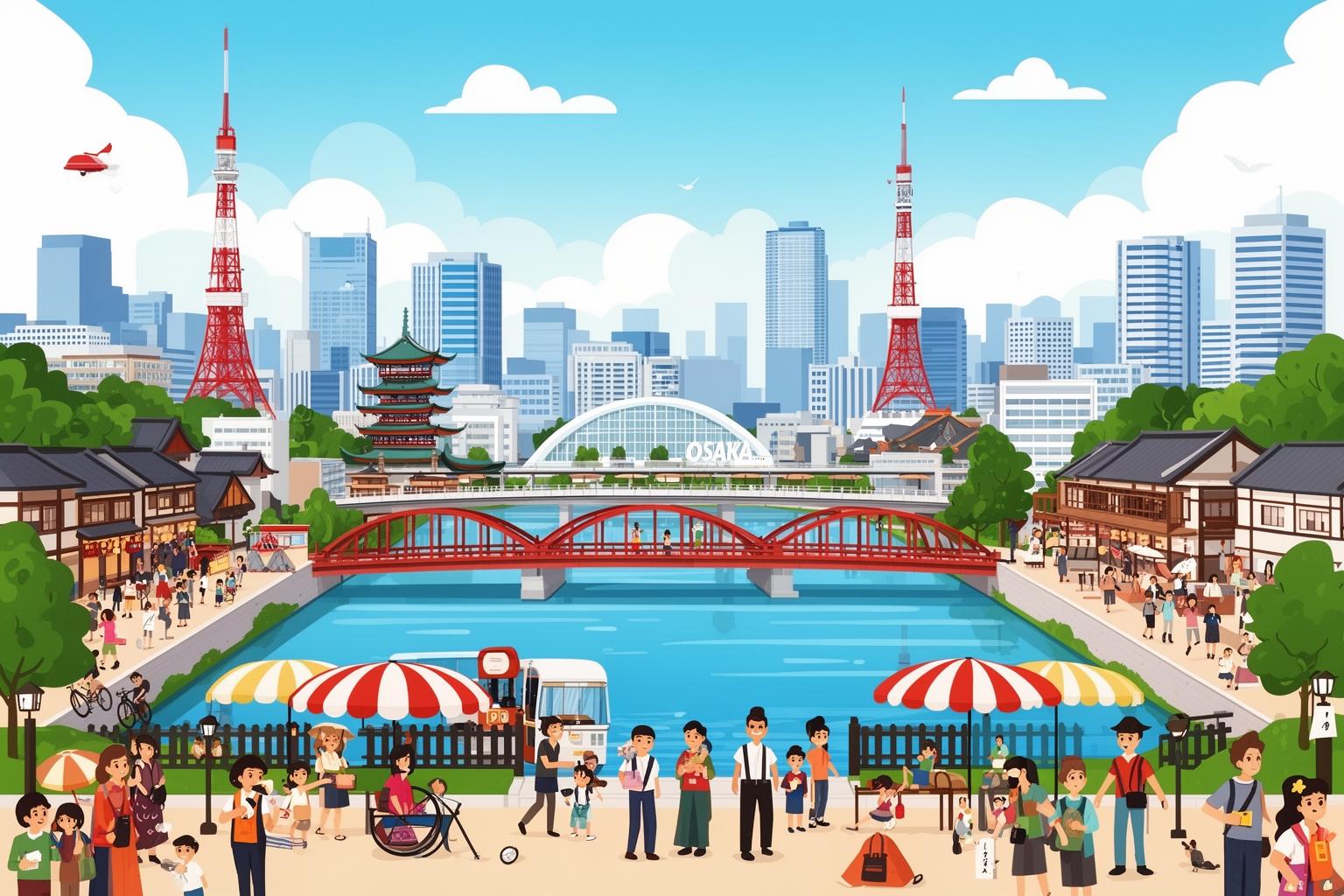
As a foreigner living in Osaka, the shotengai is your most valuable resource for integrating into local life. It’s the quickest way to feel like a resident rather than a constant tourist. But you need to take the initiative. The key is to break away from anonymous, efficient shopping and adopt a slower, more engaging approach.
First, find your local shotengai. It doesn’t have to be a well-known one like Tenjinbashisuji. The small, modest one near your apartment is ideal. Then, pick a few shops and stick with them. Instead of buying all your vegetables at a large supermarket, start purchasing them from the small grocer in the arcade. Visit the same tofu maker, the same butcher. Become a familiar face.
Next, engage in small talk. It may feel intimidating, especially with a language barrier, but a little effort makes a big difference. Start simple. Comment on the weather. Ask, “Kyou no osusume wa nan desu ka?” (What do you recommend today?). This straightforward question shows you appreciate their expertise and invites a genuine conversation. Listen to their stories. Ask about the history of their shop. Be curious.
Before long, you won’t just be another customer. The shopkeepers will start greeting you by name. They’ll know how you like your coffee or which cut of meat you prefer. They’ll look out for you. That moment—when the woman at the vegetable stand sees you coming and says, “Ah, Tanaka-san, I saved the good spinach for you today!”—is when you stop merely living in Osaka and start truly belonging to it. You’ve found your place in the city’s living room.