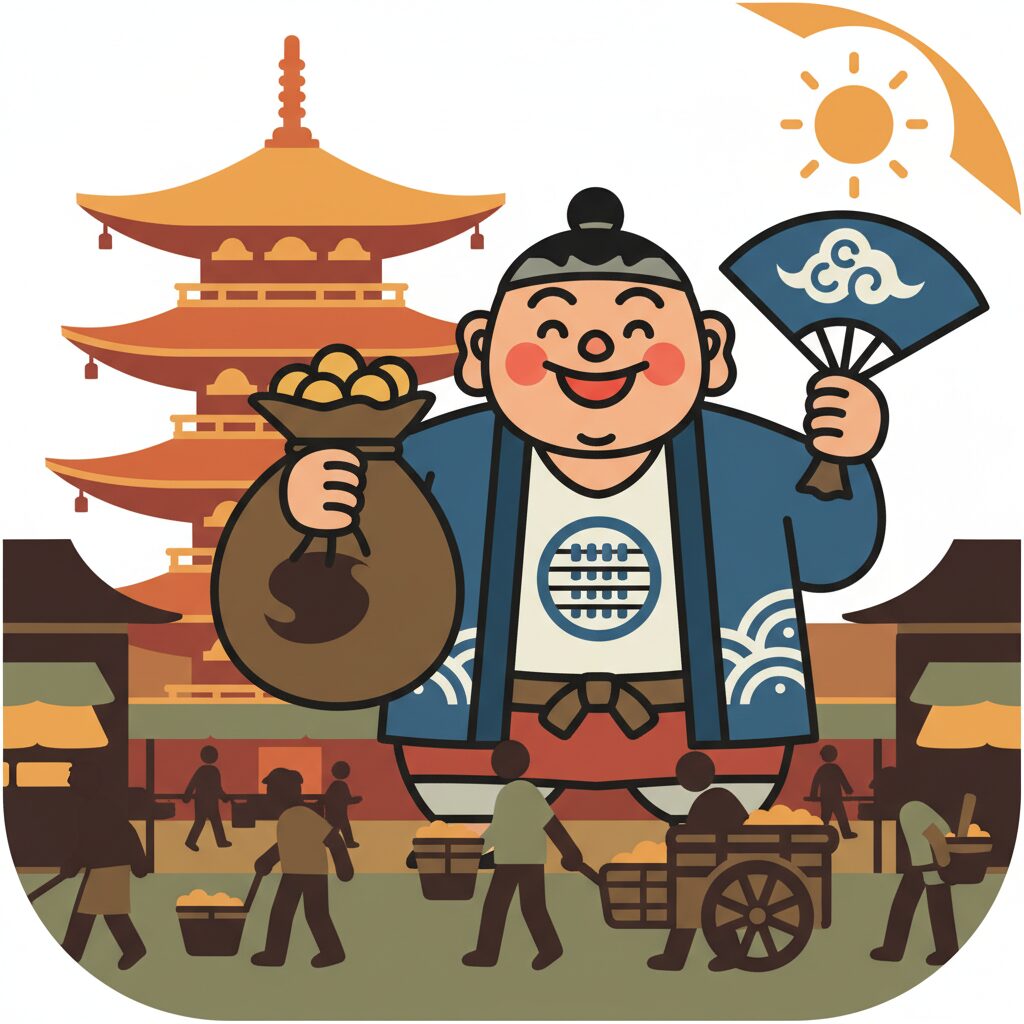
The first time it happens, it’s jarring. You walk into a tiny shop in a sprawling, covered ‘shotengai’ arcade, maybe somewhere deep in Tenma or near Namba. You’re just browsing, minding your own business, when the elderly woman behind the counter looks you up and down. Not in a hostile way, but with an assessing gaze. “You’re not from around here, are you?” she says, not as a question, but as a statement of fact. In Tokyo, this would be an almost unimaginable breach of the sacred, invisible wall between customer and clerk. You might get a flawlessly polite “Irasshaimase!” (Welcome!) from a chorus of staff, but the interaction would end there, suspended in a pleasant, professional amber. But this is Osaka. Before you can even answer, she continues, “You look like you need a good pair of walking shoes. Those won’t last a week on these streets.” She’s not wrong. And just like that, you’re not a customer anymore. You’re in a conversation. This is the heart of Osaka’s ‘Akindo’ spirit, a merchant-centric worldview that fundamentally rewires the DNA of daily commerce, making it a world away from the silent, efficient transactions of Tokyo. For anyone trying to build a life here, understanding this spirit isn’t just about shopping; it’s about understanding the city’s operating system. It’s the difference between seeing Osaka as a chaotic, noisy city and seeing it as a vibrant, interconnected community where every transaction is a chance for human connection.
This distinctive exchange, where every word carries a meaning beyond simple courtesy, invites you to explore banter in Osaka’s shotengai as a window into the city’s authentic merchant spirit.
The Polished Mirror: Tokyo’s Flawless and Formal Service
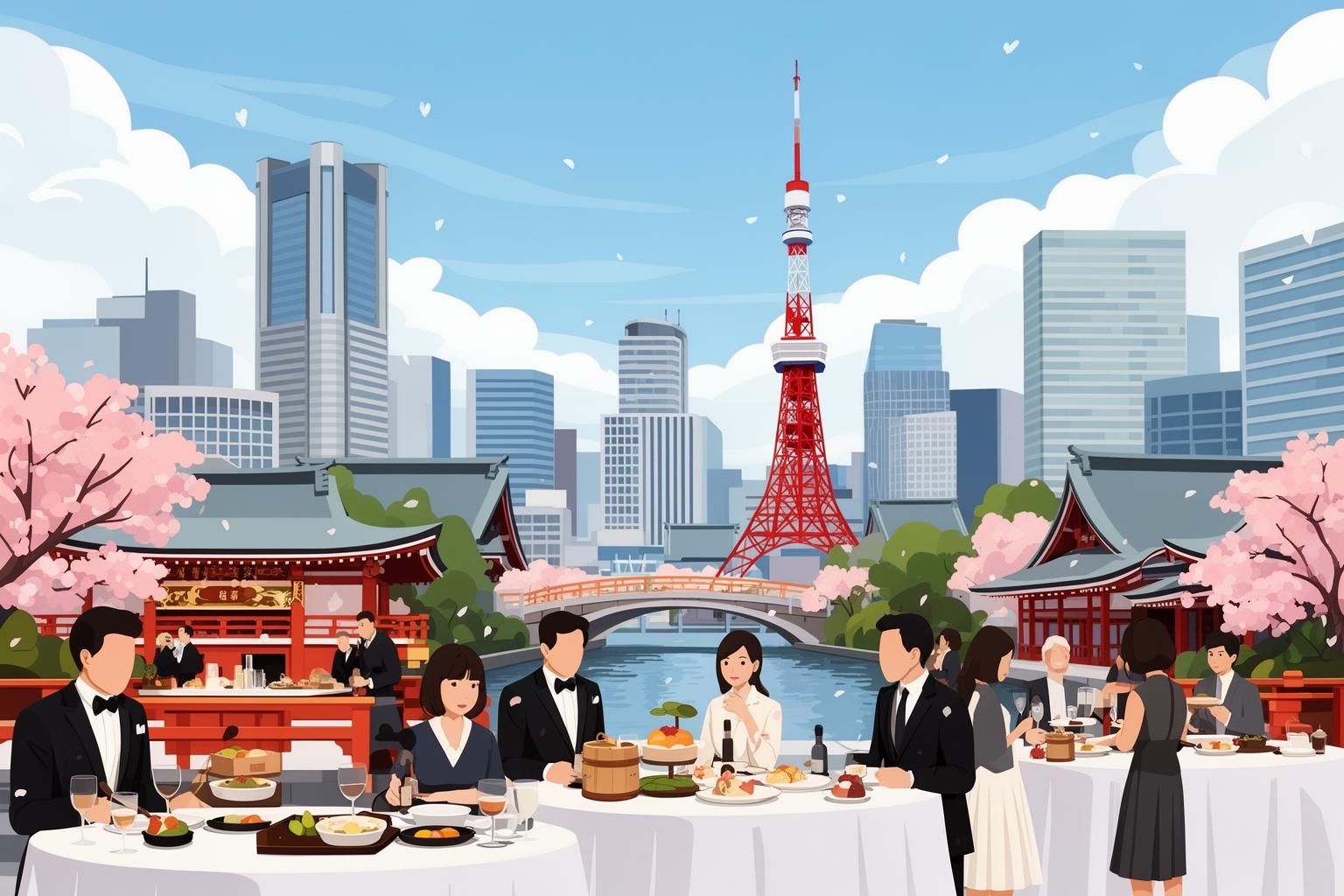
To truly understand what drives Osaka, you first need to grasp its complete opposite. Spend any time in Tokyo, and you will experience what is arguably the world’s most perfected form of customer service. It is a marvel, a finely tuned machine of politeness and efficiency. From the moment you step into a department store in Ginza, you are regarded not merely as a customer, but as an ‘o-kyaku-sama’—an honored guest. The bows are deep, the smiles consistent, and every interaction follows a carefully crafted script. The language used is a particular form of ultra-polite Japanese, ‘keigo’, designed to elevate the customer while humbling the provider. There is a correct way to hand over a credit card (with both hands), a proper way to present a receipt, and a meticulous method to package a single pen as if it were a precious gem. It’s a performance, and it is impeccable.
This system, often referred to as ‘manyuaru-doori’ (according to the manual), is founded on predictability and non-intrusiveness. Its aim is to offer a smooth, frictionless experience. The clerk’s personality, opinions, and even mood are fully subordinated to the role. They will not inquire where you are from. They will not comment on your purchase, except perhaps to praise your excellent taste in a generic, scripted way. They will avoid small talk about the weather. The whole transaction can, and often does, occur with minimal human-to-human conversation. The silence is not uncomfortable; it is respectful. It conveys a profound understanding that your time is valuable and that you are there for a product or service, not for a chat.
For many, this is the ideal. It’s clean, dependable, and deeply calming. You always know what to expect. There are no surprises, no awkward moments. It embodies ‘omotenashi’, the Japanese concept of hospitality that anticipates a guest’s needs even before they are voiced. Yet, if you live there, this polished image of service can sometimes feel isolating. The very perfection of the system creates distance. You are the honored guest, but always a guest. You are never part of the family. The relationship is purely transactional, ending the moment you leave. Over time, the flawless smiles and precise bows may feel less like genuine warmth and more like a well-rehearsed, though beautiful, form of human automation. It is a system designed for harmony, but this harmony is achieved through distance, not engagement.
Welcome to the Show: Unpacking Osaka’s ‘Akindo’ Soul
Stepping into a shop in Osaka after experiencing Tokyo feels like moving from a classical concert to a live jazz improvisation. The fundamental notes remain the same—a product is for sale—but the rhythm, energy, and rules of interaction are completely different. This is the world of the ‘Akindo,’ the merchant. For centuries, Osaka was Japan’s commercial hub, known as the ‘tenka no daidokoro’ or ‘the nation’s kitchen.’ It was a city of traders, deal-makers, and entrepreneurs. Success and survival didn’t rely on strict formality but on sharp wit, pragmatism, humor, and the ability to nurture lasting relationships. This heritage didn’t just shape a city; it molded a mindset that still influences every aspect of daily life.
It’s Not An Insult, It’s an Opening Act
The most noticeable difference is the communication style. An Osaka shopkeeper might greet you with a sharp, witty remark, a kind of verbal sparring rooted in the city’s comedic tradition. This relates to ‘tsukkomi,’ the ‘straight man’ role in Japanese ‘manzai’ comedy who highlights the absurdity of the ‘boke’ (the funny man). In retail, the shopkeeper might adopt the ‘tsukkomi’ role playfully. If you’re eyeing a flashy shirt, they might say, “You’ve got guts to wear something that loud!” This isn’t an insult; it’s an invitation. It signals, “I see you. I’m a real person. Let’s engage.” A foreign resident accustomed to Tokyo’s deferential service might feel singled out or even offended. But the right reaction is to join in, throwing back a witty reply. This banter is a tool that shatters the customer-clerk barrier in moments, turning a routine purchase into a memorable human exchange. It’s a test of character and a doorway to genuine connection. The shopkeeper is sizing you up, judging whether you’re someone they can do business with on a human level.
The Gospel of ‘Mokkari-makka?’
There’s an old, somewhat stereotypical Osaka greeting: “Mokkari-makka?” which means “Are you makin’ a profit?” While rarely heard today, its spirit forms the foundation of Osaka commerce. Business, profit, and value aren’t taboo here; they’re the essence of life. This drives a city-wide obsession with ‘cost performance,’ or getting the best possible value for money. An Osakan will proudly share the great deal they scored on a new TV or the surprisingly affordable yet tasty lunch they discovered. It’s a point of pride. This mentality fundamentally changes the customer-shopkeeper relationship. The shopkeeper knows you seek value, and you know they know. This creates an unspoken understanding that the price tag isn’t always set in stone.
Here enters the delicate dance of ‘nebiki’ (price reduction) and ‘omake’ (a little extra). Unlike the aggressive haggling common elsewhere, in Osaka it’s more about relationship-based negotiation. You don’t simply demand a discount. You chat with the owner, show genuine interest in the product, maybe buy a few items. Then, with a smile, you might say, “Chotto dake benkyou dekihen?” (“Could you ‘study’ the price a little for me?”). This playful, indirect way of requesting a discount often prompts the owner to lower the price or throw in a small bonus as a goodwill gesture. This act strengthens the bond. The shopkeeper gains a loyal customer, and the customer feels they’ve scored a special deal—a small victory in the ongoing search for value. In Tokyo, asking for a discount in a typical shop would be a major social misstep. In Osaka, when done correctly, it’s simply part of the game.
The Path to ‘Joren-san’
Perhaps the ultimate goal of the ‘Akindo’ spirit is to turn a one-time buyer into a ‘joren-san’—a regular, a patron. While a Tokyo shop may focus on perfecting a single sale, an Osaka shopkeeper plays the long game. They invest in you. The fruit vendor at your local ‘shotengai’ will remember you prefer your melons a bit firmer. The butcher will inquire about your family. The electronics shop owner will give honest advice, even recommending a cheaper model if it’s better suited, knowing that trust will bring you back for future purchases. This relationship-building is a business strategy. For residents, it’s transformative. Your neighborhood shifts from a collection of anonymous stores to a network of familiar faces. You’re not just buying food; you’re connecting with your community. This loyalty runs both ways: shops reward you with better service, occasional extras, and a sense of belonging. In return, you keep coming back, helping their business thrive. It’s a pragmatic and deeply human ecosystem that simply doesn’t exist in quite the same way in the more transient, impersonal environment of Tokyo.
A Foreigner’s Field Guide to Osaka Commerce
Navigating this distinctive culture can be challenging at first. It entails unlearning some habits you may have adopted elsewhere in Japan. The key is to be observant, open-minded, and willing to engage. Here are a few practical tips for daily life.
Know Your Playing Field: ‘Shotengai’ vs. ‘Depato’
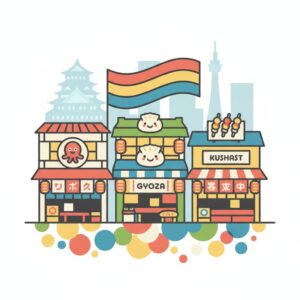
First, recognize that the full ‘Akindo’ experience is strongest in certain settings. You’ll encounter it in the city’s numerous ‘shotengai’ (covered shopping arcades), the independent mom-and-pop stores along residential streets, and the lively central markets like Kuromon Ichiba. In these places, the owner’s personality defines the brand. On the other hand, entering a major department store (‘depato’) in Umeda or a Uniqlo store means experiencing service closer to the standardized, polite Tokyo style. These large companies follow national training manuals, ensuring staff offer a consistent experience nationwide. Understanding the context is essential. Don’t attempt to haggle at the Chanel counter in Hankyu Department Store, but feel free to chat with the friendly man selling kitchen knives in Doguyasuji.
Learn to Catch and Throw the Banter
When a shopkeeper strikes up a conversation, don’t pull back. See it as an opportunity. You don’t have to be funny, but engaging in light-hearted exchange is greatly valued. If they comment on your Japanese, smile and say, “I’m still studying!” If they ask where you’re from, share and ask them a question back. This simple exchange transforms everything. It shows you’re not just a passive customer, but an active participant. This small social effort often pays off with better deals, helpful tips, and the enjoyment of friendly interaction. It can feel intimidating, especially if your Japanese isn’t fluent, but even a few basic phrases paired with a smile can make a big difference.
Master the Gentle Art of the Deal
If you’re thinking of requesting a discount, gauge the situation. Is it a small, independent store? Is the owner around? Have you established some goodwill? A good tactic is to bundle purchases. Buying three shirts gives you a stronger case than buying just one. Once you’ve made your choices and reached the register, that’s the moment to ask. Use soft, polite language. Saying something like “Matomete kau kara, chotto dake yasuku narimasen ka?” (“Since I’m buying several items, could it be a little cheaper?”) works wonders. The worst response is a polite no. Often, they’ll at least round down the price to the nearest hundred or thousand yen as a kind gesture. This isn’t about being cheap; it’s about engaging in the local custom of valuing relationships.
The Currency of a Simple Greeting
In Tokyo’s quiet, small shops, it’s common to come and go without a word. In Osaka, though, this can seem cold. Make a habit of greeting the shopkeeper with a cheerful “Konnichiwa!” or “Maido!” (a casual hello) when entering a small shop. When leaving, a heartfelt “Ookini!” (Osaka-ben for thank you) or “Gochisousama deshita” (at a restaurant) makes a significant difference. These simple greetings recognize the shopkeeper’s presence and humanity. They’re the social grease that keeps the ‘Akindo’ community’s engine running smoothly, signaling your understanding of the unspoken rules and respect for their personal business.
More Than a Marketplace: How ‘Akindo’ DNA Shapes the City
The ‘Akindo’ spirit extends far beyond the cash register. It permeates every facet of life in Osaka, influencing the character of both the city and its inhabitants. This commercial legacy has given rise to a culture known for its pragmatism, straightforwardness, and lack of pretension. There is less focus on appearances and formality (‘tatemae’) and greater emphasis on honest, underlying truth (‘honne’). People say exactly what they mean and expect the same in return. While this can be refreshing, it may also come as a surprise to those accustomed to the more indirect communication styles found elsewhere in Japan.
Outsiders often misinterpret this directness as rudeness, but it is actually a form of efficiency. In business, time is money, so there is no time to waste on beating around the bush. This approach carries over into social interactions as well. People get straight to the point and may ask personal questions that might seem intrusive elsewhere—not out of nosiness, but as a shortcut to building a connection. Osaka’s well-known love of comedy is also connected to this mindset. Humor serves as a means to relax people, quickly establish rapport, and make both negotiations and everyday life more enjoyable. Sharing a laugh is the quickest way to bridge the gap between two individuals.
This mentality also sheds light on Osaka’s resilience. As a merchant city, it has long experienced cycles of economic boom and bust. Its residents have learned to be adaptable, resourceful, and perpetually optimistic. They are survivors who know how to make deals, seize opportunities, and support each other, because a strong community benefits business. The intricate networks of ‘shotengai’ physically embody this—interwoven clusters of small businesses that back one another, compete, and together form the lifeblood of their neighborhoods. Osaka is a city built upon the strength of human connection, forged in the fires of commerce.
Two Cities, Two Operating Systems
Ultimately, asking whether Osaka’s approach is ‘better’ than Tokyo‘s is pointless. They represent two distinct cultural operating systems, each with its own advantages and drawbacks. Tokyo embodies serene efficiency, impeccable politeness, and predictable calm. It operates on silent respect and formal distance, creating a deeply comfortable and civilized lifestyle for many. The city prioritizes the smooth functioning of the whole over the individual expression of its parts. It’s a place that runs beautifully, as long as you follow the manual.
In contrast, Osaka offers a vibrant, chaotic, and profoundly human experience. It thrives on banter, relationships, and a shared passion for getting good value. It can be loud and unpredictable, requiring active social participation. Yet, it rewards with a strong sense of community and the feeling of being a known and valued member of your neighborhood. To succeed in Osaka is to see every interaction, not as an inconvenience, but as an opportunity—to laugh, connect, negotiate a better deal, or make a new friend. In the city of merchants, the greatest value isn’t on the price tag but in the conversation you share while paying for it.