The first time I saw it, I wasn’t sure what to think. Floating in my otherwise perfect bowl of udon were these little, dark brown, wrinkly nuggets. They looked like tiny, petrified mushrooms or maybe some kind of over-fried crouton. I poked one with my chopsticks. It was firm, but had a slight give. I asked the man next to me at the counter, a salaryman slurping his noodles with practiced efficiency, what they were. He grinned, pointed his chopsticks at my bowl, and said one word: “Aburakasu. Umai de.” The good stuff. He was right. That bowl of simple noodle soup was transformed. It had a deep, smoky, savory richness that I’d never tasted before, a profound bass note of meaty flavor that permeated the entire dish. That, my friends, was my introduction to one of Osaka’s greatest culinary secrets, an ingredient that tells you more about this city’s mindset than any guidebook ever could. This isn’t about the refined, elegant flavors you might associate with Japan. This is about Osaka’s core philosophy: practical, powerful, and unapologetically delicious. It’s the gritty, glorious truth in a bowl.
Discover how every bold flavor echoes the local creed in Osaka’s culinary philosophy, inviting you to explore the deeper cultural narrative at play.
What in the World is Aburakasu? The Gritty, Glorious Truth
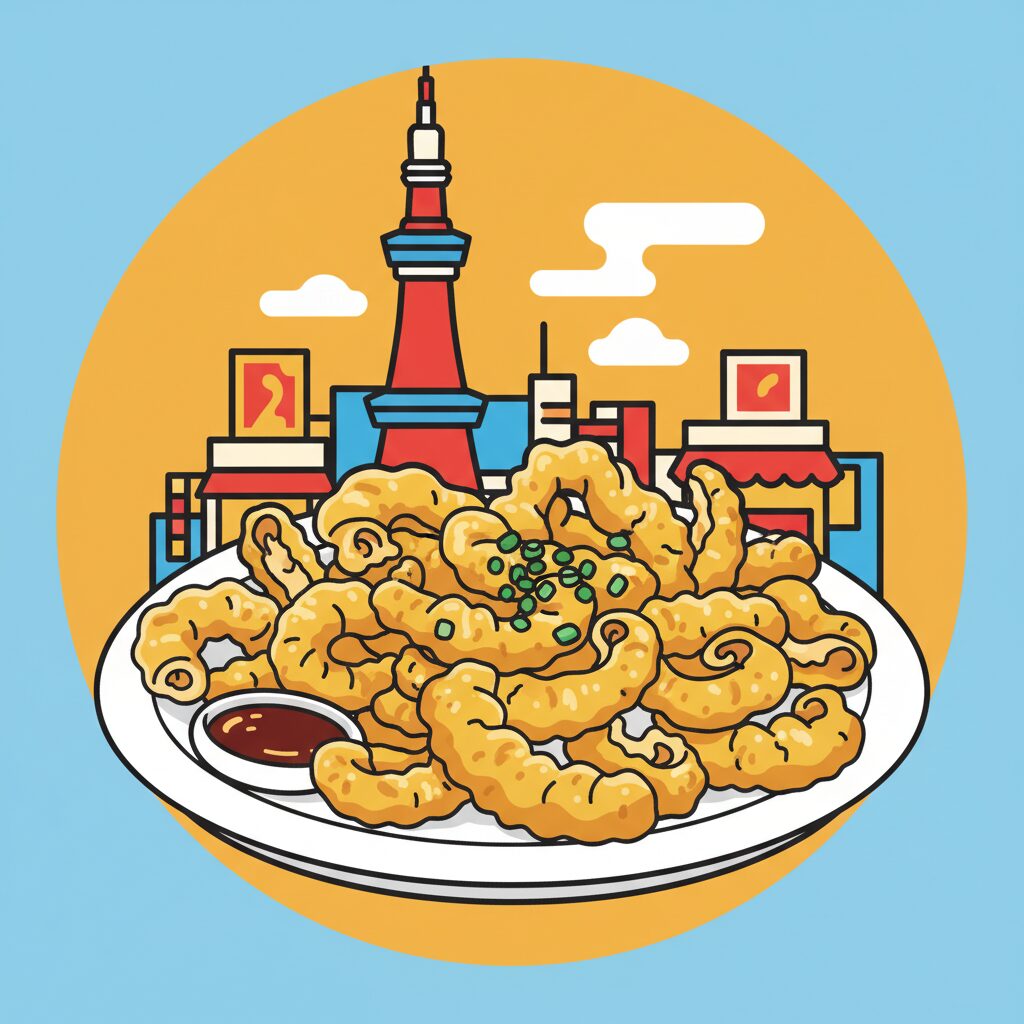
So, what is this magical ingredient? Let’s get straight to the point. Aburakasu is deep-fried beef intestine. More precisely, it’s horumon—offal from the small intestine—slow-cooked in fat until all the moisture evaporates and the fat renders out. The result is crispy, crunchy, intensely concentrated bites bursting with pure beef umami. The name itself is brutally straightforward. Abura means oil or fat, and kasu means scraps or dregs. It literally translates to ‘oil scraps.’ In Tokyo, such a name might be considered crude, but in Osaka, it’s simply an honest description of what you’re getting—a directness that reflects the local character.
Its origins aren’t in an upscale downtown kitchen but in the butcheries and meat-packing districts of Minami-Kawachi, a region in southern Osaka. Historically, these less desirable cuts were either discarded or sold cheaply. But this is Osaka, a city founded by merchants who understand the value of everything. The concept of waste, or mottainai, is deeply ingrained in Japanese culture, yet here it’s amplified by sharp commercial savvy. Someone realized that instead of tossing these guts away, they could transform them. Through a long, slow-cooking process, they turned a cheap byproduct into a prized flavor enhancer. This is more than just about avoiding waste; it’s about alchemically turning lead into gold. The method removes the texture many find off-putting in intestines, leaving only a pure, savory essence. It stands as a testament to a mindset that sees promise where others see waste—a trait that embodies Osaka’s resilient and resourceful spirit.
The Soul in the Bowl: Kasu Udon and Beyond
The most iconic use of aburakasu is undoubtedly in kasu udon. Picture a typical bowl of Osaka udon: thick, chewy noodles in a light, clear broth made from kombu and bonito flakes, known as dashi. It’s delicious by itself—subtle and comforting. Now, add a generous spoonful of aburakasu. The transformation begins immediately. The hot broth softens the crispy nuggets, releasing their concentrated flavor. The clear dashi darkens and deepens, gaining an incredible richness. The broth becomes beefy, smoky, and complex, with a sweetness from the rendered fat. Some pieces of kasu dissolve completely into the soup, while others stay slightly chewy or crispy, creating a delightful contrast to the soft noodles. It turns a simple, inexpensive meal into something deeply satisfying and richly flavorful. It’s the ultimate comfort food on a rainy day in Osaka.
You won’t usually find kasu udon in tourist-heavy areas or upscale restaurants. Instead, it’s served where real Osakans eat—at small, family-run noodle shops hidden in residential neighborhoods, in bustling standing-only bars squeezed under train tracks, and in local supermarket food courts. It’s hearty, affordable fuel for the working class, delivering a powerful flavor without a hefty price tag. But its influence extends beyond udon. In Osaka, if it tastes good, locals find ways to include it everywhere. You’ll see aburakasu as a topping on takoyaki (octopus balls), where its savory crunch adds a new layer to the soft, gooey batter. It’s mixed into okonomiyaki (savory pancake) batter or sprinkled over yakisoba (fried noodles), infusing the dishes with its distinctive beefy depth. It’s Osaka’s secret weapon—a little sprinkle of magic that elevates good food into great food.
More Than an Ingredient: The Osaka Mindset on a Plate

To truly grasp Osaka, you need to understand aburakasu. It embodies the city’s entire philosophy in miniature. It symbolizes a powerful trio of Osakan values: pragmatism, a preference for flavor over form, and straightforward honesty.
First, there is pragmatism. Transforming something that would otherwise be discarded into a premium product exemplifies the merchant spirit (shounin konjou) that built this city. It’s about efficiency, resourcefulness, and maximizing value. This approach goes beyond the kitchen. It’s evident in how people run their businesses, the compact and efficient design of shops in crowded shotengai (shopping arcades), and the direct, no-nonsense communication style. Why waste time on pleasantries when you can get straight to the point? Why throw away perfectly good flavor when it can be concentrated and sold? This logic drives Osaka.
Second, it’s a matter of flavor over form. Kyoto, Osaka’s neighbor, is known for kaiseki, a multi-course meal that is as much a visual feast as a culinary one. Presentation is crucial. In Tokyo, the precision of an Edo-mae sushi master is revered as an art form. Osaka’s culinary mindset is different. The key question here is: Umai ka? (Is it delicious?). Aburakasu isn’t pretty—it looks like gravel. But it packs a powerful taste punch. This reflects the city’s kuidaore (‘eat till you drop’) culture. It’s not just about quantity; it’s about an unrelenting, democratic quest for deliciousness. A beautifully plated dish without flavor is a failure, while a messy-looking okonomiyaki brimming with savory goodness is a triumph. This value system places substance over aesthetics, offering a refreshing contrast to the often-formal traditional Japanese cuisine.
Finally, there is honesty. Calling fried intestines ‘oil scraps’ is as straightforward as it gets. No fancy French terms mask its humble origins. Osaka people value this kind of bluntness. They are famously direct, sometimes to the point of bluntness. They speak plainly and expect the same honesty in return. While this can be surprising for those used to Japan’s more indirect communication, many foreigners find it refreshing. What you see is what you get, whether in conversation or a bowl of udon. This unpretentious, down-to-earth attitude captures the very essence of Osaka.
What Foreigners Often Miss: It’s Not Just ‘Fried Stuff’
A common misconception for someone new to kasu udon is to simply regard aburakasu as just another greasy, fried topping. It’s easy to equate it with fried onions or tempura bits. However, this overlooks the entire concept. The brilliance of aburakasu comes from the fact that the fat has been rendered out, not added in. The lengthy, slow cooking process involves dehydration and concentration. Rather than adding oil to the dish, you are incorporating a concentrated beef essence. It’s a flavor bomb, not a grease bomb.
Think of it less as a typical fried food and more like a bouillon cube, but with a much better texture and a richer, roasted flavor. Or liken it to high-quality bacon bits—not the artificial soy kind, but genuine, crispy pieces of cured pork. They bring saltiness, smokiness, and a savory crunch. Aburakasu does the same for beef, but with a deeper, more intense character. It’s a refined flavor enhancer born from humble origins. Grasping this difference is essential to truly appreciating Osaka’s food culture. The city’s ‘gourmet’ reputation isn’t always about costly, rare ingredients. Often, it’s about the clever, meticulous techniques used to extract the fullest possible flavor from everyday ingredients. It’s a blue-collar culinary artistry, and aburakasu is its crowning achievement.
Finding Your Kasu Fix: Daily Life in the Flavor City
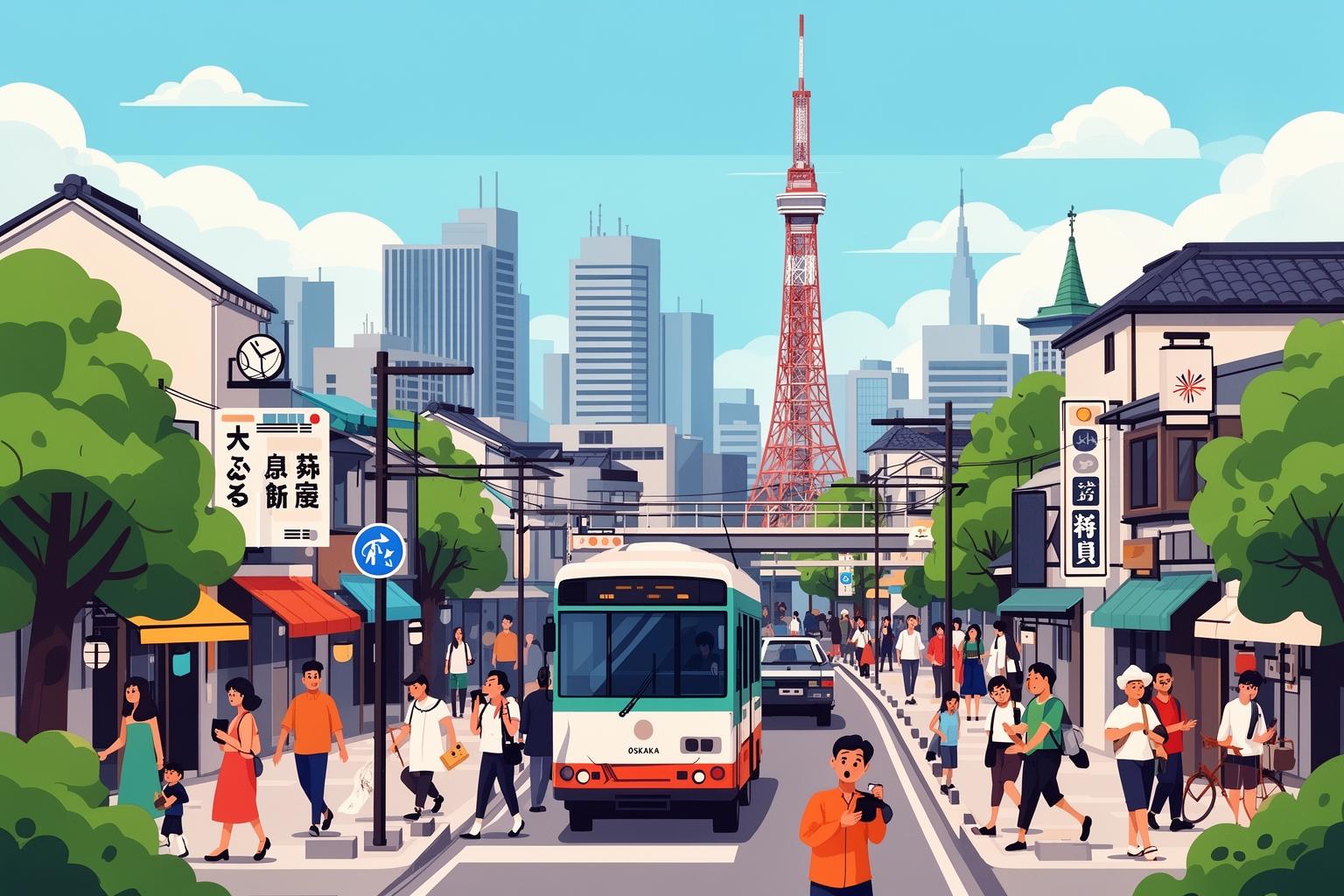
Once you get familiar with the world of aburakasu, you begin noticing it everywhere. It becomes a natural part of your daily rhythm in Osaka. On a chilly evening, you might find yourself slipping into a tiny udon shop near your local station, where steam from the pots fogs the windows. Ordering a bowl of kasu udon feels like a comforting embrace. The rich, savory broth warms you from the inside, and for about 700 yen, you enjoy a meal more satisfying than many dishes costing three times as much. It’s the perfect way to unwind after a long day at work.
Living here means strolling through a local shotengai, drawn by the irresistible scent of a takoyaki stand. You’ll watch the vendor skillfully turning the octopus balls and notice the small container of dark brown nuggets on the side. For an extra 100 yen, you add the kasu topping, because you know it’s worth every yen. The salty, crunchy bits perfectly complement the creamy batter and sweet-savory brown sauce. This isn’t a special treat; it’s a typical Tuesday afternoon snack. It’s ingrained in daily life, a constant, delicious reminder of your surroundings. Chains like Kasuya have made it more accessible citywide, but the best experiences are often found at the unassuming ‘mom-and-pop’ shops that have been serving their neighborhoods for decades. Finding your favorite kasu spot is a rite of passage for any long-term resident.
Conclusion: The Crunchy, Savory Heart of Osaka
Ultimately, aburakasu is far more than just fried beef guts. It’s a story served by the spoonful. It recounts Osaka‘s history, its merchant-class resourcefulness, and its talent for transforming modest ingredients into great value. It embodies the city’s culinary philosophy: a persistent, inclusive quest for flavor that favors hearty satisfaction over delicate presentation. It reflects a culture that is straightforward, sincere, and unpretentious, a city unafraid to call a spade a spade—or in this case, oil scraps oil scraps.
To overlook it is to miss a core truth about this place. While Tokyo may impress with its Michelin stars and Kyoto may enchant with its refined elegance, Osaka wins you over with its heart. And that heart often resides in a humble bowl of noodle soup, made exceptional by a handful of crispy, savory, irresistibly delicious fried scraps. The next time you spot those little brown nuggets in your bowl, don’t hesitate. Dig in. You’re not merely eating a meal; you’re experiencing the very soul of Osaka.