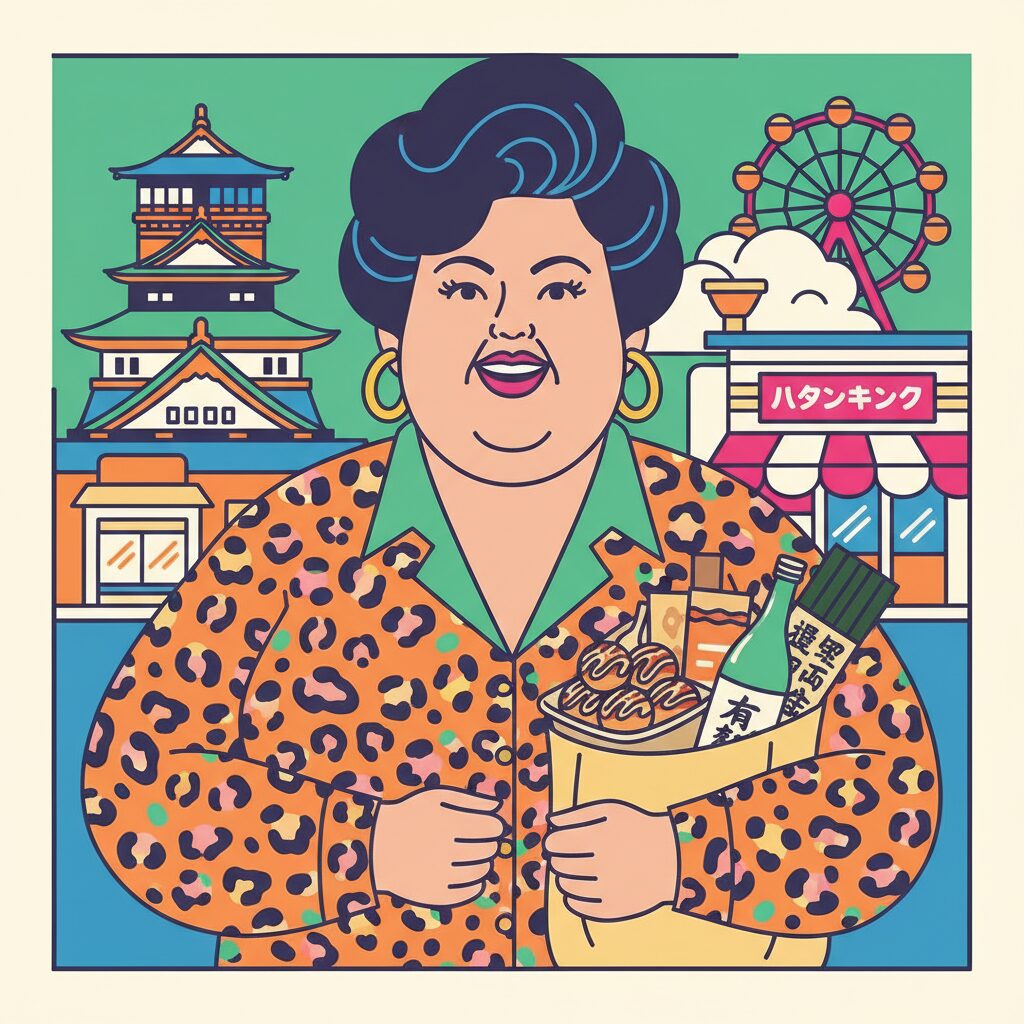
Walk through any shotengai, those covered shopping arcades that pulse like the city’s arteries, and you’ll feel it. It’s a presence, an energy that’s as much a part of the Osaka landscape as the Glico Running Man or the steam rising from a takoyaki stand. It’s the formidable, unmistakable, and utterly charismatic force of the Osaka ‘Okan’. The word simply means ‘mother,’ but in Osaka, it describes a specific archetype: the middle-aged woman, often clad in something bold, with a voice that carries and an opinion on everything. For any foreigner setting up a life here, the Okan is not a question of ‘if’ you’ll encounter her, but ‘when’ and ‘how often’. She is the gatekeeper of neighborhood gossip, the unsolicited giver of advice, and the surprise dispenser of hard candies. She is a walking, talking embodiment of this city’s soul – a chaotic, warm, and often overwhelming blend of pragmatism and meddling. Moving here from the relative quiet of Canada, where personal space is sacred and conversations with strangers are polite, brief, and optional, the Osaka Okan was a cultural shockwave. In Tokyo, you can dissolve into the anonymous crowd. In Osaka, the crowd talks back, and the Okan is usually leading the charge. This isn’t a simple story of friendly locals; it’s a deep dive into a social contract you never knew you were signing, a relationship that’s equal parts heartwarming and head-scratching. Understanding the Okan is understanding the rhythm of daily life in Osaka itself.
The city’s vibrant energy even finds gentle reprieve in experiences like the local sentō lifestyle, where community and relaxation converge in a uniquely Osaka fashion.
Who Exactly is the Osaka ‘Okan’?
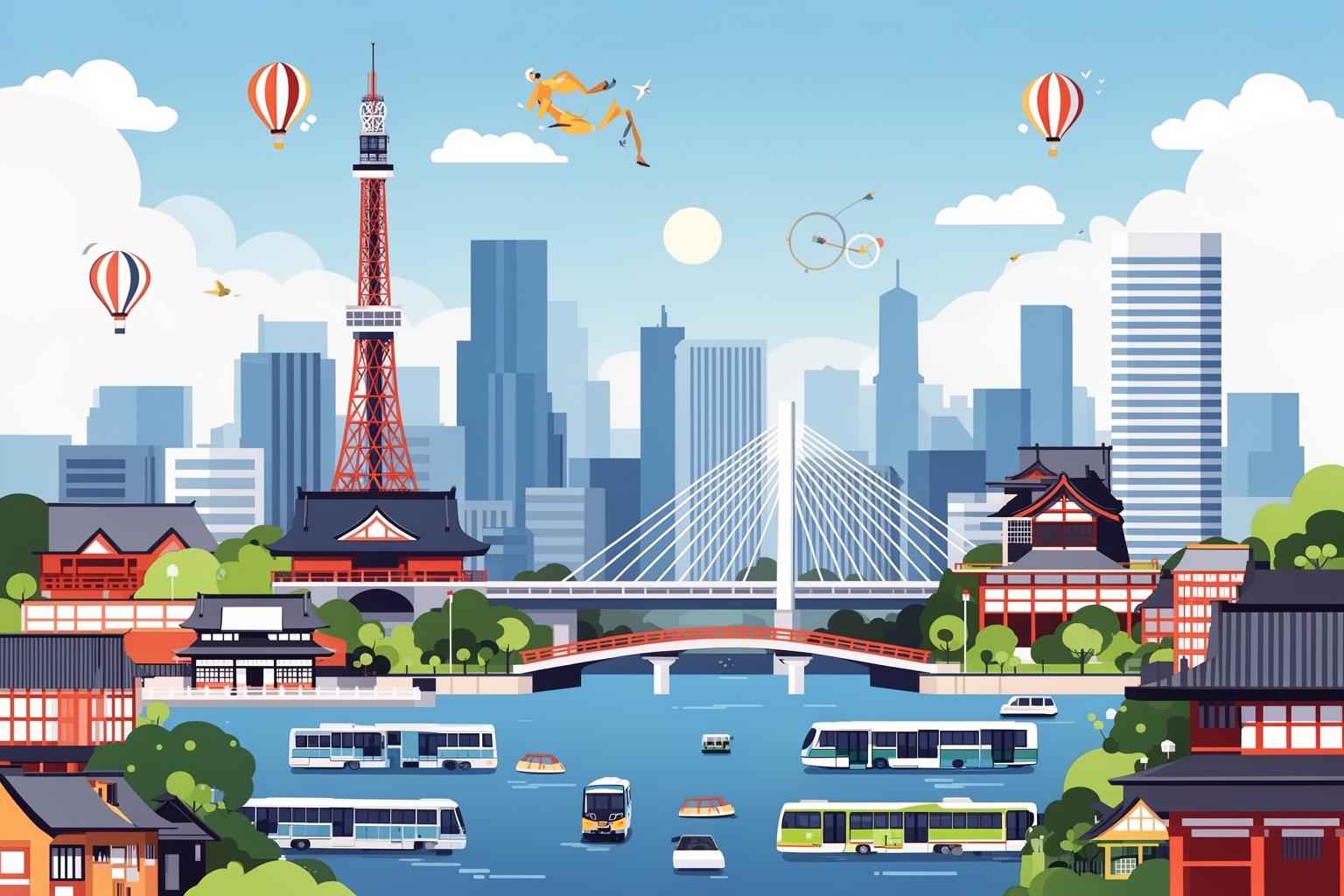
Before you can understand the phenomenon, you first need to recognize it. The caricature is easy to conjure: a woman riding a bicycle with a tight perm, vibrant clothing that might include animal print, and a visor large enough to shield a small car from the sun. But the image is just the surface. The true essence of the Okan lies in her attitude and actions. She embodies Osaka’s core values: efficiency, directness, and a strong belief that everyone is in this together, whether they like it or not.
Beyond the Stereotype: Leopard Print and Perms
These visual clichés exist for a reason. Leopard print, or ‘hyo-gara,’ is not merely a fashion choice here; it’s a declaration. In a country that often values conformity and subtle elegance, especially in the Kanto region around Tokyo, the Okan’s style boldly asserts presence. It says, “I am here, I am not invisible, and I am comfortable taking up space.” It’s a form of practical glamour, an accessible flashiness that conveys confidence and a deliberate disregard for quiet subtlety. This isn’t about high fashion; it’s about personality. The perm, the brightly colored blouse, the sensible but sturdy shoes—it’s the uniform of a woman who gets things done. She manages the household, handles the family budget, navigates crowded supermarkets, and refuses to fade into the background while doing it. As a photographer, I see it as urban camouflage that paradoxically makes them stand out. It’s a uniform that signals belonging to a community, a shared identity cutting across neighborhoods and economic classes. You see it, and you immediately know who you’re dealing with.
The Language of the Land: Osaka-ben and Directness
Listen carefully in any Osaka train station, and you’ll hear a linguistic tone quite distinct from the standard Japanese spoken in Tokyo. The Osaka dialect, or Osaka-ben, is quicker, more musical, and notably more direct. The Okan is its expert user. Where a Tokyo resident might employ layers of polite phrasing (keigo) and indirect hints, an Okan goes straight to the point. Questions aren’t mere introductions to a topic; they are the topic itself. There is little ‘tatemae’ (public facade) and plenty of ‘honne’ (true feelings). A common phrase you’ll hear ending a statement is “知らんけど (shiran kedo),” which means “…but I don’t really know.” It’s an intriguing conversational device that allows the speaker to express a firm opinion, share gossip, or offer strong advice while simultaneously disclaiming responsibility for its accuracy. It’s the sound of confident uncertainty. This directness can be startling at first, even coming across as blunt or rude if you’re used to the delicate conversational dance typical elsewhere in Japan. But you soon realize it’s not meant to be aggressive; it’s meant to be efficient. In a city built by merchants, time is money, and beating around the bush is simply bad business.
The Upsides: When the ‘Okan’ Becomes Your Ally
For every moment of confusion the Okan brings, there’s another filled with unexpected warmth and a deep sense of community. Once you learn to understand their language—both spoken and unspoken—you realize their intrusive behavior is often the other side of a fiercely protective and generous nature. In a sprawling city, they are the adhesive that holds a neighborhood’s social fabric firmly together.
The Fierce Protector: Your Neighborhood Guardian Angel
Living in Osaka can often feel like having a dozen extra grandmothers you never asked for, yet who always have your back. I recall struggling with a particularly complex recycling schedule when I first arrived. I stood before the color-coded bins, frozen by the fear of mixing my PET bottles with combustible plastics. Suddenly, a woman I had only seen watering plants appeared beside me. Without asking if I needed help, she took the bag from my hands, tutted loudly about how confusing the city’s system was, and expertly sorted my trash in under ten seconds, all while commenting on the local government’s inefficiency. Then, she pointed at my sadly drooping basil plant on the balcony and told me I was overwatering it. She wasn’t being critical—she was inducting me into the neighborhood. She was showing me that this place, this community, has standards, and that now I was part of it. This protective instinct is everywhere. They’ll scold cyclists for riding too fast around children, guide lost tourists with emphatic gestures, and keep a vigilant watch on the neighborhood from their front windows. They are the unofficial, unpaid, and incredibly effective neighborhood watch.
The Ultimate Icebreaker: Masters of Small Talk
The urban anonymity common to many large cities is hard to maintain in Osaka, largely thanks to the Okan. Waiting in line at the supermarket rarely stays silent. An Okan behind you might comment on what’s in your basket: “Ah, making curry tonight? You should try this brand of roux; it’s much better.” On the bus, one might notice your book and mention her daughter read it too and didn’t like the ending. This isn’t seen as intrusive; it’s seen as connecting. They operate on the assumption that silence between people sharing the same space is a missed opportunity. For foreigners, this can be a blessing. It’s a constant, low-pressure chance to practice Japanese, learn about local products, and feel acknowledged in a city where it’s easy to feel invisible. This culture of casual interaction makes the city feel smaller and more inviting. Tokyo can feel like a collection of individuals coexisting in silence, whereas Osaka feels like one very loud, ongoing conversation.
The Gift of Generosity: ‘Ame-chan’ and Unsolicited Favors
No discussion of the Osaka Okan is complete without mentioning ‘ame-chan,’ or candy. Many Okan carry a small stash of hard candies or cough drops in their purse, ready to offer at a moment’s notice—to a crying child, to the bus driver, to the person sitting next to them, or to you, the foreigner who looks a bit lost. Accepting ame-chan is an important social gesture. It’s a small act that says, “I see you. We share this space. Let’s be kind.” Refusing it is like declining a handshake. This spirit of giving goes beyond just candy. The Okan next door might drop by with a plate of simmered daikon because she “made too much.” The woman running the local vegetable stand might toss in an extra onion for free. This isn’t charity. It’s ‘osekkai,’ a word roughly translating to being a busybody, but in this context, it’s a form of proactive, unsolicited kindness. It strengthens community bonds through small, ongoing acts of sharing. It reflects the belief that a little extra should always be shared with those around you.
The Downsides: When Boundaries Blur and Comments Bite
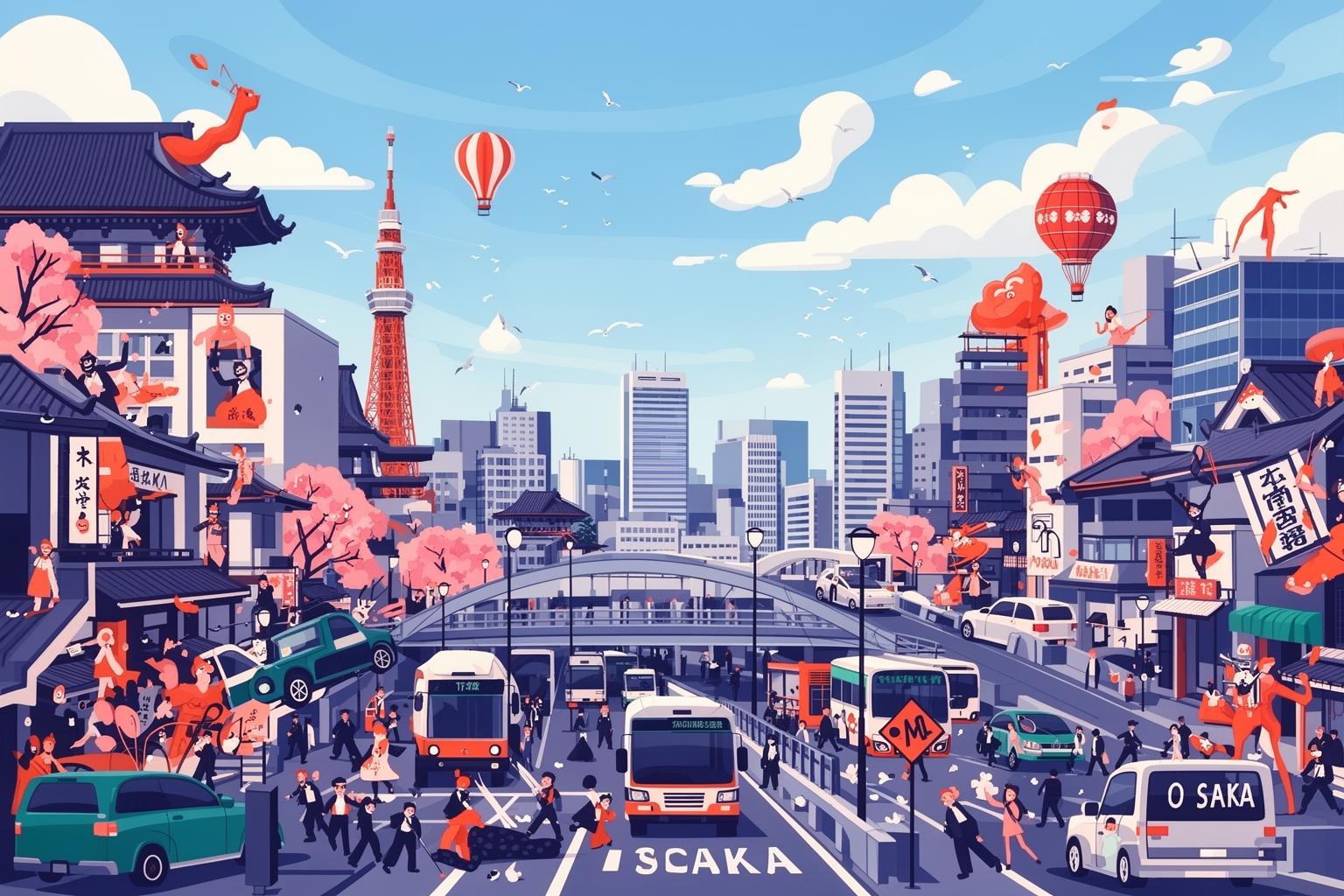
For all their warmth and sense of community, engaging with Okan culture isn’t always an easy experience. The very qualities that make them protective and generous—their directness, communal spirit, and lack of pretense—can also appear as a blatant disregard for personal boundaries and an overwhelming flood of unfiltered criticism that can leave you stunned.
The Invasion of Privacy: No Question is Off-Limits
The Western idea of personal privacy has a much wider boundary than what many Osaka Okan recognize. Be prepared to face questions that would be considered extremely inappropriate in many other societies. “How old are you?” “Are you married?” “Why not?” “How much is your rent?” “You seem to have gained some weight, are you eating well?” These questions typically come with the casual tone one might use to ask for the time. Malice is rare. It arises from a worldview where community members share intimate knowledge of each other’s lives. Your private matters are, to some degree, the neighborhood’s concerns. For them, it’s a form of data gathering to understand the community network. Knowing your marital status helps them decide if they should introduce you to their nephew. Knowing your rent helps them assess the local economy. This is social grooming, but for the unaccustomed, it can feel like an unending interrogation. The absence of filters can be shocking and demands quick adjustment of your own social defenses.
The Unfiltered Critic: Brutal Honesty You Didn’t Ask For
Compliments from an Okan can feel sincerely warm, but their criticisms hit with the force of a physical blow. Their ‘osekkai’ extends beyond helpful tips; it often turns into critiques of your appearance, decisions, and lifestyle. An Okan at the public bath might criticize how you’re scrubbing your back. A neighbor might say your shirt makes you look pale. The woman at the corner shop might comment that you appear tired and should go home to rest. In their view, this is an act of care—highlighting issues so you can address them. It’s the same instinct that leads them to fix a loose thread on your coat without asking. Yet, it can feel deeply personal and, at times, discouraging. In a culture like Japan’s, where preserving face is crucial, Okan seem to have a special exemption, permitted to say truths others think but wouldn’t dare express. Learning not to take it personally is among the most valuable skills an expat in Osaka can develop.
The Volume Knob is Broken: Navigating the Noise
Osaka is a loud city, and the Okan are its primary vocalists. Conversations happen at a high volume, whether around a dinner table or on a quiet residential street. Laughter is not a light giggle; it’s a full-throated roar. Phone calls on trains—major taboo in Tokyo—are common here, often loud enough that everyone in the carriage hears the details of someone’s daughter’s latest romantic turmoil. For those who value peace and quiet, this can be grating. The constant auditory stimulation is part of Osaka’s lively, chaotic charm, but when you have a headache or feel overwhelmed, it can feel like an assault. It reflects a fundamental difference in public sound culture. In Tokyo, the goal is to minimize one’s auditory presence. In Osaka, it seems to be to ensure you’re heard.
How to Navigate the ‘Okan’ Experience: A Survival Guide
Living happily in Osaka doesn’t mean avoiding the Okan; that’s impossible. It means understanding the rules of engagement. It’s about developing a cultural fluency that allows you to appreciate the positives while deflecting the uncomfortable, all without causing offense. It is a dance, and learning the steps is essential.
Embrace the Banter, But Set Your Boundaries
The best defense against an intrusive question is a good-natured offense. Humor is your greatest ally. When an Okan asks why you’re not married yet, a dramatic sigh and a joke about being too busy searching for the best takoyaki in Osaka can work wonders. It acknowledges the question without answering it and taps into the local love of comedy. Learning a few key phrases in Osaka-ben, like “めっちゃ好きやねん (meccha sukiyanen)” (I really love it) or “ほんまに? (honma ni?)” (Really?), shows you’re making an effort to engage on their terms. For questions that are genuinely too personal, a polite but vague smile combined with a quick change of subject (“Oh, speaking of that, have you seen how beautiful the cherry blossoms are this year?”) is a gentle way of setting a boundary. The key is to be friendly but evasive, a technique that avoids the rudeness of a direct refusal while still protecting your privacy.
Understand the ‘Why’: Community over Individuality
To maintain your sanity, you must constantly remind yourself of the motivation behind the meddling. Osaka’s identity was shaped by commerce. It was a city of merchants where reputation, trust, and strong community ties were essential for survival. Business and personal life were deeply intertwined. This legacy remains in the Okan’s worldview. Their nosiness serves as a form of community maintenance. They are checking the system, ensuring all parts are functioning, and offering unsolicited fixes when they see a problem. It’s a social contract that values the health of the collective above the privacy of the individual. They are not trying to isolate or judge you; they are, in their own unique and often awkward way, trying to integrate you into the community. Viewing their actions through this historical and cultural perspective can turn what feels like intrusion into a strange but sincere gesture of inclusion.
The ‘Ame-chan’ Test: Accepting the Candy
This is perhaps the simplest and most profound rule. If an Okan offers you an ame-chan, you accept it. You smile, say thank you, and take it. This small act is incredibly symbolic. It signifies your acceptance of local customs. It shows that you are not an outsider looking in but someone willing to participate. It costs you nothing, but the social capital it generates is immense. It opens a door. The person who gives you candy today is the one who will help with your recycling tomorrow, offer your kids a snack on their way home from school, and watch over your apartment when you’re away. It is the first step in building the informal, powerful support network that makes living in an Osaka neighborhood a truly unique and, for the most part, wonderful experience.
The Okan as a Symbol of Osaka
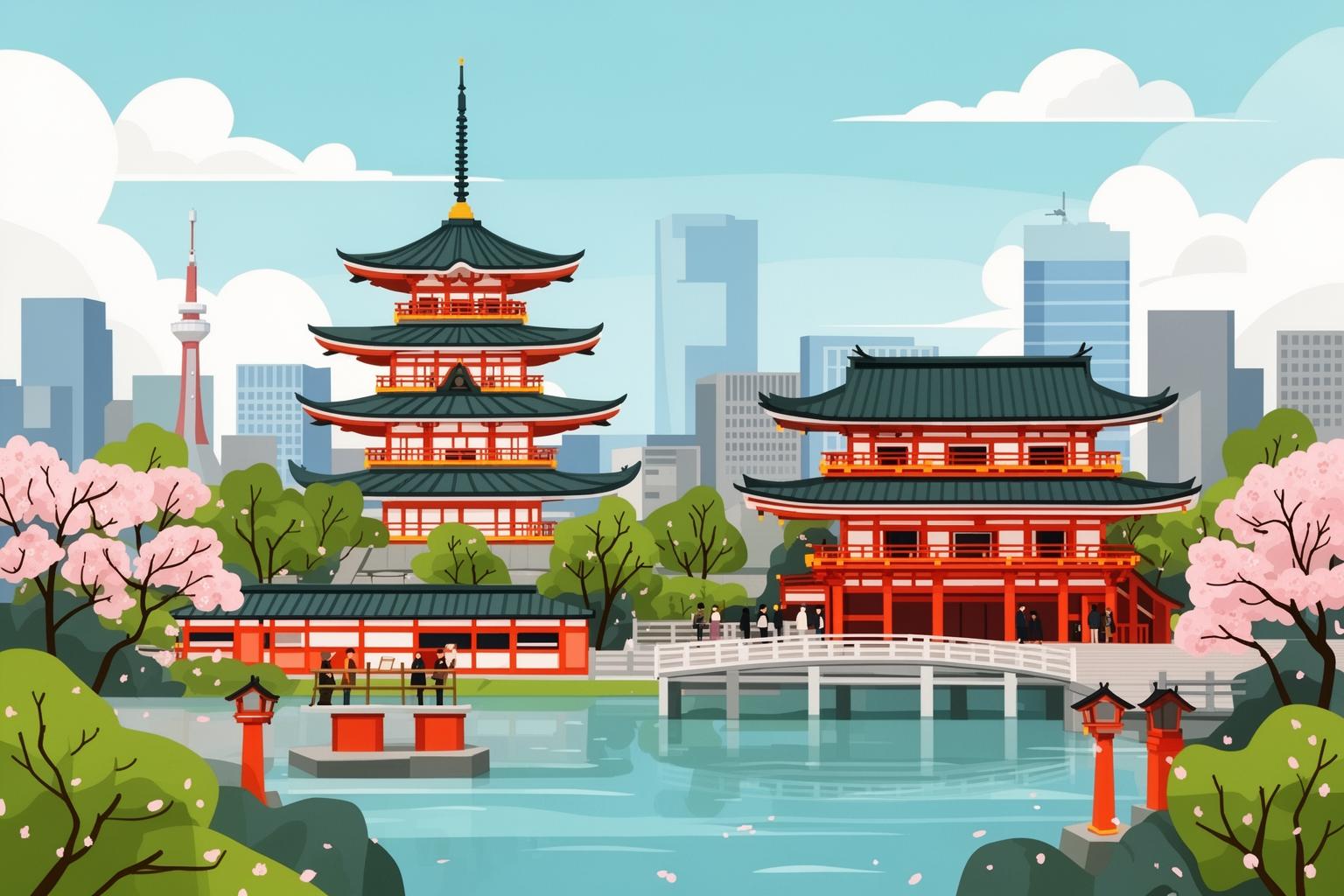
Ultimately, the Osaka Okan represents more than just a person; she embodies the spirit of the city. She is loud where Tokyo is quiet, direct where Kyoto is subtle, and pragmatic where others are formal. She carries all the contradictions of Osaka itself: incredibly kind yet undeniably blunt, fiercely independent but deeply connected to her community, traditional in values yet modern in her refusal to be silenced or overlooked. Living in Osaka means being drawn into her orbit. You will be charmed, annoyed, confused, and cared for. You will realize that a flash of leopard print on a crowded train isn’t a threat but a sign of a city with a strong, vibrant heart. For foreigners trying to understand this place, my advice is simple: don’t just watch the Okan from afar. Engage, banter, accept the candy, and hold on tight. You haven’t truly experienced Osaka until you’ve been lovingly—and loudly—put in your place by one.