So you’re thinking about Osaka. Maybe you’ve visited, caught the bug, and felt that electric buzz that’s so different from the polished reserve of Tokyo. Or maybe you’re looking at a map of Japan, trying to decide where to plant your flag, and you’ve heard whispers that Osaka is… different. It is. And understanding that difference is the key to knowing whether you’ll thrive here or just survive.
Forget the tourist posters for a second. Forget the neon glow of Dotonbori and the majesty of Osaka Castle. The real operating system of this city, the code that runs beneath every transaction, conversation, and friendship, is something called the ‘Akindo’ spirit. Akindo (商人) means merchant, but thinking it’s just about business is the first mistake. It’s a complete worldview, a philosophy baked into the city’s DNA over centuries of being Japan’s commercial engine room. It’s a culture of pragmatism, directness, and a relentless focus on value that shapes everything. This isn’t the Japan of silent nods and unspoken agreements you might have read about. This is a city that speaks its mind, expects you to have one, and wants to know the bottom line. It’s a place where the social fabric is woven with the threads of commerce, comedy, and a healthy dose of cheerful cynicism. To live here is to live inside that flow. The question is, are you a strong enough swimmer?
Discover how Osaka’s relentless practicality fuels its unique way of life by exploring our in-depth look at the Akindo spirit.
What is the ‘Akindo’ Spirit, Really?
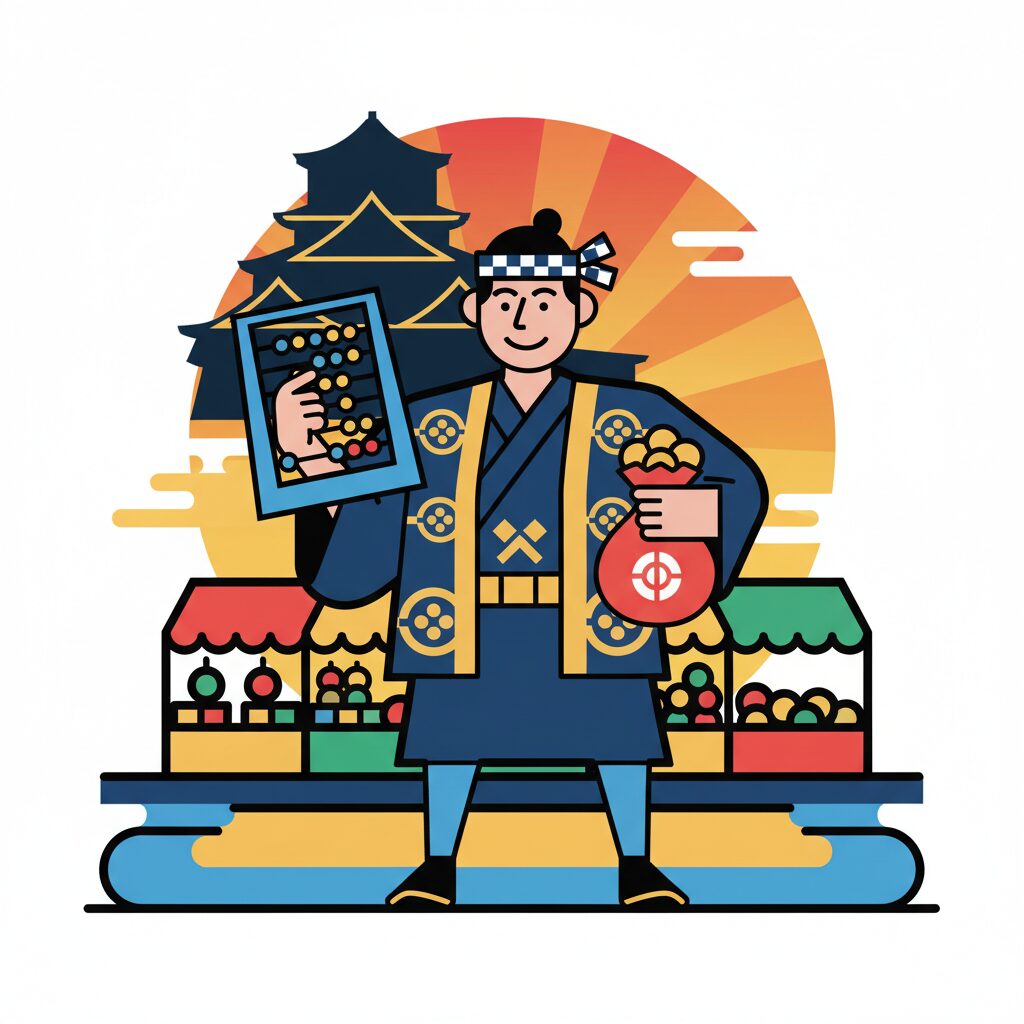
Before determining if you belong, you first need to understand the underlying mechanisms. The Akindo spirit is the cultural engine driving Osaka, powered by a fuel quite different from that of the rest of Japan. This mindset was shaped when Osaka was known as the “nation’s kitchen” (天下の台所), the central hub where rice, goods, and money flowed from across the country. While samurai in Edo (now Tokyo) focused on honor, rank, and ceremony, Osaka’s merchants prioritized something far more practical: closing the deal.
More Than Just Selling Stuff
This spirit isn’t limited to shopkeepers. The Akindo spirit permeates every aspect of life. It embodies a core belief in practicality over appearance. It’s the ever-present, unspoken question: “What’s the point?” or “What’s the value here?” This can apply to a business pitch, a lunch special, or a friendship. It’s not cold or detached; it’s efficient. Osakans have little tolerance for pretense. They want to get straight to the essence. This is why conversations here can feel quicker and more direct than in other parts of Japan. People aren’t aiming to be rude; they’re aiming to be effective. They respect your time by avoiding ambiguity.
‘Mokkari Makka?’ – The Greeting That Defines a City
This is perhaps clearest in the classic Osaka greeting still heard among older businesspeople: “Mokkari makka?” which means “Are you making a profit?” A Tokyo native might be shocked by such a direct, personal question. But in Osaka, it’s a routine greeting, much like “How are you?” The typical response is a wry, noncommittal “Bochi bochi denna” (“So-so, can’t complain”). This exchange isn’t an audit of one’s finances; it’s a ritual. It’s a way of saying, “We’re both in this life’s hustle together. I see you. I respect your effort.” It’s a connection rooted in the shared experience of commerce and hard work, acknowledging that everyone is striving to earn a living, which is a respectable and unifying pursuit.
The Religion of ‘Kosupa’
If the Akindo spirit has its scripture, it’s the gospel of ‘kosupa’ (cost performance). Securing good value for money is not merely a savvy shopping strategy in Osaka; it’s a moral obligation. An Osakan might proudly tell you about a fantastic 500-yen lunch set—complete with rice, miso soup, pickles, and a main dish—with the same enthusiasm a Tokyoite might reserve for a Michelin-starred meal. It’s not about being cheap; it’s about being wise. It’s about recognizing and celebrating a good bargain. This ethos is everywhere, evident in the sprawling covered shopping arcades (`shotengai`) like Tenjinbashisuji, where competition is intense and prices are fair. It’s palpable. Wasting money is not just a personal loss; it’s considered a lapse in judgment. This strong focus on value means quality must justify the price. Businesses can’t rely on fancy branding or stylish decor. If the product isn’t good, Osakans simply won’t return.
Who Thrives in the Akindo Ecosystem?
Understanding the theory is one thing; living it is another. Certain personalities don’t just survive in Osaka—they feel as if they’ve finally found their true home. They tap into the city’s energy, which enhances and amplifies who they are.
The Proactive and Self-Starting
If you’re an entrepreneur at heart, a freelancer, an artist, or anyone who depends on their own drive, Osaka will feel like a breath of fresh air. This is a city that values action. People care less about your impressive credentials or your previous work history and more about what you can accomplish right now. Have an idea? Pitch it. Want to collaborate? Ask directly. In Tokyo, you might need a formal introduction (`shokai`) and several meetings before getting to the real conversation. In Osaka, you can simply walk into a small gallery or workshop, strike up a conversation with the owner, and leave with a potential partnership. The Akindo spirit celebrates initiative, seeing the person who makes the first move not as pushy but as passionate and committed. The abundance of small, independent businesses is no coincidence. The entry barrier feels lower because the culture rewards simply showing up and giving it a try.
The Pragmatist Who Values Substance Over Style
Do you prioritize how well a tool functions over its color? Do you believe a delicious meal matters more than the restaurant’s decor? If so, you’ll appreciate Osaka. This is a city grounded in substance. In business, meetings tend to be shorter and more direct. There’s less of the formal ritual that can characterize corporate life elsewhere. What counts is the quality of your work and the fairness of your price. Socially, people are less inclined to judge you by your brand-name clothes or the neighborhood you live in. They focus instead on your personality, your sense of humor, and what you contribute to the conversation. This can be remarkably liberating. You can relax and be yourself, confident that your character—not your packaging—is what matters.
The Socially Resilient and Thick-Skinned
This is crucial. Osaka’s communication style can be a shock if you’re unprepared. People are straightforward. They tease. They joke. They might comment on your new haircut, ask why you look tired, or tell you that you’ve overpaid for your bag. From an outsider’s viewpoint, this can sound rude. But in Osaka, it’s a form of closeness. Silence and polite distance signal unfamiliarity. When someone starts teasing you, it often means they’ve accepted you into their circle and feel comfortable enough to drop formal barriers.
The Art of the ‘Tsukkomi’
To truly understand this, you need grasp the basic structure of Japanese comedy, which originated in Osaka: `manzai`. It’s a double act featuring a `boke` (the silly, air-headed one) and a `tsukkomi` (the sharp, straight man who corrects them). This `boke-tsukkomi` dynamic is a core part of everyday conversation here. Someone will say something slightly foolish or exaggerated (the `boke`), and it’s everyone else’s role to respond with a witty correction or retort (the `tsukkomi`). For example, if you say, “Wow, this takoyaki is so good I could eat a hundred,” a Tokyoite might smile and nod. An Osakan is more likely to retort, “A hundred? Don’t be ridiculous, you’d explode!” followed by laughter. It’s not an insult. It’s a verbal high-five. It’s proof they’re paying attention and engaged. If you can learn to play along with this—or at least appreciate it without taking offense—you’ll unlock the heart of Osaka’s social life.
Who Might Find Osaka Challenging?
Naturally, this environment isn’t suited for everyone. The very aspects that make some people feel invigorated and alive can cause others to feel stressed, overwhelmed, or constantly on edge.
Those Who Rely on Formal Hierarchy and Process
If you come from a corporate or cultural background where strict hierarchy, formal procedures, and adhering to the chain of command are essential, Osaka’s business culture might seem like pure chaos. The Akindo spirit emphasizes finding the shortest path to the goal, often meaning bypassing formal channels to deal directly with the decision-maker. An Osakan businessperson may view your insistence on a multi-stage approval process for a minor decision as a frustrating waste of time. They prefer to talk, shake hands, and get straight to work. While this approach can be highly efficient, if you rely on a predictable, by-the-book structure, you might find the local style unprofessional or even disrespectful.
The Indirect Communicator
Throughout much of Japan, the ability to “read the air” (`kuuki wo yomu`) is a crucial social skill. People often communicate indirectly, using subtle hints and non-verbal cues to express their true meaning without causing conflict. Although this skill remains useful in Osaka, it is far less essential. In fact, excessive subtlety can backfire. Your carefully phrased, indirect refusal might be taken as a tentative “maybe.” Your polite hints about a problem might go entirely unnoticed. Osakans generally value clarity. They tend to ask you straightforwardly: “So, what do you think? Yes or no? Can you do it or not?” If you feel uncomfortable with such directness, whether giving or receiving it, you may find yourself in many awkward situations. You could feel constantly pressured, while your Osakan counterparts might perceive you as indecisive or even untrustworthy.
Those Seeking Anonymity and Quiet Reserve
Tokyo, a city of 14 million, allows you to feel completely anonymous. You can ride the train, eat your meals, and go about your day within a personal space bubble. In Osaka, that bubble is much smaller and more permeable. This city thrives on engagement. The person next to you at the ramen counter might ask what you ordered. The elderly woman at the bus stop may strike up a conversation about the weather. The shopkeeper will want to know where you’re from and your thoughts on Osaka. This is the renowned Osaka “friendliness,” but it’s not a passive one. It’s an active, curious, and sometimes intrusive interest. For extroverts, it’s a paradise. For introverts who recharge with solitude and quiet, it can be utterly draining. If your ideal life involves blending into the background, Osaka might not be the right place for you.
The Akindo Spirit in Daily Life: Beyond the Boardroom
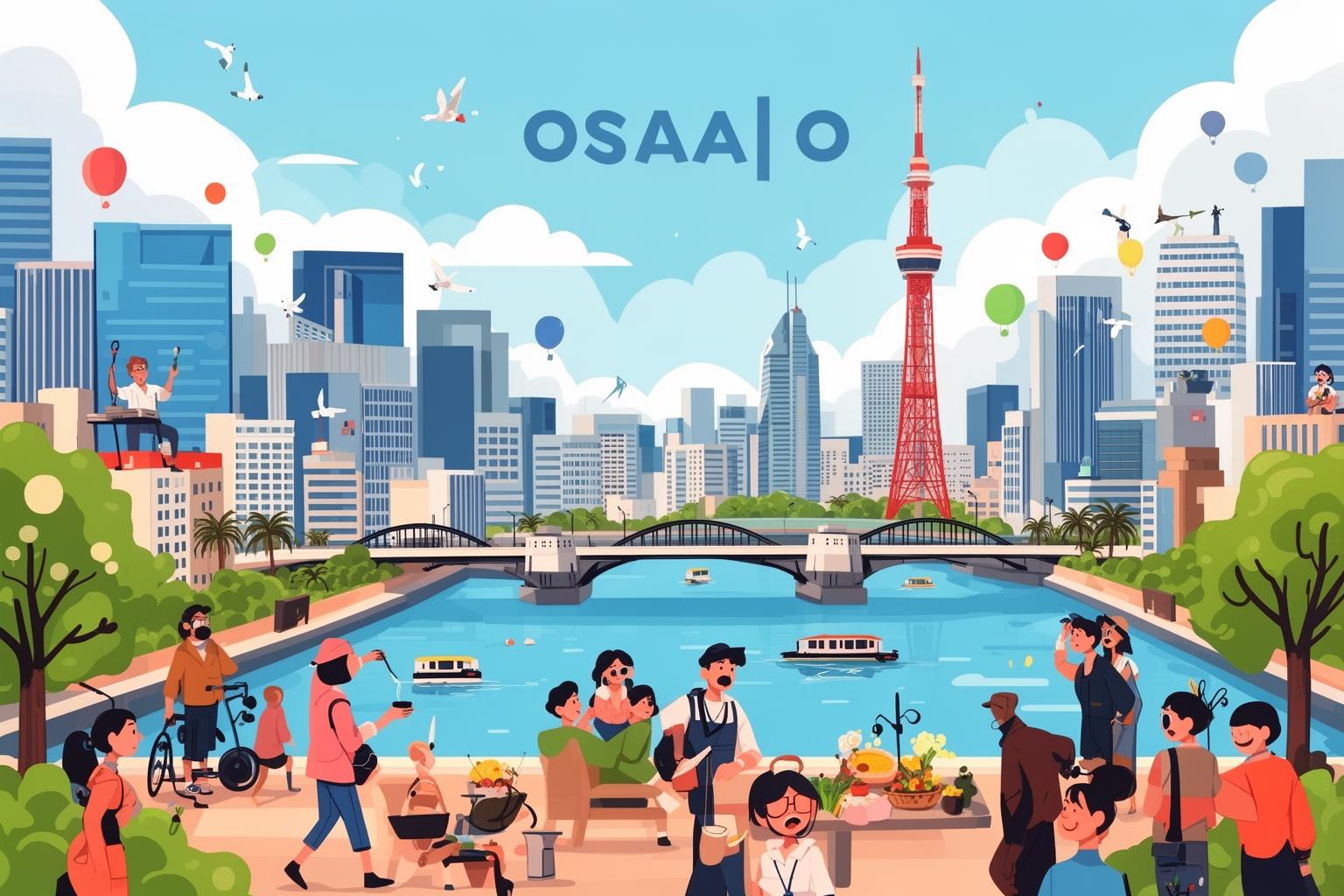
This merchant mindset extends beyond office buildings or factories. It permeates everyday life, influencing how you shop, socialize, and communicate.
The ‘Shotengai’ is the Real Social Network
Forget Facebook. The authentic social network of Osaka is the local `shotengai`. In these covered shopping arcades, the Akindo spirit is vividly present. Shopkeepers call out to passersby, engage in friendly banter with regular customers, and closely monitor their competitors. Shopping here is a social experience. You build relationships with the butcher, the tofu maker, and the fishmonger. They get to know your preferences and might give you a small freebie (`omake`) as a gesture of goodwill. While this is a transactional relationship, it’s a warm one, founded on mutual benefit and loyalty. You patronize their shops, and they provide quality products along with a sense of belonging to the community. This is the Akindo spirit at its purest: good business is rooted in good relationships.
The Absence of ‘Tatemae’
One of the most striking and somewhat refreshing aspects of Osaka is the relative absence of `tatemae`—the public facade or polite pretense typical in Japanese culture. The gap between what people truly think (`honne`) and what they express publicly is much smaller here. If an Osakan dislikes an idea, they are more likely to say so, often with a joke, but the message remains clear. This honesty can make things much simpler. You rarely spend days trying to interpret the underlying meaning behind a series of polite but vague statements. The downside is that you need to be prepared to hear the truth, even when it’s uncomfortable. The feedback is straightforward, and the opinions are transparent. For those who value openness, it’s ideal. For those who prefer a softer reality, it can be a shock.
Final Thoughts: Finding Your Place in the Flow
Living in Osaka isn’t about choosing whether it’s “better” than Tokyo or any other city. It’s about recognizing that it operates on an entirely different cultural framework. This city was shaped by merchants, not samurai, and that historical truth resonates through every aspect of modern life. It’s a place that can feel loud, chaotic, and somewhat rough around the edges. There’s less polish, but arguably more heart.
Who thrives here? The doers. The talkers. Those who can laugh at themselves. The people who see a direct question not as an attack, but as an opportunity to connect. The entrepreneurs who let their work speak for itself, and the pragmatists who seek a great meal at a fair price. It’s a city that rewards showing up, speaking your mind, and engaging in the lively, often hilarious deal-making that defines daily life.
If you’re searching for quiet reflection and subtle harmony, the city’s rhythm may feel abrasive. But if you want a place to be yourself, openly, and forge genuine, tangible connections based on honesty and mutual respect, you might just find the Akindo spirit is exactly what you’ve been seeking.