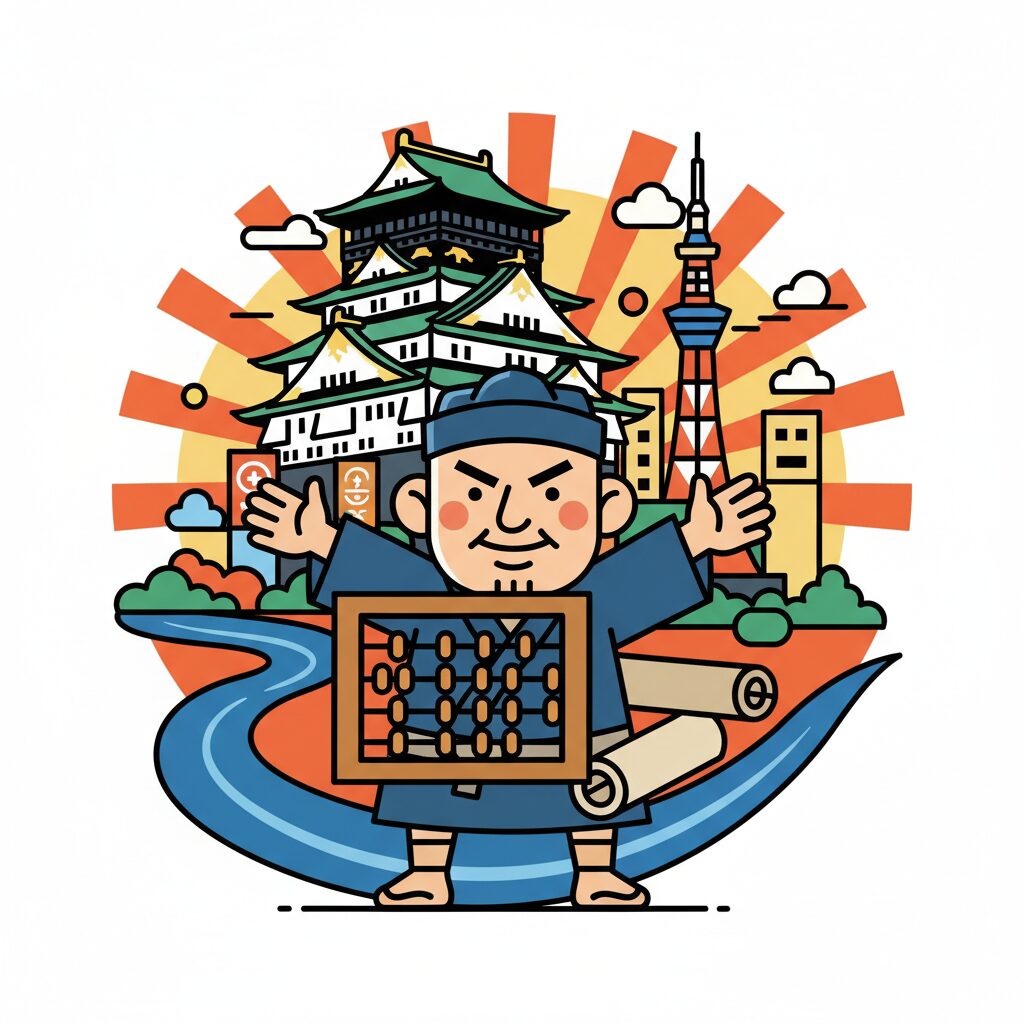
Step out of the Shinkansen at Shin-Osaka, and you feel it instantly. The air hums with a different frequency than Tokyo. The orderly, almost silent shuffle of Marunouchi is replaced by a vibrant, overlapping chatter. People walk faster, talk louder, and laugh more freely. Their business suits might be the same dark navy, but they’re worn with a certain swagger, a sense of purpose that feels less corporate and more personal. This is the gateway to a city built not by samurai edicts or imperial decrees, but by the calloused hands and sharp minds of merchants. This is Osaka, and to understand how to work, live, and thrive here, you must first understand its soul: the ‘Akindo Spirit’.
For many foreigners, the first brush with Osaka’s professional culture can be jarring. The stereotypes precede it—a city of comedians, of aggressive hagglers, of people who greet you by asking how much money you’re making. It’s easy to misread this energy as brusque, unprofessional, or even greedy. But that’s a surface-level interpretation, a caricature that misses the profound and practical philosophy beneath. The truth is, the spirit of the akindo, or merchant, is a complex code of conduct that has shaped everything in this city, from the way deals are closed to the way neighbors interact in a local shotengai shopping arcade. It’s a worldview that prioritizes pragmatic results, genuine human connection, and mutual prosperity over rigid formality and hierarchical posturing. Forget the silent nods and ambiguous consensus-building of a Tokyo boardroom; in Osaka, business is a dynamic, honest, and deeply human conversation. And learning its language is the key to unlocking the real rhythm of life in Japan’s vibrant second city.
The city’s vibrant energy extends to everyday interactions, where even Osaka’s unique escalator etiquette reflects a culture that prizes efficiency and authenticity.
What is the ‘Akindo Spirit’? More Than Just Making a Profit
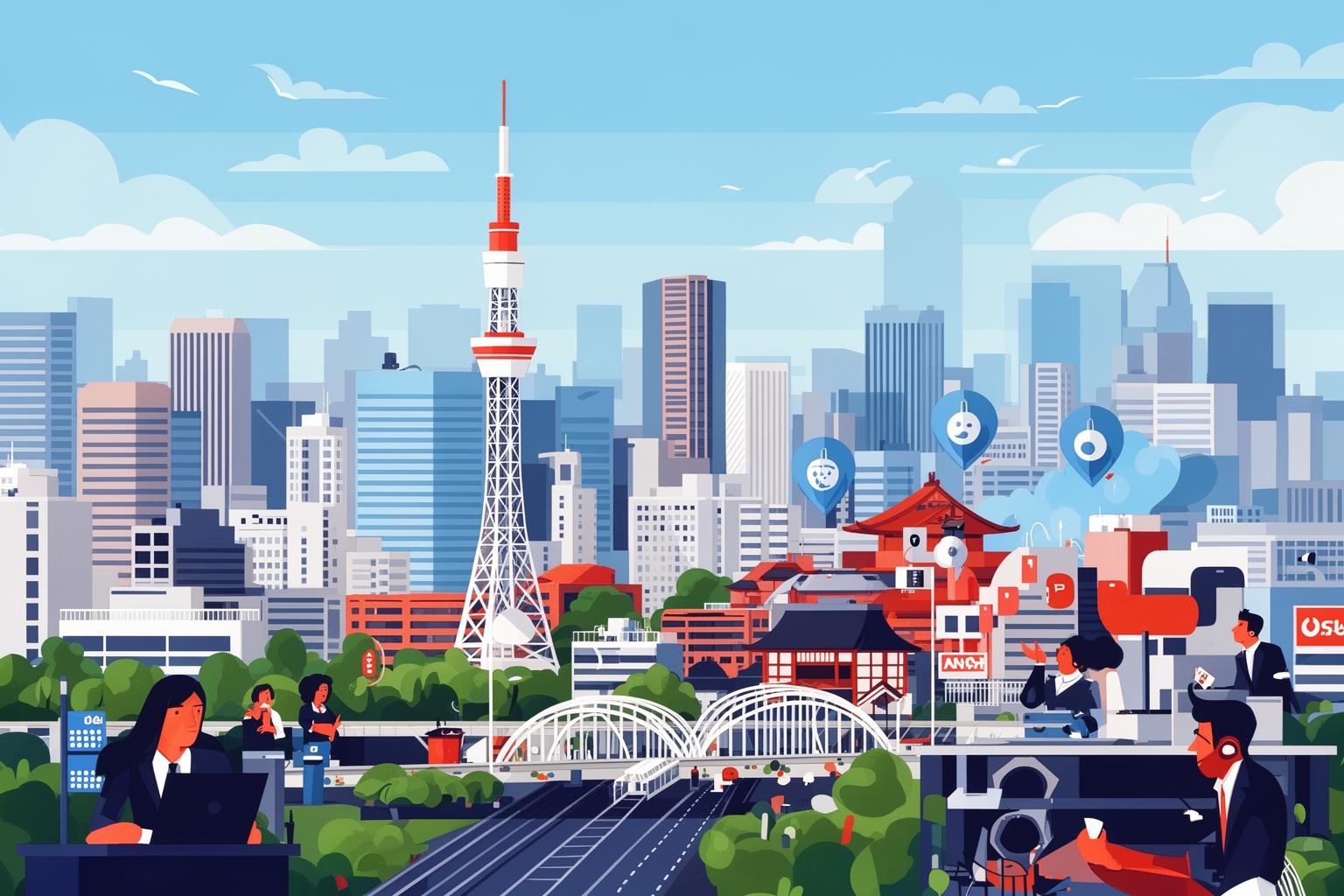
To understand the core of Osaka’s work culture, you need to look back in history. While Tokyo, formerly known as Edo, served as the political and military center of the samurai government, Osaka positioned itself as the commercial hub of the nation. It earned the nickname Tenka no Daidokoro, or “the Nation’s Kitchen,” because it was the main center for rice, Japan’s most vital commodity, along with other goods from across the country. Unlike a city governed by warriors, Osaka was built by and for merchants. Although their official rank was below that of the samurai, their economic influence and practical power were vast. This background shaped a fundamentally different social character.
A History Forged in Commerce
In Edo, success was linked to loyalty to a feudal lord and strict adherence to a hierarchical code. In Osaka, success was defined by the ability to create value, manage risk, and maintain a reputation for reliability and fairness within an open market. The rice brokers of the Dojima Rice Exchange, founded in the late 17th century, established the world’s first futures market, pioneering advanced systems for trading and credit well ahead of their time. They weren’t merely selling rice; they were handling complex financial instruments grounded in trust, information, and a sharp insight into supply and demand. This environment nurtured a mindset that was rational, forward-looking, and independent. Osaka’s merchants answered to the bottom line and their business partners, not to a distant shogun.
This legacy gave rise to influential merchant philosophies, the most renowned being sanpo yoshi: good for the seller, good for the buyer, and good for society. This was no empty corporate motto; it was a sustainable business model. The belief was that a deal benefiting only one party ultimately harms trust and undermines future opportunities. True prosperity is collective. This principle remains embedded in Osaka’s commercial culture today. It explains why a business owner might refer you to a competitor if they cannot meet your needs—because a satisfied customer strengthens the broader market and community.
The Core Principles: Practicality, Rationality, and Human Connection
The historical context of commerce and mutual benefit crystallizes into core principles visible every day. This culture values substance over style and genuine connections over superficial politeness.
“Mokkari makka?” – The Famous Greeting
One of the most misunderstood phrases in the Osaka dialect is the greeting “Mokkari makka?”, which literally means “Are you making a profit?” To outsiders, this can sound intrusive. However, no one is actually asking to see your financial reports. It’s Osaka’s version of “How are you?” or “How’s business?”—a conversation starter grounded in the shared cultural belief that prosperity is positive and the health of your business reflects the health of the community. It’s a way of expressing care for the other person’s welfare in practical terms.
The typical, almost ritualistic, reply is “Bochi bochi denna,” meaning “So-so, bit by bit.” Even if the business is thriving, this humble response is essential. It shows you are grounded, not boastful, and helps maintain communal balance. This brief exchange efficiently reaffirms shared values: we are all working hard and wishing each other success.
Valuing the Bottom Line, Not Just the Hierarchy
In a typical Tokyo company, process and hierarchy dominate. Proposals must proceed up the chain of command, collecting approval stamps (hanko) at every step. Meetings often serve to report progress and ratify previously agreed decisions through meticulous consensus-building known as nemawashi. Openly challenging a superior or bypassing protocol is a serious breach of etiquette.
In Osaka, the culture is strikingly different. The priority is a tangible, positive outcome. A good idea is a good idea regardless of whether it comes from a company director or a new intern. Imagine a project meeting: the Tokyo team might deliver a polished, detailed 150-slide presentation. In Osaka, it’s common for someone to interrupt by slide five and say, “Okay, I understand the concept, but let’s get to the point. What’s the cost, the expected return, and the timeline? Let’s focus on the essentials.” This straightforwardness is not disrespectful; rather, it respects everyone’s time. The Akindo spirit values efficiency. Wasting time on unnecessary formalities is considered the real breach of professional courtesy.
The Philosophy of Shimatsu
Closely linked to this pragmatism is the Osaka concept of shimatsu. This word is challenging to translate but encompasses frugality, resourcefulness, and a careful aversion to waste. It’s not about stinginess, which carries a negative connotation, but about being highly resourceful and valuing everything—money, time, materials, and even relationships. An old Osaka saying goes, “We don’t throw things away; we use them up fully.” This ethos is everywhere: in the restaurant owner who uses every part of the fish, the factory manager who cleverly repurposes scrap material, and the office worker who negotiates deals that extract maximum value for all parties. For those working in Osaka, understanding shimatsu means being mindful of resources, offering cost-effective solutions, and proving yourself a careful steward of the company’s assets.
The Osaka Approach to Business Communication: Direct, Honest, and Full of Humor
The Akindo spirit’s emphasis on efficiency and human connection fosters a communication style that can be a culture shock to those used to the more indirect, high-context interactions typical in other regions of Japan. In Osaka, what you see is largely what you get, and communication serves as a tool for building bridges and quickly solving problems, rather than navigating complex social subtleties.
Cutting to the Chase: Why Meetings Feel Different
As noted, the pace and purpose of meetings mark a major contrast. A Tokyo meeting often feels like a performance, the result of extensive nemawashi. The aim is to formally ratify a pre-agreed consensus and preserve group harmony. Open disagreement is rare and considered disruptive.
An Osaka meeting, by contrast, is a workshop. It’s where problems are actively addressed and decisions are genuinely made. Participants are expected to bring opinions and express them. Discussions can grow loud, passionate, and energetic, with several people speaking simultaneously. To outsiders, this might appear chaotic or confrontational. But for Osakans, it’s the sound of progress—a collaborative brainstorming session where the best idea emerges through lively debate. The underlying assumption is that everyone is there for the same reason: to find the best possible outcome for the business. Silence is often read not as politeness but as a lack of engagement or contribution.
The Role of Humor in Sealing the Deal
Another distinctive aspect of Osaka communication is the central role humor plays. In many corporate cultures, humor is seen as frivolous or unprofessional. In Osaka, it is a vital business tool. Laughter quickly breaks down barriers, builds rapport, and reveals the character of a potential partner. Someone who can both take a joke and return one is viewed as flexible, confident, and personable—all valued traits in business relationships.
This humor often involves rapid-fire banter, reflecting the boke (funny fool) and tsukkomi (straight man) interaction of Japanese manzai comedy, which originated in Osaka. One person might make an exaggerated statement, only for the other to immediately counter it with a witty reply. This is more than performance; in tense negotiations, a well-timed, self-deprecating joke can instantly ease tension and remind everyone they are people first, business counterparts second. The ability to laugh together fosters trust. This deep-seated belief means that mastering lighthearted banter is as crucial as mastering your sales pitch.
“Nande ya nen!” – Passionate Disagreement as a Sign of Respect
The phrase “Nande ya nen!” (“Why is that!” or “No way!”) is a classic Osaka expression of disbelief or disagreement. In a Tokyo office, it would come as a surprise. In Osaka, it’s part of everyday conversation. This directness also extends to saying “no.” While much of Japan relies on indirect refusals—phrases like “that might be difficult” (sore wa chotto muzukashii)—Osakans tend to give straightforward answers.
This can be initially intimidating, but it’s important to grasp the intent behind it. Passionate disagreement or a direct “no” is not a personal attack. On the contrary, it indicates respect—it shows the other person is taking your proposal seriously and engaging honestly to point out its flaws. They are investing time and energy in the discussion. The real warning sign in an Osaka business meeting is polite silence or a vague, non-committal response like “We will take it back and consider it.” This often signals a soft “no” without the respect of genuine dialogue. A heated debate, however, means you still have a chance—it’s an invitation to strengthen your argument and collaboratively find a solution that withstands scrutiny.
Building Relationships: The ‘Nomunication’ and Beyond
For the Osaka akindo, a contract is merely a piece of paper. The true value lies in the relationships between the signatories. Trust holds the highest worth, and it’s cultivated not only during office hours but also over meals, drinks, and shared experiences. This mindset transforms socializing from a mere corporate duty into a fundamental aspect of conducting business.
It’s Not Just About the Office
The term nomunication (a blend of nomu, meaning to drink, and communication) is familiar across Japan, but in Osaka, it carries unique significance. The after-work izakaya gathering is more than just a chance to unwind; it acts as an informal extension of the boardroom. Here, formalities drop away, allowing you to learn about your client’s family, hobbies, and candid views on business proposals they might hesitate to express in the office.
In Osaka, relationships typically run deeper than in Tokyo, where work and personal life are more distinctly separated. A strong business partner in Osaka can become a true friend—someone you might go to a Hanshin Tigers baseball game with, invite to a weekend barbecue, or join for a round of golf. This intentional blending of roles reflects the Akindo spirit, which holds that your best work happens with people you genuinely know, like, and trust. Investing time in nurturing this personal bond is regarded as one of the most crucial business endeavors.
The Art of the Discount: A Ritual of Connection
The most vivid example of Osaka’s relationship-centric commerce is seen in the price negotiation process. Osaka’s reputation for constantly seeking discounts (“Chotto makete kureru?” – “Can you give me a little discount?”) is well-known, but this stereotype overlooks the deeper meaning. The negotiation isn’t just about saving money; it’s a ritual of communication.
Requesting a discount initiates a human interaction, transforming a straightforward transaction into a dialogue. The seller’s reply, the friendly exchange, and the eventual agreement all form a choreography that fosters a small yet meaningful bond. For the seller, offering a slight discount or an extra item (omake) is a goodwill gesture that signals, “I see you, I value your business, and I want you to return.” This practice reinforces the sanpo yoshi principle: finding a solution where both parties are satisfied. This exchange builds loyalty and community in ways a fixed price could never achieve. It encapsulates the entire Osaka business ethos: the relationship outweighs the last few yen.
How This Translates to Daily Life for a Foreign Resident
Understanding the Akindo spirit goes beyond mere academic study. It holds direct, practical significance for any foreigner aiming to build a successful career and a meaningful life in Osaka. Embracing this culture of straightforwardness, pragmatism, and people-centered relationships is essential.
Navigating Your Osaka Workplace
If you find yourself working in an Osaka office, welcome the directness. Don’t hesitate to share your ideas, even if you hold a junior role. A well-founded, practical suggestion will likely be valued. When you disagree, do so constructively. Present it as a collective effort to find a better solution, not as criticism. Expect passionate discussions and don’t take them personally; view them as a sign of engagement.
Above all, invest in relationships. Accept invitations for lunch or after-work drinks. Show sincere interest in your colleagues and clients as individuals. Share a bit about yourself. Learn to participate in local banter and don’t shy away from using humor. You don’t need to be a professional comic, but a willingness to share a laugh will greatly help in building the trust that forms the foundation of professional life here.
Beyond the Office: The Akindo Spirit on the Street
The wonderful aspect of Osaka is that this spirit extends beyond the workplace. It flows onto the streets and shapes the city’s overall character. This is why Osaka often feels “friendly” in a way that differs from polite but distant service found elsewhere. The friendliness is both interactive and practical.
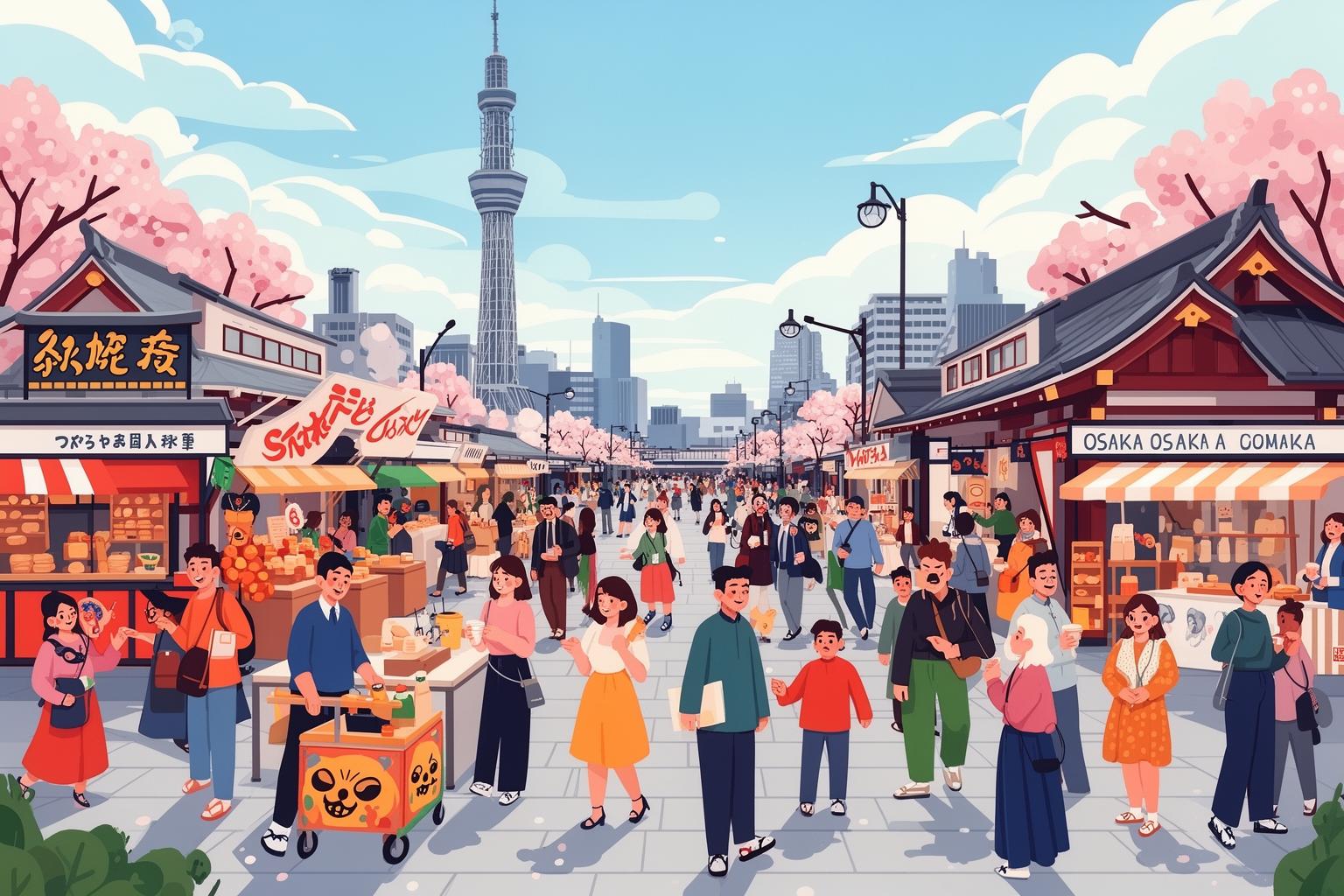
You see it in the shotengai, where the vegetable seller remembers you and offers a cooking tip, or the butcher includes an extra piece of chicken as omake. You experience it when you’re lost and an elderly woman doesn’t merely point you in the right direction but walks you halfway there, chatting along the way. This isn’t random kindness; it is the Akindo spirit in its purest form. It’s a culture of mutual support, grounded in the understanding that we’re all part of an interconnected ecosystem. A happy neighbor creates a better neighborhood. A thriving local shop contributes to a more vibrant community. It’s sanpo yoshi in everyday life.
A City Built on Pragmatism and People
Viewing Osaka through stereotypes—as simply loud, humorous, or money-driven—misses the essence entirely. The city’s lively energy is not disorder; it is the buzz of countless pragmatic, human-to-human exchanges occurring simultaneously. The renowned Osaka humor is not mere frivolity; it serves as a refined means of building trust. The emphasis on profit is not selfishness; it reflects a worldview that sees prosperity as something that should be, and must be, shared.
At its core, the ‘Akindo Spirit’ embodies a deeply humanistic approach to work and life. It celebrates individual contribution while recognizing that success is ultimately a collective achievement. It removes pretenses and formalities to address the heart of matters, prioritizing tangible outcomes and strong relationships above all. For foreigners relocating to Japan, the difference from Tokyo can be striking. Tokyo often feels like a precisely engineered, top-down system, whereas Osaka resembles a resilient, bottom-up organism—perhaps a little messier, but pulsating with a unique life and spirit. Living and working here means becoming part of that organism, learning its rhythms of candid conversation, shared humor, and mutual support. Grasping the merchant’s soul is the essential first step to genuinely calling this dynamic, practical, and deeply human city your home.