
When you first land in Japan, you absorb the rules pretty quick. You learn to stand on the left side of the escalator in Tokyo, the right side in Osaka. You learn that silence on the train isn’t just a suggestion, it’s a social contract. And you learn, most definitively, that the price on the tag is the price you pay. The act of questioning it, of haggling, feels like a cardinal sin, an awkward, cringeworthy move that marks you as a clueless outsider. In most of Japan, that assumption holds true. It’s a culture built on fixed prices, quiet transactions, and the smooth, frictionless exchange of goods for a predetermined amount of yen. But then, you come to Osaka. And the rules, they get a little… blurry.
Here in the merchant capital of Japan, the price on a cardboard sign isn’t always a final statement. Sometimes, it’s an opening offer. It’s the first line in a conversation, a playful challenge in a city that treats commerce not just as business, but as a form of communication, a sport, and a high-contact performance art. This isn’t the rude, aggressive haggling you might imagine from a bustling bazaar somewhere else in the world. This is negi-ru (値切る), the Osaka art of the deal. It’s a dance of wit, charm, and timing, a tradition rooted deep in the city’s DNA as the nation’s kitchen and counting house. For a foreigner, especially one coming from the prim and proper commercial landscape of Tokyo, stepping into an Osaka shōtengai—a covered shopping arcade—is like stepping onto a different planet. It’s loud, it’s a little gritty, and the air is thick with the smell of takoyaki and the sound of shopkeepers bantering with their customers. This is where the real Osaka lives, and if you want to understand its heart, you need to understand the game. It’s not about being cheap; it’s about being engaged. It’s about connection. And it starts right here, in the beautiful, organized chaos of the arcade.
Exploring the unique negotiation style in Osaka can open doors to discovering how the hadaka no tsukiai culture enriches local community bonds.
The Shōtengai Stage: Where the Negotiation Dance Begins

First, you need to understand the environment. We’re not referring to the shiny, temperature-controlled corridors of Daimaru or Takashimaya department stores. The art of haggling doesn’t exist there. In these commercial temples, staff are trained in politeness and precision, not playful negotiation. Prices are fixed, and the rules are strict. Attempting to negotiate the price of a designer handbag in Shinsaibashi would earn you a confused and slightly horrified look. The real action happens in the shōtengai, the long, covered veins of local life like Tenjinbashisuji—the longest shopping street in Japan—or the more specialized Sennichimae Doguyasuji for kitchenware.
These shopping arcades are worlds apart from the corporate retail experience. They form a chaotic symphony of sights, sounds, and smells. Bicycles weave through the crowds of shoppers. Hand-painted banners hang from the rafters. The air buzzes with vendors shouting about fresh tuna, the sizzling sound of okonomiyaki on a hot plate, and the faint strains of old enka music drifting from a tiny record store. Most importantly, these aren’t chains. They are independent, often family-run businesses. The person behind the counter isn’t a university student working part-time. Often, it’s the owner—the oyaji (old man) or obachan (auntie)—who’s been selling pickles or pottery at that very spot for thirty years. Their child might be packing boxes in the back, and their spouse may be handling the finances. They have the authority, autonomy, and most importantly, the personality to bend the rules.
This is the fundamental difference between Osaka and Tokyo. Tokyo’s retail scene, especially in its trendier districts, feels curated and corporate. Interactions are professional, efficient, and largely anonymous. You are a customer; they are staff. In an Osaka shōtengai, these lines blur. You are a neighbor, a potential regular, a participant in the daily drama of the street. The shopkeeper isn’t just selling a product; they’re engaging with you, sizing you up, and deciding if you’re worthy of joining the dance.
Reading the Room: When to Haggle and When to Walk Away
Knowing where to play the game is half the battle. This isn’t a free-for-all. Using your haggling skills in the wrong place is a major cultural mistake. So, where is the best ground for negotiation?
Think independent and think specific. The electronics maze of Den Den Town is a classic example. If you’re buying a camera, a video game console, or some obscure cables from a small, cluttered shop brimming with gadgets, you’re in the right place. The owners are knowledgeable and often willing to make a deal to move stock, especially if you’re purchasing multiple items. Secondhand shops, from vintage clothing stores in Amemura to the sprawling Book-Off and Hard-Off chains, may sometimes be open to a small discount, particularly on higher-priced items that have been on the shelves for a while. Flea markets, like the one held at Shitennoji Temple, are prime territory. There, haggling isn’t just accepted; it’s expected. It’s part of the fabric of the event.
It also works on a micro-local level. The fruit and vegetable stall at the end of the day, when the owner wants to clear out the last bunches of spinach? That’s the perfect moment to ask for a bit of omake, an extra added on. A small, family-owned furniture shop? Definitely. The key sign is the presence of the owner and an atmosphere of lively, personal interaction.
Conversely, the no-go zones are clear and absolute. Never try to haggle in a convenience store, supermarket, chain clothing store like Uniqlo, or any department store. The cashier has no authority, and you’ll only create an awkward social moment for everyone involved. Restaurants are also off-limits. You pay the price on the menu, full stop. The rule of thumb is simple: if the person you’re speaking to wears a corporate uniform and likely doesn’t own the business, don’t try to haggle.
More Than Money: The Language of the Osaka Haggle
So you’ve found your place: a small camera shop in Den Den Town. The owner, a man in his sixties with glasses perched on his nose, is dusting a shelf filled with lenses. You’ve spotted a vintage film camera that catches your eye. What’s next? The worst move is to walk in and bluntly ask, “Will you take 10,000 yen for this?” That’s not negotiation; it’s a demand. It lacks finesse. The Osaka haggle is a form of seduction, and it begins with conversation.
The Opening Gambit: It Starts with a Conversation
You need to build rapport first. The transaction must be humanized before it can be negotiated. Start by showing genuine interest. Don’t just point at the camera; pick it up. Admire it. Ask the owner about it. “Kore, furui desu kedo, kirei desu ne.” (This is old, but it’s beautiful, isn’t it?) Compliment his shop. “Ii mon takusan arimasu ne.” (You’ve got a lot of great stuff.) Treat him as an expert, not merely a seller.
This is where dropping a little bit of the local dialect, Osaka-ben, works like a magic key. Even if your accent is rough, the effort is what matters. Instead of the standard Japanese “Ikura desu ka?” (How much is it?), try the classic Osaka phrase, “Ochan, koreなんぼ?” (Old man, how much is this?). It’s casual, friendly, and signals that you’re in on the joke—that you understand the local culture. After he quotes a price, don’t immediately counter. Pause. Frown slightly. Look at the camera again, then back at him. Then deliver the classic line, with a hopeful, friendly smile: “Mō chotto dake, makete kureru?” (Can you just come down a little bit?)
The Counteroffer: The Art of “Omake”
Here’s a secret many outsiders miss: a successful haggle in Osaka doesn’t always mean lowering the price. Often, the real win is in the omake (おまけ), a little extra thrown in for free. This clever, face-saving tactic lets both parties feel victorious. The seller keeps the value of the main product, and the buyer walks away with more than they paid for.
Back to that camera: the owner says he can’t drop the price. Instead of pressing, pivot. “Sō ka… ja, kono renzu firutā, omake shite kureru?” (Is that so… then could you throw in this lens filter as a bonus?) Or maybe a roll of film or a camera strap. This softer, more cooperative approach doesn’t devalue his merchandise; it asks for a goodwill gesture to seal the deal.
This happens all the time with food. Buy a bag of oranges, and the vendor might toss in an extra one as you pay. Buy a block of tuna, and the fishmonger might add a small piece of a different cut to try. The omake turns a simple transaction into a relationship. It’s a promise of future business—a sign that says, “I like you, come back again.” For the Osakan shopper, receiving a good omake is often more rewarding than saving just a few hundred yen.
The Playful Push: “Anata dakara” (Just for You)
If the shop owner decides to reduce the price, it almost always comes with a bit of theatrical flair. This is the final act of the performance. He’ll sigh deeply, scratch his head, and look at his account book as if solving a difficult puzzle. He might draw in air through his teeth and say, “Uuun, shindoi naa…” (Oof, this is tough…).
This isn’t a sign you’ve pushed too far. It’s part of the routine. He’s showing you how hard it is for him, making the eventual discount feel more valuable and hard-won. Finally, he’ll lean in and quietly say, “Shōganai na… anata dakara, tokubetsu ya de.” (Ah, it can’t be helped… just because it’s you, I’ll make it special.)
That phrase—“just for you”—is the golden ticket. It personalizes the experience. You haven’t just gotten a discount; you’ve been granted a favor. You’re special. He might say this to the next customer, too, but in that moment, it feels genuine. It cements the relationship and makes you want to return. This is the emotional heart of the haggle, transforming a cold calculation of yen into a warm, memorable human connection.
The Merchant’s Soul: Why Osaka Haggles and Tokyo Doesn’t
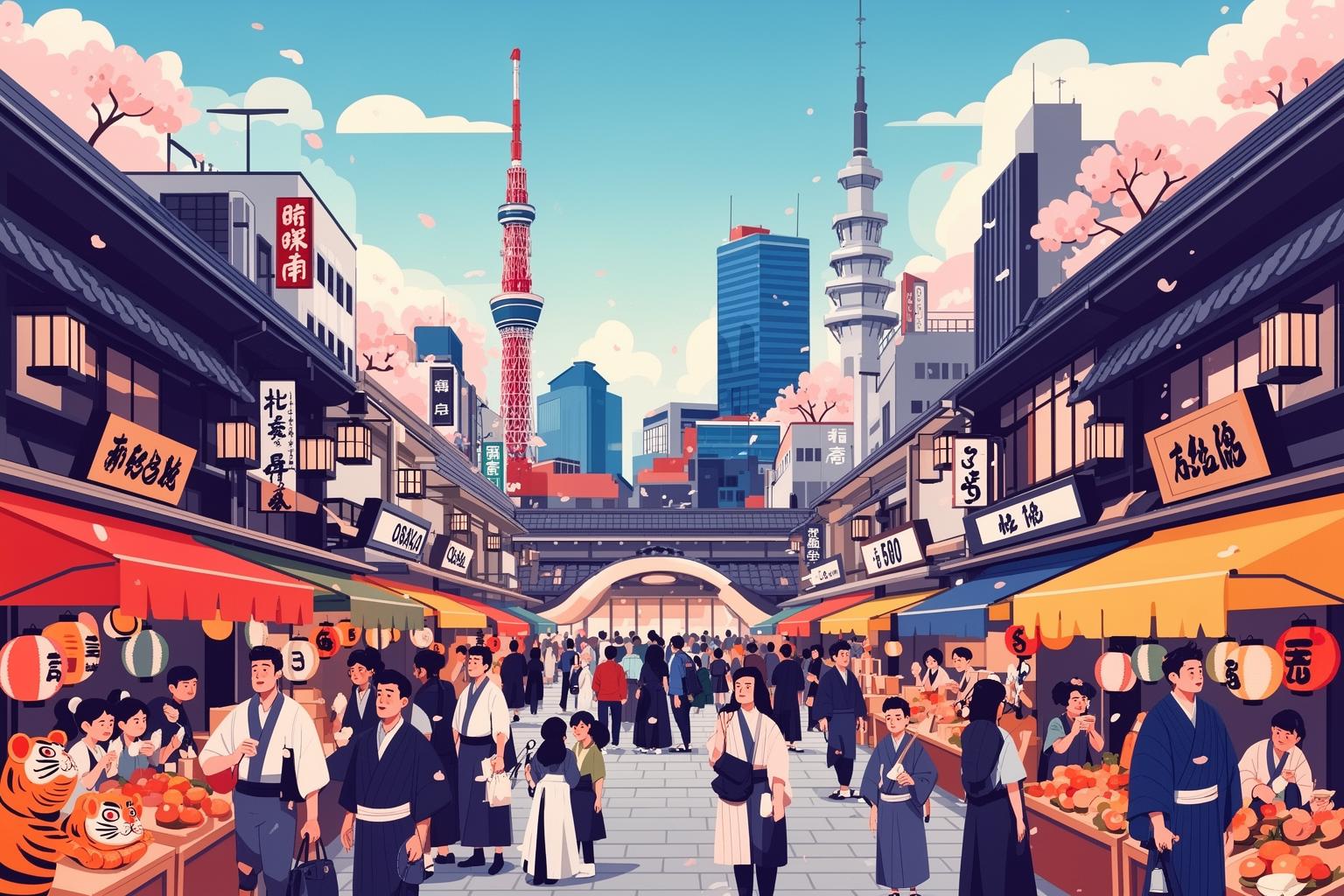
This deeply ingrained habit is not merely a random quirk but a direct reflection of Osaka’s history and identity. For centuries, while Tokyo (then Edo) served as Japan’s political and military hub, governed by stoic samurai, Osaka was the commercial powerhouse—the tenka no daidokoro, or “nation’s kitchen.” It was a city of merchants, artisans, and dealmakers. Unlike the samurai class, which viewed commerce as a necessary but unrefined activity, Osaka regarded it as a celebrated art form known as akinai (商い).
Within the samurai culture of Edo, there was pride in showing indifference toward money. A clean, swift transaction where the price was paid without question signified status, and haggling was considered undignified. In contrast, Osaka valued the opposite. A merchant’s skill lay in reading people, negotiating hard bargains, and still ensuring everyone left satisfied. The goal was always a win-win situation to encourage repeat business. The standard greeting in Osaka isn’t “How are you?” but “Mōkarimakka?” (Making money?), with the usual reply being “Bochi bochi denna” (So-so, getting by).
This history shaped a mindset that prizes pragmatism and despises waste. Osakans are often misunderstood as kechi (stingy or cheap), but the more fitting local term is shibui, meaning savvy, smart, or making the best possible value. Paying full price when friendly negotiation could secure a better deal is viewed as foolish rather than honorable. Why waste money? Why miss a chance for enjoyable interaction? Haggling is the ultimate expression of this practical, value-conscious, and deeply social mindset. It’s about maximizing value—both financial and social—in every single interaction.
A Foreigner’s Guide to the Game: Practical Steps and Pitfalls
For non-Japanese residents, diving into the world of Osaka haggling can feel intimidating. However, it’s also one of the quickest ways to truly connect with the city. If you’re open to trying, here are the basic rules.
The Dos
- Do Start with a Smile: The whole process depends on being friendly and lighthearted. This is a game, not a battle. A warm greeting and a relaxed attitude are your most important tools.
- Do Your Homework: Have a general idea of the item’s value. A reasonable negotiation typically aims for a 10-20% discount, not 50%. Know your target price before you begin.
- Do Build Rapport: As mentioned, chat a little first. Compliment the shop. Ask a question. Humanize the interaction before even bringing up the price.
- Do Use the Power of “Maybe”: Instead of demanding a lower price, ask if it’s possible. “Mō chotto yasuku narimasen ka?” (Could it perhaps become a little cheaper?) is much softer than “Yasuku shite kudasai” (Make it cheaper).
- Do Offer to Buy in Bulk: Purchasing multiple items is the easiest way to open the door for a discount. “If I buy this and this, can you give me a special price?” is a classic and effective tactic.
- Do Be Ready to Walk Away (Politely): If the price isn’t right, that’s okay. A simple, smiling, “Wakatta, arigatō. Chotto kangaemasu.” (Okay, thank you. I’ll think about it a bit.) keeps the door open and ends the interaction positively.
The Don’ts
- Don’t Be Aggressive: Never be demanding, loud, or confrontational. This will immediately close off any chance of a deal and cause the shopkeeper to lose face.
- Don’t Haggle Over Pennies: Avoid bargaining over a 500-yen item. It wastes time for both parties and comes off as cheap, not clever. Save it for more significant purchases.
- Don’t Criticize the Product: Never say something like, “Well, this one is a little scratched, so you should give me a discount.” This is insulting. Negotiations are about the sale context, not the item’s supposed flaws.
- Don’t Back Out After They Agree: If you offer a price and the shopkeeper accepts, you are honor-bound to buy it. Backing out at this point is a serious breach of trust.
- Don’t Treat it Like a Life-or-Death Situation: Remember, it’s a game. If they say no, they say no. Smile, thank them for their time, and move on—no hard feelings.
At the end of the day, the art of Osaka haggling isn’t really about the money you save. It’s about what the interaction represents—a brief, fleeting moment where you step beyond the rigid roles of customer and seller and become two people simply trying to work something out. It’s a glimpse behind the curtain of Japanese formality into a world that is more direct, more playful, and, in many ways, more human.
Succeeding at your first haggle is a rite of passage. It feels like you’ve unlocked a new level of understanding of the city. You didn’t just buy something; you participated in a cultural ritual. You shared a laugh with a shopkeeper, spoke the local language, and walked away with a story. And in a city as rich with stories as Osaka, adding your own is the best deal you can get.