
The Current Surge: Shattering Past Records
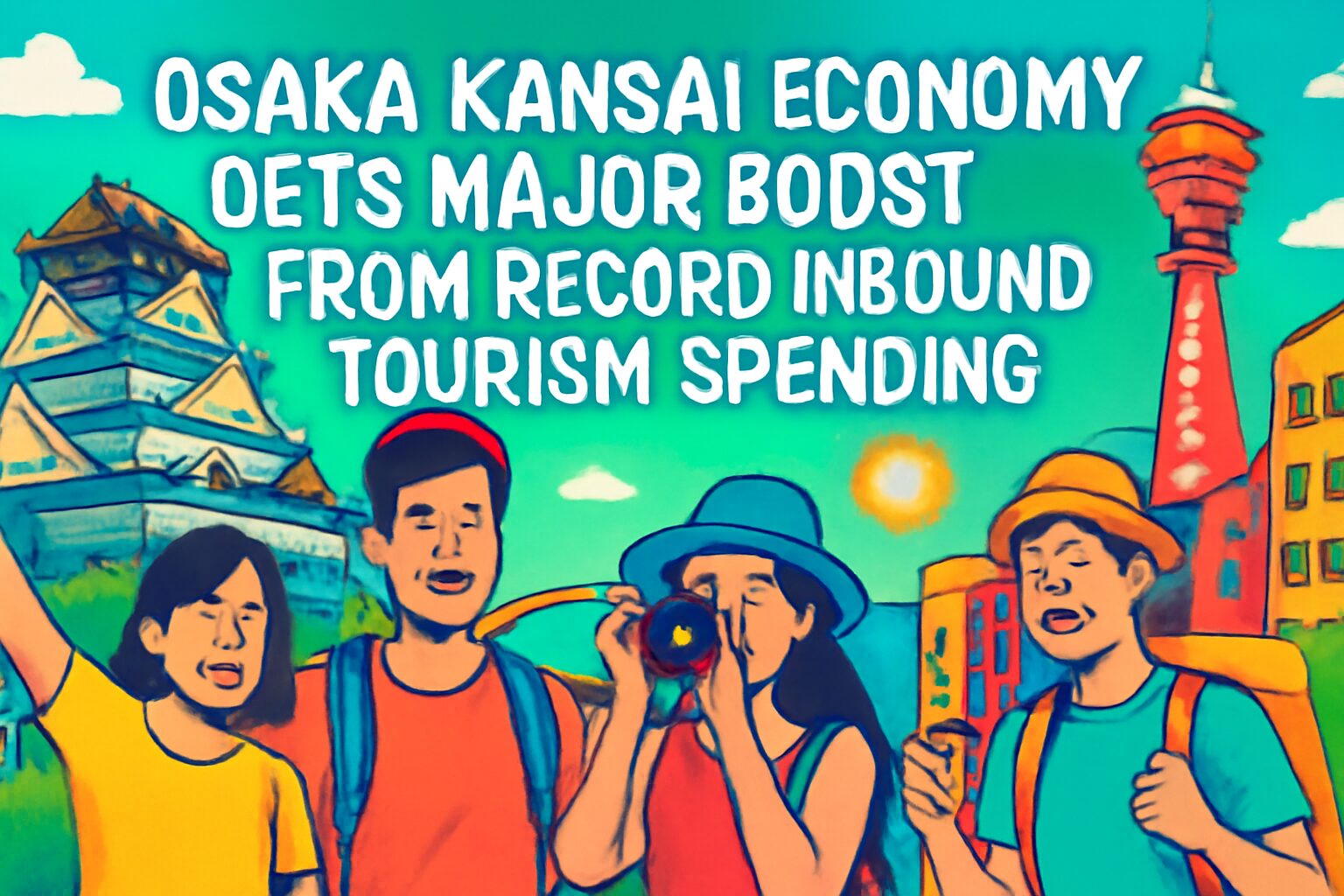
In the early months of 2026, the Osaka-Kansai regional economy is experiencing an unprecedented revitalization driven by a historic wave of inbound tourism spending. Decisively surpassing the previous pre-pandemic benchmarks set in 2019, international travelers are injecting massive capital directly into the local market. Following a nationwide trend that saw foreign visitor spending reach a record 9.5 trillion yen in 2025, the Kansai region has firmly established itself as a primary beneficiary of this economic boom. Department stores in central Osaka districts like Umeda and Namba have reported monumental sales figures, pushing regional retail revenues to new heights and highlighting the sheer purchasing power of the current tourism wave.
Background: The Weak Yen and Shifting Tourist Preferences
A major catalyst for this current surge is the historically weak yen, which has repositioned Japan as a highly affordable luxury destination for global travelers. With significantly increased purchasing power, international visitors are expanding their budgets beyond basic travel necessities.
While retail shopping for luxury goods, designer apparel, and high-quality Japanese cosmetics continues to drive substantial revenue, there is a noticeable evolution in tourist behavior. Modern travelers in 2026 are increasingly allocating their funds toward unique cultural experiences, dining at world-class local restaurants, and exploring regional crafts. This shift means that economic benefits are no longer confined to major duty-free retailers but are actively spreading to local artisans, tour operators, and traditional hospitality providers across the broader Kansai area.
Economic Ripple Effects: Empowering the Local Market
The massive influx of foreign capital is creating a powerful economic ripple effect throughout Osaka and its neighboring prefectures. The hospitality and retail sectors are urgently scaling up operations, which is directly stimulating job creation and providing a much-needed boost to local supply chains.
To accommodate the steady flow of international visitors, new investments are pouring into the region’s infrastructure. Hotel developments are accelerating to meet unprecedented demand, and mobility-related services, such as regional rail passes and car rentals, are seeing top-tier booking rates as tourists explore beyond the primary city centers. This decentralized exploration ensures that smaller municipalities within the Kansai region also reap the financial rewards of the current travel boom.
Future Outlook and Long-Term Impact
Looking ahead, the economic forecast for the Osaka-Kansai travel sector remains exceptionally robust. The ongoing momentum from the 2025 Osaka-Kansai Expo has successfully converted one-time event attendees into repeat visitors, establishing a lasting legacy of global interest in the region.
As 2026 progresses, continued investments in sustainable tourism initiatives and digital infrastructure are expected to further refine the visitor experience. By leveraging travel data to better understand inbound behavior, local authorities and businesses are positioning Osaka not just as a temporary hotspot, but as a premier, long-term gateway to Western Japan. This strategic approach signals a sustained growth period, ensuring that the region’s economy will remain resilient and supported by a thriving travel industry for years to come.








